Kitchen Gear Wise

Kitchen Gear Wise

Kitchen Gear Reviews & Buying Guides

Compare kitchen gear by use case, features, trade-offs, price, returns, and seller terms before you buy.

Buying guides

Buying guide image
Specialty Kitchen Appliances

Kitchen Mixer

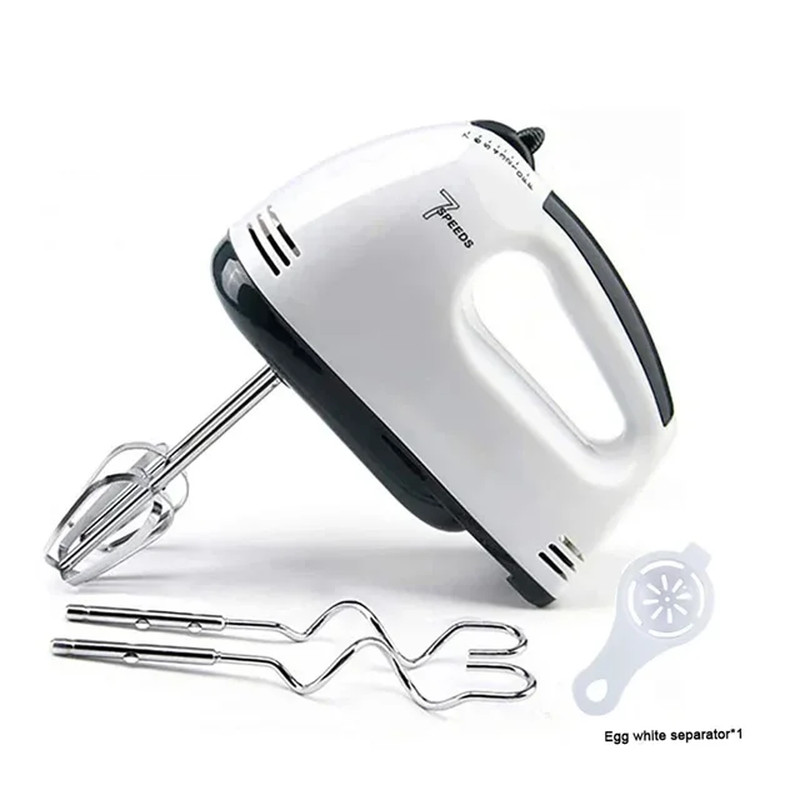
Kitchen mixers split into hand mixers for light whipping and stand mixers with a dedicated bowl-and-motor platform for dough and sustained mixing. The core trade-off is motor wattage and bowl capacity versus counter footprint and head architecture: tilt-head units are easier to load, bowl-lift units handle heavier dough. Serious bakers need a stand mixer with at least 300W and a metal bowl; hand mixers and sub-250W stand units are compromises for occasional cake batter only.
Buying guide image
Sourdough Starters & Fermentation

Glass Container

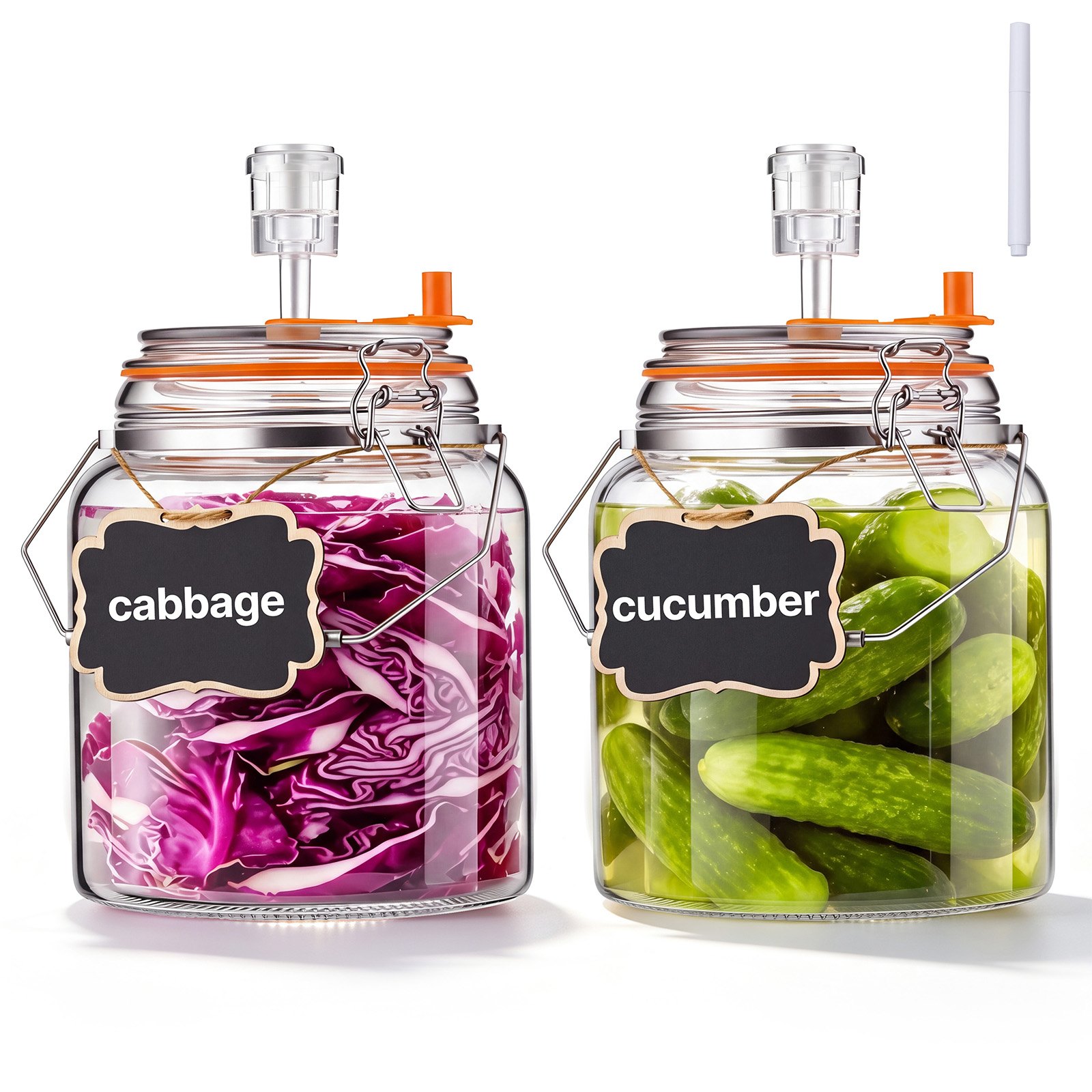
Glass fermentation containers are the vessel that determines whether your sourdough starter or kombucha thrives or stalls, and the key trade-off is between airtight, pressure-safe sealing for carbonation versus easy oxygen exchange and observation for starter maintenance. Choose borosilicate or thick soda-lime glass with a wide mouth and graduated markings for durability and usability; skip thin decorative glass or narrow-neck jars that crack under thermal shock or trap CO2 dangerously.

Buying guide image
Food Dehydrators

Meat

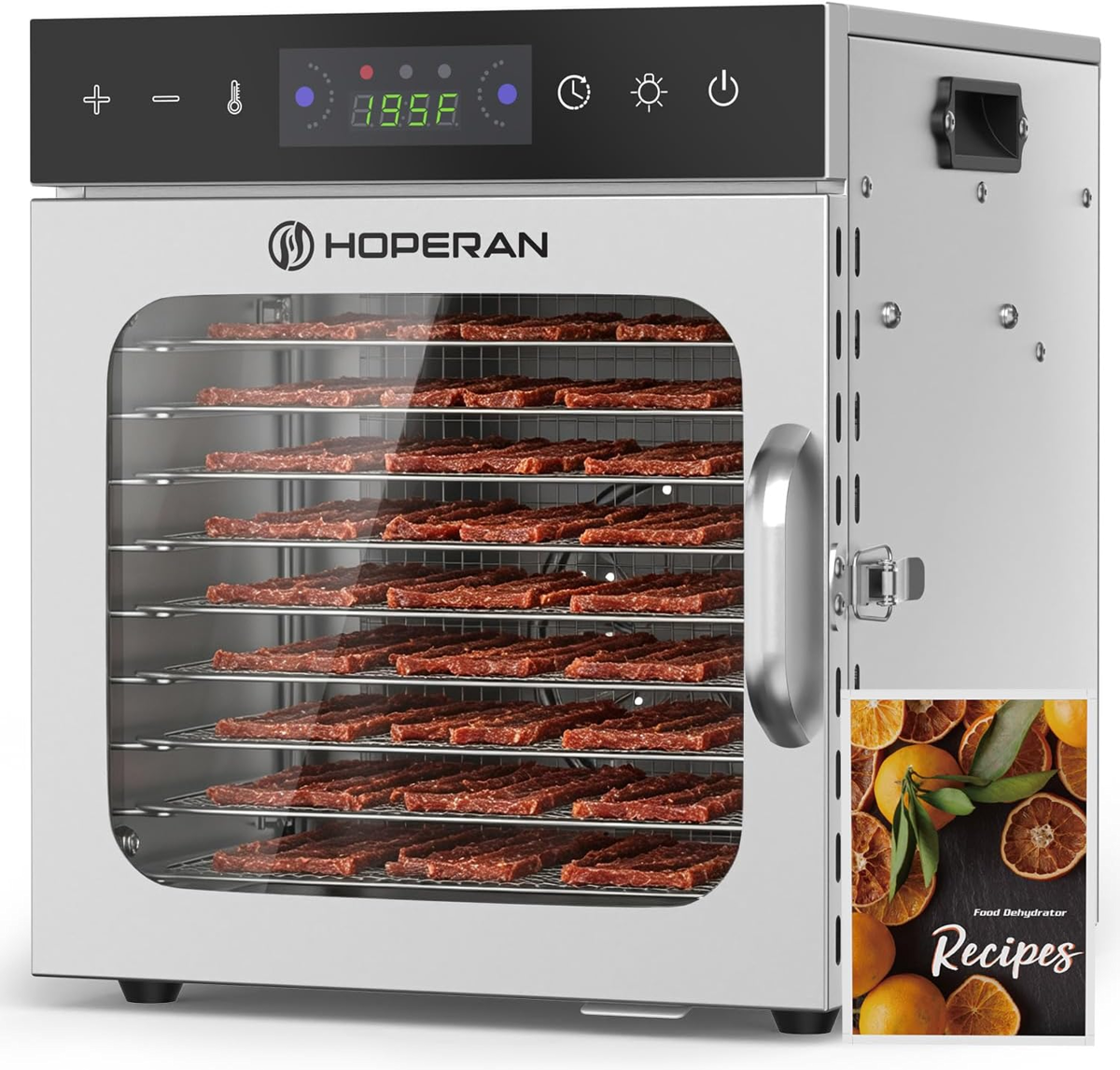
Meat dehydrators are countertop appliances built to hold low temperatures (95–165°F) for hours while moving air evenly across thin, lean strips of beef, venison, or poultry. The decisive trade-off is between horizontal airflow with generous tray spacing (even drying, no rotation) and vertical stack designs (cheaper, but require tray swapping). Buy horizontal airflow with adjustable thermostat and stainless trays for safe jerky; skip fixed-temperature round stack units for raw meat.

Buying guide image
Cookware & Cutlery

Tri Ply Stainless Steel Cookware Set

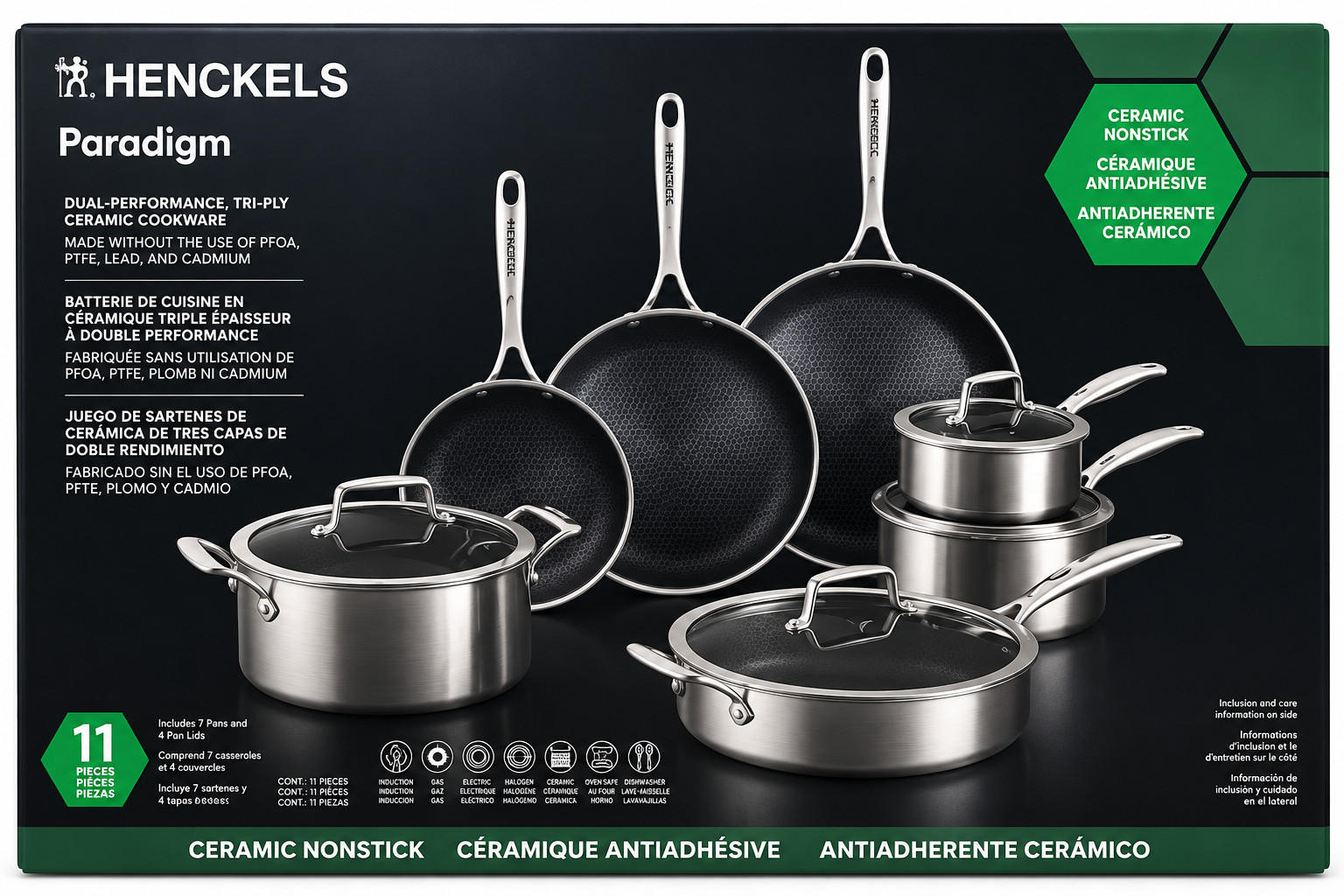
A tri-ply stainless steel cookware set bonds an aluminum or copper core between two layers of stainless steel for even heat and no reactivity. The key trade-off is ply construction and steel grade: fully clad 3-layer bodies with 18/10 cooking surfaces last decades, while encapsulated-disc bases and thin 18/0 shells warp or scorch. Buy a set only when every piece is fully clad and oven-safe to at least 500°F; skip any set where the base is a separate disc or the pans feel light for their diameter.

Buying guide image
Food Preparation

Onion Chopper

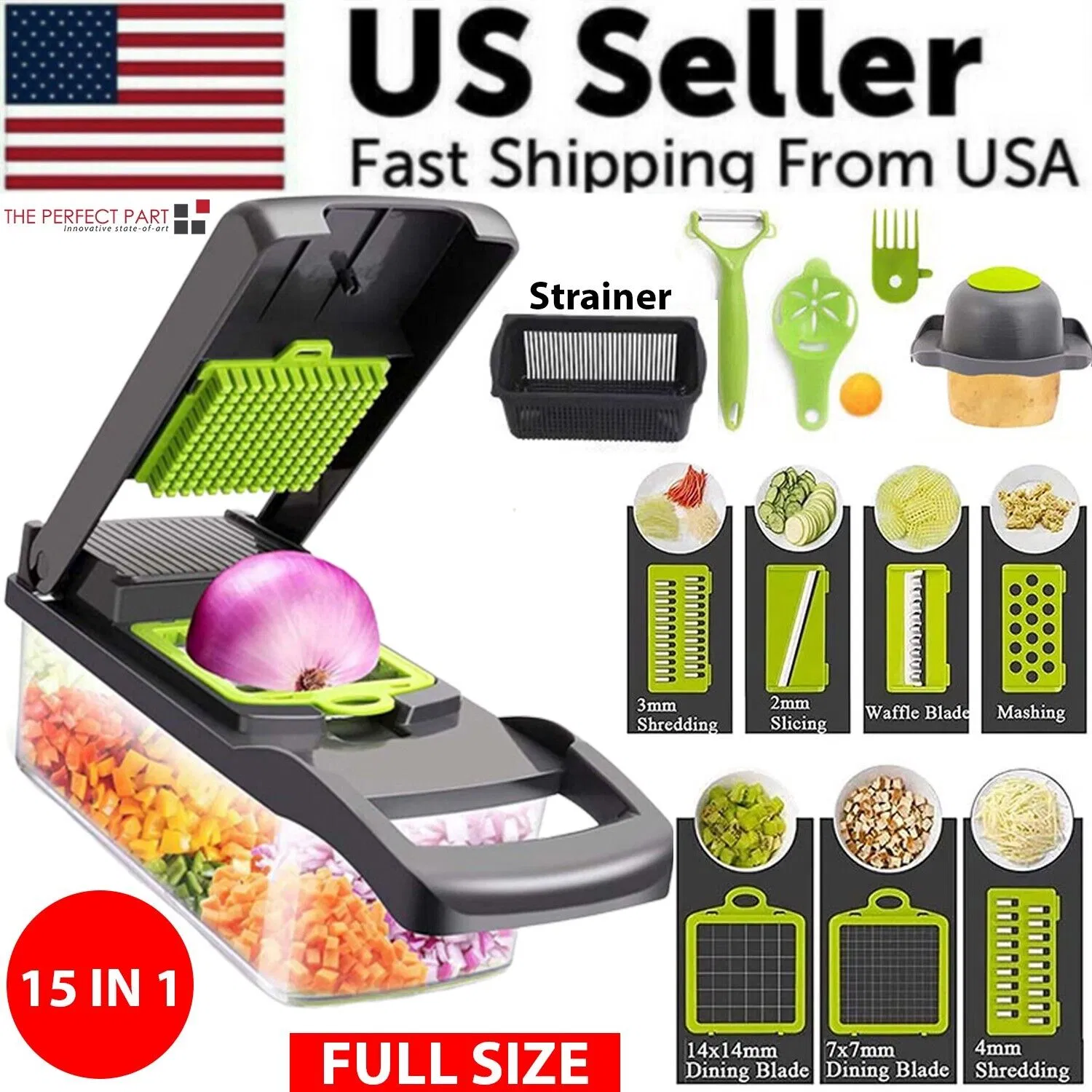
An onion chopper is a manual or electric kitchen tool that dices onions (and other vegetables) into uniform pieces while containing mess and minimizing tearing. The core trade-off is blade quality and mechanism durability versus convenience: stamped blades in thin plastic bodies dull and crack, while hardened stainless blades in reinforced frames or geared mechanisms last. The decision rule: buy a chopper with replaceable or hardened stainless blades, a reinforced (not brittle) container, and a mechanism sized to your volume—skip multi-blade 'N-in-1' kits unless the primary onion blade is thick-gauge and the frame is stiff.

Buying guide image
Coffee Makers & Espresso

Barista Machine

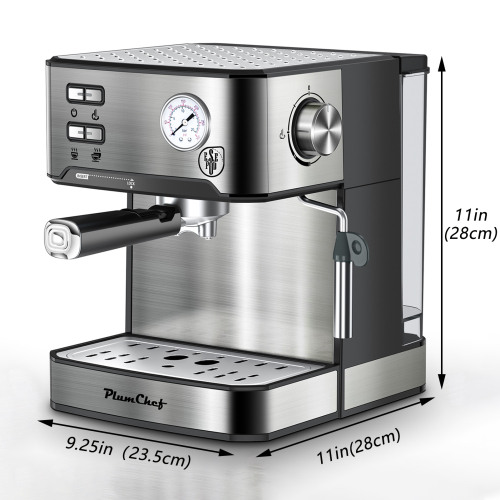
A home barista machine is a pump-driven espresso maker with a steam wand or frother, where the core trade-off is between 15-bar entry vibration pumps with thin single-wall baskets and 20-bar systems with commercial-style 58mm portafilters and PID temperature control. The decision rule is simple: buy a machine with a 58mm portafilter, a visible pressure gauge, and a dedicated steam wand if you want café-grade shots; skip 51mm pressurized-basket machines unless convenience trumps shot quality.

Buying guide image
Blenders & Juicers

Portable Mini Blender

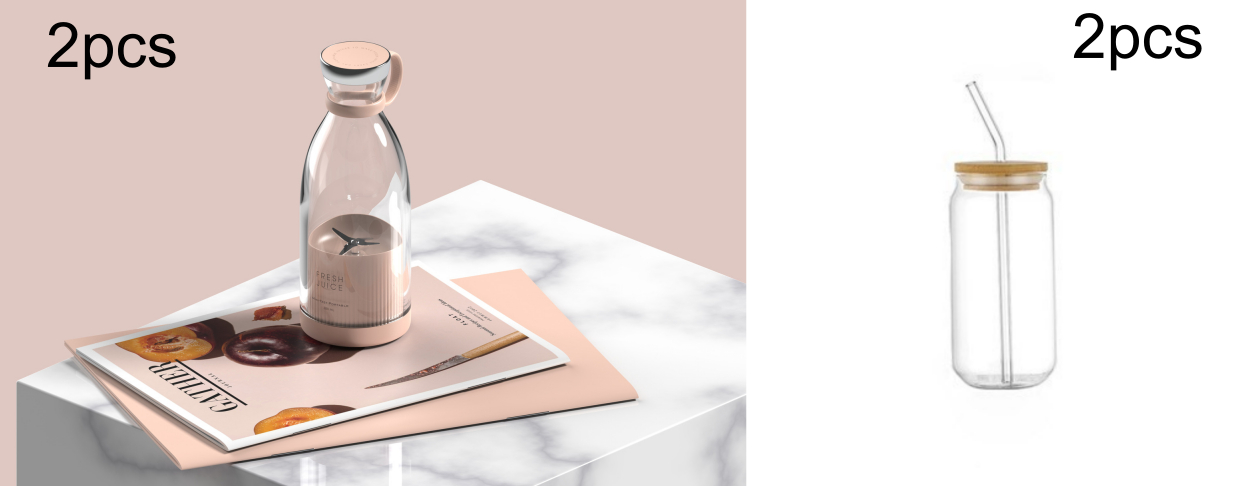
A portable mini blender is a compact, battery-powered or USB-rechargeable blender designed for single-serve smoothies and shakes on the go. The core trade-off is motor power and blade geometry versus battery capacity and jar volume: weak motors stall on frozen fruit or ice, while oversized batteries add weight and charging time. The clear decision rule is to pick a model with at least 175W equivalent brushless motor, 300ml+ jar, and USB-C charging for durable daily use, and skip any unit under 150W or with micro-USB for longevity.

Buying guide image
Tableware, Drinkware & Serving

Drink Dispenser With Stand

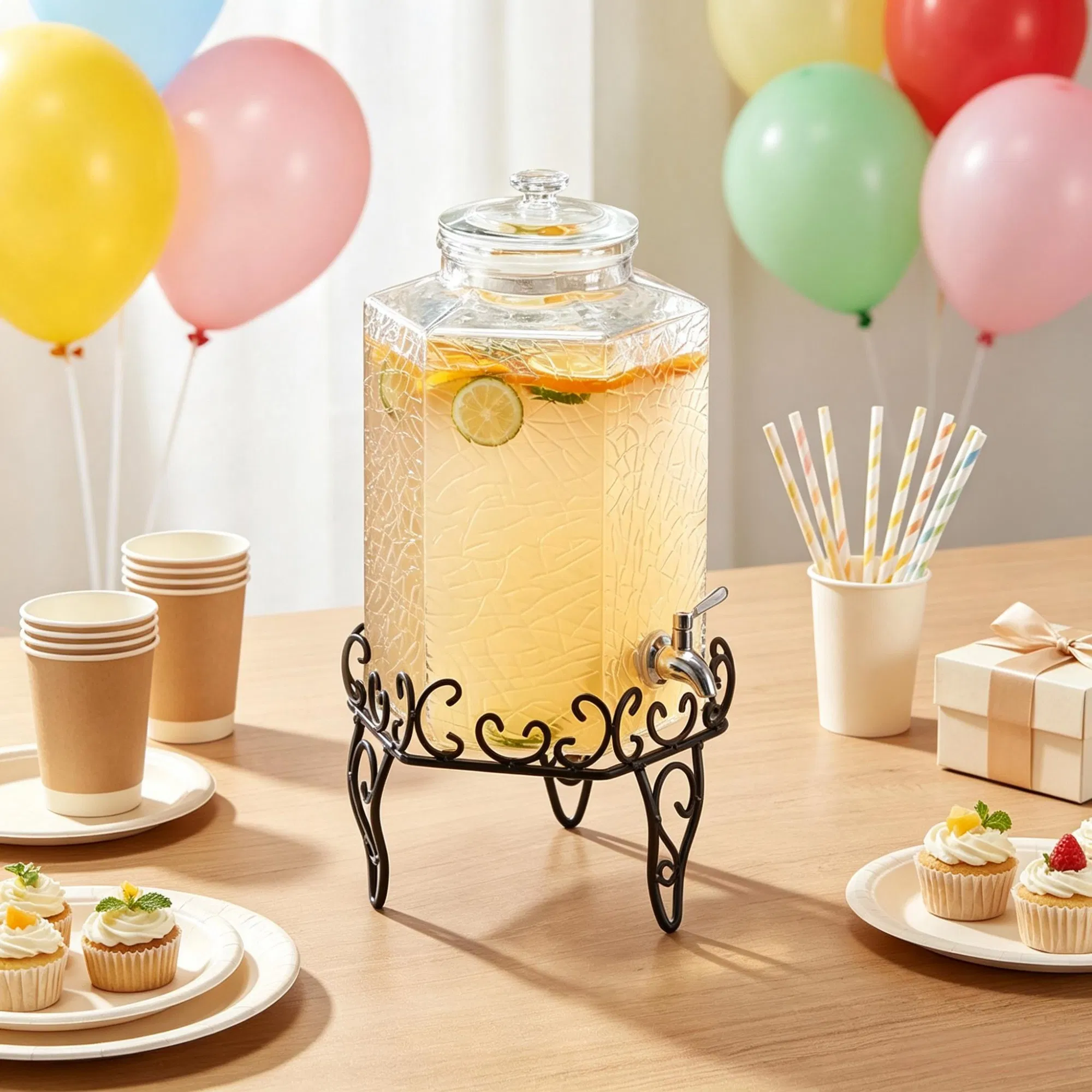
A drink dispenser with stand bundles a beverage vessel (glass, stainless steel, or plastic) with an elevated base and a dispensing spigot, primarily trading off material durability and capacity against portability and price. Glass offers clarity and flavor neutrality but is heavy and fragile; stainless steel wins on insulation and shatter resistance; plastic is the lightweight party option but can retain odors and stain. The decision rule: choose glass or stainless for repeat-use durability and flavor purity, and pick plastic only for large-capacity, low-cost events where weight and breakage risk dominate.

Buying guide image
Ice Makers

Electric Ice Maker

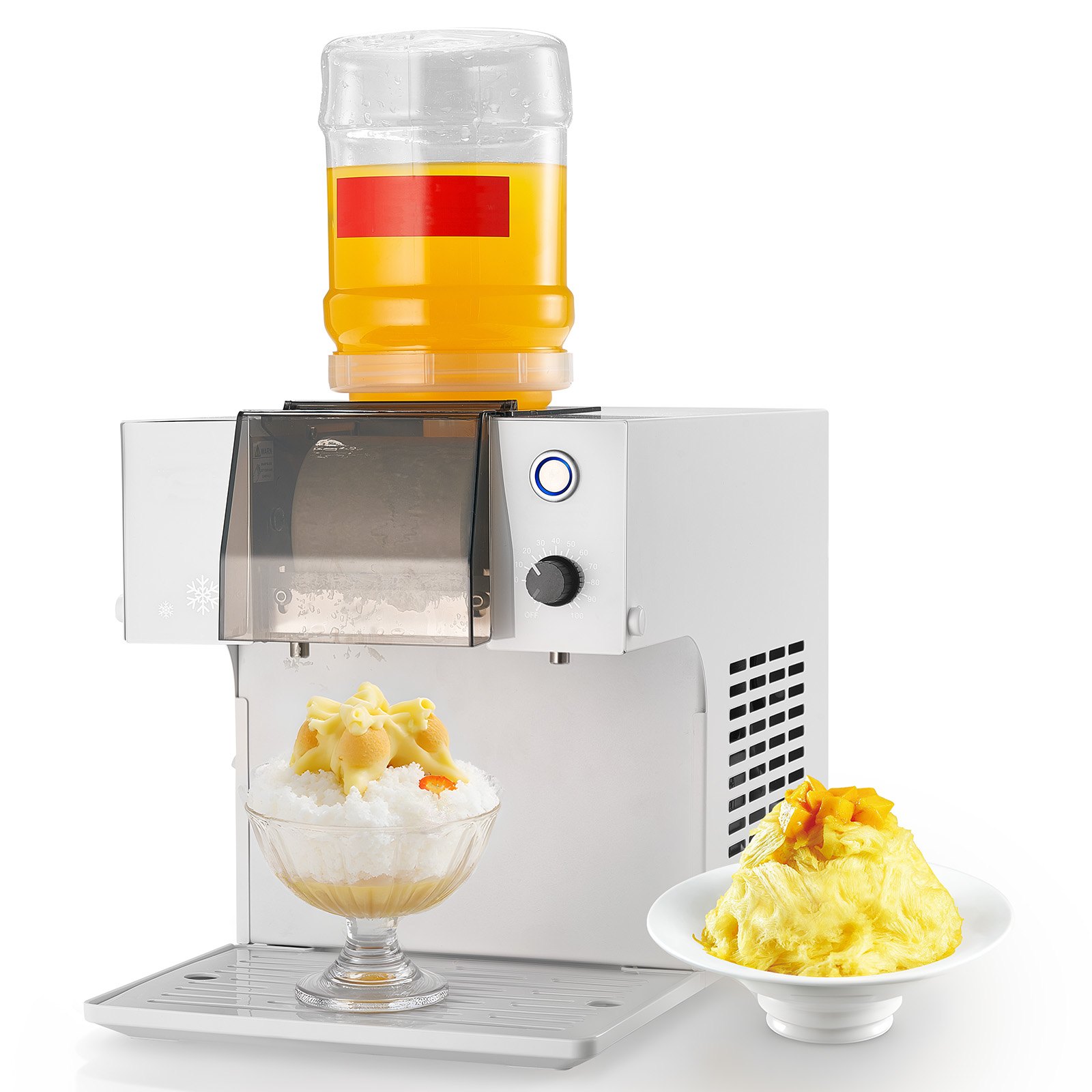
Electric ice makers are countertop or undercounter appliances that freeze water into ice via a compressor or thermoelectric cooling system. The core trade-off is between compressor-based models (fast, high-capacity, but bulkier and noisier) and thermoelectric units (compact, quiet, but slow and low-output). The clear decision rule: choose a compressor-driven unit with a stainless-steel evaporator and a gravity-drain or built-in pump if you need daily ice for multiple people; skip thermoelectric models unless you only need a handful of cubes for personal drinks and prioritize silence and portability.

Buying guide image
Blenders & Juicers

Compact Centrifugal Juicer

A compact centrifugal juicer is a small-footprint, high-speed shredding machine that separates juice from pulp using a spinning basket and centrifugal force. The core trade-off is between a narrow feed chute that demands produce prep and a wider chute that saves time but increases counter depth and motor load. Choose a model with a stainless-steel micro-mesh basket and at least 400 W if you juice daily; treat sub-300 W units with plastic baskets as occasional-use compromises.

Buying guide image
Home Ranges, Ovens & Cooktops

2 Burner Induction Cooktop Portable

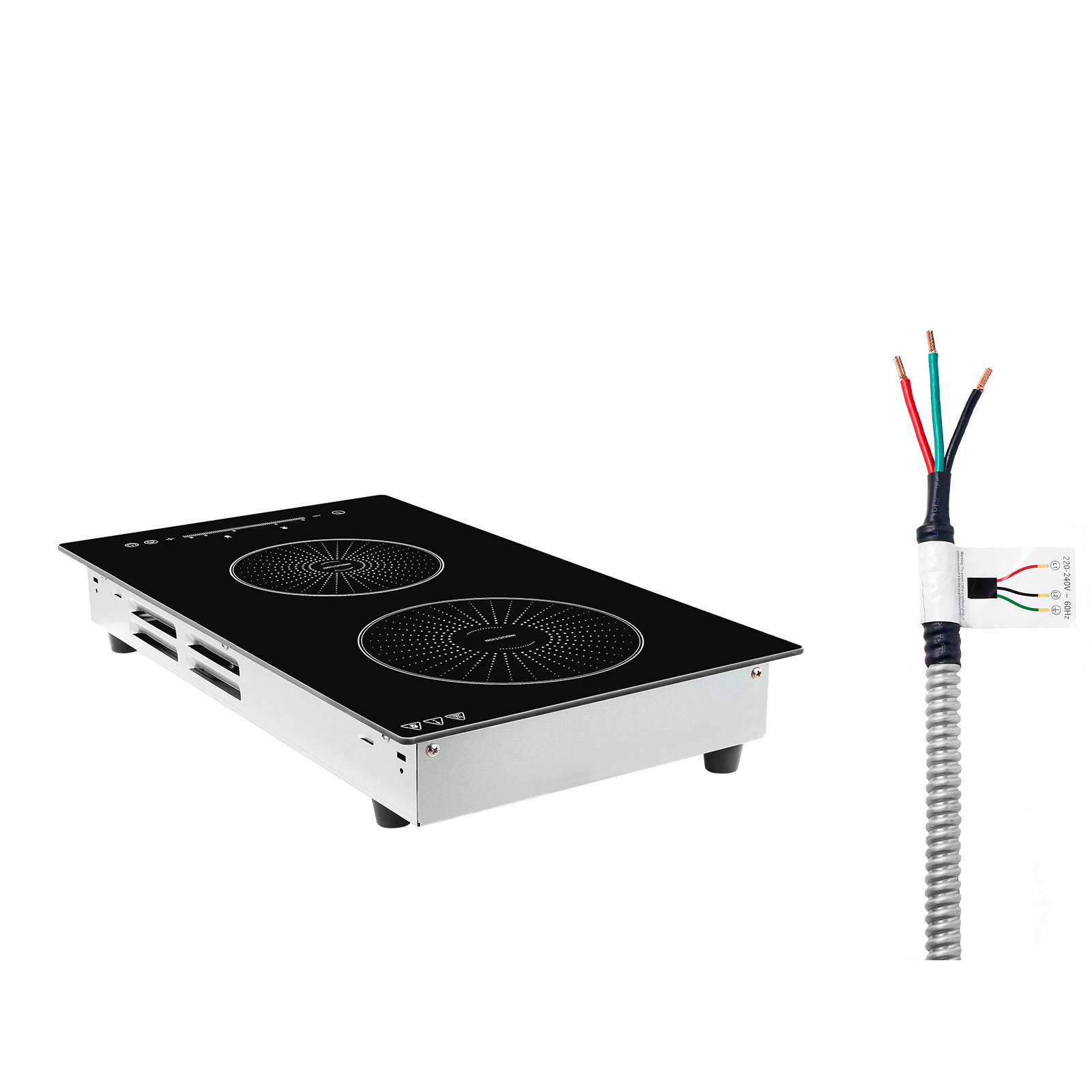
A 2-burner portable induction cooktop is a compact, plug-in ceramic-glass appliance that uses electromagnetic coils to heat induction-compatible cookware directly, bypassing the thermal lag of traditional electric coils. The core trade-off is between low-wattage 110V units that run on standard household circuits and high-output 220V models that require dedicated wiring but deliver restaurant-grade power. The decision rule: buy a 110V countertop model for RVs, dorms, and auxiliary cooking; buy a 220V built-in or high-output portable only if you have a dedicated circuit and demand rapid boiling and searing.

Buying guide image
Ice Makers

Small Portable Ice Maker

Small portable ice makers are countertop compressor or thermoelectric appliances that produce chewable bullet or nugget ice without a water line, typically holding 1–2 lb of ice and producing 9–26 lb per day. The core trade-off is compressor cooling for fast, hard, consistent ice versus thermoelectric (Peltier) modules for near-silent, ultra-light travel use at the cost of slower cycles and soft, melting-prone cubes. The decision rule: buy a compressor unit with a removable basket and self-clean cycle for daily kitchen use; choose thermoelectric only if you need sub-10-lb travel weight and will make ice a few hours ahead.

Buying guide image
Blenders & Juicers

Centrifugal Juicer

A centrifugal juicer spins a shredding disc at high RPM to extract juice by force, separating pulp against a mesh basket. The core trade-off is motor wattage and feed-chute width versus noise, foam, and oxidation—higher watts and wider chutes speed up whole-produce juicing but demand more counter space and produce more heat. Durable options use brushless or high-torque brushed motors with stainless steel baskets and metal housing; compromise tiers use plastic baskets, narrow 2-inch chutes, and lower-wattage motors that stall on dense produce.

Buying guide image
Specialty Kitchen Appliances

Heavy Duty Kitchen Mixer

A heavy-duty kitchen mixer is a countertop appliance built for sustained dough kneading and high-volume batters, defined by a direct-drive or belt-driven motor rated for continuous use rather than occasional cake mixes. The core trade-off is motor architecture and bowl capacity versus counter footprint: AC induction or high-torque DC motors with metal gearboxes survive stiff dough, while brushed motors and plastic gears fail under repeated gluten development. The decision rule is simple: if you regularly knead bread dough or mix batches above 3 kg, buy a planetary mixer with a metal gearbox and at least 500 W continuous rating; for occasional whipping and creaming, a tilt-head or hand mixer is sufficient.

Buying guide image
Vacuum Sealers

Portable Bag Sealer

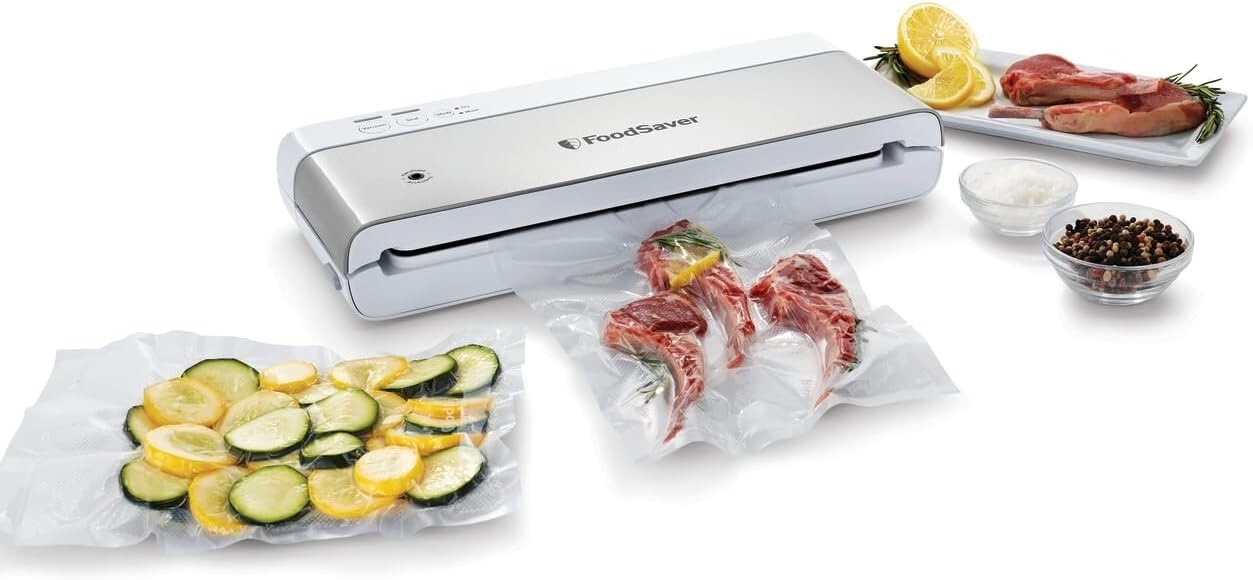
Portable bag sealers are handheld or compact countertop devices that close plastic bags with heat, impulse, or ultrasonic sealing — separate from vacuum sealers that also evacuate air. The core trade-off is sealing method and battery vs. corded power: impulse heat with a spring-loaded clamp and rechargeable Li-ion delivers repeatable, airtight closures, while cheap constant-heat or ultrasonic units seal thin film only and drift with battery voltage. Choose an impulse or hybrid unit with a metal heating element and defined seal-width spec if you need freezer- or liquid-safe closures; choose an ultrasonic gadget only for foil and thin snack-film touch-ups.

Buying guide image
Tableware, Drinkware & Serving

Salt Shaker

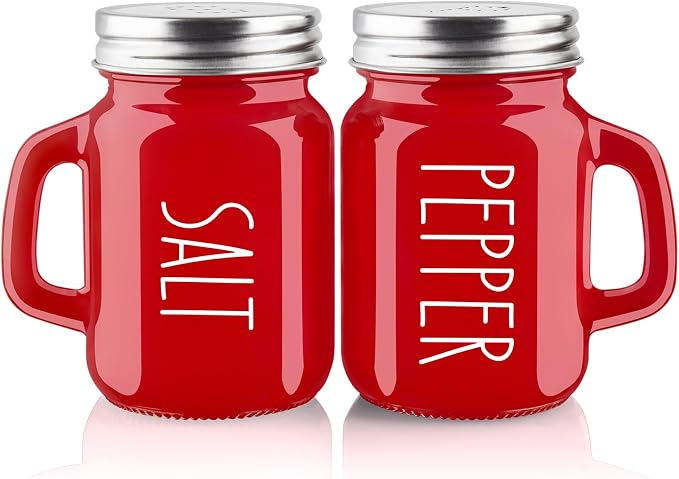
A salt shaker is a countertop dispensing vessel whose core job is controlling moisture ingress and flow rate—cheap units clog from humidity, corrode, or dump salt unpredictably. The decisive trade-off is between sealed, moisture-resistant construction (glass body, gasket, ceramic or stainless flow insert) and open, decorative designs that look good but cake within weeks. Buy a shaker with a removable, cleanable flow restrictor and a non-reactive body; skip unsealed novelty ceramics and mild-steel interiors.

Buying guide image
Water Filtration

Water Filter Jug

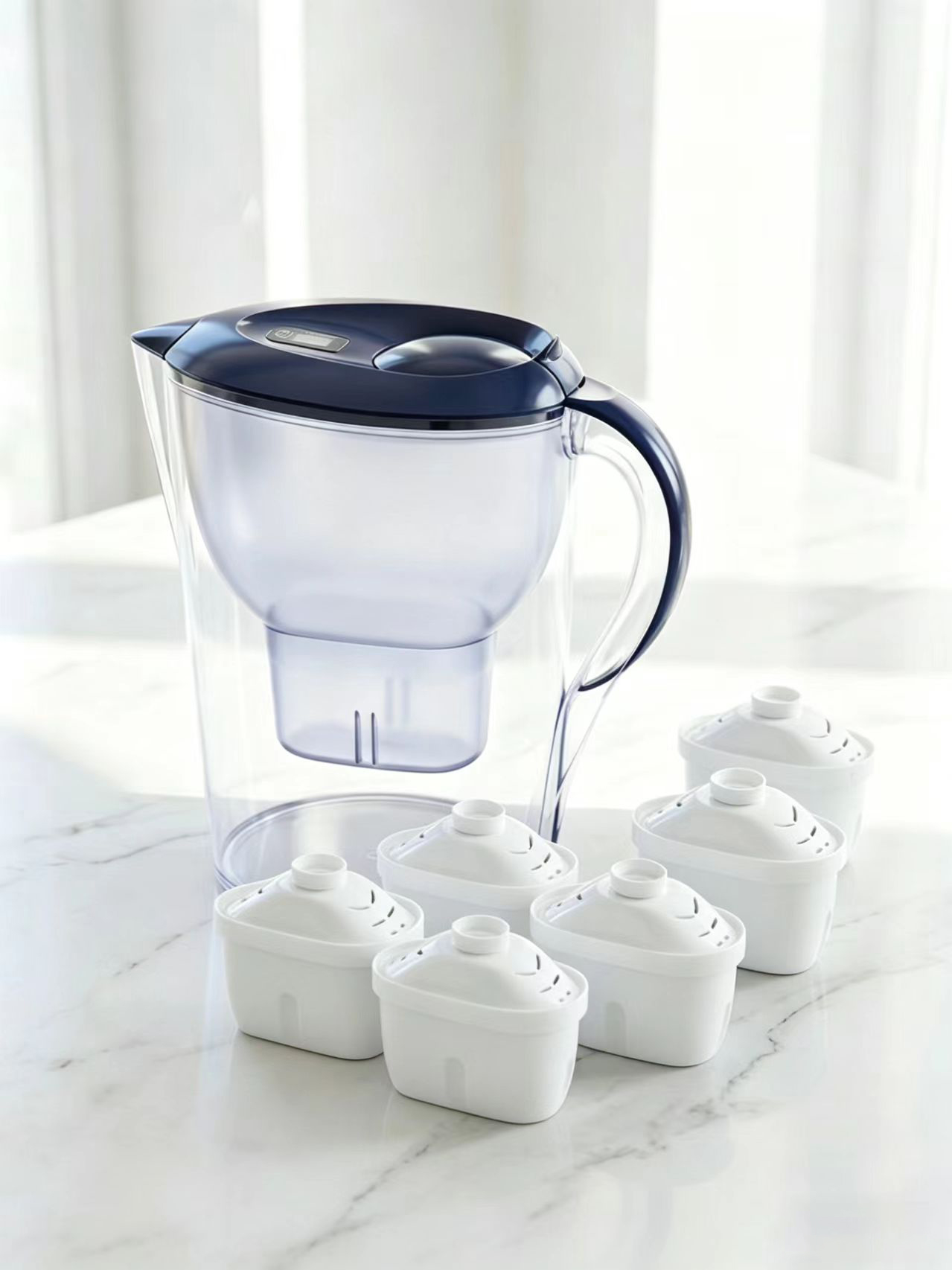
A water filter jug is a countertop pitcher using granular activated carbon or carbon-block cartridges to reduce chlorine, taste, and odor—and in certified models, lead and other metals. The core trade-off is cartridge certification and capacity versus refill frequency: NSF/ANSI 42 covers aesthetic chlorine/taste only, while NSF/ANSI 53 adds health claims like lead reduction. The decision rule is simple: buy a jug whose cartridge carries NSF 42 plus 53 (or WQA equivalent) and whose reservoir fits your daily drinking volume, and skip any pitcher that only claims 'improves taste' without certification.

Buying guide image
Blenders & Juicers

Slow Juicer

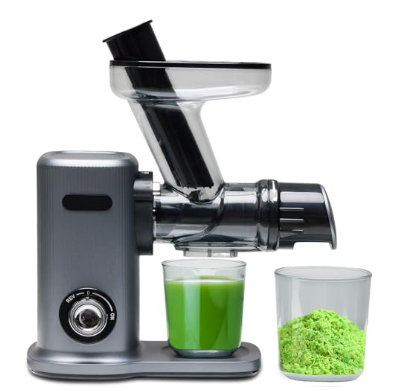
Slow juicers (masticating/cold-press) crush and squeeze produce at low RPM to limit heat and oxidation, yielding drier pulp and more nutrient-stable juice than high-speed centrifugal models. The core trade-off is throughput versus yield and clog resistance: horizontal single-auger units are cheaper and compact but slow and prone to fiber jams, while vertical dual-stage or wide-chute verticals handle whole produce with less prep at higher cost and counter footprint. Buy a slow juicer only if you juice leafy greens, wheatgrass, or nut milks regularly; if you want fast clear juice from apples and carrots in volume, a centrifugal model is the better fit.

Buying guide image
Air Fryers

100 Stainless Steel Air Fryer

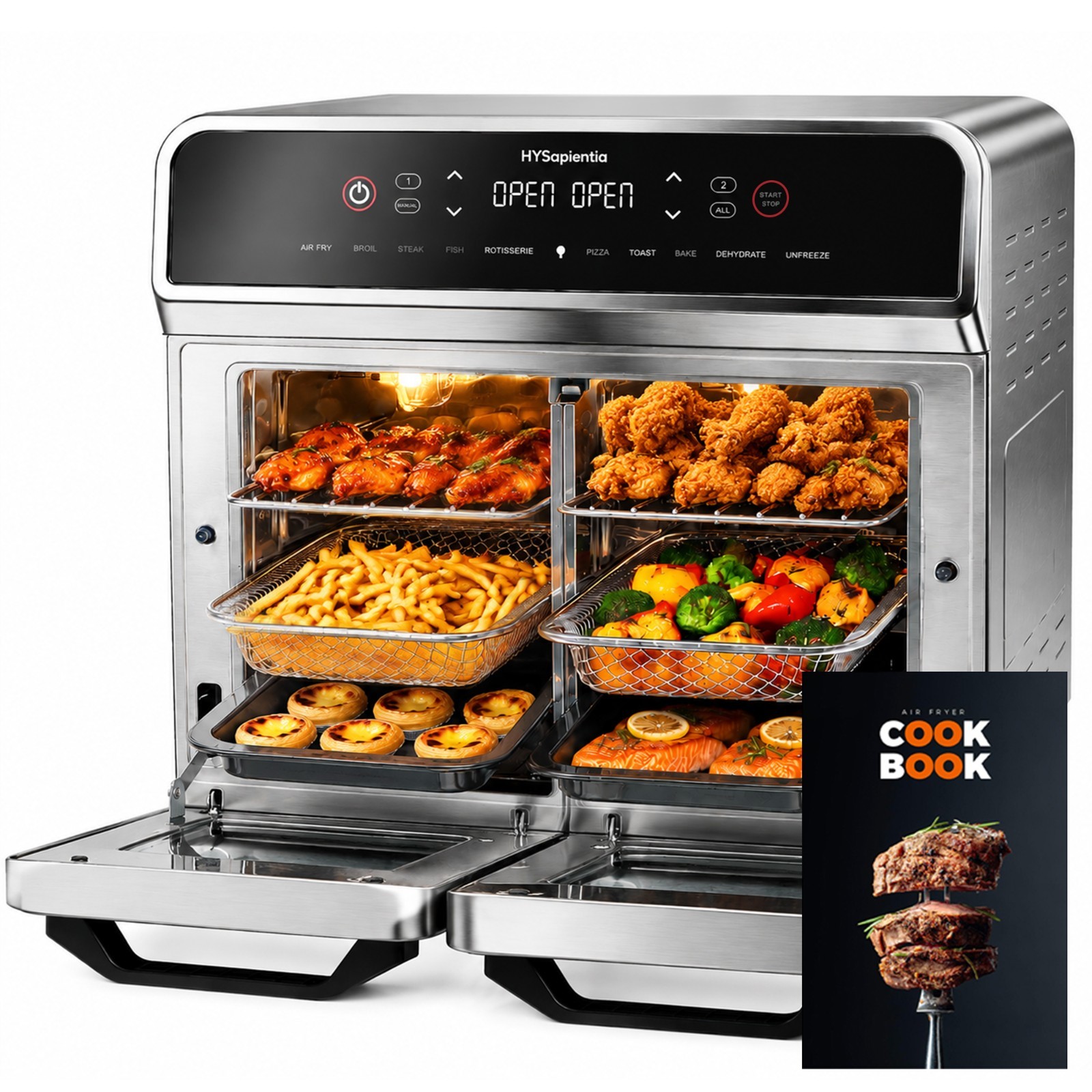
A '100 stainless steel' air fryer means the cooking basket and food-contact surfaces are made entirely of food-grade stainless steel rather than nonstick-coated aluminum. The core trade-off is cleanability and scratch resistance versus nonstick convenience: bare steel requires oil and proper preheating to prevent sticking, but it will not flake or degrade. The decision rule is simple—buy a true 100% stainless basket if you prioritize durability and avoid PFAS coatings, and skip it if you expect effortless food release.

Buying guide image
Coffee Grinders

Electric Espresso Grinder

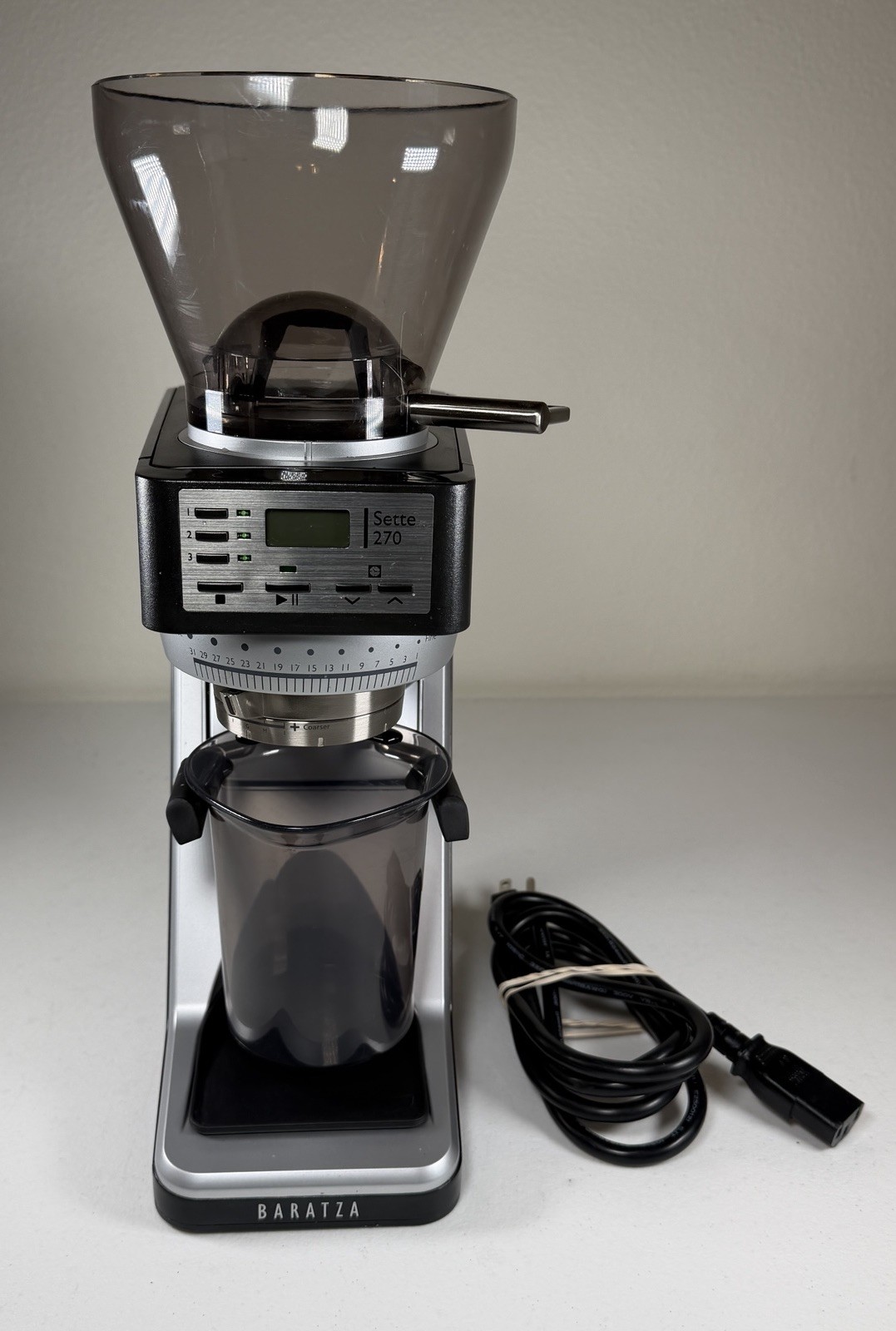
An electric espresso grinder is the single biggest upgrade to shot quality after the machine itself, because espresso demands a narrow, repeatable particle distribution that only stepless or micro-stepped burr grinders deliver. Buyers most often go wrong by choosing a blade grinder, a stepped brew-only burr set, or a hopper design that retains stale grounds between doses.

You may also like

Finding more guides for you…