Kitchen Gear Wise

Kitchen Gear Wise

Kitchen Gear Reviews & Buying Guides

Compare kitchen gear by use case, features, trade-offs, price, returns, and seller terms before you buy.

Buying guides

Buying guide image
Cookware & Cutlery

Enamel Cookware

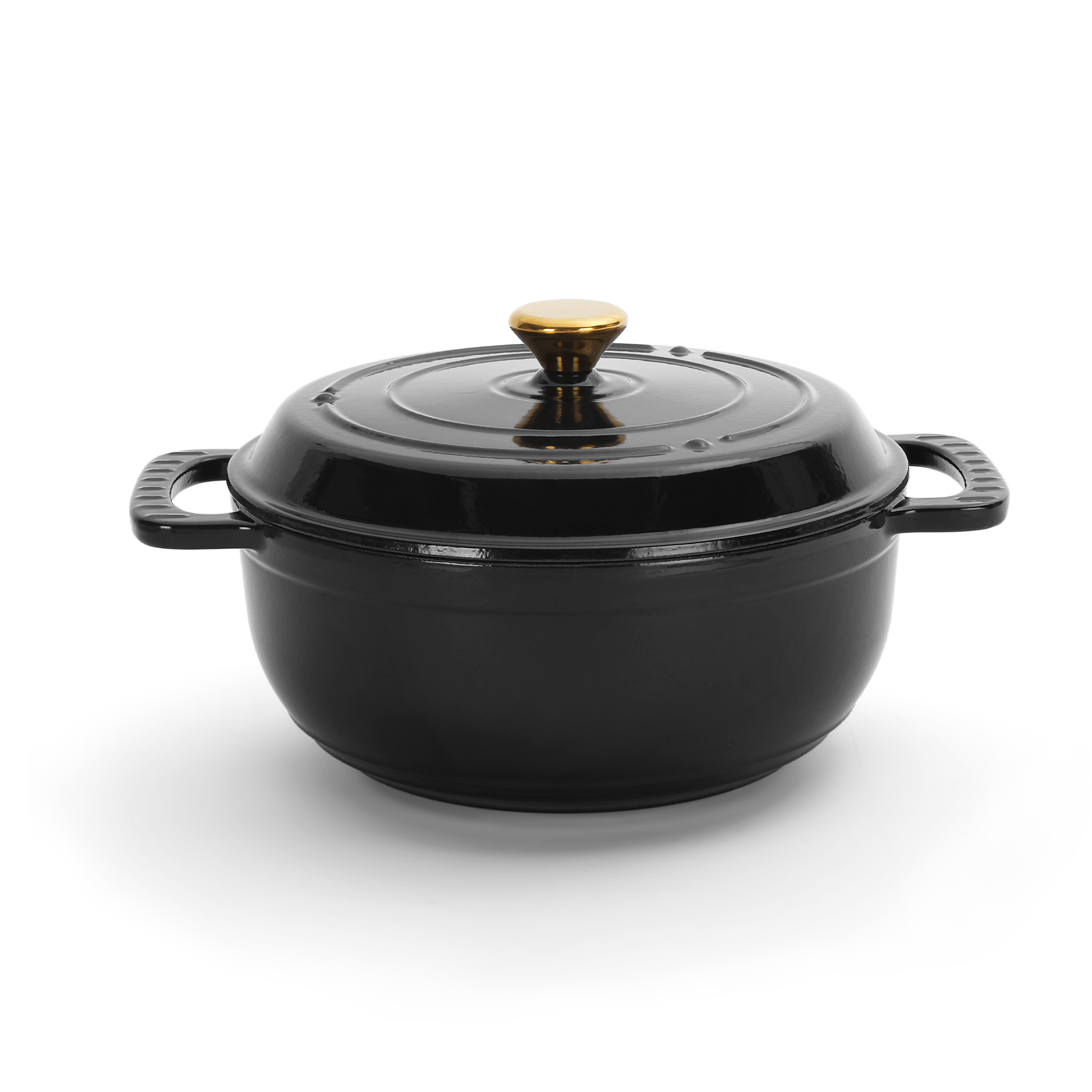
Enamel cookware is a cast iron or steel core fused with a glass-based enamel coating, combining heat retention with a non-reactive, easy-clean surface. The key trade-off is between enameled cast iron (heavy, excellent heat retention, oven-safe) and enameled steel (lighter, faster heating, less even). Choose enameled cast iron for searing, braising, and slow cooking; choose enameled steel for quick boils and lightweight camping use.
Buying guide image
Air Fryers

Air Fryer Rotisserie

A rotisserie air fryer adds a powered spit and often a rotating basket to a convection oven, letting you roast whole chickens or kebabs with even, self-basting rotation. The core trade-off is between a true dedicated rotisserie motor with a square spit and cramped, low-clearance fryer baskets that claim rotation but cannot fit a whole bird. Buy only models with a dedicated rear or side rotisserie motor, a square spit with adjustable forks, and at least 5 liters of usable cavity height; skip anything that lists "rotisserie" without a separate motorized spit assembly.

Buying guide image
Air Fryers

Air Fryer Stainless Steel

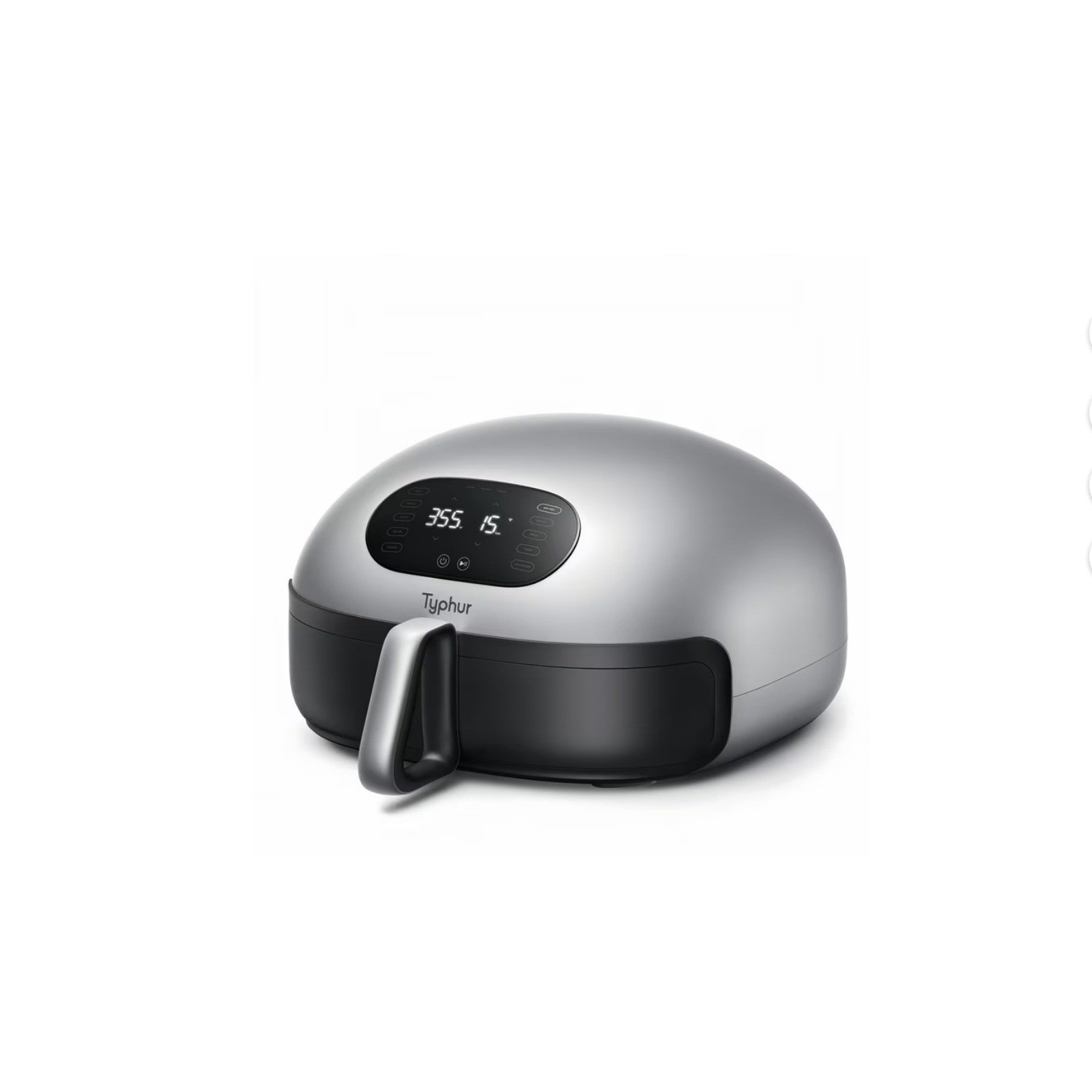
Stainless steel air fryers use a metal housing and often a stainless basket or interior to resist odor retention, warping, and scratching better than plastic-coated or nonstick-only units. The core trade-off is between genuine stainless-steel food-contact surfaces (durable, dishwasher-safe, but require oil and can stick) and coated aluminum baskets (easier release, but prone to flaking). Choose a full stainless basket or a stainless interior with a removable nonstick insert if longevity and easy cleaning matter more than stick-free cooking.

Buying guide image
Air Fryers

Air Fryer Toaster Oven

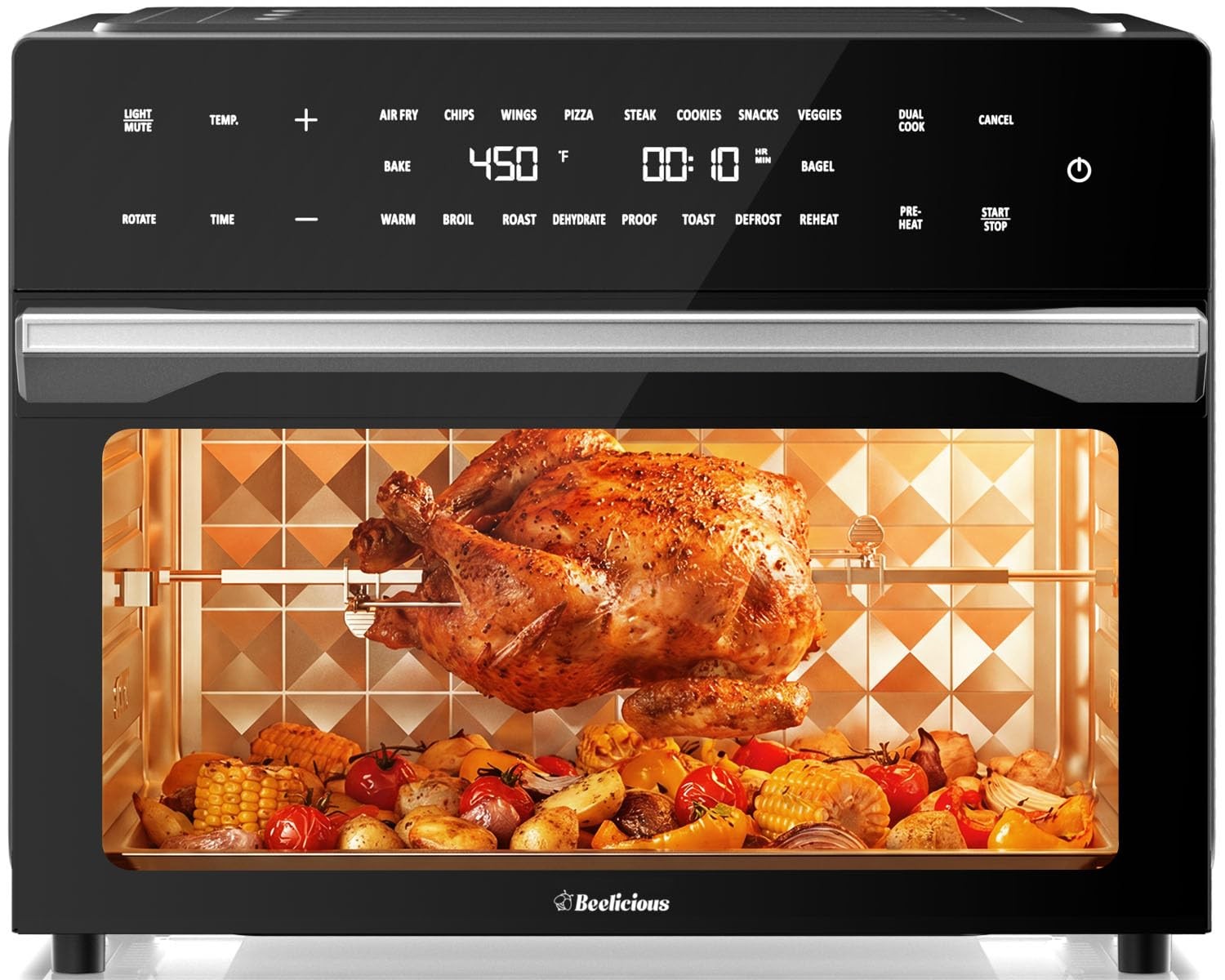
An air fryer toaster oven is a countertop convection oven that combines air-fry crisping with bake, broil, and toast functions—typically in a larger, shelf-style form factor. The core trade-off is between rapid air circulation for crisp results and the temperature consistency needed for baking, driven by heating element wattage and fan design. Choose a model with quartz or metal-sheath elements and explicit wattage ratings; skip low-wattage 'air fry' toaster ovens that merely add a fan to a weak toast element.

Buying guide image
Air Fryers

Air Fryer With Stainless Steel Interior

A stainless-steel-interior air fryer replaces the coated aluminum or plastic basket with food-grade metal, eliminating nonstick flaking and PFAS exposure while adding dishwasher-safe durability. The core trade-off is heat retention and weight: stainless heats slower and radiates more than coated aluminum, so wattage and insulation quality decide whether food crisps evenly. Choose stainless only if you accept hand-cleaning or dishwasher cycles and prioritize longevity over nonstick convenience.

Buying guide image
Food Preparation

Manual Grain Mill

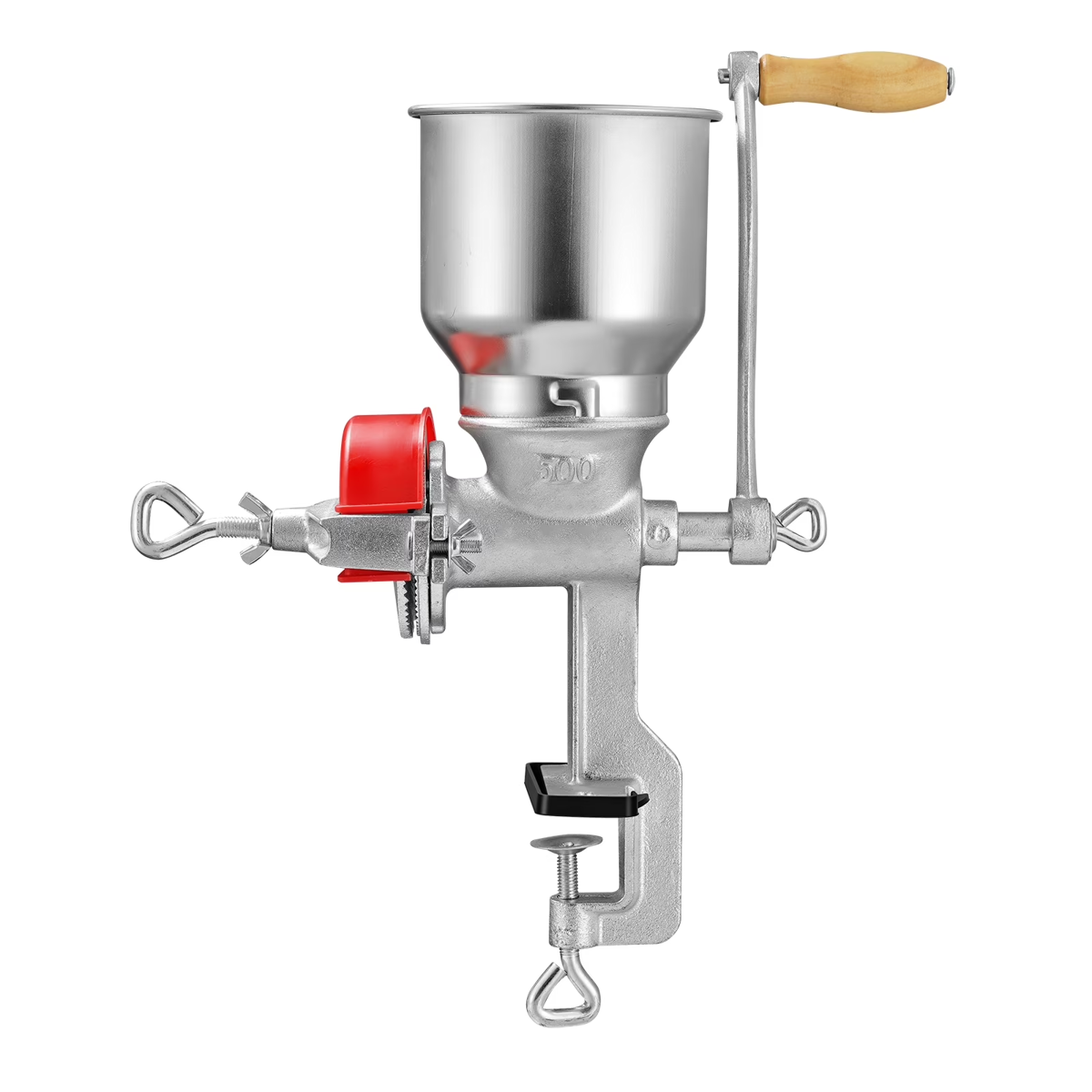
A manual grain mill is a hand-cranked, burr-based grinder that converts whole grains, corn, coffee, and nuts into flour or meal without electricity, where the decisive trade-off is cast-iron burr geometry and hopper/clamp architecture versus throughput speed and flour fineness. Buyers should prioritize a rigid cast-iron body with an adjustable burr gap and a stable table clamp; wood-bodied or stamped-steel mills with fixed gaps are decorative compromises that fail under repeated dense-grain loads.

Buying guide image
Toasters & Ovens

Long Slice Toaster

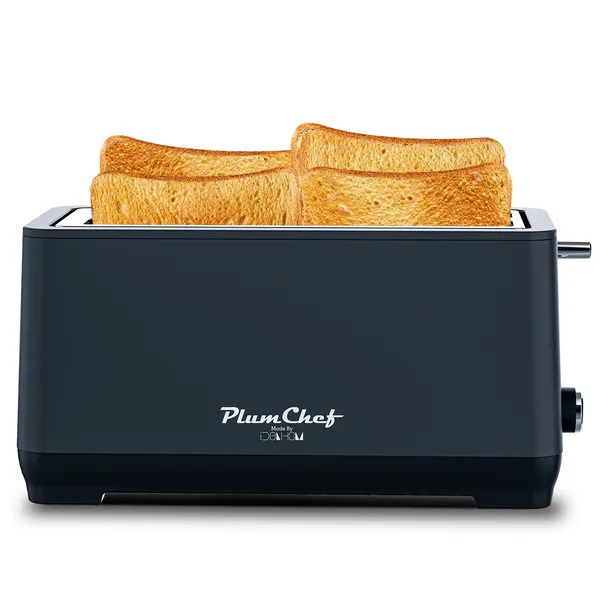
A long slice toaster uses elongated slots to handle artisan bread, bagels, and pastries that won't fit a standard toaster. The core trade-off is slot geometry versus evenness: longer slots demand more wattage and better element layout to avoid pale ends and burnt centers. Choose a model with independently controlled slots, at least 1.5-inch width, and a metal housing for durability; skip narrow dual-slot designs if you regularly toast long loaves.

Buying guide image
Cookware & Cutlery

Triply Cookware Set

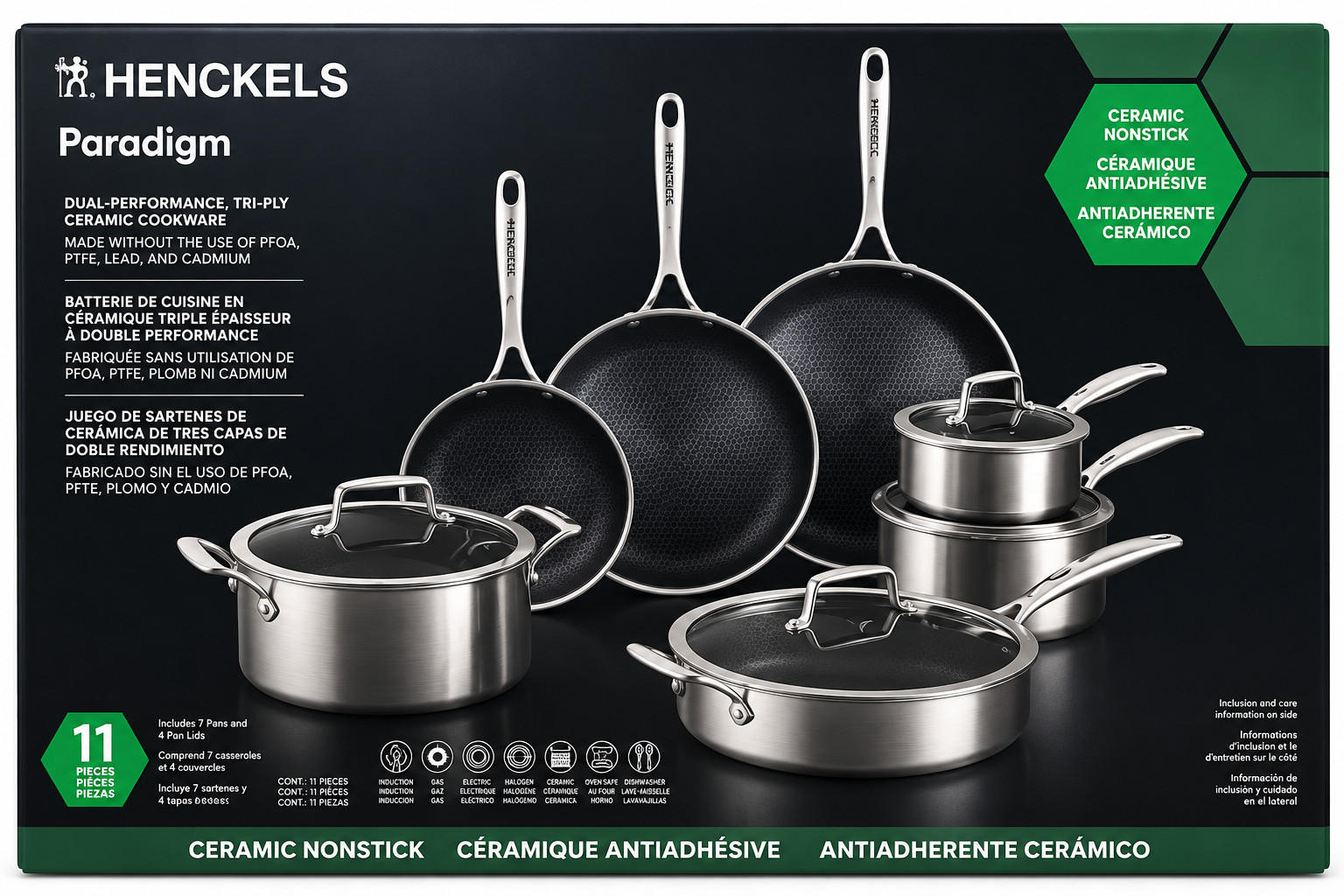
Triply cookware sets use a three-layer bonded construction—typically stainless steel outer layers with an aluminum or copper core—to combine even heating with dishwasher-safe durability and induction compatibility. The primary trade-off is core thickness and bond integrity versus price: thinner cores heat unevenly and can delaminate, while fully clad 3-ply at 2.5–3.0 mm total thickness lasts decades. The decision rule: buy only sets that state 'fully clad' with an aluminum or copper core and induction compatibility; skip any 'triply base' or disk-bottom pan, which is not triply construction.

Buying guide image
Food Preparation

Hand Crank Grain Mill

A hand crank grain mill is a mechanical grinder that converts whole grains, corn, and legumes into flour or meal using burr plates driven by a manual crank. The core trade-off is between cast-iron or steel burr durability for dry grains and ceramic or stainless burrs for oily or wet ingredients—cheap stamped-steel or plastic-bodied units wear out or crack under torque. Choose a mill with a rigid metal body and a table clamp if you grind weekly; choose a compact ceramic-burr unit only for light spice or coffee use.

Buying guide image
Sourdough Starters & Fermentation

Fermentation Jar

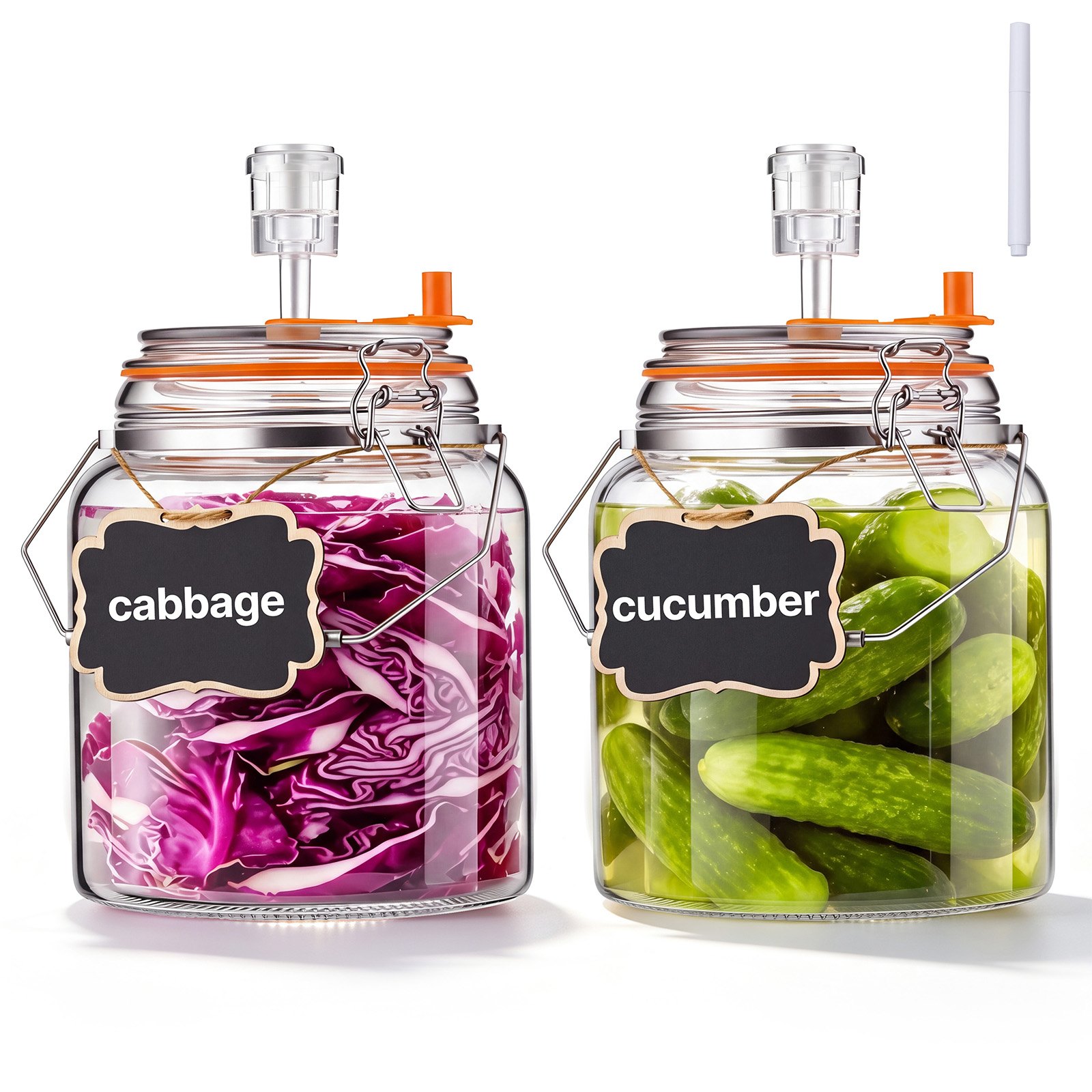
A fermentation jar is a glass vessel engineered for controlled microbial activity, where headspace, airlock type, and glass quality dictate whether you get clean lacto-fermentation or mold. The core trade-off is a wide-mouth, airlocked vessel for vegetable ferments versus a narrow-neck, breathable-lid jar for sourdough starter maintenance. Buy borosilicate or thick soda-lime glass with a true one-way airlock and a 30–50% headspace margin; skip thin decorative jars with clamped lids and no gas path.

Buying guide image
Sourdough Starters & Fermentation

Glass Jar With Lid Sourdough Starter

A glass jar with lid for sourdough starter is a wide-mouth fermentation vessel where the lid type and glass clarity directly control gas exchange, visibility, and crust formation. The primary trade-off is between an airtight latch/airlock system for anaerobic vegetable ferments and a breathable cloth or loose-fit lid for aerobic yeast cultivation. Choose borosilicate or thick soda-lime glass with a food-grade gasket and a 1 L–2 L working volume for a 500 g flour starter; skip thin decorative jars and narrow-neck bottles that trap CO2 and block scraping.

Buying guide image
Home Ranges, Ovens & Cooktops

Electric Range With Griddle

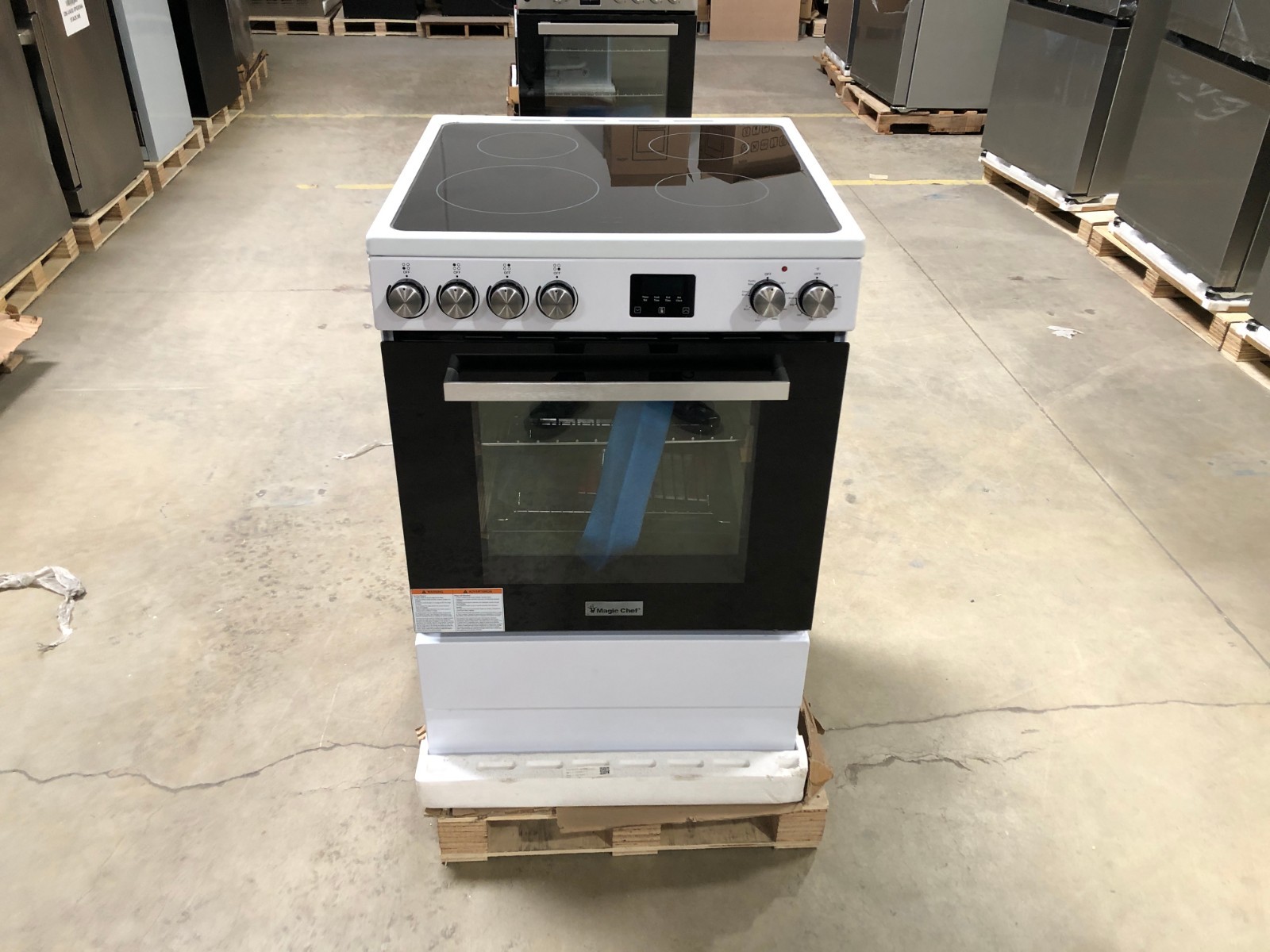
An electric range with a built-in griddle gives you a flat-top cooking zone for pancakes, eggs, and searing without a separate appliance. The decision hinges on whether that griddle is a dedicated fifth element or a reversible insert over a bridge zone, plus the oven's convection and self-clean specs. Most buyers misjudge the griddle's usable area and the electrical circuit required, so measure both before choosing a tier.

Buying guide image
Vacuum Sealers

Bag Sealer

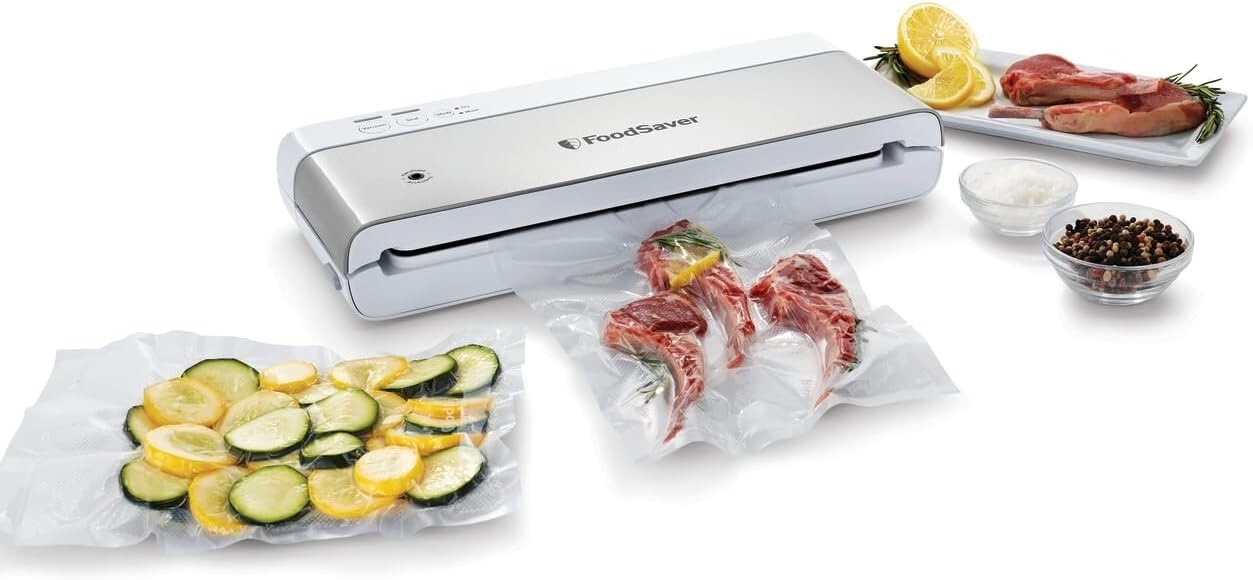
A bag sealer is a heat-sealing appliance that closes plastic bags—either by melting a seam (impulse sealers) or by evacuating air and then sealing (vacuum sealers used with embossed bags). The core trade-off is sealing method and pump strength versus bag compatibility: cheap clamp-style sealers only fuse generic polyethylene, while vacuum units require channeled/embossed bags and deliver real shelf-life extension.

Buying guide image
Food Preparation

Onion Dicer

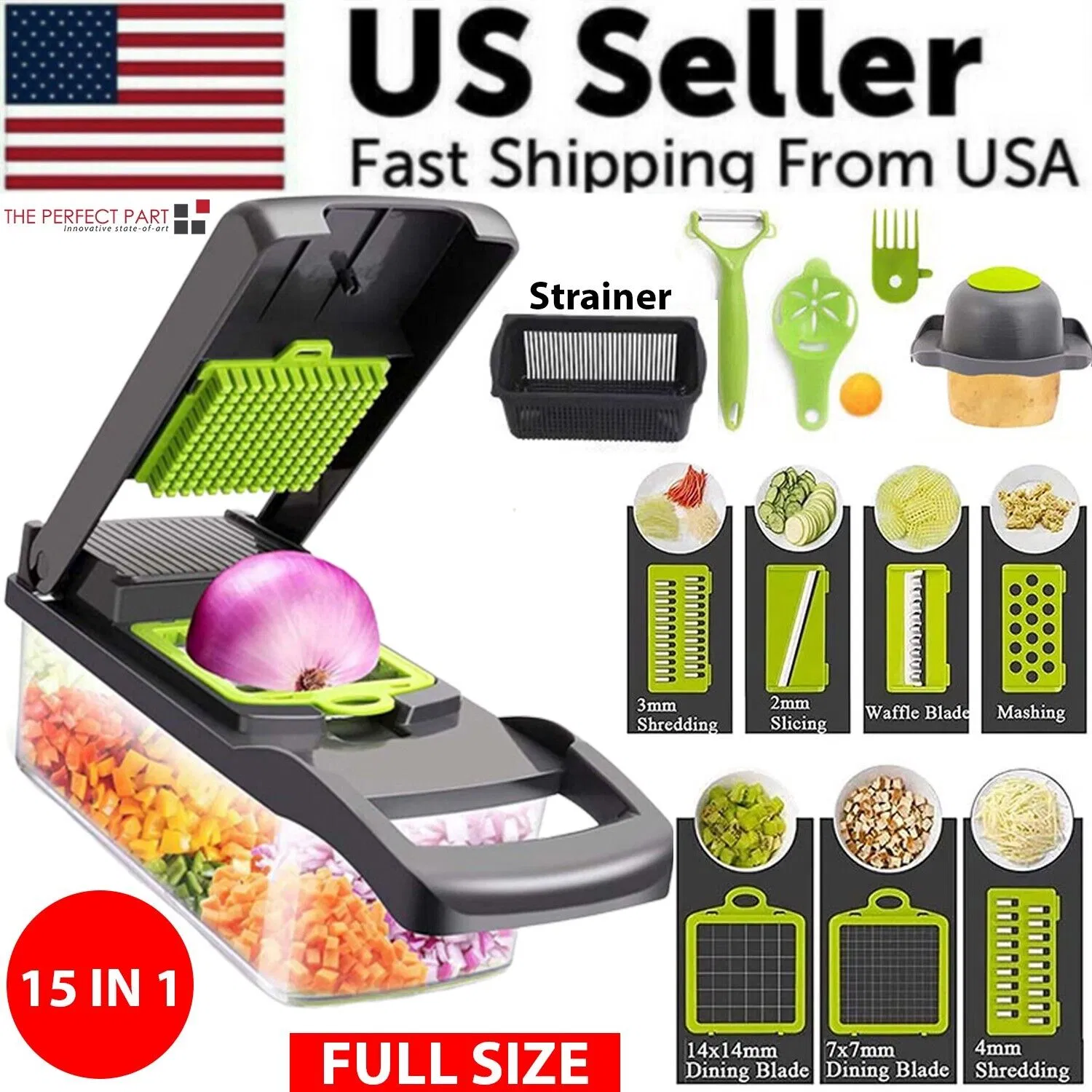
An onion dicer is a manual or lever-action kitchen tool that pushes an onion through a fixed grid of stainless-steel blades to produce uniform cubes, replacing knife work and reducing tear-inducing sulfur exposure. The core trade-off is blade-grid rigidity and press mechanism strength versus container integration and blade interchangeability: flimsy plastic grids dull or bend, while weak presses crush rather than cut dense onions. The clear decision rule is that a dicer with a reinforced stainless blade frame, a compound-lever or wide plunger, and a matching catch container is durable; a thin plastic grid with a small hand-press cap is a compromise.

Buying guide image
Food Processors & Choppers

Electric Garlic Mincer

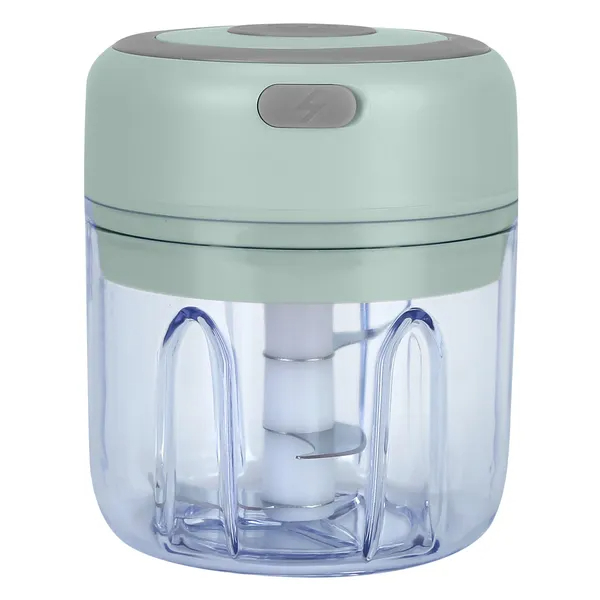
An electric garlic mincer is a small cordless or corded chopper that uses a rotating blade to pulverize garlic, ginger, herbs, and small vegetables. The core trade-off is between battery capacity and motor torque: larger, higher-voltage batteries drive 304 stainless blades through fibrous ginger and nuts, while weak motors stall and mash. Buy a USB-C rechargeable unit with a 304 stainless blade and a glass or BPA-free bowl if you mince daily; skip tiny 250 mL plastic units with unlisted battery capacity for anything beyond garlic.

Buying guide image
Air Fryers

Compact Stainless Steel Air Fryer

A compact stainless steel air fryer is a countertop convection oven sized for 2-4 quart baskets, using a stainless-steel exterior and often a stainless or nonstick-coated basket to deliver 1200-1800W of rapid-air crisping in tight kitchens. The core trade-off is stainless steel's heat durability and easy-wipe exterior versus heavier weight, higher cost, and the reality that many 'stainless' models still use coated aluminum cooking surfaces that wear. The decision rule: buy only if the interior cooking basket and rack are genuinely dishwasher-safe stainless or certified PFAS-free nonstick, the unit fits your counter depth with rear clearance, and wattage matches your circuit—skip any compact model with thin 0.4mm stamped steel or unlisted coating chemistry.

Buying guide image
Air Fryers

Rotisserie Air Fryer

Rotisserie air fryers add a motorized spit and often a rotating basket to the standard convection chamber, letting you roast whole chickens and kebabs with even self-basting rotation. The primary trade-off is usable capacity versus motor torque and chamber clearance: compact 5–6 qt units struggle with birds over 3 lb, while 10 qt and larger ovens with a dedicated rear or top motor handle 4–5 lb birds reliably. The clear rule: buy a model rated for at least 1 lb more than your heaviest planned roast, with a removable, dishwasher-safe spit and a motor that disengages for static air-frying.

Buying guide image
Proofing Baskets & Bread Lames

Bread Dough Proofing Basket

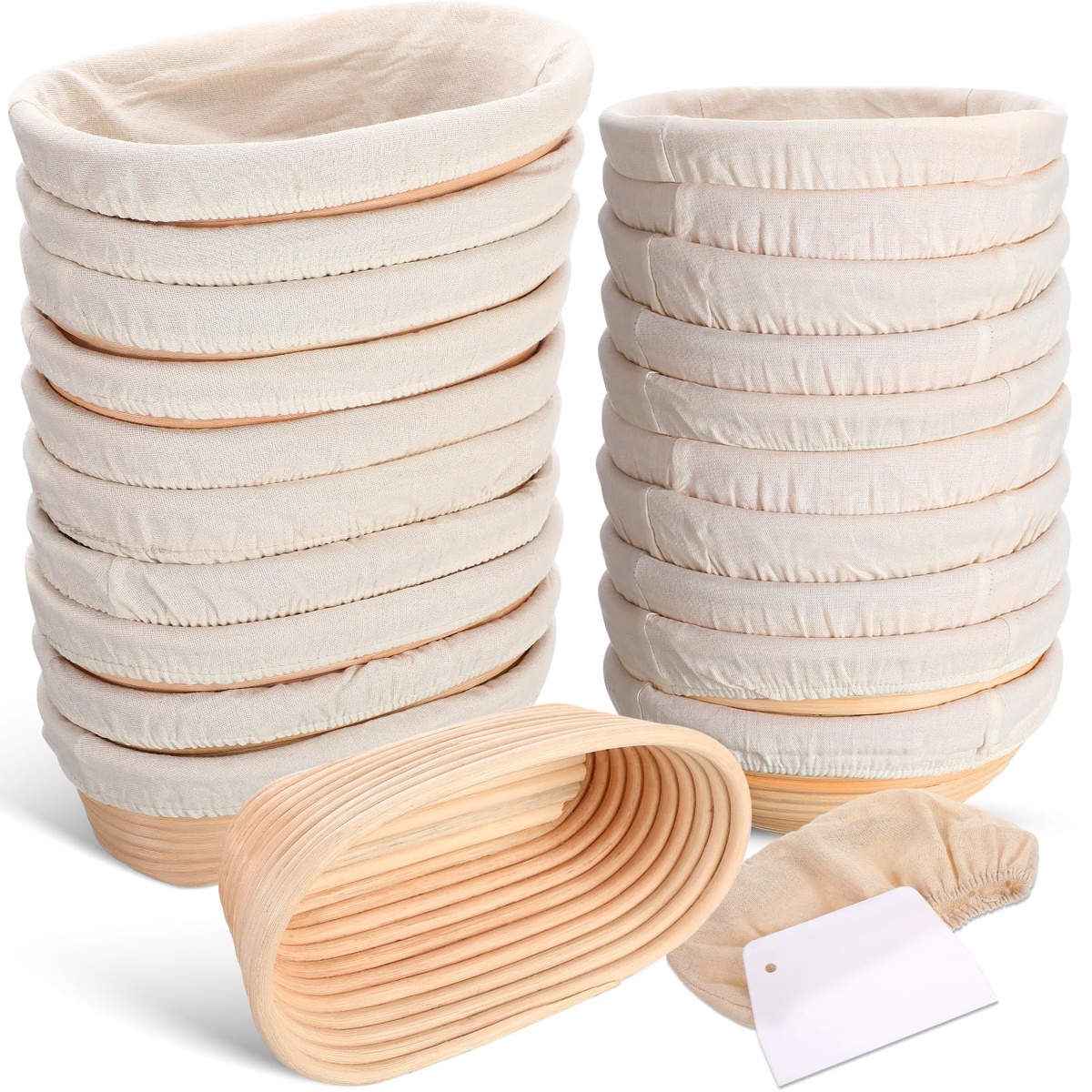
A bread dough proofing basket (banneton) supports dough during its final rise, wicking surface moisture to hold a skin that scores cleanly and holds shape. The primary trade-off is material and weave: natural rattan or cane delivers breathability and a textured crust, while pulp or plastic liners offer easier release at the cost of moisture control. Choose a natural fiber basket with a fitted linen liner for artisan loaves; skip unlined pulp or non-breathable plastic if you want a crackling, well-scored crust.

Buying guide image
Air Fryers

Large Air Fryer With Rotisserie

A large air fryer with rotisserie combines convection air frying with a motorized spit and basket, letting you roast whole chickens or kebabs evenly without turning. The core trade-off is between true rotisserie torque and usable capacity versus flimsy add-on spits and overstated basket volume. Choose a model with a dedicated rear rotisserie motor, a removable drip tray, and a stated whole-bird weight limit; skip any unit that lists rotisserie as a minor accessory without a motor rating or bird-weight cap.

Buying guide image
Food Processors & Choppers

Electric Garlic Chopper Mini

Mini electric garlic choppers are cordless, USB-rechargeable pull-cord replacements built around a small bowl (roughly 250 ml to 1.5 cups) and a 304 stainless blade spun by a low-torque gearmotor. The core trade-off is motor/battery power versus bowl and blade construction—plastic bowls and ABS housings suit soft aromatics, while glass bowls and metal-geared drives handle fibrous or dense loads without cracking or stalling. The decision rule: buy for the hardest thing you will chop (garlic and herbs vs. ginger, nuts, or meat) and pick bowl material and motor tier to match.

You may also like

Finding more guides for you…