Kitchen Gear Wise

Kitchen Gear Wise

Kitchen Gear Reviews & Buying Guides

Compare kitchen gear by use case, features, trade-offs, price, returns, and seller terms before you buy.

Buying guides

Buying guide image
Food Processors & Choppers

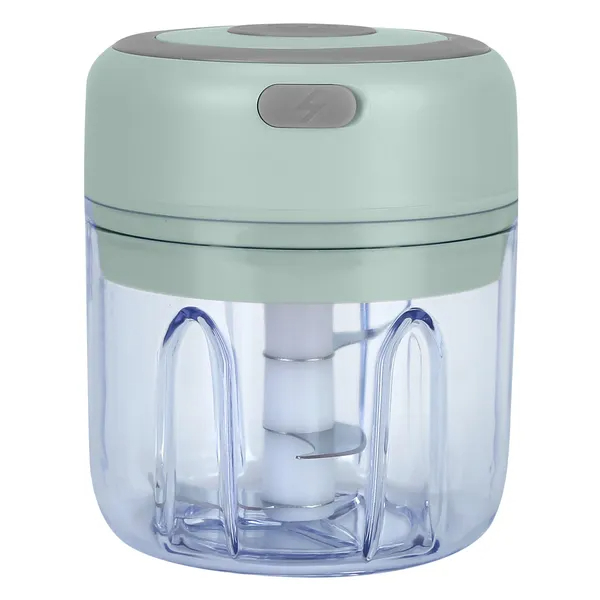
Mini Garlic Chopper Electric

A mini electric garlic chopper is a compact, cordless food processor designed for small-batch chopping of garlic, herbs, nuts, and aromatics. The primary trade-off is between motor torque and battery capacity versus bowl size and material durability—glass bowls resist scratching and odors but add weight, while plastic bowls are lighter but prone to staining and cracking. Choose a model with a 304 stainless steel blade, a leak-resistant lid, and a motor rated for the bowl volume; avoid units that pair a large bowl with a low-power motor, as they stall on fibrous or dense ingredients.
Buying guide image
Air Fryers

Air Fryer With Stainless Steel Inside

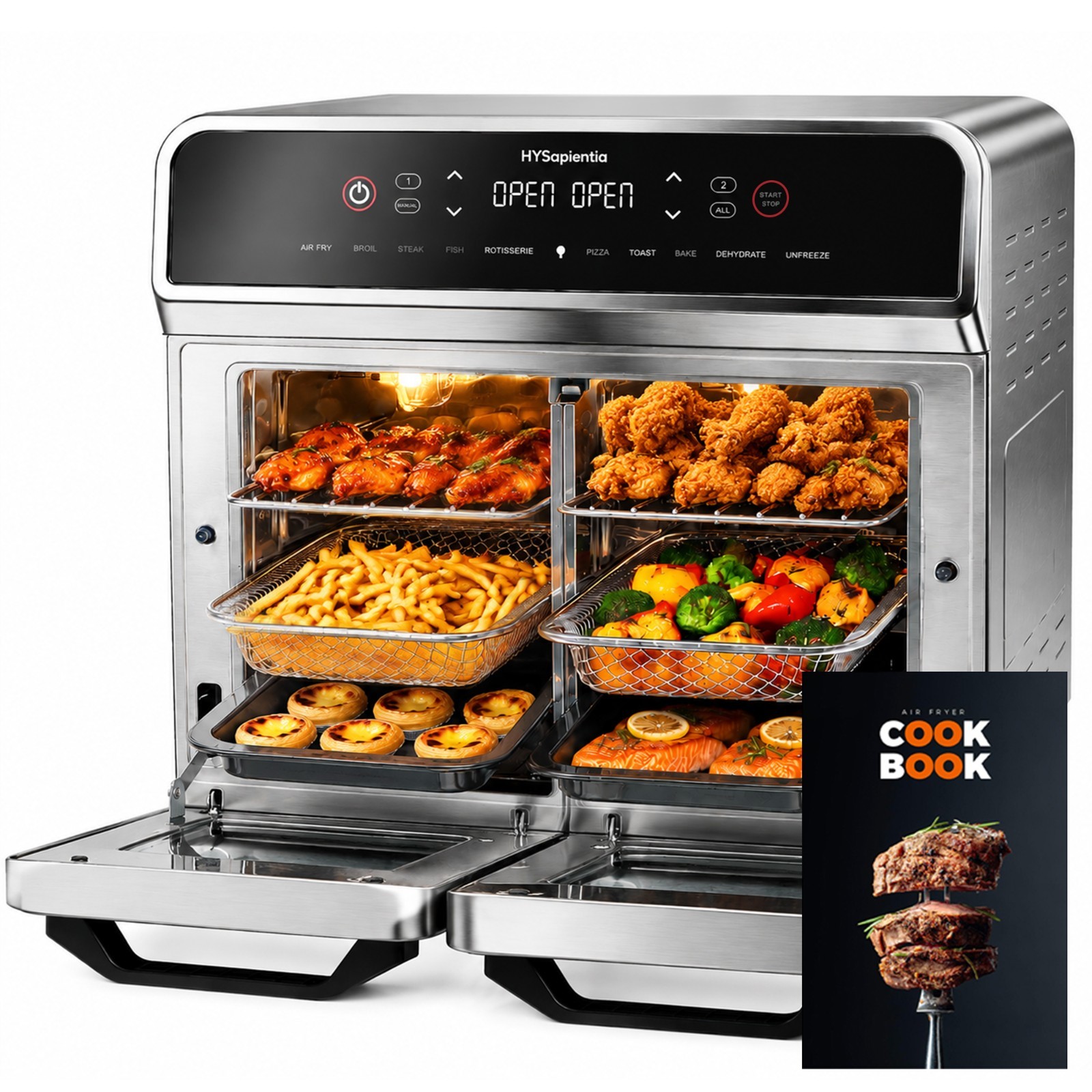
A stainless steel interior air fryer replaces the coated nonstick basket with food-grade metal, trading easy release for scratch resistance, PFAS-free cooking, and long-term durability. The core decision is whether you need a true all-metal cavity and basket or just a stainless-accented exterior with a coated interior, and whether the capacity tier matches your household. Choose full stainless-steel construction with a dishwasher-safe metal basket for daily heavy use; accept a ceramic or coated basket only if effortless cleanup outweighs scratch and coating-wear concerns.

Buying guide image
Air Fryers

Steel Air Fryer

Steel air fryers use stainless or galvanized steel housings instead of plastic, trading higher weight and cost for heat resilience, easier cleaning, and no plastic odor. The critical trade-off is interior grade: 304 food-grade stainless in the basket and cavity resists acidic marinades and high-heat cycling, while 430 or coated steel chips and stains. Choose a unit with a full 304 basket and cavity if longevity matters; accept coated steel only if you preheat gently and hand-wash.

Buying guide image
Blenders & Juicers

Portable Cold Press Juicer

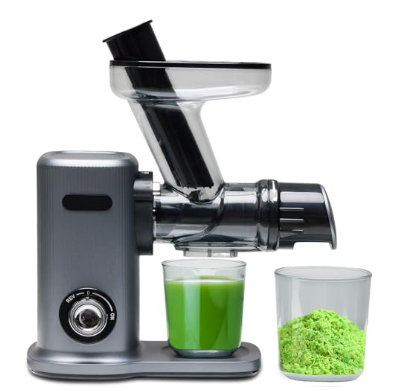
Portable cold press juicers are compact, slow-masticating machines designed for single-serve juice using a screw auger rather than a high-speed blade. The core trade-off is between true low-RPM triturating efficiency and the portability/battery constraints that force smaller motors and plastic housings. The decision rule: choose a model with a genuine 40-80 RPM brushless or geared DC motor and a Tritan or stainless auger; skip any 'portable' unit that spins above 200 RPM or uses a blade-and-centrifuge design, as those are re-labeled blenders that oxidize juice and clog on fibrous produce.

Buying guide image
Food Processors & Choppers

Electric Garlic Grinder

Electric garlic grinders are compact, cordless or corded mini choppers designed to pulverize garlic, ginger, herbs, and small aromatics without the mess of manual mincing. The primary trade-off is between blade and bowl material quality—304 stainless steel and glass versus coated steel and plastic—which determines durability, staining resistance, and odor retention. The clear decision rule: choose a 304 stainless blade set with a glass or thick Tritan bowl and a USB-C rechargeable motor for daily use; skip coated blades and thin ABS bowls if you mince garlic more than twice a week.

Buying guide image
Coffee Makers & Espresso

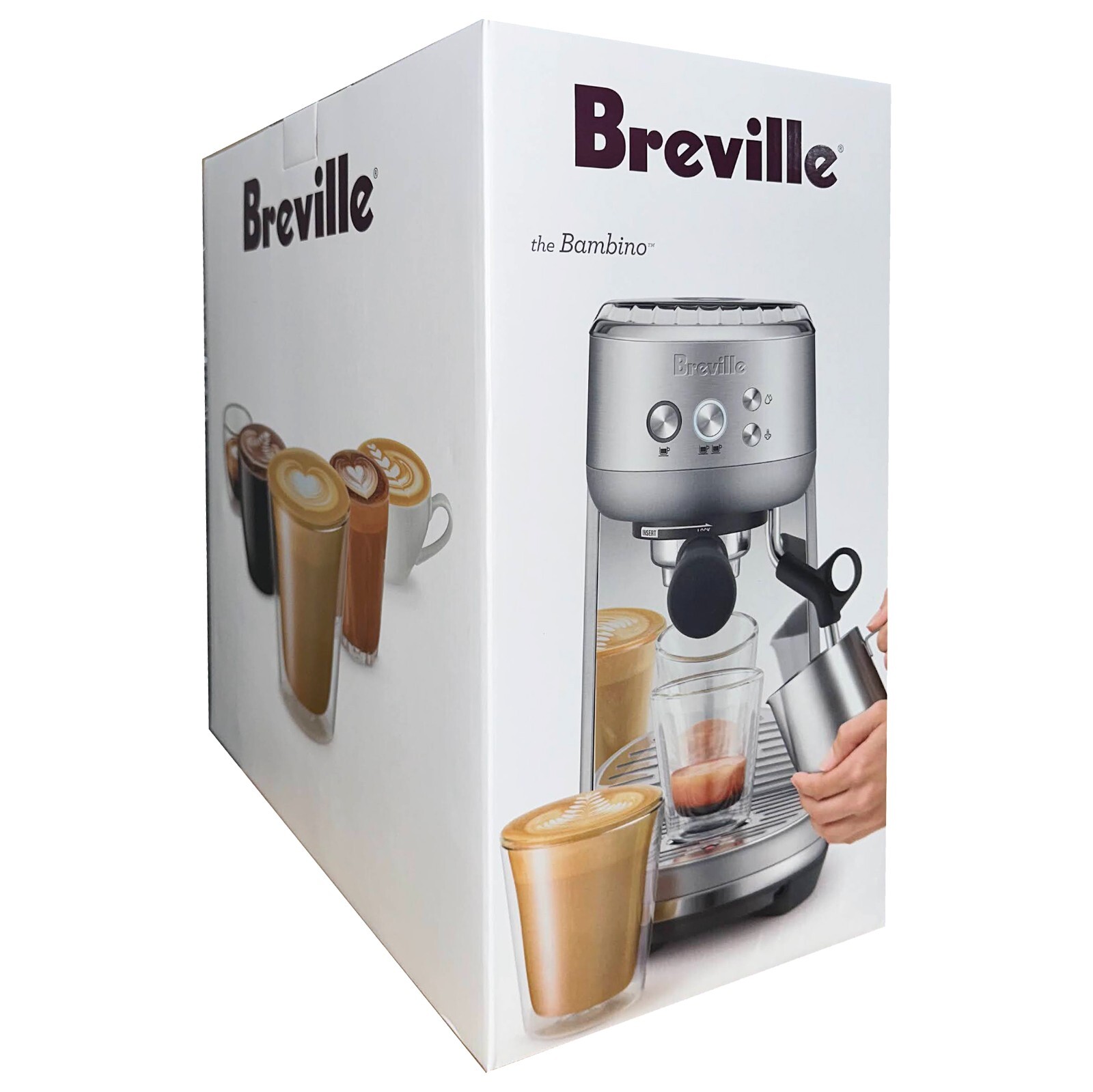
Breville Espresso Machine

Breville's espresso lineup spans entry-level single-boiler machines to dual-boiler, PID-controlled models, with the core trade-off being warm-up speed and simultaneous brew-and-steam capability versus price and counter footprint. The decisive rule: if you make milk drinks back-to-back or entertain, choose a dual boiler with a 58mm portafilter; for solo espresso or occasional lattes, a ThermoJet single boiler with a 54mm basket delivers cafe-grade temperature stability at half the footprint.

Buying guide image
Microwave Ovens

Microwave

A microwave oven is a cavity-magnetron appliance defined by three build tiers: countertop, over-the-range (OTR), and built-in/under-counter. The core trade-off is between low-wattage solo units (compact, cheap, uneven heating) and inverter or convection models (even heat, browning, higher cost and power draw). The decision rule: buy by cavity size and wattage first, mount type second, and only pay for sensor/inverter features if you routinely reheat diverse foods or bake.

Buying guide image
Slow & Pressure Cookers

Electric Pressure Canner

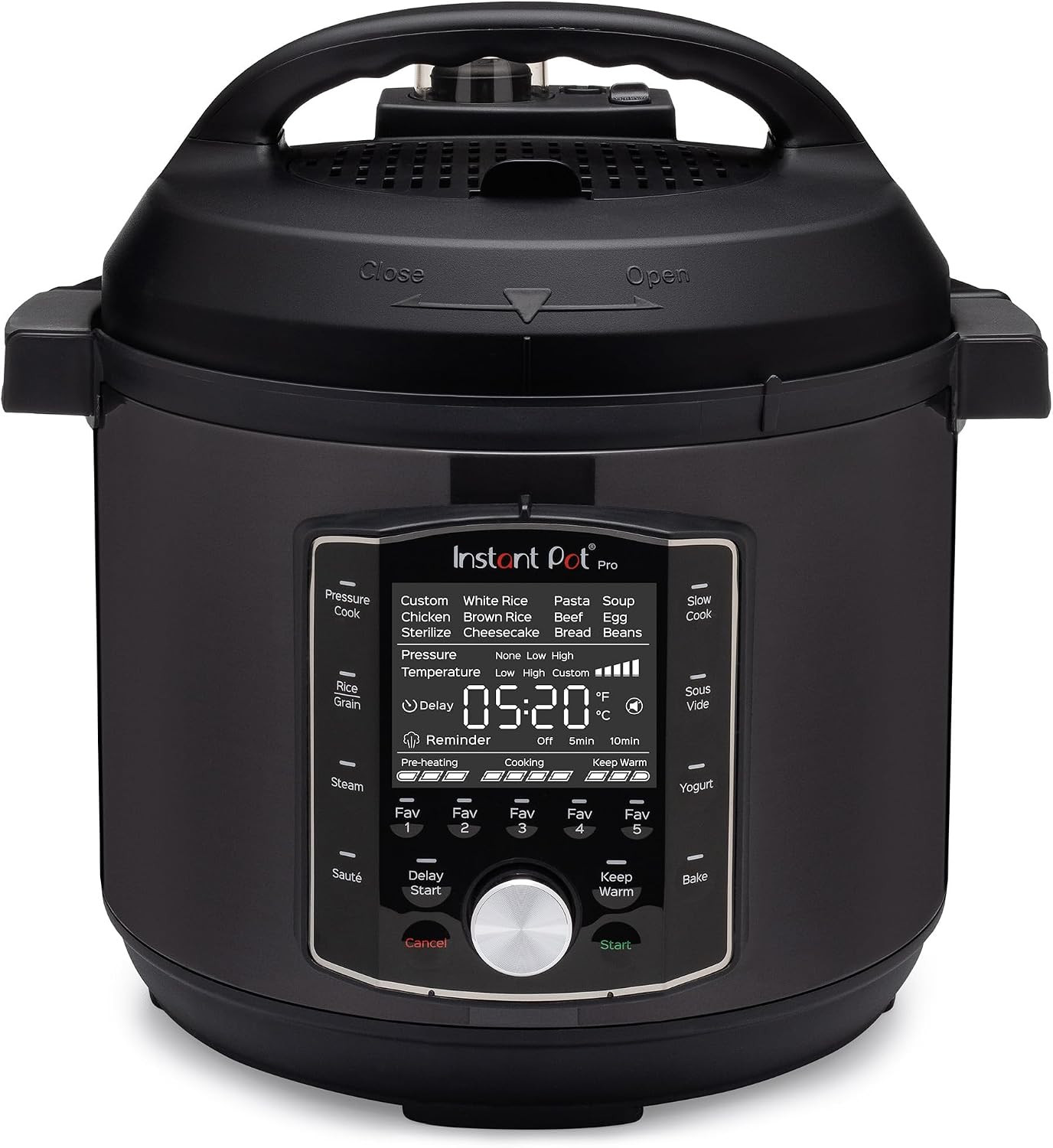
Electric pressure canners are countertop appliances designed to safely process low-acid foods in sealed jars using controlled pressure and temperature, unlike standard electric pressure cookers that lack certified canning modes. The primary trade-off is between true USDA-compliant pressure canning capability (dual pressure/temperature regulation, valid jar-headspace guidance) and multi-function cooking convenience. The clear decision rule: buy only a unit explicitly rated for pressure canning low-acid foods with a tested 10–15 PSI range and a physical or digital pressure gauge; skip any multi-cooker that lists 'canning' only as a steaming or water-bath function.

Buying guide image
Coffee Makers & Espresso

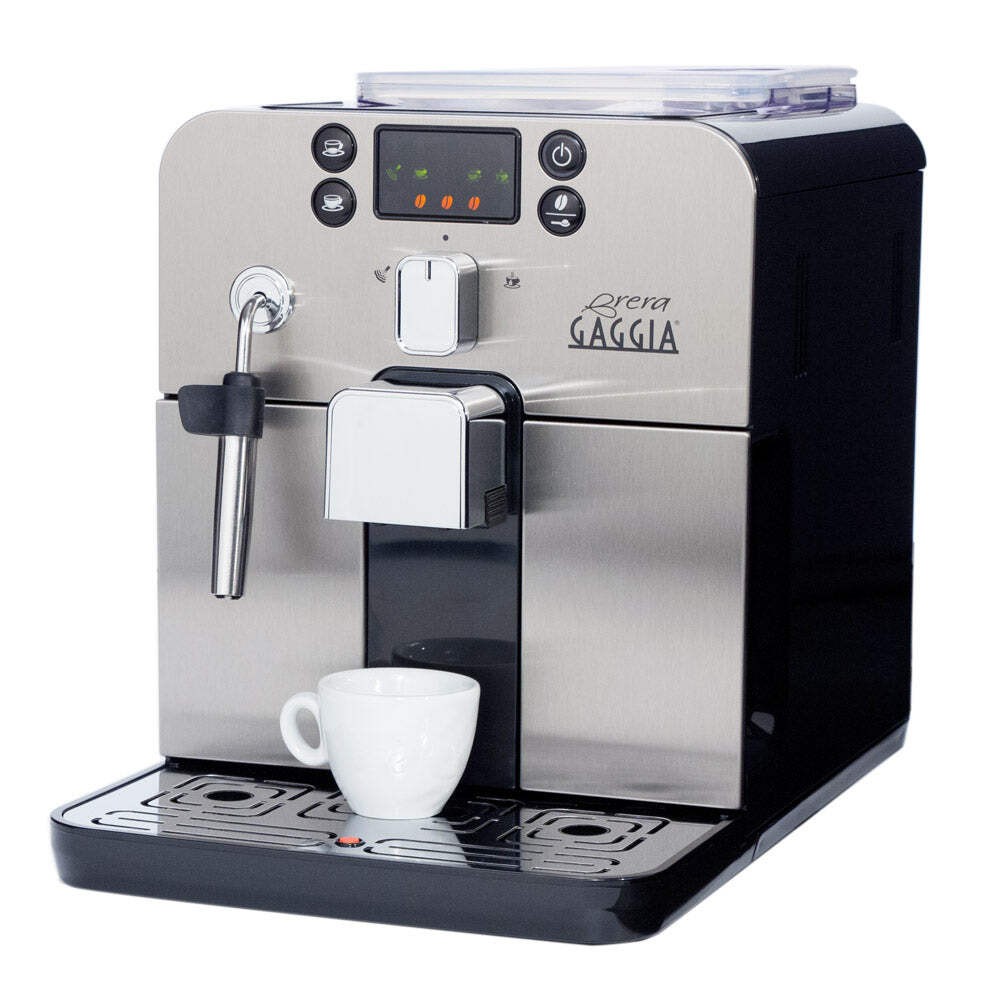
Fully Automatic Espresso Machine

A fully automatic espresso machine (super-automatic) grinds, doses, tamps, and brews espresso at the touch of a button, replacing the manual workflow of a semi-automatic setup. The core trade-off is convenience versus build quality: entry models use plastic brew groups and thermoblock heaters, while durable tiers use metal conical burrs, stainless steel brew groups, and dual boiler or thermojet systems for temperature stability. The clear decision rule: buy a machine with a removable metal brew group and at least a ceramic or steel grinder if you want years of service; skip any sealed plastic brew unit or pressurized-only basket design.

Buying guide image
Coffee Makers & Espresso

Coffee Pot With Grinder

A coffee pot with grinder combines brewing and burr or blade grinding in one unit, but the primary trade-off is grind consistency versus pot material and heat control. Durable options use conical burr grinders with stainless steel or thick aluminum pots, while compromises rely on blade grinders and thin metal that scorches coffee. The decision rule: buy a burr-equipped pot with a 304 stainless or heavy-gauge aluminum body for daily use; skip blade-grinder combos and paper-thin pots for anything beyond occasional camping.

Buying guide image
Coffee Grinders

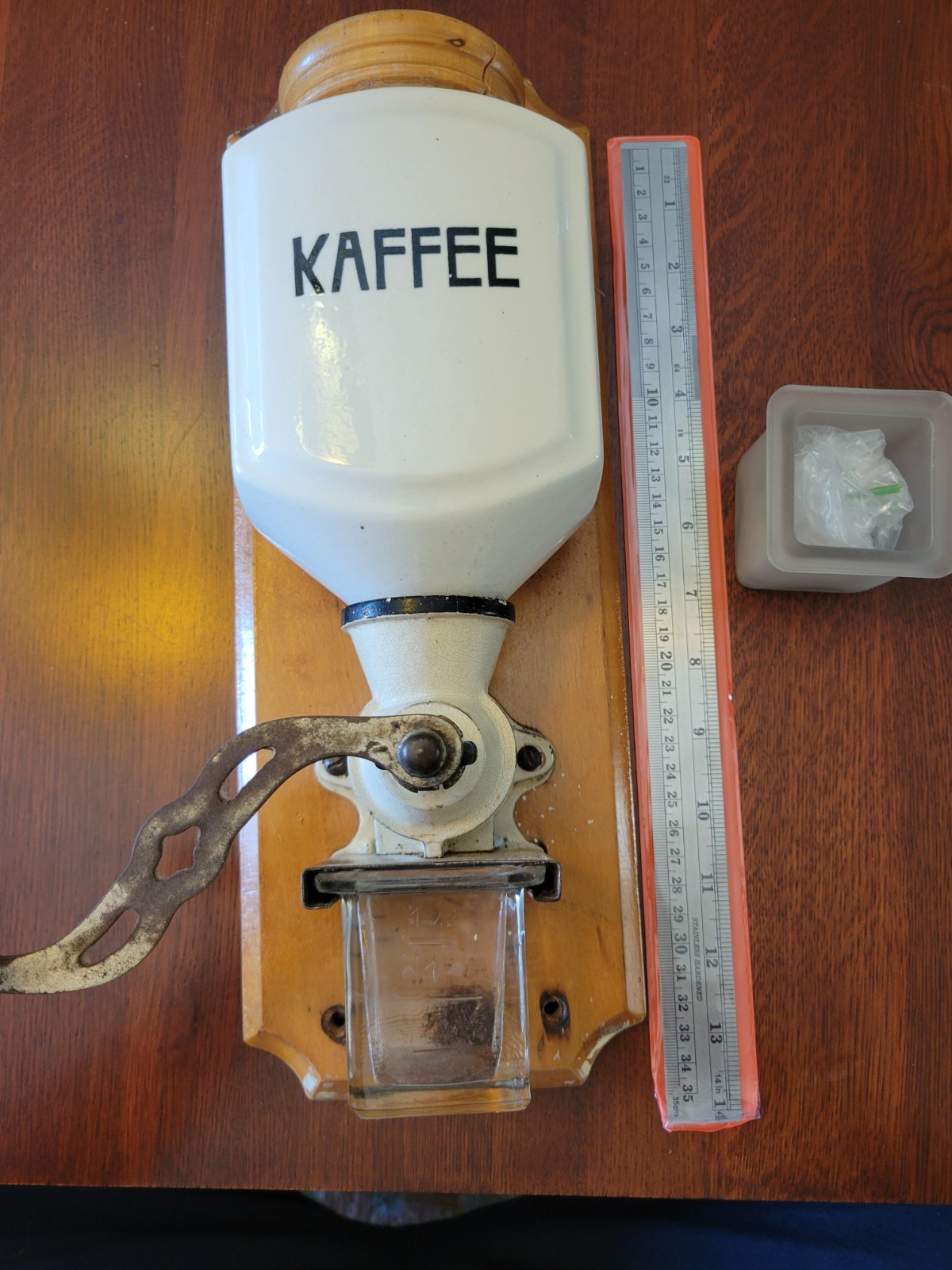
Manual Coffee Grinder

Manual coffee grinders are hand-cranked mills that use burr sets to crush beans, offering full torque control and zero electricity dependence. The primary trade-off is burr material and alignment: hardened steel conical/flat burrs with machined axles deliver consistent particle size for years, while ceramic or stamped-steel burrs in plastic housings flex and drift. The decision rule is simple—buy a metal-bodied mill with a stabilized shaft and serviceable burr set if grind consistency matters; accept a ceramic-burr entry mill only for coarse French press or travel backup duty.

Buying guide image
Proofing Baskets & Bread Lames

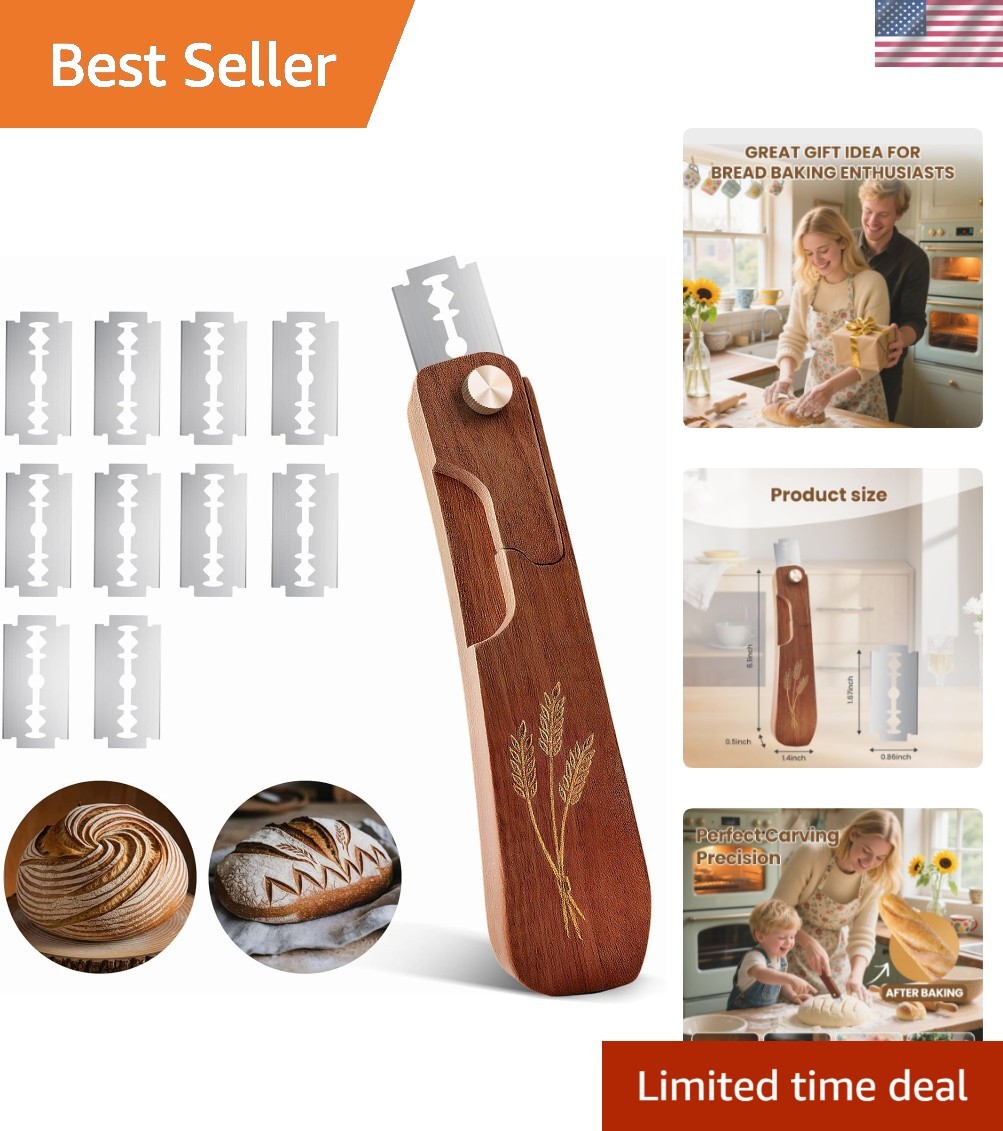
Bread Lame

A bread lame is a precision scoring tool—either a fixed or adjustable handle holding a thin, double-edged razor—that lets you control where and how deeply a loaf expands in the oven. The primary trade-off is blade security and adjustability versus simplicity: fixed lames are foolproof and cheap, while adjustable or magnetic lames let you dial in scoring depth and swap blades without tools. Choose a lame with a locking blade mechanism and a comfortable grip; avoid bare razor blades or flimsy plastic handles that flex under pressure.

Buying guide image
Cookware & Cutlery

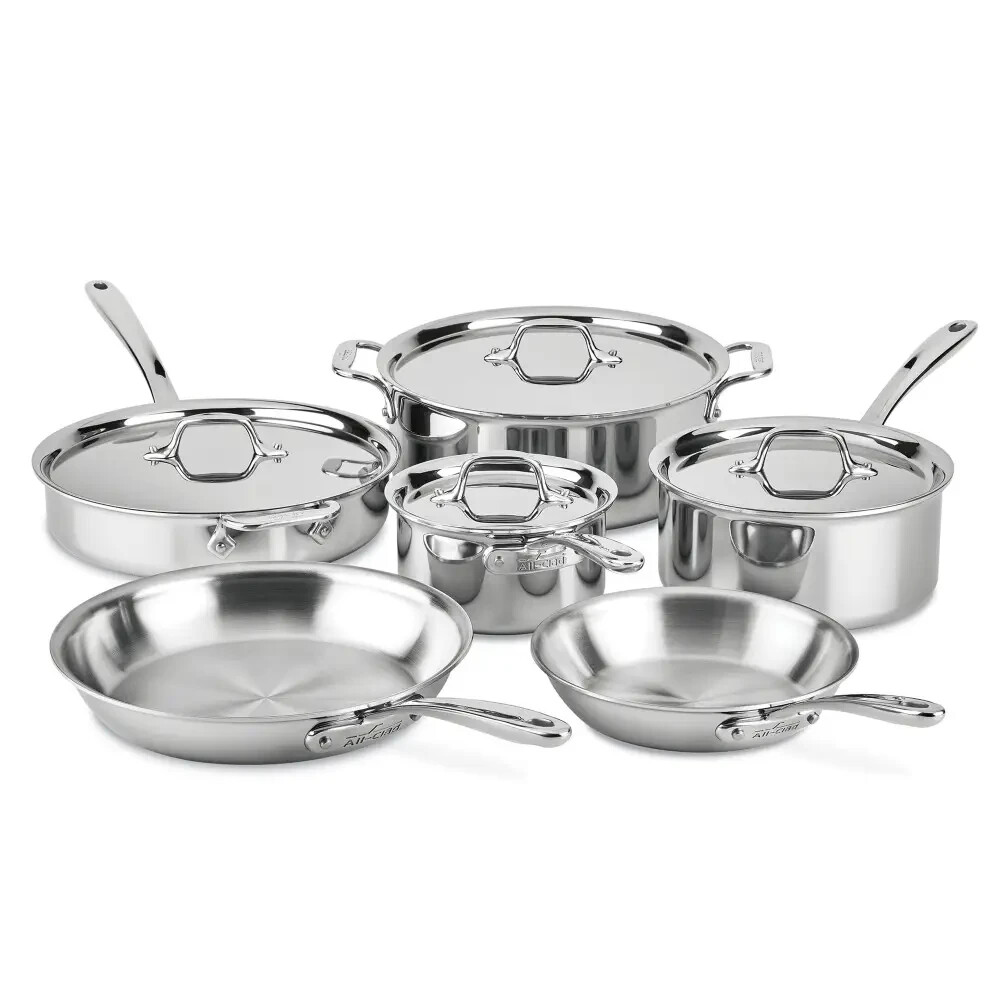
All Clad Stainless Steel

All-Clad stainless steel cookware is a premium American-made line built on a fully clad, multi-layer metal sandwich (typically 18/10 stainless over an aluminum or copper core) that delivers fast, even heat and induction compatibility. The core trade-off is between the thinner, lighter D3 (three-ply) line and the thicker, heavier D5 (five-ply) or Copper Core lines: more plies mean better heat retention and uniformity but slower response and higher weight. The decision rule is simple: buy D3 for everyday responsiveness and lower wrist strain, D5 or Copper Core only if you routinely sear at high heat or need maximum edge-to-edge uniformity, and skip any 'All-Clad-style' clad pan that does not state its ply count and core metal.

Buying guide image
Cookware & Cutlery

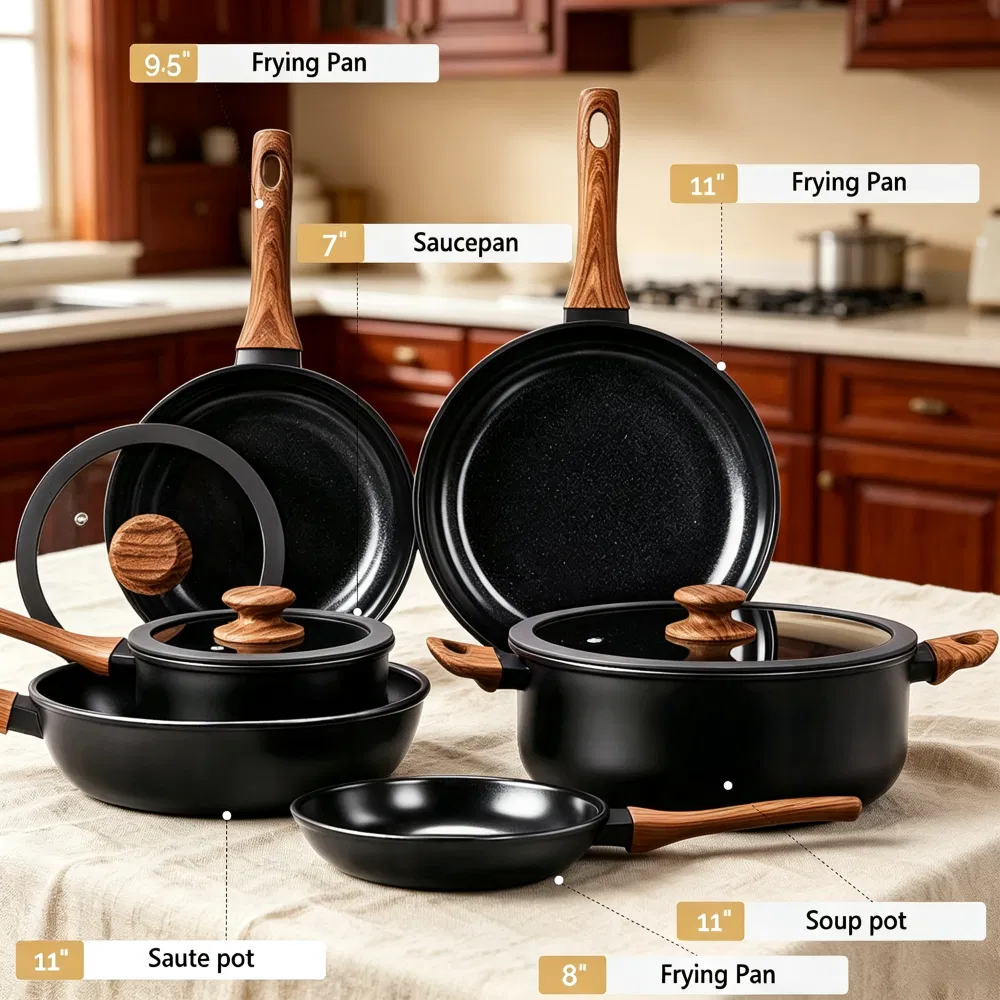
Pot Pan Set Non Stick

A non-stick pot and pan set bundles skillets, saucepans, and stockpots with a release coating, where the primary trade-off is convenience versus coating lifespan: inexpensive PTFE over thin aluminum degrades within a year, while reinforced or ceramic alternatives over heavy-gauge bases last longer. Durable sets use a 3mm+ aluminum or clad steel base, a coat thickness of at least 25–30 microns (two or three layers), and riveted or welded handles — anything thinner or single-layer with a detachable plastic handle is a compromise for light, short-term use.

Buying guide image
Bread Mixers, Scales & Thermometers

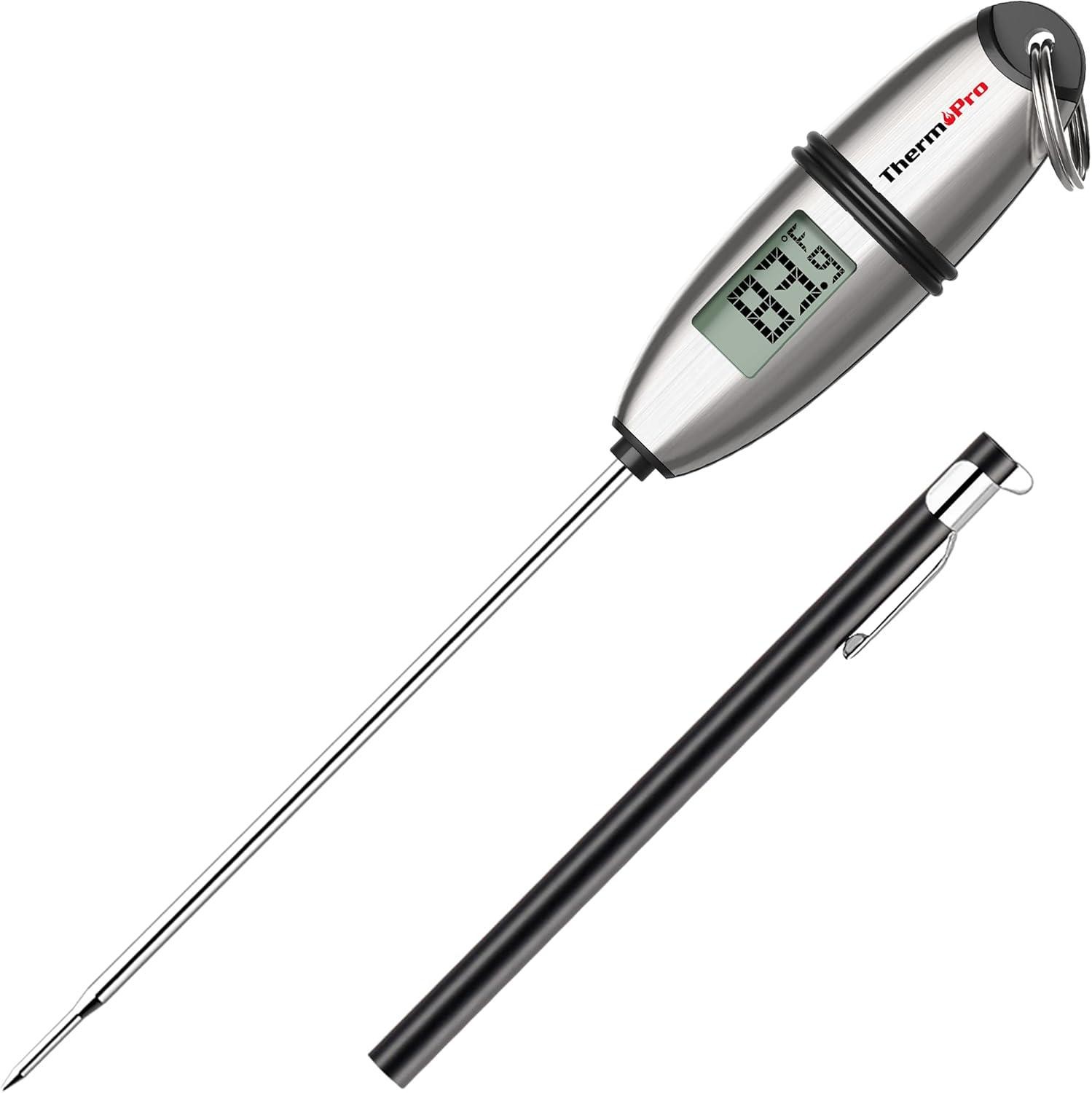
Cooking Thermometer

Cooking thermometers span instant-read probes, leave-in oven models, and infrared surface scanners, with the core trade-off being response speed and accuracy versus probe durability and heat tolerance. The decision rule is simple: buy a thermocouple or high-end thermistor instant-read for fast spot checks, and a separate leave-in probe for continuous oven monitoring—avoid any model that claims both without a replaceable probe.

Buying guide image
Bread Mixers, Scales & Thermometers

Food Thermometer

A food thermometer is a precision temperature probe used to verify doneness in meat, bread, and liquids; the core trade-off is response speed and accuracy versus build durability and waterproofing. The decisive split is between ±1°F thermistor-based instant-reads with thin tip probes (fast, accurate, not oven-safe) and ±2°F thermocouple units with thicker probes (faster, rugged, pricier). Buy a thermistor instant-read for general kitchen and bread work; step to thermocouple only if you need sub-2-second readings in high-volume cooking.

Buying guide image
Coffee Makers & Espresso

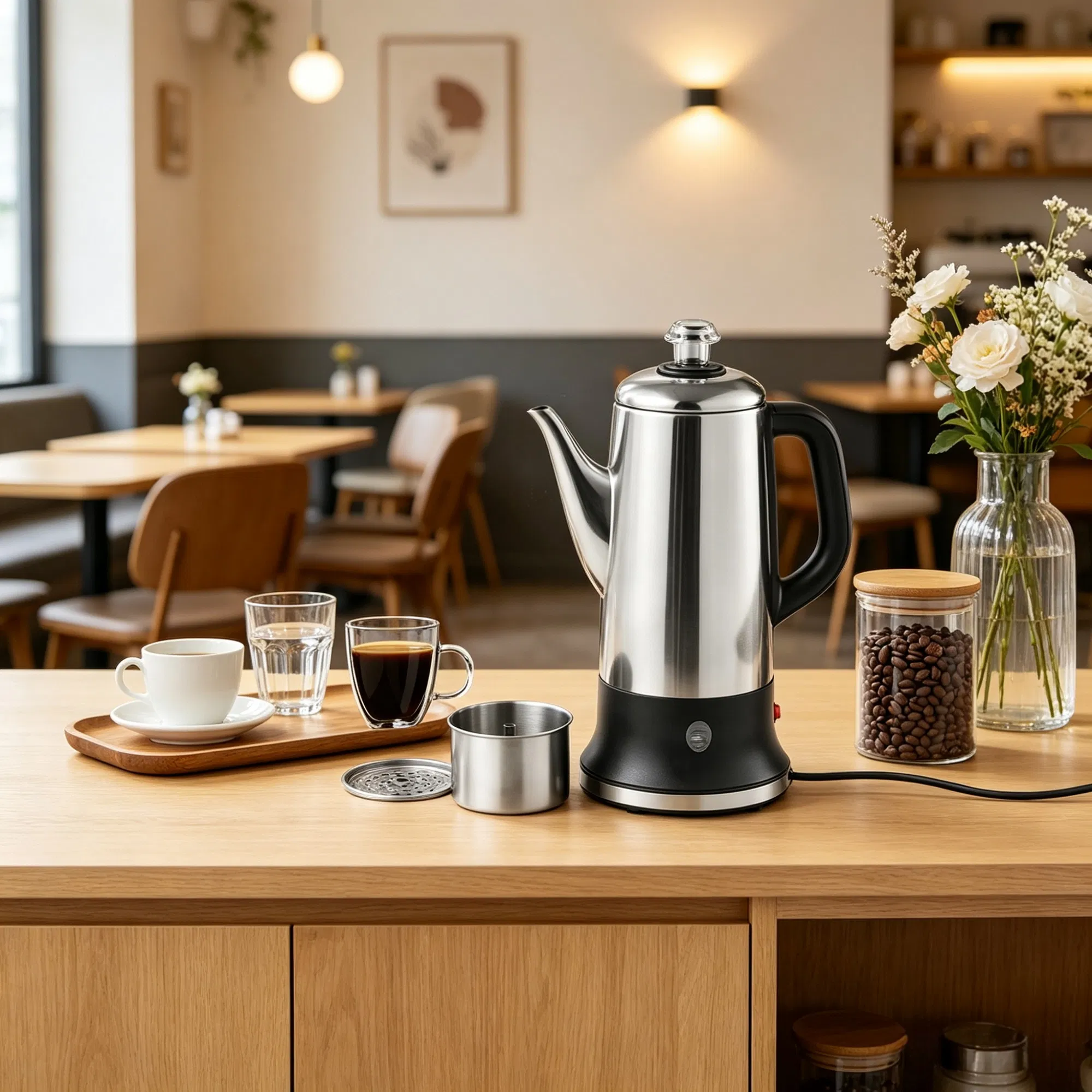
Electric Coffee Pot

An electric coffee pot is a standalone countertop brewer—most commonly a percolator or urn—that heats water and circulates it through grounds without a separate carafe-and-hotplate drip system. The defining trade-off is brew temperature control versus durability: percolators cycle near boiling and can over-extract, while thermostat-controlled urns hold a preset temperature for larger batches. Choose a stainless-steel percolator for fast small-to-mid batches, and a thermostatic urn when you need to hold volume for a crowd.

Buying guide image
Coffee Makers & Espresso

Electric Percolator Coffee Pot

An electric percolator coffee pot is a self-contained, corded brewing appliance that cycles near-boiling water up a central stem and showers it over a grounds basket, then holds the finished coffee warm on an internal thermostat. The core trade-off is extraction control versus retention heat: percolators recirculate already-brewed coffee, so oversize capacity and aggressive keep-warm temperatures scorch flavor, while stainless 304 bodies and wattage-matched thermostats deliver the durable, event-ready pots. The decision rule: buy a 304 stainless, thermostat-controlled, 8–12 cup unit with a clearly rated wattage and a lift-out basket; skip thin aluminum or unbranded pots with no temperature hold spec.

Buying guide image
Microwave Ovens

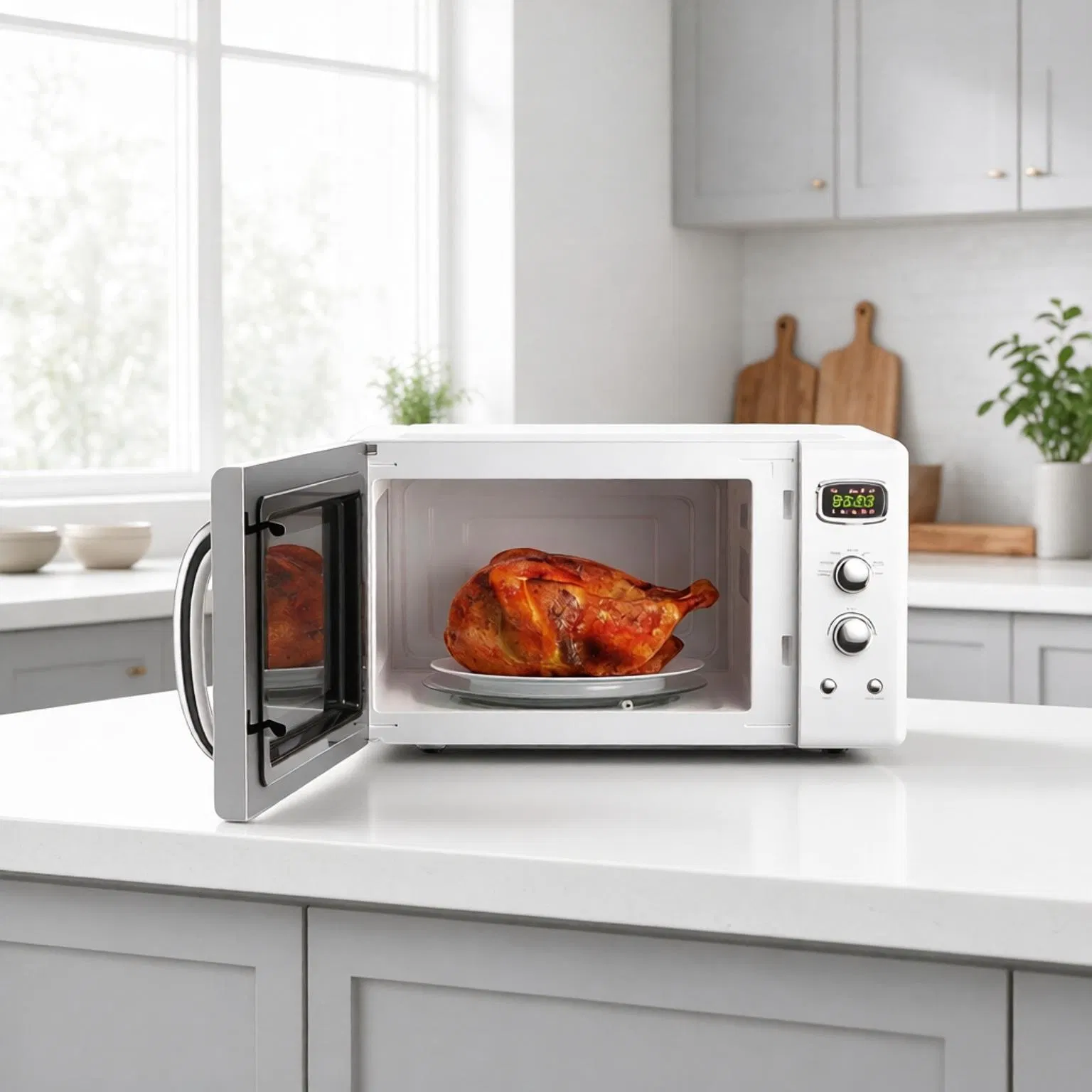
Countertop Microwave

A countertop microwave is a freestanding, plug-in appliance that combines a magnetron, waveguide, and turntable in a self-contained chassis; the core trade-off is between compact size and usable cavity volume versus power, sensor accuracy, and inverter technology. Durable options use inverter power and stainless or painted-steel cavities, while compromises rely on low-wattage transformers, thin-coated interiors, and mechanical dials that drift. The decision rule: buy by cavity volume and wattage tier matched to your largest dish and daily reheat load, not by exterior footprint alone.

Buying guide image
Blenders & Juicers

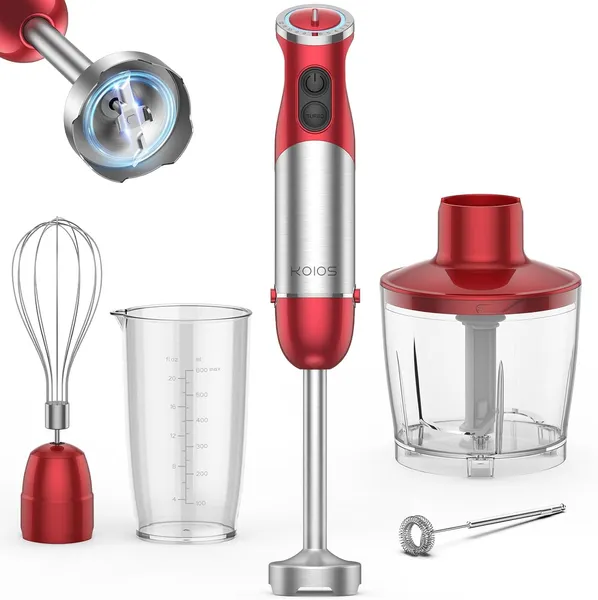
Immersion Blender

Immersion blenders are handheld motor-and-shaft tools that blend, puree, and emulsify directly in the pot, cup, or bowl. The core trade-off is motor architecture and shaft construction: DC/copper motors with metal couplings deliver sustained torque and durability, while budget AC motors with plastic bell housings and press-fit shafts overheat and strip under thick loads. Decide by wattage tier and blade-bell material—not by attachment count.

You may also like

Finding more guides for you…