Kitchen Gear Wise

Kitchen Gear Wise

Kitchen Gear Reviews & Buying Guides

Compare kitchen gear by use case, features, trade-offs, price, returns, and seller terms before you buy.

Buying guides

Buying guide image
Toasters & Ovens

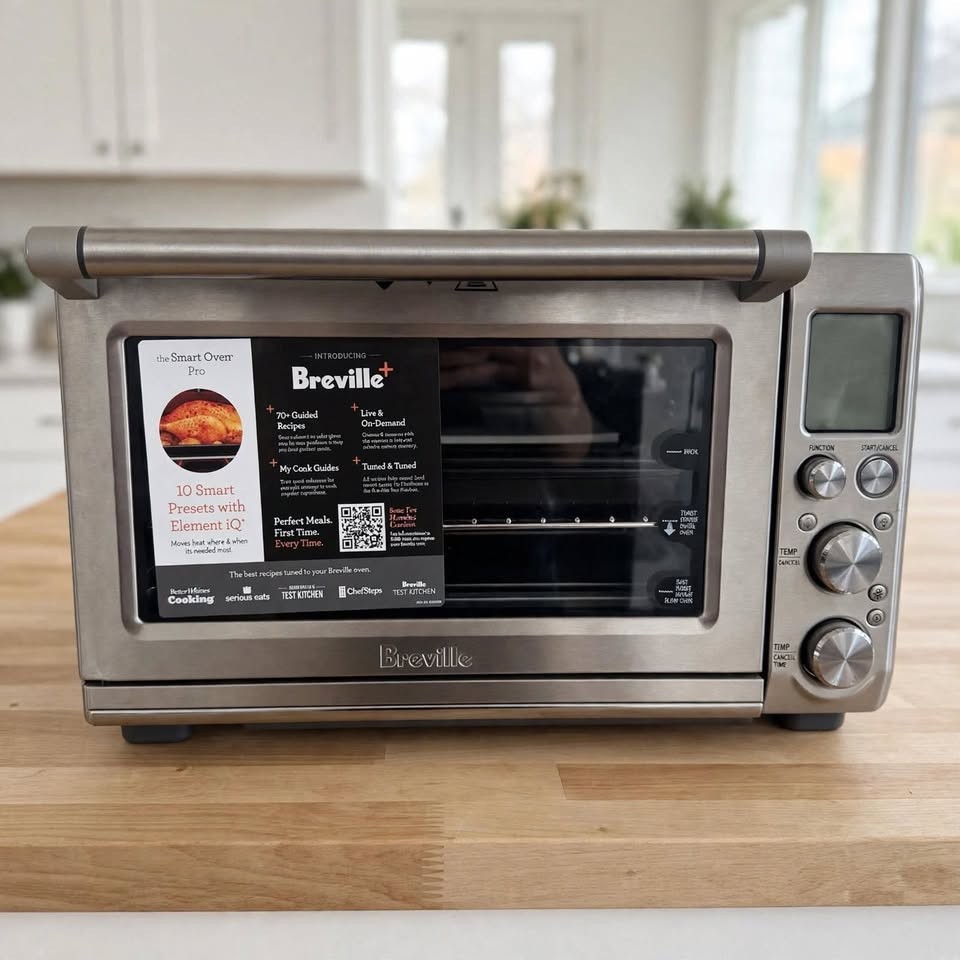
Breville Smart Toaster Oven

Breville Smart Toaster Ovens are countertop convection ovens defined by their Element IQ heating system, which independently controls quartz heating elements to mimic the even browning of a full-size oven. The core trade-off is between the precise, multi-element control of the Smart Oven line and the simpler, cheaper heating of basic toaster ovens—precision costs more but prevents the burnt-edge, raw-center results common in budget units. The decision rule: buy a Breville Smart Oven only if you need Element IQ and convection for baking and roasting, not just toast; otherwise a basic slot toaster or low-cost oven suffices.
Buying guide image
Coffee Makers & Espresso

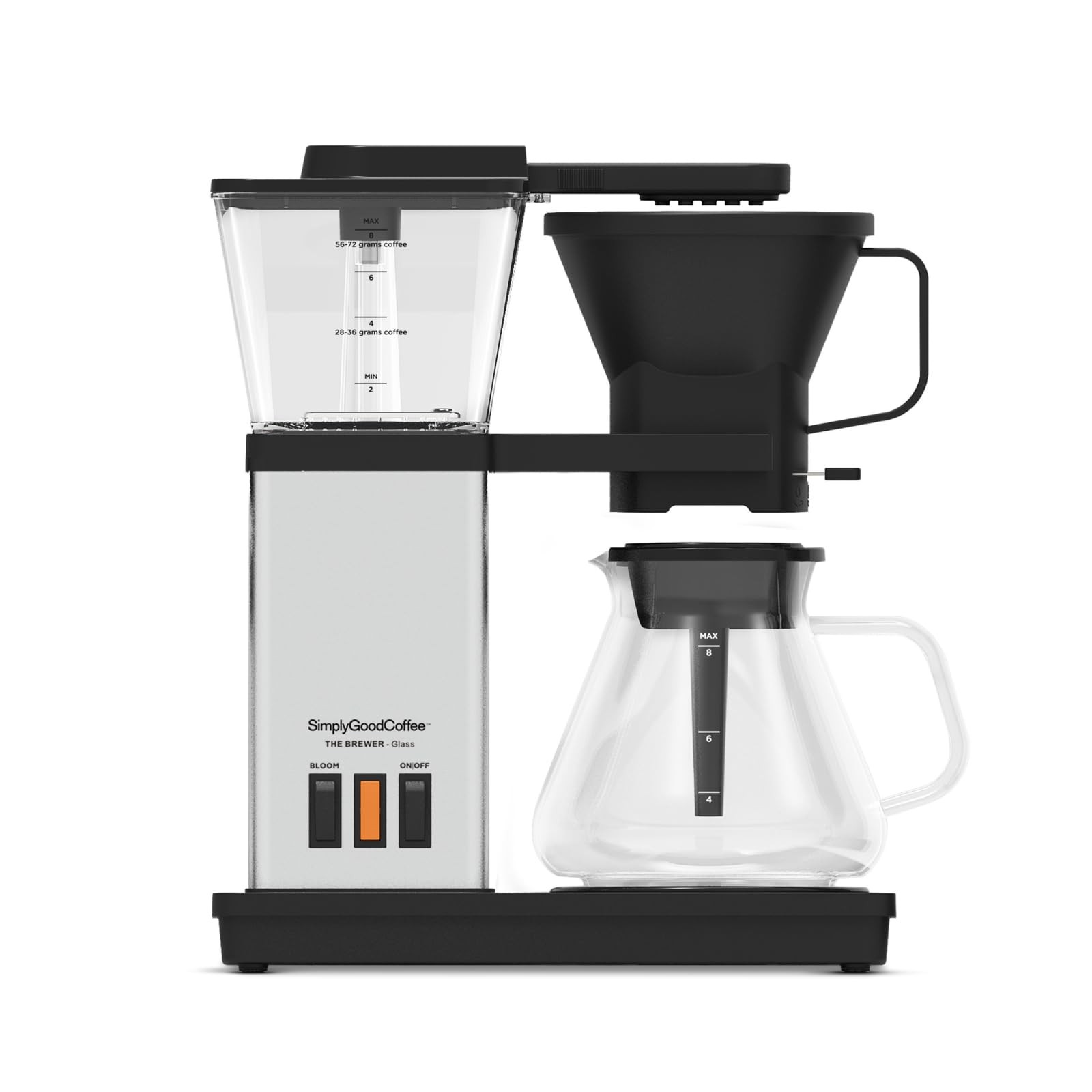
Drip Coffee Machine With Grinder

A drip coffee machine with grinder integrates a burr or blade grinder directly above or beside the brew basket, eliminating the separate step of grinding and transferring grounds. The core trade-off is grinder quality versus brew consistency: cheap blade or false-burr grinders produce uneven particles that choke drip beds and yield bitter/sour cups, while true conical burr grinders with removable, calibrated grind settings preserve flavor clarity and machine longevity. The clear decision rule is simple: buy only units that specify a conical burr grinder with at least 12 grind settings and a removable brew basket and carafe; skip any drip machine that uses a blade grinder or a non-removable grind chamber, because those are disposable compromises that cannot be repaired or upgraded.

Buying guide image
Tableware, Drinkware & Serving

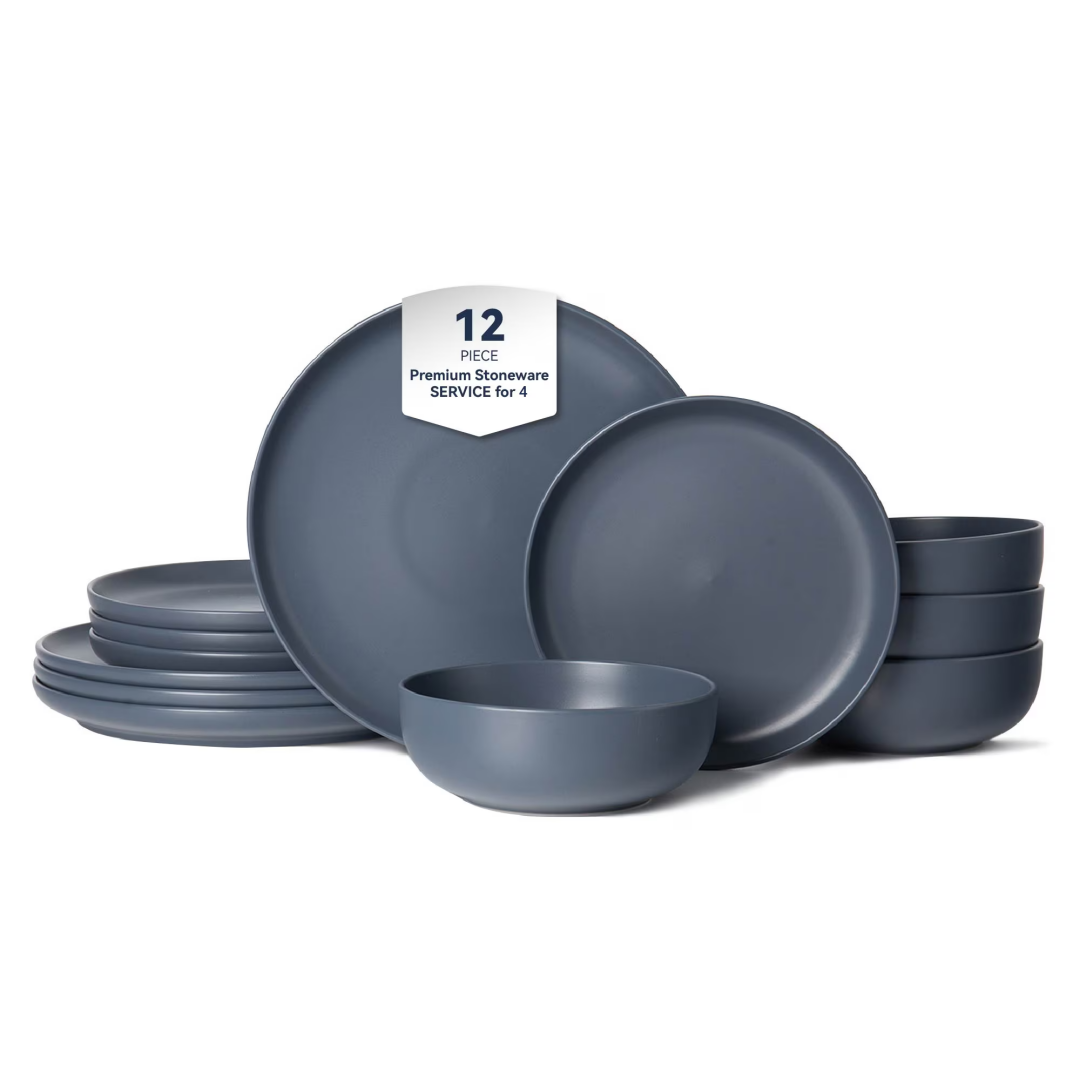
Stoneware Dinner Set

Stoneware dinner sets are high-fired, non-porous ceramic tableware prized for chip resistance and a matte, artisanal glaze finish. The core trade-off is fired-body vitrification and wall thickness versus weight and stacking footprint: denser, thicker stoneware resists chipping and thermal shock but costs more and demands cabinet space. The decision rule: buy sets with fully vitrified, chip-resistant stoneware fired above 1200°C and confirmed microwave/dishwasher claims; skip lightweight earthenware or low-fire sets labeled only 'ceramic' with no temperature or safety specification.

Buying guide image
Microwave Ovens

Compact Microwave Countertop

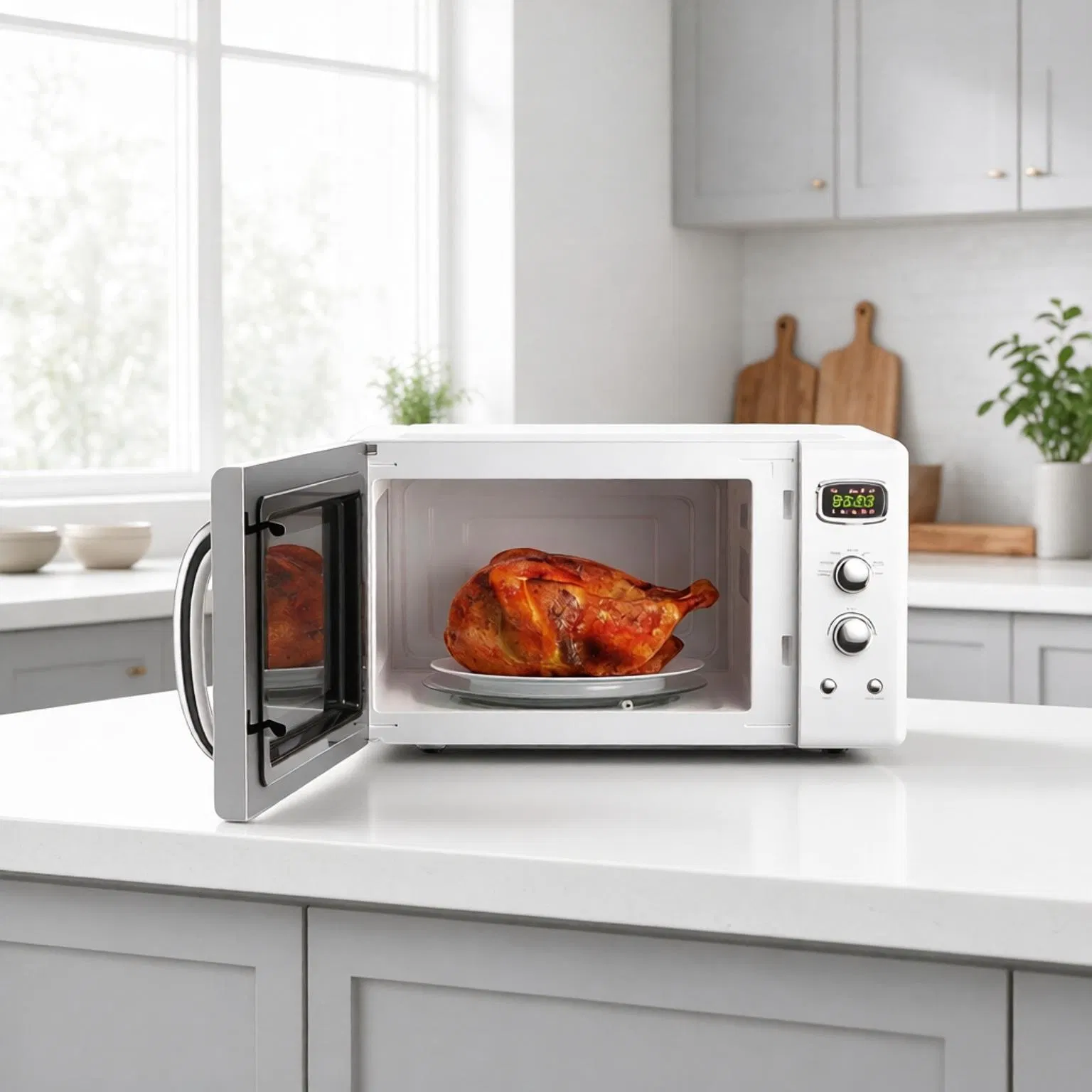
A compact countertop microwave is a freestanding, plug-in appliance typically under 0.9 cu ft designed for tight kitchens, dorms, and office breakrooms. The core trade-off is cavity capacity versus footprint and wattage: smaller boxes usually sacrifice turntable diameter, height clearance, and defrost evenness to fit under cabinets. The decision rule is simple: buy by interior cavity dimensions and rated microwave output (W), not by exterior marketing labels, and insist on a removable glass turntable plus mechanical or simple electronic controls.

Buying guide image
Microwave Ovens

Microwave Oven

Microwave ovens are countertop, over-the-range, or built-in appliances that heat food via magnetron-generated 2.45 GHz microwaves, with the primary trade-off being wattage/inverter technology vs. cavity size and build quality. The clear decision rule: buy 1000W+ with inverter or flatbed design for even cooking, and skip sub-900W mechanical-dial units unless portability or minimal footprint is the only constraint.

Buying guide image
Cookware & Cutlery

Cast Iron Pan Set

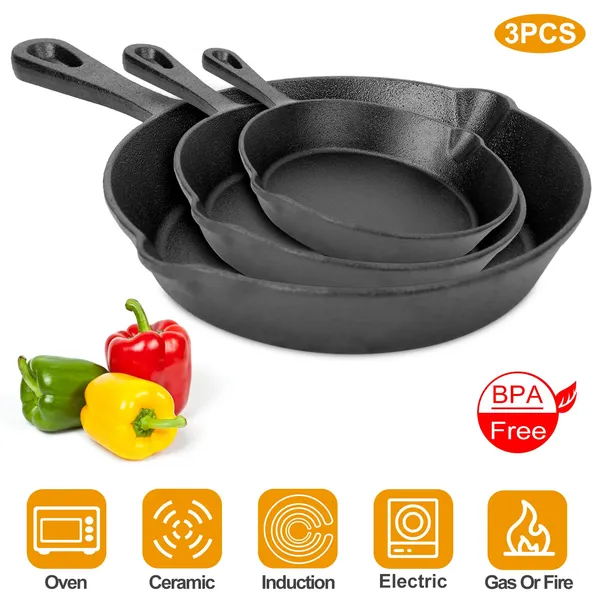
A cast iron pan set is a collection of seasoned iron skillets, typically in graduated sizes, valued for heat retention, oven-to-stovetop versatility, and decades-long durability. The core trade-off is between raw cast iron's weight and maintenance versus enameled iron's easier cleanup but added cost and chip risk. The decision rule is simple: buy plain pre-seasoned cast iron for high-heat searing and open-flame use, and only choose enameled or polished-iron variants when acidic sauces or low-maintenance cleaning are your priority.

Buying guide image
Cookware & Cutlery

Iron Cookware Set

Iron cookware sets are built from cast iron, carbon steel, or wrought iron, and the primary trade-off is thermal mass versus responsiveness: thick cast iron sears and retains heat but is heavy, while thinner carbon steel heats fast and weighs less. The clear decision rule is to buy sets that specify iron type, wall thickness, and preseasoning method, and skip generic 'metal' listings with no grade or foundry detail.

Buying guide image
Home Refrigerators, Freezers & Wine Coolers

Mini Beverage Fridge

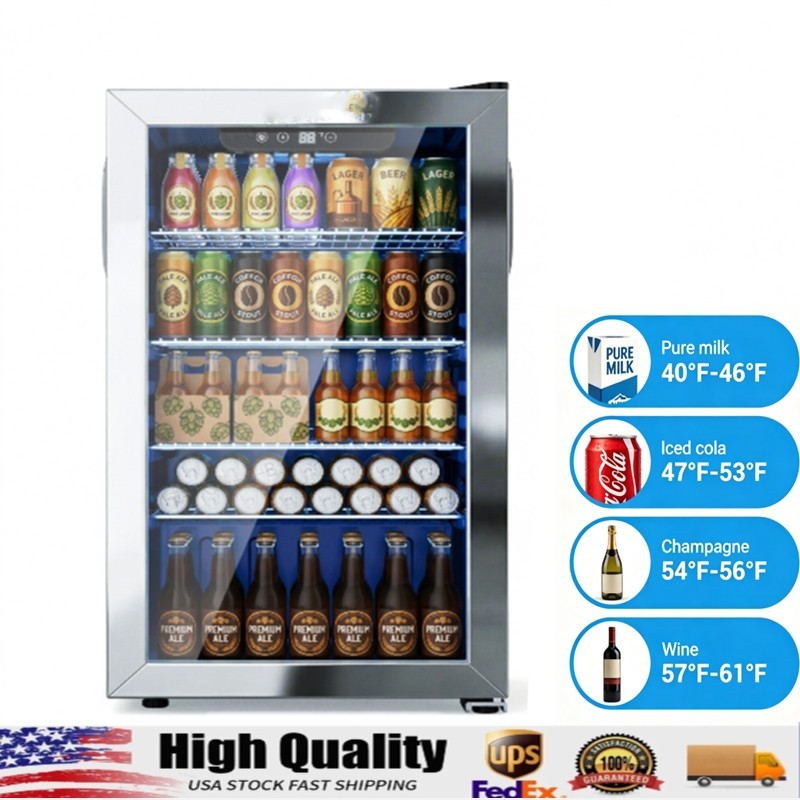
A mini beverage fridge is a compact, single-zone cooler designed to hold cans and bottles at serving temperature, distinct from a food fridge by its glass door, wire or flat shelves, and tighter temperature band. The core trade-off is compressor vs. thermoelectric cooling and glass-door vs. solid-door insulation: compressor units hold 34–40°F reliably in warm rooms, while Peltier units struggle above 75°F ambient. Buy a compressor-driven, single-zone unit sized to your can count if you want consistent cold; skip thermoelectric and USB novelty coolers unless you only need slight chilling in a climate-controlled room.

Buying guide image
Kitchen Storage & Organization

Bread Box

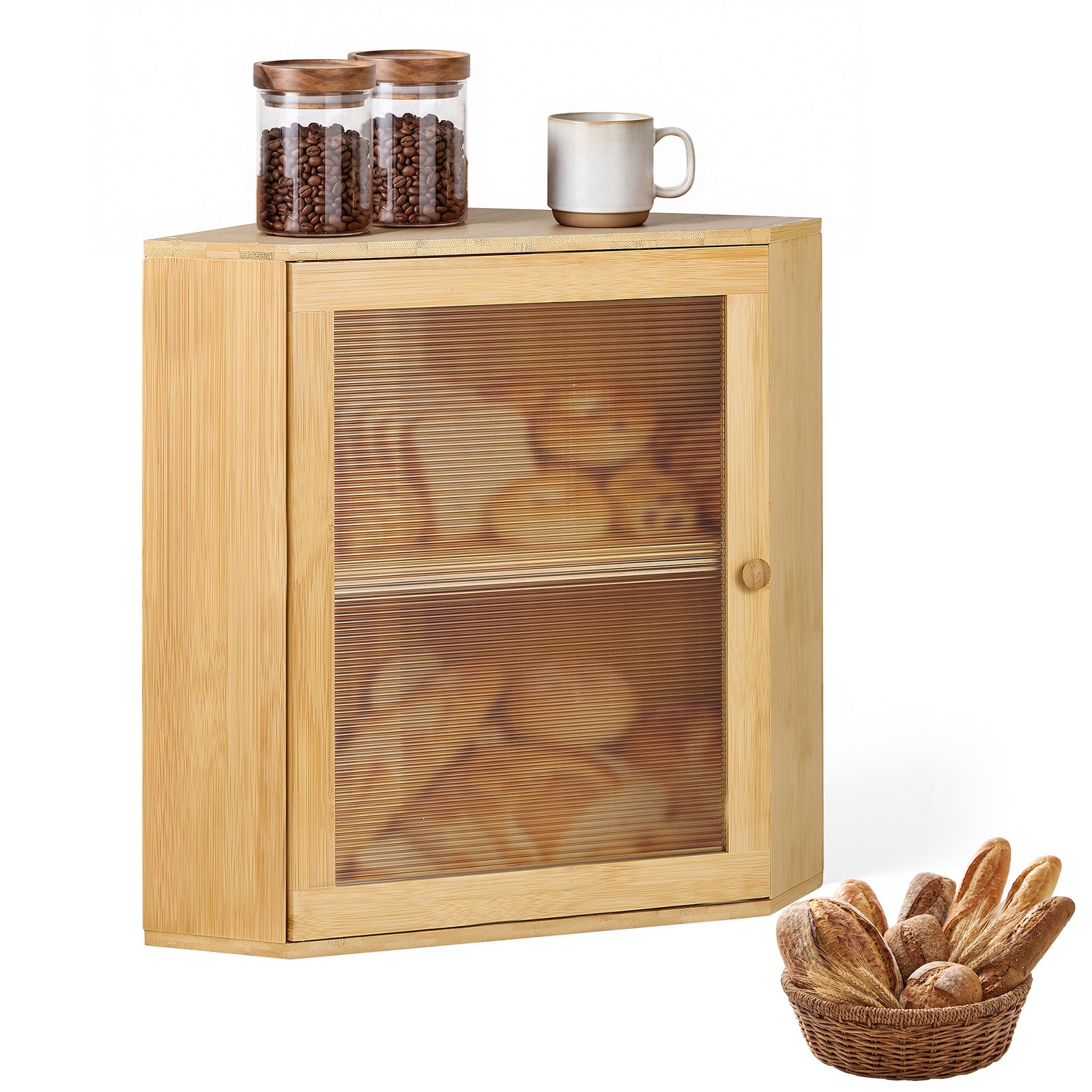
A bread box is a ventilated countertop container that slows staling by buffering humidity and blocking light, and the segment splits into enclosed wooden boxes with acrylic or slatted doors versus open wire or bamboo tiered stands. The core trade-off is moisture control versus airflow: sealed acrylic-front boxes hold crumb texture for lean artisan loaves, while open baskets dry crusty bread faster and suit produce or snacks. Buy an enclosed box with adjustable vents for sandwich loaves and homemade bread; choose an open tiered stand only for baguettes, rolls, or produce you want to stay dry.

Buying guide image
Cookware & Cutlery

Griddle Gas Grill

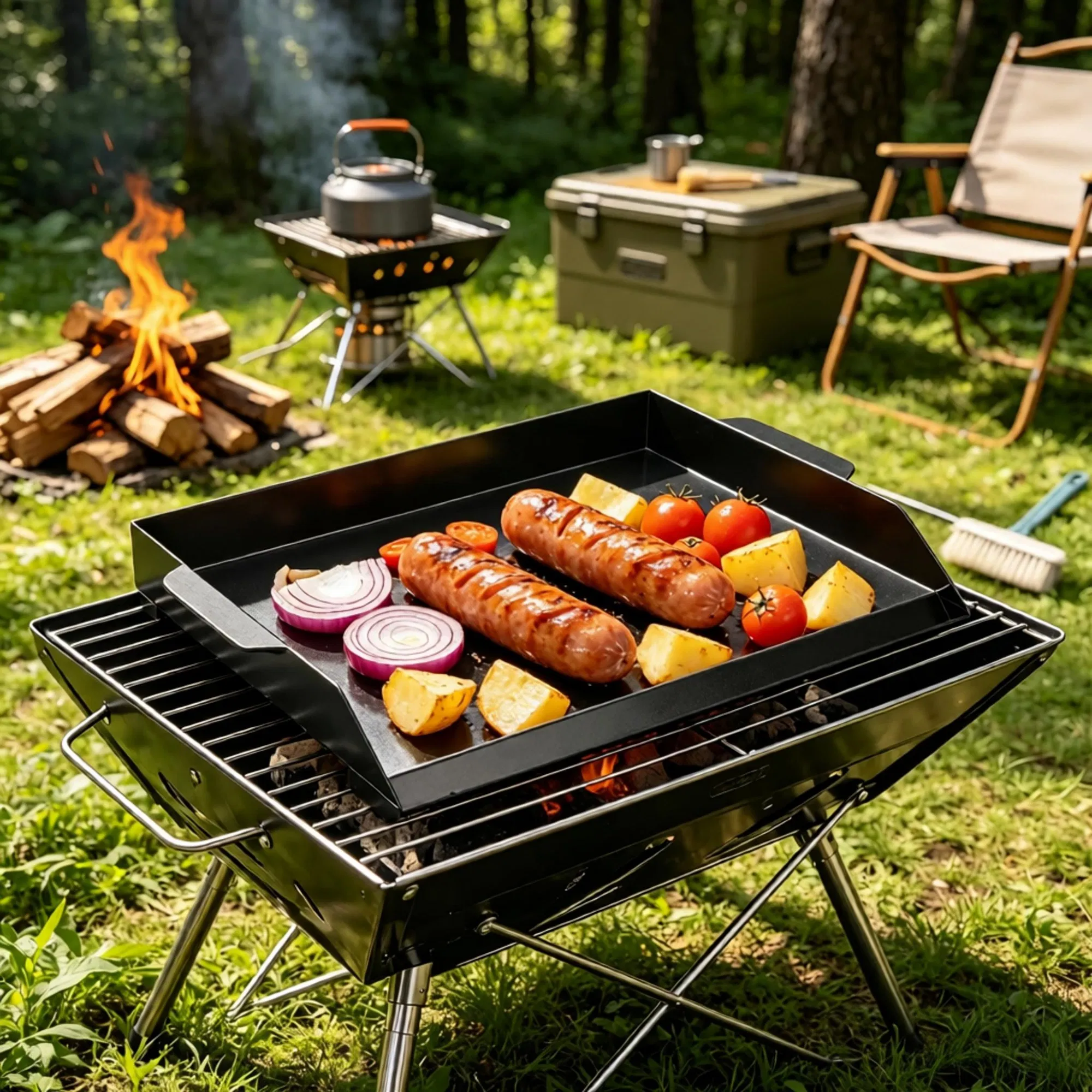
A griddle gas grill accessory is a flat-top cooking plate that sits over your gas grill's burners to deliver diner-style searing, batch cooking, and even heat for eggs and pancakes. The core trade-off is thermal mass versus responsiveness: thick cast iron holds heat but heats slowly, while thinner carbon steel heats fast but can warp if pushed hard. The decision rule is simple: buy at least 3/16-inch (4.8 mm) carbon steel or 1/4-inch cast iron with a full-footprint heat spreader, and skip any plate under 1/8-inch that will bow over high gas burners.

Buying guide image
Water Filtration

Water Distiller

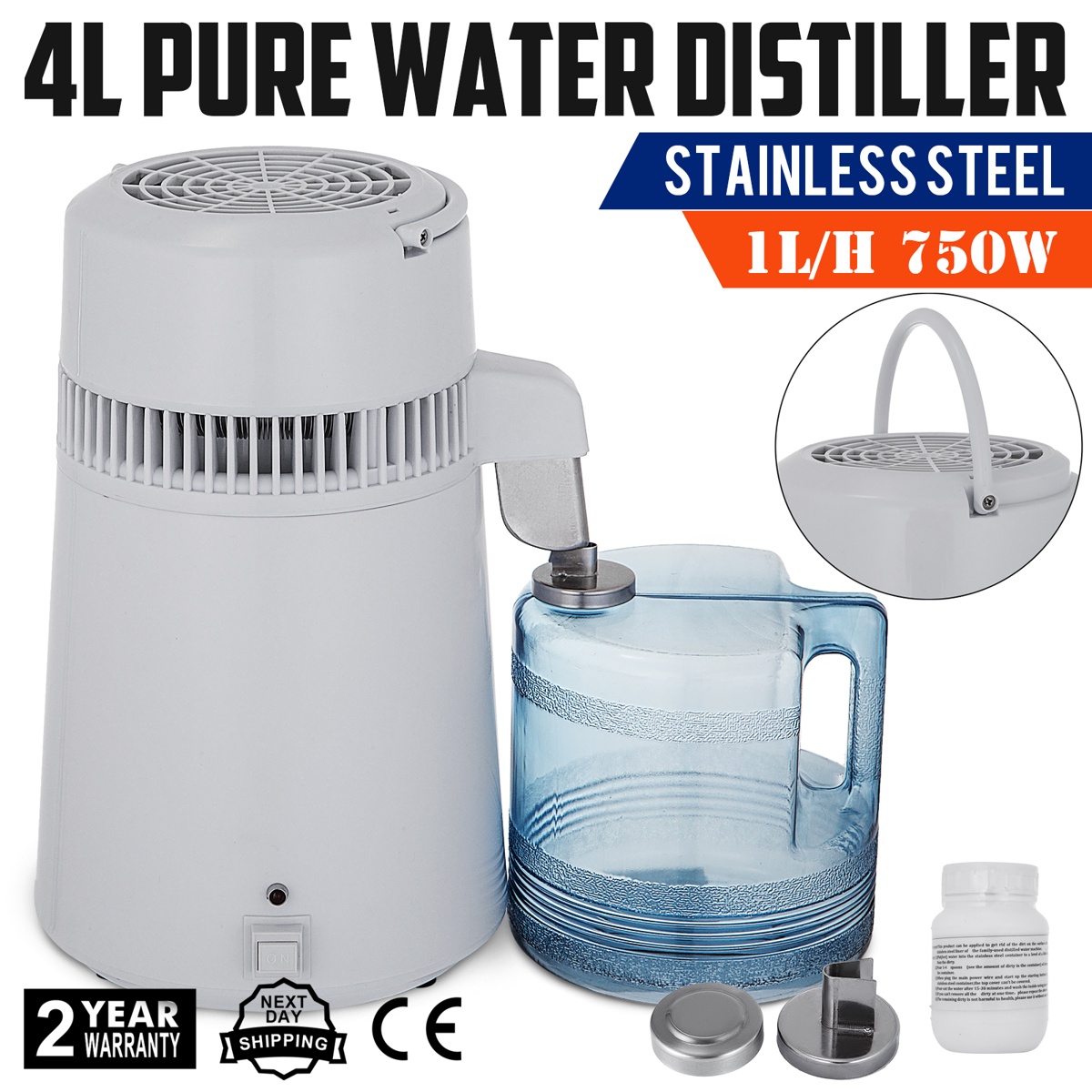
A water distiller boils water into steam and condenses it back to liquid, removing dissolved solids, heavy metals, and most contaminants that filters leave behind. The core trade-off is between stainless-steel internal construction with sufficient wattage for fast cycles versus plastic internals and undersized boilers that slow output. Choose a model with a full 304 or 316 stainless-steel boiling chamber and condenser coil, a 750W-class heating element, and a 4L (1.05 gal) batch capacity; skip units with exposed plastic in the steam path or sub-4L tanks if daily output matters.

Buying guide image
Blenders & Juicers

Hand Blender

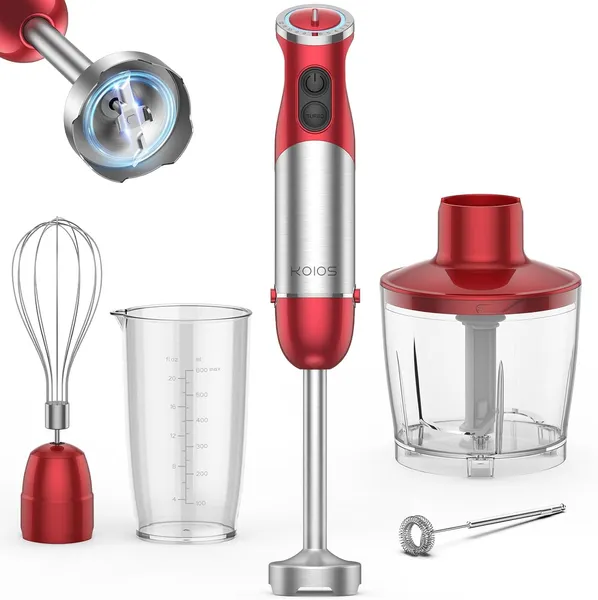
A hand blender (immersion blender) is a motorized shaft tool for pureeing soups, blending smoothies, and emulsifying sauces directly in the vessel, avoiding the jar-and-lid workflow of countertop blenders. The core trade-off is motor architecture and shaft/bell durability versus weight and cost: copper-wound 1000W-class motors with stainless bells handle hot soups and fibrous greens, while low-power brushed units bog down and wear out. The decision rule: buy by wattage tier (300W light-duty, 500-800W general, 1000W+ heavy) and metal-to-metal shaft coupling—plastic bell-to-shaft joints are the failure point on cheap units.

Buying guide image
Sourdough Starters & Fermentation

Baking Basket

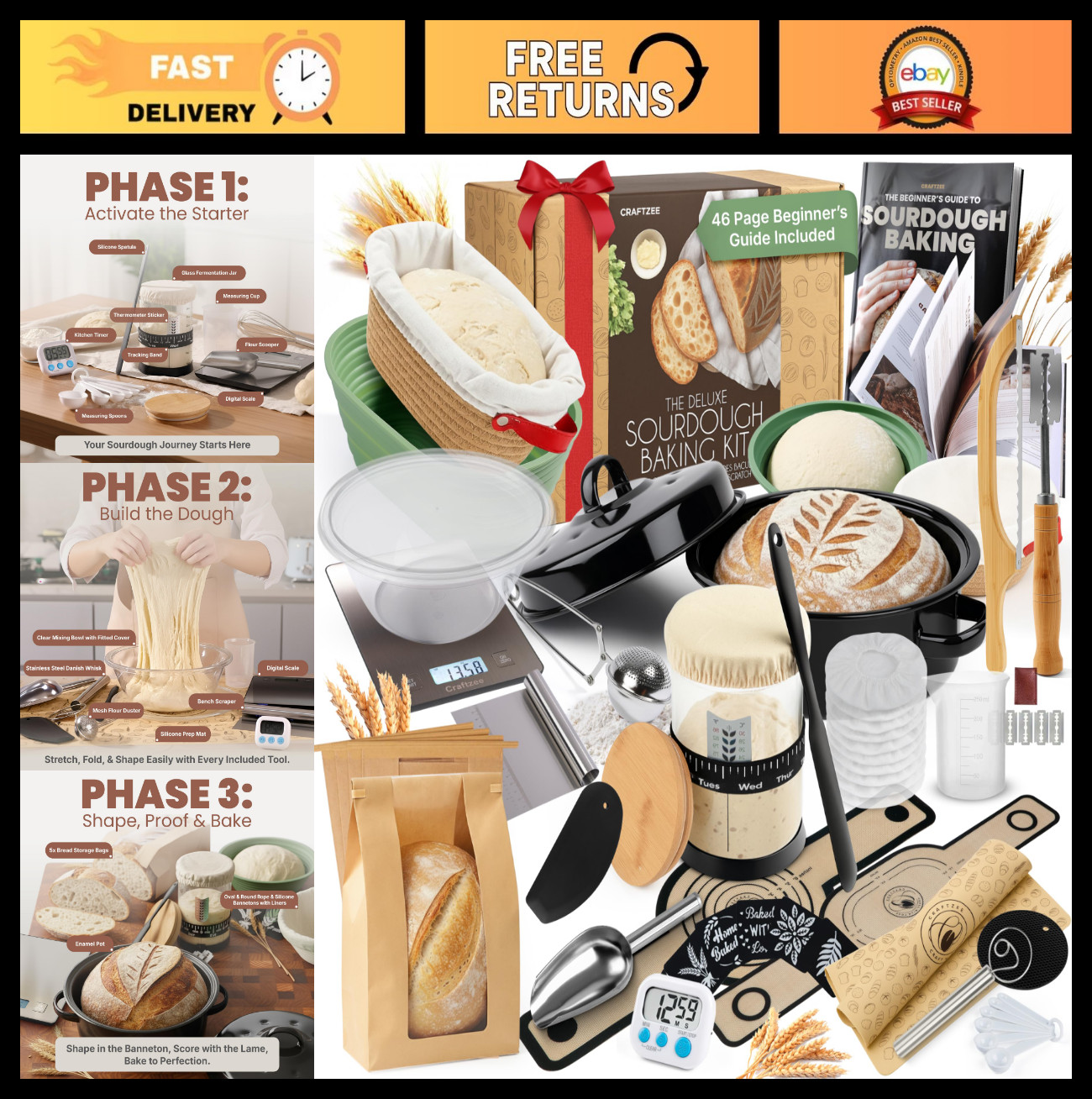
A baking basket is the proofing vessel that shapes and supports a sourdough loaf during its final rise, and its material and weave density determine crust development, dough stickiness, and banneton longevity. The core trade-off is between natural rattan/cane (best airflow and moisture wicking, but prone to mold without care) and lined or synthetic baskets (easier release, less crust character). Choose natural cane with a linen liner for artisan crust, or a lined polypropylene basket for low-maintenance high-hydration doughs.

Buying guide image
Coffee Makers & Espresso

Latte Machine

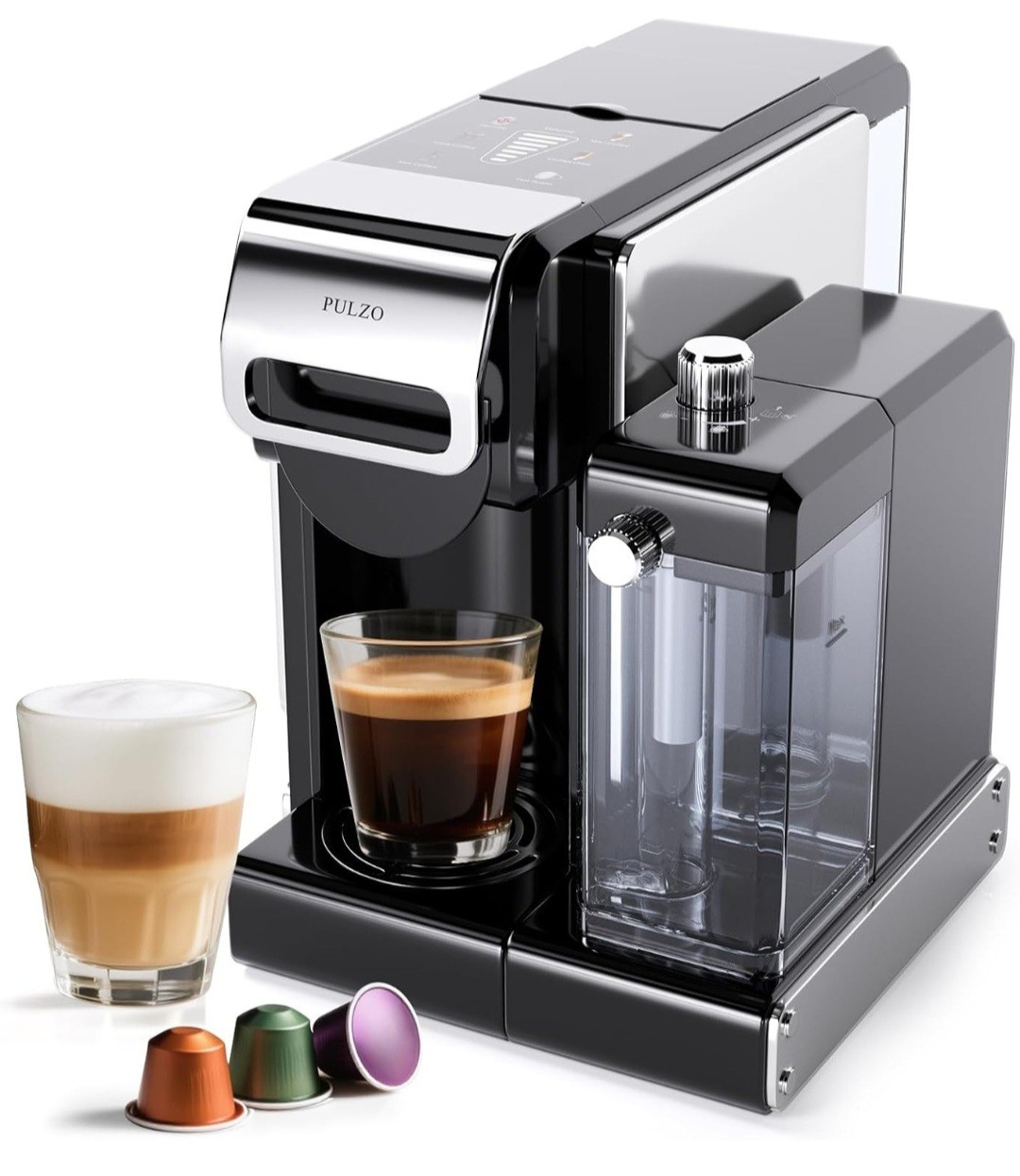
A latte machine is an espresso maker paired with a milk-steaming or frothing system, and the core trade-off is between a manual steam wand (best microfoam, requires skill) and an automatic frother or capsule system (convenience, less control). Durable picks use a 15–20 bar pump, a thermoblock or PID-controlled boiler, and a stainless or brass steam valve; compromises show up as weak 3–5 bar pumps, plastic steam wands, and unheated group heads.

Buying guide image
Slow & Pressure Cookers

Stainless Steel Slow Cooker

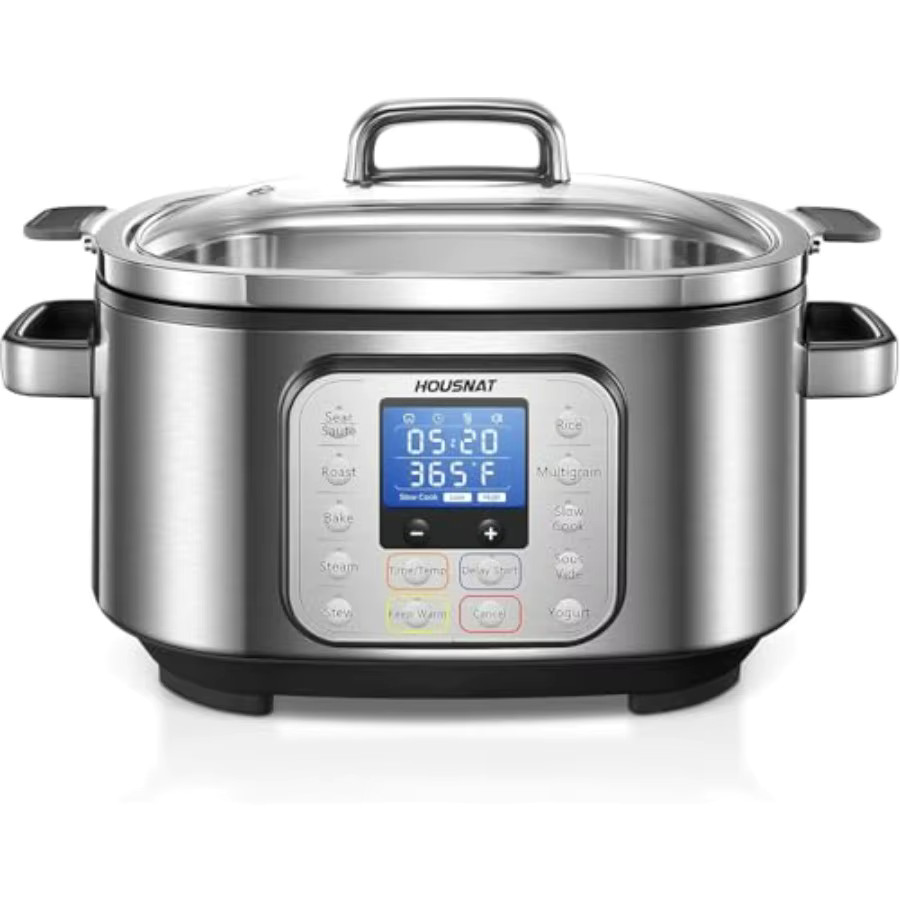
A stainless steel slow cooker uses an uncoated, food-grade steel or clad-steel insert instead of ceramic or nonstick, eliminating coating chipping and flaking while allowing stovetop browning on induction-capable models. The core trade-off is heat retention and weight: thin 0.5 mm steel heats fast but scorches on low; 1.0 mm+ clad or tri-ply steel spreads heat evenly and resists warping. The decision rule: buy only when the insert is labeled 304 (18/8) stainless with a clad base or full tri-ply construction; skip single-wall 0.4 mm steel and any “stainless-look” aluminum insert.

Buying guide image
Coffee Makers & Espresso

Cold Brew Coffee Maker

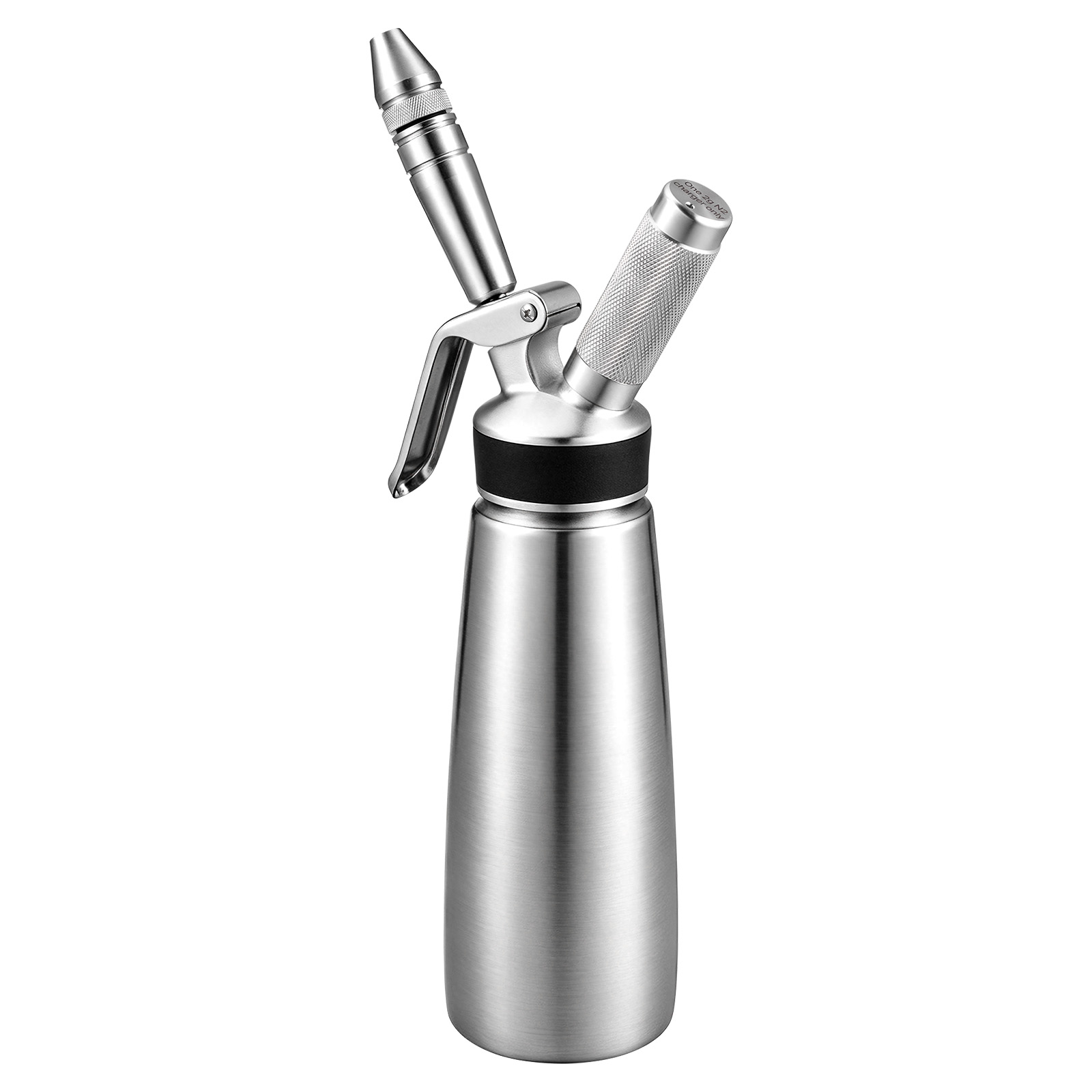
Cold brew coffee makers are immersion brewing systems that steep coarse grounds in cold water for 12–24 hours, producing low-acid concentrate without heat. The core trade-off is between simple gravity-filter pitchers (cheap but slow, fine-silt prone) and pressurized nitro/dispenser systems (smooth cascading texture but require nitrogen cartridges or manual pressure). Buy the simplest vessel that fits your fridge and batch size unless you specifically want nitro-style texture or travel portability.

Buying guide image
Cookware & Cutlery

Cast Iron Set

A cast iron set is a bundle of bare or enameled cast iron skillets, griddles, or Dutch ovens chosen for heat retention, oven-to-table searing, and decades of service. The core trade-off is wall thickness and finish quality: thinner, roughly machined pans heat fast but warp and lose seasoning, while thicker, smoother-cast pans cost more and demand slower preheating. Buy a set only when the included sizes match your burner and oven geometry and the pans are pre-seasoned with a visibly smooth cooking surface; skip multi-piece 'bargain' sets with painted handles or sub-3 mm walls.

Buying guide image
Blenders & Juicers

Stick Blender

Stick blenders (immersion blenders) are motor-in-hand tools that blend directly in the pot, cup, or beaker, trading jar capacity for portability and easy cleanup. The core trade-off is motor architecture and shaft construction: copper-wound DC motors with metal couplings and stainless shafts survive thick mixtures, while plastic gearboxes and short shafts overheat or snap. The decision rule is simple: buy a metal-geared, stainless-shaft unit with at least 300W real power for daily hot soups and nut butters; treat low-power plastic-coupling units as light-duty frothers only.

Buying guide image
Electric Hot Pots

Barbecue Hot Pot

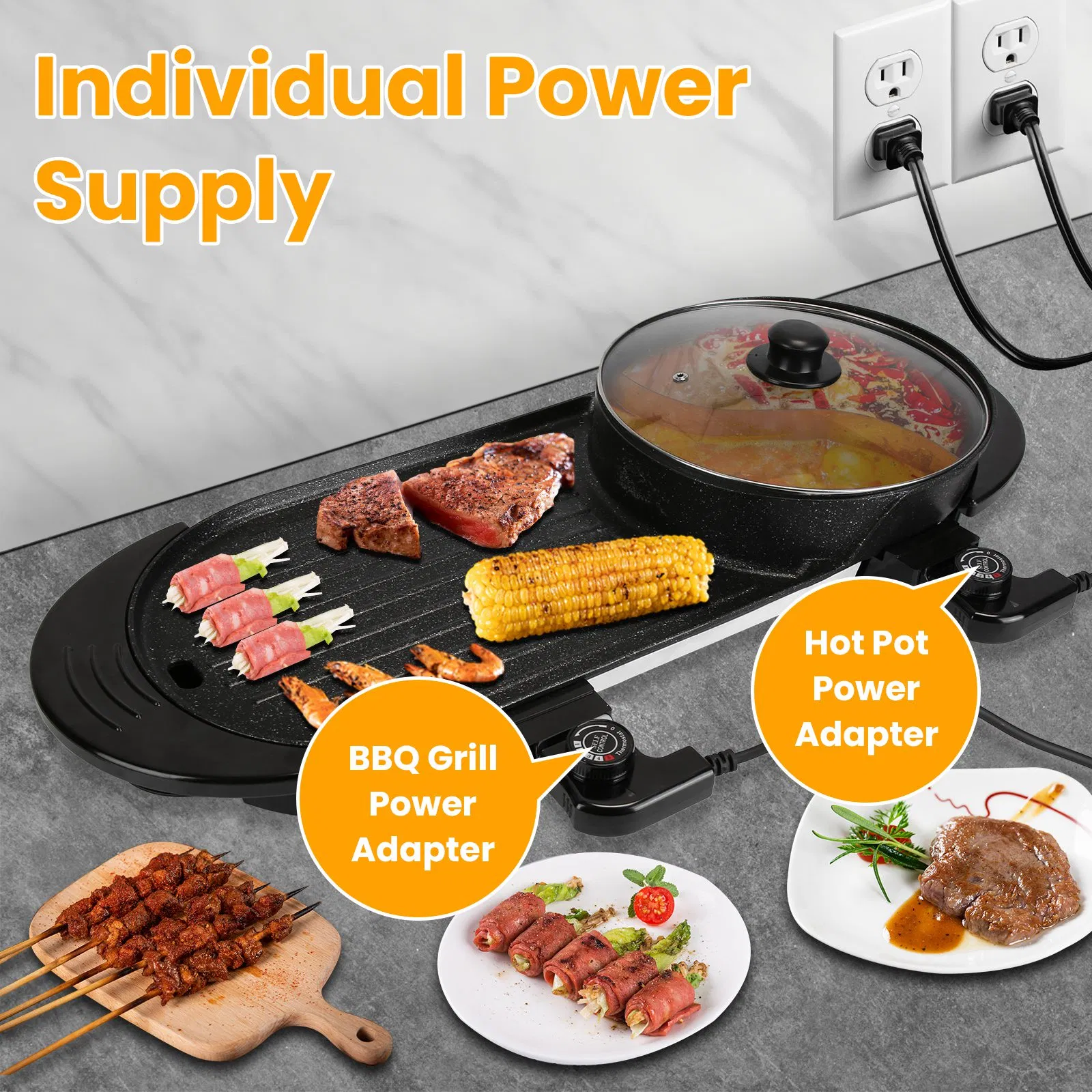
A barbecue hot pot is a dual-zone electric cooker that combines a shabu-shabu style hot pot with a grill or raclette top, letting you boil and sear at the same table. The core trade-off is heating architecture and plate material: independent dual thermostats with a thick removable non-stick die-cast plate hold temperature and clean easily, while single-element units with thin stamped pans scorch unevenly. Buy a model with separate temperature dials, a removable dishwasher-safe plate, and at least 1500W total if you cook for more than two people; skip fixed-plate or single-dial units for anything beyond light occasional use.

Buying guide image
Electric Hot Pots

Bbq Hot Pot

A BBQ hot pot is a dual-zone electric cooker pairing a simmering hot-pot reservoir with a ridged grill plate, letting one appliance handle shabu-shabu and tabletop searing. The core trade-off is heating architecture and plate mass: thin stamped aluminum heats fast but warps and scorches, while die-cast aluminum or cast-iron plates hold temperature and cook evenly. Buy die-cast or cast plate construction with independent dual thermostats; skip single-element, stamped-pan units marketed as 2-in-1.

You may also like

Finding more guides for you…