Kitchen Gear Wise

Kitchen Gear Wise

Kitchen Gear Reviews & Buying Guides

Compare kitchen gear by use case, features, trade-offs, price, returns, and seller terms before you buy.

Buying guides

Buying guide image
Coffee Makers & Espresso

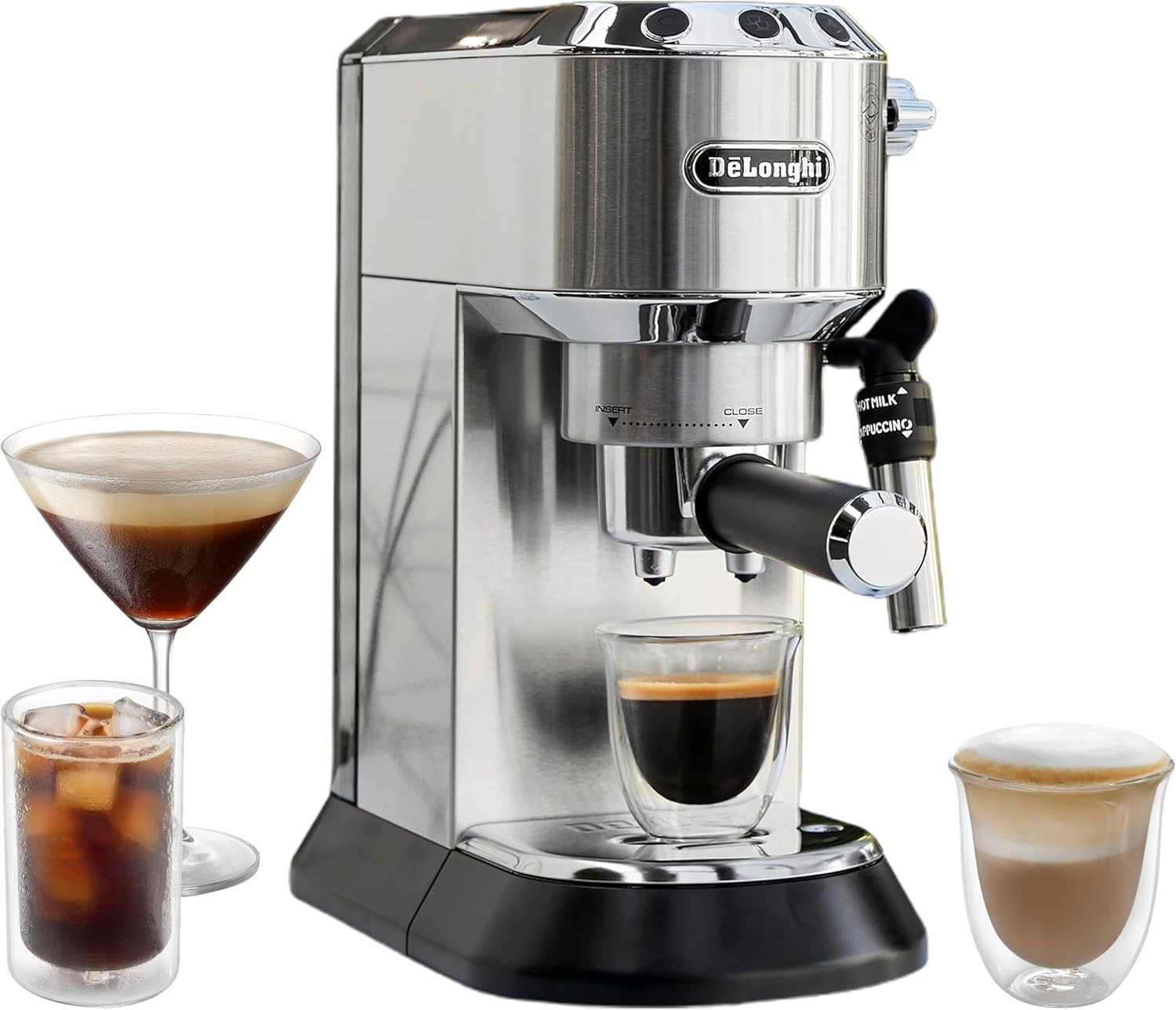
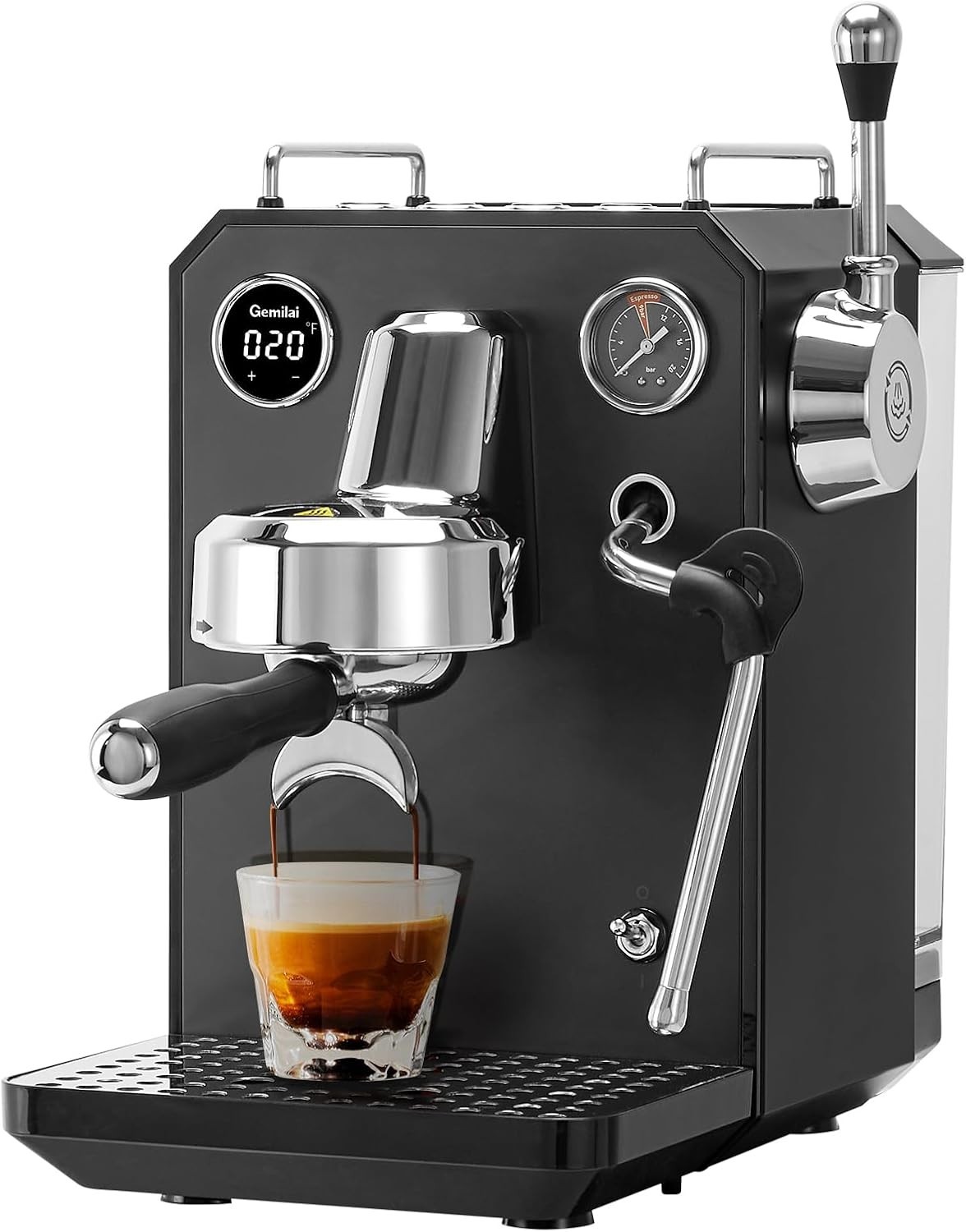
Professional Coffee Machine

A professional coffee machine is a commercial-grade or prosumer espresso/brew system built for sustained duty cycles, thermal stability, and serviceable components—not a plastic consumer appliance. The core trade-off is between single-boiler/thermoblock convenience and dual-boiler/heat-exchanger architectures that hold brew and steam temperatures independently. The decision rule: buy a machine with a metal group head, standard 58mm portafilter, and serviceable pump/valves if you need back-to-back shots; skip thermoblock units with pressurized baskets for anything beyond casual home use.
Buying guide image
Tableware, Drinkware & Serving

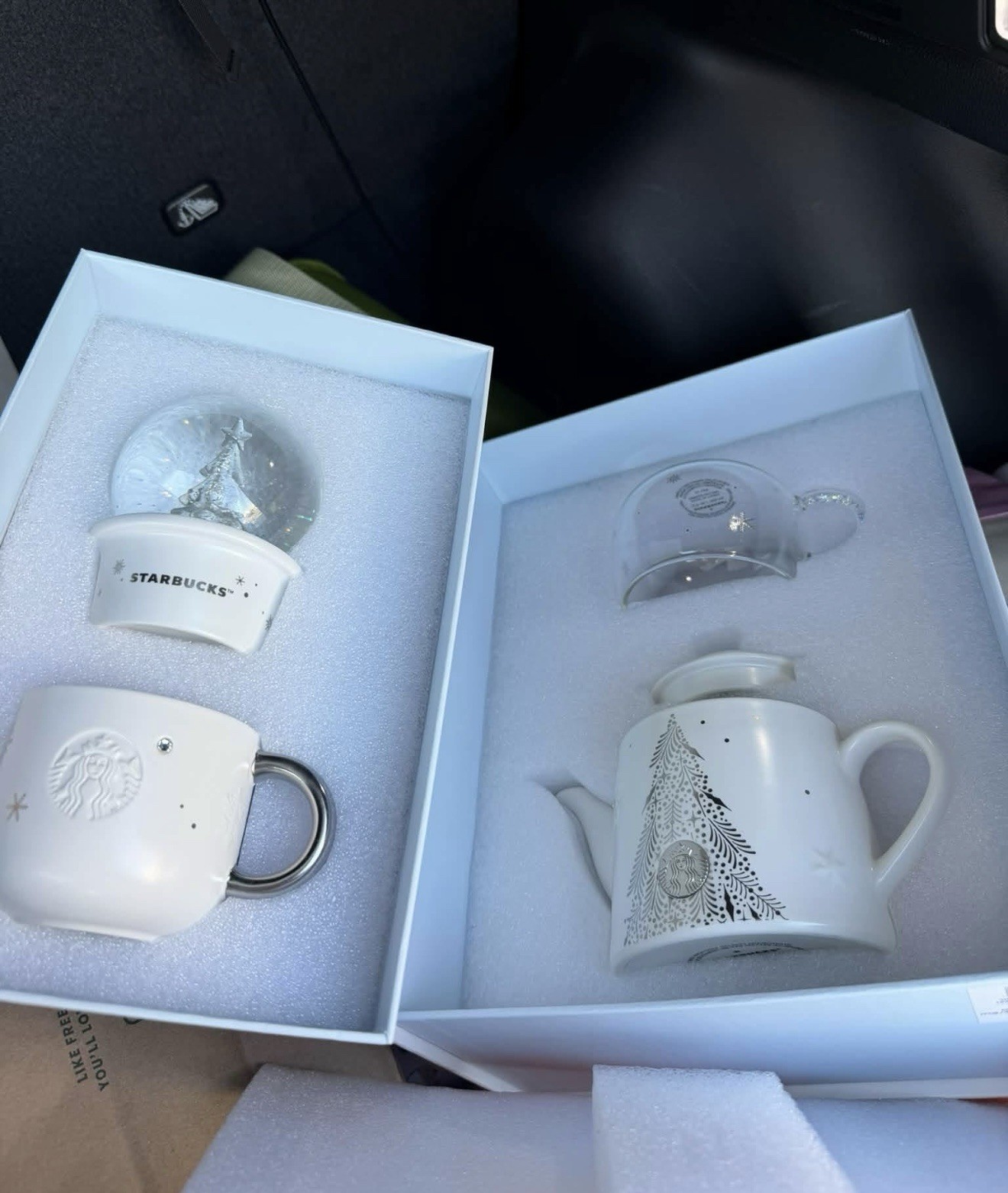
Glass Mug With Handles

A glass mug with handle is a drinkware piece where the handle and glass body determine heat safety, durability, and ergonomics. The primary trade-off is borosilicate vs. soda-lime glass: borosilicate resists thermal shock and is dishwasher-safe, while soda-lime is cheaper but prone to cracking under abrupt temperature changes. Choose borosilicate with a securely attached handle for daily hot drinks; accept soda-lime only for cold or room-temperature beverages.

Buying guide image
Dishwashers

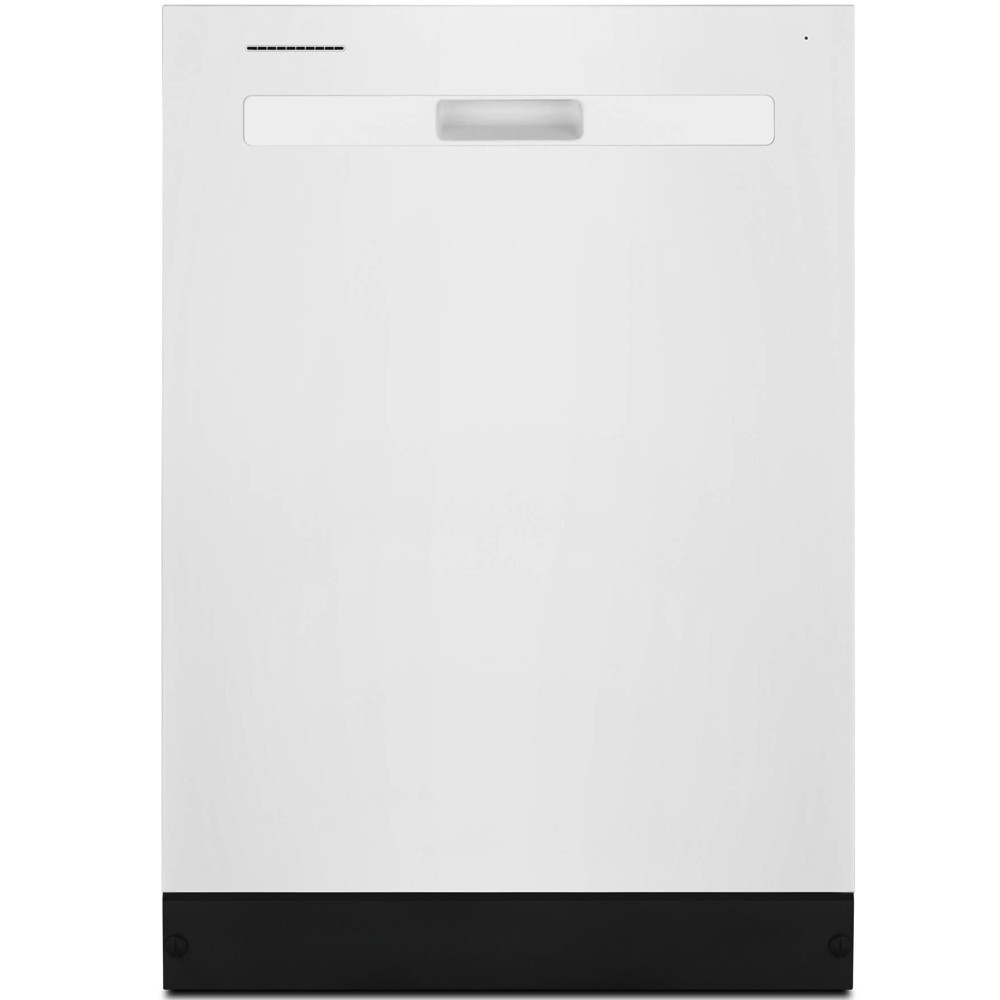
Control Dishwasher

A control dishwasher is defined by where its user interface lives: top-control models hide buttons on the door's upper edge for a clean, child-safe front, while front-control models put them on the door face for easier reach and often lower cost. The primary trade-off is ergonomics and aesthetics versus service access and price tier, not cleaning power. Choose top-control if you want a flush, handle-free front and tamper-resistant settings; choose front-control if you need quick access, visible status, or a budget-friendly build.

Buying guide image
Coffee Makers & Espresso

Stainless Steel Espresso Maker

Stainless steel espresso makers span stovetop moka pots and electric pump machines, with the core trade-off being passive steam pressure vs. active 15–20 bar pump extraction and boiler material durability. Choose stovetop stainless for induction-compatible, unpressurized 1–2 bar brewing; choose an electric stainless-clad pump machine for true 9-bar espresso and milk steaming. The decision rule: buy stainless steel that contacts water and brew paths, not just a stainless-look housing.

Buying guide image
Tableware, Drinkware & Serving

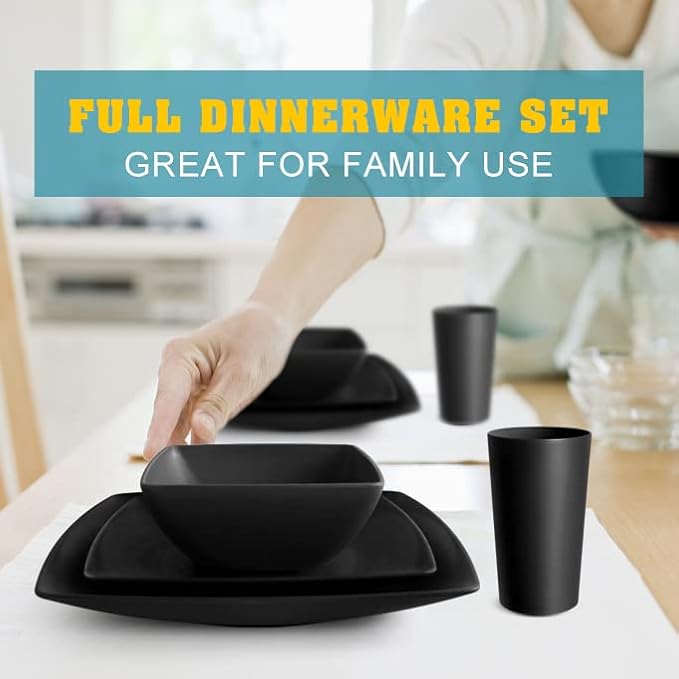
Square Dinner Set

Square dinner sets are 12- or 16-piece coordinated plate and bowl collections with a squared rim profile, available in porcelain, melamine, and plastic. The core trade-off is between the chip resistance and heat tolerance of kiln-fired porcelain versus the drop-proof, lightweight construction of melamine and reusable plastic. Buy porcelain if you want oven-to-table versatility and a premium feel; buy melamine for outdoor, family, or high-traffic use; skip thin plastic sets for daily hot meals.

Buying guide image
Cookware & Cutlery

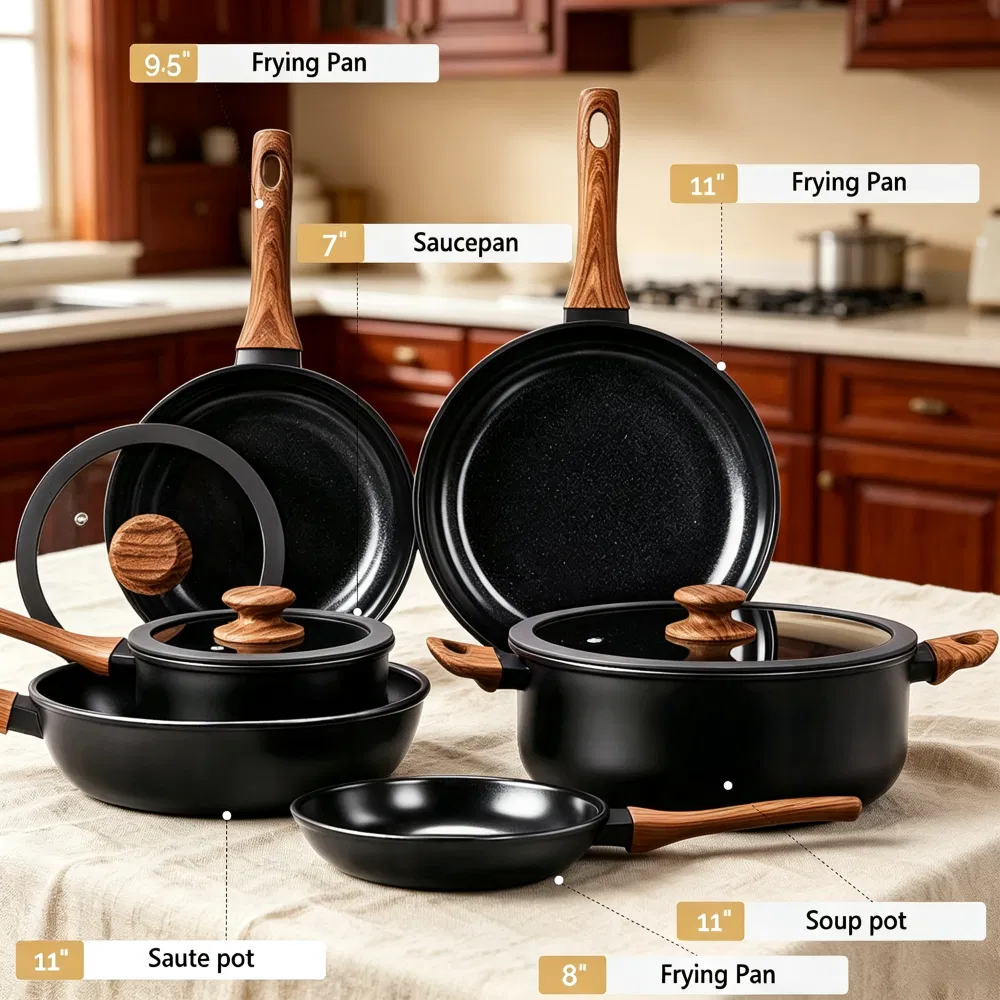
Induction Cookware Set

An induction cookware set is a bundle of pots and pans whose base must contain a ferromagnetic layer to couple with an induction coil; the core trade-off is base construction (full-clad vs. encapsulated disk) versus price and piece count. The decision rule: buy sets with a fully clad or thick magnetic base (≥3 mm total, 18/10 stainless interior), and skip any set whose base is thin, non-magnetic, or unlisted — those will heat unevenly or not at all on induction.

Buying guide image
Specialty Kitchen Appliances

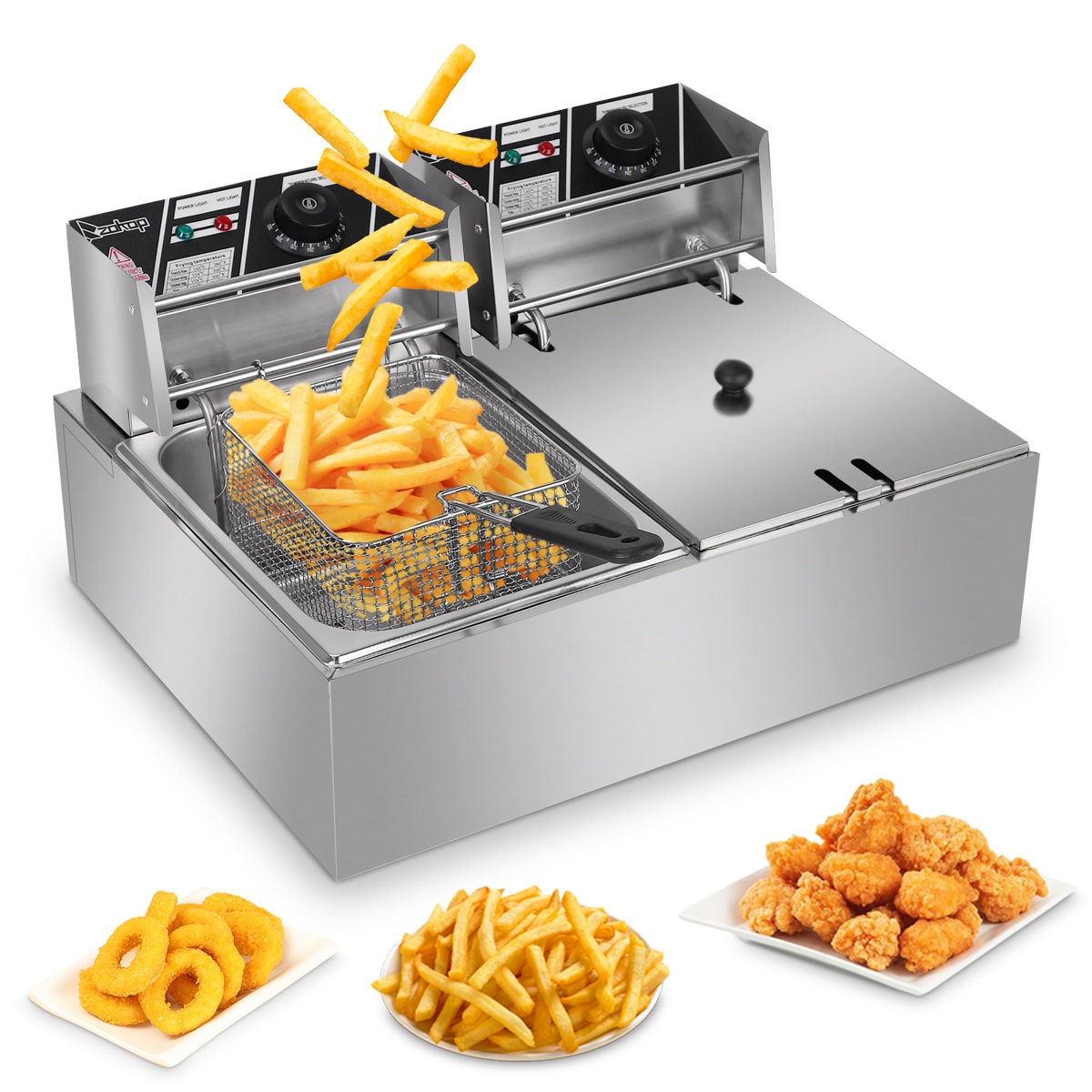
Electric Fryer

Electric fryers range from compact 3-qt countertop units to dual-tank 20+ qt commercial-style machines, and the core trade-off is heating wattage versus oil capacity: undersized wattage on a large tank causes slow recovery and greasy food. The decision rule is simple: match wattage to oil volume (roughly 500W per quart for fast recovery) and prioritize enamel or stainless steel tanks over thin nonstick coatings for durability.

Buying guide image
Tableware, Drinkware & Serving

Black Plate Set

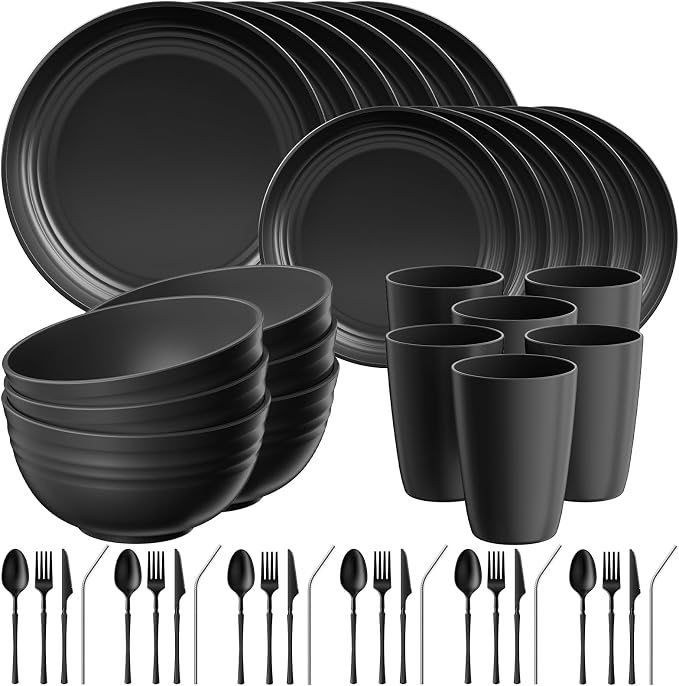
A black plate set is a coordinated dinnerware collection where the dark matte or glossy finish drives both style and material choice: ceramic/stoneware for heat and scratch durability, melamine for lightweight outdoor resilience, and wheat straw composite for eco-friendly casual use. The core trade-off is finish longevity versus weight and impact resistance—true ceramic chips but holds heat and cuts cleanly, while melamine and wheat straw resist drops but scratch and stain more readily. Choose kiln-fired ceramic/stoneware if you want a permanent everyday set; choose melamine or wheat straw only for patio, camping, or kids' use where breakage risk outweighs longevity.

Buying guide image
Tableware, Drinkware & Serving

Green Dinnerware Set

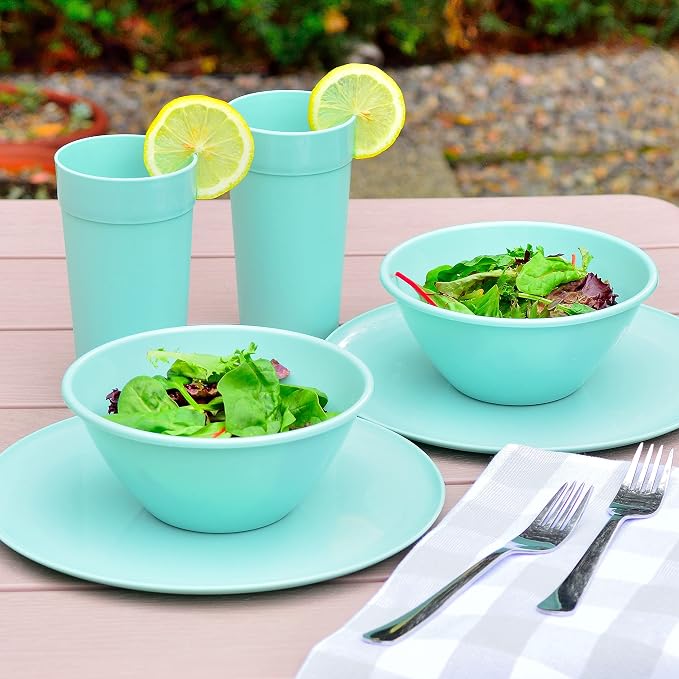
Green dinnerware sets span stoneware, melamine-style plastic, and wheat-straw composite, and the core trade-off is thermal durability and food safety versus shatter resistance and weight. Choose fired stoneware for oven-to-table use and premium hand-feel, and choose wheat-straw or heavy melamine composites for drop-proof everyday and outdoor service — avoid thin, unmarked plastic that warps or stains.

Buying guide image
Dishwashers

Black Dishwasher

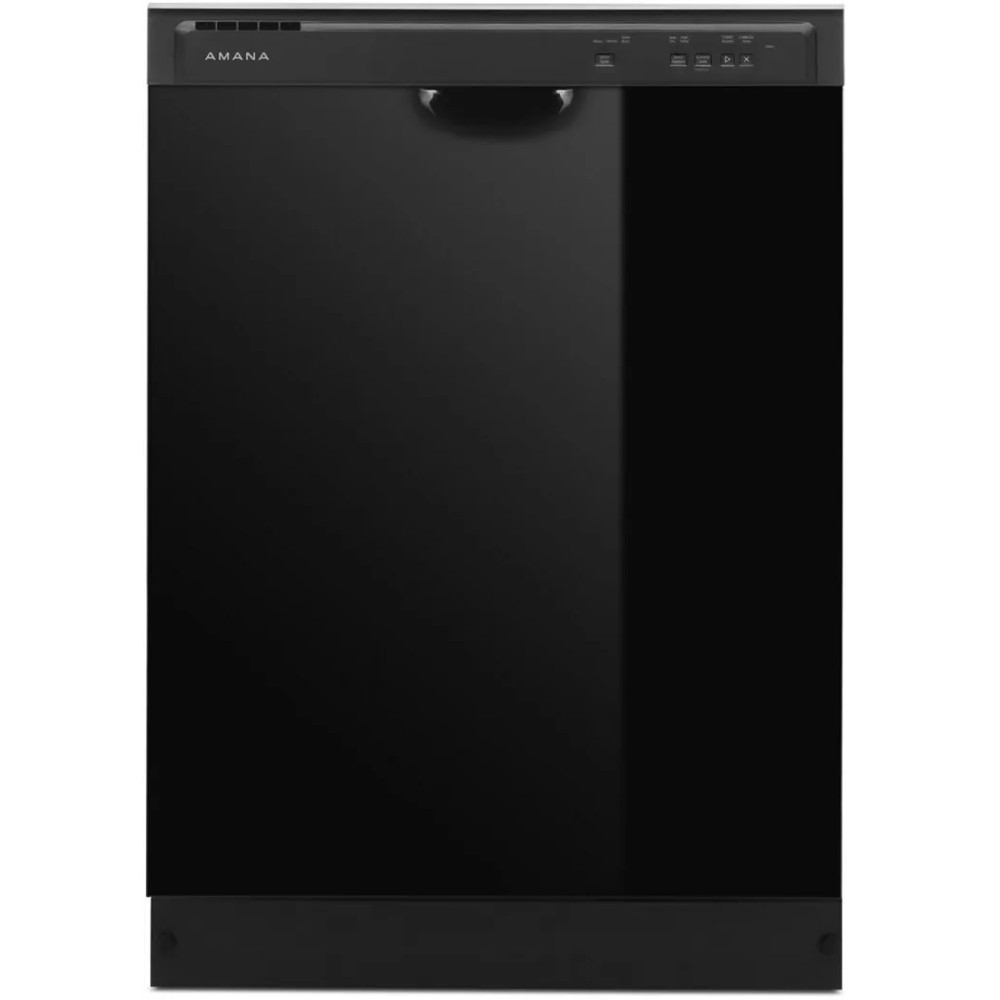
A black dishwasher is a built-in or freestanding unit with a dark finish that hides smudges and blends with modern cabinetry. The main trade-off is between true scratch-resistant black stainless steel and painted black metal, which chips over time; finish grade and wash-system architecture (blade vs. spray-arm, quiet motor) determine long-term satisfaction. Choose a black stainless or powder-coated black model with a brushless DC motor and ENERGY STAR rating for durability; skip painted-steel units unless the budget is tight and the finish is protected.

Buying guide image
Coffee Makers & Espresso

Semi Automatic Espresso Machine

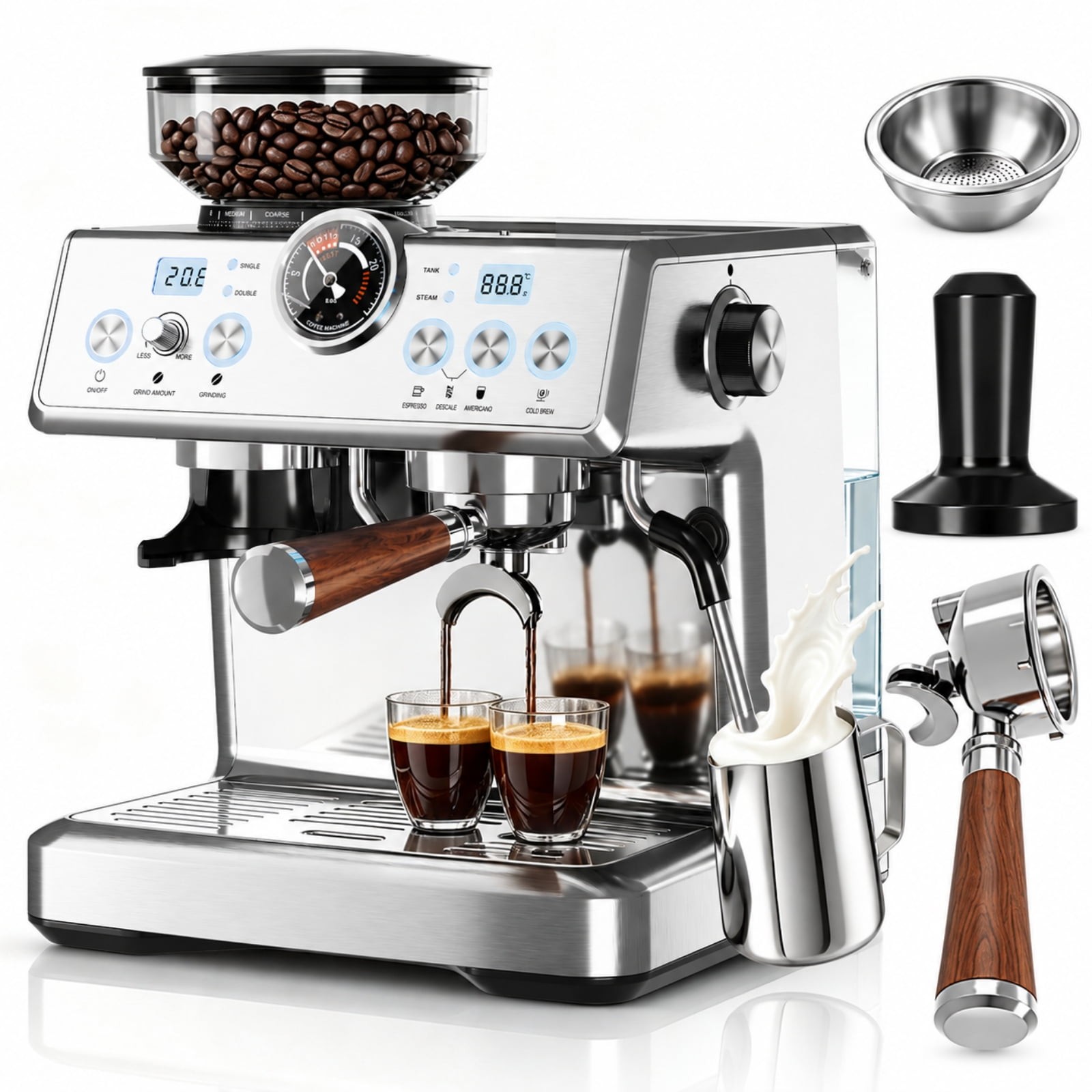
A semi-automatic espresso machine gives you manual control over extraction start/stop while the pump and boiler handle pressure and temperature, separating it from fully automatic bean-to-cup units and from manual lever machines. The core trade-off is boiler architecture and group-head thermal stability: single-boiler thermoblock or small boiler designs are lighter and faster to heat but require temperature surfing between brew and steam, while dual-boiler or heat-exchanger designs hold brew temperature steady and steam simultaneously. The clear decision rule: buy a dual-boiler or heat-exchanger with a 58mm commercial-style group and PID if you pull multiple milk drinks daily; choose a single-boiler thermoblock only if you drink straight espresso and accept a 1-2 minute steam wait.

Buying guide image
Microwave Ovens

Inexpensive Microwave

Inexpensive microwaves typically trade off cavity size, power density, and inverter technology for a lower price, but the core durability factors remain magnetron quality, cavity coating, and door-latch design. The decisive rule: buy a 900–1000W unit with a stainless or epoxy-coated cavity and a mechanical or simple membrane control, and skip sub-700W units with painted interiors and touch panels that fail first.

Buying guide image
Microwave Ovens

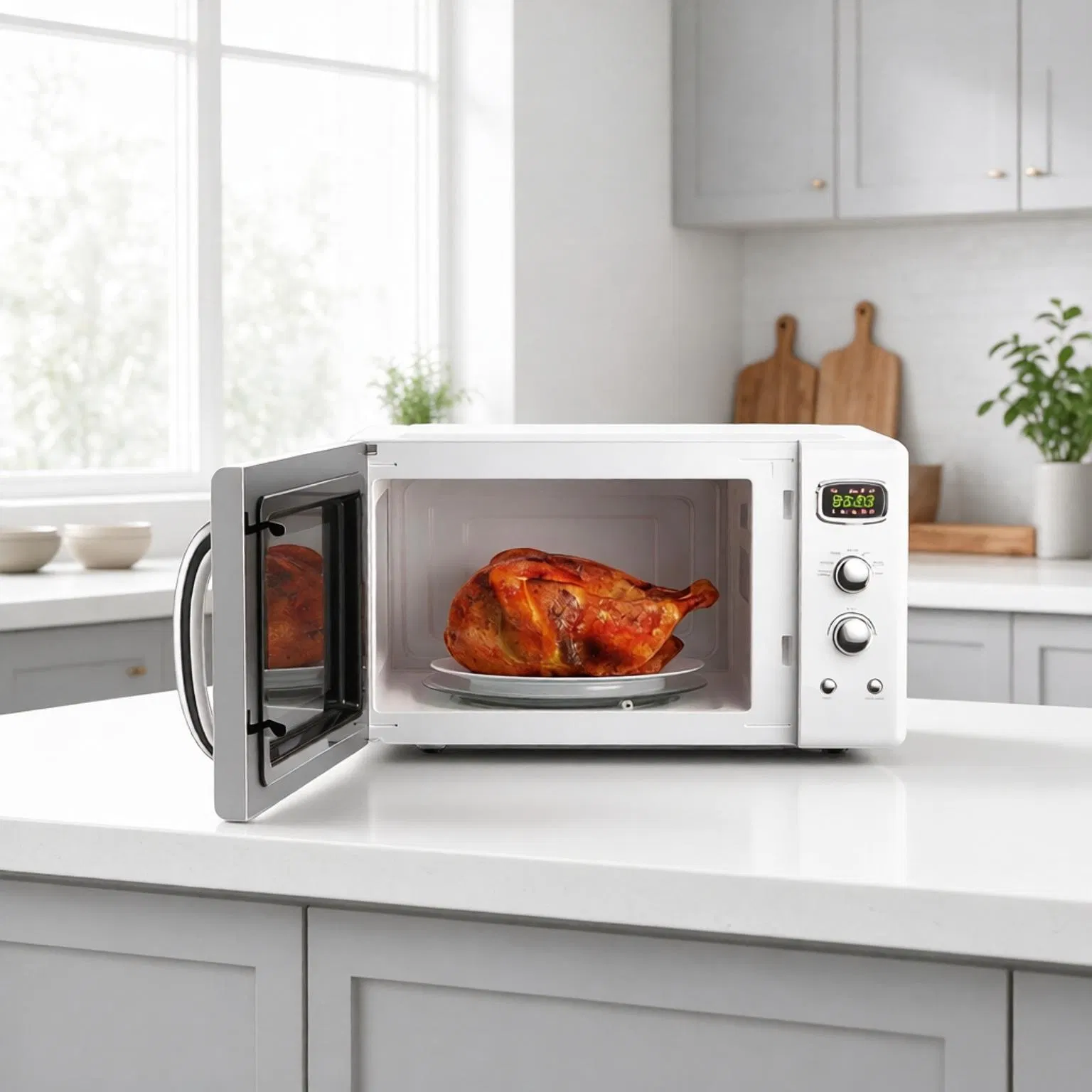
Microwave Countertop

A countertop microwave is a standalone plug-in appliance that uses magnetron-generated microwaves to heat food, distinguished primarily by its cavity size, power output, and whether it adds convection or grill elements. The core trade-off is between compact 0.7–0.9 cu ft units with 700–900W that fit tight spaces and full-size 1.1–1.6 cu ft units at 1000–1250W that cook evenly and accept dinner plates. The decision rule: match cavity size to your largest plate and power to your cooking style—never sacrifice interior height or turntable diameter for a sleek exterior.

Buying guide image
Pour-Over & Manual Brewing

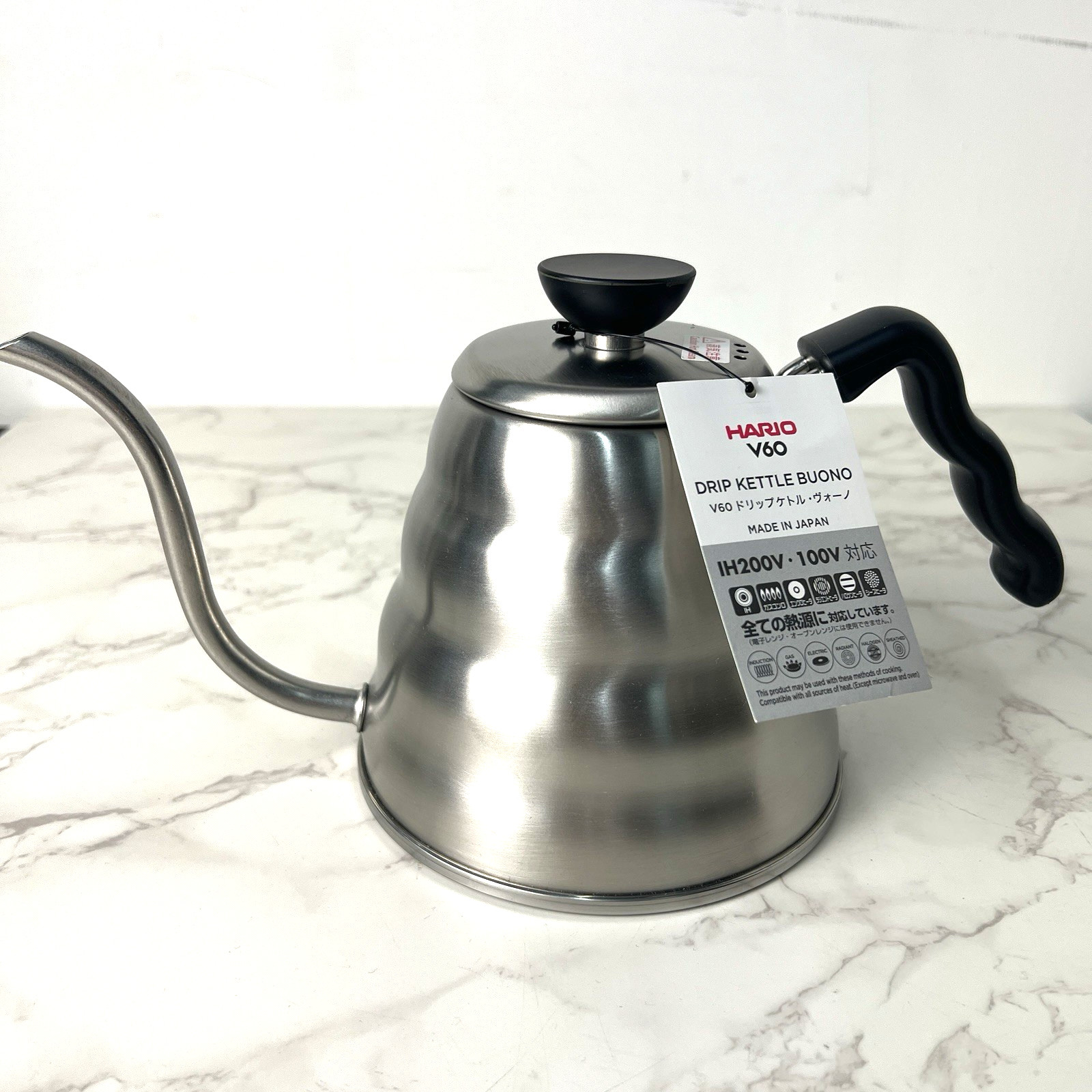
Gooseneck Tea Kettle

A gooseneck tea kettle is a narrow-spout pouring vessel engineered for controlled, laminar flow over delicate tea leaves and coffee grounds. The decisive trade-off is between stovetop units (thicker steel, higher heat retention, no cord) and electric models (precise temperature setpoints, faster workflow, counter footprint). Buy stovetop for induction/gas kitchens and thermal mass; buy electric when you need repeatable 160–200°F water without a thermometer.

Buying guide image
Kitchen Storage & Organization

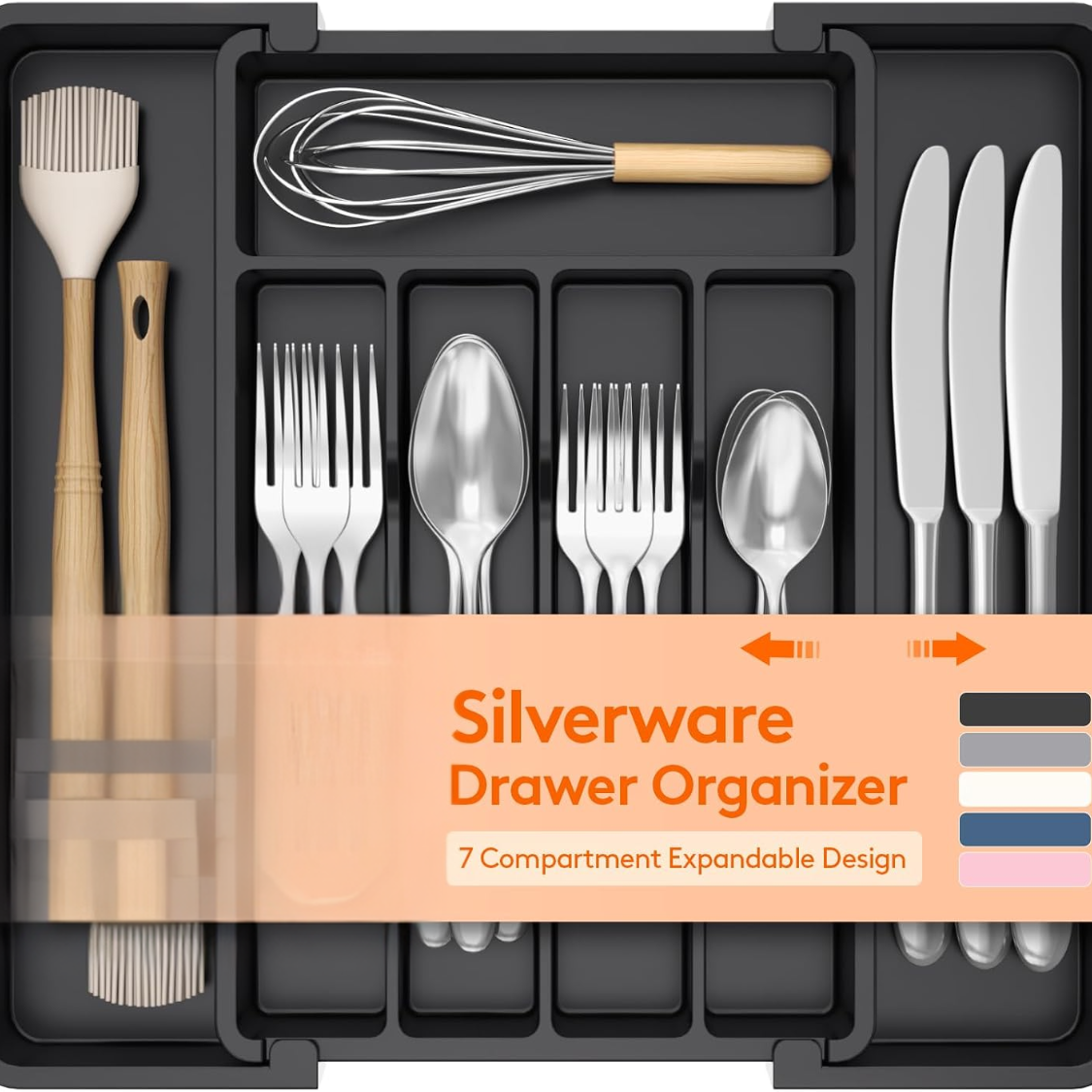
Silverware Organizer

A silverware organizer is a drawer insert that divides flatware and utensils into dedicated, sized compartments so handles stay aligned and blades don't collide. The primary trade-off is fixed-size versus expandable architecture: fixed trays maximize compartment count per inch but demand an exact drawer fit, while expandable trays trade some rigidity for a 2–6 inch width range. The decision rule is simple: measure your drawer's usable interior and flatware length first, then pick the configuration whose closed and extended widths straddle that measurement with at least 1/4 inch clearance.

Buying guide image
Blenders & Juicers

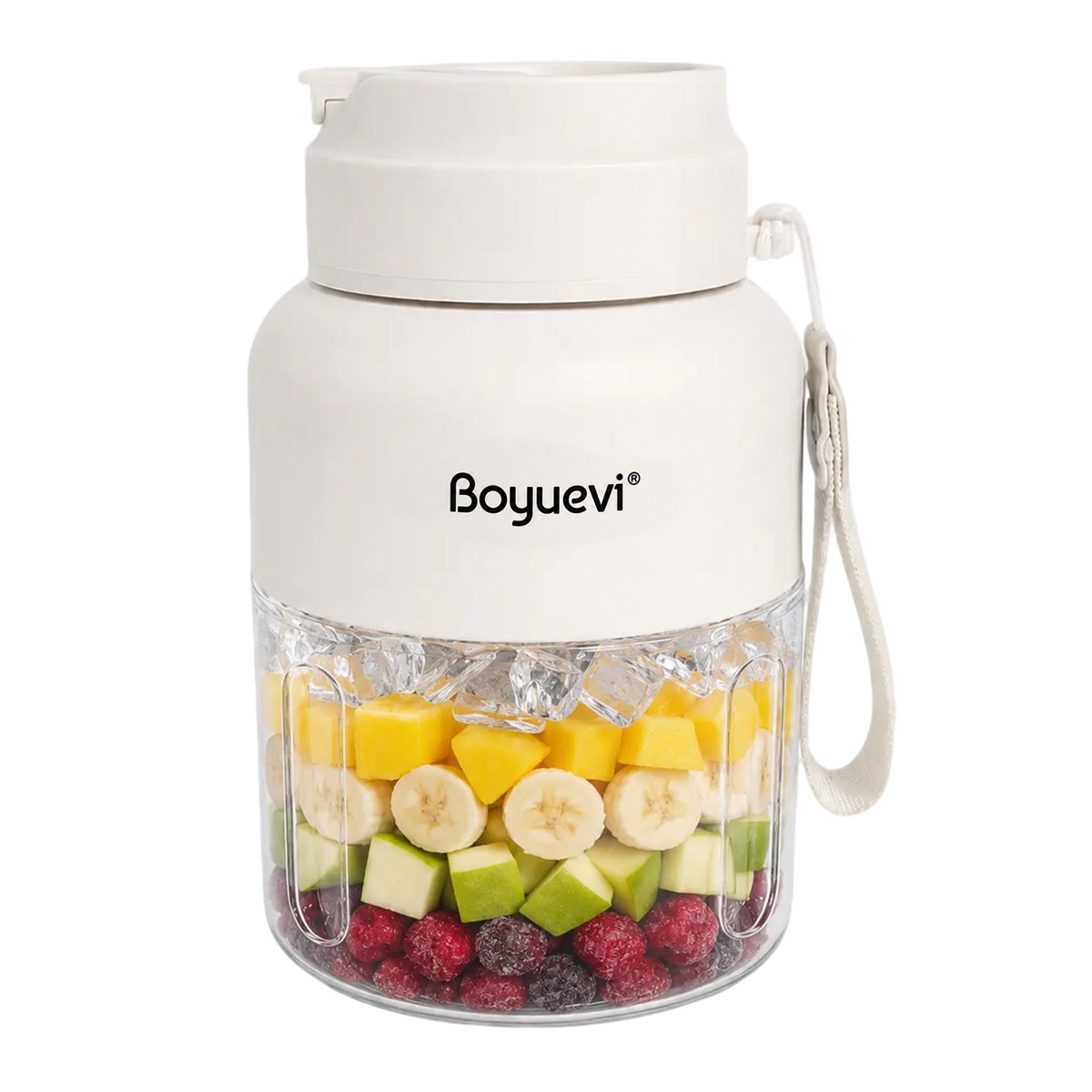
Portable Juicer Blender

Portable juicer blenders are cordless, USB-rechargeable personal blenders designed for shakes, smoothies, and soft produce on the go. The core trade-off is motor power versus battery runtime: brushed motors with small cells stall on ice and frozen fruit, while brushless motors with high-drain 18650/21700 packs deliver real crushing torque. The decision rule is simple: buy only if you need single-serve convenience and will load soft or pre-cut ingredients; skip if you expect Vitamix-style ice pulverizing or daily family-sized batches.

Buying guide image
Electric Kettles

Glass Electric Tea Kettle

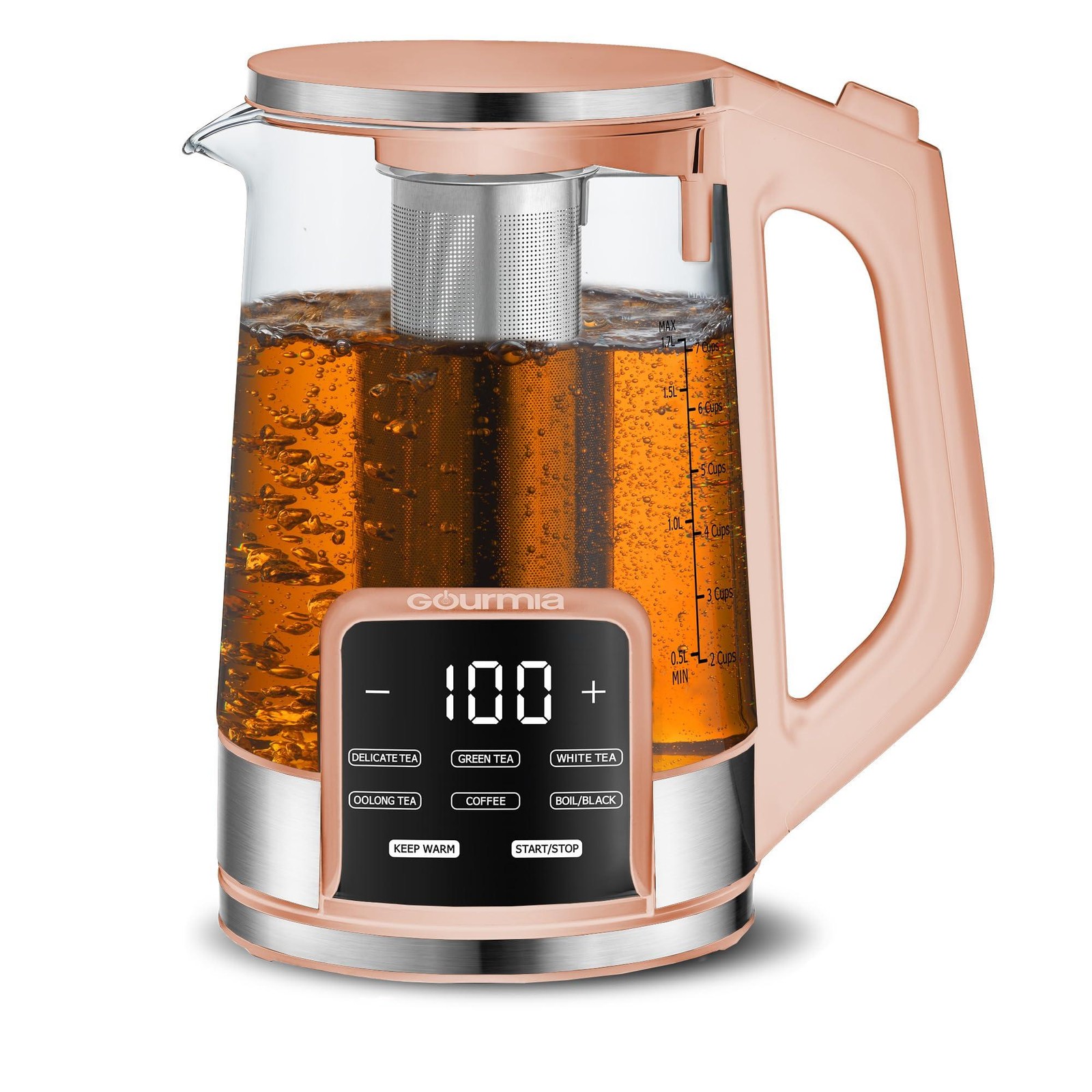
Glass electric tea kettles pair a transparent borosilicate body with a concealed heating element, so you can watch the water boil while avoiding plastic contact with hot water. The core trade-off is thermal shock resistance and base-plate quality: cheap soda-lime glass and thin stamped elements crack or scale, while true borosilicate bodies with a full stainless-steel heating plate last for years. The decision rule: buy only borosilicate glass, a 304 stainless-steel concealed element, and a cordless 360° base with auto shut-off and boil-dry protection; skip any kettle with exposed plastic in the water chamber or a non-removable lid.

Buying guide image
Food Storage & Containers

Glass Food Storage Jar

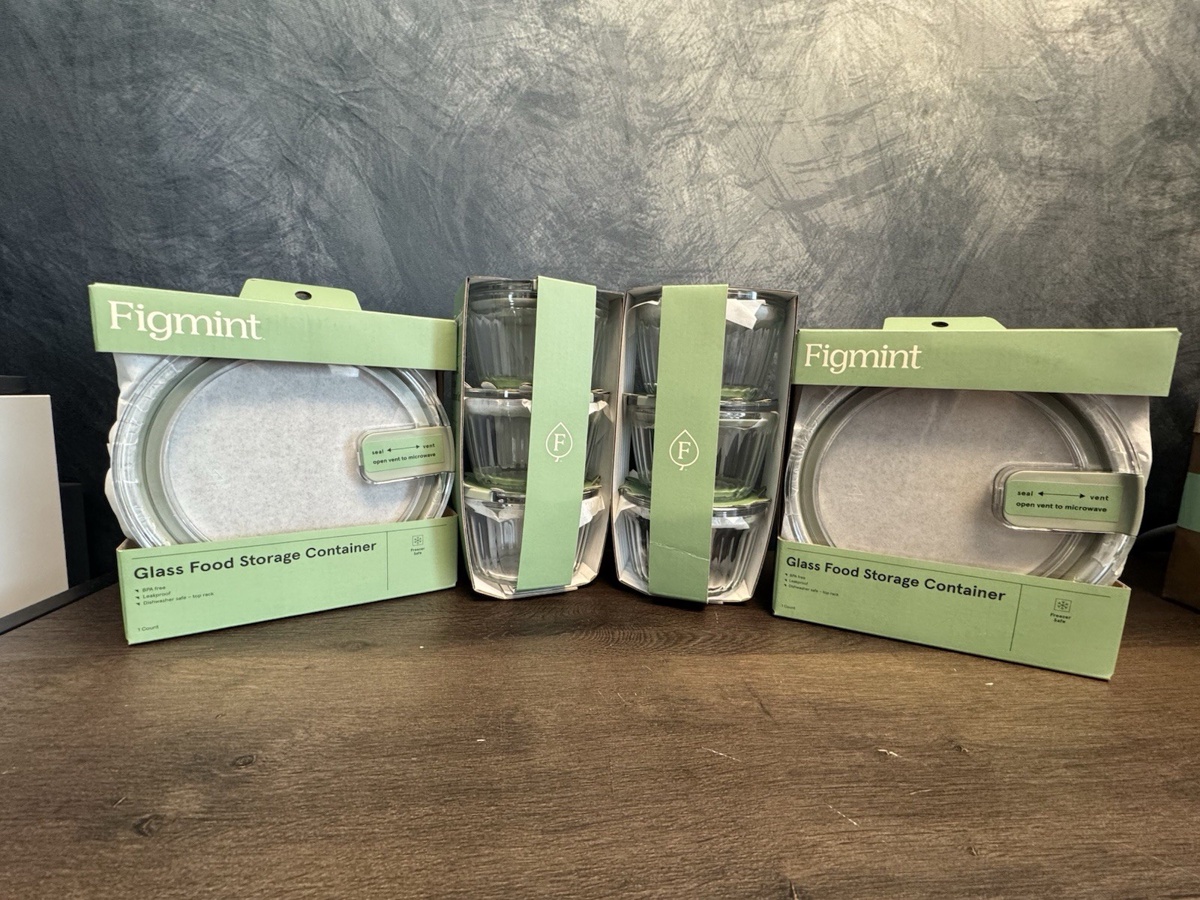
Glass food storage jars are rigid, non-porous containers defined by glass type (soda-lime vs borosilicate), lid seal architecture, and wall thickness—the trade-off is thermal shock resistance and airtightness versus weight and cost. The decision rule: choose borosilicate with a silicone-gasketed clamp or screw lid for oven-to-fridge use and true airtightness; accept soda-lime with a wooden or cork lid only for dry-goods pantry storage where thermal cycling and long-term moisture protection are not required.

Buying guide image
Food Storage & Containers

Large Glass Container With Lids

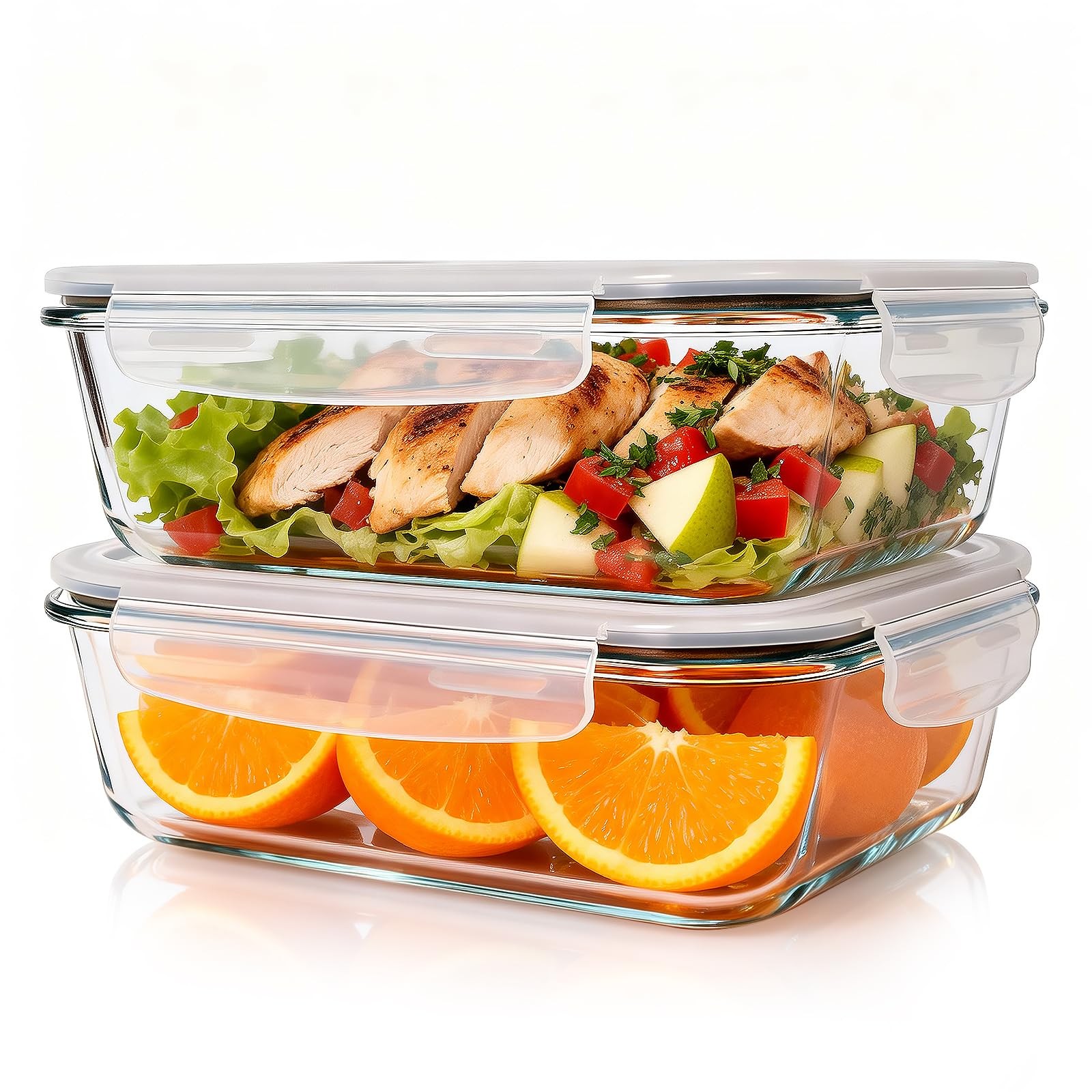
Large glass containers with lids are high-capacity borosilicate or soda-lime glass vessels (typically 2–6.5 L) paired with locking or snap-fit lids for bulk meal prep, pantry decanting, and fridge organization. The core trade-off is glass grade and lid architecture: borosilicate resists thermal shock for oven-to-fridge use, while soda-lime is cheaper but vulnerable to cracking; lid design dictates leak-proofness and longevity. Choose borosilicate with a 4-clip gasket lid for durability; skip thin soda-lime with friction-fit lids unless the container stays stationary and dry.

Buying guide image
Slow & Pressure Cookers

Slow Cooker With Stainless Steel Insert

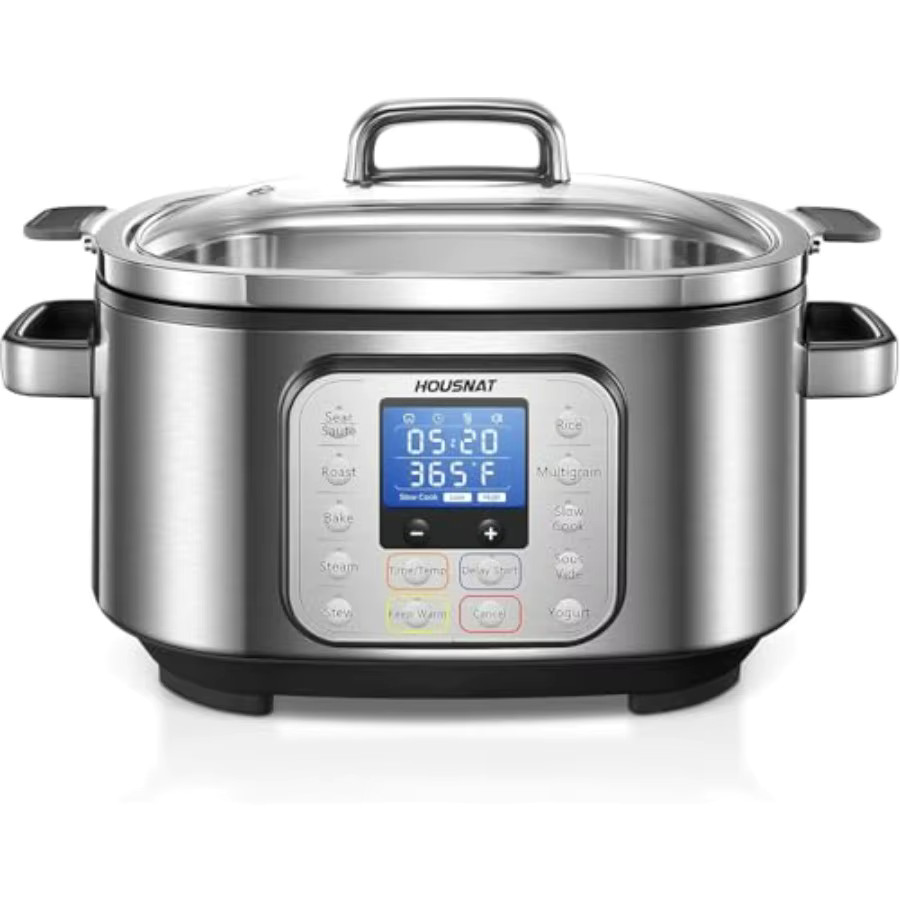
A slow cooker with a stainless steel insert replaces the common ceramic or nonstick crock with a durable, non-reactive metal pot that sears, browns, and holds up to metal utensils. The core trade-off is heat distribution and browning capability against the stick-prone nature of uncoated steel. Choose a clad or heavy-gauge stainless insert for browning and longevity; skip thin, stamped steel inserts that scorch and warp.

You may also like

Finding more guides for you…