Kitchen Gear Wise

Kitchen Gear Wise

Kitchen Gear Reviews & Buying Guides

Compare kitchen gear by use case, features, trade-offs, price, returns, and seller terms before you buy.

Buying guides

Buying guide image
Coffee Makers & Espresso

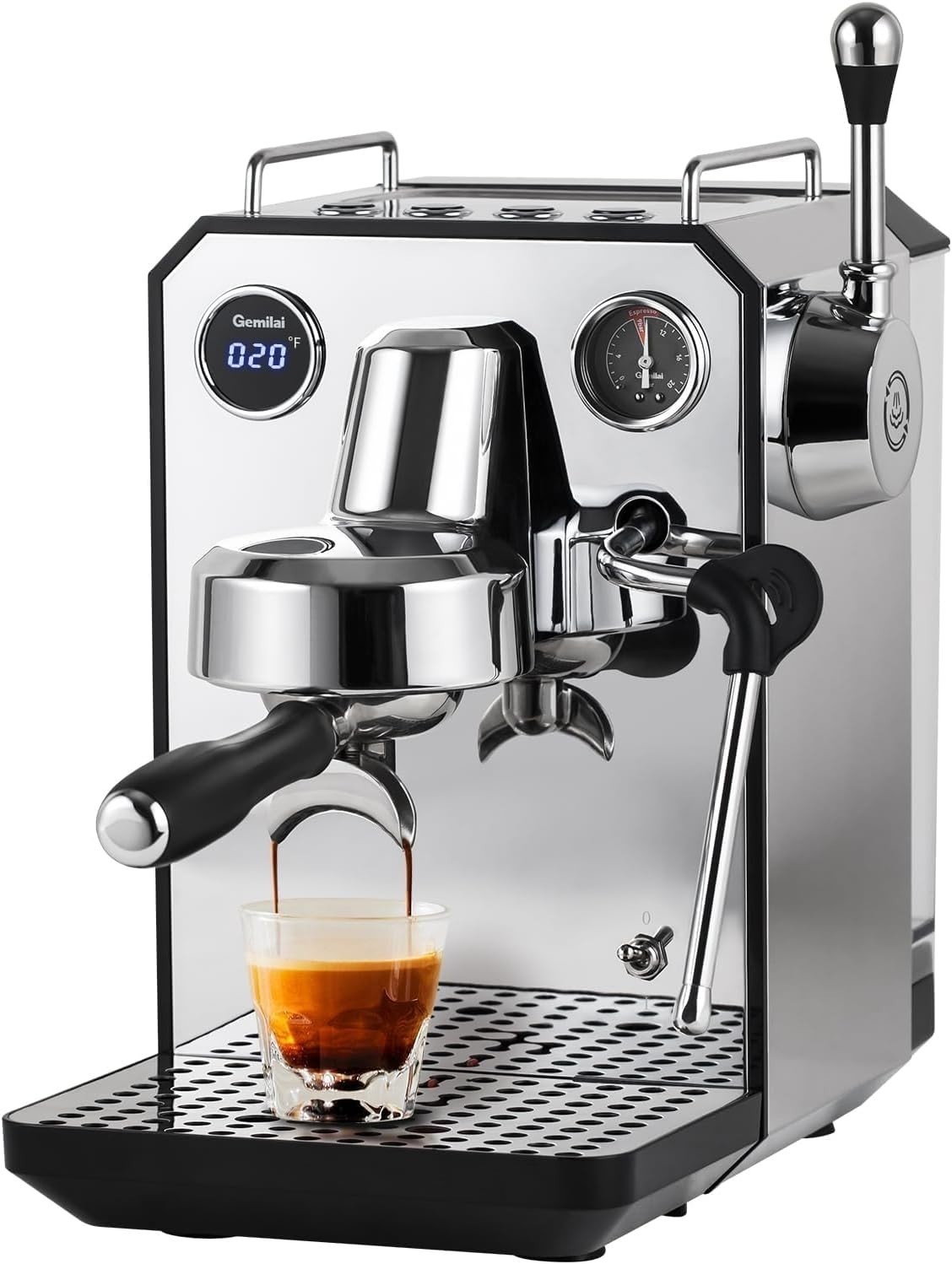
Commercial Espresso Machine With Grinder

A commercial espresso machine with grinder is a matched pair of high-duty brewing and grinding equipment sized for cafes, offices, and high-volume home bars. The primary trade-off is thermal stability and duty cycle versus electrical infrastructure: single-boiler or heat-exchanger units cycle slowly under back-to-back shots, while dual-boiler and multi-group machines hold brew temperature but demand dedicated circuits and plumbing. The decision rule is simple: match group count and boiler architecture to your peak hourly shot volume, then pair a stepless burr grinder rated for that same throughput — never undersize the grinder to save on the machine.
Buying guide image
Electric Hot Pots

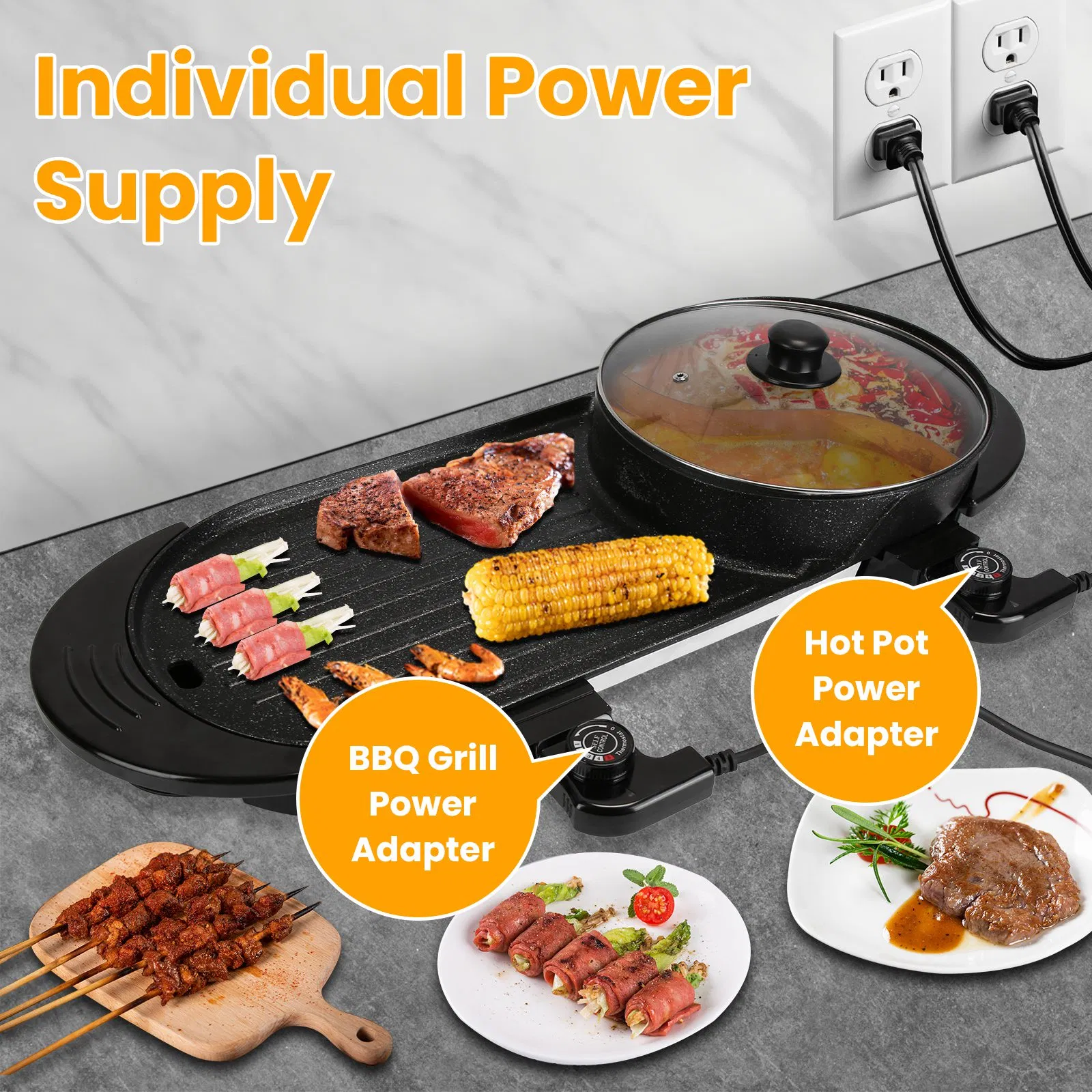
Electric Hot Pot And Grill

An electric hot pot and grill is a dual-zone tabletop cooker combining a simmering broth vessel with a ridged or flat griddle, letting you shabu-shabu and sear at the same time. The core trade-off is heat density versus zone independence: shared-element designs cycle and steal wattage from one side, while true dual-element units with separate thermostats hold steady broth and crust. Buy the dual-element tier with a die-cast aluminum or removable non-stick plate for durability; skip single-element combo shells and thin stamped pans that warp.

Buying guide image
Proofing Baskets & Bread Lames

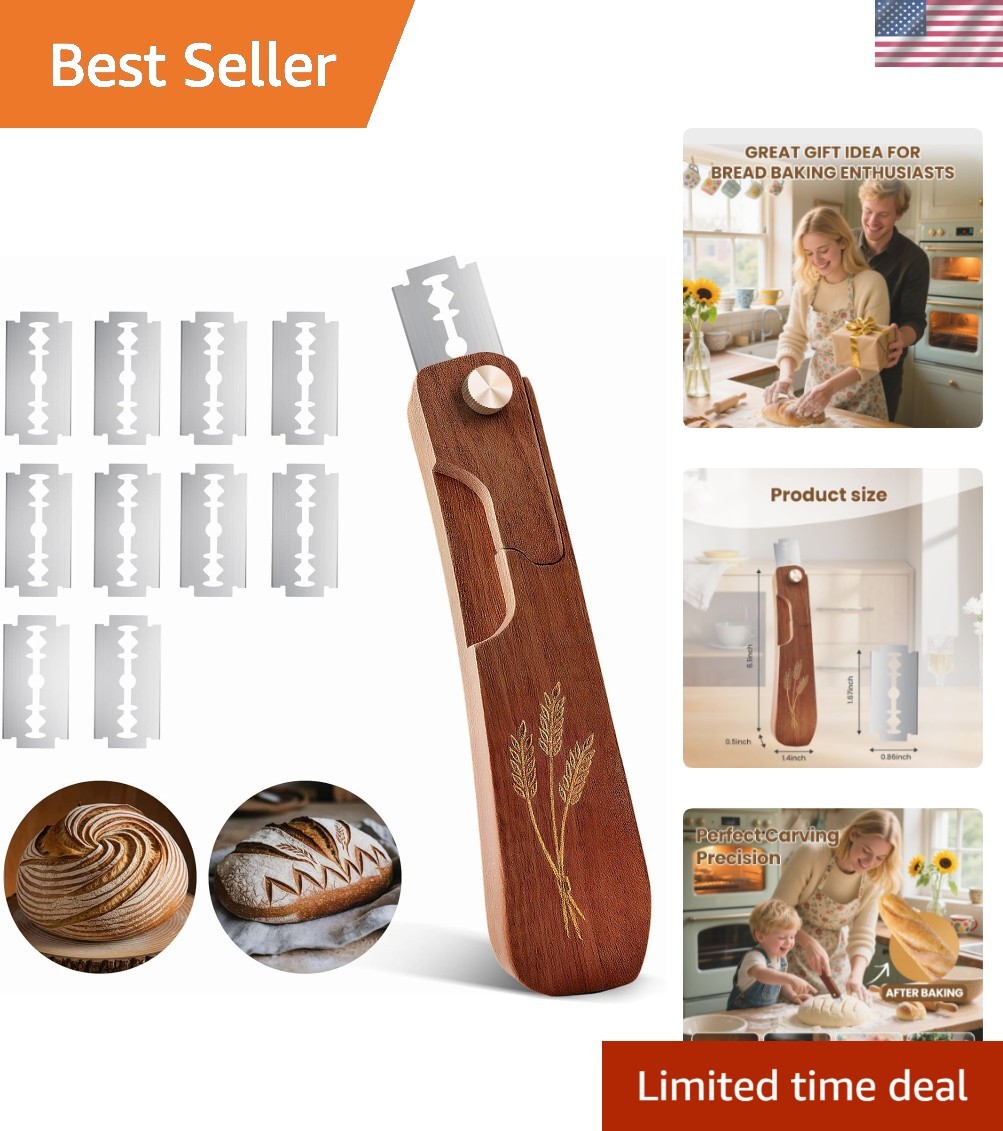
Scoring Knife

A bread scoring knife (lame) is a razor-blade holder used to slash dough before baking, controlling expansion and directing ear formation. The primary trade-off is blade geometry and handle ergonomics: thin, sharp blades cut cleanly without dragging, while flimsy holders or dull blades tear gluten and collapse rise. Choose a lame with a replaceable straight or curved razor, a secure locking mechanism, and a comfortable grip; skip decorative wooden handles that hide loose blade mounts or non-replaceable blades.

Buying guide image
Pour-Over & Manual Brewing

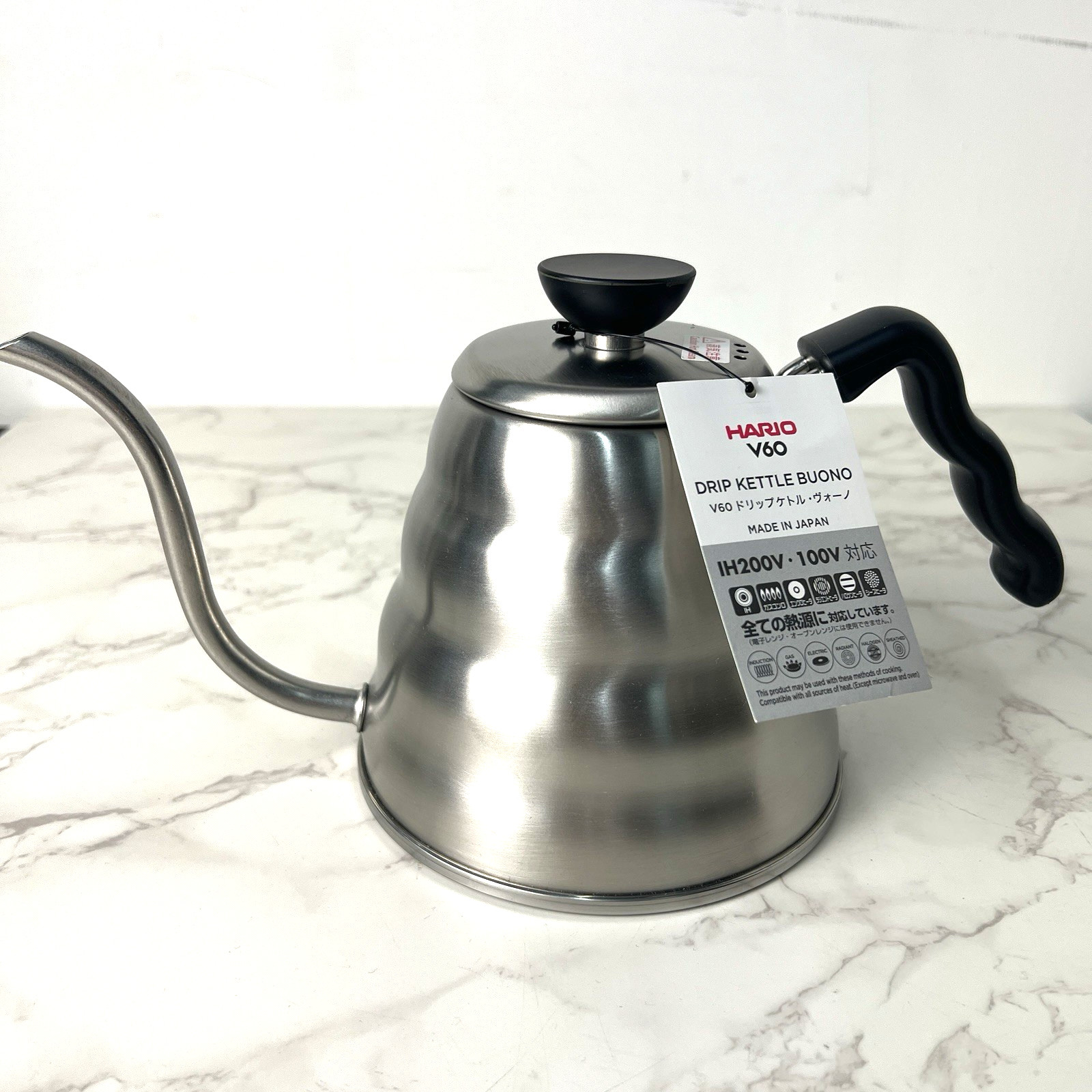
Gooseneck Kettle With Thermometer

A gooseneck kettle with thermometer is a precision pouring tool that gives you visual control over water temperature for manual brewing. The core trade-off is between stovetop models with analog dials and electric models with PID control—analog dials drift and are slower to read, while PID holds ±1°F and heats on its own. Buy a stovetop kettle only if you already have a variable-temperature kettle or a thermometer you trust; otherwise choose an electric PID model for repeatable results.

Buying guide image
Blenders & Juicers

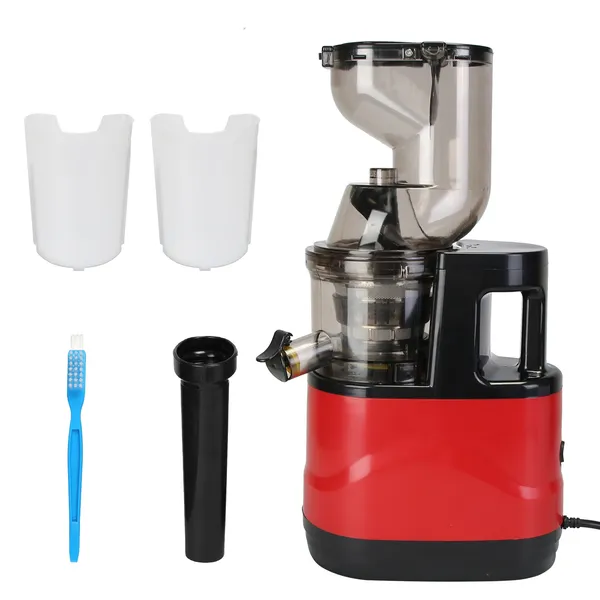
Portable Electric Juicer

A portable electric juicer is a compact, USB-rechargeable or corded appliance that extracts juice from citrus and soft produce without a full-size countertop machine. The core trade-off is motor torque and battery capacity versus true portability: high-torque cold-press augers handle leafy greens and fibrous fruit but add bulk, while small centrifugal or masticating cups excel on citrus and soft fruit only. The decision rule is simple: buy an auger-style unit with a brushless motor and at least 2,000 mAh if you want greens and hard produce; buy a compact centrifugal or screw-press cup for citrus and berries that fits in a bag.

Buying guide image
Home Ranges, Ovens & Cooktops

2 Burner Portable Stove

A 2-burner portable stove is a compact cooking appliance that brings two independent heat zones to spaces without a full range—dorm rooms, RVs, camp kitchens, and small apartments. The core trade-off is between radiant electric glass tops (clean, indoor-safe, but slow to heat and power-hungry) and gas/propane burners (instant, high-output, but requiring ventilation and fuel). Choose electric for indoor countertop use with standard 120V outlets; choose propane for outdoor or off-grid cooking where ventilation and fuel supply are manageable.

Buying guide image
Blenders & Juicers

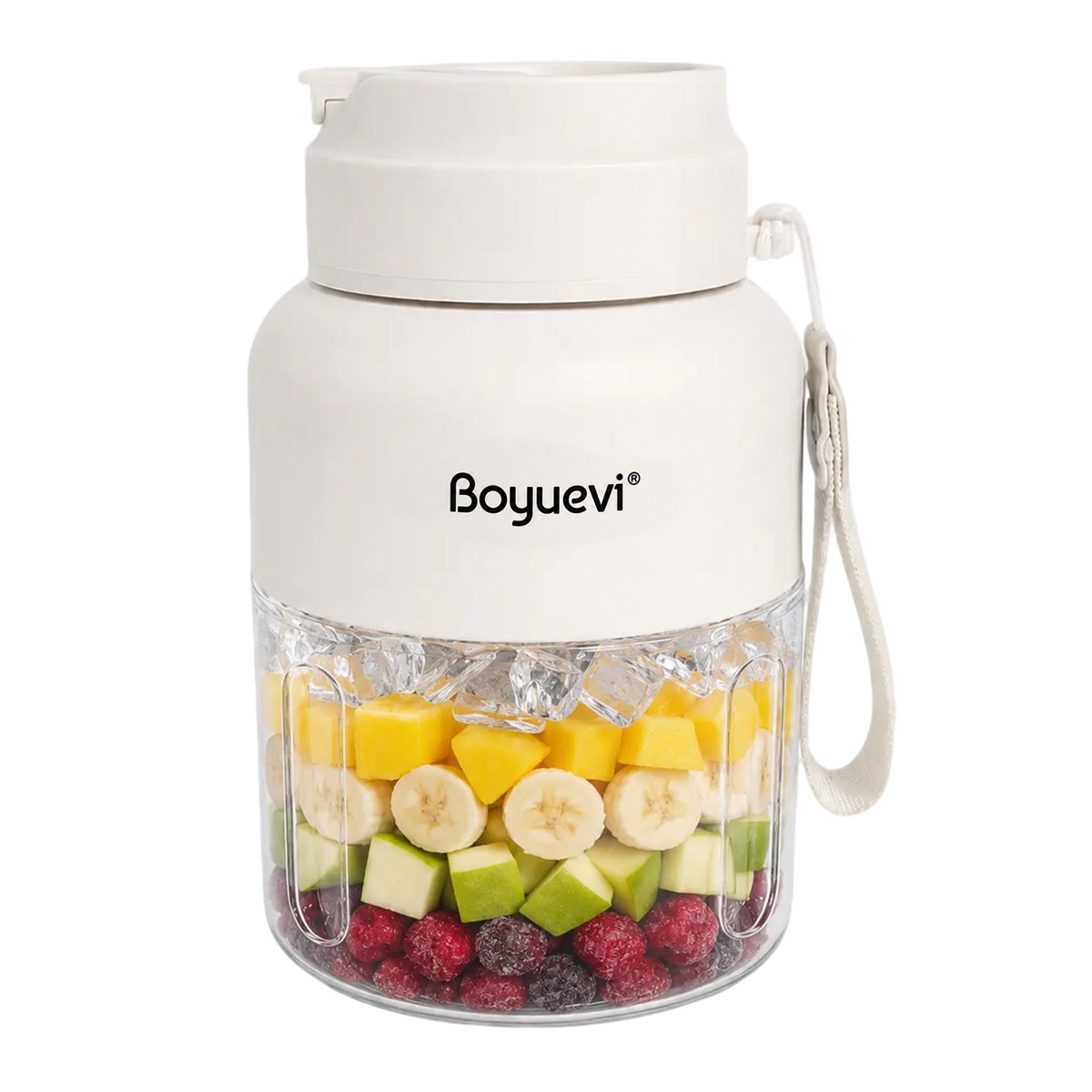
Portable USB Blender

A portable USB blender is a compact, battery-powered blending cup charged via USB-C or micro-USB, designed for single-serve smoothies and shakes away from mains power. The core trade-off is motor torque and blade geometry versus battery capacity and cup sealing: weak motors stall on frozen fruit or ice, while undersized cells and poor lid gaskets cause leaks and short runtime. Choose a model rated for frozen ingredients with a ≥4000 mAh cell, USB-C charging, and a leak-tested locking lid; skip low-torque 2-blade units marketed only for soft fruit.

Buying guide image
Electric Hot Pots

Hot Pot Bbq Grill

Electric hot pot & BBQ grill combos are dual-zone countertop cookers that pair a simmering broth vessel with a ridged griddle plate, letting you shabu-shabu and sear in one footprint. The defining trade-off is heating architecture: split independent elements with dual thermostats versus a single shared element, which determines whether you can run broth and grill simultaneously without temperature collapse. Buy only models with separately rated wattage per zone and removable, die-cast aluminum or stainless non-stick surfaces; skip shared-element pans that force you to choose between boiling and browning.

Buying guide image
Vacuum Sealers

Vacuum Sealer With Jar Attachment

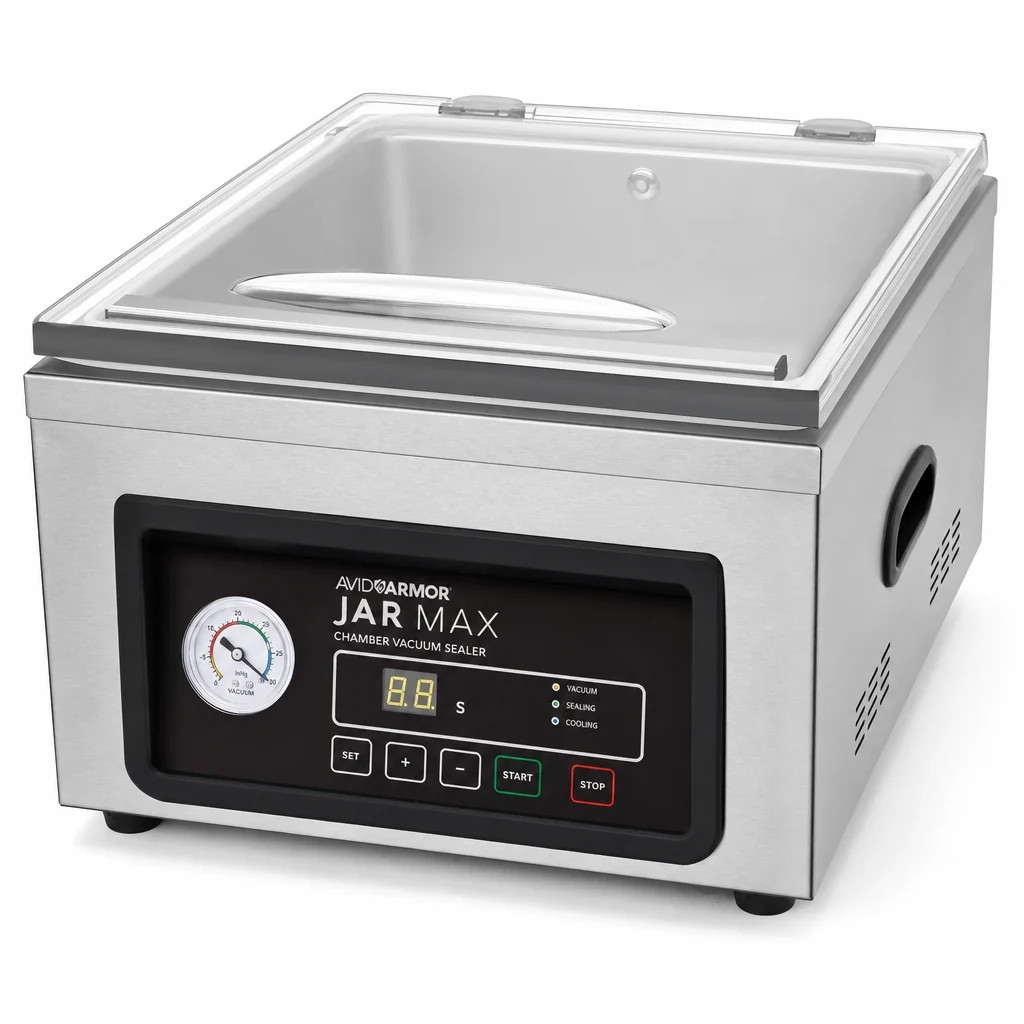
A vacuum sealer with jar attachment combines a suction source with a lid or hose adapter to evacuate air from rigid mason jars, extending dry-good and refrigerated storage life without bag waste. The core trade-off is suction architecture: external suction sealers need a matching jar lid/hose accessory, while chamber sealers pull vacuum around the entire jar for stronger, moisture-tolerant seals. Choose a jar-capable system when reusable glass storage is your priority; skip jar attachments entirely if you only seal bags or frozen portions.

Buying guide image
Tableware, Drinkware & Serving

Plastic Plate

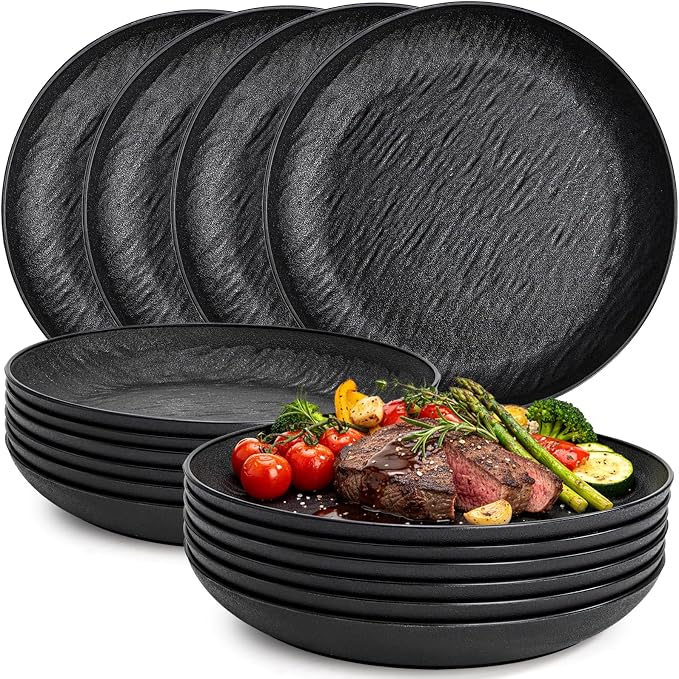
Plastic plates split into two clear classes: thin, single-use disposables and reusable, thicker-gauge dinnerware designed for daily washing. The primary trade-off is resin quality and wall thickness versus cost—reusable PP or melamine plates survive years of dishwashing, while thin PS disposables crack under heat and repeated use. Buy reusable BPA-free PP or melamine if you plan to wash and reuse; treat thin disposable plates as one-meal items only.

Buying guide image
Food Preparation

Veggie Cutter

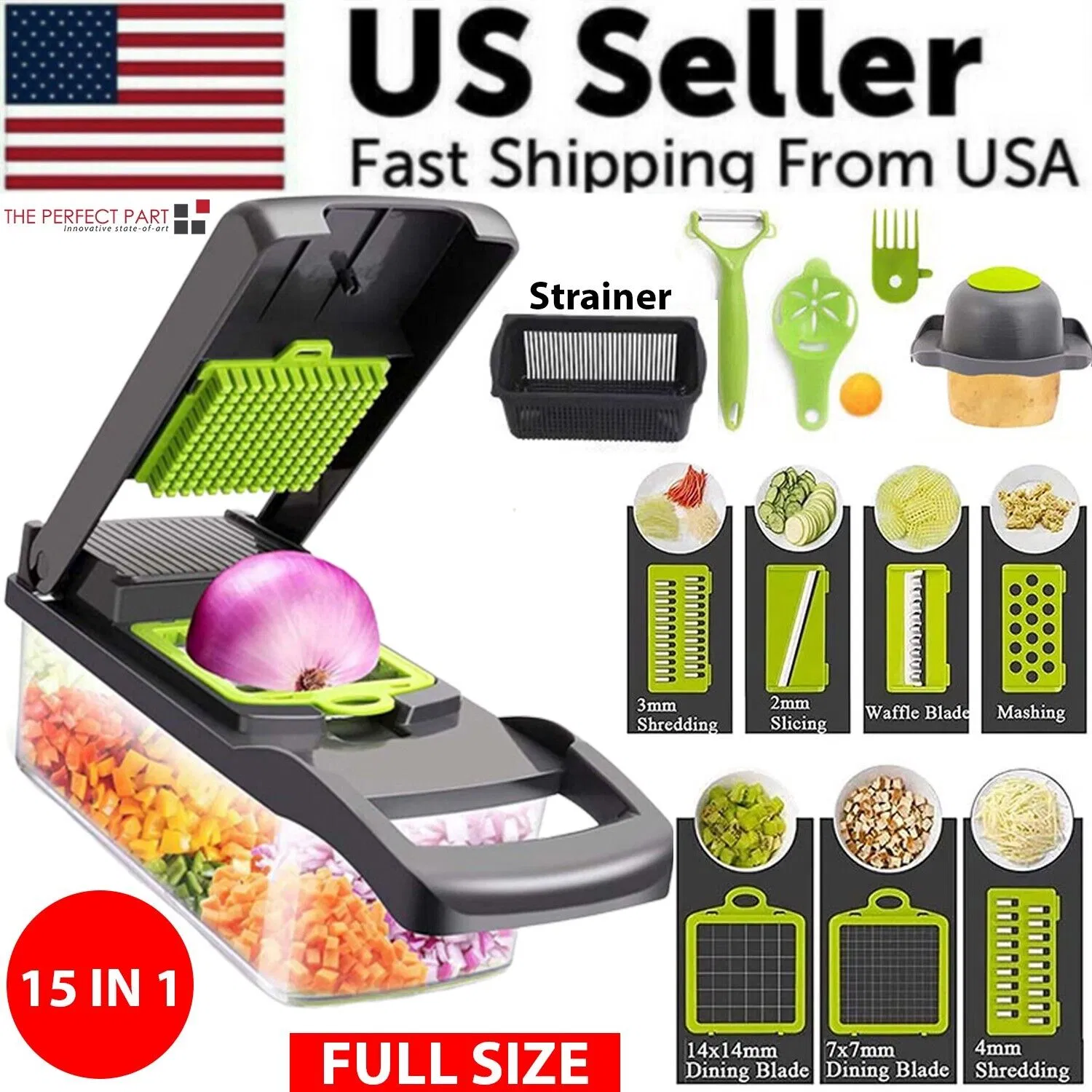
A veggie cutter is a manual kitchen tool that dices, slices, shreds, or grates produce using interchangeable stainless-steel blades over a collection container. The core trade-off is blade steel quality and frame rigidity versus blade count: cheap stamped blades dull and bend, while fewer high-grade blades outlast crowded 15-in-1 kits. Buy a model with 420 or 304 stainless blades, a locking lid, and a non-slip base; skip any unit with unlisted blade steel or a thin plastic hinge.

Buying guide image
Proofing Baskets & Bread Lames

Scoring Tool

A bread scoring tool (lame) is a handle that holds a razor-sharp blade to slash dough before baking, controlling where the loaf expands (oven spring). The core trade-off is between a fixed, ultra-thin blade for clean, low-drag cuts and an adjustable or double-edged blade for versatility and blade-life. Buy a lame with a replaceable, standard razor blade and a secure lock; skip novelty fixed-blade tools that dull fast and tear gluten.

Buying guide image
Home Ranges, Ovens & Cooktops

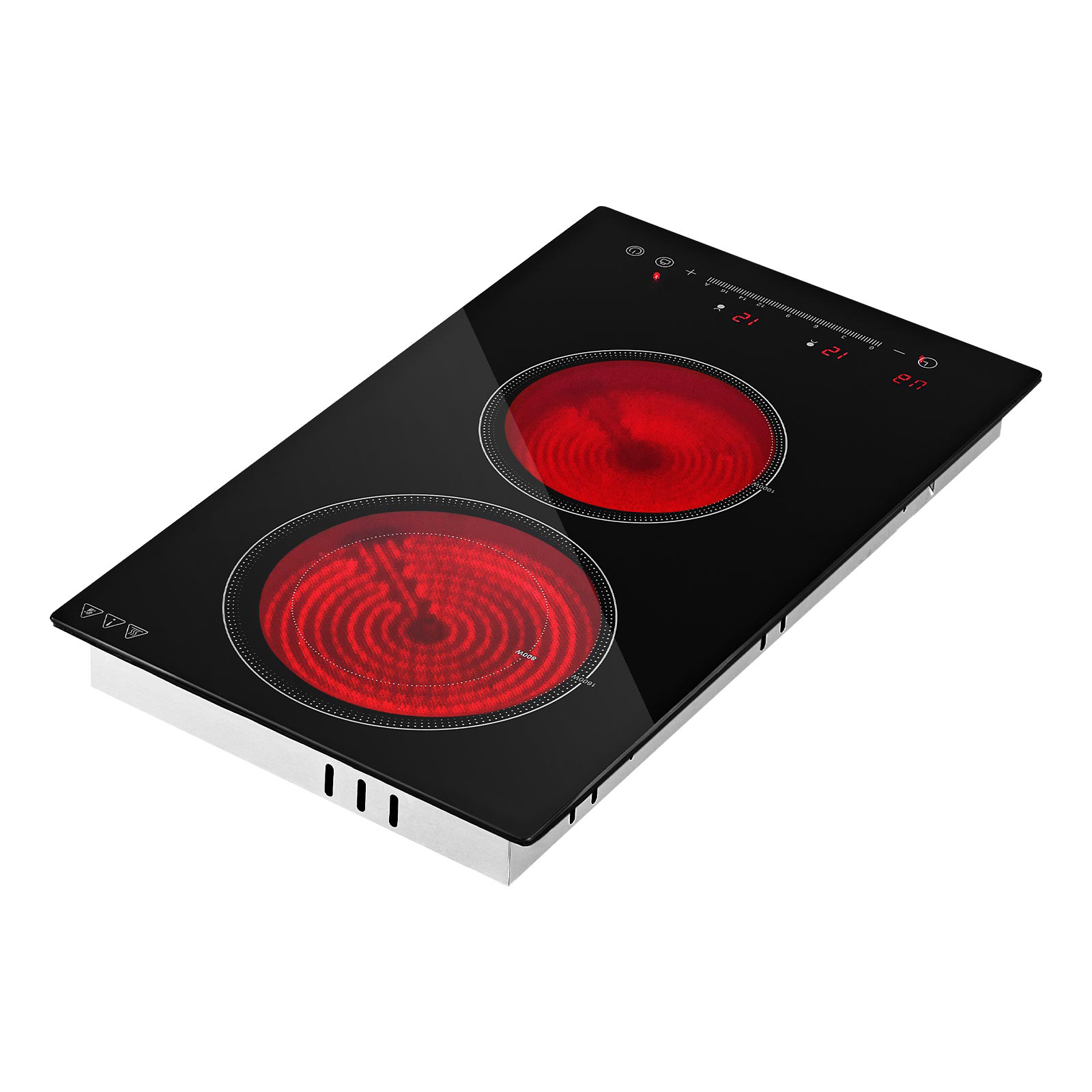
2 Burner Electric Cooktop 110v

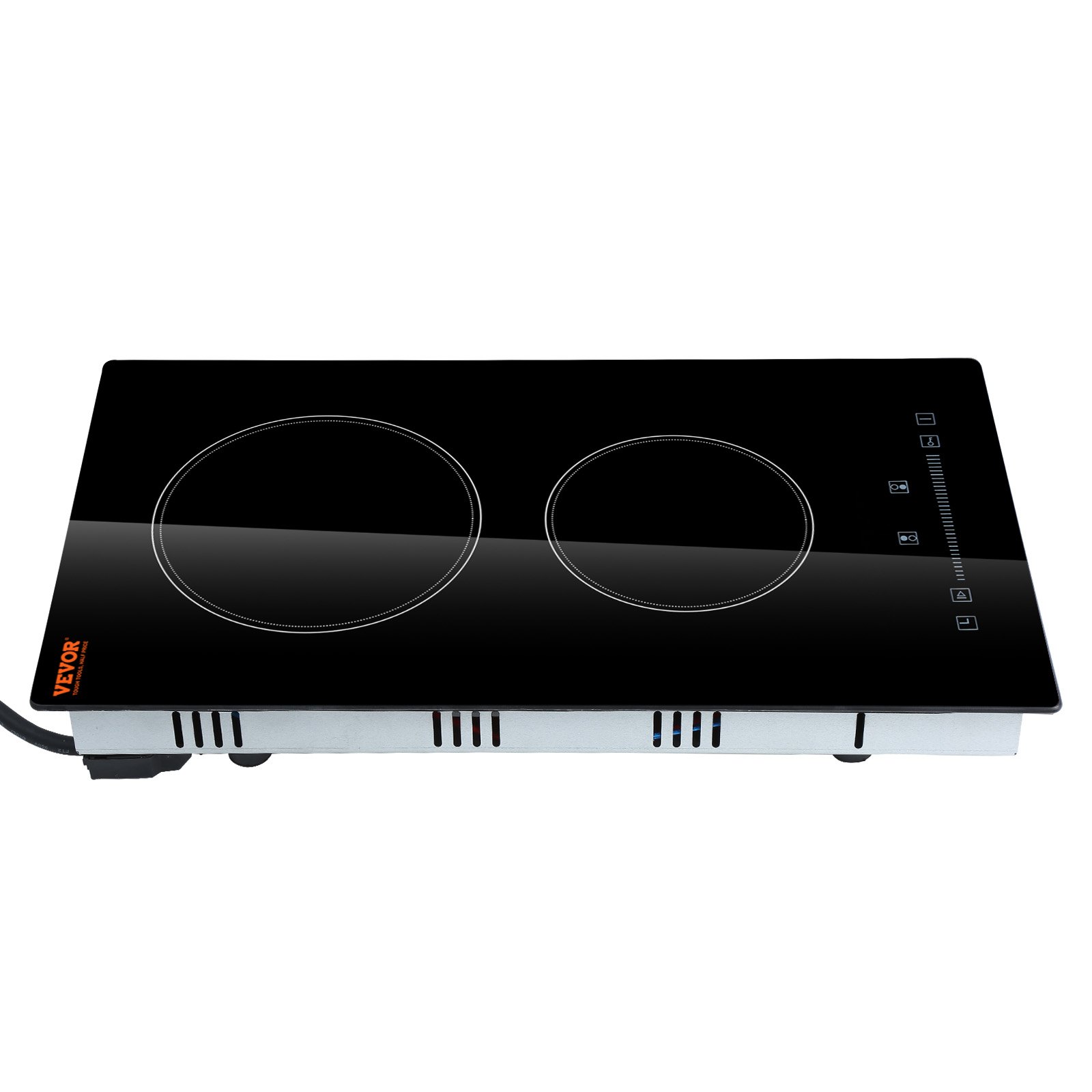
A 2-burner electric cooktop at 110V is a compact, plug-in cooking surface for tight kitchens, RVs, and auxiliary spaces, available in induction or radiant glass-ceramic architectures. The primary trade-off is induction's faster, more efficient heating and precise low-power control versus radiant's cookware-agnostic simplicity and lower peak cost. Choose induction only if your pans are magnetic and your circuit can handle 1800W; otherwise pick radiant for universal pot compatibility and simpler installation.

Buying guide image
Specialty Kitchen Appliances

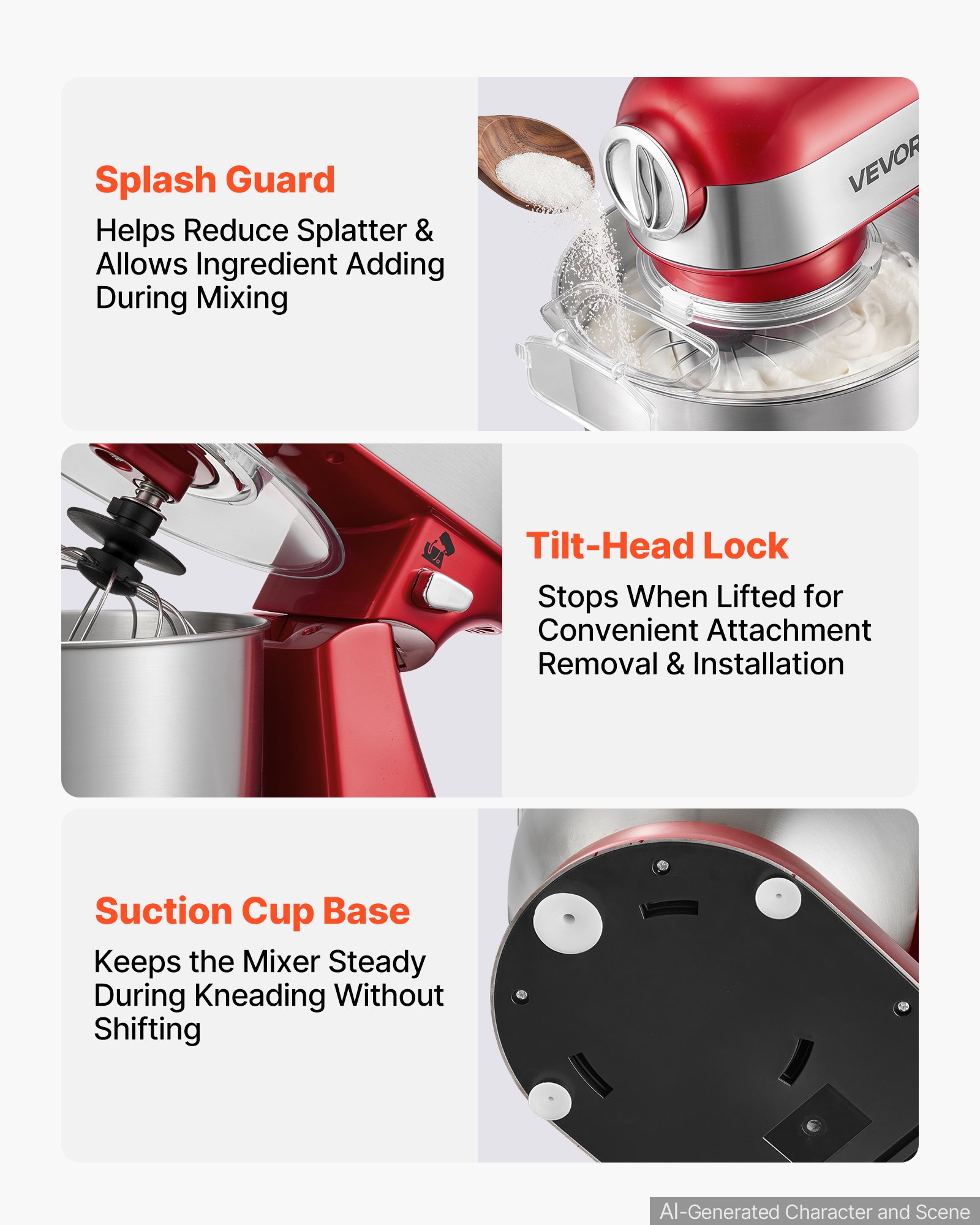
Electric Kitchen Mixer

Electric kitchen mixers are countertop appliances that replace hand mixing for dough, batter, and whipping tasks, with the core trade-off being motor wattage and gear-train durability versus bowl capacity and speed-control granularity. A durable mixer pairs a 400W+ motor with a metal gear train and a stainless bowl; compromises show up as plastic gears, thin bowls, and coarse 3-speed controls that stall under stiff dough. The decision rule: match bowl capacity and wattage to your heaviest routine batch, and reject any mixer whose gear material is not stated as metal if you plan to knead bread regularly.

Buying guide image
Specialty Kitchen Appliances

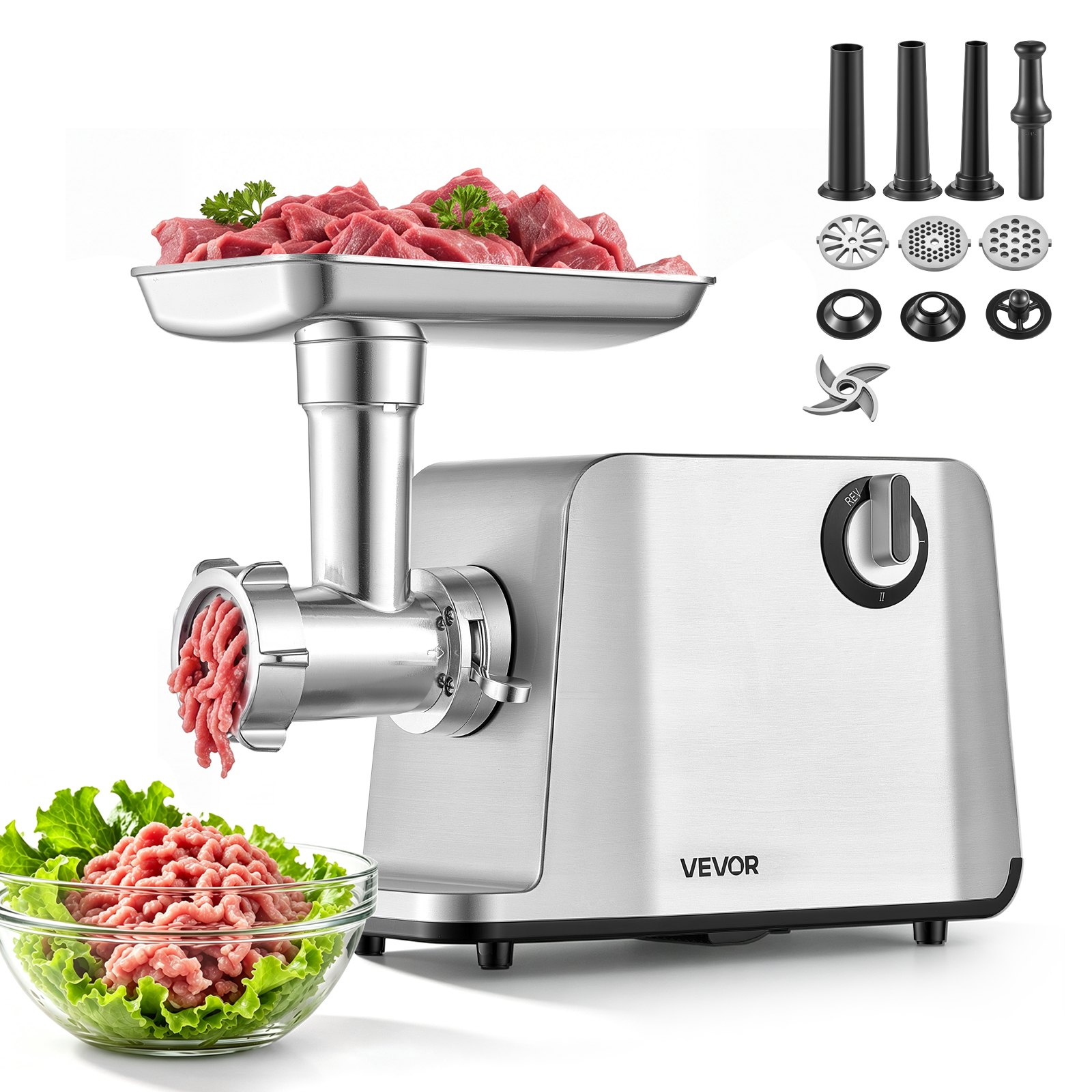
Electric Meat Grinder

Electric meat grinders are countertop appliances that convert whole cuts into ground meat, sausage, and kibbeh fillings, with the core trade-off being motor/gear durability versus headline wattage marketing. The decisive rule: buy by continuous mechanical power (locked-rotor and rated watts, metal gearing, metal auger/head) and grind-head size (#5 vs #8), not by inflated 'max' watt labels.

Buying guide image
Toasters & Ovens

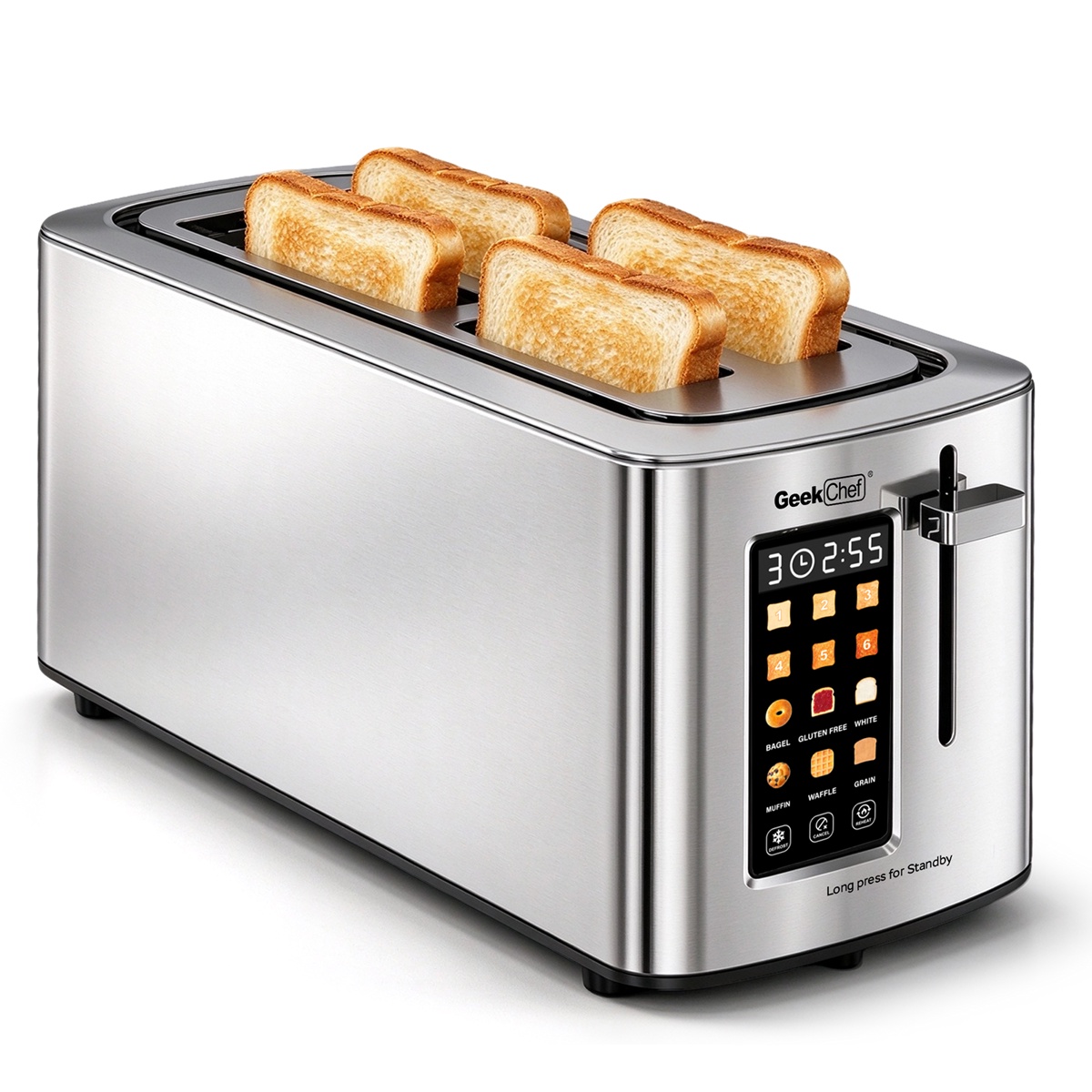
Digital Toaster

Digital toasters replace mechanical dials with electronic controls for precise shade and mode selection, but the core trade-off is between touchscreen convenience and long-term reliability of sensors and heating elements. Durable options use metal housings, wide slots (1.5 inches+), and independent heating controls, while compromises often rely on plastic bodies and single-element heating. Decision rule: prioritize slot width and wattage for even toasting, and avoid touchscreens if you want minimal maintenance.

Buying guide image
Coffee Makers & Espresso

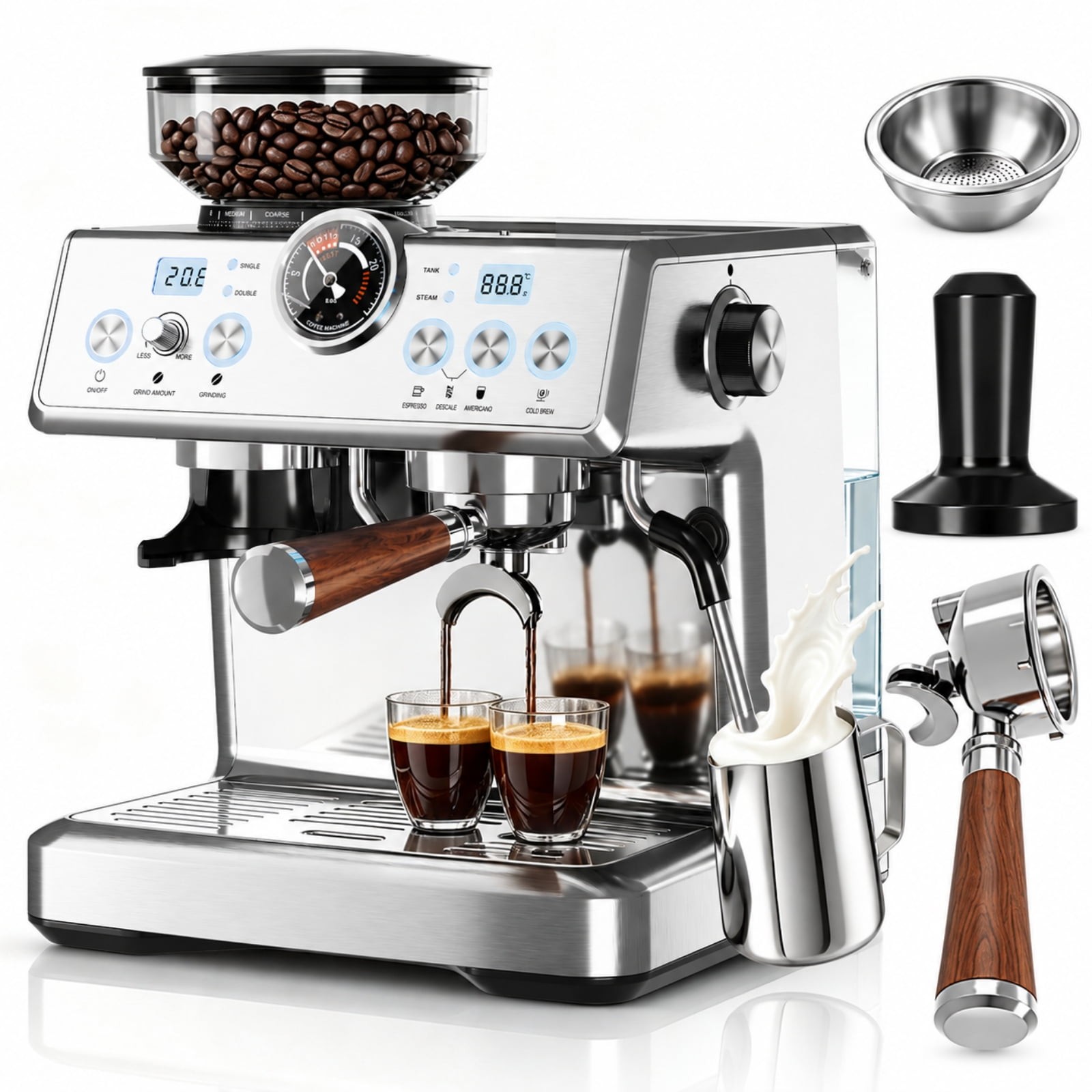
Semi Automatic Espresso Machine With Grinder

A semi-automatic espresso machine with an integrated grinder compresses the bean-to-cup workflow: you dose, tamp, and pull the shot manually, but the machine grinds fresh for every basket. Buyers most often stumble on boiler architecture (single vs. dual), grinder burr type and adjustment range, and whether the portafilter and basket sizes match their dose and cup volume.

Buying guide image
Electric Hot Pots

Electric Grill Pot

An electric grill pot combines a hot pot and a griddle in one tabletop appliance, typically with separate temperature controls for each zone. The core trade-off is power density versus pan size: 2200–2300W units heat faster and sustain high sear, while 1600W models struggle to recover when both zones run together. Choose a dual-zone unit with independent controls and a die-cast aluminum or removable non-stick plate for durable performance; skip single-control or thin-stamped pans.

Buying guide image
Electric Hot Pots

Electric Grill With Pot

An electric grill with pot is a dual-zone tabletop cooker that pairs a shallow hot-pot basin with a ridged grill/griddle plate, so one appliance handles boiling and searing simultaneously. The decisive trade-off is heat architecture: a single shared heating element forces you to alternate between boiling and grilling, while true dual independent controls let both zones run at once—this is the line between a party cooker and a frustrating compromise. Buy the dual-control, die-cast aluminum or removable-basin tier with at least 2200W total; skip single-element, fixed-basin units regardless of claimed capacity.

Buying guide image
Electric Hot Pots

Electric Pot And Grill

Electric pot and grill combos integrate a hot pot basin and a flat or ridged grill plate into one countertop appliance, typically with independent temperature controls for simultaneous simmering and searing. The key trade-off is between heating power and pan size versus countertop footprint and electrical circuit capacity: units above 2000W demand a dedicated 15A kitchen circuit, while smaller 1600W models fit standard outlets but serve fewer people. Choose a model with a removable, dishwasher-safe pot and die-cast aluminum non-stick plates for durability; fixed basins and thin stamped steel construction are the compromise tier.

You may also like

Finding more guides for you…