Kitchen Gear Wise

Kitchen Gear Wise

Kitchen Gear Reviews & Buying Guides

Compare kitchen gear by use case, features, trade-offs, price, returns, and seller terms before you buy.

Buying guides

Buying guide image
Specialty Kitchen Appliances

Electric Deep Fryer

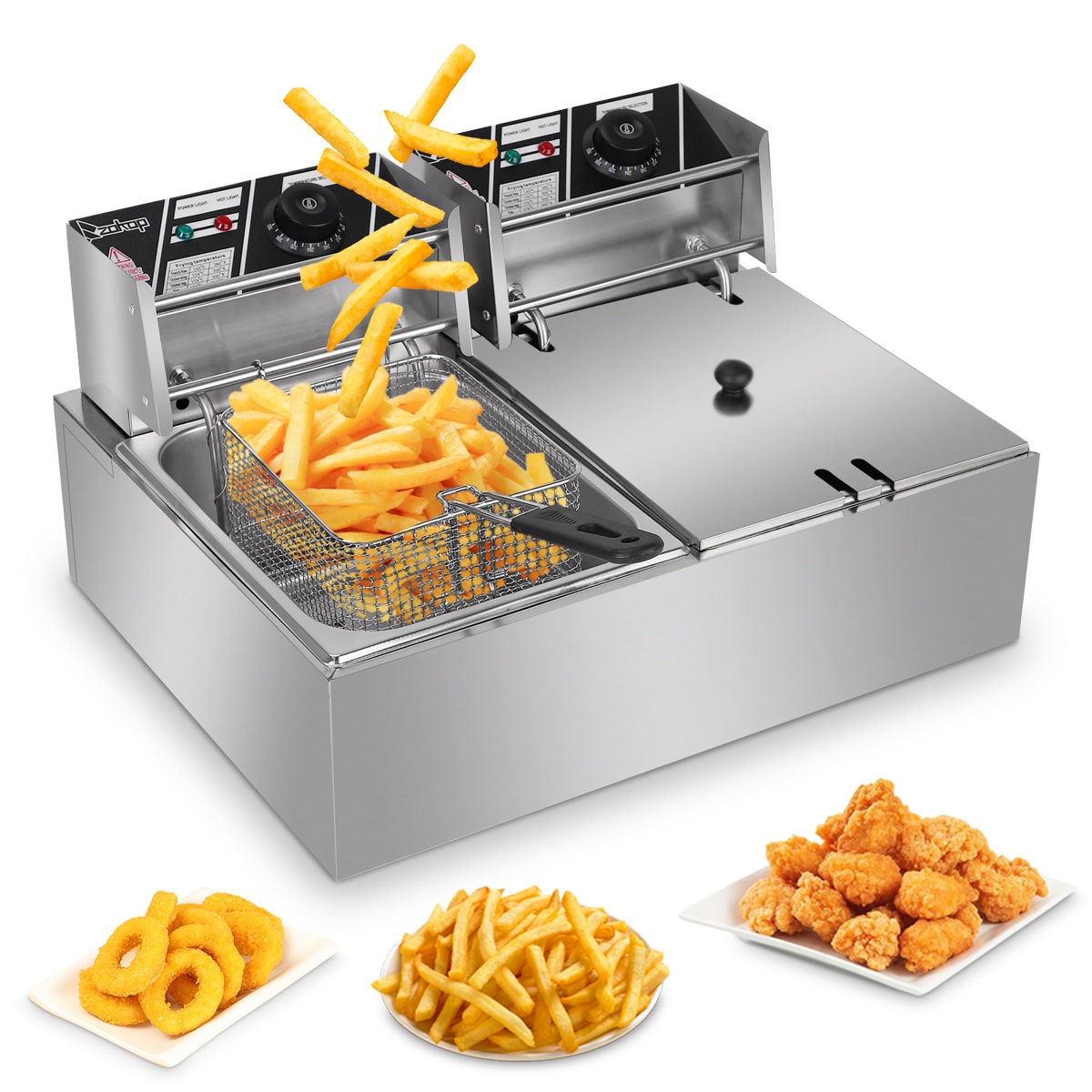
Electric deep fryers range from compact 3-liter home units to dual-tank 20-liter commercial fryers, with the core trade-off being oil capacity and recovery speed versus counter footprint, wattage draw, and cleanup effort. Durable options use stainless steel bodies, enamel-coated or welded oil tanks, and independent temperature controls, while compromises rely on thin nonstick coatings and unverified heating elements. The decision rule: match oil volume to your largest batch, confirm your kitchen circuit supports the wattage, and insist on ETL or UL certification plus a removable, dishwasher-safe tank.
Buying guide image
Vacuum Sealers

Jar Sealer Mason Jar

A jar sealer for mason jars is an accessory or standalone appliance that pulls a vacuum on standard glass canning jars, either via a handheld/edge vacuum sealer with a hose port or a dedicated electric jar-sealing pump. The core trade-off is between universal wide/narrow-mouth compatibility with an external suction sealer versus a self-contained electric unit that trades bag-sealing capability for one-touch jar operation. Buy the hose-port accessory if you already own a suction vacuum sealer; buy the standalone electric sealer only if jars are your sole preservation format.

Buying guide image
Specialty Kitchen Appliances

Heavy Duty Electric Meat Grinder

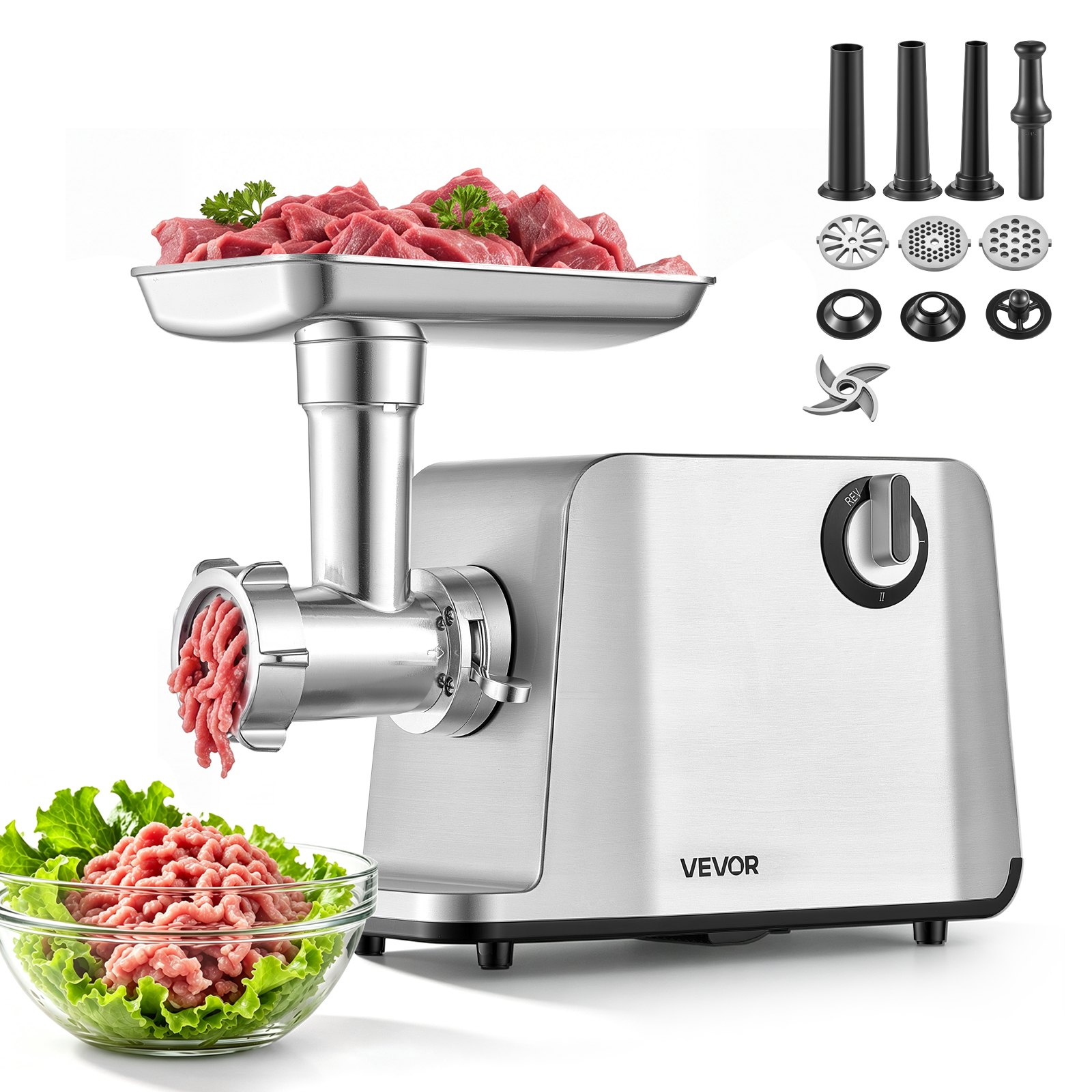
A heavy-duty electric meat grinder is a countertop or floor-standing appliance built to continuously grind large volumes of meat, fat, and bone without stalling. The core trade-off is motor power and gear material versus heat buildup and counter space: underpowered brushed motors with nylon gears overheat and strip, while induction or brushless DC motors with all-metal gearing sustain throughput. The decision rule is simple—buy a grinder rated for continuous duty with metal gears and a motor of 0.5 HP or more, and skip any model marketed by peak wattage alone.

Buying guide image
Blenders & Juicers

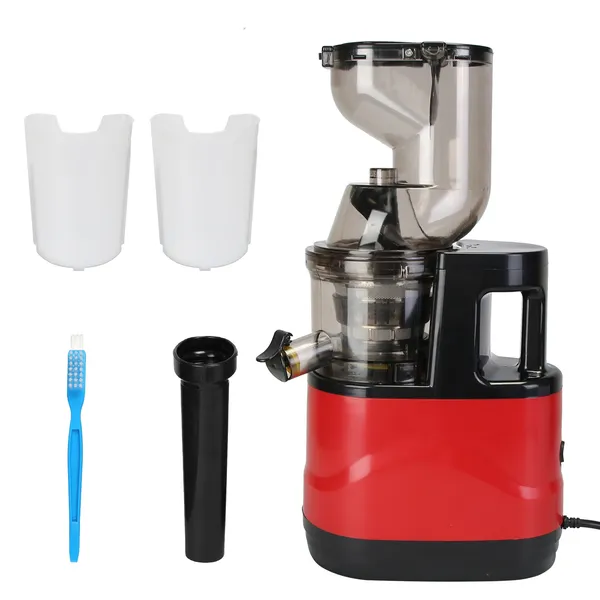
Electric Juicer Machine

Electric juicer machines split into two architectures: high-speed centrifugal models that pulverize produce with 800–1000W motors, and slow masticating (cold-press) models that crush at 300W or less. The core trade-off is speed and whole-fruit convenience versus juice yield, nutrient retention, and low-noise operation. Choose centrifugal for fast daily citrus and hard produce; choose masticating for leafy greens, wheatgrass, and batch juicing where yield matters.

Buying guide image
Food Storage & Containers

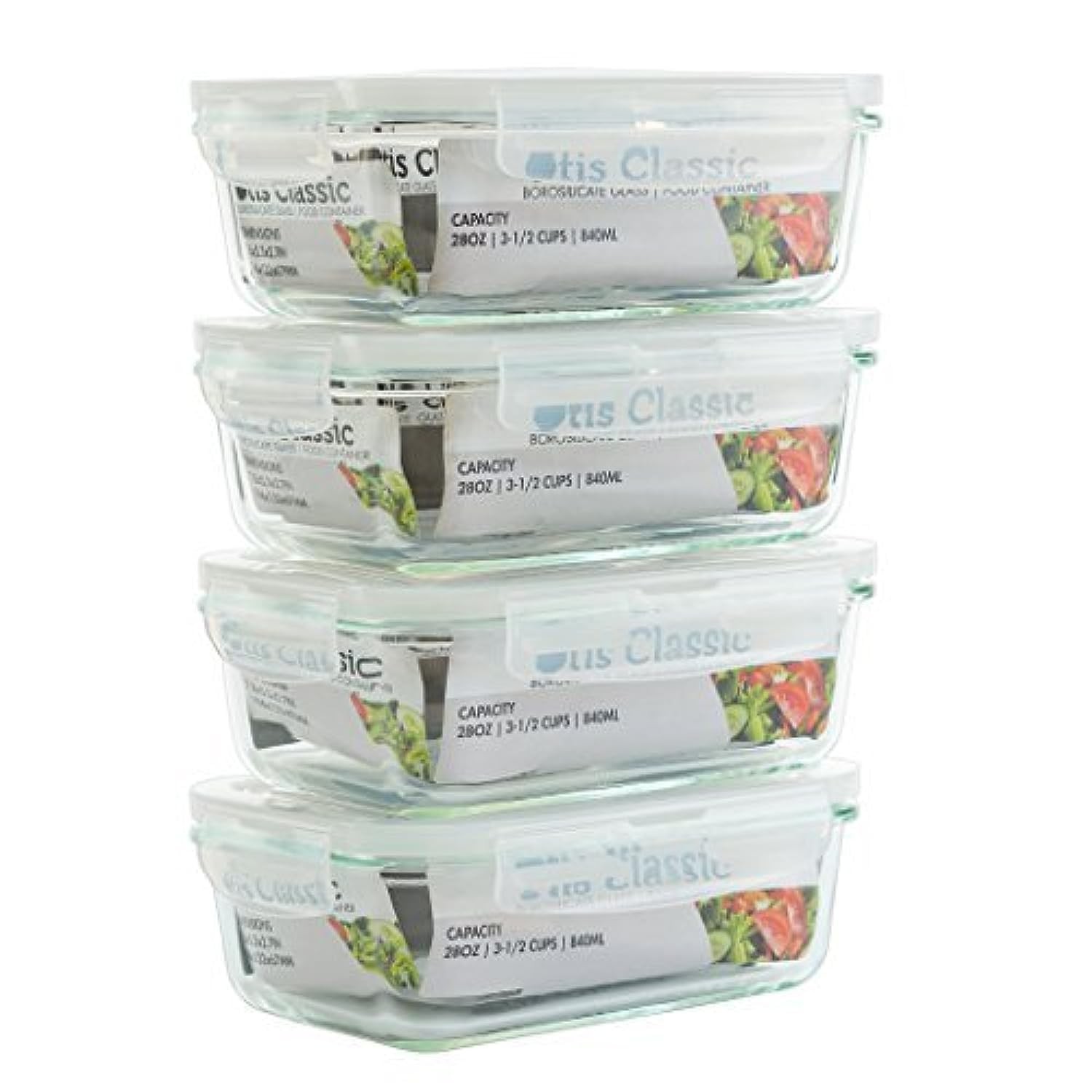
Glass Storage Container With Locking Lid

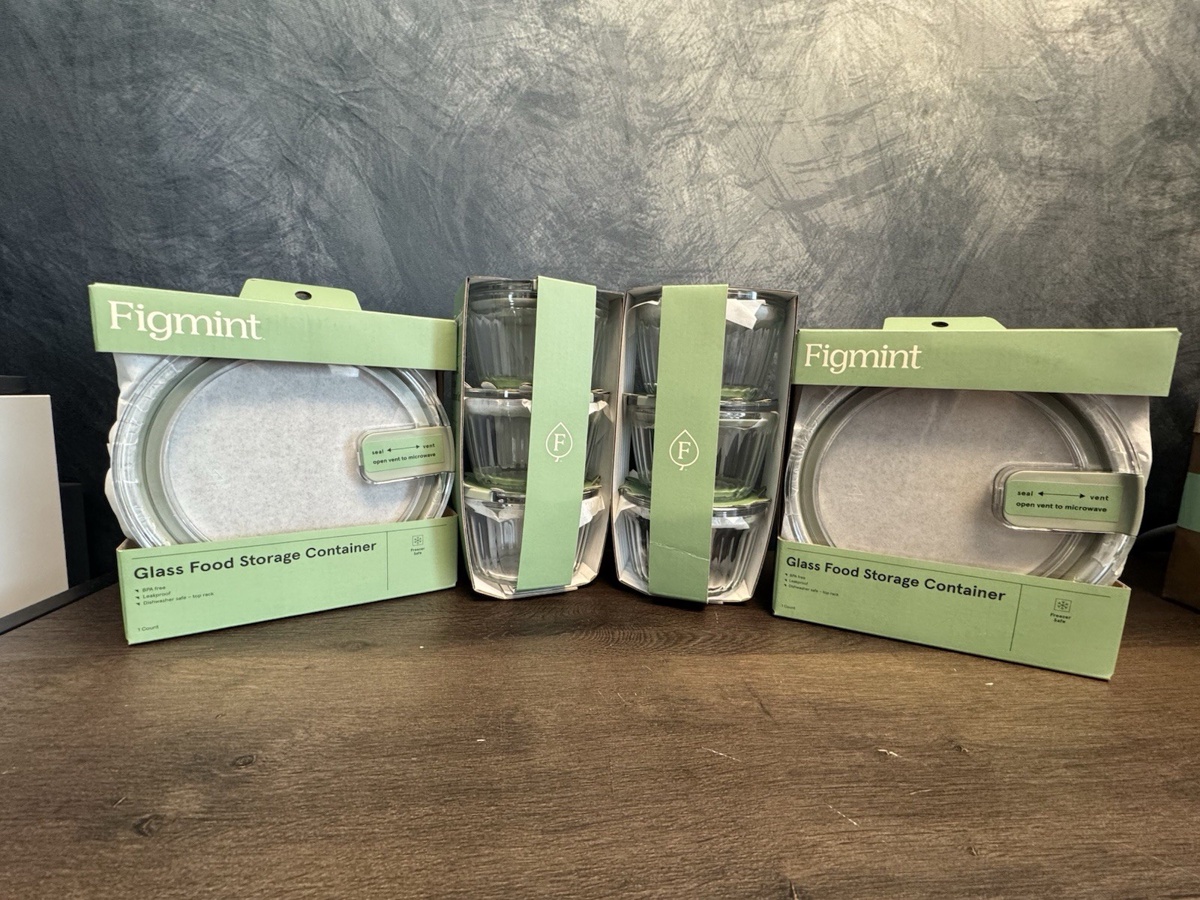
Glass storage containers with locking lids pair borosilicate or tempered glass bodies with a gasketed clamp or snap-lock mechanism to create an airtight, leak-resistant seal for fridge, freezer, and oven use. The decisive trade-off is lid engineering: cheap snap-tab lids with thin silicone seals leak and fail early, while thick 4-sided clamp locks with replaceable gaskets survive daily washing and transport. Buy borosilicate bodies with 4-side locking and user-replaceable silicone seals if you plan to meal-prep, freeze, and reheat for years; skip thin soda-lime glass with 2-tab snap lids if leakproofness or oven safety matters.

Buying guide image
Kitchen Storage & Organization

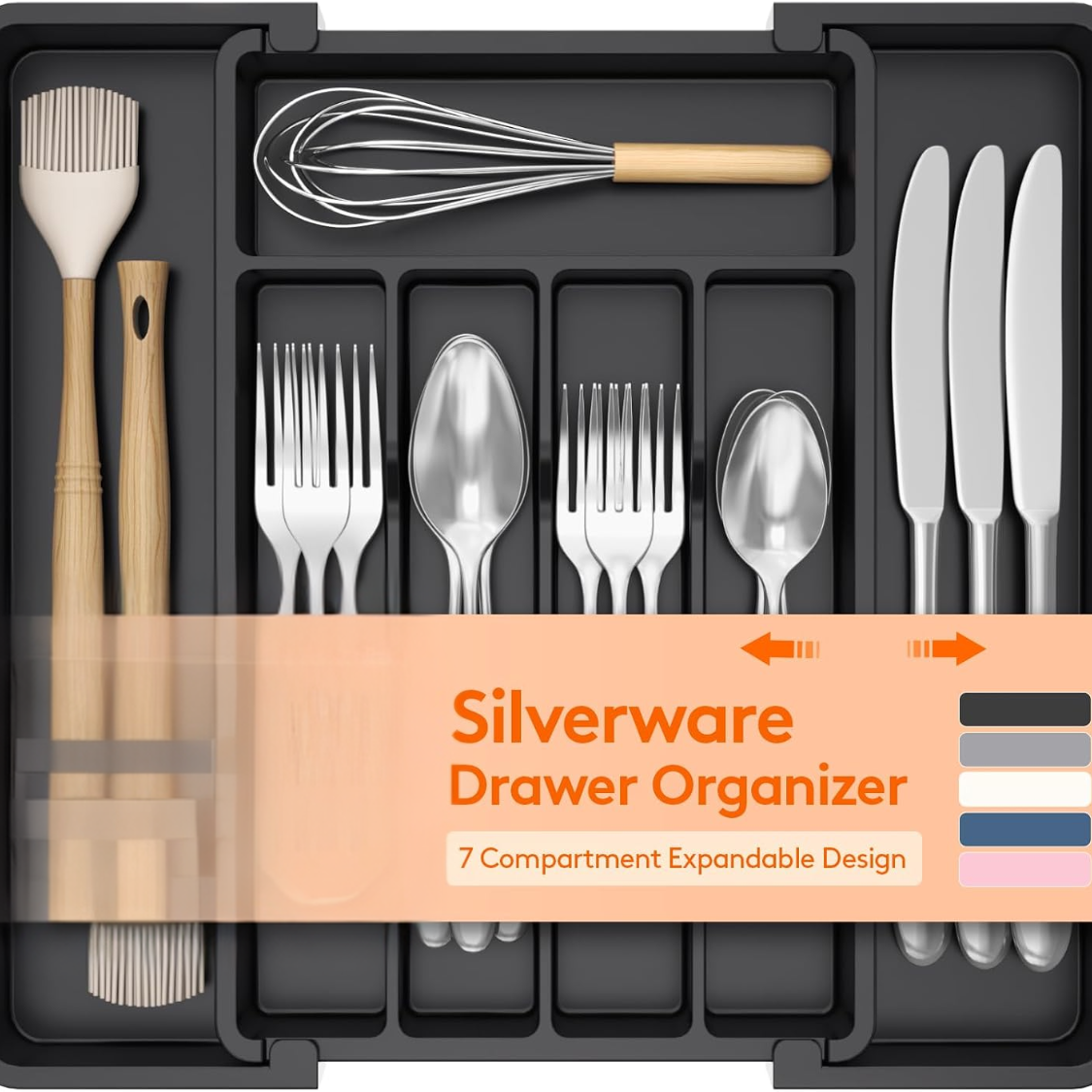
Utensil Drawer Organizer

A utensil drawer organizer is a compartmented tray that separates flatware and cooking tools inside a kitchen drawer, and the decisive trade-off is between fixed-compartment trays that waste drawer width and expandable or modular systems that adapt to your exact drawer dimensions. The clear rule: buy an expandable or custom-divided organizer whose closed and extended widths bracket your drawer's usable interior width, and skip any tray with molded non-removable dividers or unverified plastic thickness.

Buying guide image
Coffee Makers & Espresso

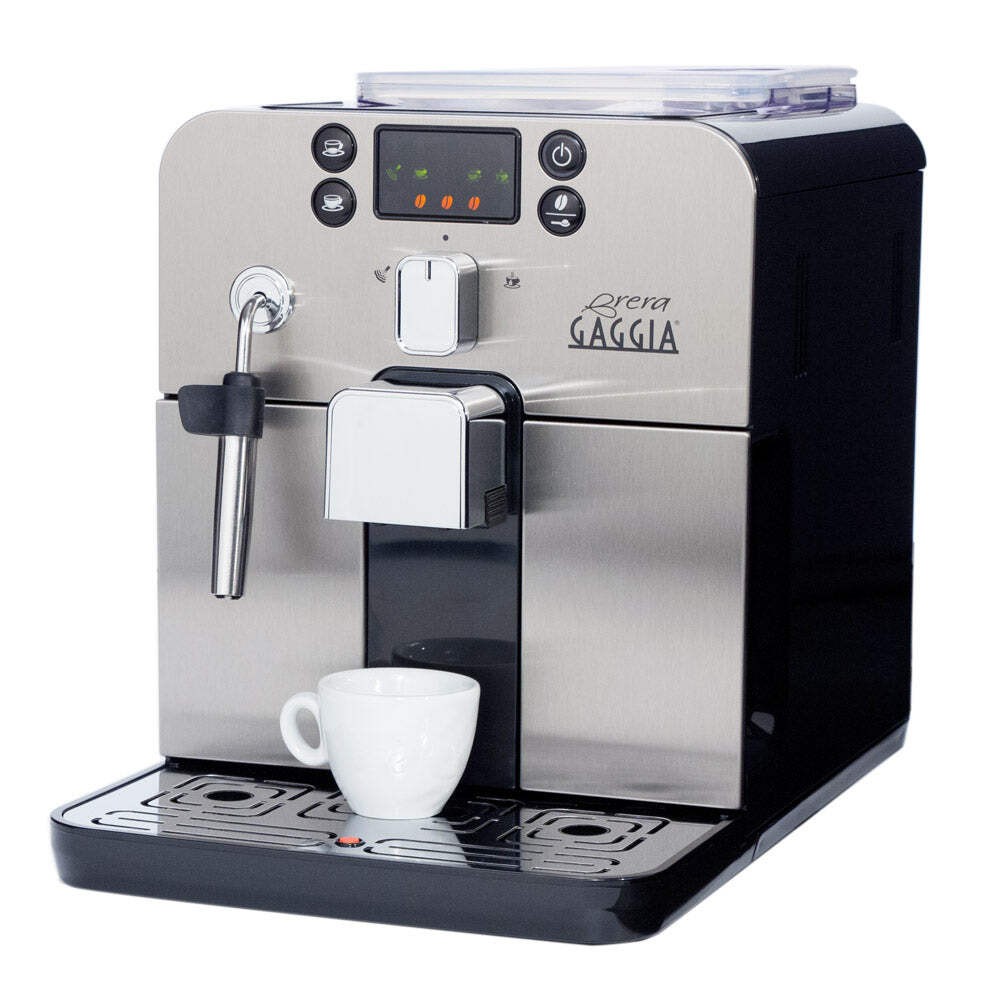
Fully Automatic Espresso Machine With Grinder

A fully automatic espresso machine with grinder combines a burr grinder, brew unit, and milk frother into one push-button system. The core trade-off is between ceramic vs steel burrs and plastic vs metal brew groups: metal internals and ceramic burrs last years, while plastic brew units and pressurized baskets are compromises. The clear decision rule is to buy a model with a removable metal brew group, ceramic burrs, and a bypass doser if you drink both espresso and drip-style coffee.

Buying guide image
Blenders & Juicers

Handheld Blender

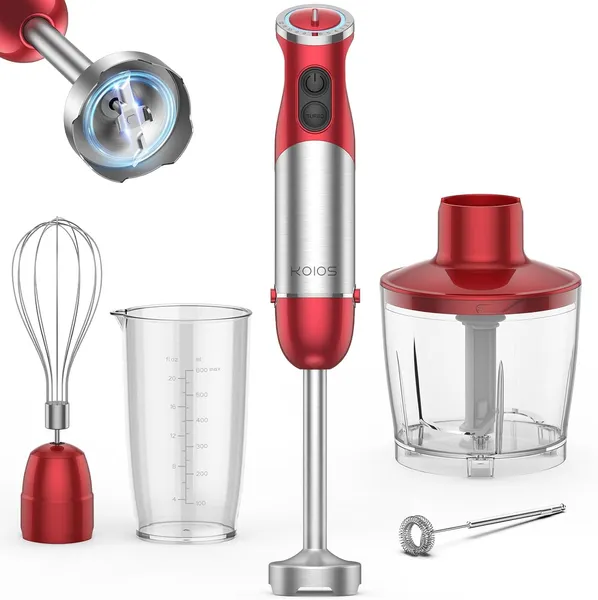
A handheld immersion blender puts the motor in your grip and the blade in the pot, trading the jar and counter footprint of a countertop blender for direct-in-vessel blending. The core trade-off is motor architecture and shaft/bell durability versus speed-control granularity: DC/brushless or copper-wound universal motors in the 300–1000W class hold load better than budget AC motors, while metal bell housings and stainless shafts outlast plastic. The decision rule: buy on continuous-duty motor rating and metal bell construction, not on accessory count or speed numbers alone.

Buying guide image
Microwave Ovens

Countertop Microwave Oven

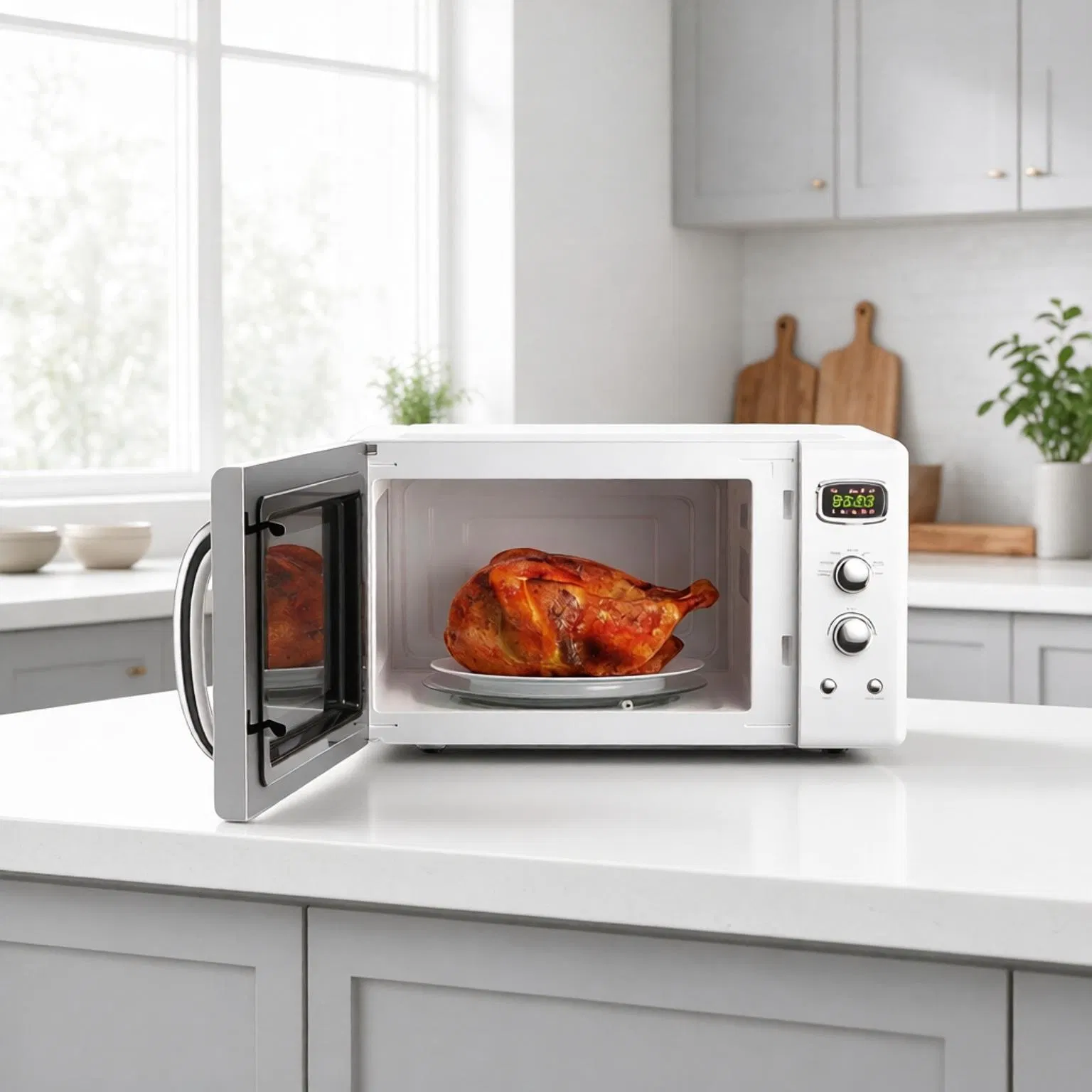
Countertop microwaves are freestanding, plug-in ovens that combine a magnetron, waveguide, and turntable in a single chassis sized to sit on a kitchen counter. The core trade-off is cavity volume and wattage versus footprint and door-swing clearance—larger units heat faster but demand deeper counters and open wall space. The decision rule: match wattage to your reheating vs cooking ratio and confirm the door hinge side and exterior depth fit your actual counter before choosing any tier.

Buying guide image
Ice Makers

Countertop Bullet Ice Maker

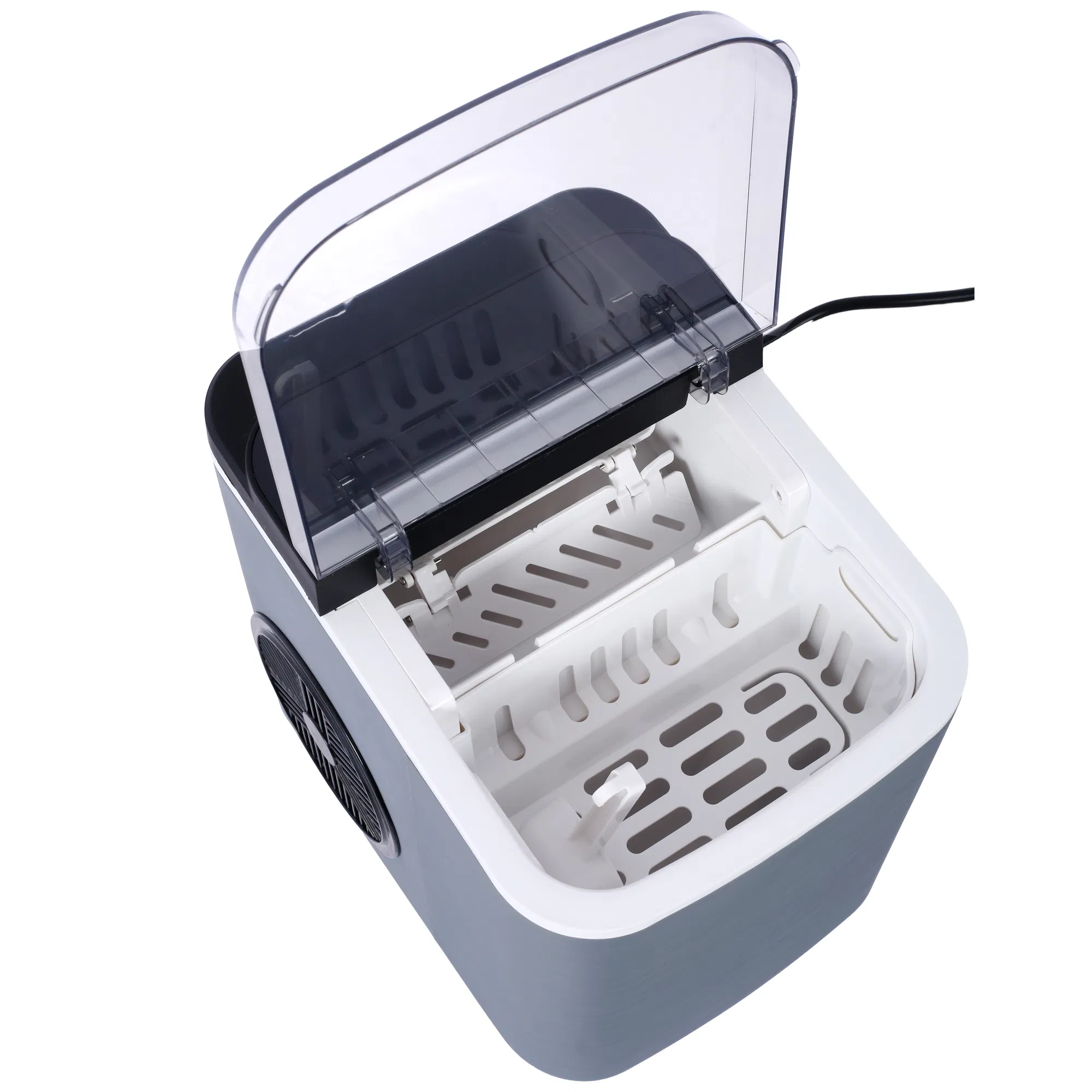
Countertop bullet ice makers are compact compressor-driven appliances that freeze crescent-shaped ice in 6-10 minutes, trading daily output and storage capacity for plug-and-play convenience. The core trade-off is compressor quality and insulation versus cycle speed: budget units use thinner evaporators and no storage insulation, so ice melts fast, while durable units hold ice longer and run quieter. The decision rule is simple: buy for daily output rating and water tank size, not the flashy 'first ice in 6 minutes' claim—that number only reflects the first small batch.

Buying guide image
Specialty Kitchen Appliances

KitchenAid Mixer

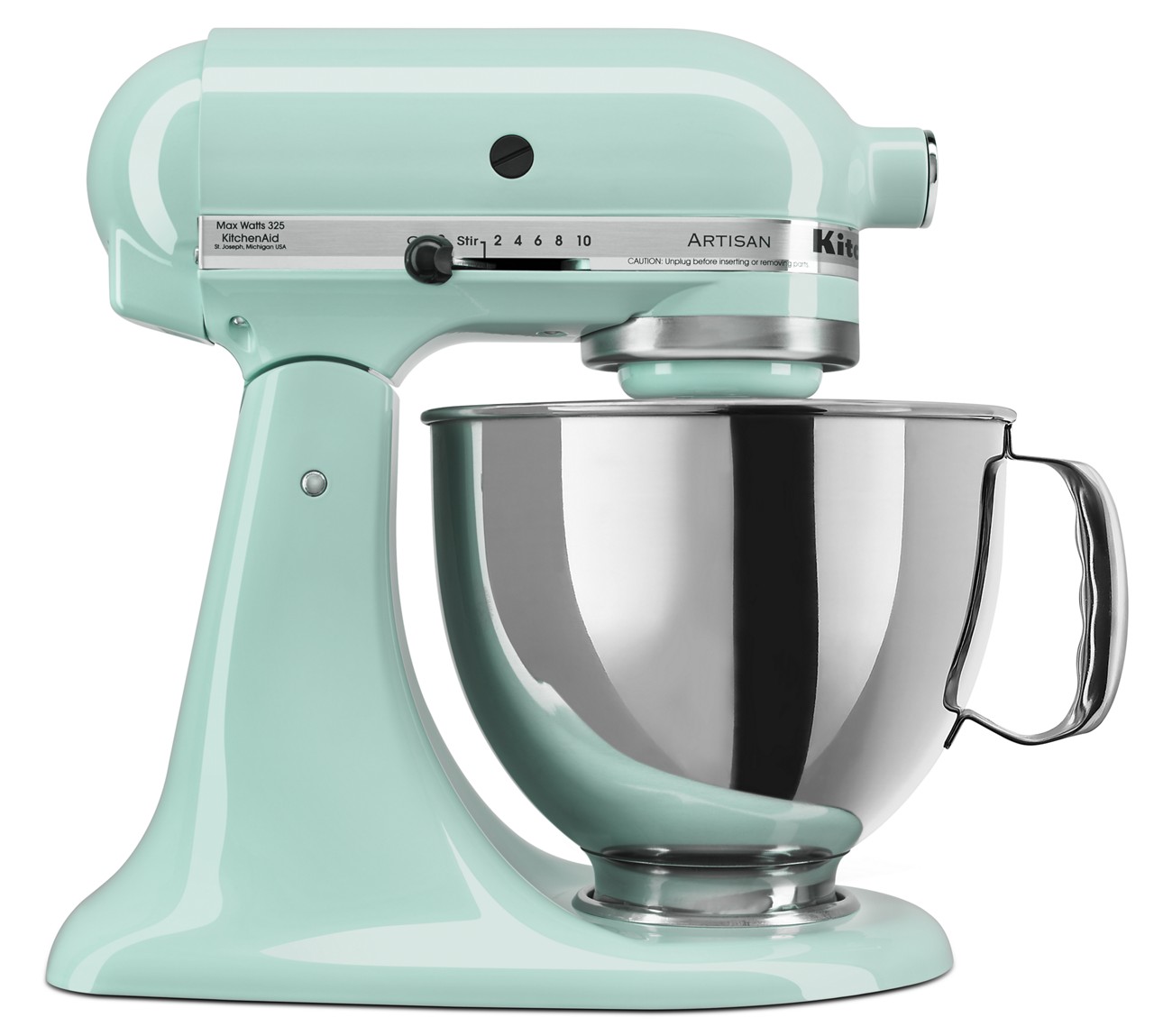
KitchenAid stand mixers are defined by two architectures: tilt-head (Artisan, Classic) and bowl-lift (Professional, Heavy Duty), with motor power and bowl capacity scaling accordingly. The trade-off is between countertop clearance and access (tilt-head) versus heavy-dough stability and larger batches (bowl-lift). Buy tilt-head for up to 5 qt of cookies and cake; buy bowl-lift at 5.5 qt or larger for bread dough and continuous mixing.

Buying guide image
Toasters & Ovens

Extra Large Toaster Oven

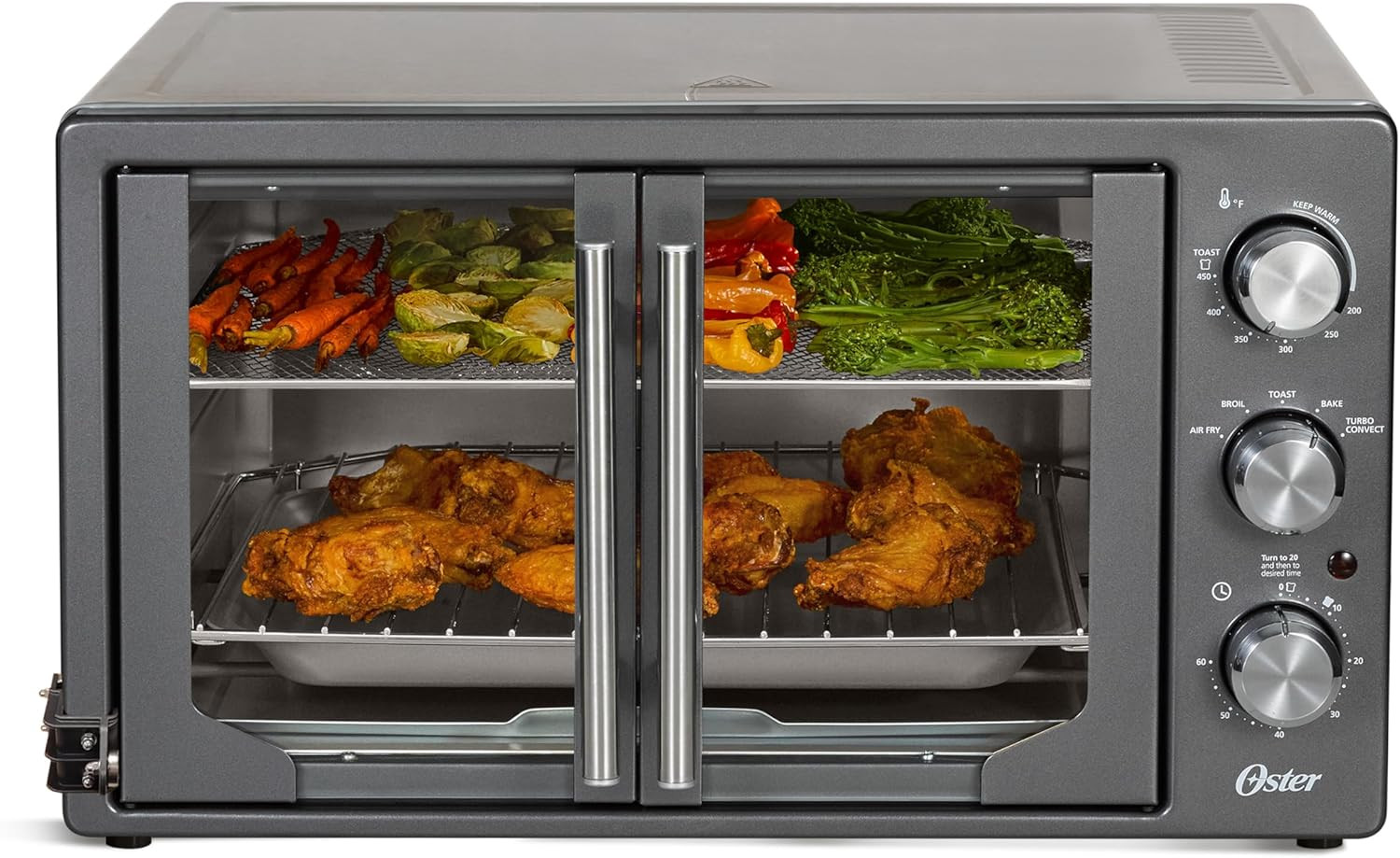
Extra-large toaster ovens are countertop appliances with 24–32 quart capacities, designed to replace a full-size oven for families or entertainers. The key trade-off is between spacious French-door or single-door access and the cabinet depth and heat management required; true extra-large models exceed 16 inches in width and 12 inches in height. Buy only if you have 20+ inches of depth and a dedicated 15A circuit; otherwise a mid-size 6-slice unit is the smarter compromise.

Buying guide image
Vacuum Sealers

Vacuum Sealer With Mason Jar Attachment

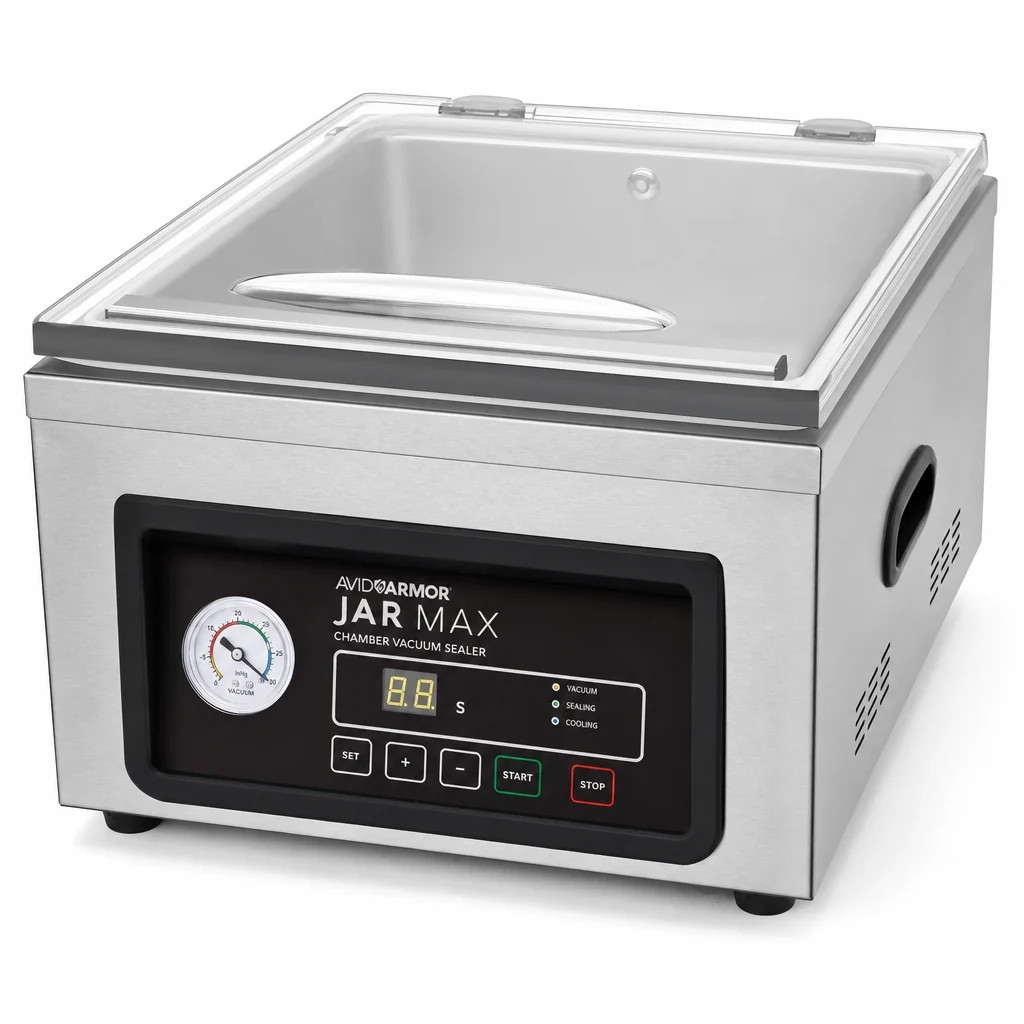
A vacuum sealer with mason jar attachment uses a pump to pull air from rigid glass jars, creating an oxygen-free environment for dry goods, liquids, and fermented foods. The primary trade-off is between external suction sealers with a jar port (versatile but limited by jar geometry) and chamber vacuum sealers (superior for liquids but higher cost). Choose a chamber unit if you seal high-liquid or powdery contents regularly; choose an external sealer with a jar attachment for dry-goods storage on a budget.

Buying guide image
Food Dehydrators

Digital Food Dehydrator

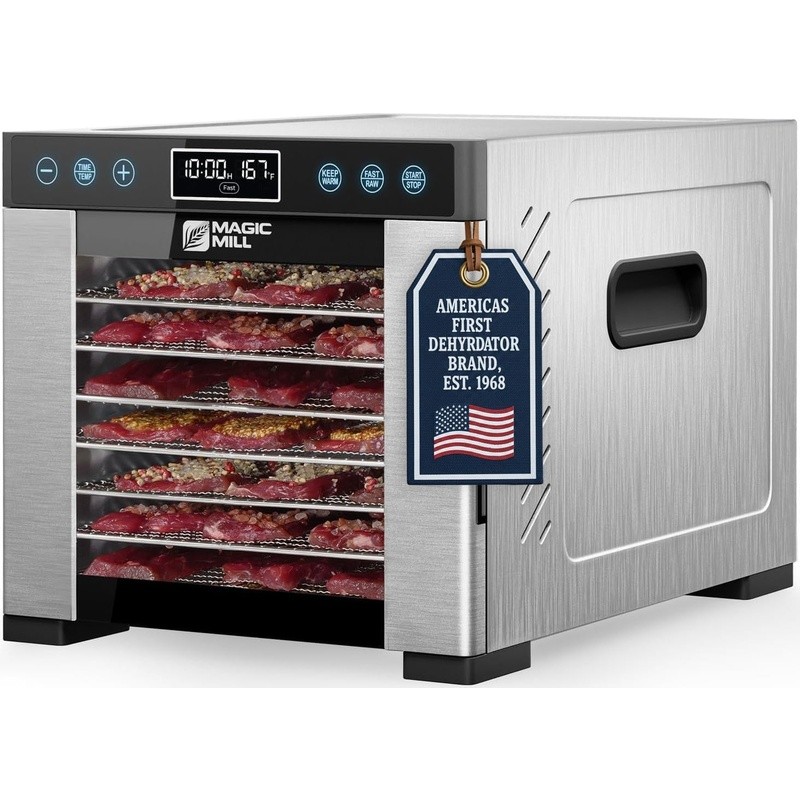
A digital food dehydrator replaces the dial thermostat with a thermistor-controlled PID or on/off controller and a timer, giving set-and-forget drying at stable low temperatures. The core trade-off is between precise digital temperature control and build durability: budget units often pair a digital display with a weak heating element and thin trays, while better machines use higher-wattage elements, tighter temperature tolerance, and sturdier rack construction. Choose a digital model only if you need repeatable recipes and unattended cycles; if you dry only occasionally and simple on/off control suffices, an analog dehydrator delivers the same airflow physics for less complexity.

Buying guide image
Specialty Kitchen Appliances

Electric Fryer With Basket

An electric fryer with basket is a countertop appliance that heats oil in a dedicated tank and uses a wire basket to lower, cook, and drain food. The core trade-off is tank material and heating architecture: enamel-coated steel tanks resist scratches but can chip, while stainless steel tanks resist staining but cost more and demand careful cleaning. The decision rule is simple: choose a stainless-steel tank with a removable, dishwasher-safe basket and independent temperature control for durability; skip units with thin aluminum tanks, non-removable baskets, or vague wattage ratings.

Buying guide image
Specialty Kitchen Appliances

Heavy Duty Electric Fryer

Heavy-duty electric fryers are countertop or floor-standing units built for sustained high-volume frying, distinguished from light-duty models by their heating element wattage, oil capacity, and recovery speed. The core trade-off is between fast oil-temperature recovery under load (higher wattage and dual elements) and tank construction quality (thicker stainless steel, welded vs. stamped seams) that determines lifespan under constant thermal cycling. The decision rule: if you cannot find a published wattage, oil capacity, and tank-gauge or material grade, the unit is a light-duty compromise regardless of marketing claims.

Buying guide image
Food Storage & Containers

Storage Jar With Lids

Storage jars with lids span a wide durability spectrum from thin disposable plastic to thick borosilicate glass and sealed ceramic crocks. The decisive trade-off is lid seal architecture and body material: screw-band gasket lids on glass or PP plastic are the durable everyday standard, while push-on or friction lids are short-lived compromises. Buy glass or thick-walled PP with a replaceable silicone gasket for pantry, fridge, and liquid storage; skip thin acrylic and decorative non-sealing jars for anything requiring airtightness.

Buying guide image
Ice Makers

Bullet Ice Maker Countertop

Bullet ice makers are countertop compressor appliances that freeze crescent-shaped 'bullet' ice in roughly six minutes and typically cap at 26 lb per day. The core trade-off is cycle speed and convenience versus true daily output, because compact bullet models store only about 1.5 lb of ice and cannot keep up with continuous household demand. The decision rule: buy a bullet maker for fast drinks and small batches, and step up to a nugget or undercounter clear-ice machine once you routinely need more than roughly 20 lb per day.

Buying guide image
Ice Makers

Portable Bullet Ice Maker

Portable bullet ice makers are countertop appliances that freeze a small reservoir of water into soft, chewable bullet-shaped cubes, trading low upfront cost and plug-and-play convenience for slower batch recovery and no true freezer-grade storage. The core trade-off is compressor cooling versus thermoelectric (Peltier) cooling: compressor units hit 26 lb/day class output with 6-minute first batches, while Peltier units are lighter and quieter but far slower. The decision rule is simple: buy a compressor-based unit rated near 26 lb/day with a 1.1–1.6 L tank for daily household use, and skip any thermoelectric or sub-20 lb/day model unless portability weight is your only priority.

Buying guide image
Coffee Makers & Espresso

At Home Espresso Machine With Grinder

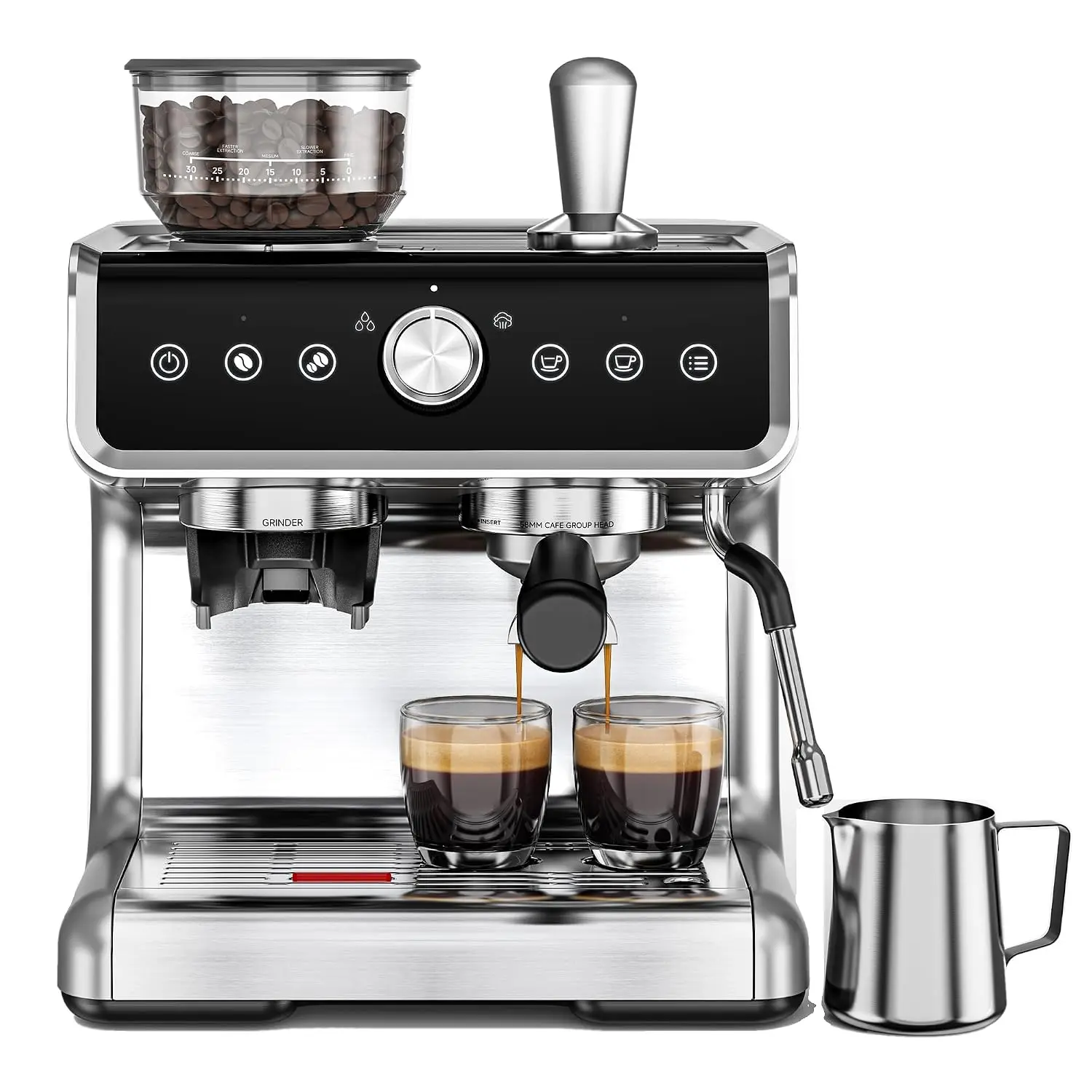
An at-home espresso machine with grinder pairs a pressurized brewing system with an integrated or bundled burr grinder, so the two variables that decide cup quality—grind consistency and brew pressure stability—are matched by design. The core trade-off is burr quality and thermal stability versus convenience: flat ceramic or conical steel burrs with PID temperature control deliver café-grade shots, while entry combo units cut corners with small conical burrs and wide temperature swings. Choose a machine with at least a 38–54 mm conical burr set, 9-bar pump pressure with PID, and a 58 mm portafilter if you want repeatable espresso; skip all-in-one units with blade grinders or unpressurized-only baskets at the entry tier.

You may also like

Finding more guides for you…