Kitchen Gear Wise

Kitchen Gear Wise

Kitchen Gear Reviews & Buying Guides

Compare kitchen gear by use case, features, trade-offs, price, returns, and seller terms before you buy.

Buying guides

Buying guide image
Cookware & Cutlery

All Clad Set

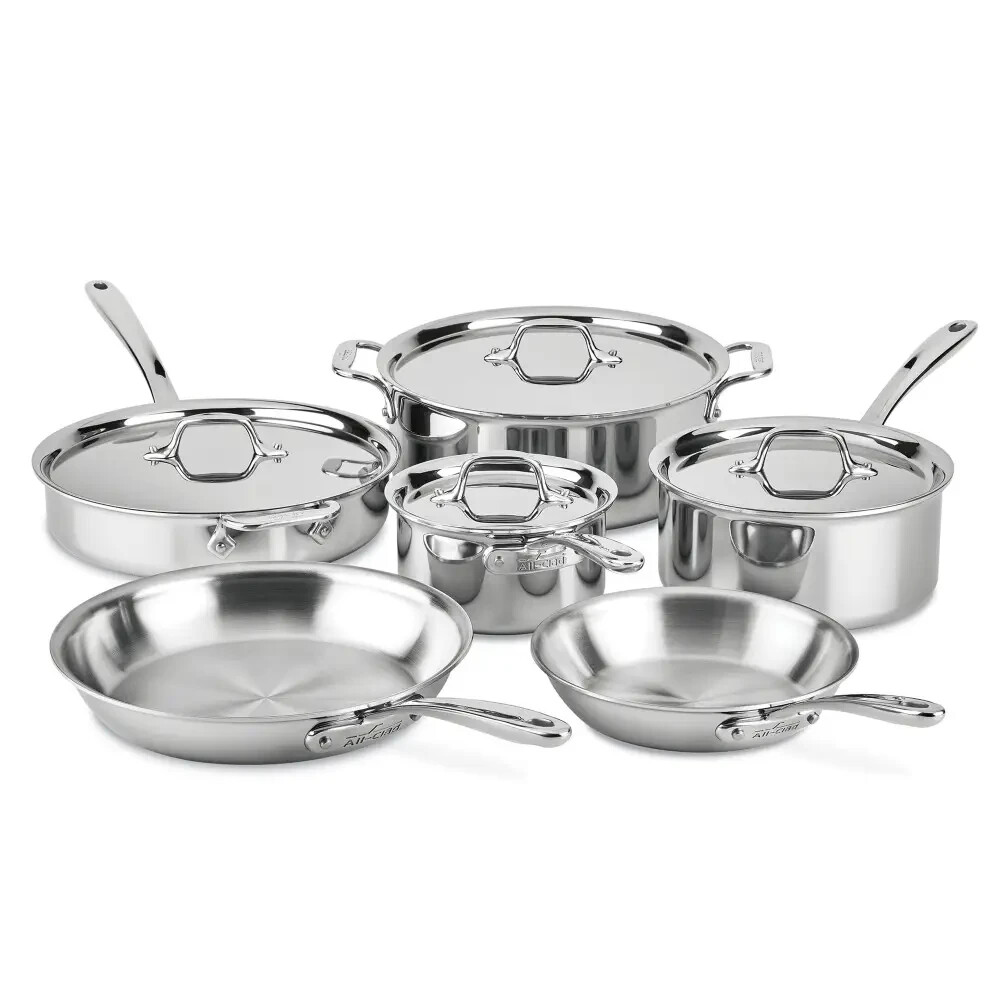
All-Clad sets are premium bonded stainless-steel cookware built around a full aluminum or copper core for even heat, but the line splits into distinct construction families that decide weight, induction compatibility, and oven safety. The core trade-off is ply count and core metal: 3-ply d3 is the value workhorse, 5-ply d5 adds a stainless core for weight and durability, and copper-core models trade heft for thermal responsiveness. Buy d3 for most gas/electric kitchens, step to d5 for induction and heavy daily use, and only pay for copper core if you sear and sauce at high heat.
Buying guide image
Air Fryers

Digital Air Fryer

Digital air fryers replace mechanical dials with a thermistor-controlled board and touch or LED interface, giving precise temperature steps (typically 5°F increments) and preset programs. The core trade-off is between a compact single-basket unit that heats fast and a dual-zone or large-capacity model that costs more counter space and wattage. Decide by your household size and whether you routinely cook two different foods at once: single 5-6 qt baskets suit 1-3 people, while 8-11 qt dual-zone units are the durable pick for families of 4+.

Buying guide image
Blenders & Juicers

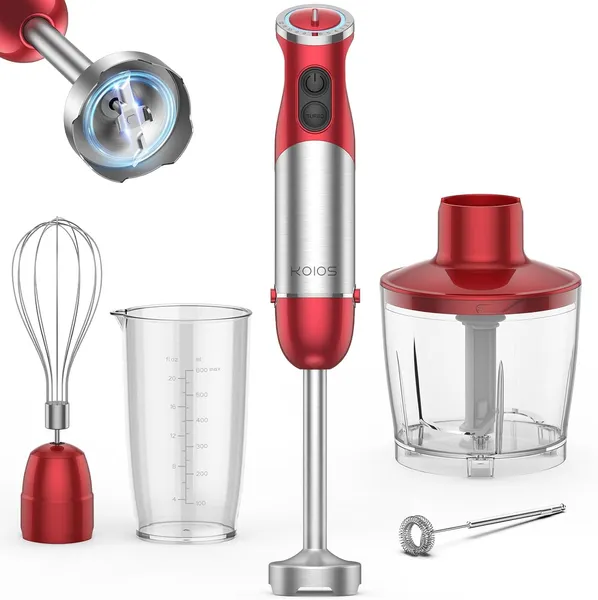
Handheld Blender Stick

A handheld blender stick (immersion blender) combines a motor housing and a detachable blending shaft, letting you puree soups, smoothies, and baby food directly in the vessel you cook or serve in. The core trade-off is motor architecture and duty cycle: DC/copper-motor units with metal gearboxes and stainless shafts handle hot, fibrous, and icy loads, while cheap AC-motor sticks with plastic couplings overheat and strip under sustained use. The decision rule: buy by wattage tier, shaft material, and attachment standard—not by advertised 'speed count' or accessory quantity.

Buying guide image
Cookware & Cutlery

Cooking Pan Set

A cooking pan set is a matched group of fry pans, saucepans, and/or stockpots designed to share lids and stack efficiently. The decisive trade-off is heat conductivity vs. durability: thin aluminum heats fast but warps, while clad stainless or cast iron heats slower but survives decades. Buy clad stainless or cast iron for daily high-heat cooking; skip uncoated thin-gauge aluminum unless you need ultralight camping gear.

Buying guide image
Air Fryers

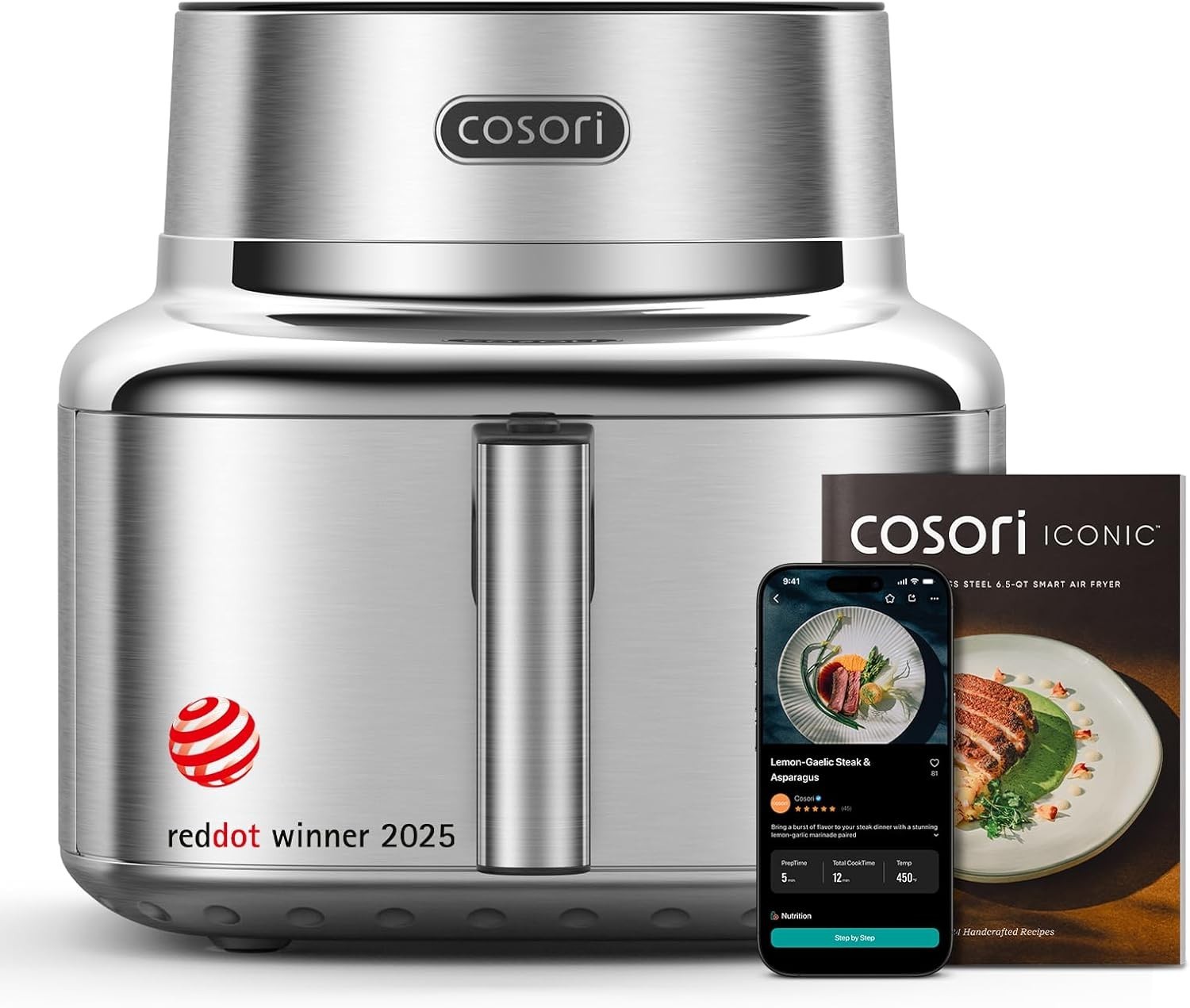
Smart Air Fryer

Smart air fryers combine convection heating with app or voice control, but the upgrade over a basic model is connectivity and presets, not cooking power. The core trade-off is between Wi-Fi/app ecosystems that add remote monitoring and recipe sync versus simpler dial or digital controls that last longer and cost less. Buy a smart model only if you will actually use remote start or app-guided recipes; otherwise a well-insulated digital air fryer with a ceramic or stainless basket delivers the same crisp results with fewer failure points.

Buying guide image
Water Filtration

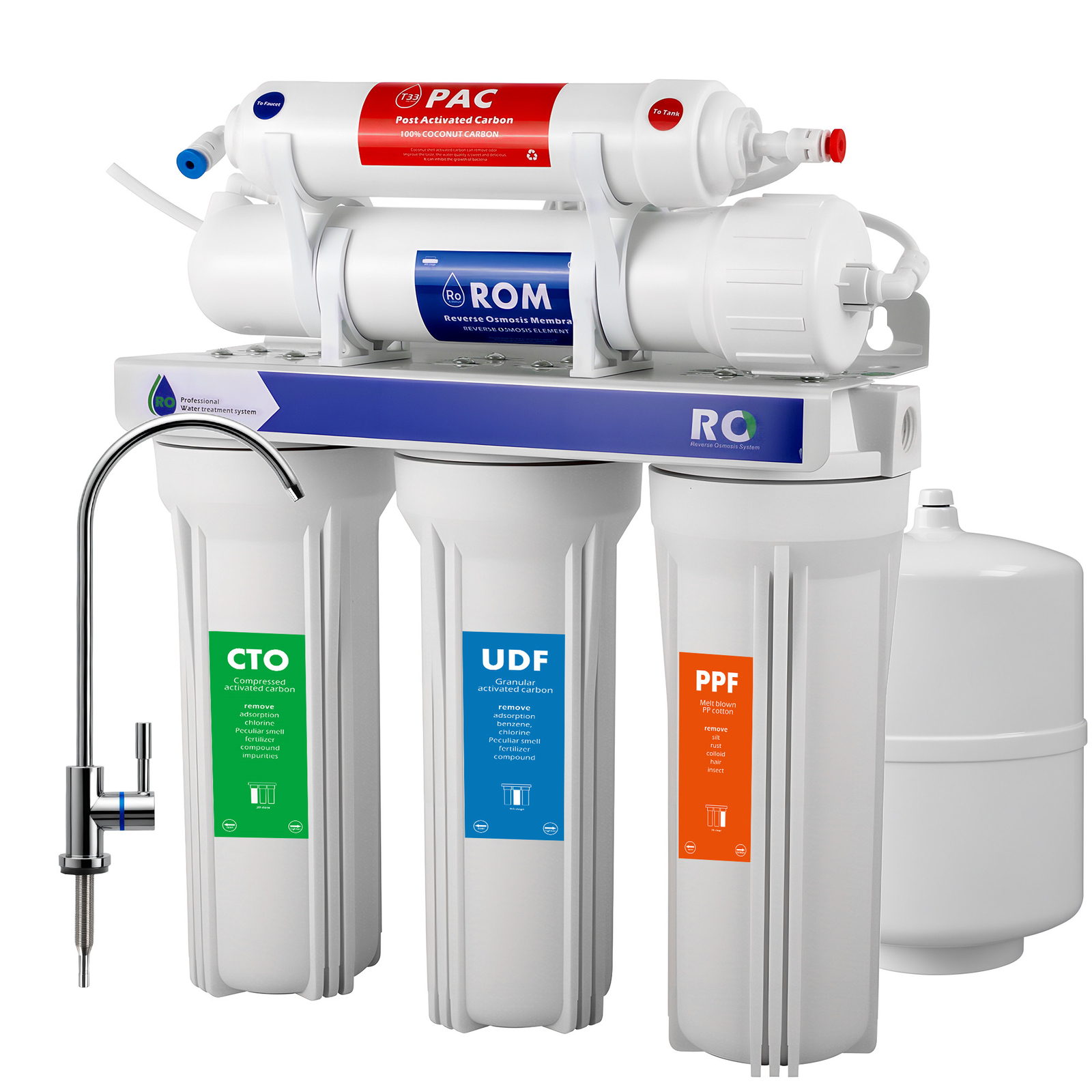
Drinking Water Filtration System

Drinking water filtration systems fall into two architectures: reverse osmosis (RO) that forces water through a semi-permeable membrane to strip dissolved solids, and hollow-fiber ultrafiltration (UF) that screens particles and cysts while leaving minerals. The core trade-off is rejection power versus waste, flow rate, and installation complexity — RO removes 90-99% of TDS but needs a drain line and produces reject water, while UF needs no drain and no tank but will not soften hard water. Buy RO for dissolved contaminants and better taste; buy UF when you have good municipal water and want sediment/cyst protection with minimal plumbing.

Buying guide image
Toasters & Ovens

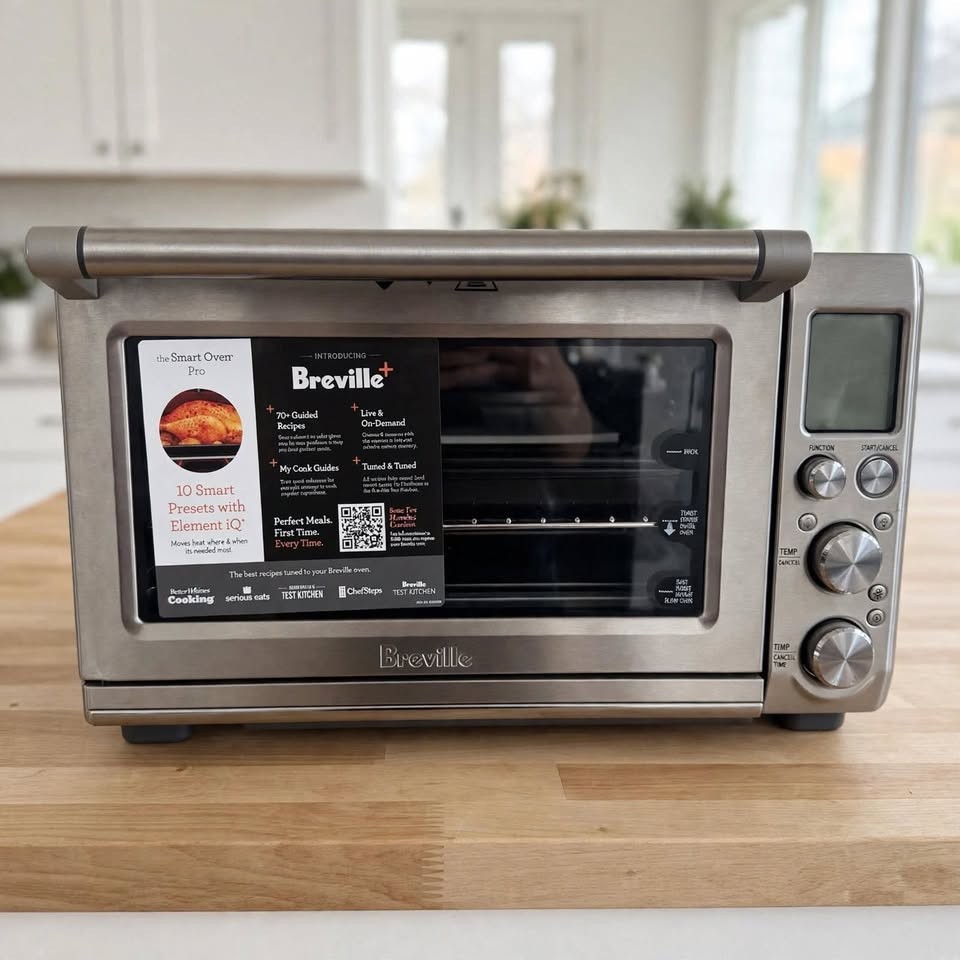
Breville Smart Toaster

The Breville Smart Toaster is a motorized, die-cast metal slot toaster with a 'A Bit More' and 'Lift & Look' feature, distinguished from cheap pop-up models by its gear-driven carriage and dedicated toast-lift lever. The core trade-off is paying for precise, repeatable browning and a 2-year build versus a plastic spring-loaded toaster that browns unevenly and fails at the latch. Buy the Smart Toaster if you toast daily and want exact control; skip it if you only need basic browning or have tight counter space.

Buying guide image
Coffee Makers & Espresso

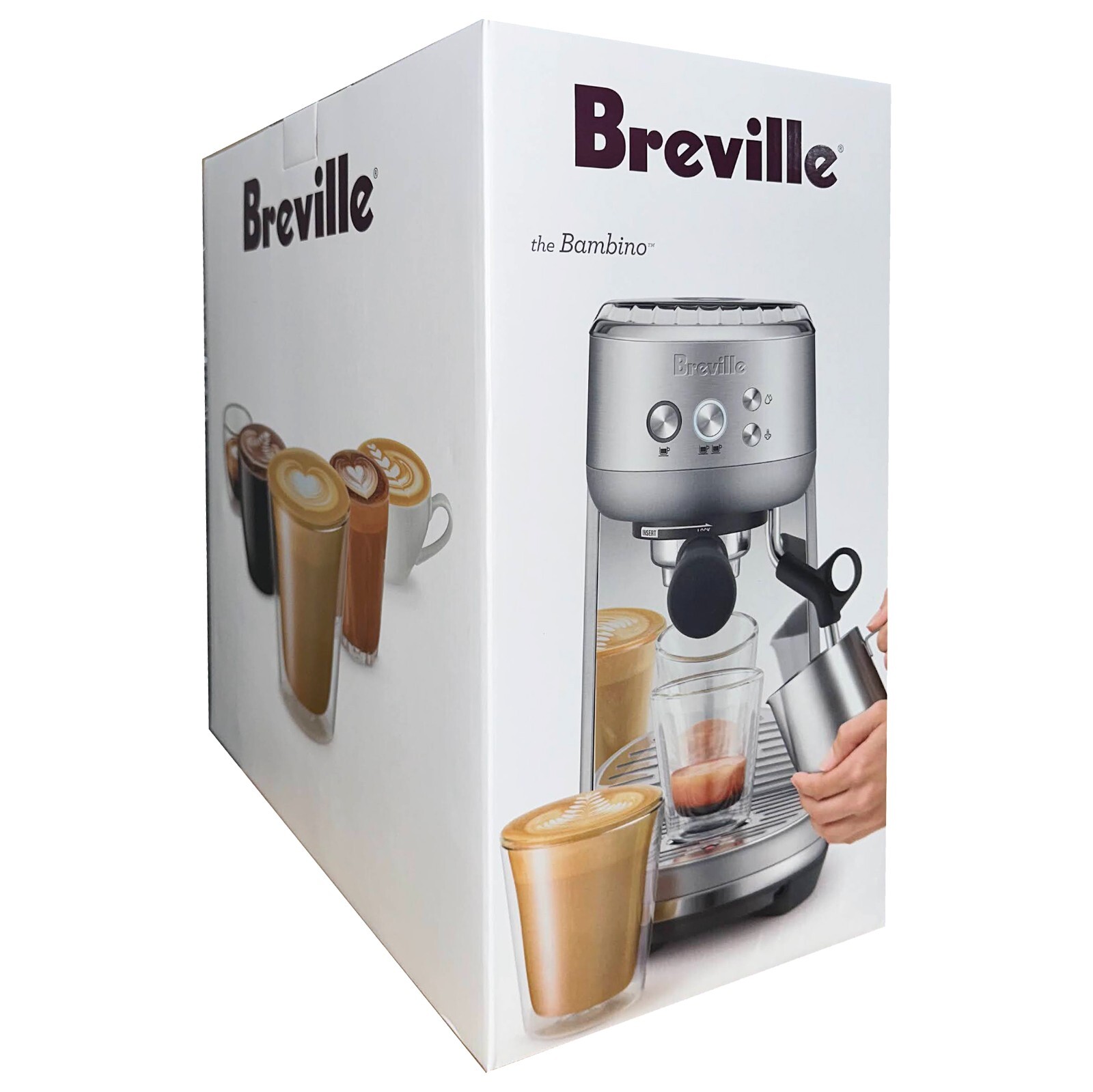
Breville Espresso Machine With Grinder

Breville espresso machines with built-in grinders combine dosing, tamping, and extraction into one integrated workflow, but the key trade-off is burr grinder quality and thermal stability versus price and counter footprint. The decisive rule: choose a model with conical burrs, PID temperature control, and at least 15 bars of pump pressure if you want café-grade consistency; avoid entry-level thermoblock units with pressurized baskets if you plan to use fresh, light-roast beans.

Buying guide image
Blenders & Juicers

Immersion Hand Blender

Immersion hand blenders are motorized stick mixers that puree soups, blend smoothies, and emulsify sauces directly in the vessel, trading total jar capacity for compact storage and fast cleanup. The core trade-off is motor architecture and shaft construction: DC/copper-wound motors with metal gearboxes and stainless shafts deliver sustained torque, while cheap AC motors with plastic couplings and thin chrome-plated shafts overheat and shear under dense loads. The decision rule is simple: buy a model with a copper or brushless DC motor, a stainless steel detachable shaft, at least 500W rated power, and a published speed range; skip fixed-speed plastic-shaft units with no included beaker or chopper.

Buying guide image
Food Processors & Choppers

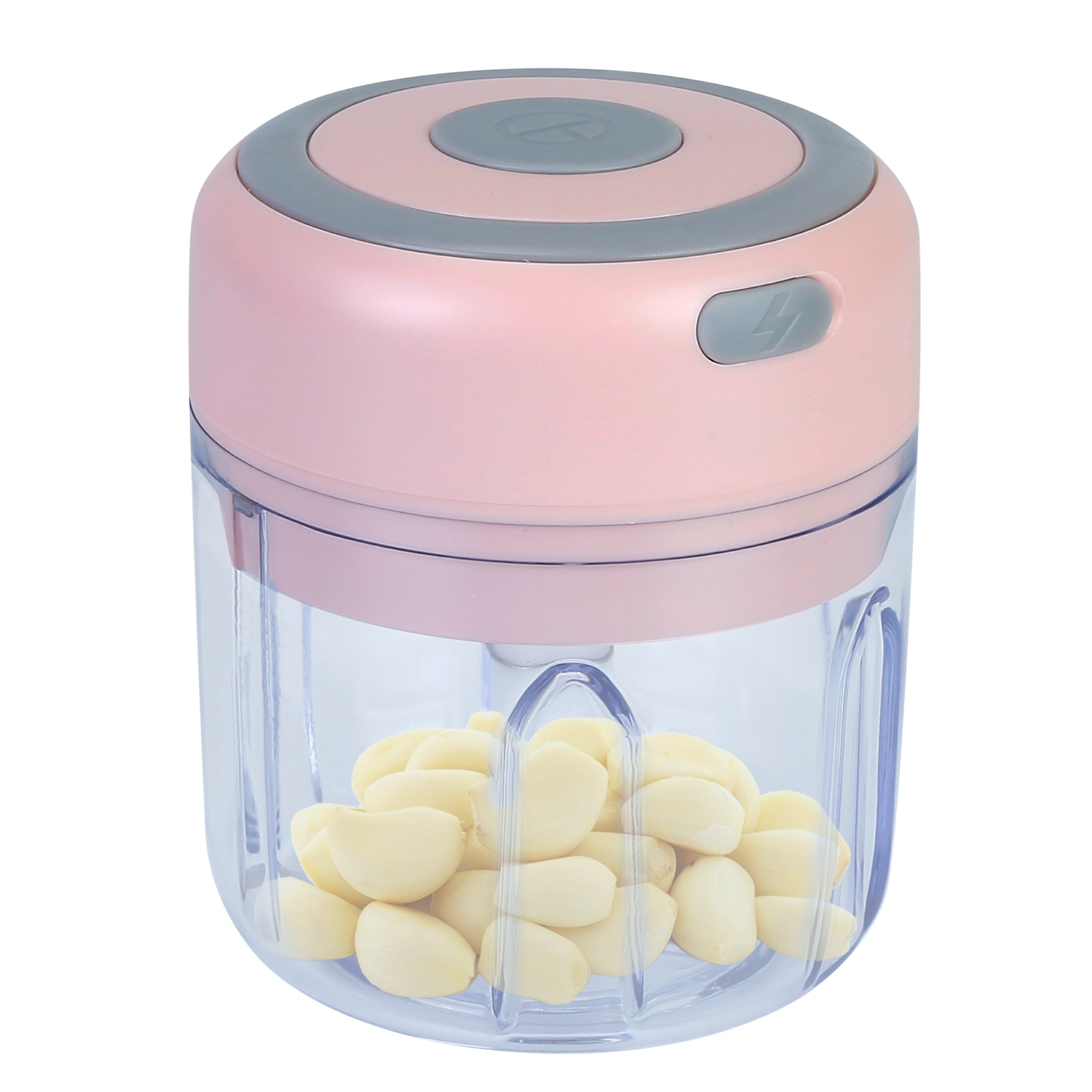
Mini Food Chopper

Mini food choppers are compact 1–3 cup electric tools for garlic, herbs, nuts, and small-batch prep, where the core trade-off is motor torque and blade rigidity versus bowl capacity and cordless convenience. Durable units use metal gearing, 304 stainless blades, and glass or thick Tritan bowls, while compromises rely on plastic drive couplings, stamped blades, and weak USB motors that stall on dense foods. Buy a corded model with metal gearing for daily garlic and nut work, or a USB cordless unit only for light aromatics and garnish volumes.

Buying guide image
Coffee Grinders

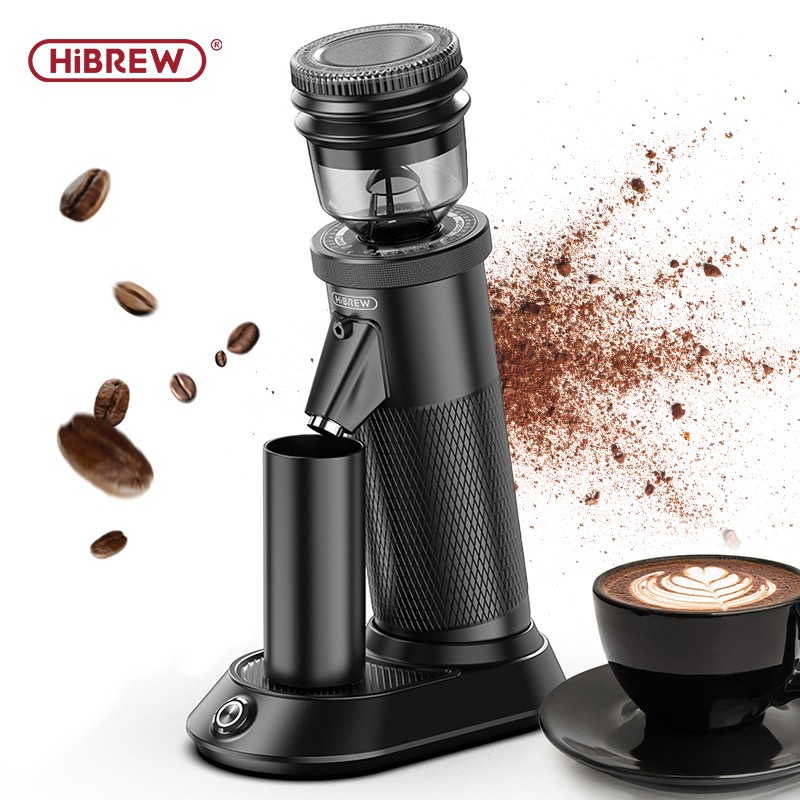
Single Dose Espresso Grinder

Single-dose espresso grinders are built for zero-retention workflows where you weigh beans in and get the same dose out, so burr geometry and alignment matter more than hopper size. Buyers often over-index on burr diameter while ignoring retention design, adjustment resolution, and whether the grinder is truly stepless or just numbered. Get the burr set and dosing path right first; cosmetics and hopper capacity are secondary.

Buying guide image
Coffee Grinders

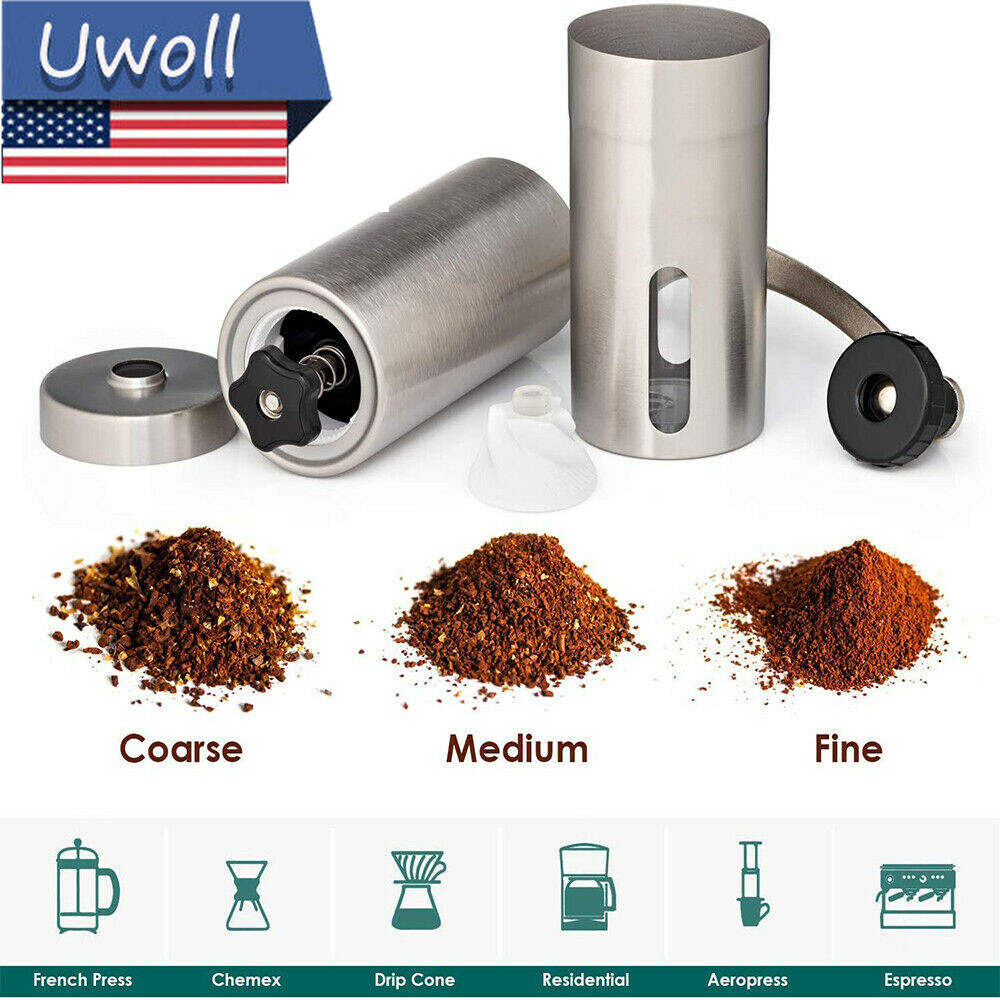
Stainless Steel Coffee Grinder

Stainless steel coffee grinders span three distinct architectures—hand crank mills with ceramic burrs, hand crank mills with stainless burrs, and electric burr grinders with stainless housings—so the label alone does not guarantee durability. The core trade-off is grind consistency versus price: ceramic burrs stay sharp longer in light use but chip on very coarse settings, while stainless burrs resist wear and static but demand tighter machining. Buy stainless for the burr set and adjustment mechanism first, and treat the exterior finish as cosmetic.

Buying guide image
Air Fryers

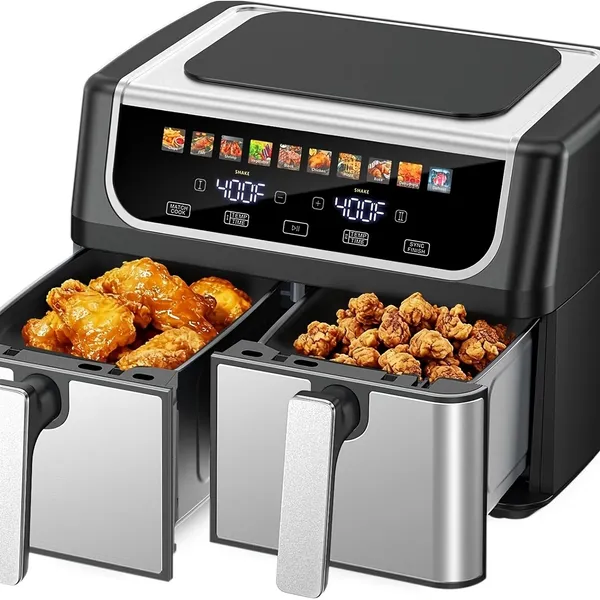
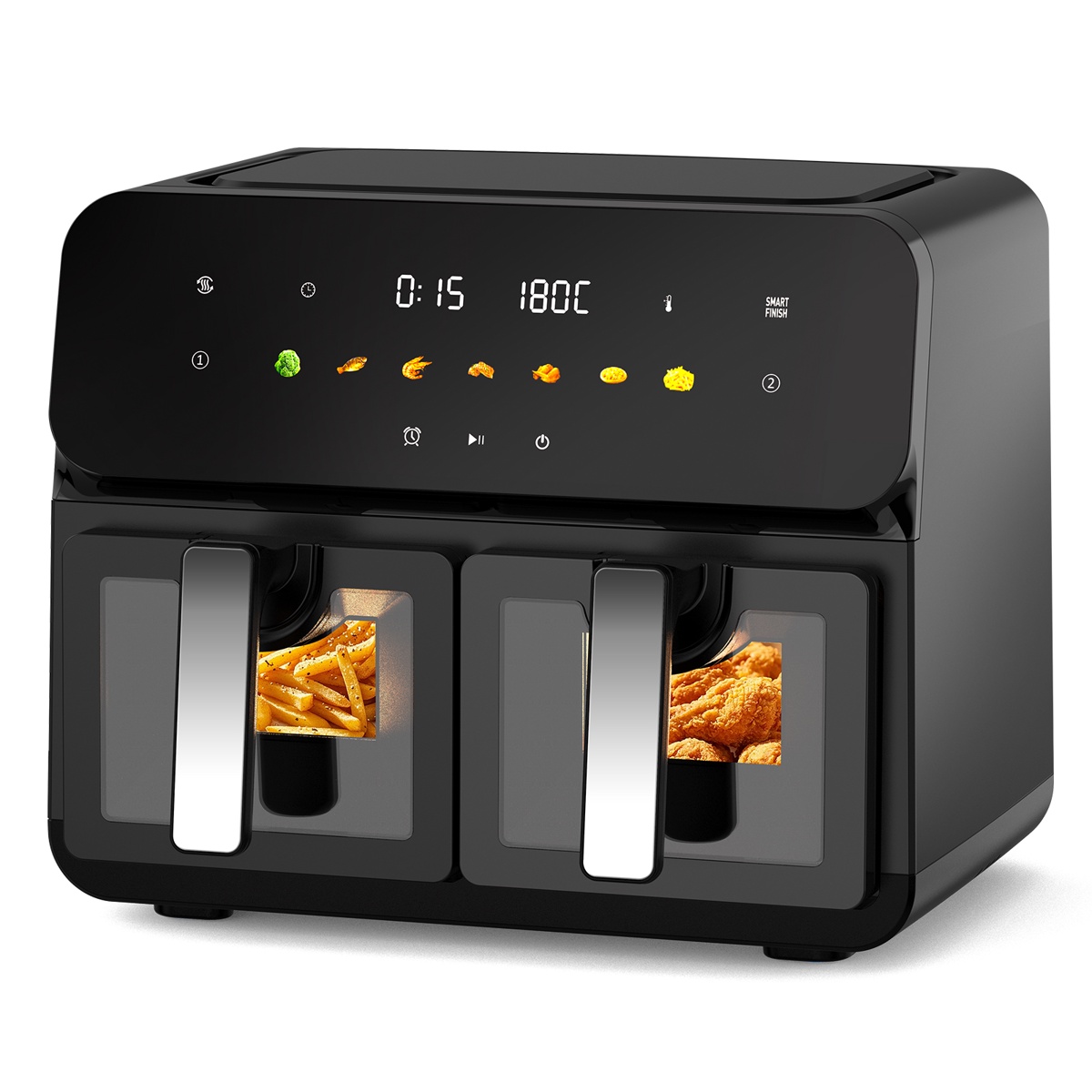
Double Basket Air Fryer

A double basket air fryer uses two independent cooking chambers to let you cook different foods at different temperatures and times simultaneously, eliminating the need to batch-cook or compromise on doneness. The primary trade-off is between total capacity and countertop footprint, plus the heating architecture: cheaper models use a single shared heating element and fan with a mechanical divider, while true dual-zone units have separate elements and fans per basket for genuine independent control. The clear decision rule: choose a true dual-zone model with independent thermostats and at least 5QT per basket for family meals; skip shared-element 'dual' baskets that are just a divider in one cavity, as they cannot hold two different temperatures.

Buying guide image
Home Refrigerators, Freezers & Wine Coolers

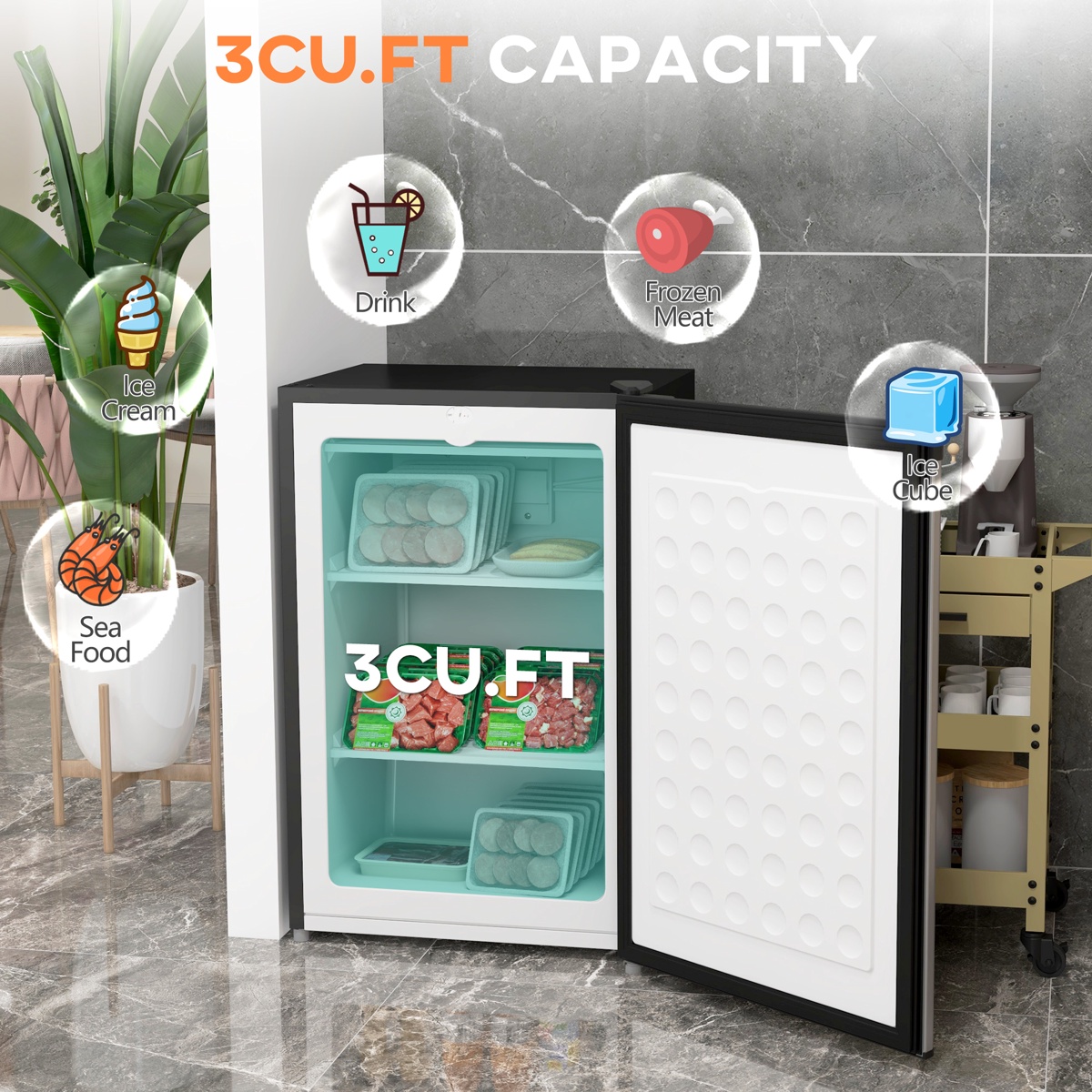
Small Freezer

Small freezers are compact 1.5–5 cu ft units that preserve food when full-size appliances are impractical, available as chest, upright, or hybrid fridge-freezer combos. The core trade-off is usable capacity versus cooling architecture: manual-defrost chests hold cold air and cost less to run, while frost-free uprights and combos add convenience at higher energy use. The decision rule: choose a manual-defrost chest for long-term frozen storage and a frost-free upright or combo for frequent access and mixed fresh/frozen use.

Buying guide image
Pour-Over & Manual Brewing

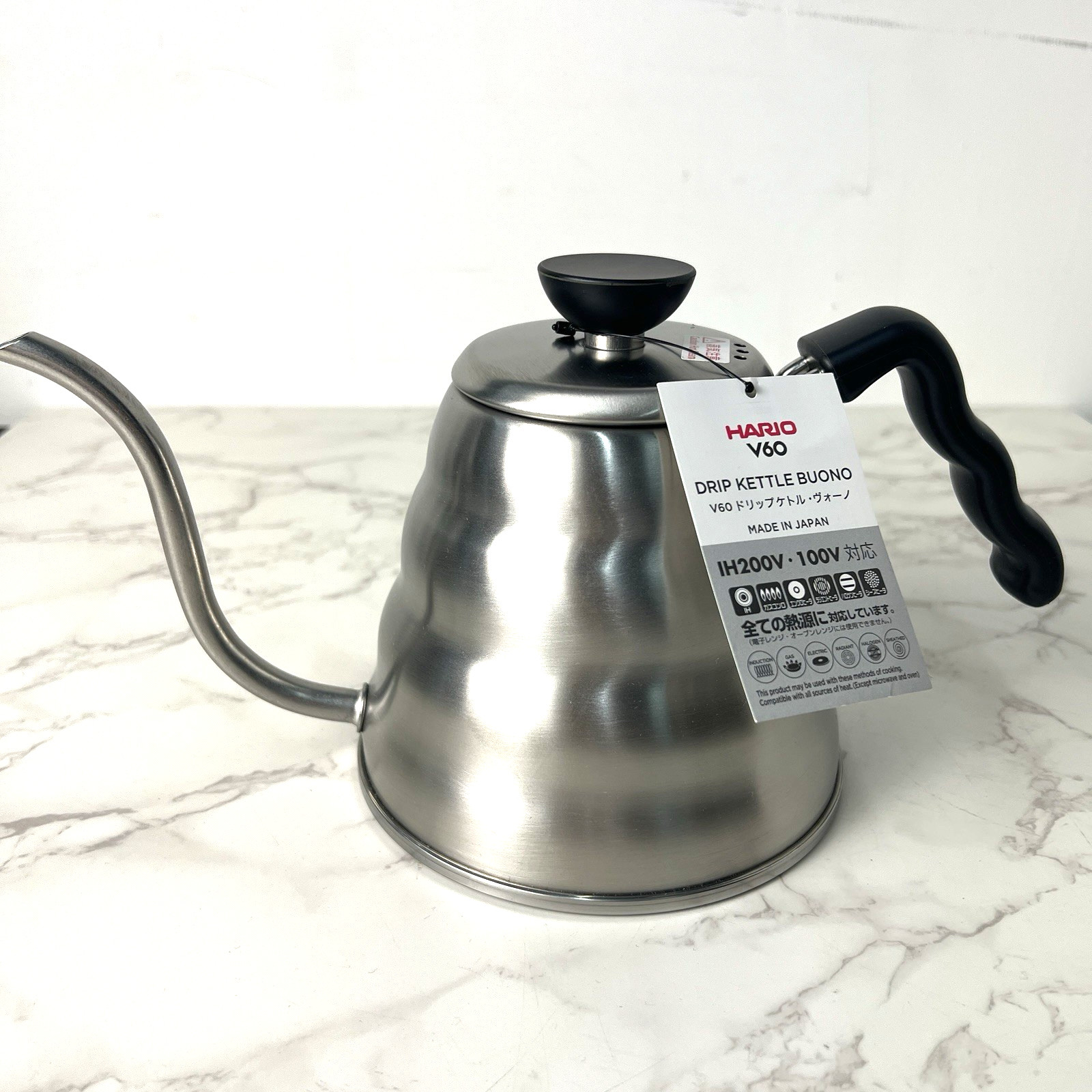
Gooseneck Kettle

A gooseneck kettle is a manual brewing vessel with a long, narrow spout that gives you precise control over pour rate and direction for pour-over coffee. The primary trade-off is between stovetop simplicity and electric temperature control: stovetop kettles are durable and inexpensive but require a separate thermometer, while electric models add variable temperature and hold settings at higher cost and with more failure points. Choose electric if you want repeatable temperature; choose stovetop if you prioritize durability, induction compatibility, and low maintenance.

Buying guide image
Cookware & Cutlery

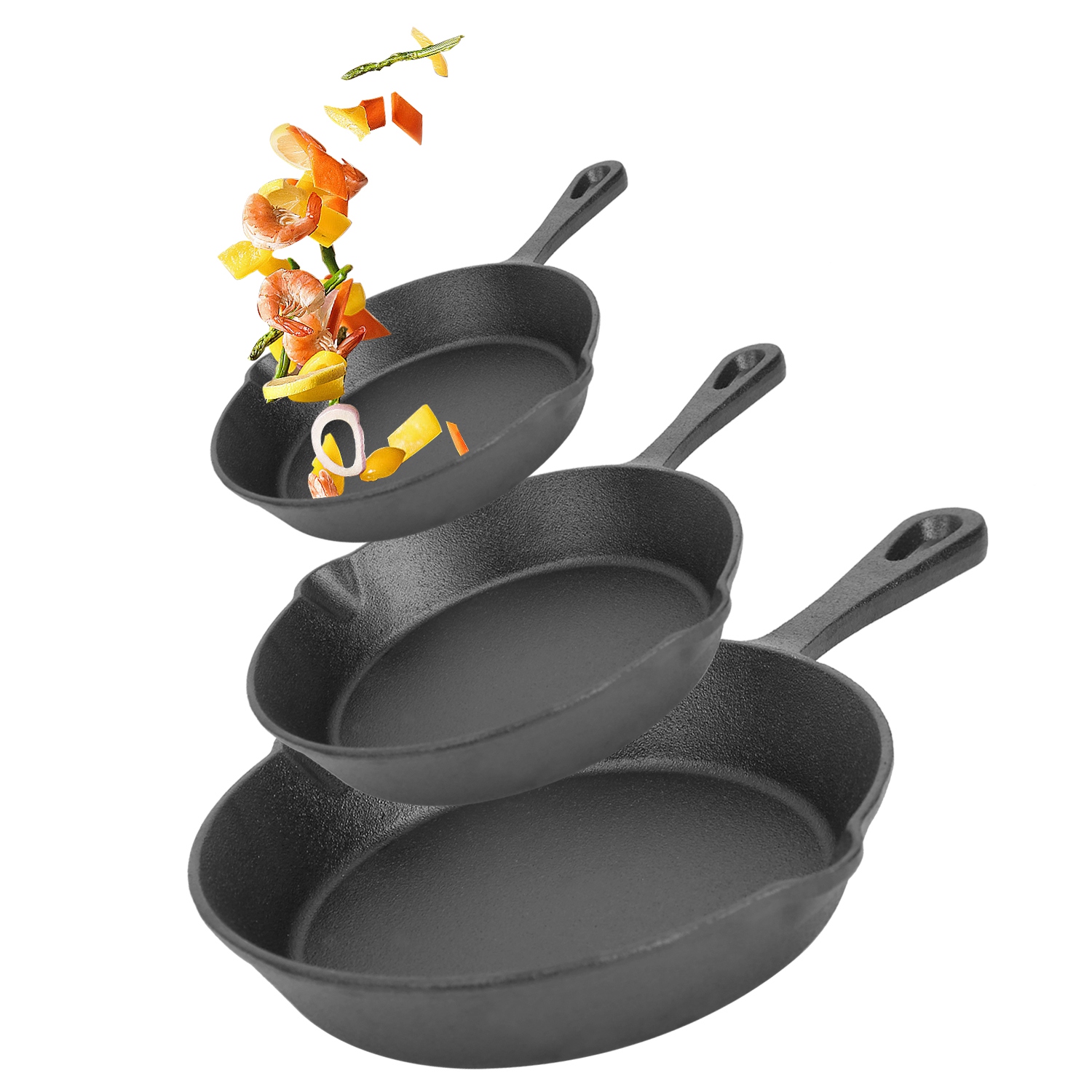
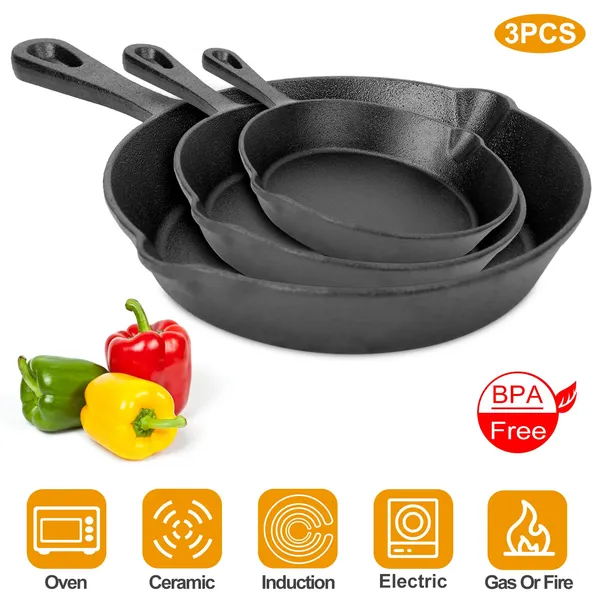
Cast Iron Skillet Set

A cast iron skillet set is a bundle of bare or enameled cast iron pans in graduated sizes, valued for heat retention, oven-to-stovetop versatility, and multi-generation durability. The core trade-off is wall thickness and casting quality versus weight and cost: thin, rough-cast pans heat unevenly and warp, while dense, smooth-cast iron costs more but sears and releases better. Buy pre-seasoned sets in the 6/8/10-inch tier when you want a complete starter kit; skip any set that lacks pour spouts, helper handles, or a flat, wobble-free base.

Buying guide image
Coffee Grinders

Manual Burr Coffee Grinder

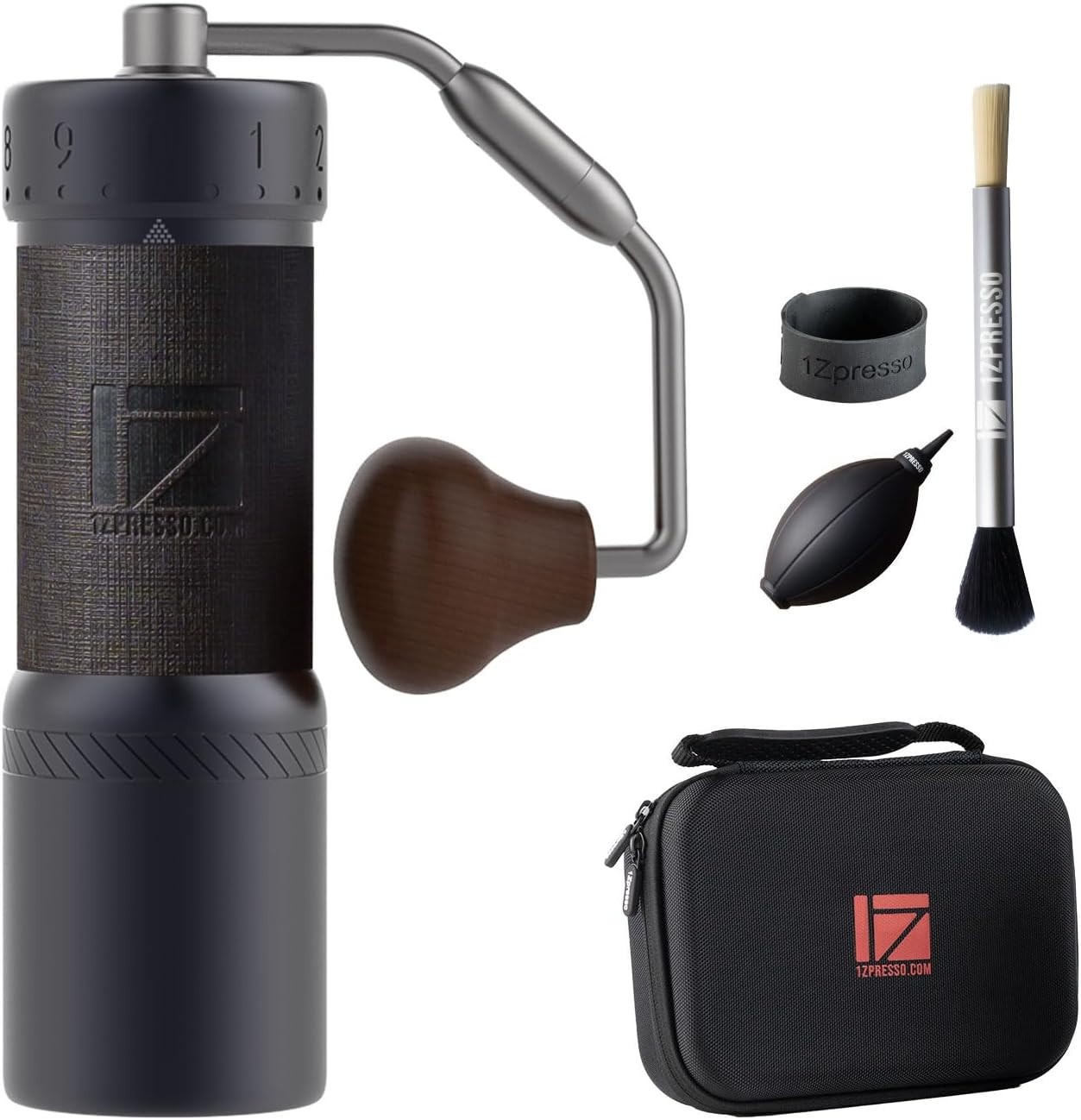
Manual burr coffee grinders use hand-cranked ceramic or steel burrs to crush beans consistently without electricity, trading speed and convenience for portability, low noise, and zero power draw. The core trade-off is burr material and geometry: ceramic burrs resist heat and corrosion but fracture under coarse settings, while hardened steel conical or flat burrs deliver better uniformity for espresso and pour-over. Choose a steel-burr model with external adjustment and a stabilized shaft for serious brewing; accept a ceramic-burr entry unit only for drip or French press.

Buying guide image
Cookware & Cutlery

Enameled Cast Iron Cookware Set

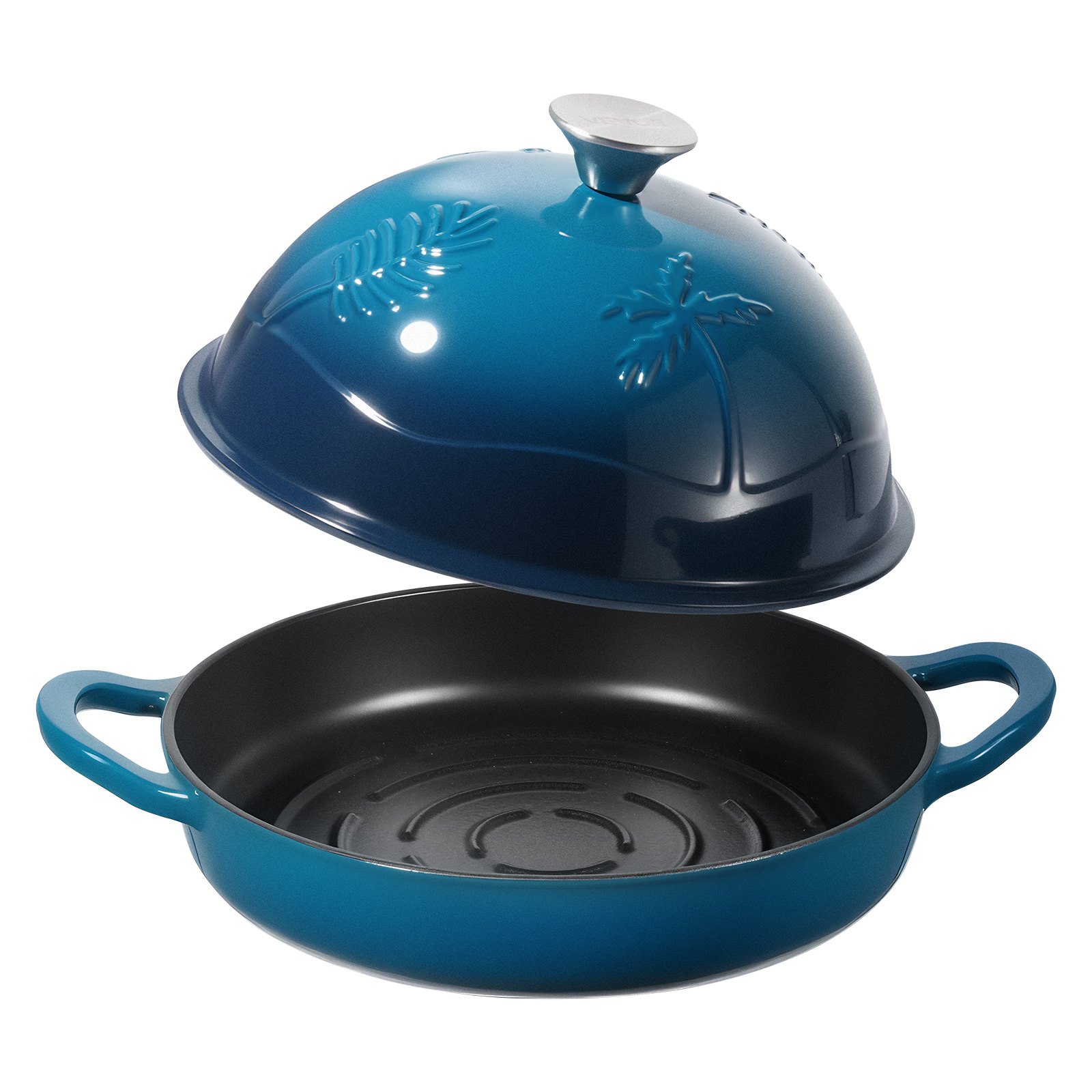
Enameled cast iron cookware sets pair a heavy cast-iron core with a fired glass enamel coating, giving you heat retention and browning plus a non-reactive, easy-release surface that never needs seasoning. The core trade-off is enamel quality and thickness versus iron mass: thin enamel chips at rim and handle stress points, while lighter iron heats unevenly, so set weight and rim finish are the real durability tells. Buy a set only when every piece is oven-safe to at least 450°F, has a fully enameled cooking surface, and the lids are self-basting; skip any set with bare-iron rims marketed as 'no seasoning needed' at low weight.

Buying guide image
Electric Kettles

Cordless Electric Kettle

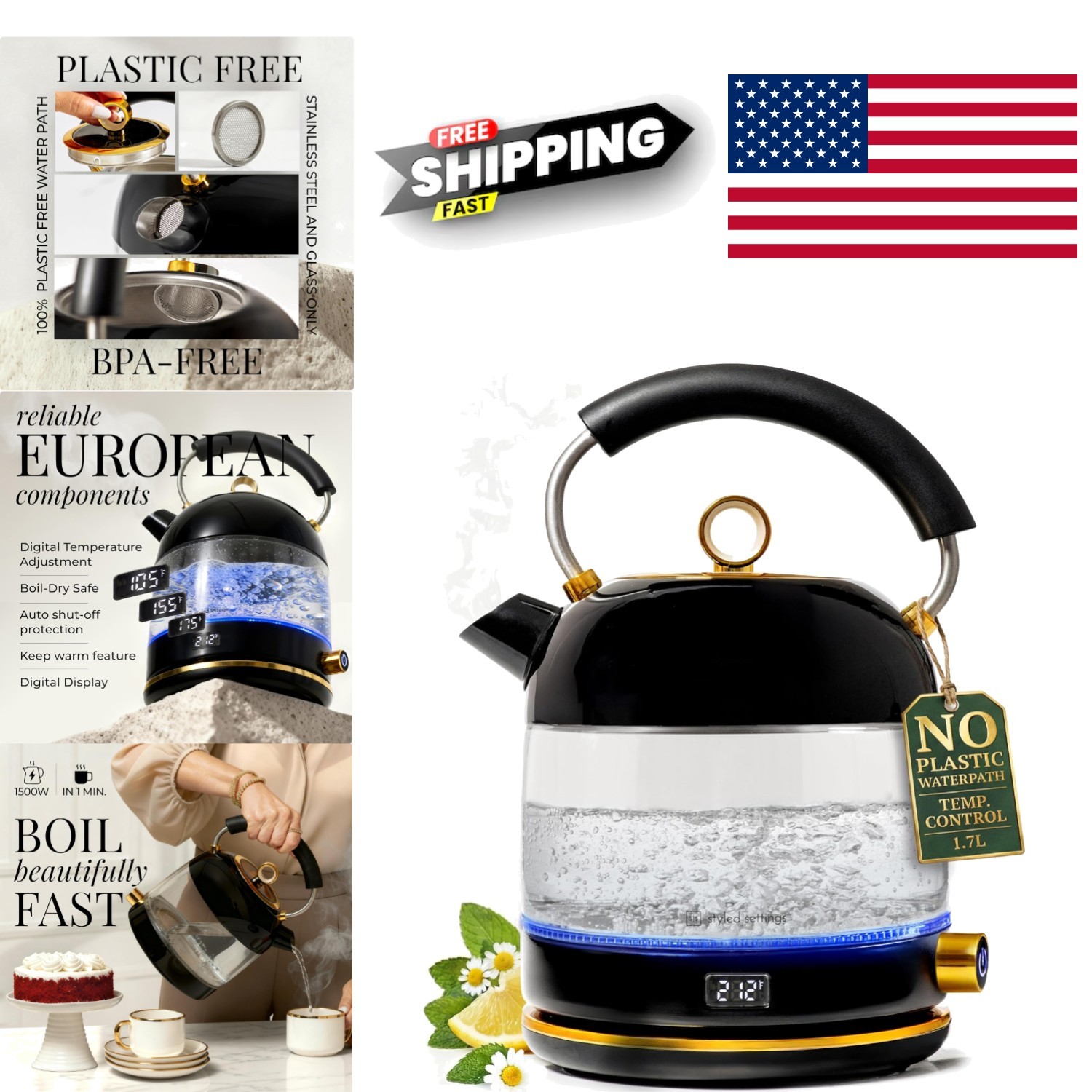
A cordless electric kettle separates the heating base from the water vessel, so you can pour without a tether; the core trade-off is between base-to-kettle power transfer reliability and pure cord-free convenience. Durable models use a seated 360° conductive coupling with a boil-dry safety cutout, while compromised units rely on weak contacts or thin gauge wiring that degrade at the connection point. Choose a cordless model only if the base stays on one counter and the kettle lifts freely; otherwise a corded kettle is simpler and more robust.

Buying guide image
Electric Kettles

Cordless Electric Tea Kettle

A cordless electric tea kettle separates the heating base from the pouring vessel, so you lift and pour without a cord tether. The core trade-off is heating speed and temperature control versus base stability and capacity: 360° swivel bases with stainless steel interiors are the durable standard, while plastic-bodied or fixed-cord models are the compromise. Choose a cordless model when you want one-hand pouring and easy countertop cleaning; skip it if you routinely boil more than 1.7 L per session.

You may also like

Finding more guides for you…