Kitchen Gear Wise

Kitchen Gear Wise

Kitchen Gear Reviews & Buying Guides

Compare kitchen gear by use case, features, trade-offs, price, returns, and seller terms before you buy.

Buying guides

Buying guide image
Cookware & Cutlery

Ceramic Pan Set

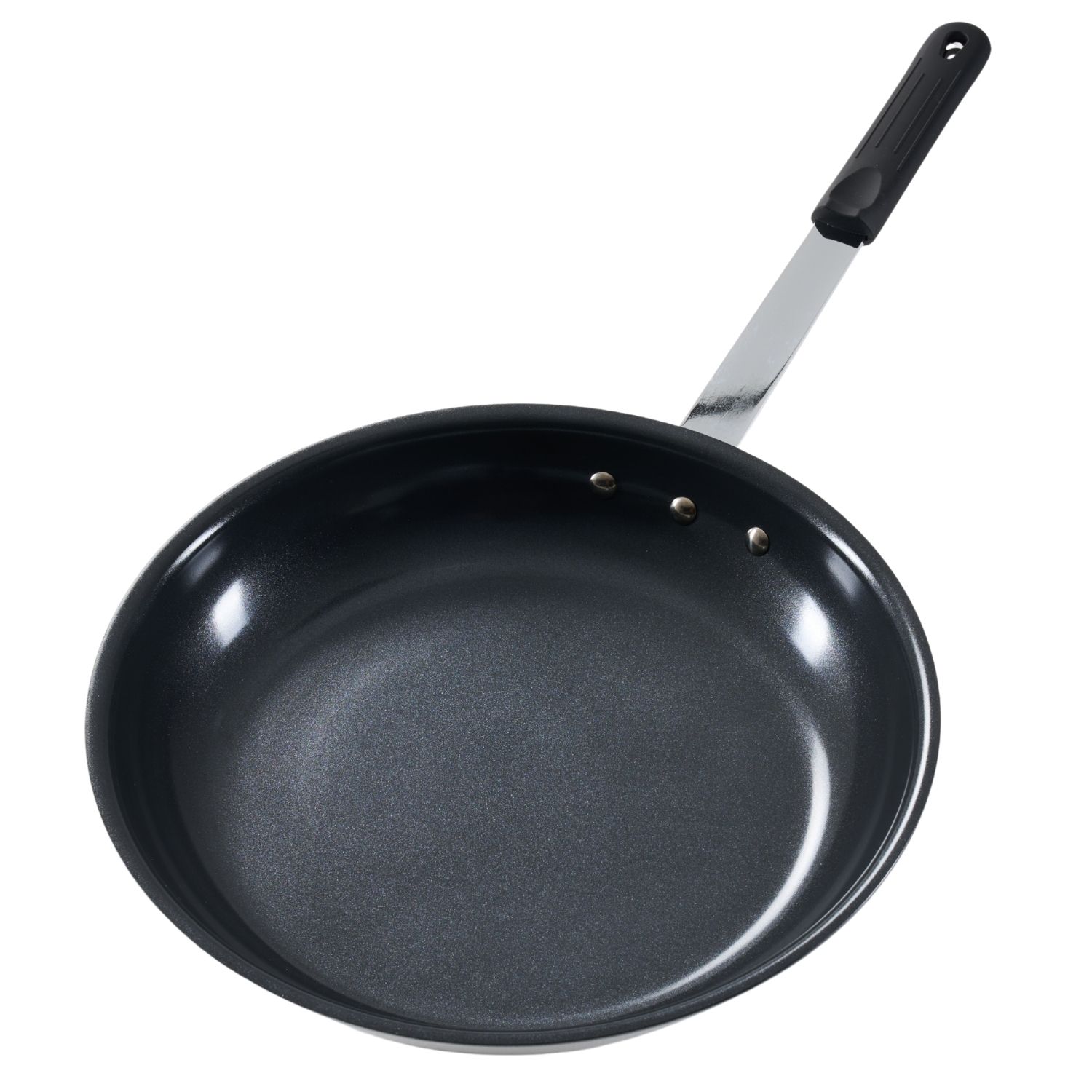
Ceramic pan sets pair a mineral-based (often sol-gel) nonstick coating with aluminum or stainless bases, trading the longer release life of PTFE for higher heat tolerance and PFAS-free cooking. The primary trade-off is coating durability versus base conductivity: thin stamped aluminum heats fast but warps, while clad stainless or forged aluminum with a magnetic base survives induction and oven use. The decision rule is simple—buy sets with a forged or clad base and a reinforced ceramic tier from a brand that specifies coating thickness; skip thin stamped pans with detachable handles or unrated coatings.
Buying guide image
Cookware & Cutlery

Ceramic Pot Set

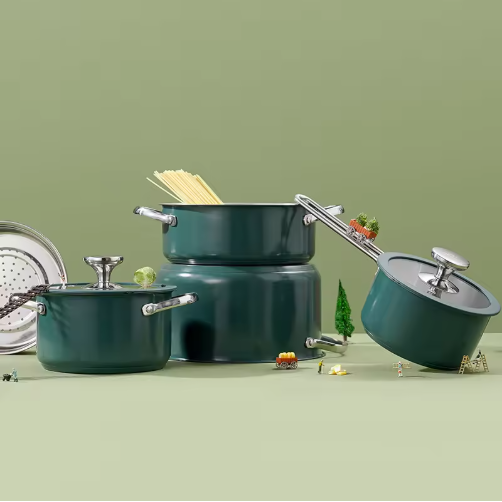
Ceramic pot sets span two very different architectures—true ceramic (clay/stoneware) and metal cookware with a ceramic nonstick coating—so the first decision is substrate, not color. The core trade-off is thermal mass and oven/table versatility versus lightweight, stick-resistant daily cooking; true ceramic survives high heat but chips, while coated metal resists sticking but degrades if overheated or scrubbed. Choose true ceramic for oven-to-table and slow moist cooking, coated metal for everyday stovetop speed and easy release.

Buying guide image
Dishwashers

Stainless Steel Dishwasher

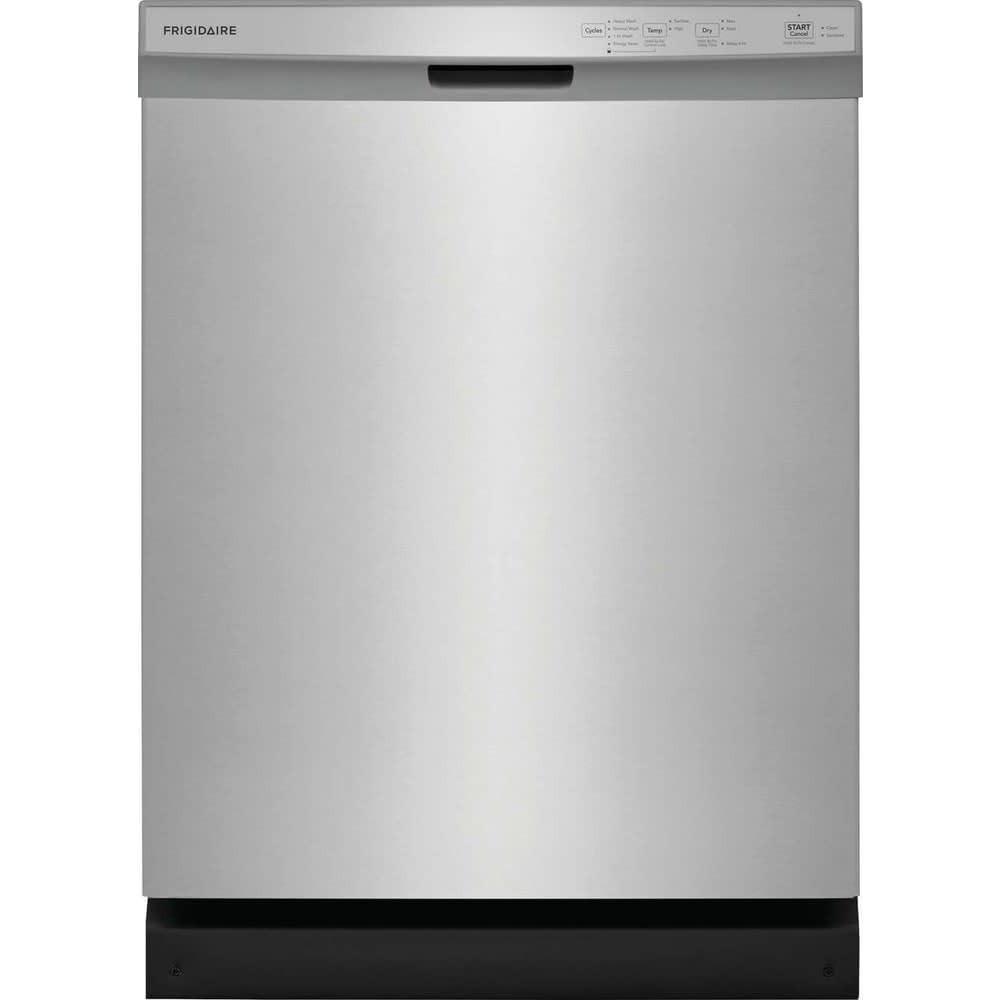
Stainless steel dishwashers are built-in or portable units whose tub, door, and often interior components use stainless steel rather than plastic, delivering better heat retention, quieter operation, and longer service life. The key trade-off is between a full stainless steel tub (durable, hygienic, quieter) and a stainless exterior only over a plastic tub (cheaper but louder and less heat-efficient). Decide by tub material first: full stainless steel tubs are the durable standard; stainless-front-over-plastic is a cosmetic compromise.

Buying guide image
Water Filtration

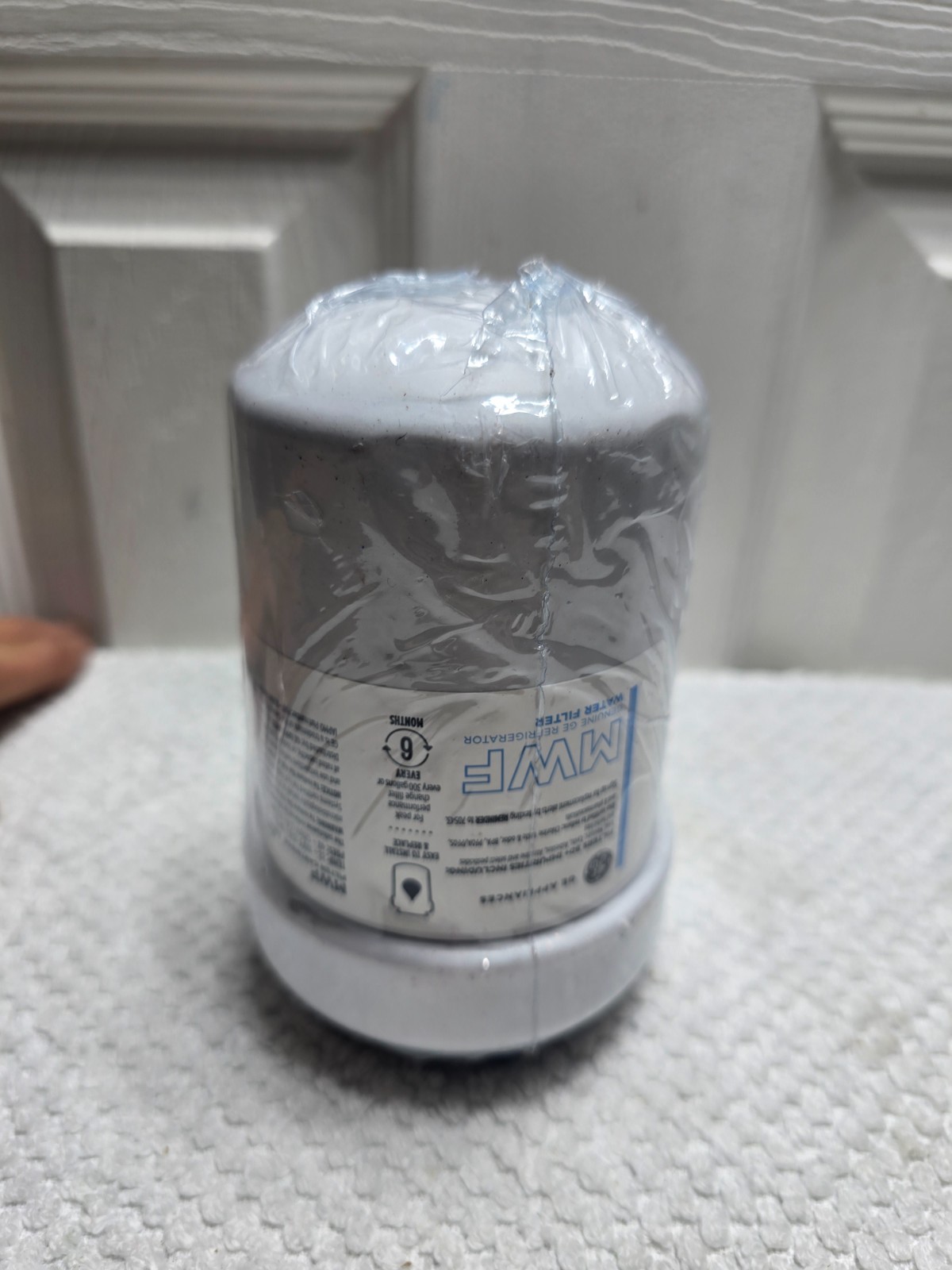
Ge Refrigerator Water Filter Replacement

GE refrigerator water filters are cartridge-based replacements that fit specific GE and Hotpoint fridge models, primarily using the XWF, MWF, or MSWF filter families. The core trade-off is between genuine GE filters with guaranteed fit and certified contaminant reduction versus aftermarket compatible cartridges that may use different media grades and O-ring tolerances. Choose a genuine or certified-compatible filter matched exactly to your fridge's model number; skip any cartridge that cannot confirm the correct series and NSF certification.

Buying guide image
Bread Ovens & Dutch Ovens

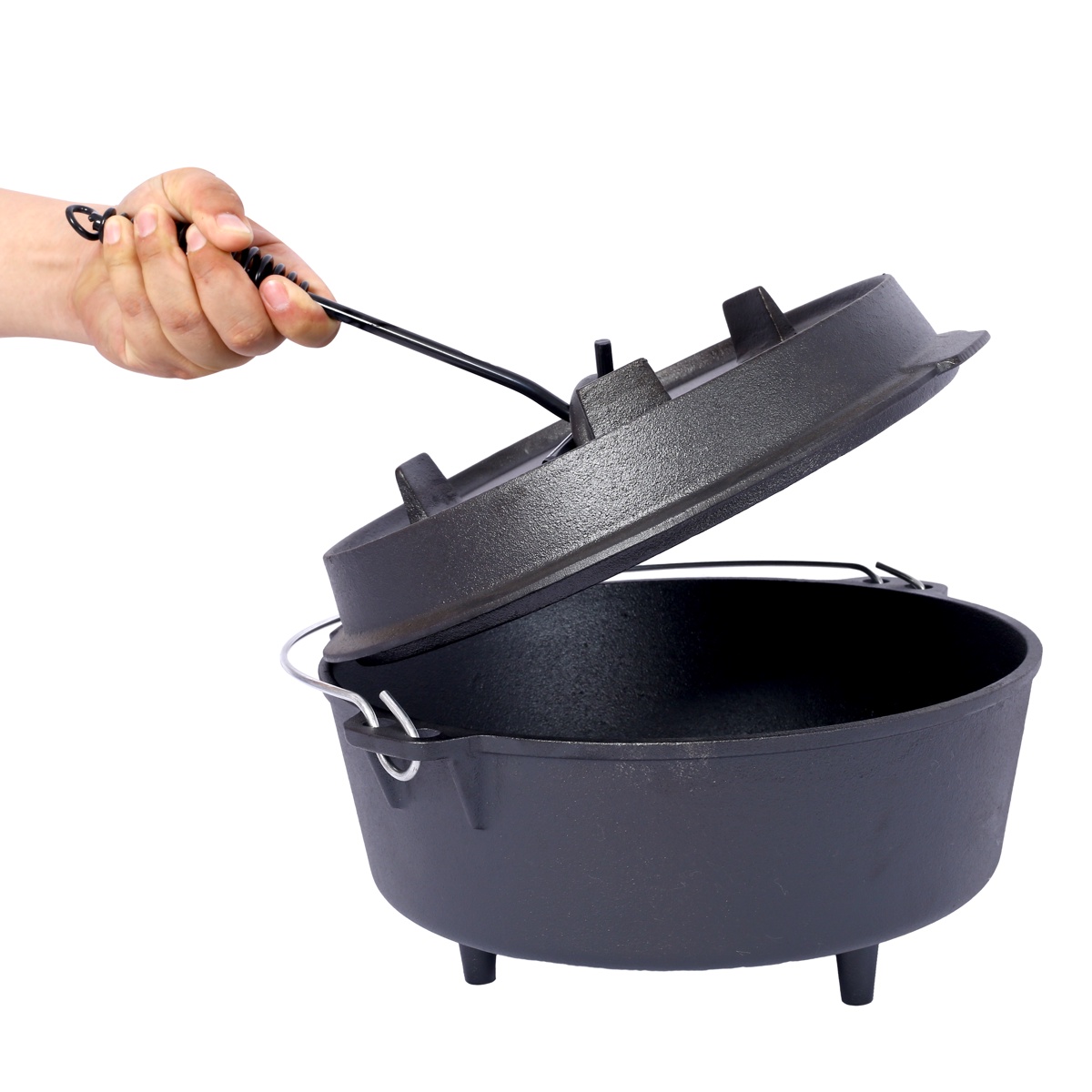
Seasoned Cast Iron Dutch Oven

Seasoned cast iron Dutch ovens are thick-walled, pre-treated iron pots that excel at heat retention and are built for open flame, campfire, and oven use. The primary trade-off is between bare seasoned iron (maximum durability and heat tolerance but requires maintenance) and enameled cast iron (easier cleaning but chips under high heat or impact). The decision rule: choose bare seasoned cast iron if you cook over live fire, coals, or high heat and accept oiling upkeep; choose enameled only for low-to-medium oven/stovetop work where acidic foods and easy cleanup matter more than ruggedness.

Buying guide image
Cookware & Cutlery

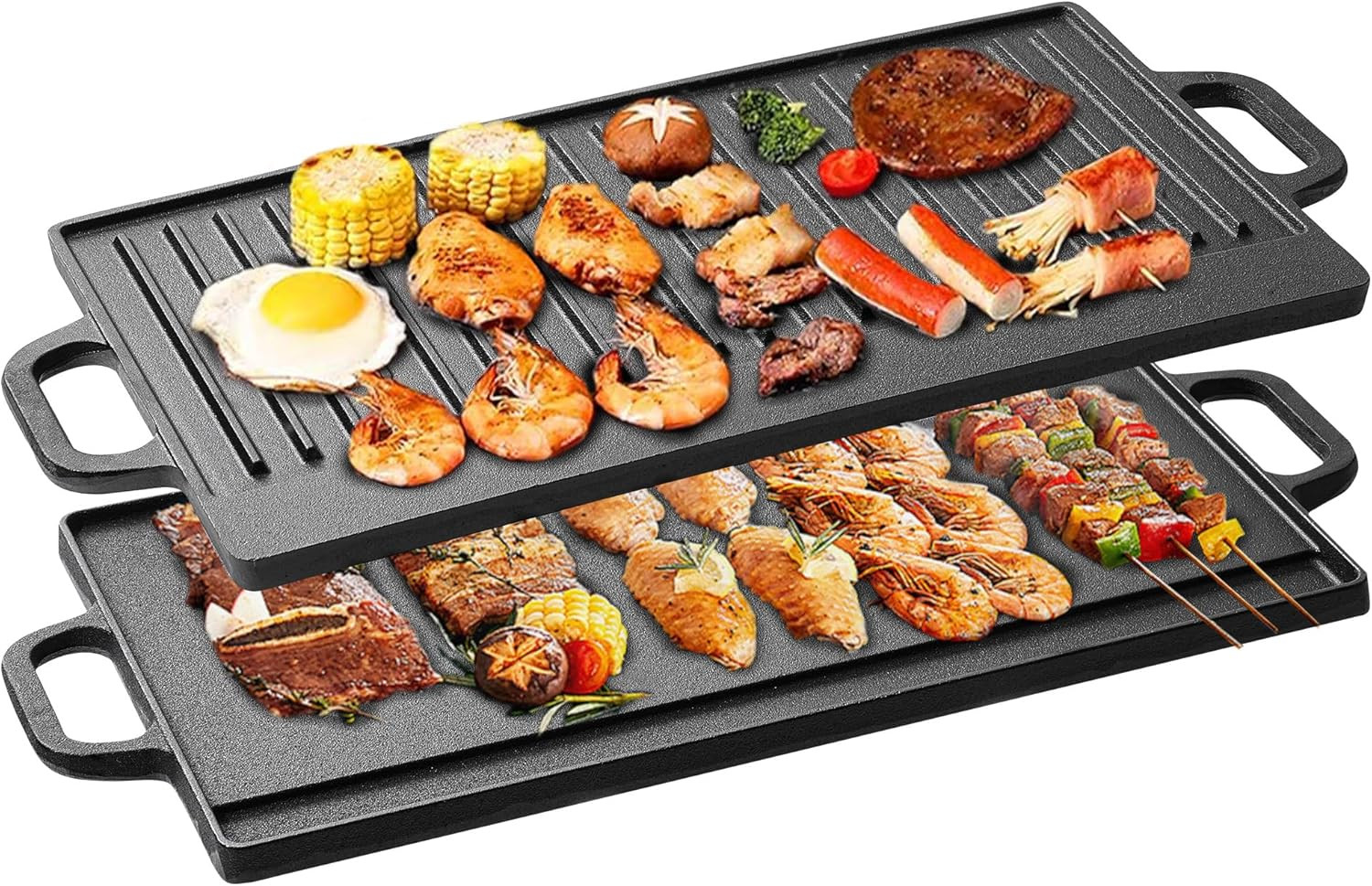
Stove Griddle

Stove griddles turn a standard range or gas grill into a flat-top cooking surface, but the wrong material or footprint wastes heat, warps, or blocks burners. The decisive variables are plate material and thickness, dimensional fit over your burner grates, and whether the surface must span one or two burners. Buyers commonly overbuy a large two-burner plate for a single-burner need, or choose thin carbon steel that bows under high heat.

Buying guide image
Blenders & Juicers

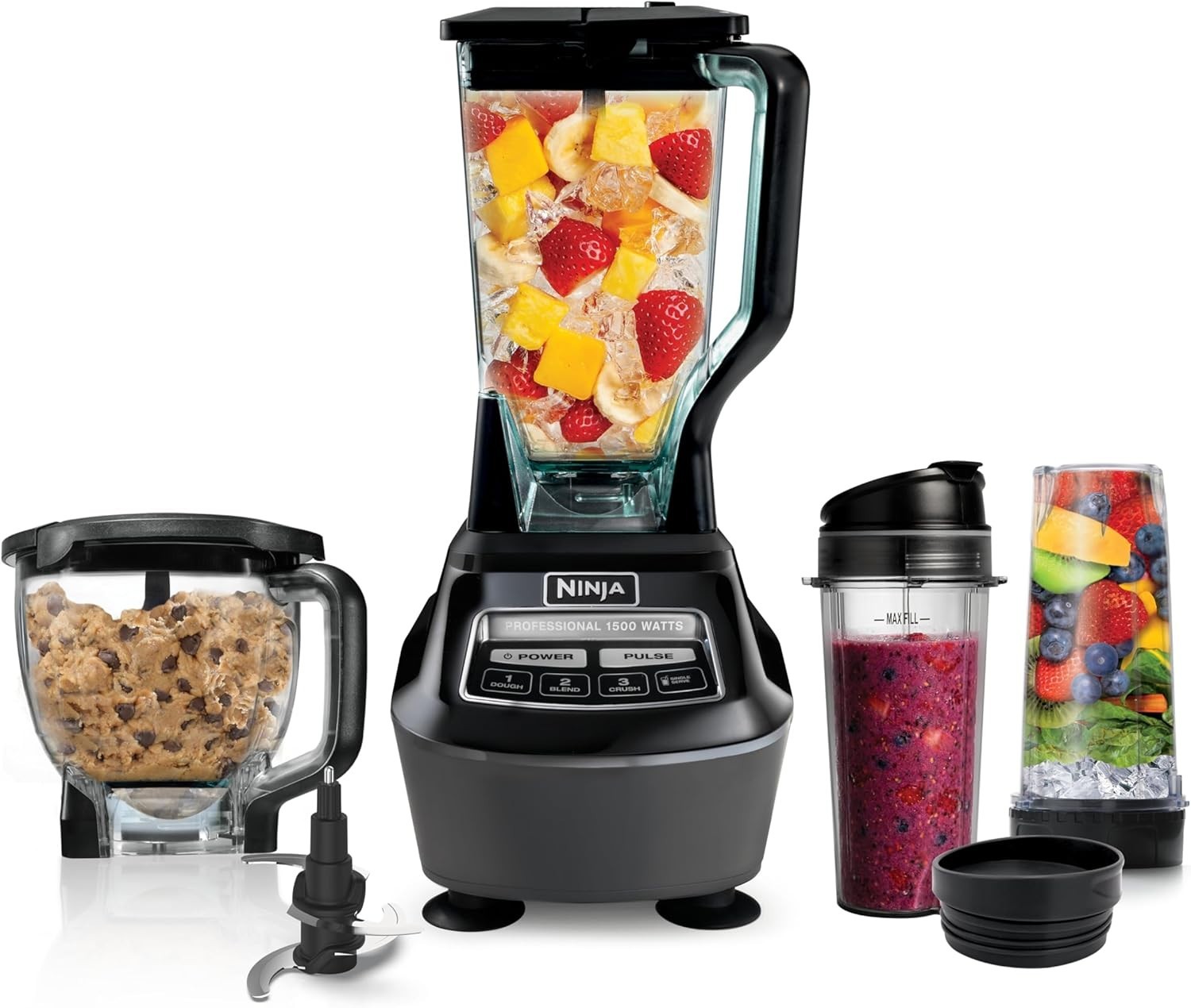
Ninja Blender And Food Processor

Ninja's blender-and-food-processor combo machines pair a high-torque motor base with interchangeable blender and processor attachments, so you buy one base for smoothies and chopping rather than two appliances. The core trade-off is motor architecture and jar/attachment compatibility: older Auto-iQ bases use proprietary twist-lock attachments, while newer Detect and Power Nutri systems add smart programs and different blade geometry. Pick a combo whose base wattage and attachment family match your heaviest daily task, and skip bare single-purpose blender SKUs if you genuinely need processing.

Buying guide image
Blenders & Juicers

Ninja Blender Food Processor

Ninja blender-food-processor combos pair a high-torque blender base with a food-processor bowl or processor attachment, letting one motor drive both wet blending and dry chopping/prep tasks. The core trade-off is motor architecture and jar/bowl material versus attachment interchangeability: models with a shared power head and dedicated processor bowl outperform combo units that rely on blender pitchers as makeshift processor bowls. The decision rule is simple—buy a unit with a true processor bowl (not a blender pitcher with a chopping blade) and at least 1000 watts if you regularly process dough, nuts, or fibrous vegetables; settle for lower wattage only if you blend smoothies and light chopping.

Buying guide image
Coffee Makers & Espresso

Stainless Steel French Press

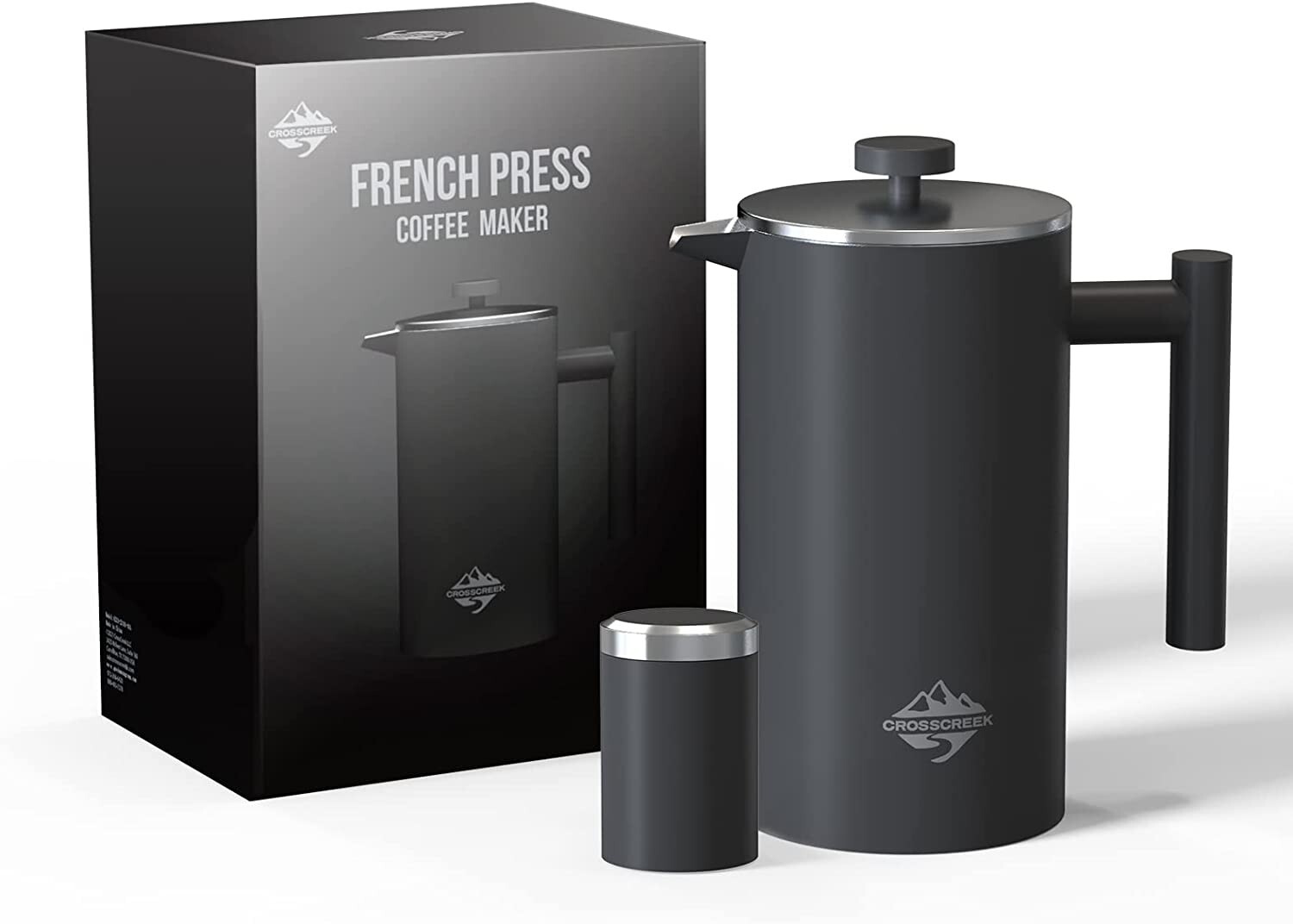
A stainless steel French press is a full-immersion brewer built from 304-grade steel instead of glass, trading visual clarity for impact resistance and heat retention. The key buying trade-off is double-wall vacuum insulation versus single-wall construction: insulated models hold temperature for 30+ minutes but are heavier and not dishwasher-safe, while single-wall models are lighter, cheaper, and easier to clean. The decision rule is simple: buy double-wall 304 stainless with a dual-stage mesh filter if you brew for one to four people and want café-grade durability; skip thin single-wall presses under 0.6mm wall thickness and any press with a plastic plunger assembly.

Buying guide image
Home Refrigerators, Freezers & Wine Coolers

Mini Drink Fridge

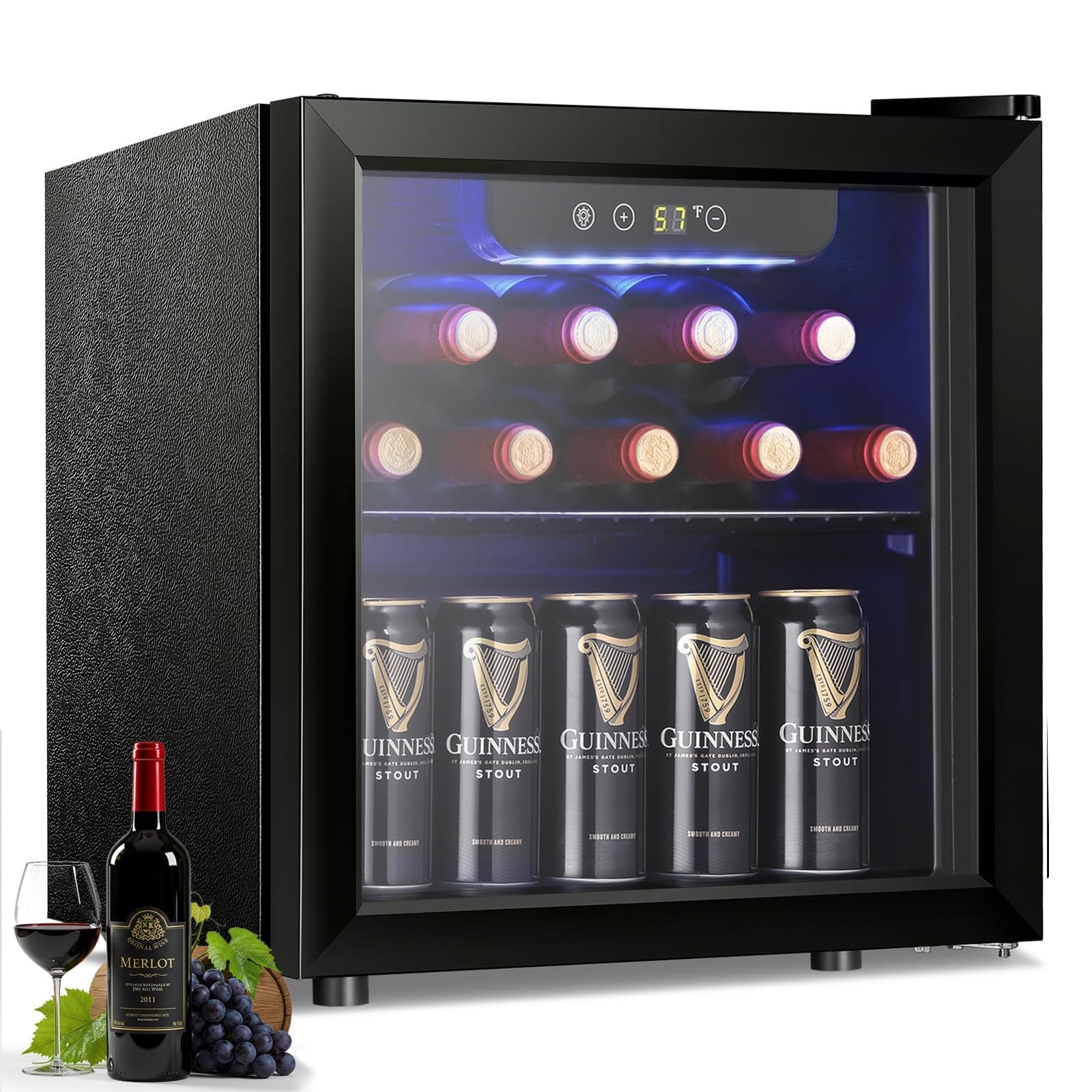
A mini drink fridge is a compact beverage chiller, typically 1.0–2.5 cu. ft, that trades total capacity for countertop footprint and quick can/bottle access. The core trade-off is thermoelectric (Peltier) cooling, which is silent and vibration-free but only holds about 34–40°F below ambient, versus compressor cooling, which reaches true refrigerator temps (34–39°F) in any room but adds noise and weight. Choose compressor for food-safe cold and warm rooms; choose thermoelectric only for already-cool spaces and short-term can chilling.

Buying guide image
Slow & Pressure Cookers

Electric Pressure Cooker

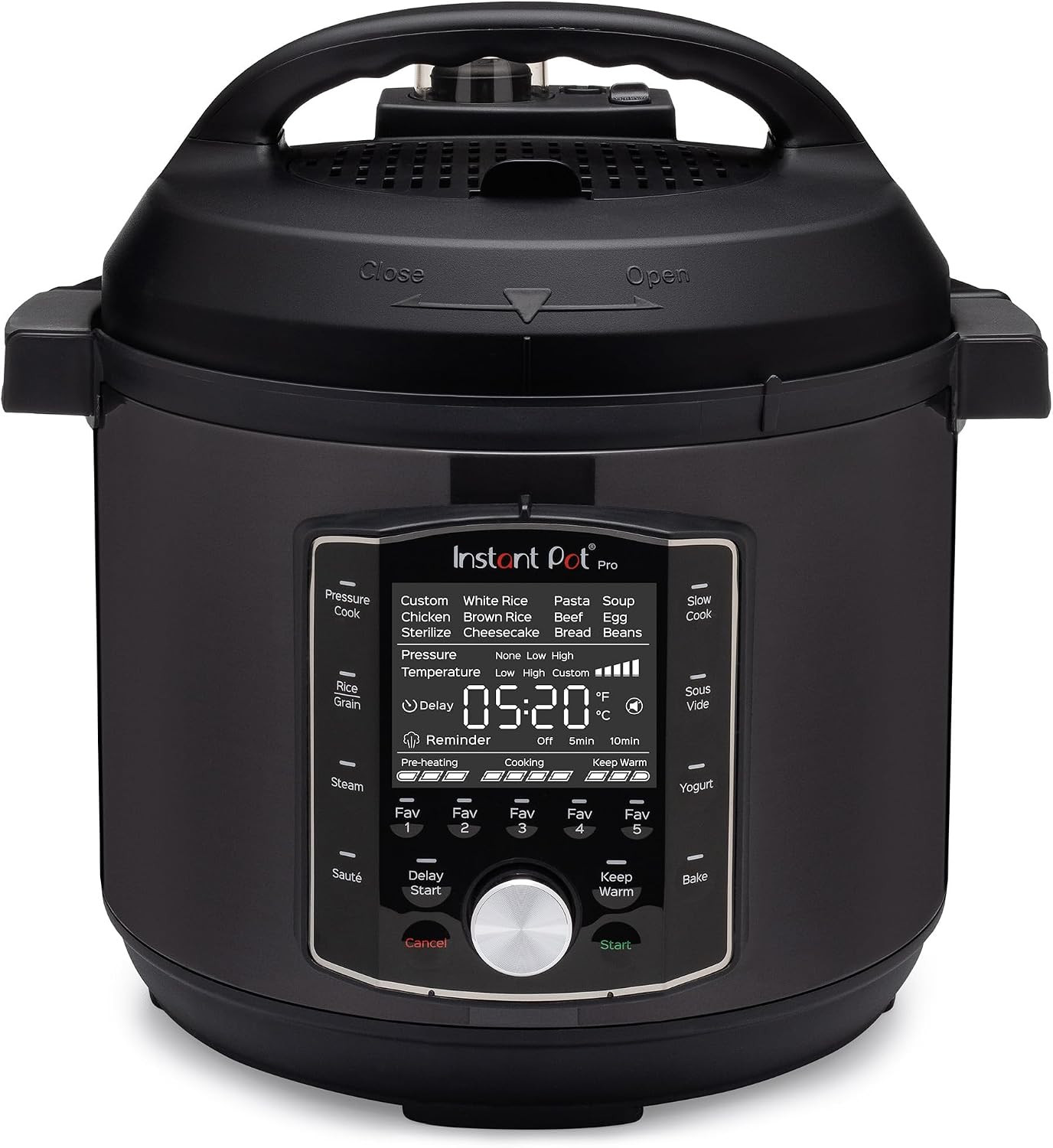
An electric pressure cooker is a sealed, countertop appliance that uses steam pressure to raise the boiling point of water, cooking foods 2–10x faster than conventional methods while doubling as a slow cooker, rice cooker, steamer, and yogurt maker. The primary trade-off is between stovetop-style pressure authority and countertop convenience—electric units cap at 15 PSI, so build quality and safety certification matter more than nominal wattage. The decision rule: buy a model with a stainless steel inner pot, at least 3 safety interlocks, and a capacity sized to your household (6 qt for 2–4 people, 8 qt for 5+, 12 qt for batch cooking), and skip any unit with an unrated aluminum pot or vague 'pressure cooking' claims.

Buying guide image
Air Fryers

Large Capacity Air Fryer

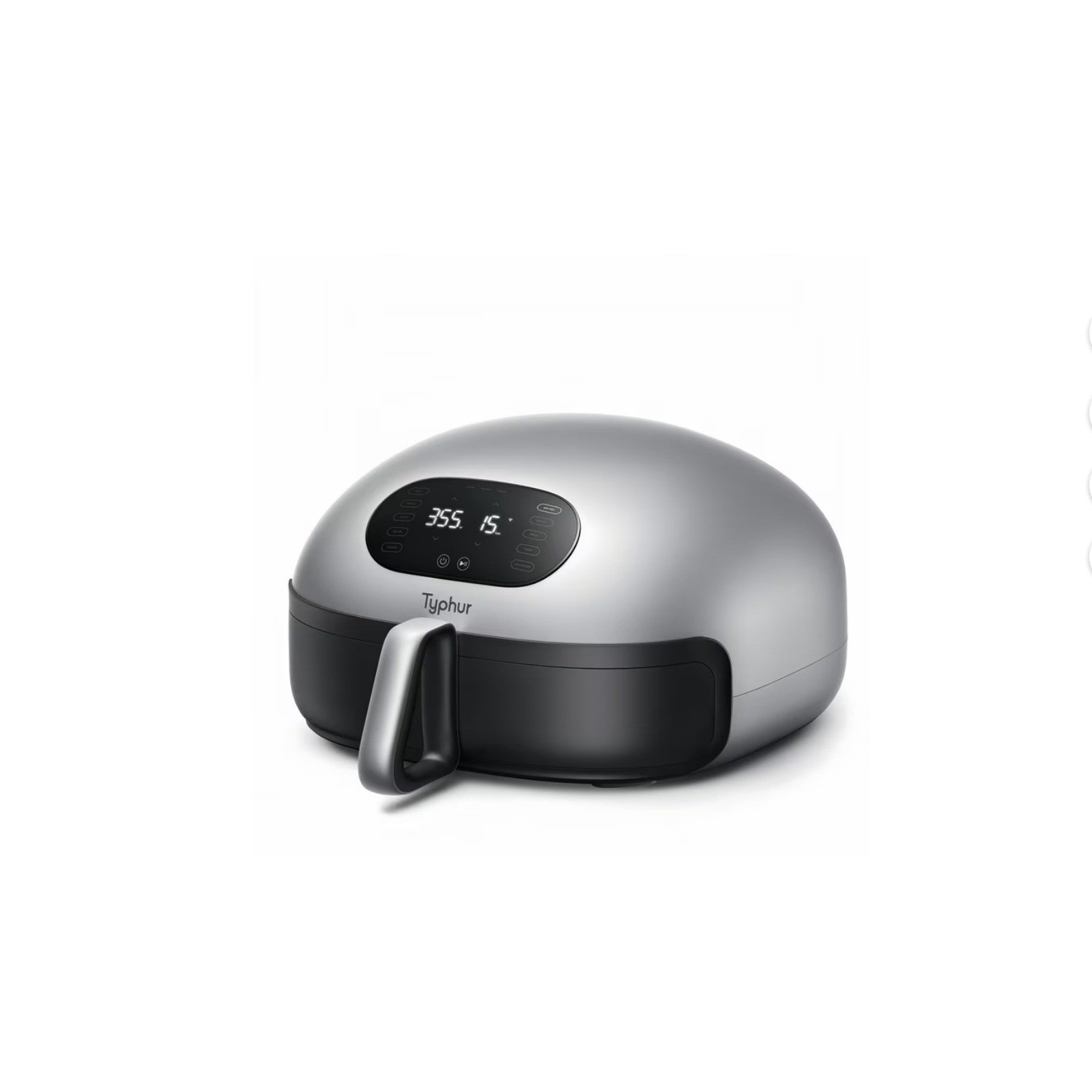
Large-capacity air fryers are countertop convection ovens sized to cook for families or meal prep, typically from 8 qt/liter upward and often in dual-zone or single-basket layouts. The core trade-off is usable cooking volume versus counter footprint, wattage, and evenness of heat: bigger baskets demand higher wattage and better air circulation, while dual-zone designs trade a single wide basket for two independently controlled compartments. The decision rule is simple: buy by usable basket volume per person plus a real wattage-to-volume ratio, and treat any model with vague wattage, thin nonstick, or no independent zone control as a compromise.

Buying guide image
Water Filtration

LG Water Filter Replacement

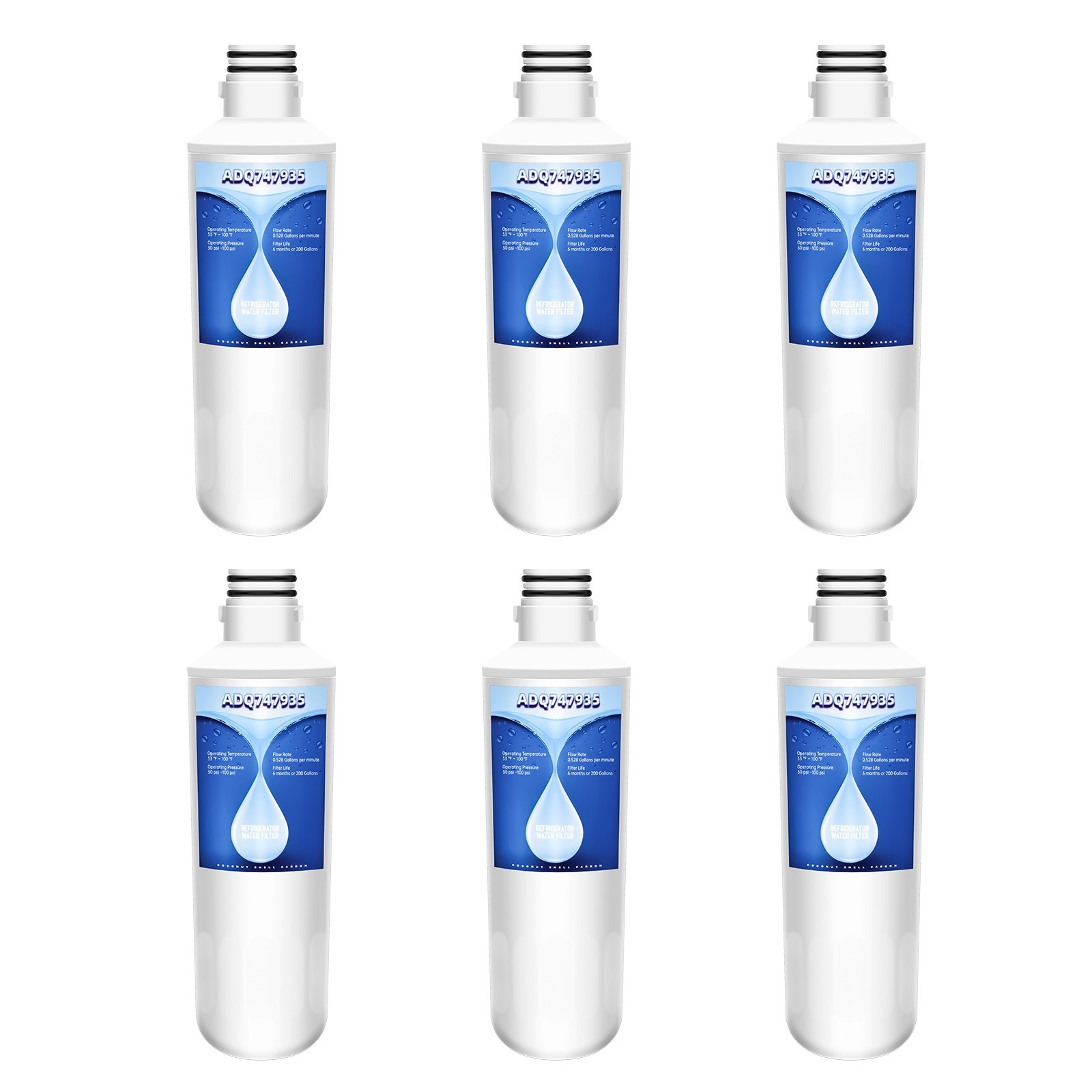
LG refrigerator water filters are OEM or aftermarket cartridges that remove chlorine, sediment, and contaminants from ice and water dispensers, with the key trade-off between genuine LG filtering capacity and low-cost third-party media quality. Genuine LT1000P/ADQ747935 filters use validated coconut carbon blocks rated for 200 gallons, while aftermarket packs vary widely in fit and certification. The decision rule: match the exact model number on your fridge's filter housing label and insist on NSF/ANSI 42 and 53 certification; skip any cartridge sold without a verifiable model match or certification listing.

Buying guide image
Tableware, Drinkware & Serving

Reusable Coffee Cup

Reusable coffee cups split into two engineering camps: vacuum-insulated stainless steel for thermal retention and durability, and lightweight plastic or ceramic for low-cost, low-weight convenience. The decisive trade-off is insulation versus portability, and the clear rule is that any cup marketed for hot coffee must specify double-wall vacuum construction and a sealed, gasket-fitted lid; single-wall or straw-only designs are cold-drink compromises.

Buying guide image
Food Storage & Containers

Stainless Steel Food Container

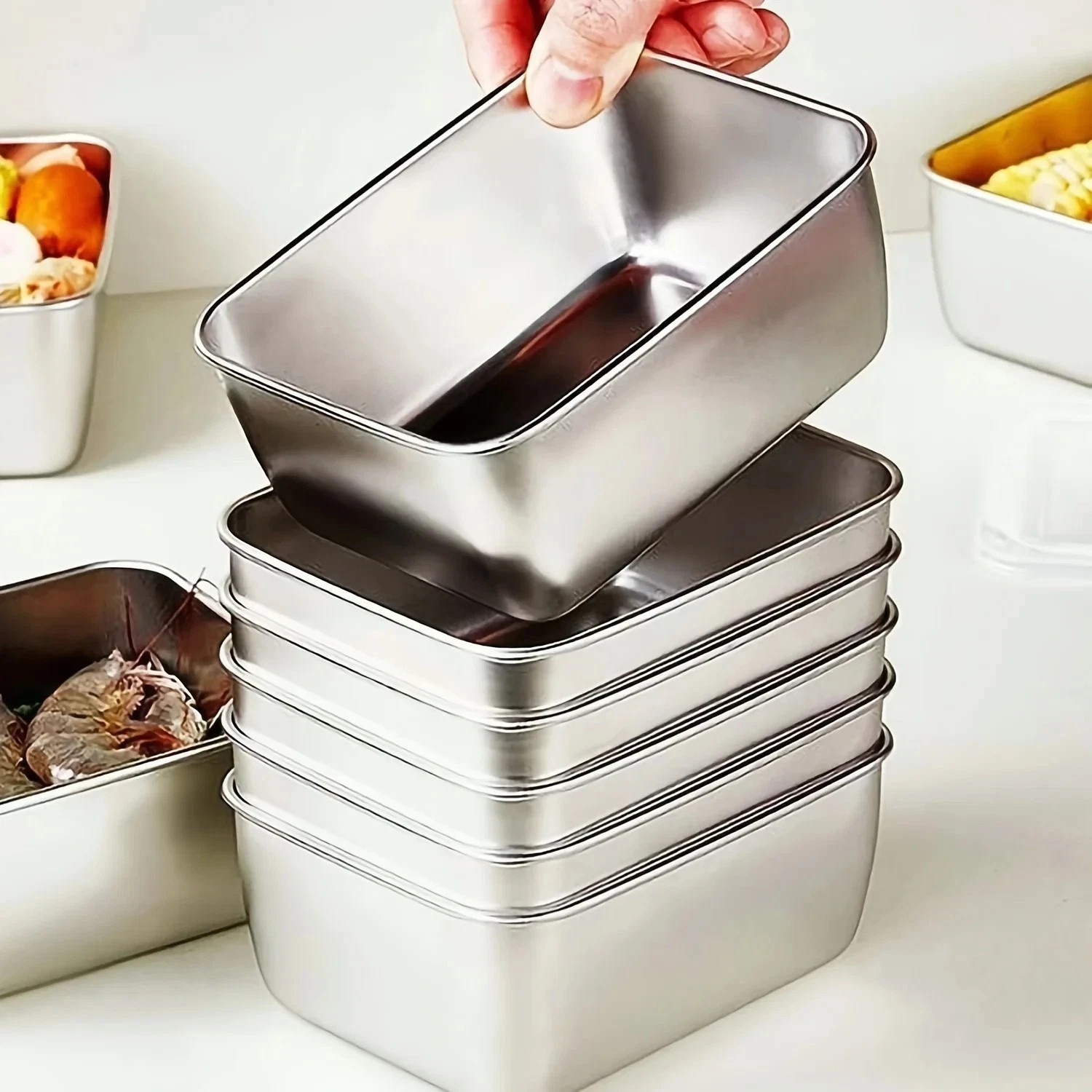
Stainless steel food containers are reusable, non-reactive vessels for storing, packing, and reheating food, defined by the grade of steel and the lid-seal mechanism. The primary trade-off is between 304 (18/8) food-grade steel with a silicone-gasketed locking lid for leakproof performance versus thinner 201-grade steel with a friction-fit lid that dents and leaks. The decision rule: buy 304-grade steel with a removable silicone gasket and locking clips for daily transport and raw/acidic foods; skip unmarked or 201-grade sets with snap-on lids for anything beyond dry pantry storage.

Buying guide image
Cookware & Cutlery

Cuisinart Cookware Set

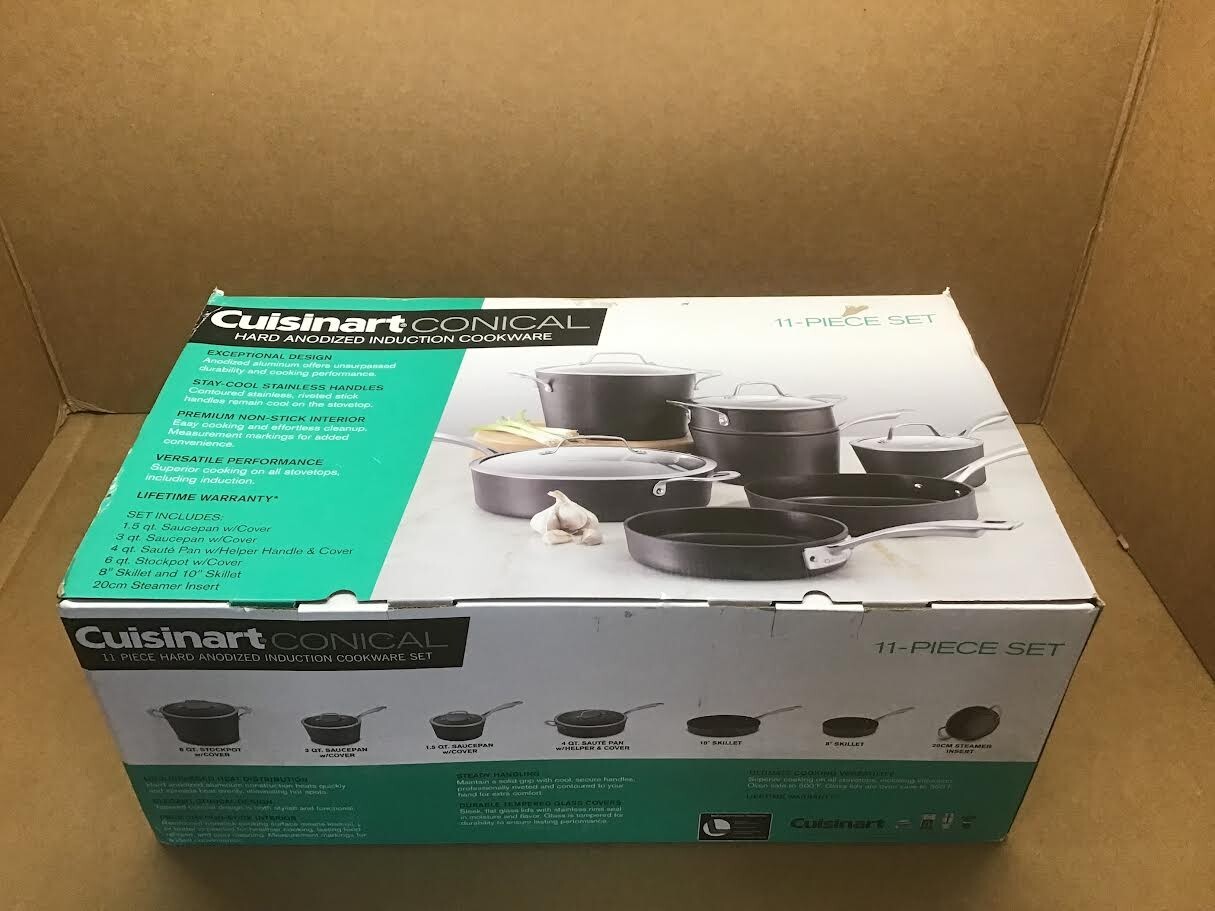
Cuisinart cookware sets span three core construction families: hard-anodized aluminum (Chef's Classic), stainless-clad multiclad (MultiClad Pro), and nonstick-coated aluminum (GreenGourmet/Chef's Classic Nonstick). The decisive trade-off is oven-safe temperature and pan durability against nonstick convenience; hard-anodized and clad stainless tolerate 500-600°F and metal utensils, while PTFE or ceramic nonstick coatings cap at 350-450°F and degrade with high heat. Rule: buy clad stainless or hard-anodized for searing and longevity, buy coated nonstick only for low-heat egg/crepe work and replace it when the coating visibly scratches.

Buying guide image
Coffee Cleaning & Accessories

Espresso Machine Cleaner

Espresso machine cleaner is a consumable or tool used to remove coffee oils, mineral scale, and milk residue from group heads, brew circuits, and steam wands. The primary trade-off is formulation strength versus material compatibility: alkaline detergents strip oils but can attack aluminum and brass, while descalers dissolve scale but must match the machine's boiler alloy. The decision rule: buy a dedicated espresso detergent (not dish soap) for daily backflushing and a separate descaling agent matched to your boiler metal—never substitute one for the other.

Buying guide image
Coffee Cleaning & Accessories

Coffee Accessory

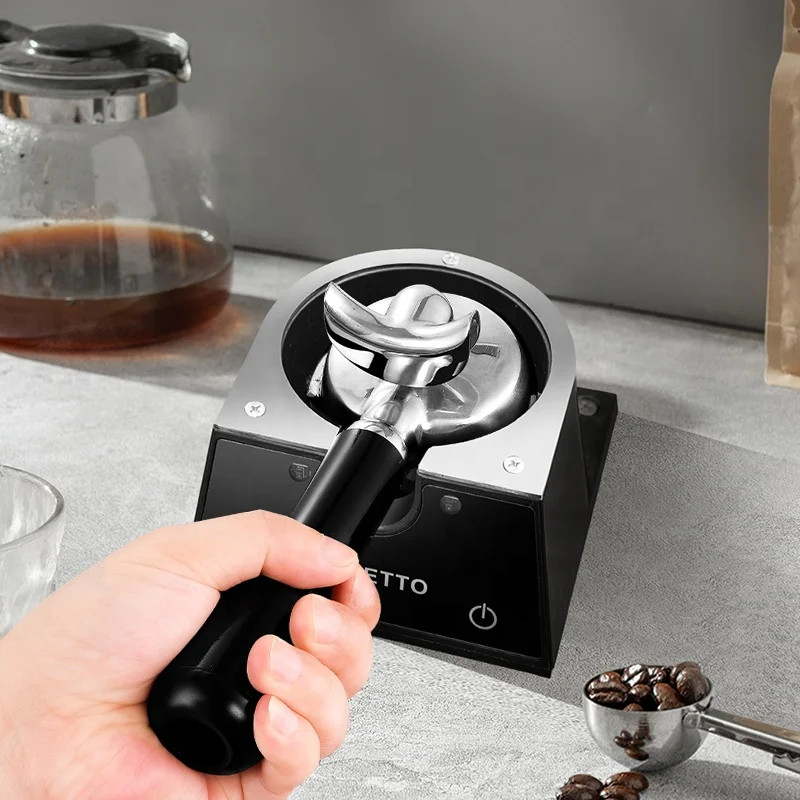
Coffee accessories span tampers, distribution tools, mats, organizers, and cleaning essentials that directly affect espresso extraction quality and bar hygiene. The primary trade-off is between universal fit (51/53/58mm baskets, standard portafilter lugs) and machine-specific tolerances, where cheap alloy tampers and undersized mats create channeling and counter mess. The decision rule: buy accessories calibrated to your basket diameter and portafilter size in stainless steel or food-grade silicone; skip generic 'one-size' kits that claim multi-machine compatibility without stated millimeter specs.

Buying guide image
Food Storage & Containers

Pyrex Glass Container With Lids

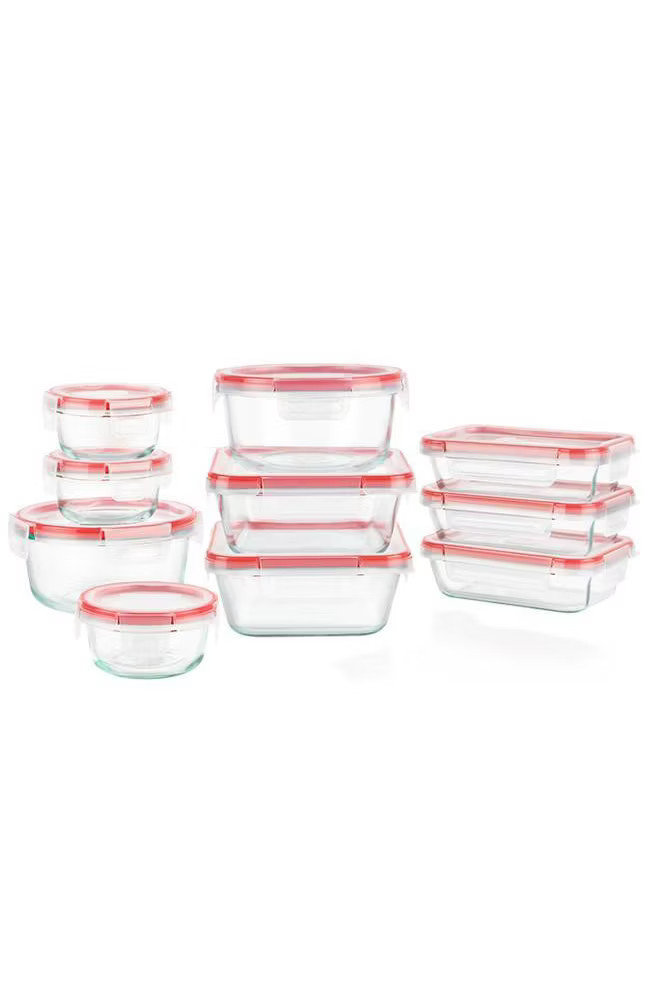
Pyrex glass containers with lids are tempered soda-lime glass vessels paired with plastic or silicone lids for fridge, freezer, and microwave storage. The core trade-off is lid seal quality versus oven-safe glass durability: original Pyrex is borosilicate-free tempered glass, while lids range from basic snap-on polyethylene to gasket-sealed Freshlock. Choose tempered glass with a gasket-sealed, BPA-free lid for leakproof transport; skip thin annealed glass or friction-fit lids if you need freezer-to-oven versatility.

Buying guide image
Coffee Makers & Espresso

French Press Coffee Maker

A French press is a manual immersion brewer where coarse grounds steep in hot water and a metal mesh plunger separates the grounds, delivering full-bodied coffee with rich oils. The primary trade-off is between glass (flavor-neutral, fragile, borosilicate) and stainless steel (durable, insulated, double-wall) construction — plus mesh filtration quality that determines sediment in the cup. The clear decision rule: buy double-wall 304 stainless steel with a 4-level filtration stack for daily durability and heat retention; choose borosilicate glass only if you prioritize watching the brew and never move the carafe while hot.

You may also like

Finding more guides for you…