Kitchen Gear Wise

Kitchen Gear Wise

Kitchen Gear Reviews & Buying Guides

Compare kitchen gear by use case, features, trade-offs, price, returns, and seller terms before you buy.

Buying guides

Buying guide image
Specialty Kitchen Appliances

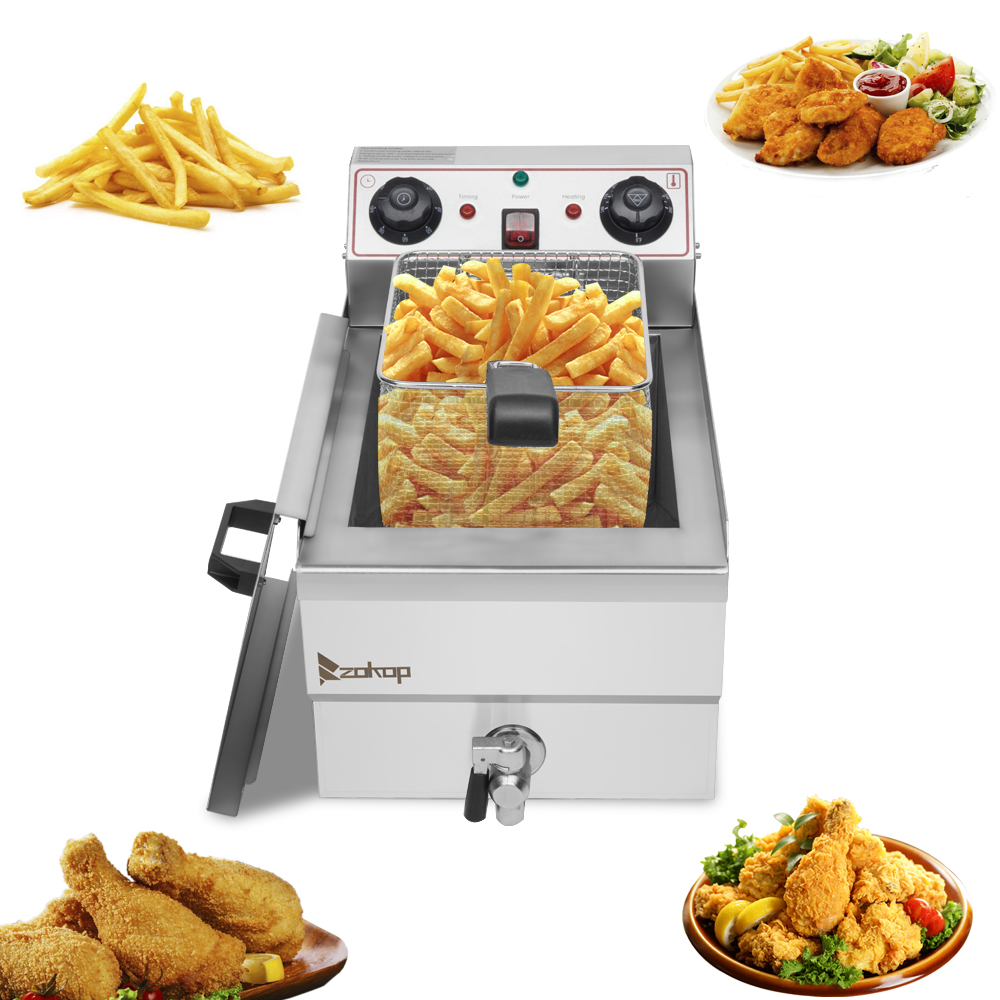
Stainless Steel Fryer

A stainless steel fryer covers two distinct architectures: outdoor propane turkey/fish/seafood boilers (30–60+ qt pots on high-BTU burners) and countertop electric deep fryers (typically 6–22.8 qt dual-tank units). The core trade-off is stainless grade and wall thickness versus heat source and capacity—cheap 'stainless-look' pots use thin 0.5mm 201-series shells that dent and scorch, while durable units use 1.0mm+ 304-series steel or heavy-gauge aluminum cores with certified power cords and stable stands.
Buying guide image
Home Ranges, Ovens & Cooktops

Electric Convection Oven

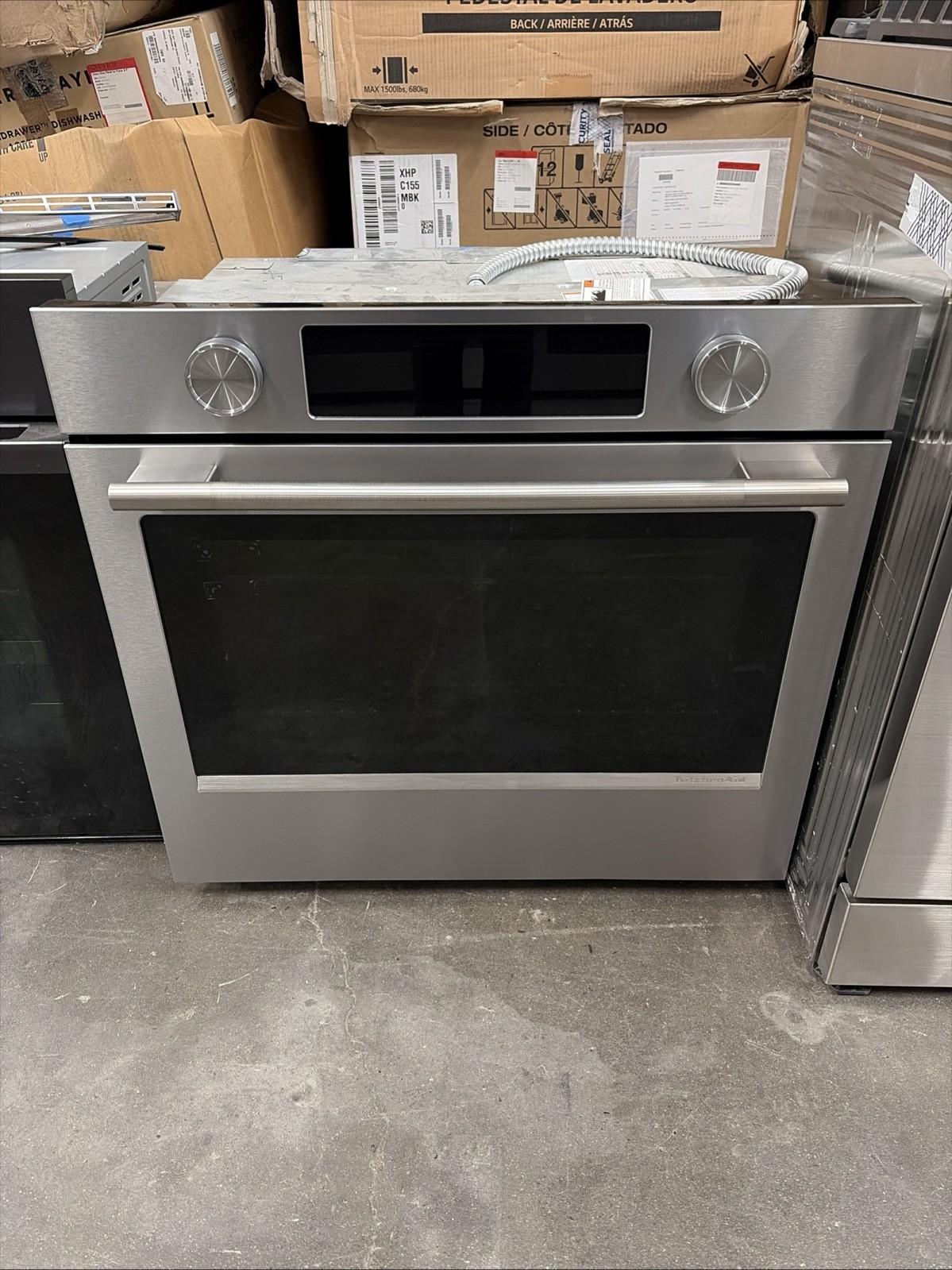
An electric convection oven uses a rear fan to circulate hot air for faster, more even baking and roasting than standard radiant electric ovens. The key trade-off is between true fan-forced convection with a dedicated heating element versus 'fan-assisted' designs that only move air without added heat. Buyers should choose true convection when baking precision matters, and accept fan-assisted or radiant-only models only for budget or simple reheating needs.

Buying guide image
Home Refrigerators, Freezers & Wine Coolers

Portable Refrigerator Freezer

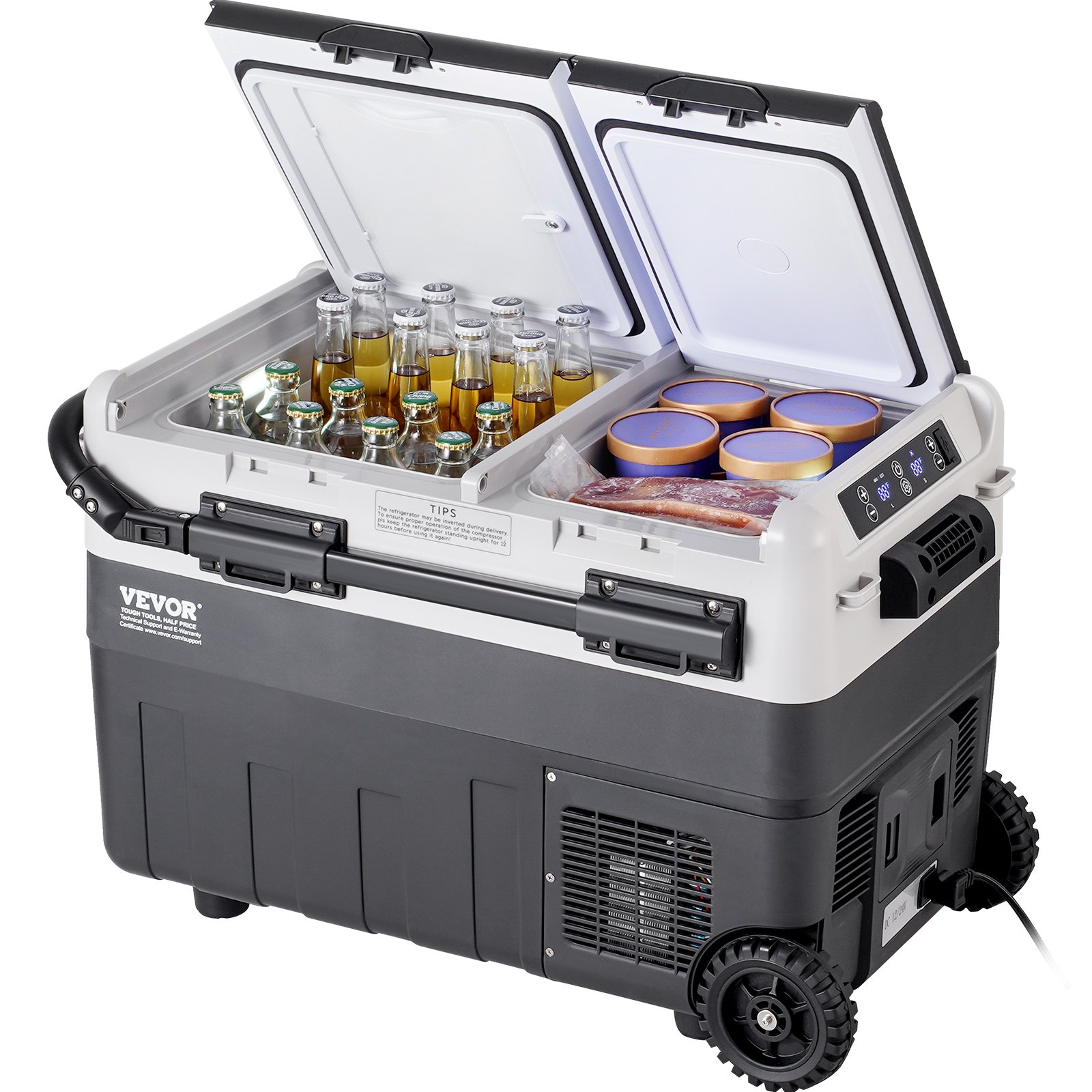
Portable refrigerator freezers are 12/24V DC compressor-cooled units (often with 100-240V AC adapters) that hold 0°F freezer or 34-38°F fridge temps in vehicles, RVs, and off-grid cabins. The core trade-off is compressor architecture and insulation quality versus capacity: true variable-speed DC compressors (Danfoss/Secop or equivalent) with thick CFC-free foam hold temperature efficiently, while cheap thermoelectric (Peltier) boxes cannot freeze and collapse in heat. Decision rule: buy only a genuine DC compressor unit rated for your ambient, sized to your power budget and physical fitment — skip any thermoelectric or 'cooler-style' box if you need sub-zero or multi-day off-grid performance.

Buying guide image
Microwave Ovens

Compact Microwave Oven

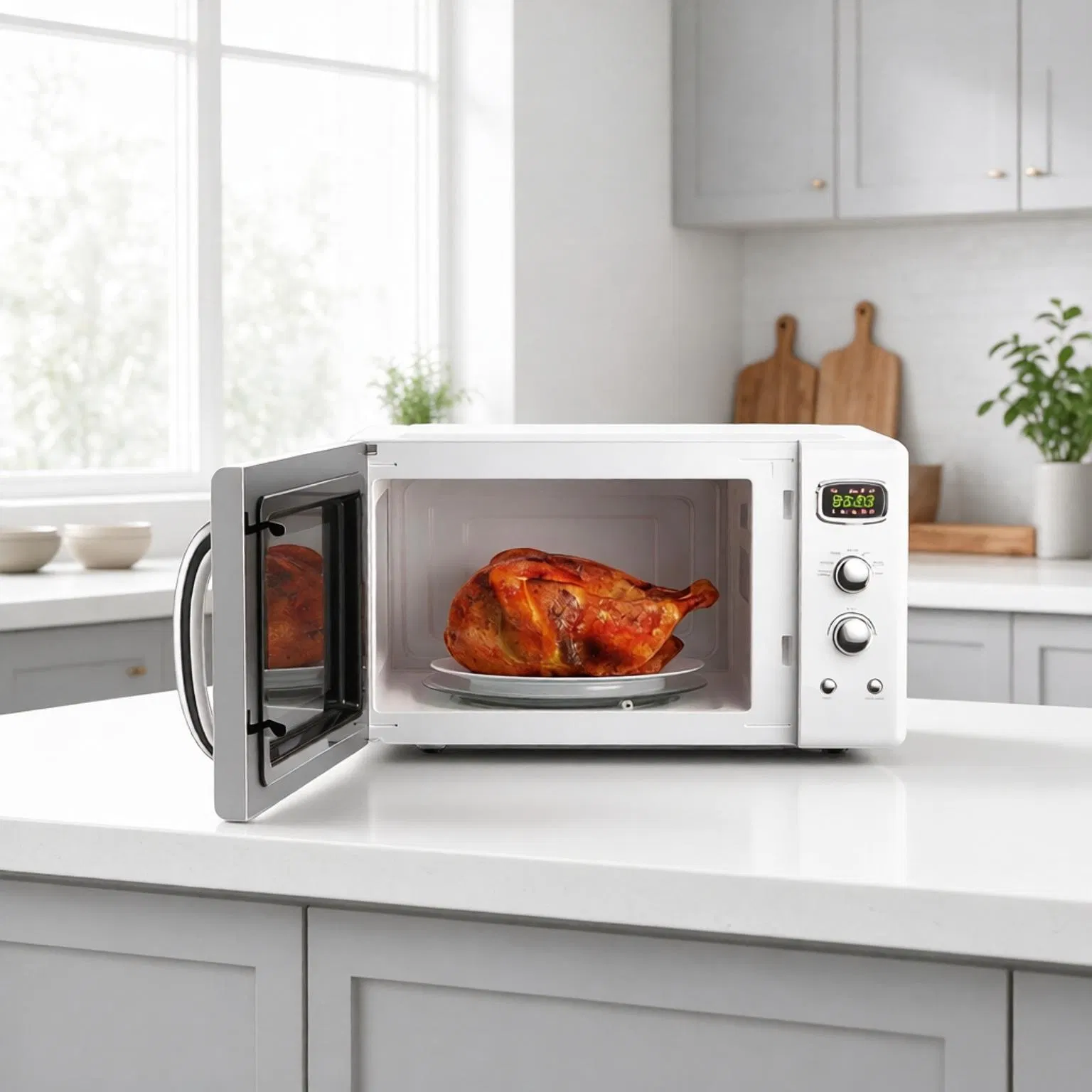
A compact microwave oven is a countertop unit with an external footprint typically under 20 inches wide and 0.5–0.9 cu ft of cavity, built for tight kitchens, dorms, offices, and RVs. The core trade-off is cavity capacity versus counter depth and wattage: shrinking the box forces lower power or reduced turntable diameter, which changes how evenly food heats. Decide by interior volume and wattage first, not by exterior styling—sub-0.7 cu ft models with under 700W are reheating appliances, while 0.8–0.9 cu ft units at 900–1000W are true compact cooking ovens.

Buying guide image
Coffee Makers & Espresso

Espresso Machine And Grinder

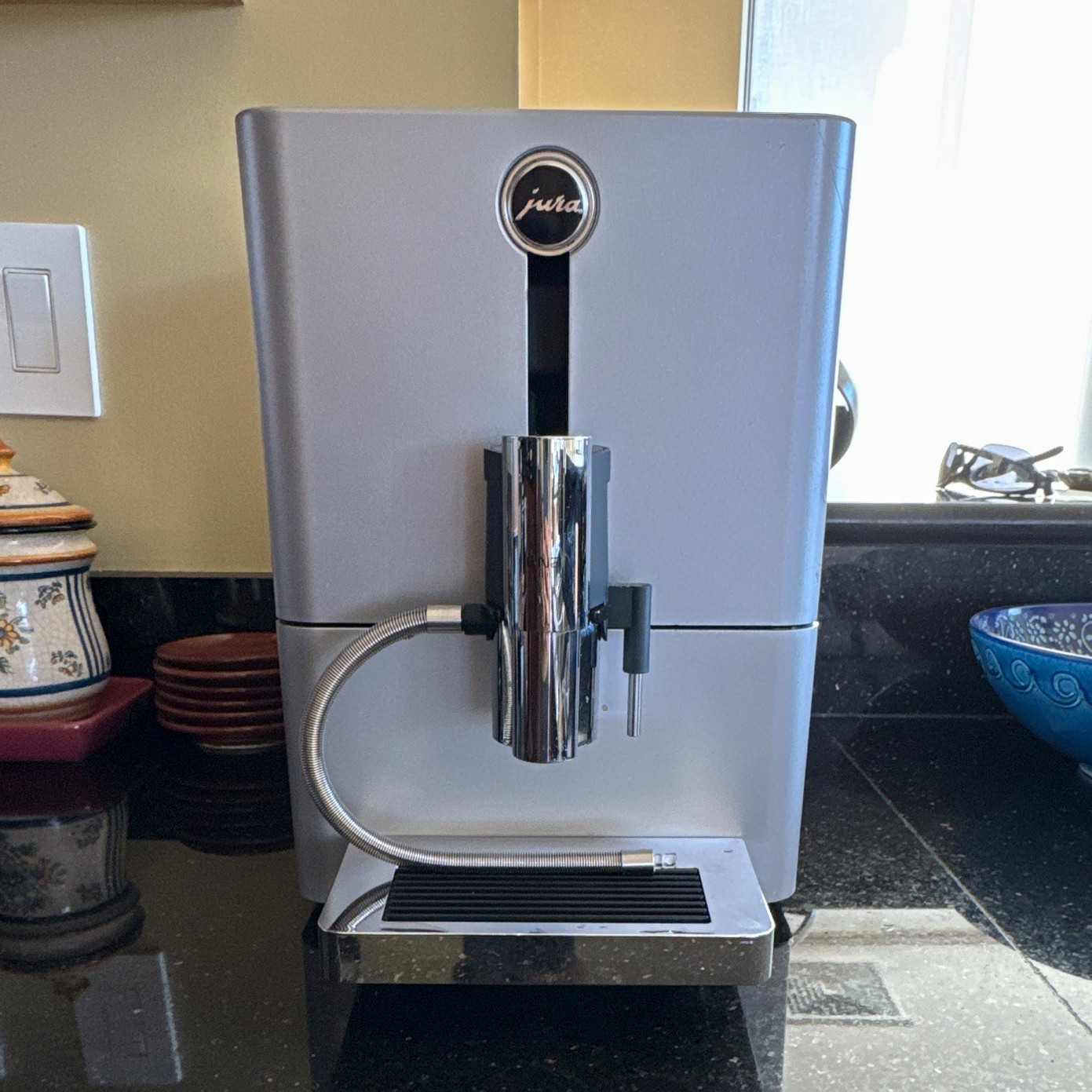
An espresso machine and grinder bundle pairs a pump-driven brew head with a burr grinder, and the decisive trade-off is grinder quality versus brew-temperature stability. Entry bundles often use pressurized baskets and small conical burrs, while serious setups require non-pressurized baskets, stepless burr adjustment, and PID-controlled boilers. The rule: buy the best grinder you can afford first, then match the machine's basket type and boiler architecture to your daily drink volume.

Buying guide image
Tableware, Drinkware & Serving

Ceramic Dish Set

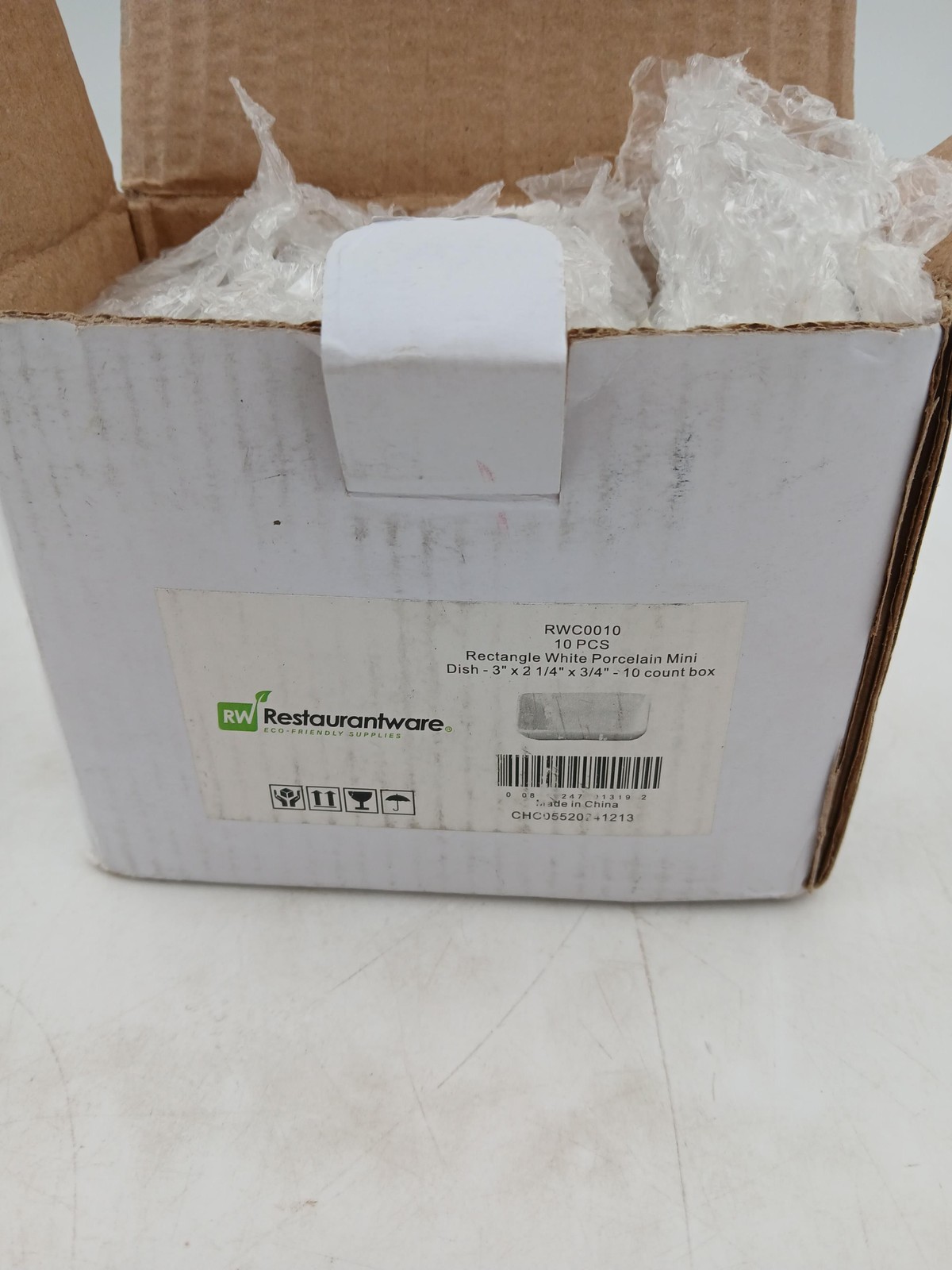
A ceramic dish set is a coordinated group of plates, bowls, and serving pieces fired from clay, where the core trade-off is between everyday chip resistance and fine-dining refinement. The decisive rule: for daily use, choose high-fired stoneware or bone china with a fully vitrified body and chip-resistant glaze; for display or formal service, porcelain or bone china is acceptable but requires hand-washing discipline.

Buying guide image
Tableware, Drinkware & Serving

Electric Coffee Mug

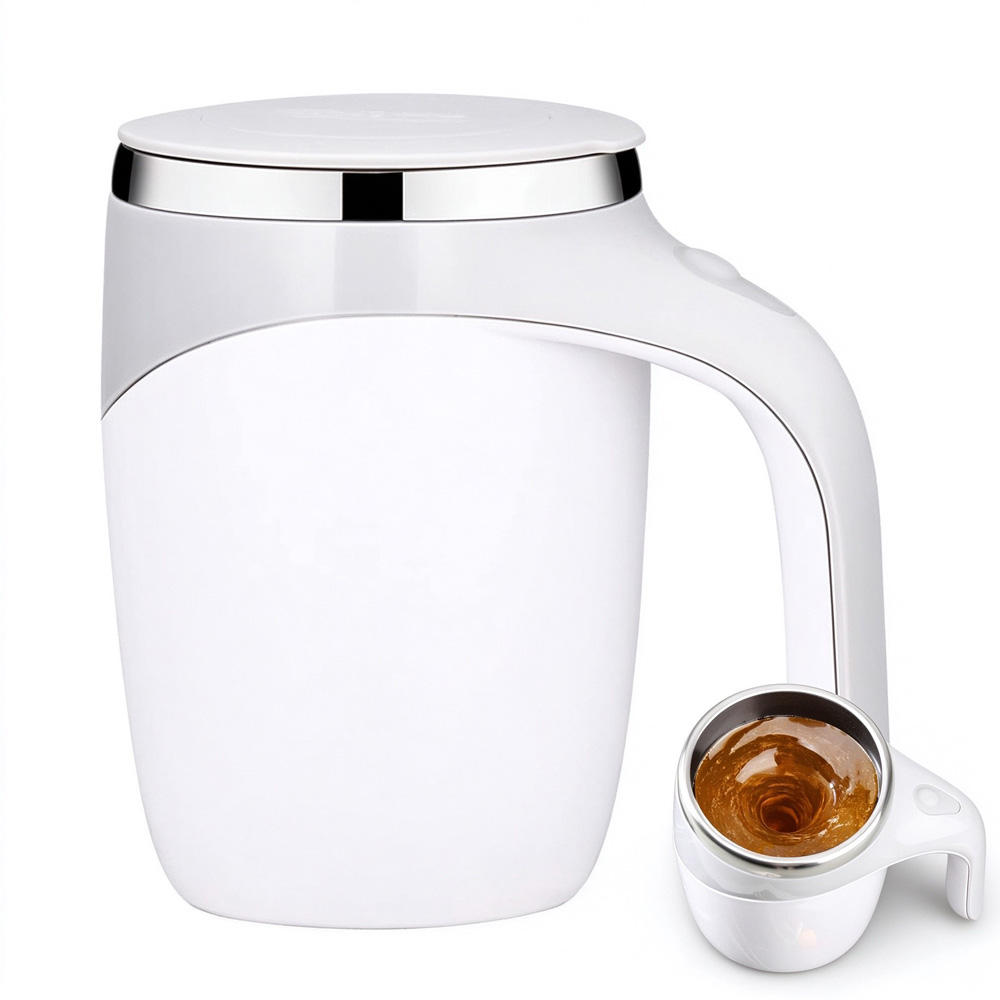
An electric coffee mug is a battery-powered or plug-in vessel with active heating to hold coffee at a drinkable temperature, ranging from sealed lithium travel mugs to desktop induction coasters. The core trade-off is thermal performance versus portability: sealed battery mugs add weight and require USB-C charging, while coaster systems keep any mug hot but tether you to a desk. Buy a sealed, dishwasher-safe lithium mug only if you need heat away from a desk; choose a coaster or plug-in warmer if you drink at a fixed workstation and want zero battery maintenance.

Buying guide image
Food Storage & Containers

Food Cover

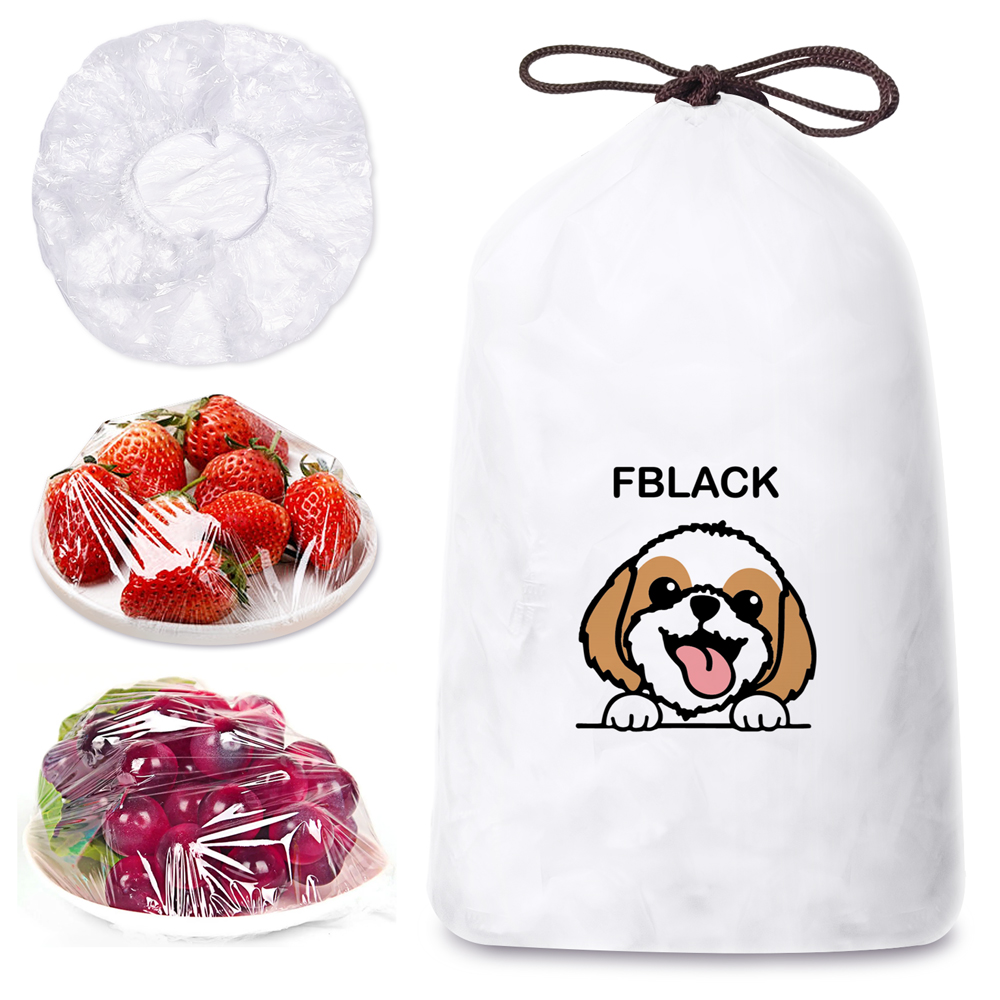
Food covers are reusable barriers—elastic plastic stretch wraps, rigid lids, collapsible microwave splatter guards, and fabric bowl covers—that replace single-use cling film for outdoor serving, proofing, and reheating. The core trade-off is elastomer stretch retention and temperature tolerance versus rigid lid seal and stackability; cheap thin LDPE tears and loses elasticity, while food-grade silicone or tight-fitting PP/glass lids last for years. Buy silicone or thick PEVA for stretch covers and rigid PP/glass for microwave and fridge stacking; skip ultrathin disposable-grade plastic if you need outdoor wind resistance or repeated washing.

Buying guide image
Food Storage & Containers

Stainless Steel Food Container With Lids

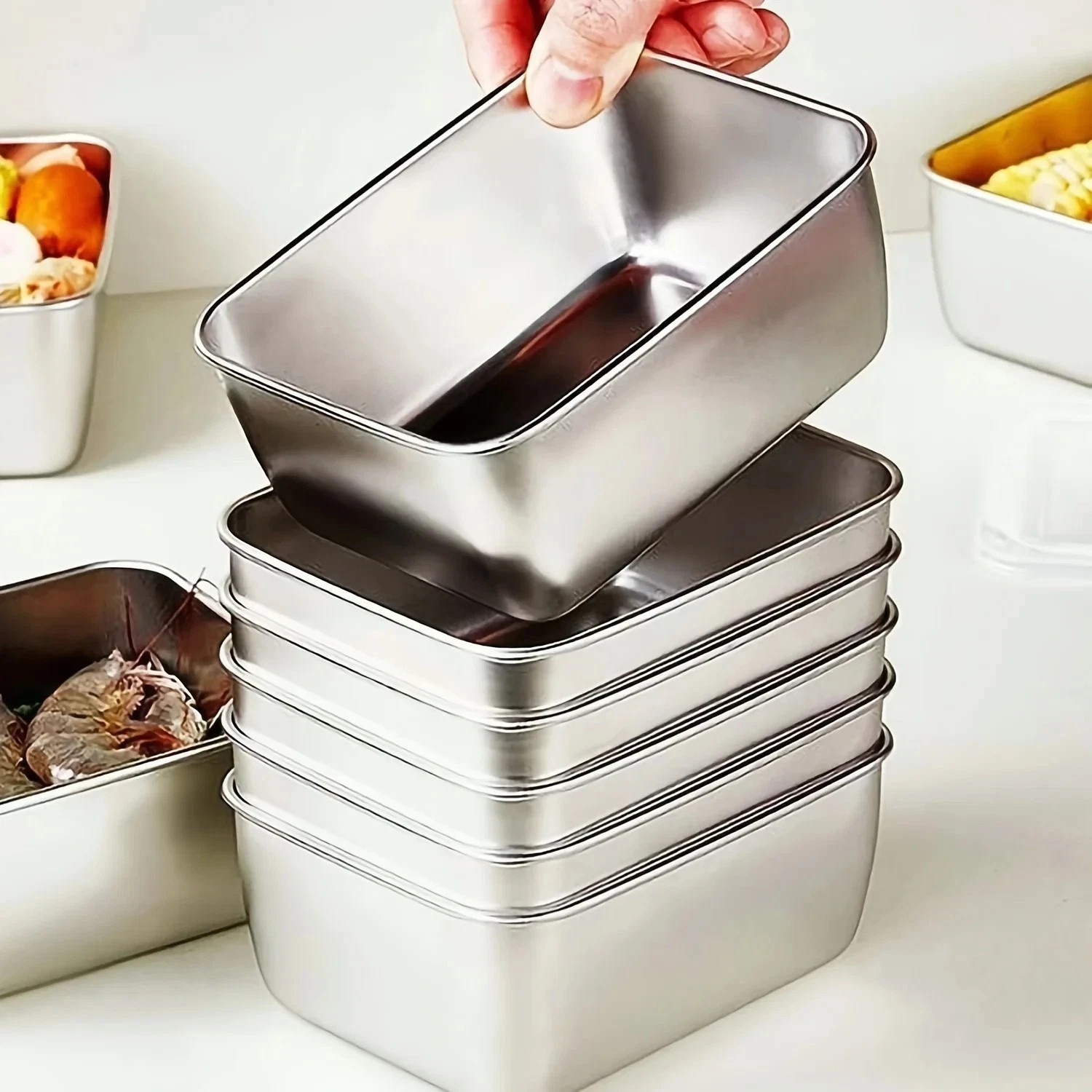
Stainless steel food containers with lids are reusable, non-porous storage vessels where the metal grade and lid seal design determine durability, leak resistance, and oven/freezer safety. The core trade-off is between 304 (18/8) food-grade stainless with a silicone-gasketed locking lid versus thinner 201-grade or 430-grade bodies with friction-fit plastic lids that warp and leak. Choose 304 stainless with a replaceable silicone seal and secured clamp or screw lid for daily meal prep and transport; skip ungraded 'stainless' sets with snap-on lids if you need leakproof or oven-safe performance.

Buying guide image
Food Preparation

Manual Citrus Press

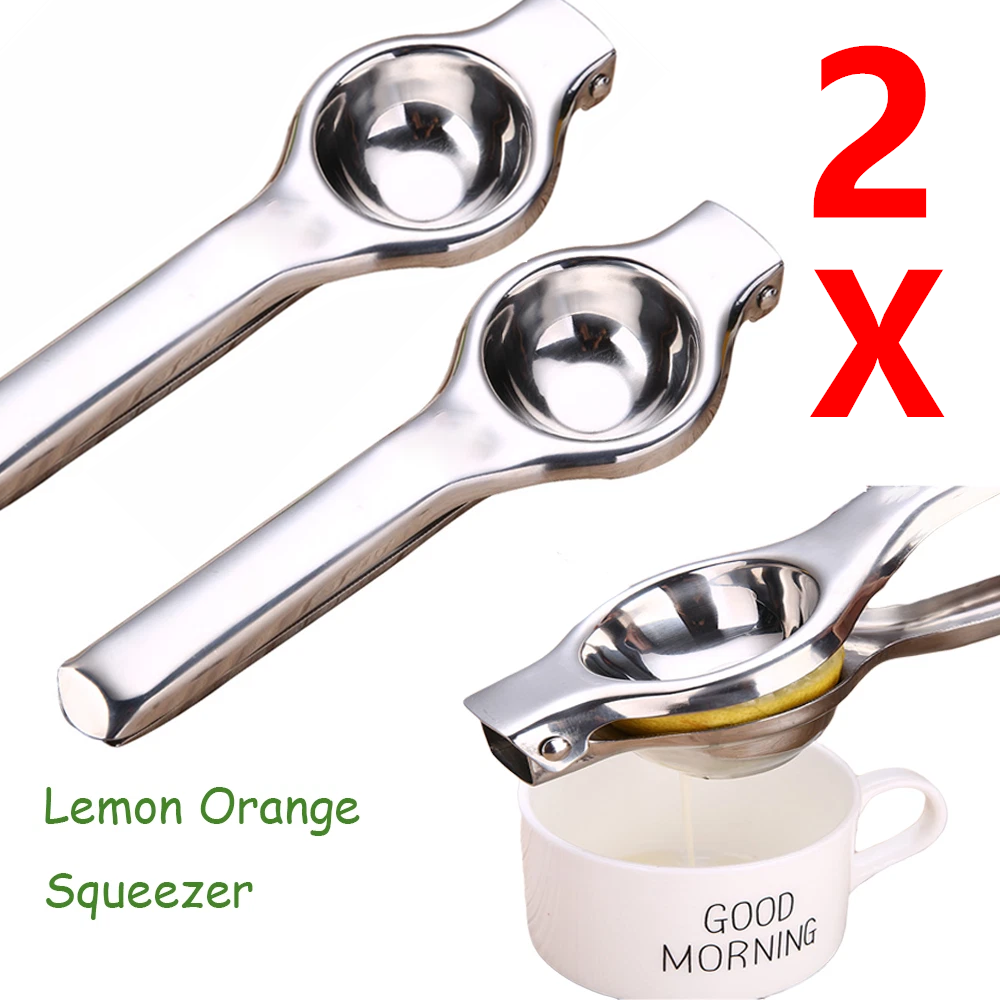
A manual citrus press is a lever- or screw-driven juicer that extracts juice by mechanical force, not electricity. The core trade-off is between lightweight handheld squeezers that flex under load and heavy-duty cast-iron or stainless lever presses that deliver stable, high-yield extraction. Choose a weighted lever press with a reinforced pivot and wide cup if you juice daily; choose a simple handheld squeezer only for occasional garnish-level tasks.

Buying guide image
Coffee Makers & Espresso

Burr Grinder

A burr grinder crushes beans between two abrasive surfaces to produce a consistent particle size, which is the single biggest upgrade for flavor clarity and repeatable espresso or pour-over extraction. The primary trade-off is burr geometry and material versus motor power and adjustment precision: flat burrs excel at unimodal espresso grinding, conical burrs suit all-purpose brewing, and ceramic burrs resist heat but crack under large stones. Decide by burr type and step resolution first, then match motor torque and hopper capacity to your daily volume.

Buying guide image
Proofing Baskets & Bread Lames

Banneton Proofing Bowl

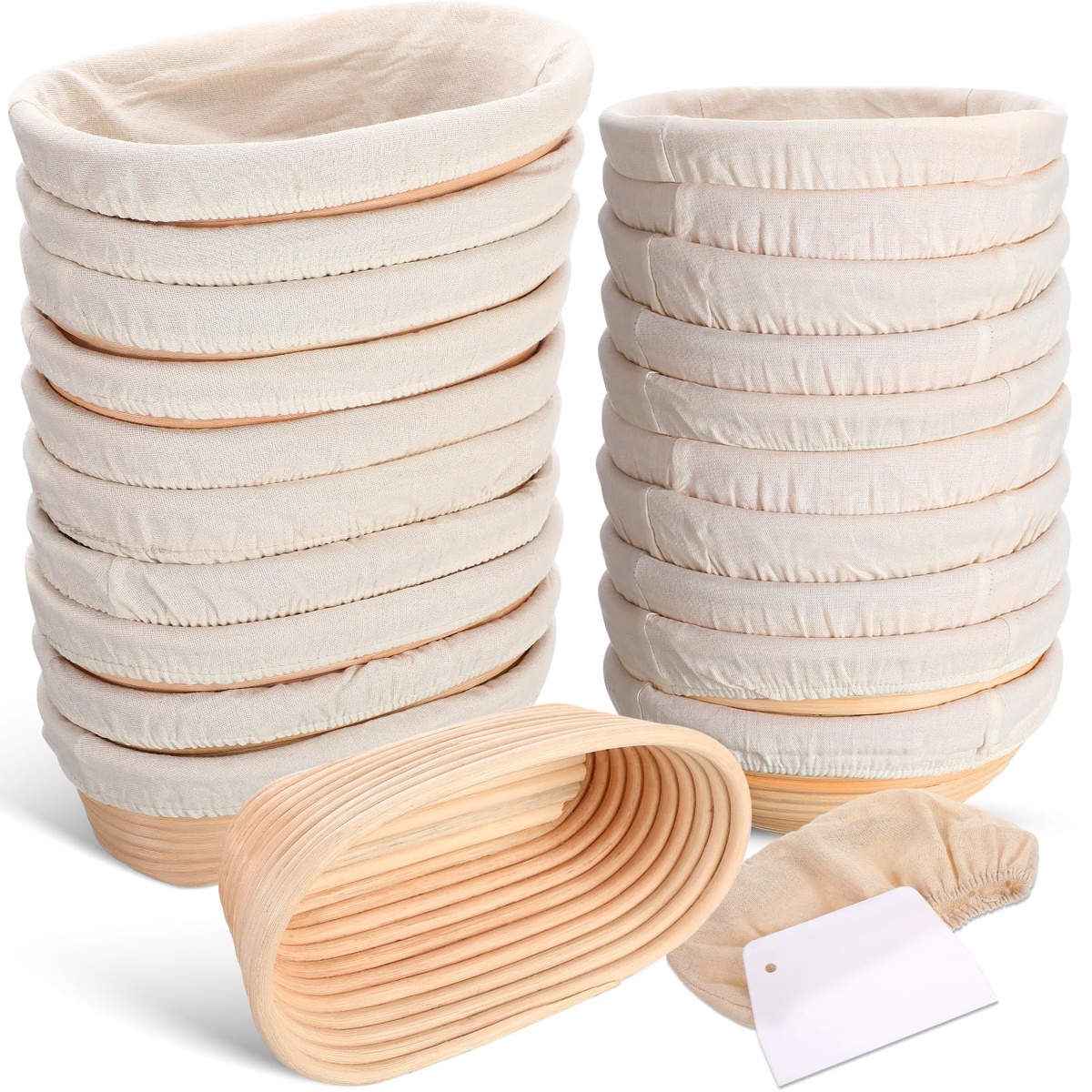
A banneton proofing bowl is a breathable, moisture-regulating vessel that holds shaped dough during its final rise, imprinting the spiral or ring pattern that defines artisan bread crust. The primary trade-off is material and construction: natural rattan/cane wicker breathes and wicks moisture for a crackly skin, while lined cotton or silicone-coated versions offer easier release but less airflow and a softer crust. The decision rule is simple: choose unlined natural cane with a linen liner for best crust development, and accept that any plastic or sealed non-breathable bowl is a storage or cold-retard shortcut, not a true proofing tool.

Buying guide image
Specialty Kitchen Appliances

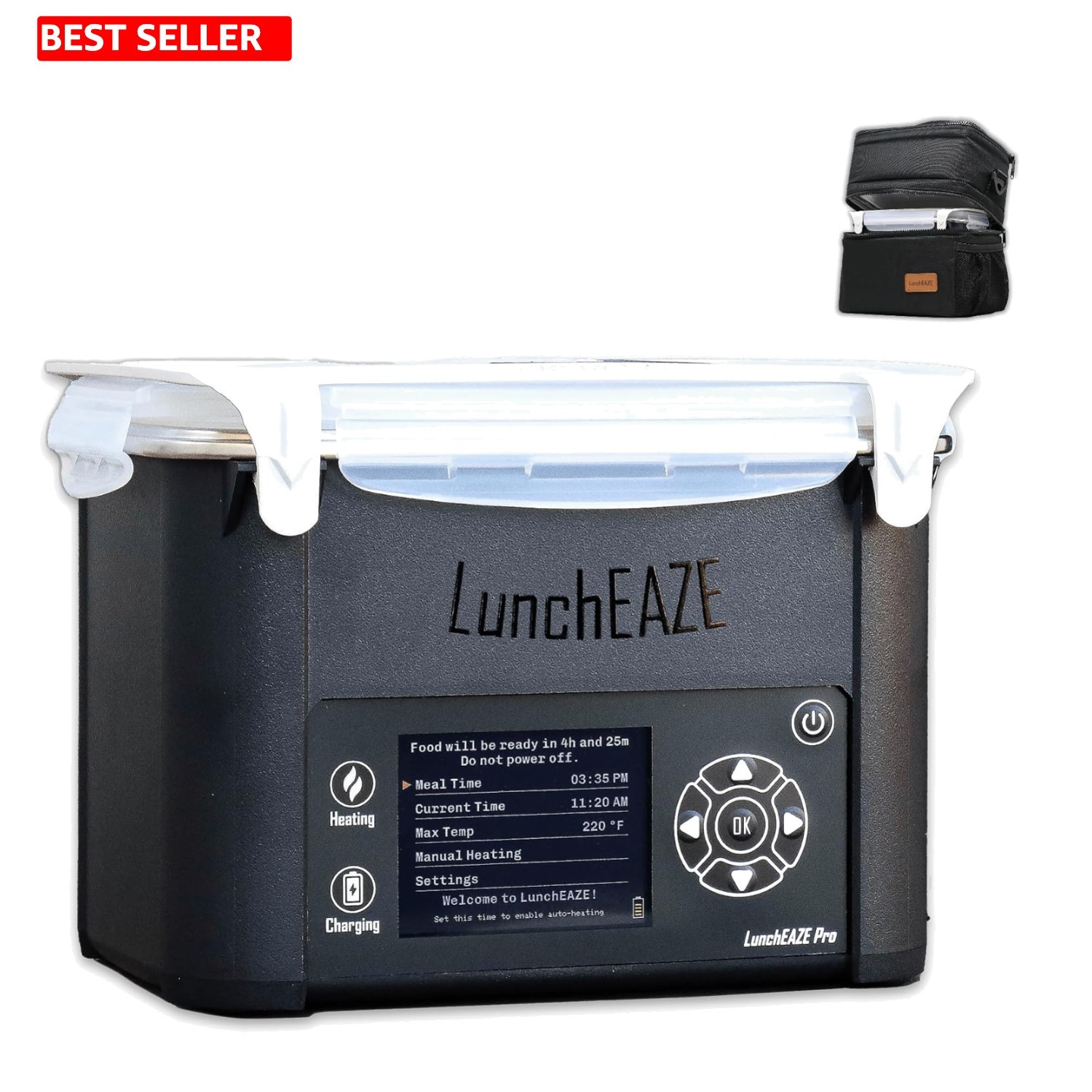
Cordless Electric Lunch Box

A cordless electric lunch box is a battery-powered, self-heating food container that warms meals without a wall outlet, typically using a rechargeable lithium-ion pack and a low-wattage heating element. The core trade-off is heating performance versus portability: higher-capacity batteries and insulated double-wall construction add weight and bulk, while slim units sacrifice peak temperature and cycle count. The clear decision rule is to buy only units with a user-replaceable or certified battery pack, explicit food-safe interior materials, and a stated heating temperature range—skip any model that hides battery capacity or lacks a thermal cutoff.

Buying guide image
Pour-Over & Manual Brewing

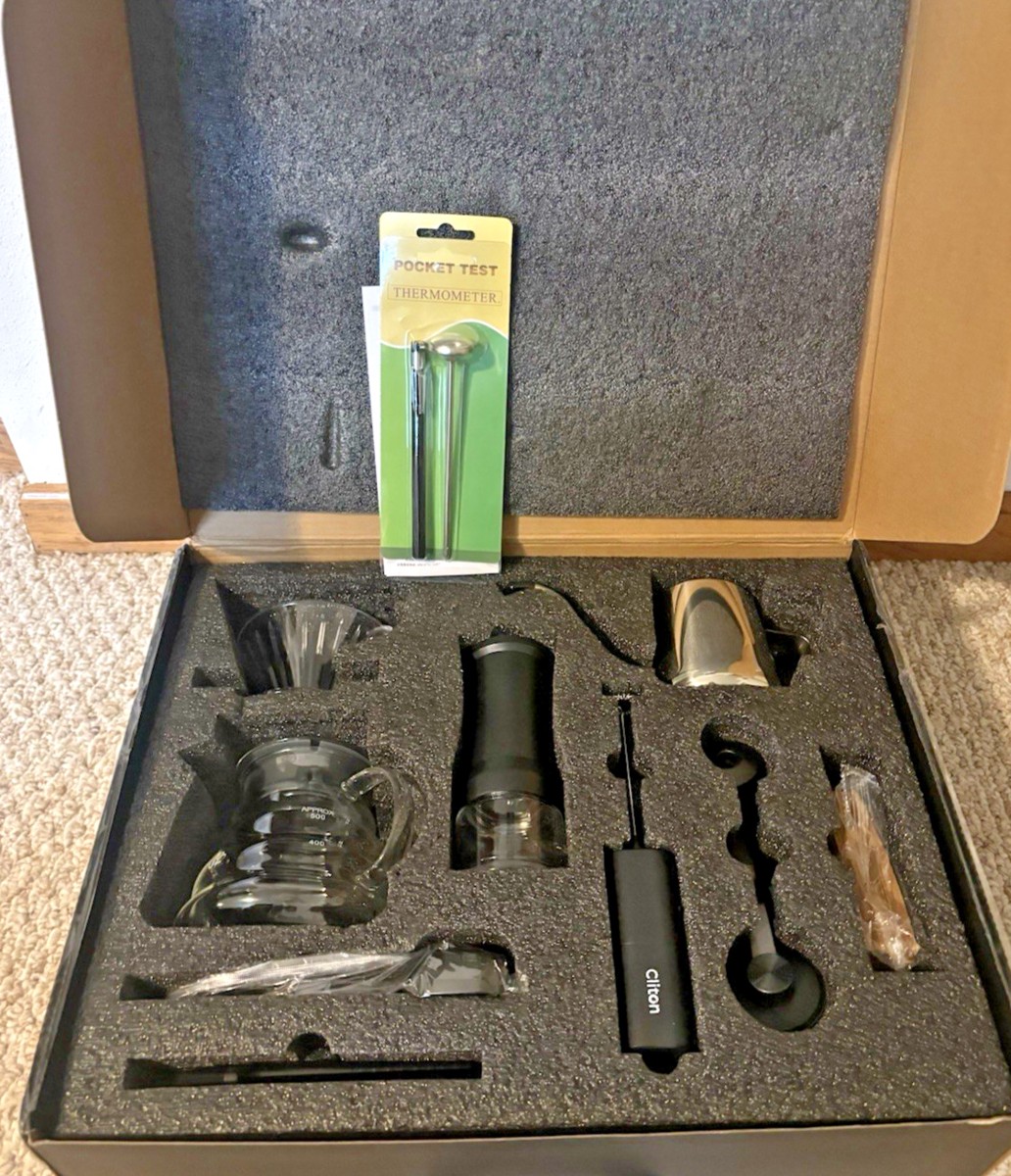
Pour Over Kettle

A pour-over kettle is a precision water-delivery tool: its spout geometry, heating control, and material grade determine whether you get a slow, steady, saturable pour or an uncontrollable gush. The core trade-off is between stovetop simplicity (no electronics, any heat source) and electric temperature control (set-and-hold precision, no stove needed). Buy a gooseneck with a narrow, tapered spout and a counterbalanced handle; skip wide-spout kettles marketed as 'pour-over' — they cannot deliver the 5–8 g/s flow rate that even extraction requires.

Buying guide image
Tableware, Drinkware & Serving

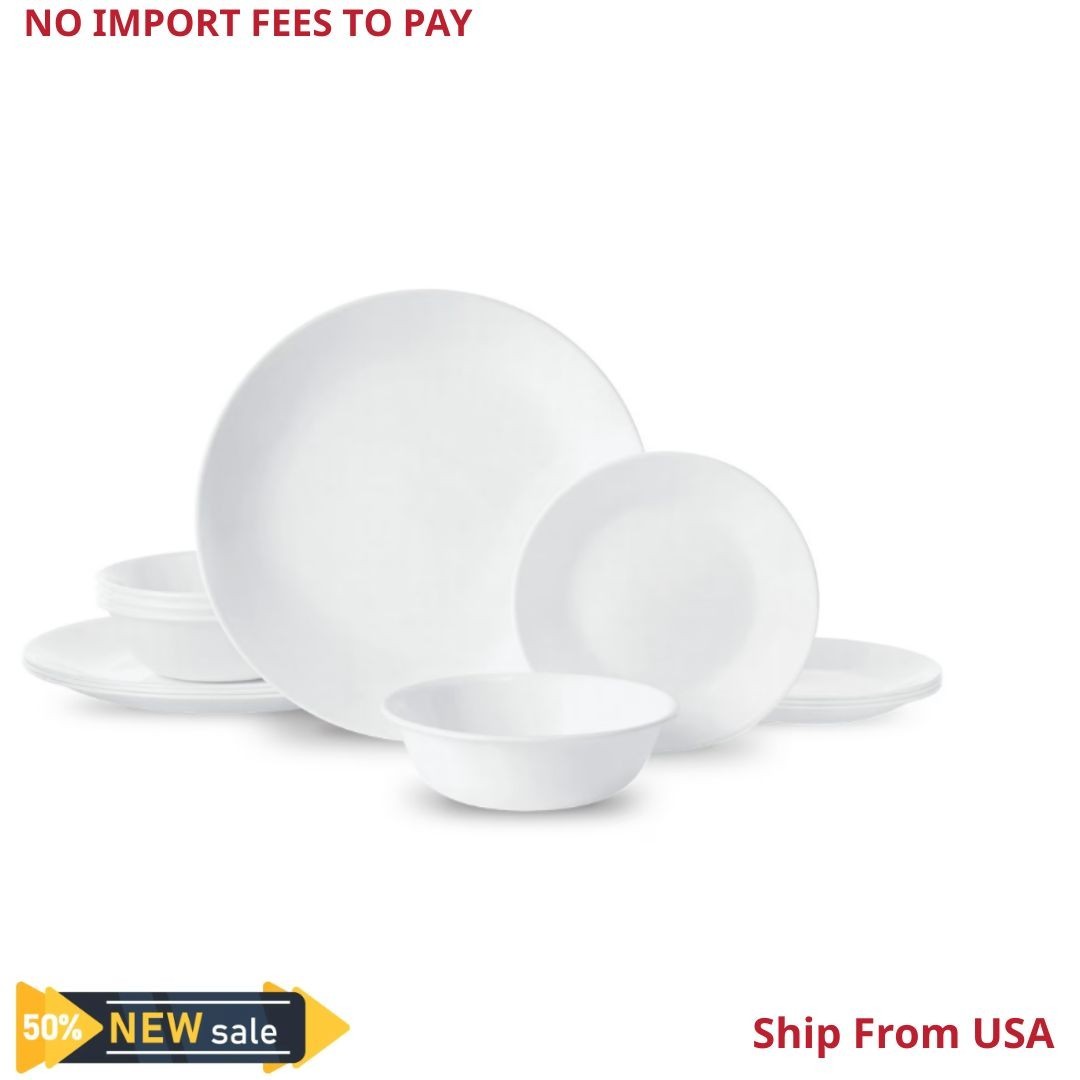
Glass Dinnerware Set

Glass dinnerware sets use either tempered opal glass (Corelle-style) or fully tempered soda-lime glass, and the core trade-off is impact resistance versus chip-and-shatter behavior under daily stacking and dishwasher heat. Durable sets are machine-tempered, stack flat, and carry a multi-year chip warranty; compromises are annealed decorative glass that chips at the rim and cannot tolerate thermal shock.

Buying guide image
Tableware, Drinkware & Serving

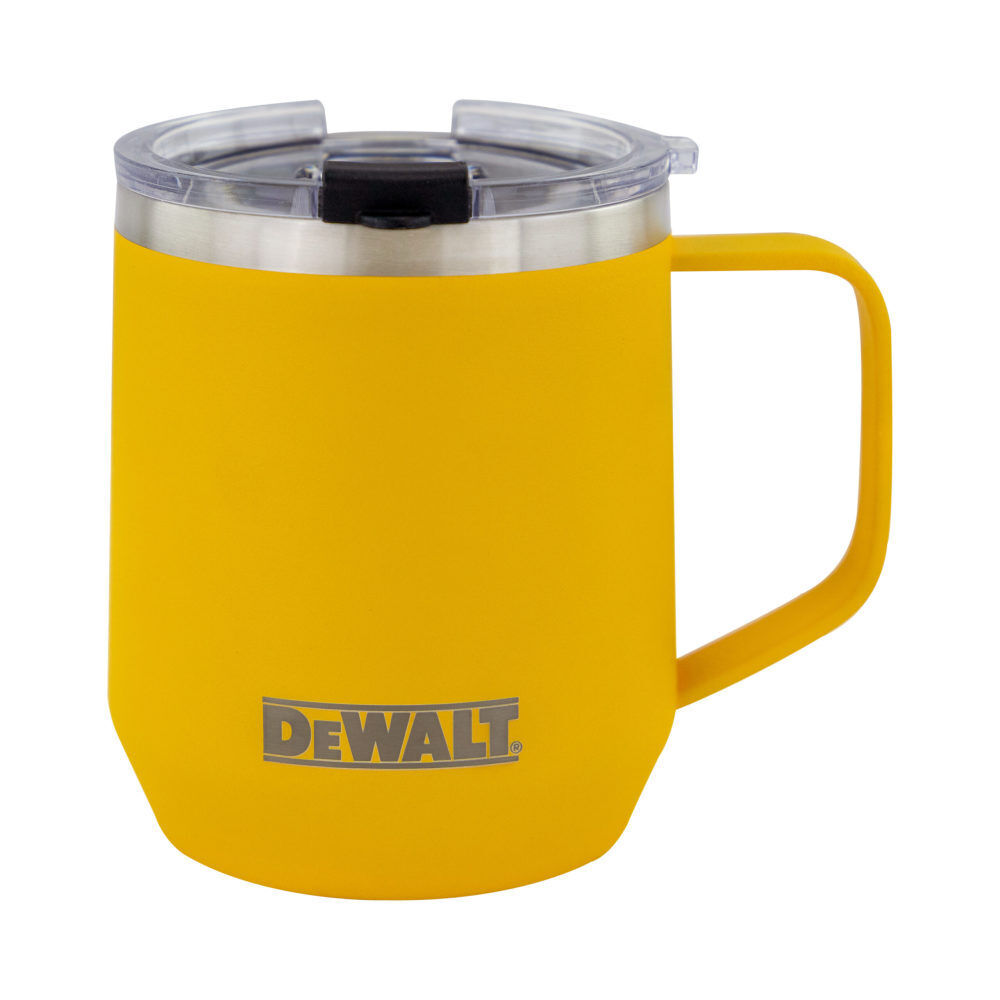
Insulated Mug With Handle

An insulated mug with handle is a vacuum-sealed drink vessel with an external grip, available in two distinct architectures: large-capacity travel tumblers with straw lids and compact double-wall coffee mugs with carabiner or loop handles. The primary trade-off is between capacity/portability (26oz+ tumblers with sealed lids) and home/desk ergonomics (4-piece mug sets with open handles), so the decision rule is: choose a sealed, tapered tumbler for commuting and outdoor use, and a handled open mug set for stationary desk or kitchen service.

Buying guide image
Food Storage & Containers

Stainless Steel Container With Lids

Stainless steel containers with lids are reusable food-storage vessels where the metal body delivers dent resistance, odor neutrality, and thermal transfer, while the lid gasket and latch determine leakproofness and freshness. The core trade-off is between thin, uncoated 0.4–0.6 mm stamped bodies with friction-fit lids and heavier 0.8–1.0 mm 304-grade bodies with silicone-gasketed locking lids. Buy 304 (18/8) stainless with a removable silicone gasket and a positive latch or clamp; skip unmarked "stainless" steel with press-on lids for anything beyond dry pantry goods.

Buying guide image
Kitchen & Table Linens

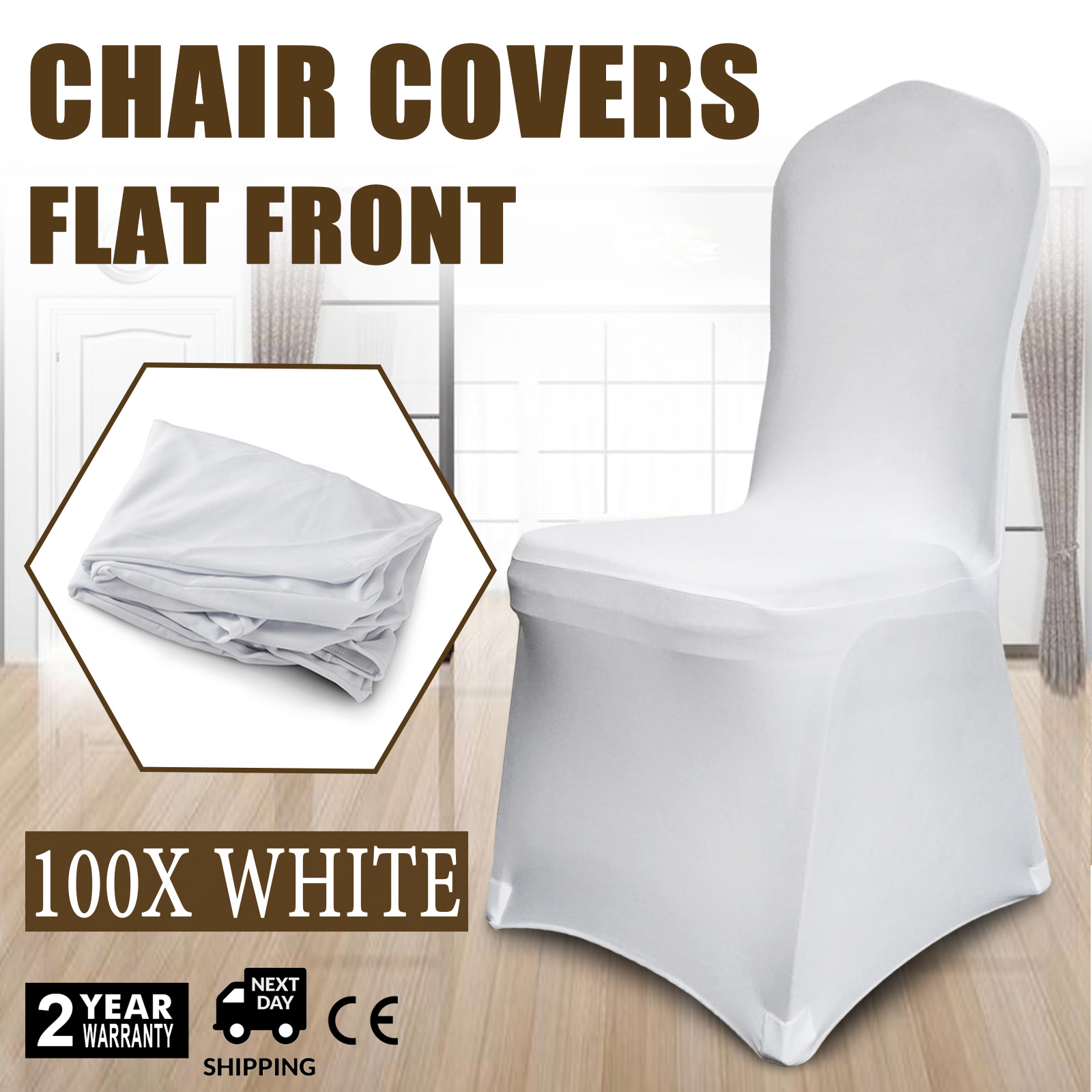
Chair Cover

Chair covers are fitted fabric slipcovers that protect and restyle dining, folding, and banquet chairs. The core trade-off is stretch-to-fit spandex versus woven polyester/cotton: spandex hugs odd chair profiles and folds flat for storage, while woven covers look tailored but fit fewer geometries. Choose 4-way stretch spandex with reinforced seams and hem pockets for event/rental abuse; choose woven or quilted covers only when the chair dimensions match the pattern spec.

Buying guide image
Coffee Grinders

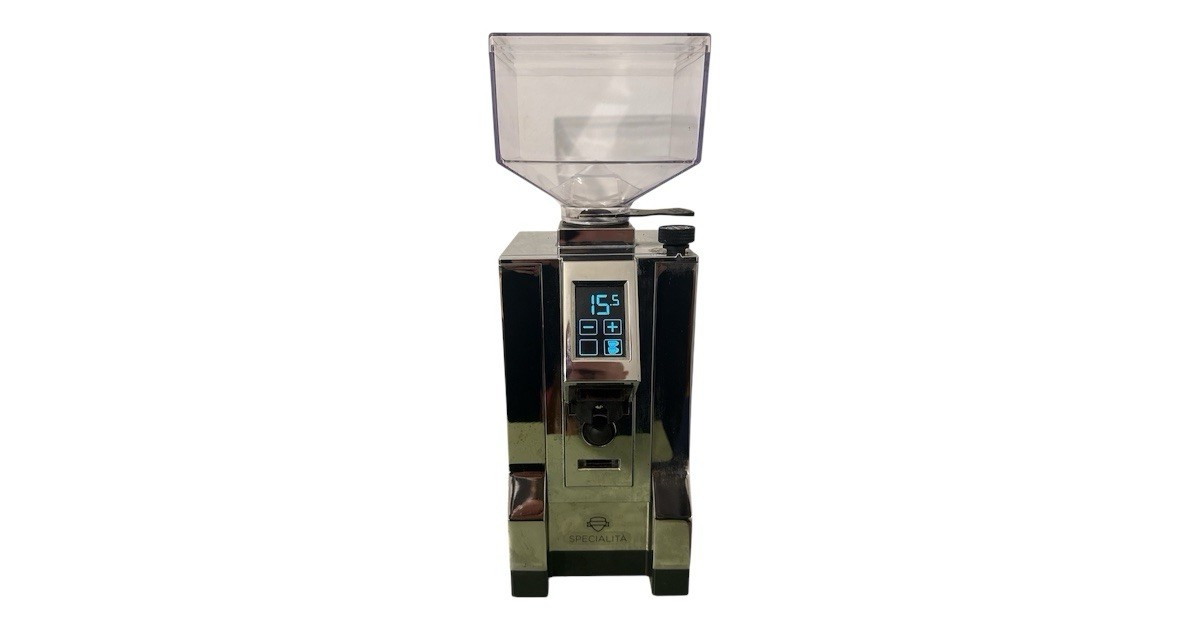
Eureka Grinder

Eureka grinders are Italian-made burr grinders built around a distinctive stepless 'micrometric' fork adjustment, and the Mignon family is the most common entry point for espresso-focused buyers. The defining decision is which Mignon tier you need: base Manuale, timed Crono, Silent/Specialita with display and near-silent operation, or the larger 65mm-burr Olympus/Atom line for high-volume or filter use. Shoppers most often get this wrong by buying a small-burr espresso-only model for pour-over, or paying for a timed display they will not use.

Buying guide image
Food Dehydrators

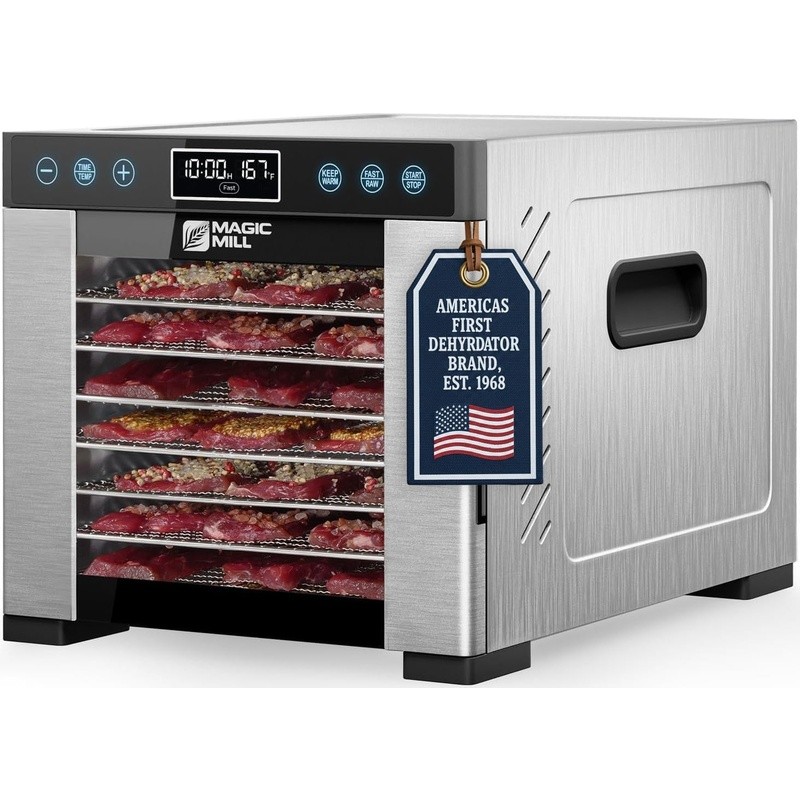
Electric Food Dehydrator

Electric food dehydrators use a fan and heating element to dry food at controlled low temperatures, and the core trade-off is between cheap vertical airflow units that dry unevenly and horizontal airflow models with better tray coverage and temperature precision. The decision rule: choose a horizontal-flow unit with adjustable thermostat down to 95°F and at least 5 trays for serious batch drying; skip fixed-temperature round stackers unless you only dry herbs or jerky occasionally.

You may also like

Finding more guides for you…