Kitchen Gear Wise

Kitchen Gear Wise

Kitchen Gear Reviews & Buying Guides

Compare kitchen gear by use case, features, trade-offs, price, returns, and seller terms before you buy.

Buying guides

Buying guide image
Cookware & Cutlery

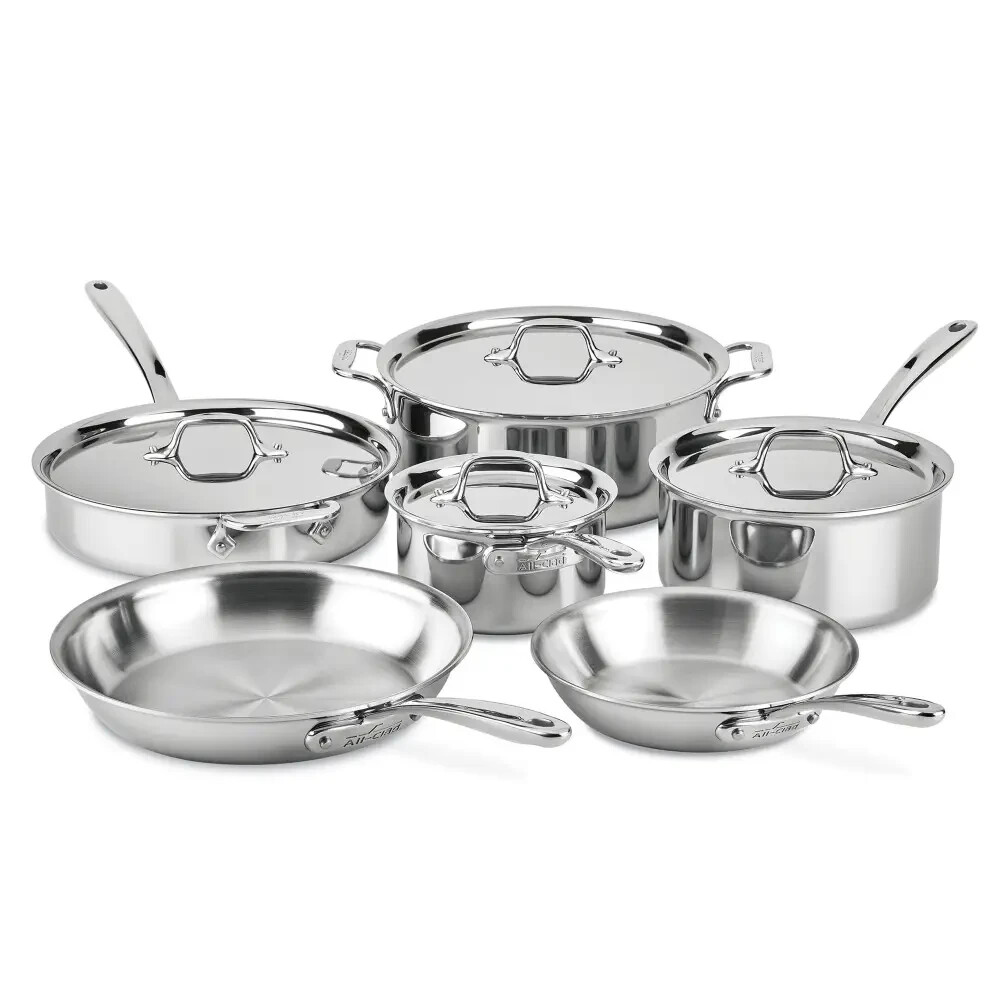
All Clad Stainless Steel Set

All-Clad stainless steel sets are multi-ply clad cookware built for induction compatibility, oven safety, and decades of daily use, not nonstick convenience. The core trade-off is ply count and core metal: 3-ply (D3) delivers fast, even heat at a lower weight, while 5-ply (D5) adds a stainless core for slower, more forgiving heat and extra durability. Buy D3 for responsiveness and value, D5 for thermal stability and high-heat searing, and skip any set that hides ply count or uses disk-only bases.
Buying guide image
Dishwashers

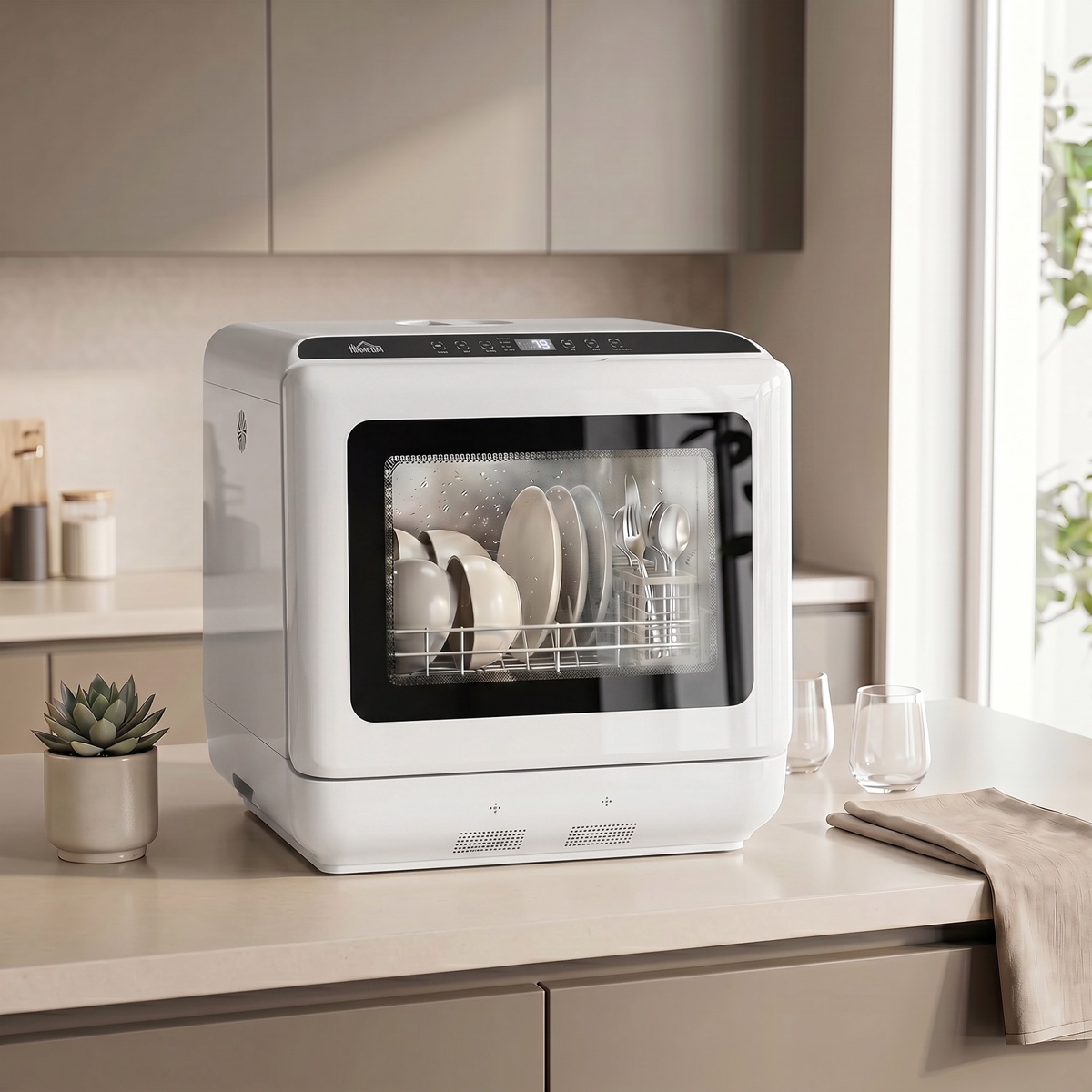
Countertop Dishwasher With Water Tank

Countertop dishwashers with a built-in water tank eliminate plumbing connections, letting renters and small-kitchen owners run true wash cycles without a permanent water line. The core trade-off is tank capacity versus interior volume: larger tanks (1.5–1.9 gal) support full wash cycles and a rinse, while undersized tanks force manual refills mid-cycle or limit you to quick washes. The decision rule is simple: choose a tank model rated for at least one complete wash-and-rinse cycle at 1.6 gal or more, and skip anything under 1.2 gal unless you only wash 2–3 place settings per load.

Buying guide image
Kitchen & Table Linens

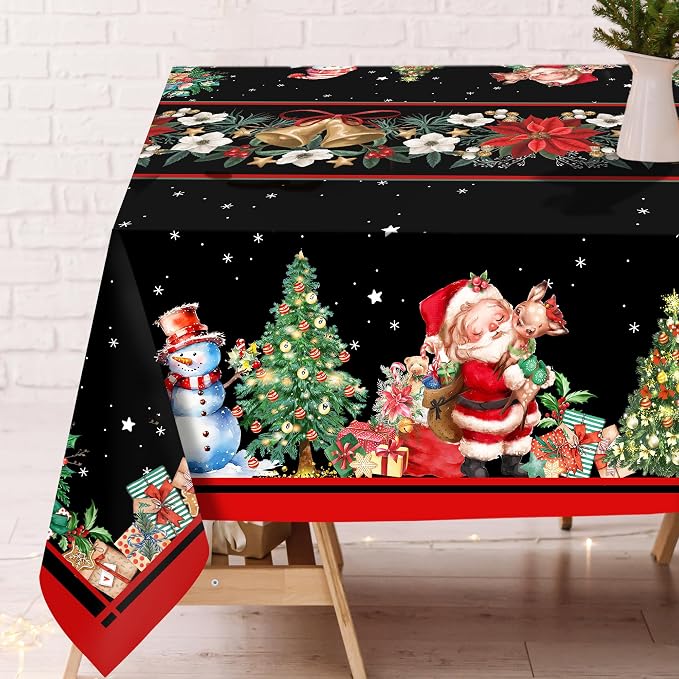
Tablecloth

A tablecloth is a fabric or vinyl cover that protects the table and sets the visual tone for dining, and the core trade-off is between stain/water resistance and natural drape and breathability. The decisive rule: buy a fitted spandex or vinyl-backed cover for heavy event use, and a woven cotton-linen or polyester for everyday dining — skip thin unbacked vinyl and loose-spandex if you want multi-year durability.

Buying guide image
Ice Makers

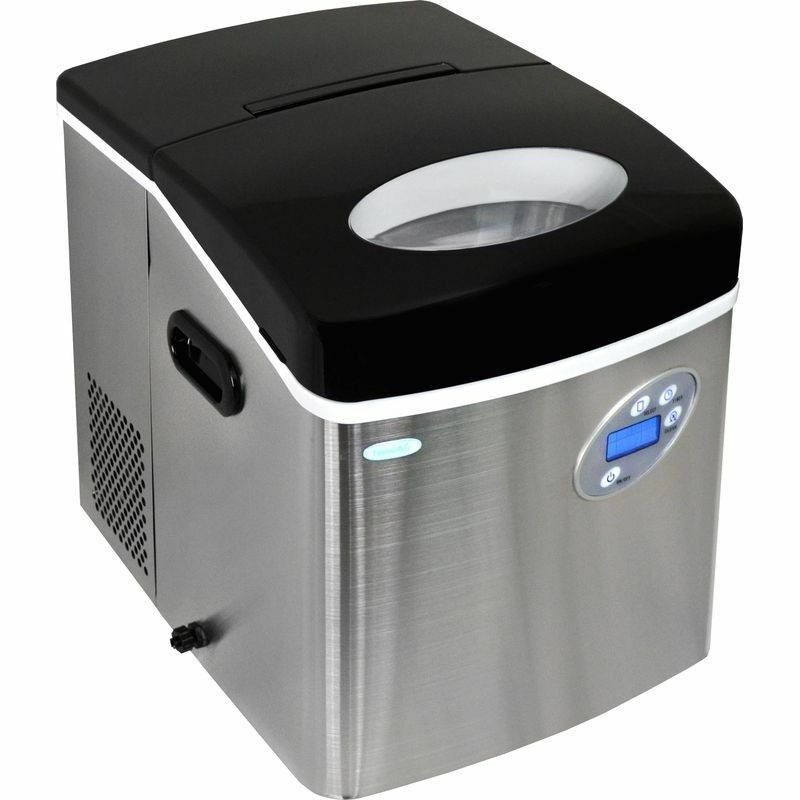
Large Cube Ice Maker

Large cube ice makers produce oversized, slow-melting cubes (typically 1.25–2 inches) for whiskey, craft cocktails, and premium entertaining, rather than the small crescent or bullet ice of everyday appliances. The core trade-off is between compressor-driven clarity and output speed versus modularity, drainage, and counter footprint. Choose a self-contained clear-ice unit if you want plug-and-play premium cubes; choose a modular or nugget-capable unit only if you need high volume or chewable ice.

Buying guide image
Kitchen Storage & Organization

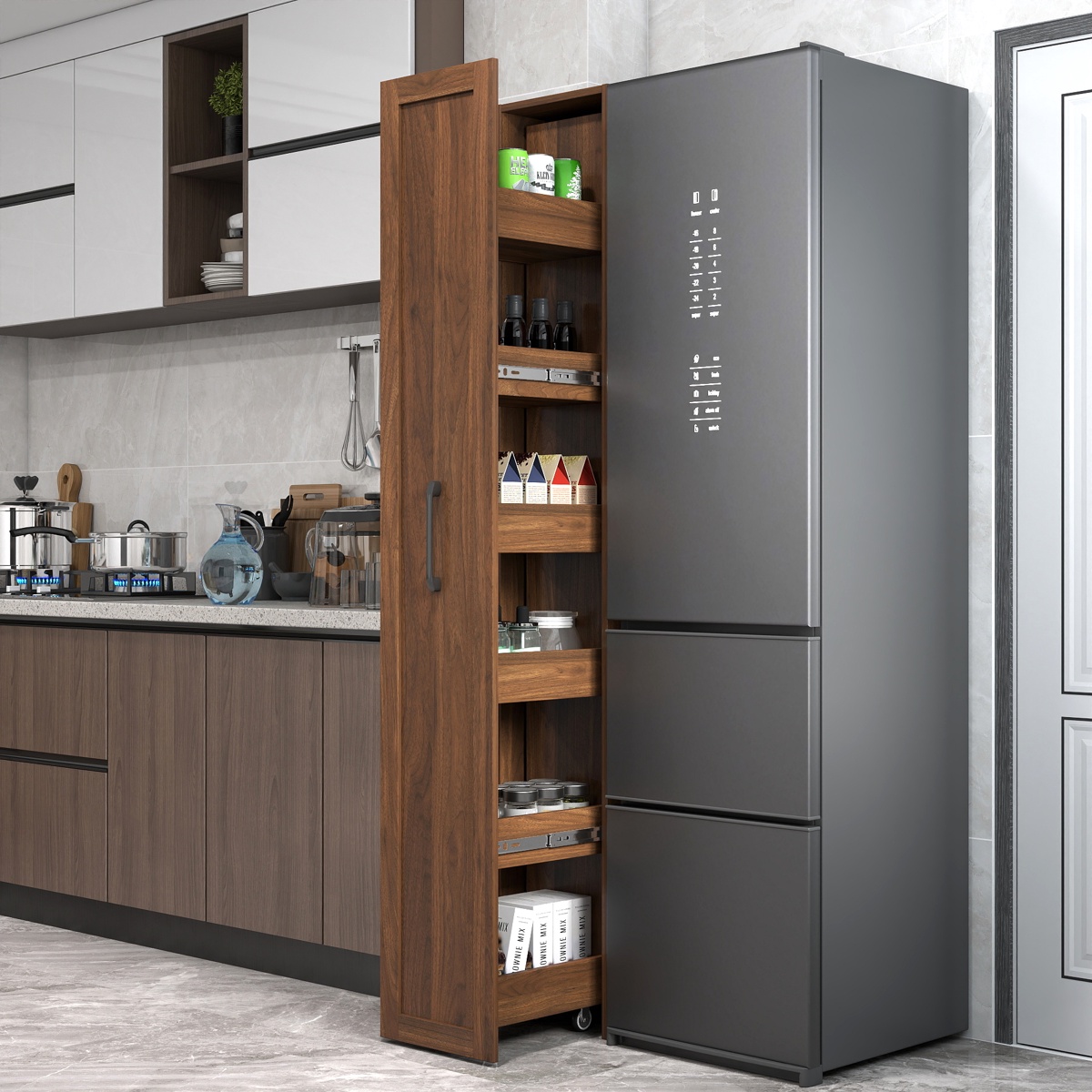
Small Kitchen Storage Cabinet

A small kitchen storage cabinet is a freestanding or rolling unit under roughly 24 inches wide designed to add pantry, spice, or countertop-adjacent storage without consuming walkway space. The core trade-off is footprint versus load capacity and stability: narrow carts gain mobility and slide into gaps but carry less weight and tip easier, while fixed slim cabinets hold more but demand precise door and wall clearances. Buy fixed floor-standing or wall-anchored units when you need heavy pantry loads; choose a rolling cart only for light goods under about 30 lb per shelf.

Buying guide image
Toasters & Ovens

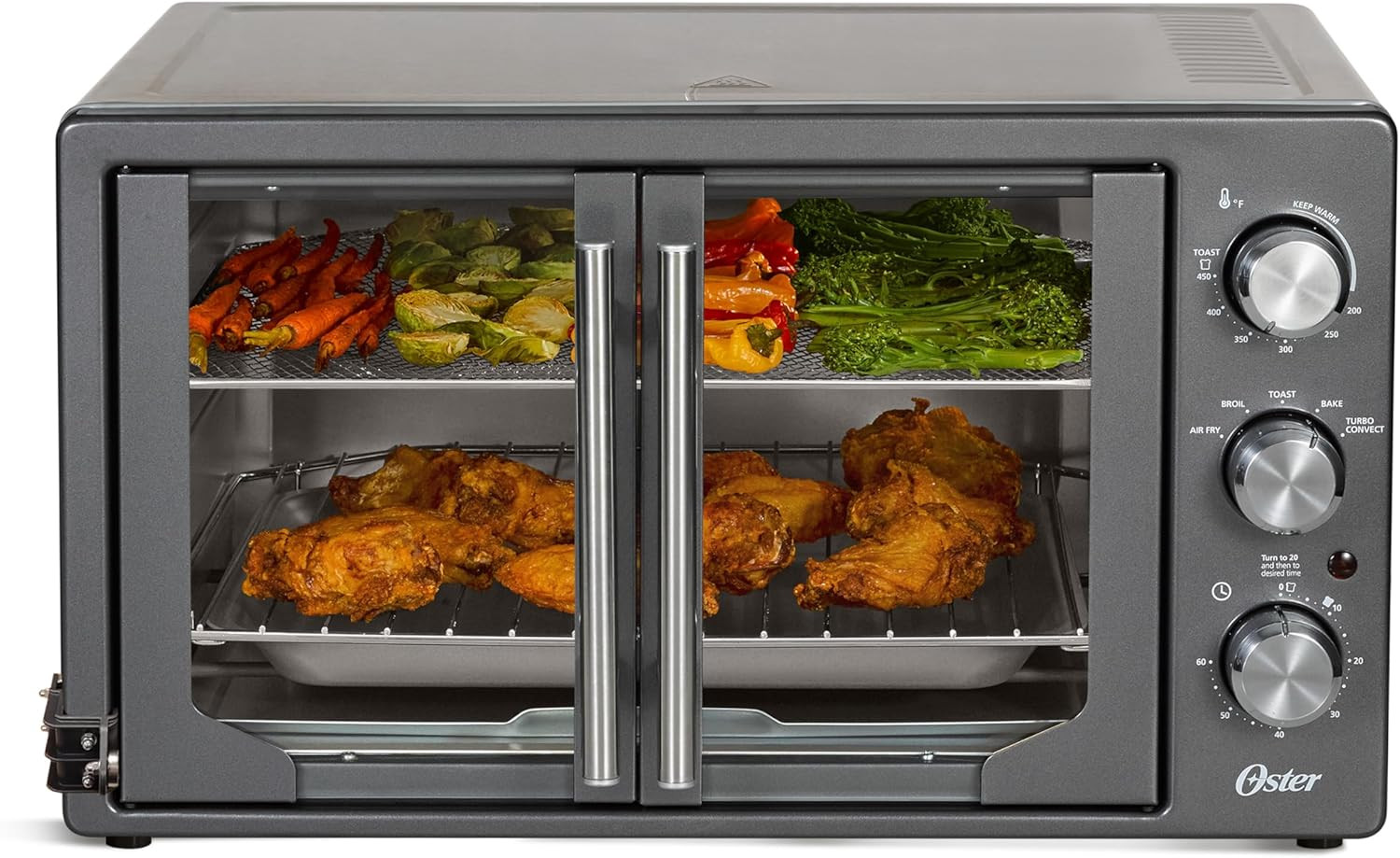
Large Countertop Oven

Large countertop ovens are freestanding electric appliances that combine toaster, bake, broil, and convection functions in a footprint wider than a standard four-slot toaster. The core trade-off is between interior volume and heat distribution: bigger cavities fit full sheet pans and family meals but demand stronger wattage, better insulation, and true convection to avoid hot spots. The durable decision rule is simple: buy an oven rated for continuous duty at 450°F or higher with a metal interior, a dedicated broil element, and a convection fan—skip any model that lists only toast settings or uses a glass-door latch as its primary heat seal.

Buying guide image
Tableware, Drinkware & Serving

Reusable Coffee Cup With Lids

A reusable coffee cup with lid spans insulated stainless-steel tumblers, double-wall ceramic mugs, and color-changing plastic party cups — the core trade-off is thermal retention and durability versus weight and cost. Vacuum-insulated stainless keeps drinks hot or cold for hours and survives daily commutes, while single-wall plastic or ceramic is light and cheap but sweats and chips. The decision rule: buy vacuum-insulated 18/8 stainless for daily transport, and choose thin plastic or ceramic only for desk use or party favors where insulation and longevity don't matter.

Buying guide image
Bread Ovens & Dutch Ovens

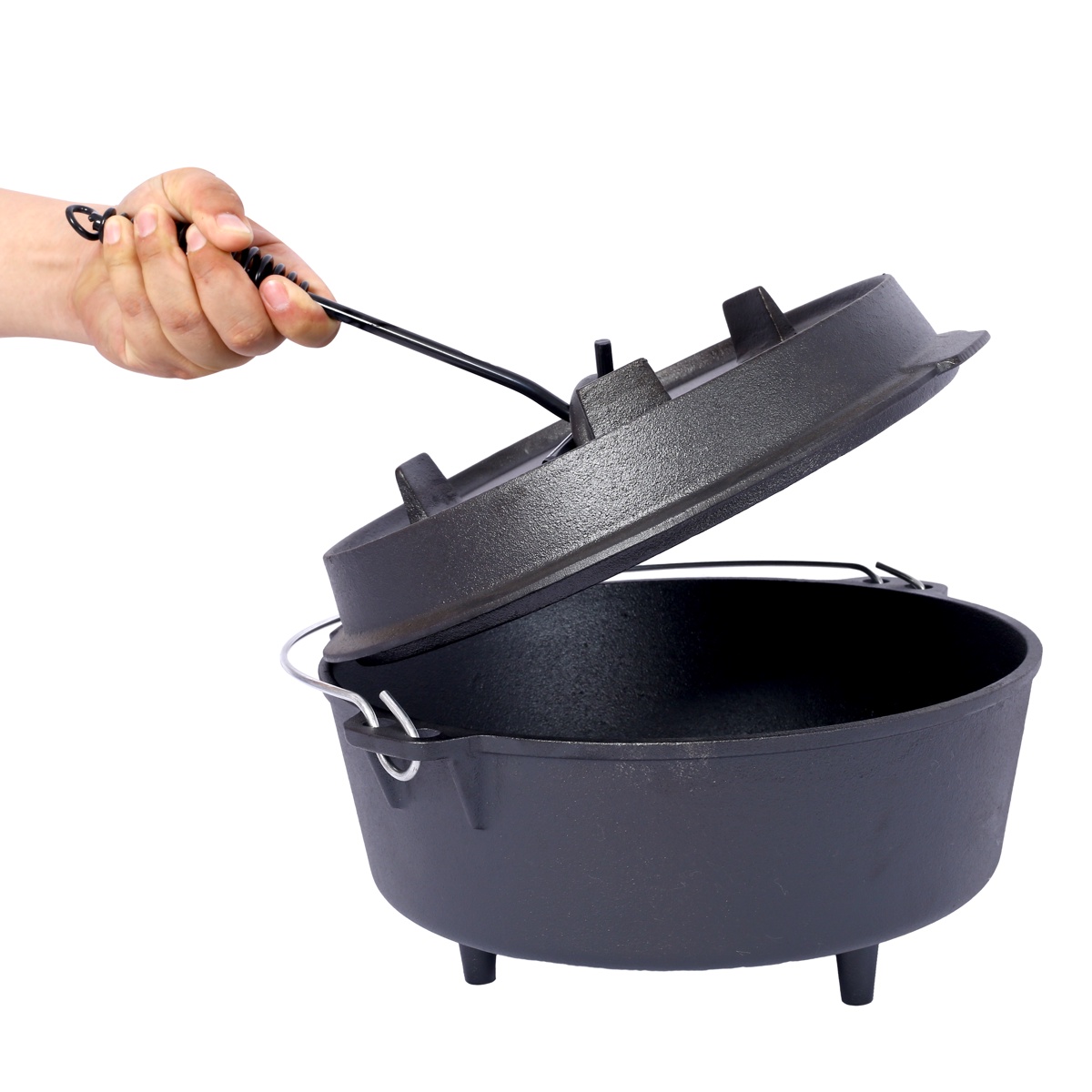
Seasoned Dutch Oven

A seasoned Dutch oven is a cast-iron pot pre-treated with a baked-on oil layer that provides a natural, chemical-free nonstick surface and resists rust out of the box. The primary trade-off is factory seasoning quality and iron thickness versus the ongoing maintenance a bare or enameled pot demands. Choose a true seasoned cast-iron oven when you want high-heat searing, campfire or open-flame durability, and a surface that improves with use; skip it if you require dishwasher-safe cleanup or acidic simmering without patina management.

Buying guide image
Coffee Makers & Espresso

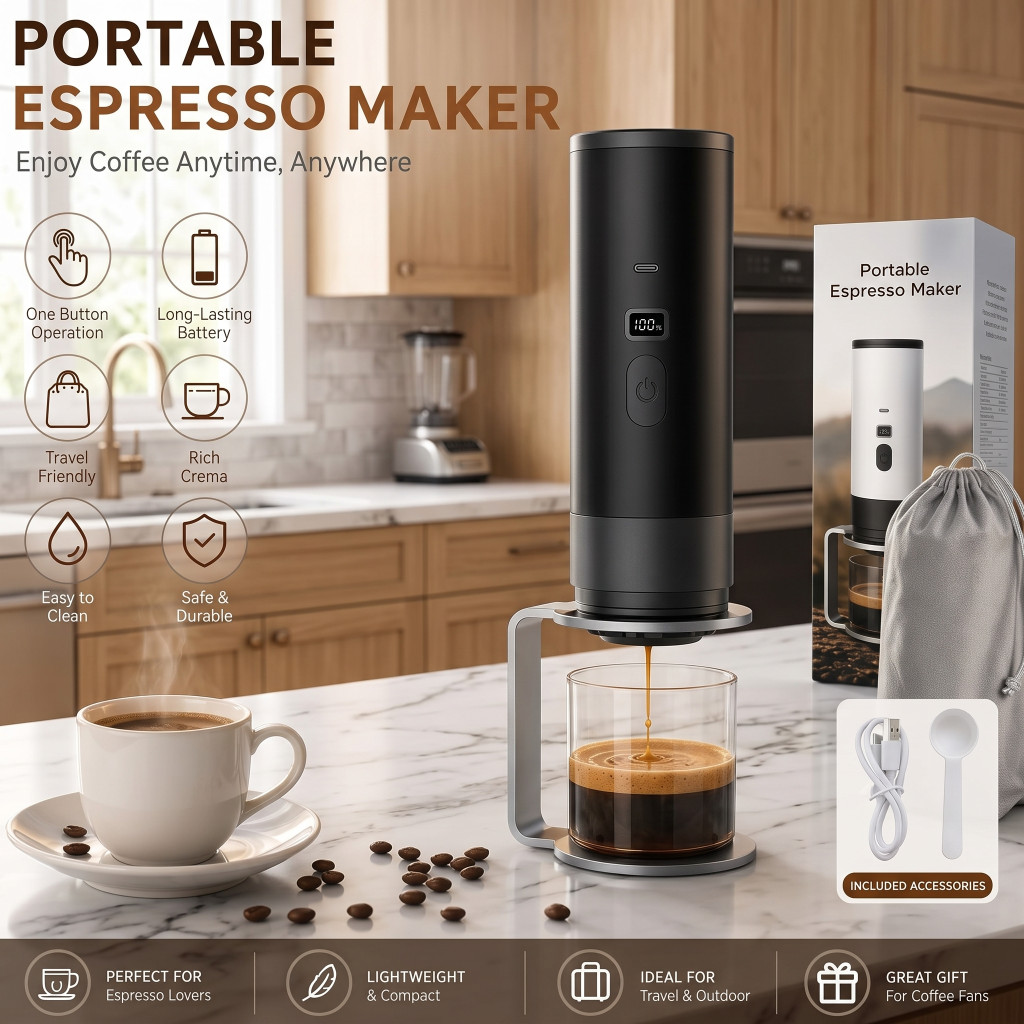
Electric Espresso Maker

An electric espresso maker is a compact, powered brewing device that uses a pump or pressure system to force hot water through coffee grounds, typically for portability or single-serve convenience. The core trade-off is between true 9-bar extraction and cordless heating vs. battery capacity and capsule compatibility. Buyers should prioritize machines with a genuine 15-19 bar pump, a rechargeable battery rated for at least 3-4 shots per charge, and clear capsule/ground compatibility—skip any unit that lacks a stated pressure rating or uses a plastic boiler.

Buying guide image
Pour-Over & Manual Brewing

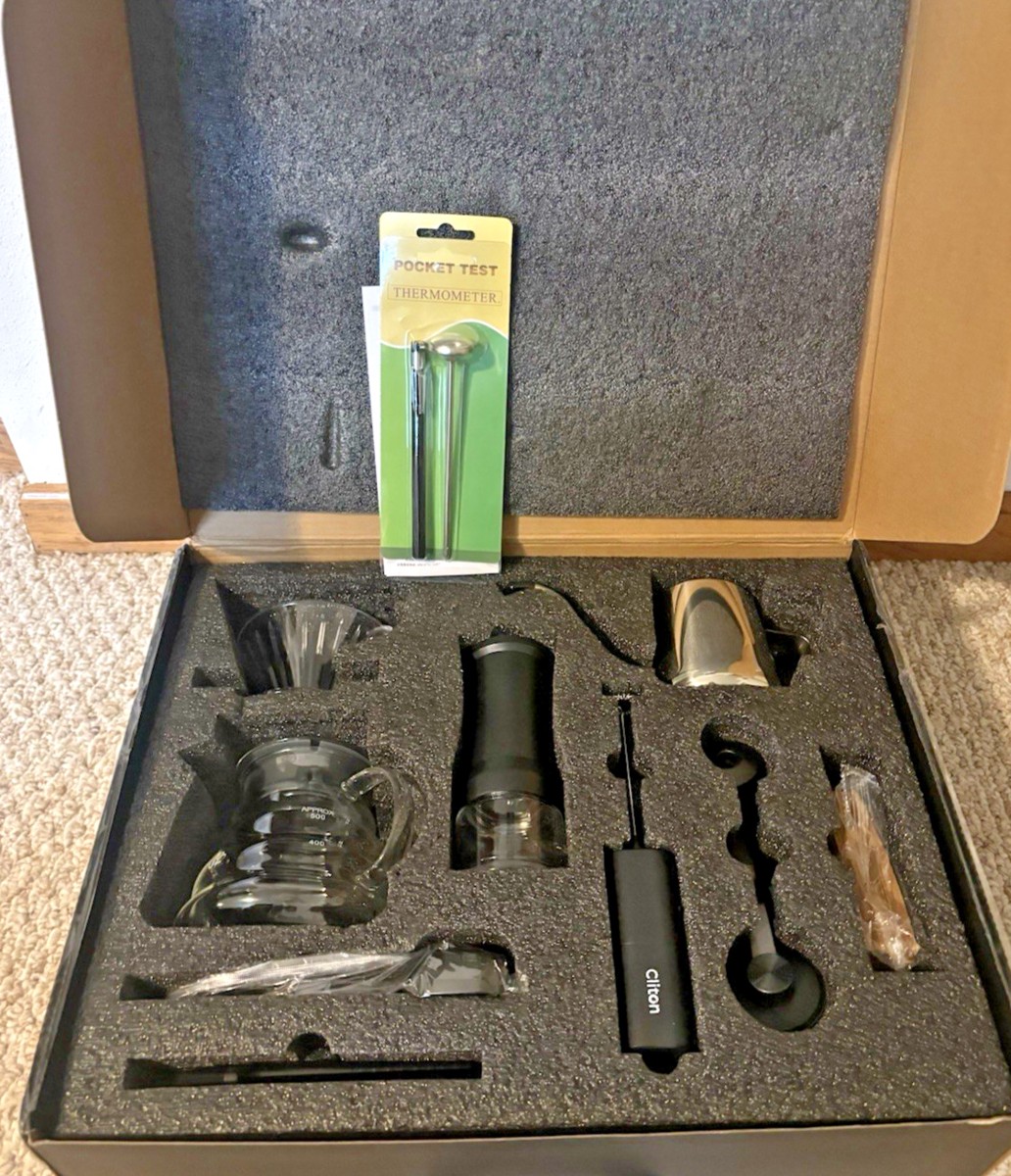
Pour Over Coffee Grinder

A pour-over grinder is the single most important variable in manual brewing: it controls particle uniformity, which dictates extraction evenness and clarity. The core trade-off is burr architecture and material versus alignment and adjustment precision—conical steel burrs give a durable baseline, while flat burrs and tighter tolerances deliver the consistency that light-roast pour-over demands. The decision rule: buy a grinder with a stabilised burr shaft, stepped or stepless micro-adjustment, and a burr material rated for thousands of pounds of coffee; skip any unit with ceramic burrs, loose axle play, or grind settings coarser than 10 microns per click.

Buying guide image
Blenders & Juicers

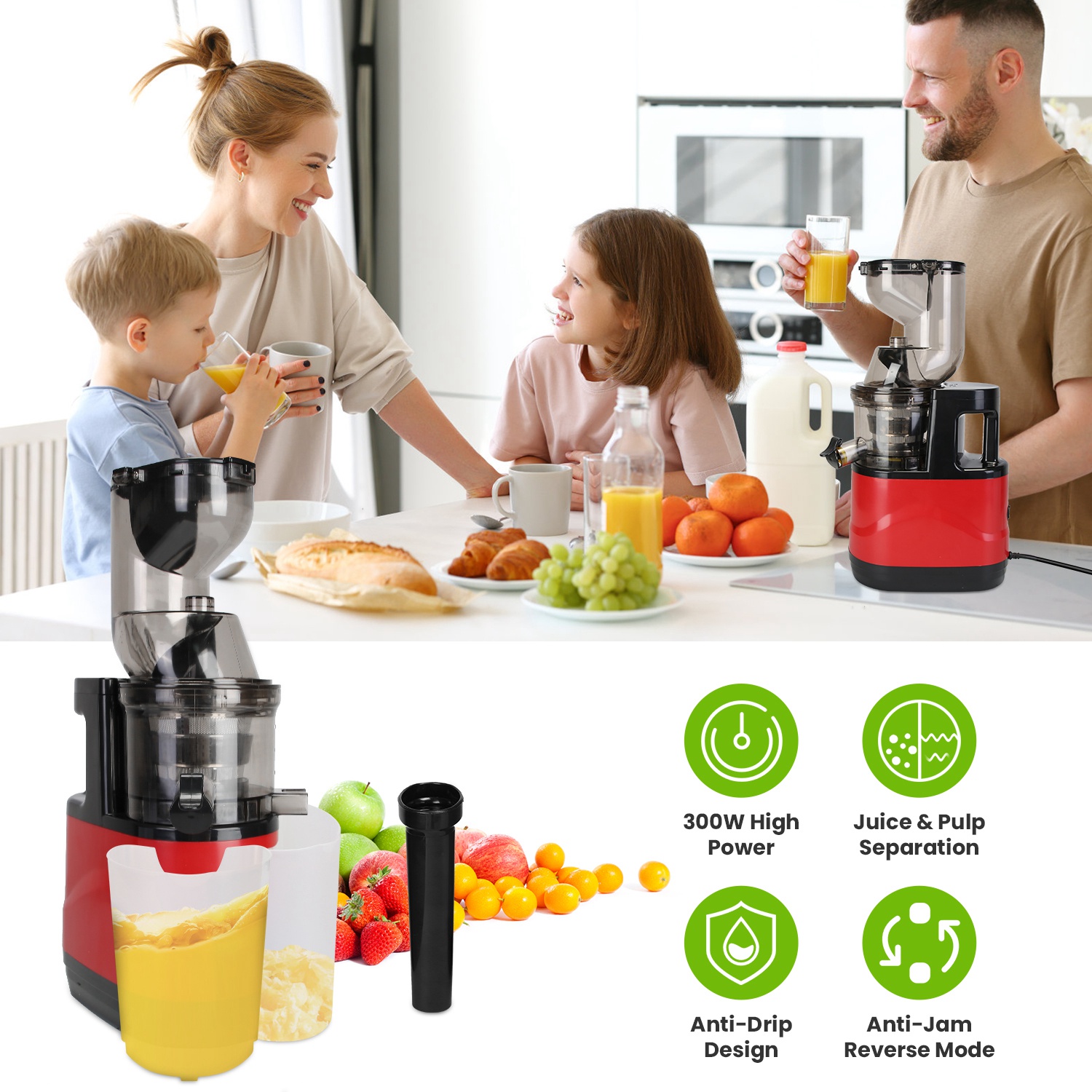
Masticating Juicer

Masticating juicers use a slow-turning auger (typically 40-80 RPM) to crush and press produce rather than shred it with high-speed blades, preserving enzymes and yielding drier pulp and longer shelf life. The core trade-off is speed versus yield and versatility: single-auger horizontal models handle greens and nuts but are slower, while vertical dual-stage augers feed whole produce faster yet demand more counter clearance. Choose a masticating juicer only if you juice leafy greens, wheatgrass, or nut milks regularly; for daily carrot-apple juice in volume, a high-speed centrifugal model is the more practical tier.

Buying guide image
Food Preparation

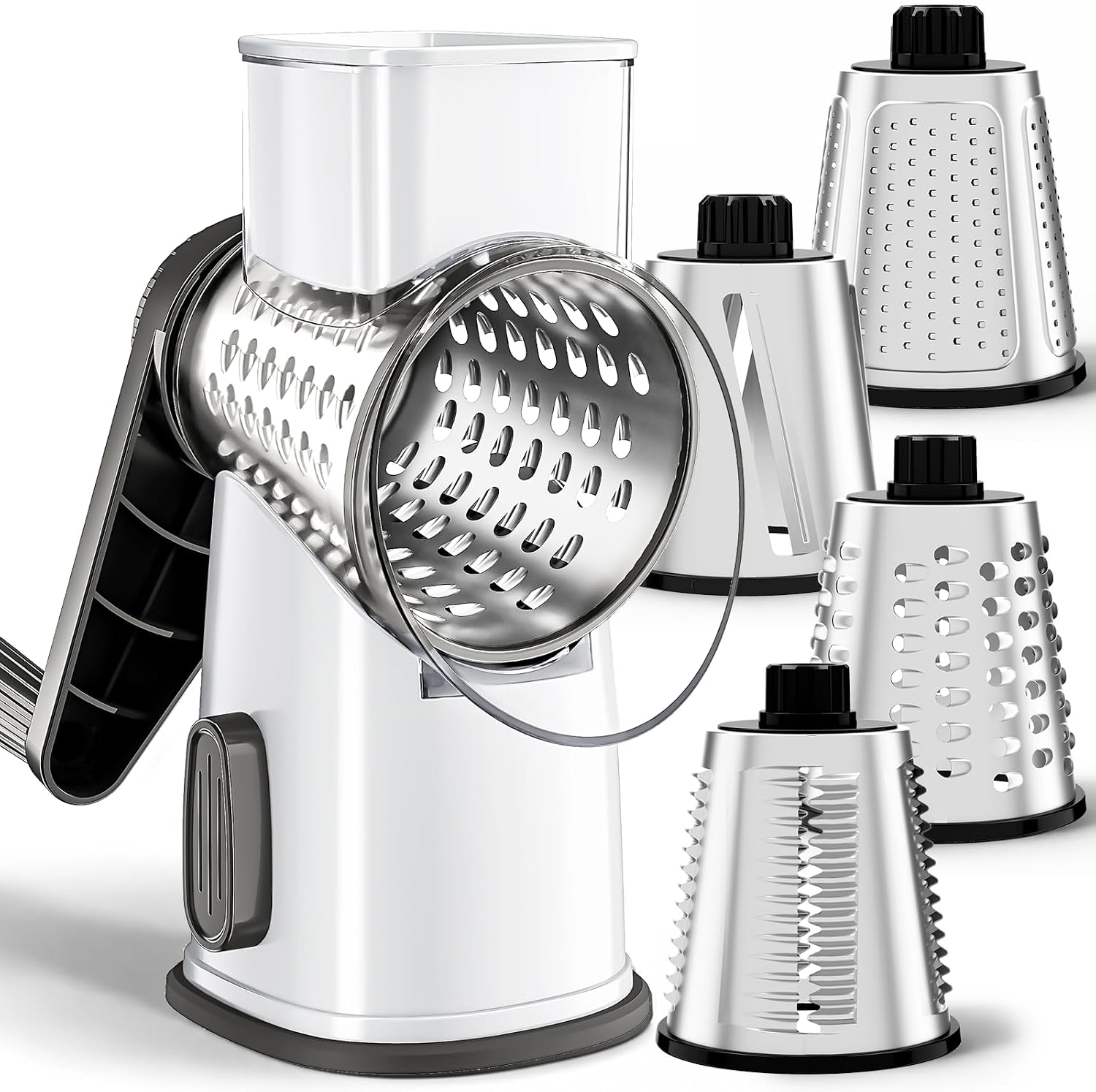
Cheese Grater With Crank

A cheese grater with crank is a rotary, hand-cranked shredding tool that uses a drum-style cutting blade and a hopper to press food against the drum, delivering mechanical advantage over flat hand graters. The core trade-off is blade-drum construction and crank-gear durability versus hopper capacity and suction-base stability: cheap units use thin stamped drums and plastic gears that strip under hard cheese, while durable units use hardened stainless drums, metal drive shafts, and a locking suction base. The decision rule: buy only if the drum is hardened stainless steel, the crank axle is metal (not plastic), and the base has a lever-lock suction seal; skip any crank grater with a plastic drum housing or press-fit plastic gears.

Buying guide image
Coffee Grinders

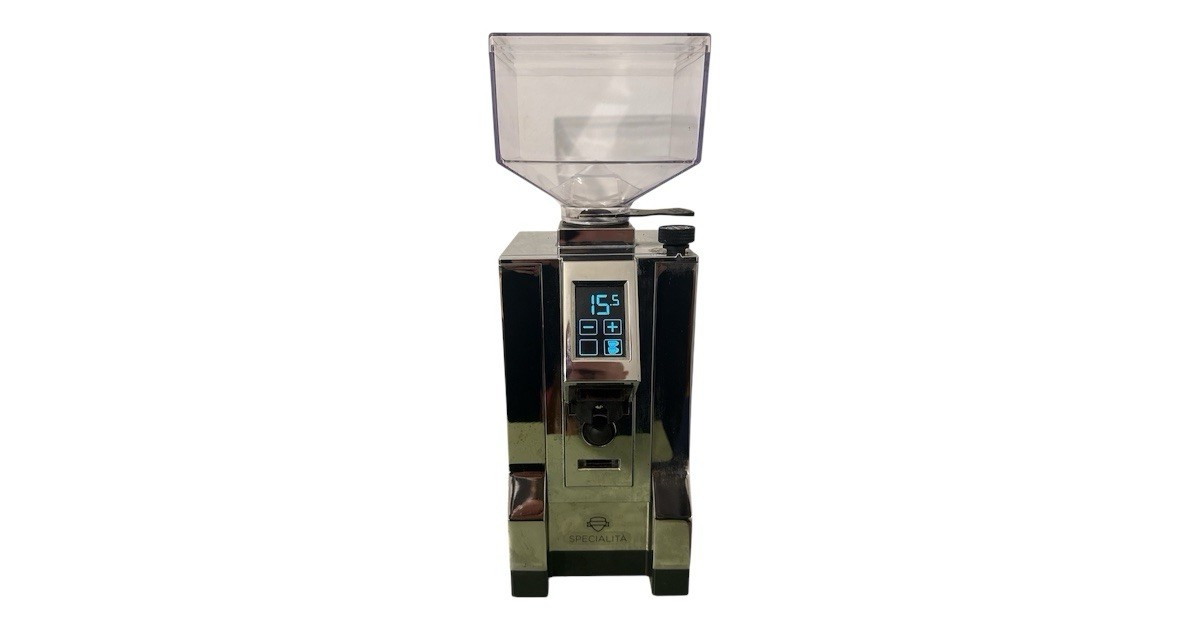
Eureka Mignon Grinder

The Eureka Mignon line is a reference point for espresso-focused home grinding, but sub-model differences in burr size, motor speed, and adjustment mechanism matter more than the badge on the front. Buyers often pick the wrong generation for their workflow—especially those who want single-dosing or brew-method versatility—so the correct choice hinges on burr architecture and timed dosing control rather than cosmetic color variants.

Buying guide image
Water Filtration

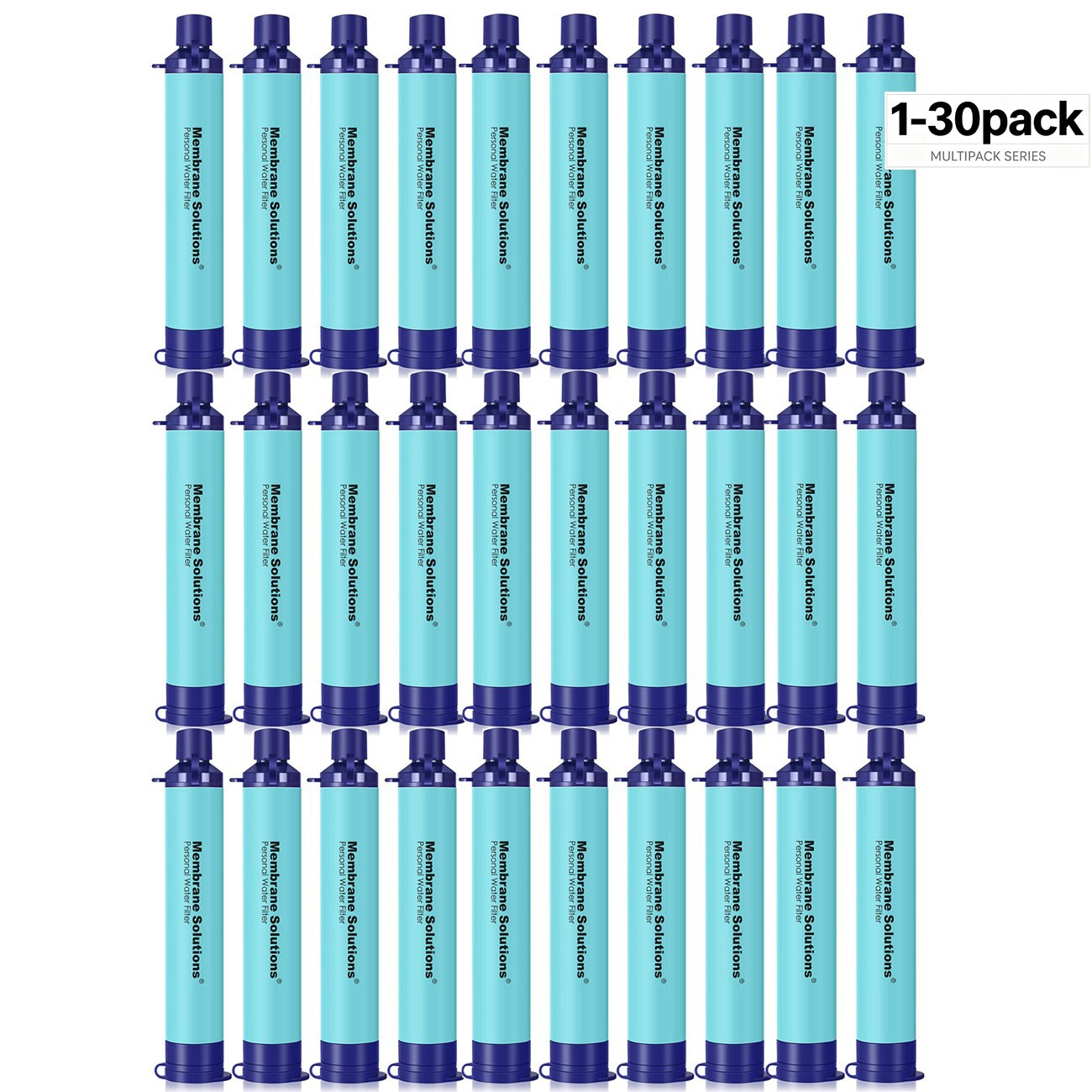
Portable Water Filter Straw

Portable water filter straws are personal, direct-drink purifiers that remove sediment, protozoa, and bacteria without pumps or power, trading flow rate and lifespan for packability. The core decision is membrane absolute rating versus hollow-fiber surface area: 0.1-micron absolute hollow-fiber units last hundreds of liters, while 0.2-micron nominal or granular-carbon units are lighter but shorter-lived. Buy a 0.1-micron absolute hollow-fiber straw if you need dependable backcountry or emergency water; skip carbon-only or nominal-rated straws for anything beyond clear municipal water.

Buying guide image
Coffee Makers & Espresso

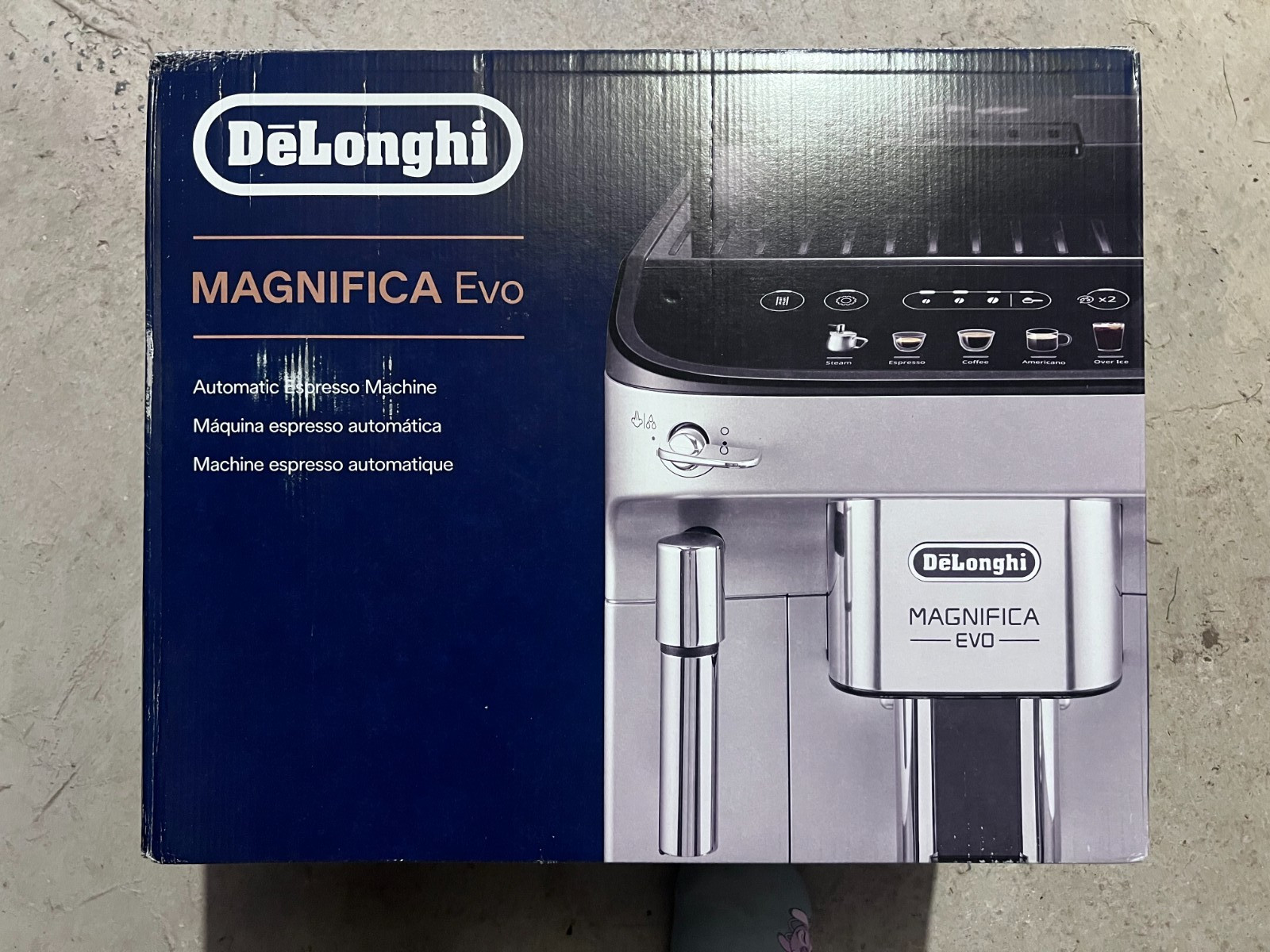
Delonghi Espresso Machine With Grinder

A De'Longhi espresso machine with a built-in grinder is a bean-to-cup or semi-automatic system that eliminates separate grinding gear, but the decisive trade-off is burr-set quality and brew-temperature stability versus convenience features. Durable picks use conical steel or ceramic burrs, a PID-controlled thermoblock or dual boiler, and standard 58mm or 51mm portafilters; compromises hide behind pressurized baskets, blade grinders, or single thermostats that swing brew temperature. The clear rule: buy the grinder-first architecture (adjustable burrs, non-pressurized basket compatibility) if you want real espresso, and skip any unit whose grinder has fewer than five grind settings or lacks a removable burr carrier.

Buying guide image
Bread Mixers, Scales & Thermometers

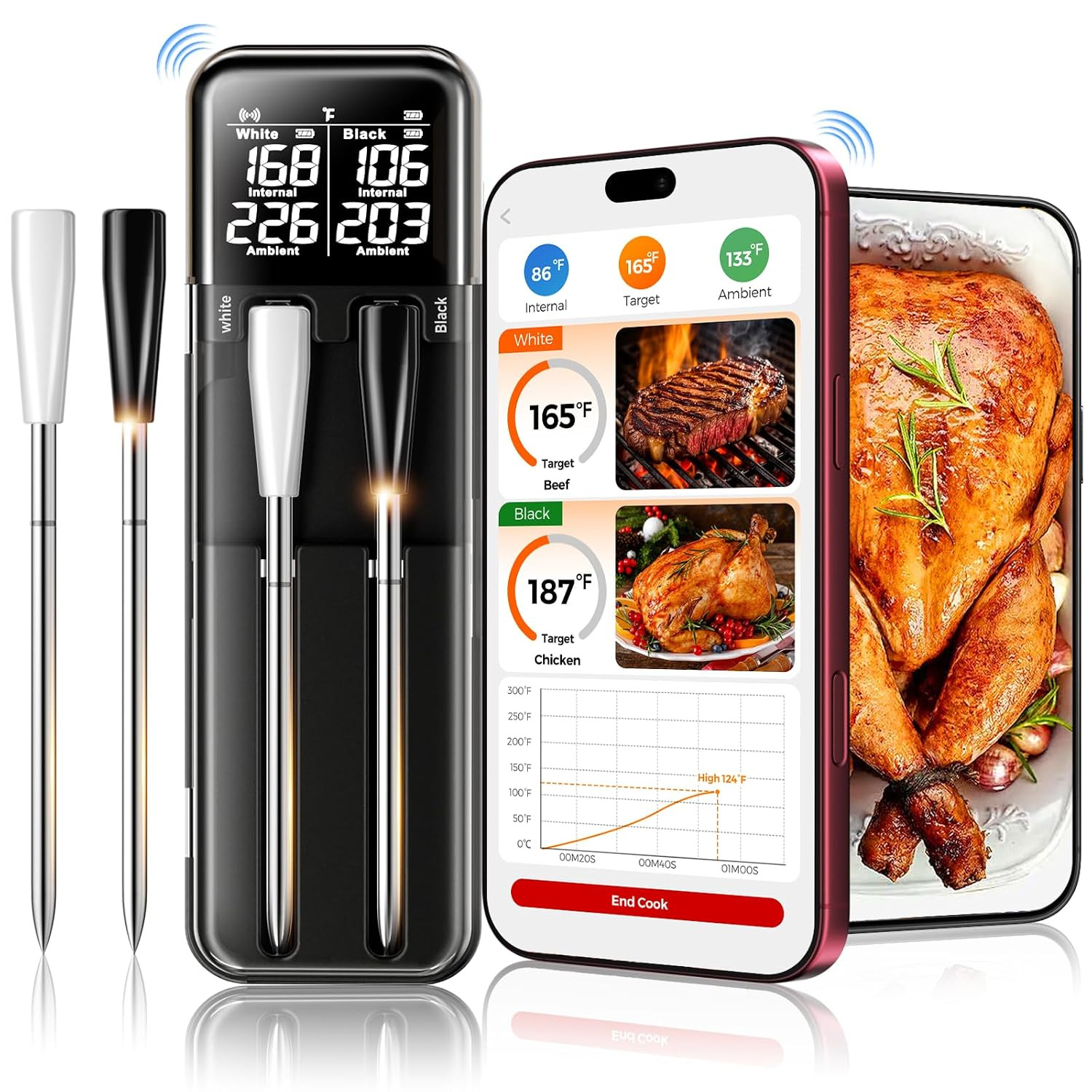
Wireless Meat Thermometer

A wireless meat thermometer pairs a temperature probe with a separate receiver or phone app, eliminating the guesswork of oven-roasting, grilling, and smoking. The core trade-off is radio range and probe durability versus app convenience: RF units prioritize signal stability and multi-probe capacity, while Bluetooth units trade range for smartphone integration. The decision rule is simple: buy RF for enclosed ovens and long-range cooks, buy Bluetooth with a repeater or base for app-based monitoring, and skip any unit with a fixed probe or no stated accuracy spec.

Buying guide image
Coffee Grinders

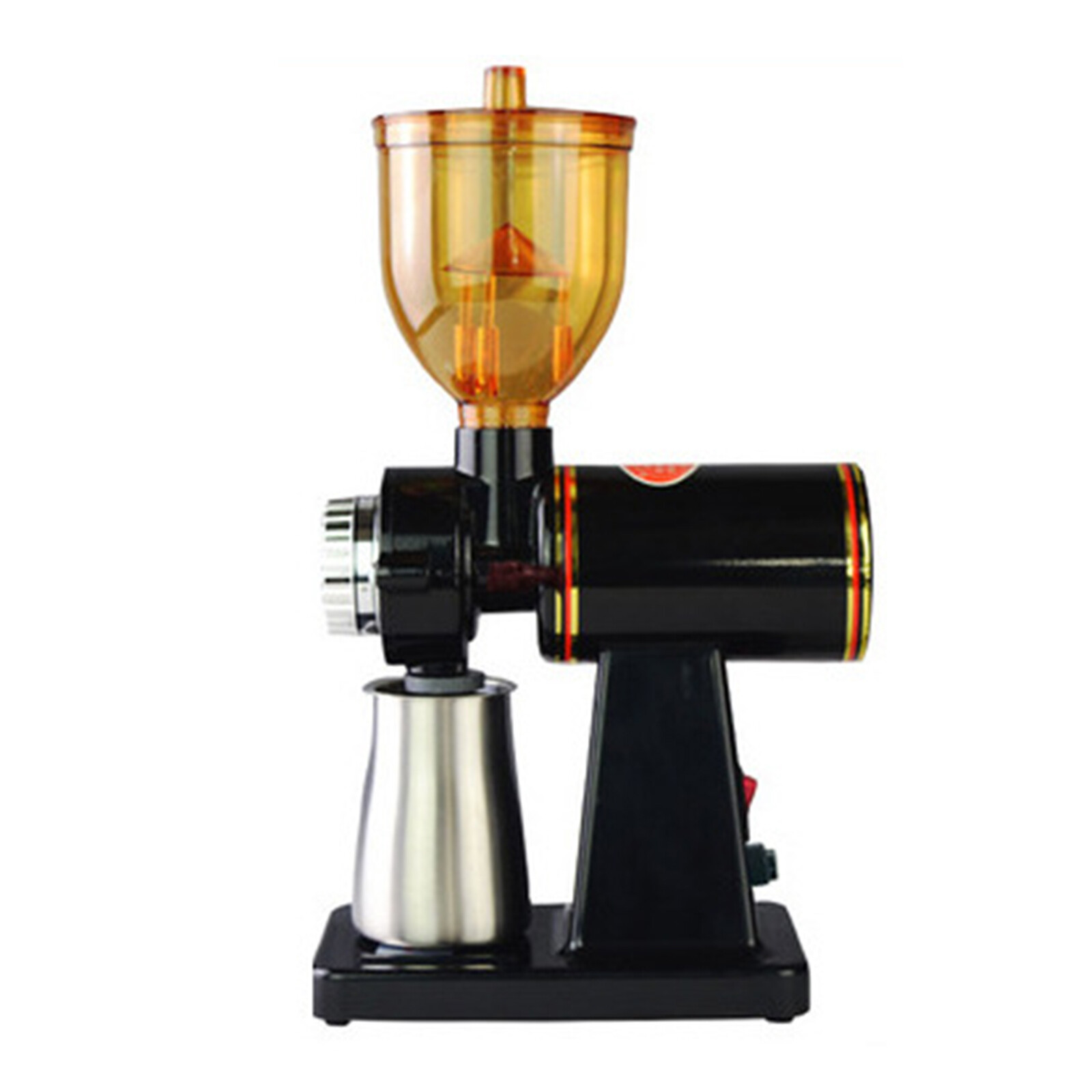
Coffee Bean Grinder Espresso

Espresso-focused coffee bean grinders fall into hand crank ceramic burr, entry electric flat/conical burr, and commercial-grade electric burr tiers, with the key trade-off being burr geometry and motor/step-less adjustment precision for repeatable fine grinds. Durable espresso grinders use hardened steel burrs, low-retention paths, and step-less or micro-step adjustment; compromises use ceramic burrs or stepped plastic detents that drift at espresso fineness.

Buying guide image
Dishwashers

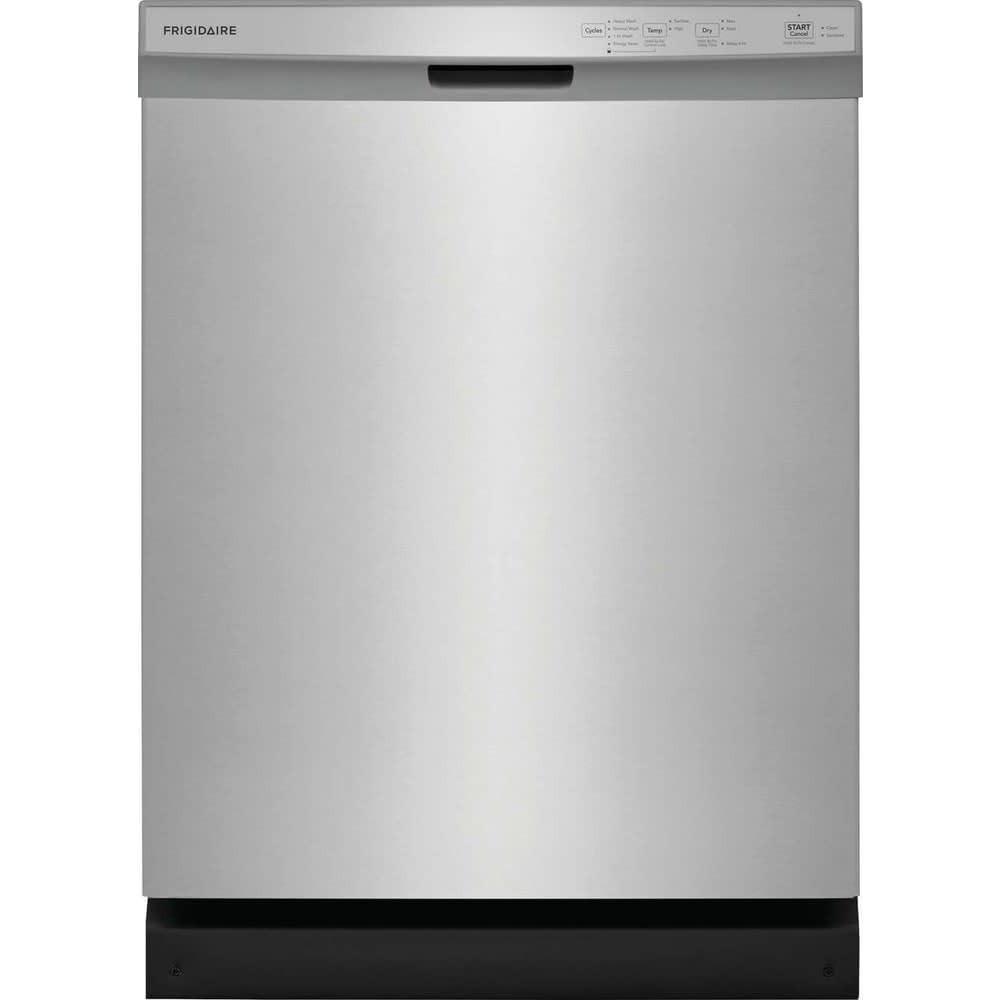
18 Dishwasher Stainless Steel

An 18-inch stainless steel dishwasher is a compact unit built to fit tight kitchen footprints while offering the corrosion resistance and heat tolerance of a stainless tub. The primary trade-off is capacity versus cavity size: 18-inch models hold 8–10 place settings and sacrifice width, not wash quality, so the real decision is whether your cabinet opening and daily dish volume justify the smaller form factor. Choose a stainless-steel tub and door with a brushed finish for durability; skip plastic-tub 18-inch units if you want long-term stain resistance and higher wash temperatures.

Buying guide image
Cookware & Cutlery

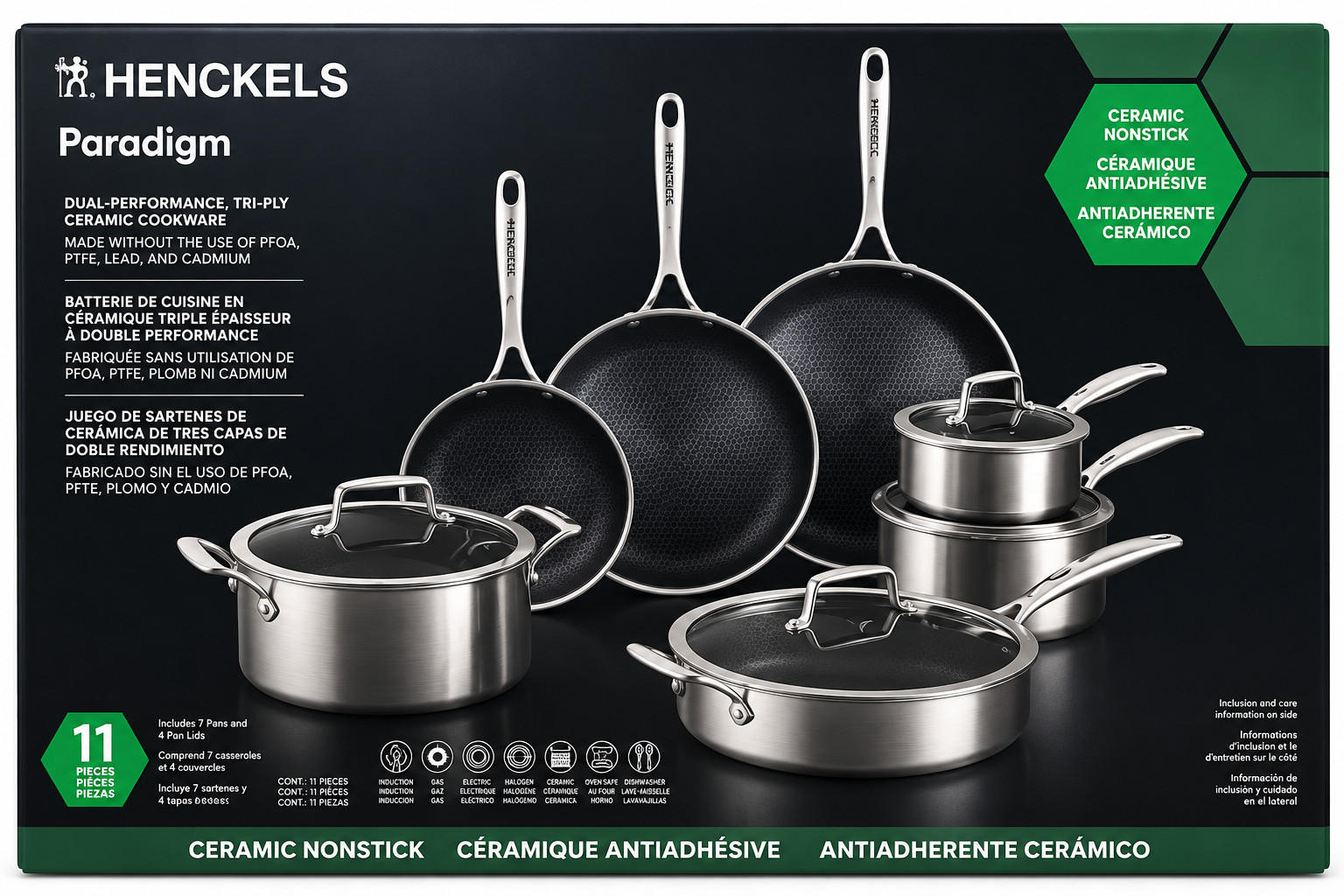
Stainless Steel Ceramic Cookware

Stainless steel ceramic cookware pairs a rigid, induction-compatible stainless steel body with a non-reactive ceramic-based coating, trading the convenience of a nonstick release for a shorter coating lifespan than PTFE. The core trade-off is coating durability versus cooking surface safety and high-heat tolerance — ceramic coatings are PTFE/PFAS-free but degrade faster under metal utensils and thermal shock. The decision rule: buy multi-ply (at least 3-ply) stainless bodies with a thick ceramic layer and riveted handles for daily use, and skip thin stamped pans with paper-thin coatings if you want the pan to survive more than a couple of years.

Buying guide image
Cookware & Cutlery

Stainless Steel Nonstick Cookware Set

Stainless steel nonstick cookware sets combine a stainless-steel exterior for durability and induction compatibility with a PTFE or ceramic nonstick cooking surface for easy release. The core trade-off is nonstick coating longevity versus stainless-steel build quality: budget sets use thin aluminum cores and single-layer coatings that degrade within a year, while durable sets use thick multi-ply bases and reinforced or ceramic coatings rated for metal-utensil use. The decision rule is simple: choose a set with a bonded magnetic stainless base at least 2.5 mm thick and a coating explicitly rated for metal utensils or high-heat searing if you want it to last; skip any set that lists only 'aluminum' construction or a single-layer coating.

You may also like

Finding more guides for you…