Kitchen Gear Wise

Kitchen Gear Wise

Kitchen Gear Reviews & Buying Guides

Compare kitchen gear by use case, features, trade-offs, price, returns, and seller terms before you buy.

Buying guides

Buying guide image
Food Storage & Containers

Glass Storage Container With Locking Lid

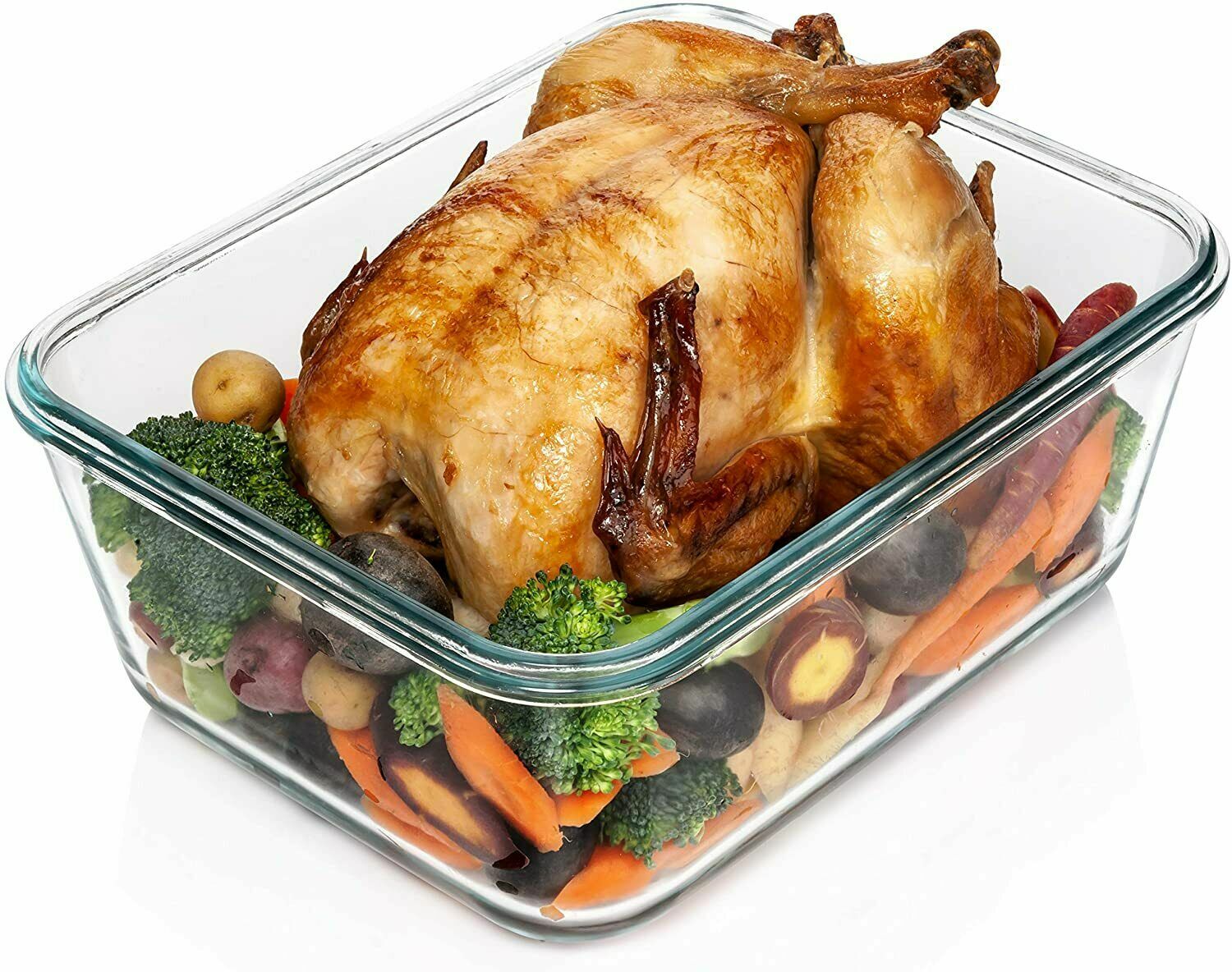
Glass storage containers with locking lids pair borosilicate or tempered glass bodies with a gasketed clamp or snap-lock mechanism to create an airtight, leak-resistant seal for fridge, freezer, and oven use. The decisive trade-off is lid engineering: cheap snap-tab lids with thin silicone seals leak and fail early, while thick 4-sided clamp locks with replaceable gaskets survive daily washing and transport. Buy borosilicate bodies with 4-side locking and user-replaceable silicone seals if you plan to meal-prep, freeze, and reheat for years; skip thin soda-lime glass with 2-tab snap lids if leakproofness or oven safety matters.
Buying guide image
Pour-Over & Manual Brewing

Coffee Grinder

A coffee grinder for pour-over is the single biggest lever on cup clarity, because burr geometry and adjustment resolution determine particle uniformity far more than brewing technique. The core trade-off is conical vs flat burrs and hand-crank vs motorized drive: conical burrs are forgiving and cheaper, flat burrs give tighter distributions at higher cost. Decide by brew volume and desired clarity, and treat any blade grinder as a non-starter for pour-over.

Buying guide image
Slow & Pressure Cookers

Stainless Steel Cooker

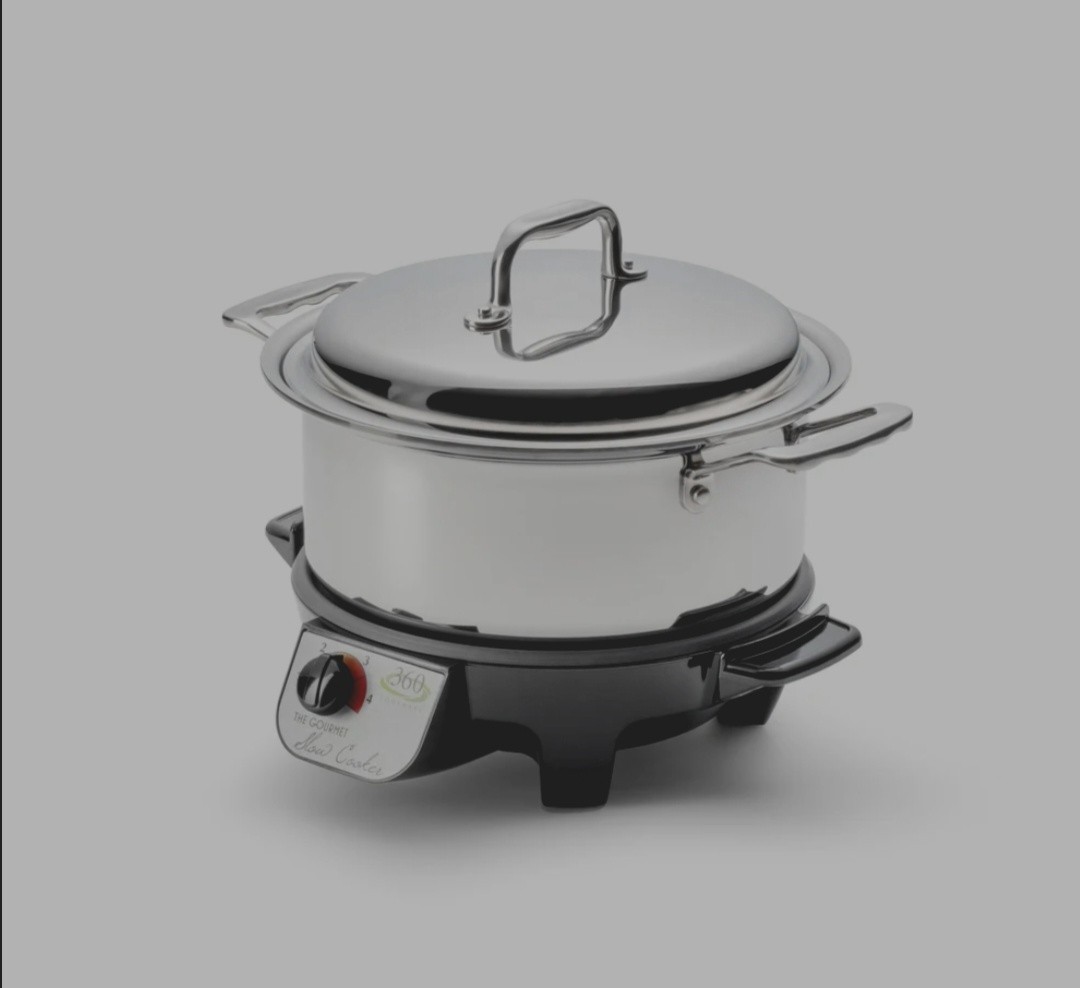
A stainless steel cooker is either a stovetop pressure cooker or an electric multi-cooker whose pot and/or housing is made from stainless steel rather than nonstick-coated aluminum. The core trade-off is stainless steel's durability, dishwasher safety, and no-coating-flake risk versus its lower thermal conductivity and stick-prone surface; the decision rule is to prioritize 18/10 or 304-grade steel with a clad or encapsulated base for stovetop units, and a 304 stainless inner pot with a 3-ply base for electric multi-cookers, skipping any 'stainless look' unit with a thin aluminum core and painted exterior.

Buying guide image
Ice Makers

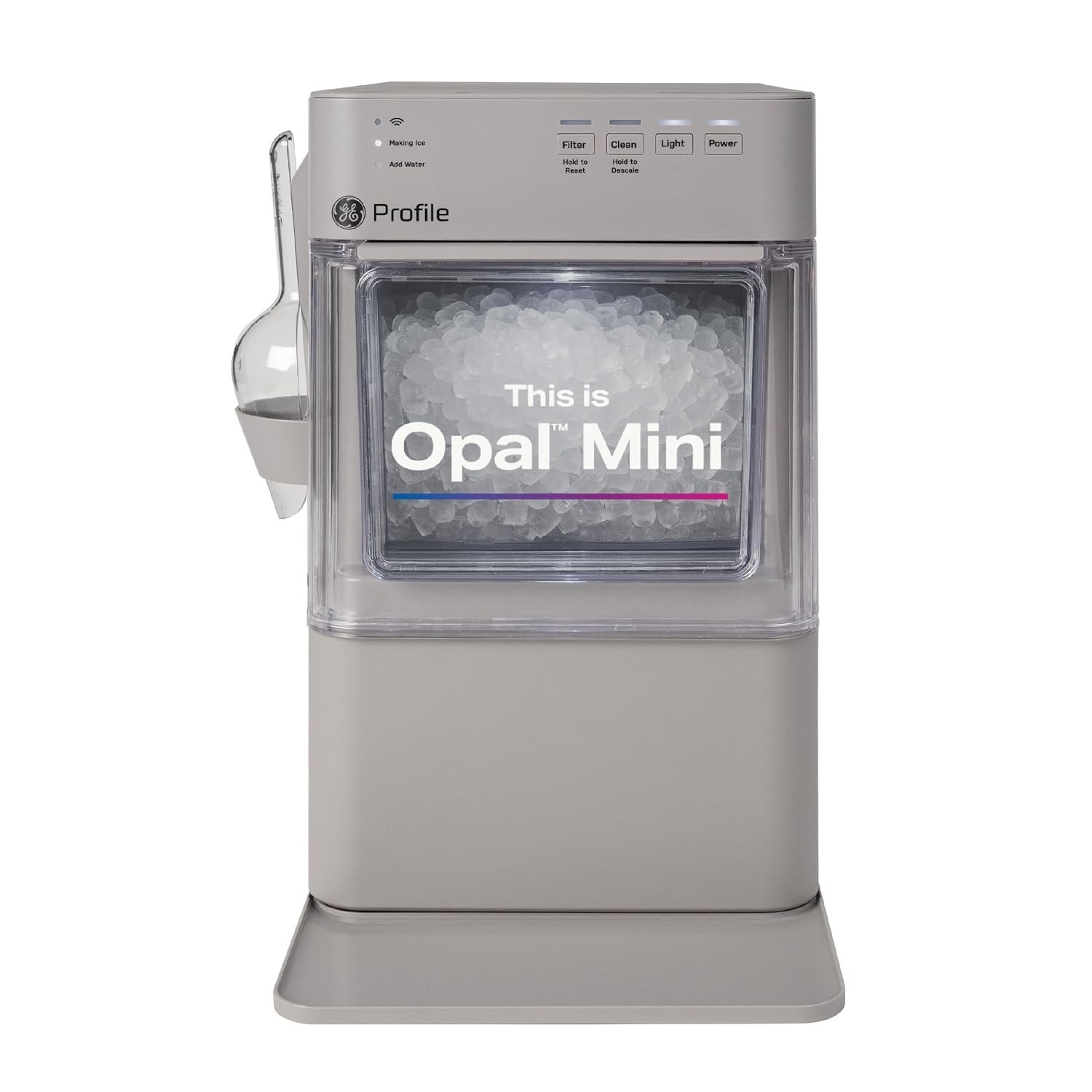
Pellet Ice Maker

Pellet ice makers produce soft, chewable nugget-style ice by compressing flaked ice through an extruder, unlike hard-cube machines that freeze solid blocks. The core trade-off is production speed and chewable texture versus output volume, drain requirements, and long-term reliability of the auger-and-compressor assembly. Choose a machine with a metal auger, a specified daily output rating, and a gravity or pump drain matched to your counter setup; skip units that list only 'chewable ice' with no output or drain spec.

Buying guide image
Dishwashers

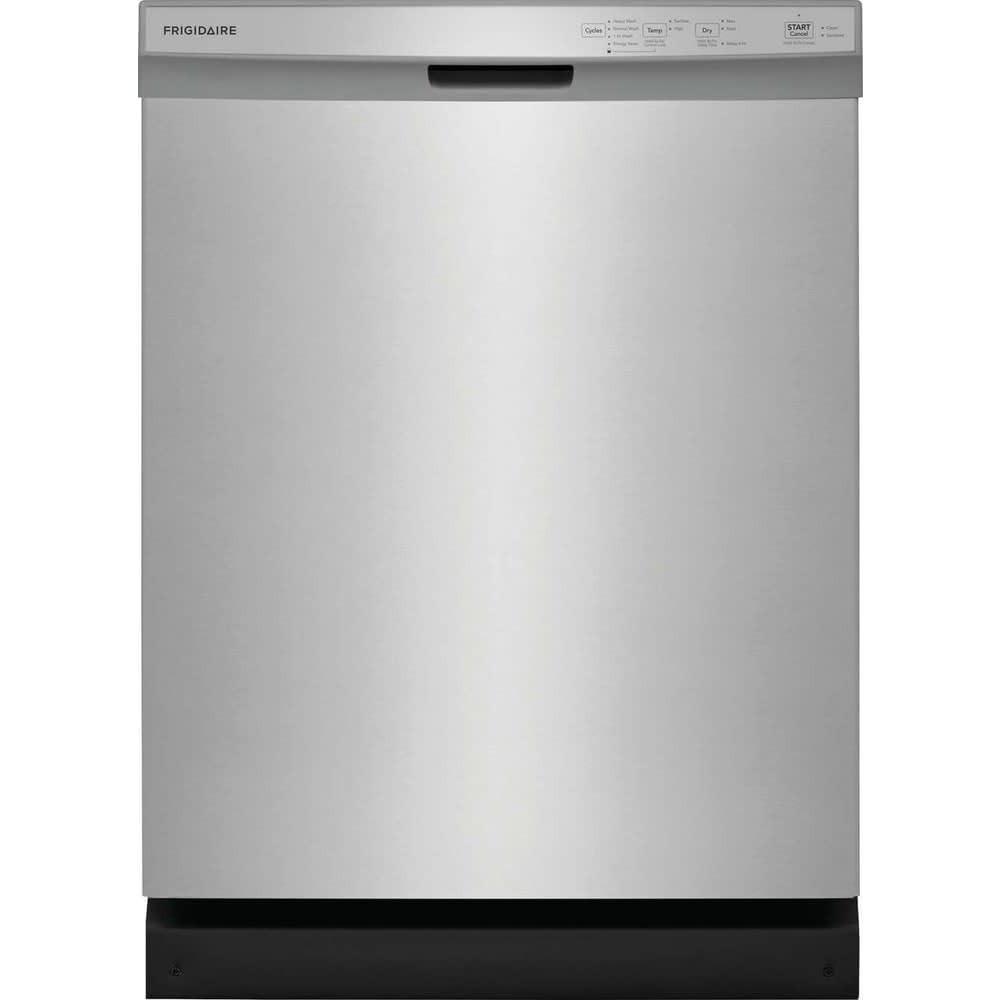
Dishwasher Stainless Steel

A stainless steel dishwasher combines a corrosion-resistant tub and often a fingerprint-resistant exterior with standard 18- or 24-inch chassis sizing. The primary trade-off is tub material and sound insulation: stainless steel tubs resist staining and hold heat better than plastic, while better door wraps and insulation cut decibels. The decision rule is simple: buy a stainless tub with a dBA rating at or below 50 and a matching width to your cabinet opening; skip any unit that hides a plastic tub behind a stainless door.

Buying guide image
Coffee Grinders

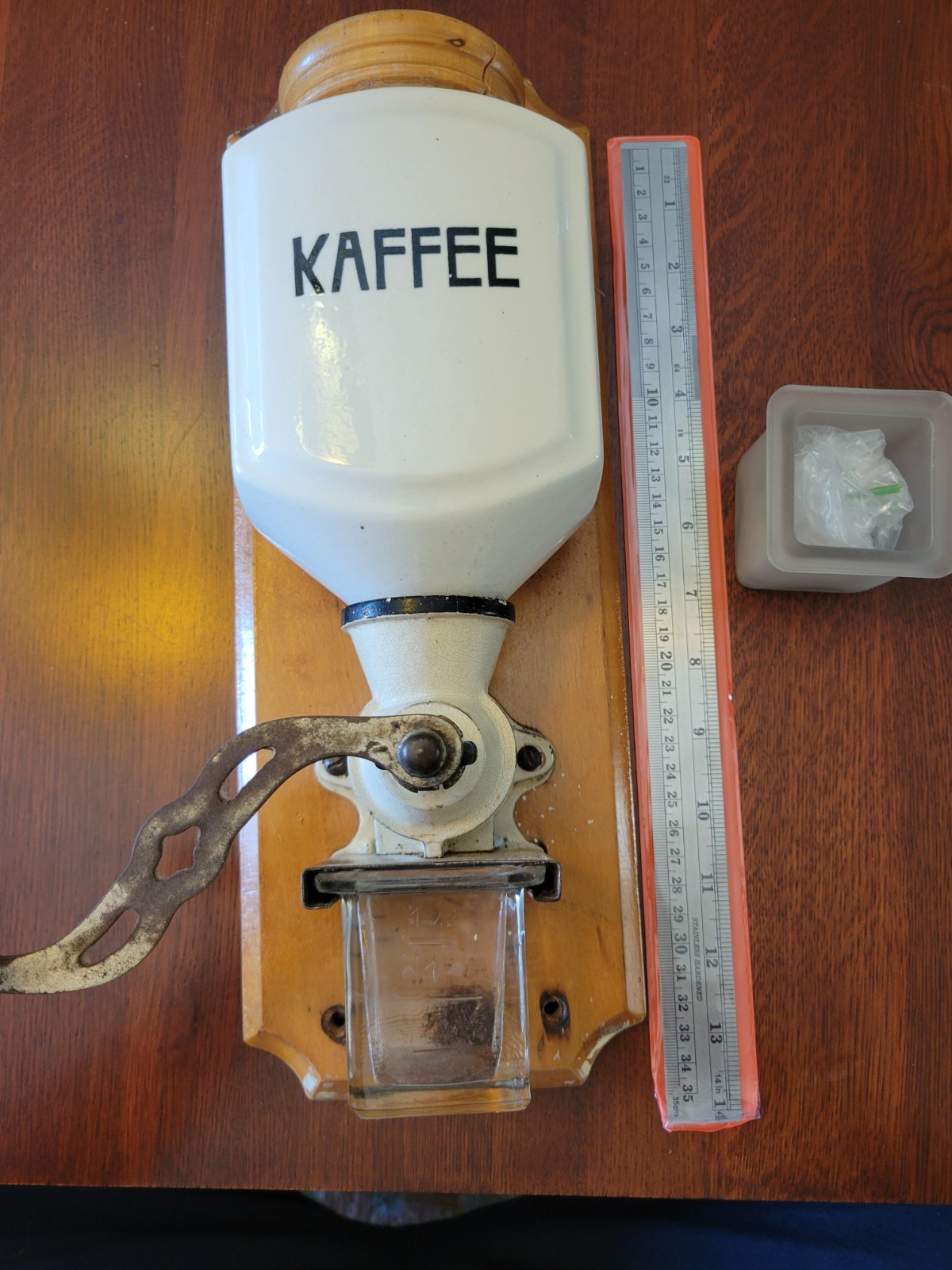
Hand Burr Coffee Grinder

Hand burr grinders replace spinning blades with a conical or flat burr set driven by arm power, giving you a repeatable particle size critical for pour-over, Aeropress, and espresso. The core trade-off is burr material and axle stability: ceramic burrs resist wear and heat but chip if dropped, while hardened steel cuts faster and handles fine espresso but can rust without care. Choose a grinder with dual axle bearings and a locking or stepped adjustment ring; avoid single-bearing, press-fit designs that wobble and produce boulders and fines.

Buying guide image
Coffee Grinders

Hand Burr Grinder

A hand burr grinder is a manual, crank-driven mill that uses a rotating conical or flat burr set to crush coffee beans into a consistent particle size for brewing. The primary trade-off is burr material and geometry versus body rigidity: ceramic burrs resist heat and wear but chip on hard beans, while hardened steel burrs cut faster and hold alignment, and the axle and bearing design determine whether the grind stays uniform across settings. The decision rule is simple: buy a grinder with a dual-bearing or pinned axle and a hardened steel burr set if you brew daily, and skip any single-point plastic-hub ceramic mill with no adjustability.

Buying guide image
Home Refrigerators, Freezers & Wine Coolers

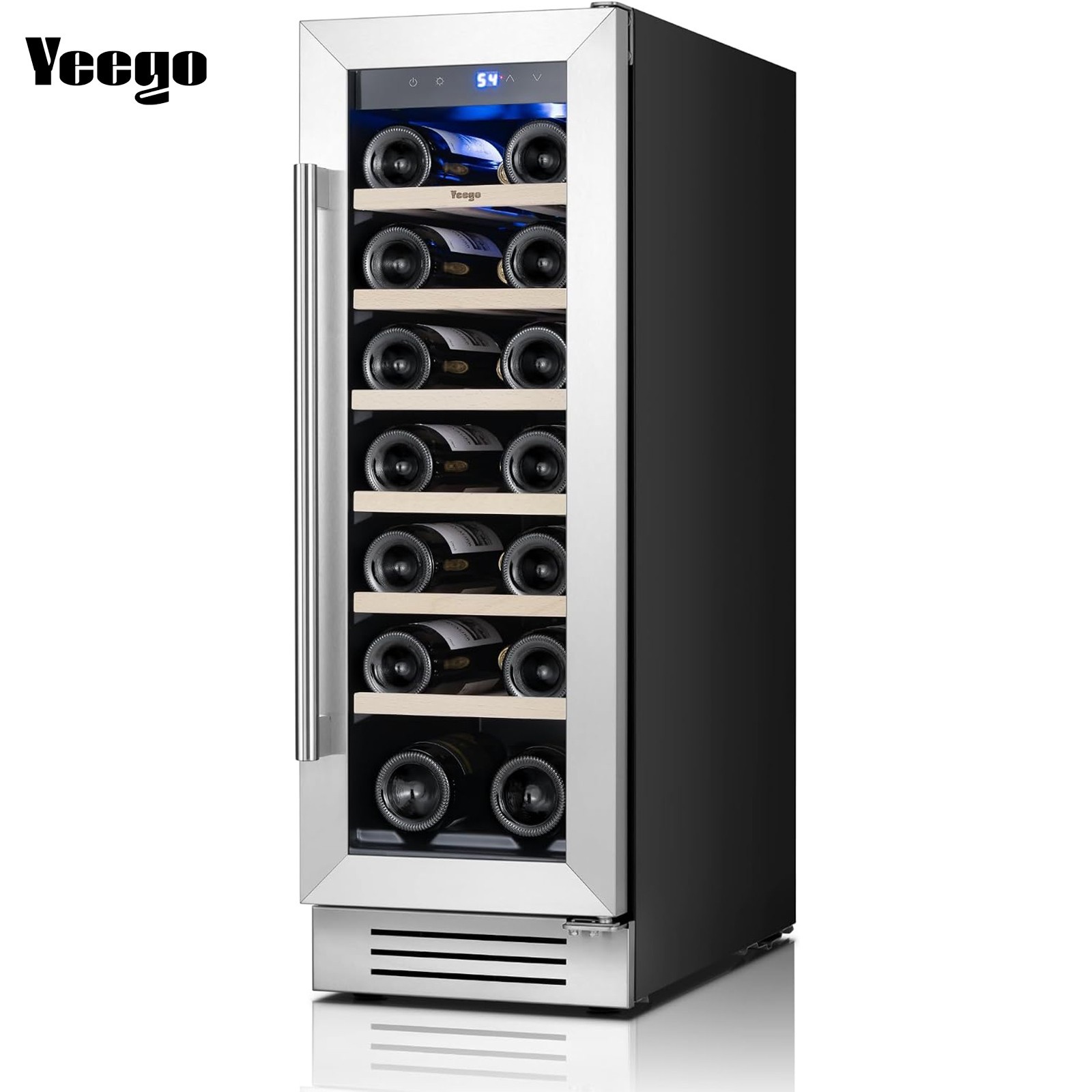
Under Counter Wine Fridge

An under-counter wine fridge is a dedicated compressor- or thermoelectric-cooled cabinet sized to slide beneath a standard 34.5-inch counter, preserving wine at stable temperatures with minimal vibration. The core trade-off is compressor cooling (fast, deep, humidity-stable) versus thermoelectric cooling (silent, but ambient-limited and vibration-prone); capacity, zone count, and door glazing drive real-world usability. The decision rule: buy compressor-based dual-zone units with front-venting for true built-in use, and skip thermoelectric or rear-vented cabinets unless you have open clearance and a climate-controlled room.

Buying guide image
Pour-Over & Manual Brewing

Glass Pour

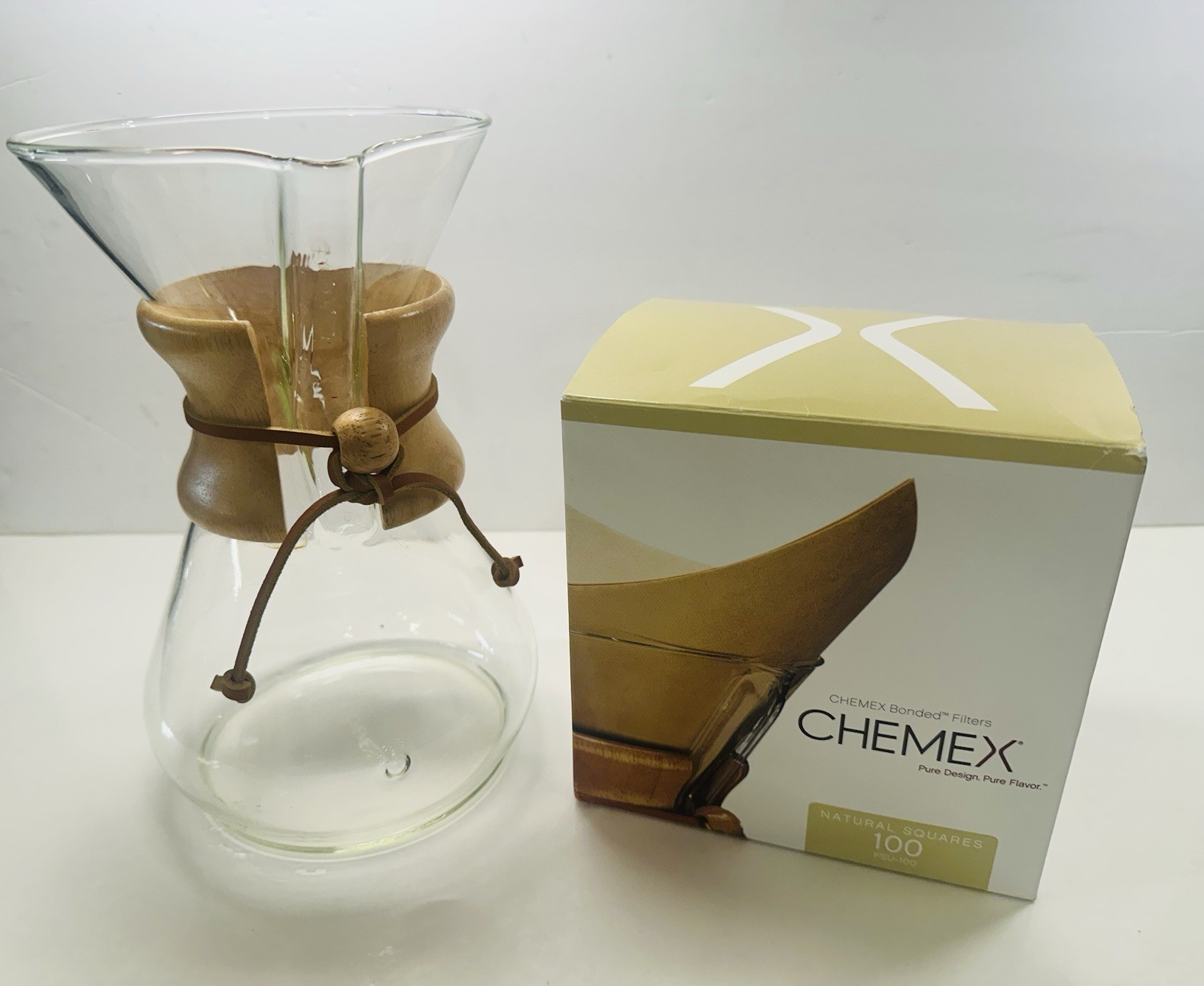
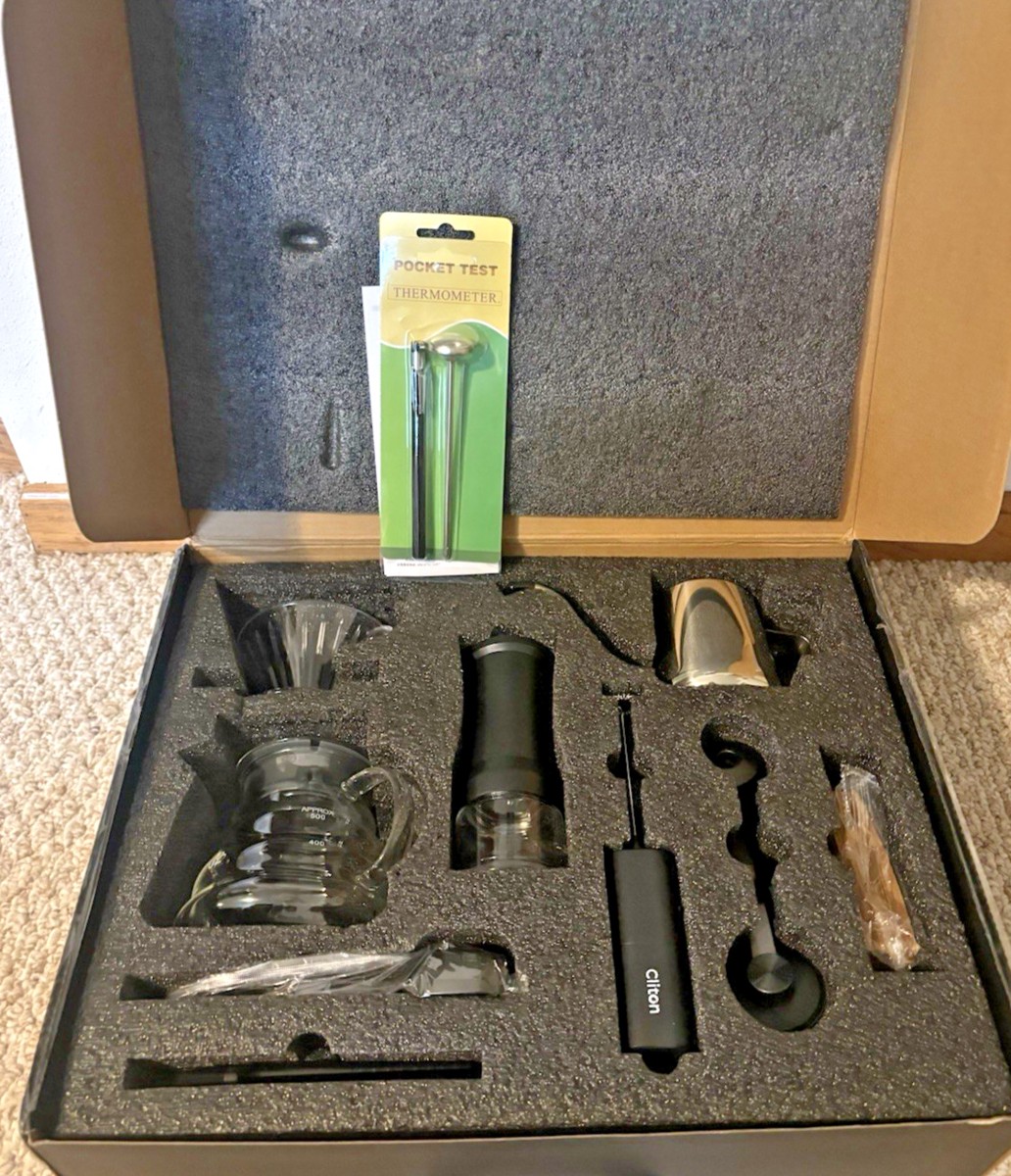
Glass pour-over brewers are borosilicate vessels and drippers valued for thermal stability, flavor neutrality, and visual clarity. The core trade-off is glass thickness and ground-joint quality versus heat retention and breakage risk; thick-walled borosilicate with a snug wooden collar and a matched paper filter is the durable tier, while thin-walled or generic soda-lime glass with loose joints is the compromise.

Buying guide image
Bread Ovens & Dutch Ovens

Dutch Oven Pot Set

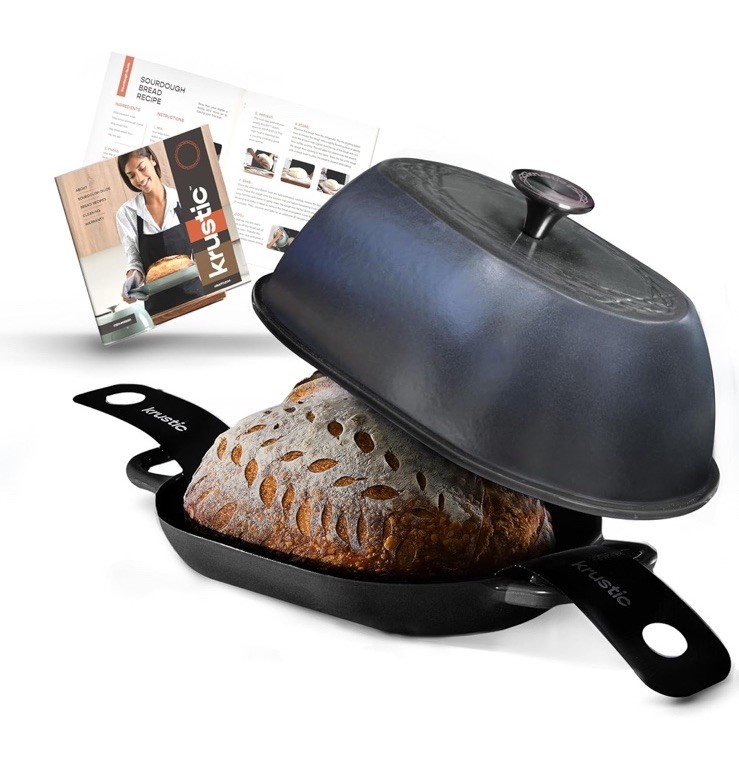
A Dutch oven pot set is a lidded, heavy-gauge cooking vessel—typically enameled cast iron, bare cast iron, or clad stainless—where heat retention and lid seal decide baking and braising performance. The core trade-off is enameled cast iron's easy maintenance and browning versus bare cast iron's higher heat tolerance and campfire durability, with stainless clad as the lighter, non-reactive middle. Rule: buy enameled cast iron for oven-and-stovetop sourdough and braises, bare cast iron with legs for live-fire cooking, and skip thin pressed-steel or aluminum pots that warp and scorch.

Buying guide image
Coffee Grinders

Eureka Espresso Grinder

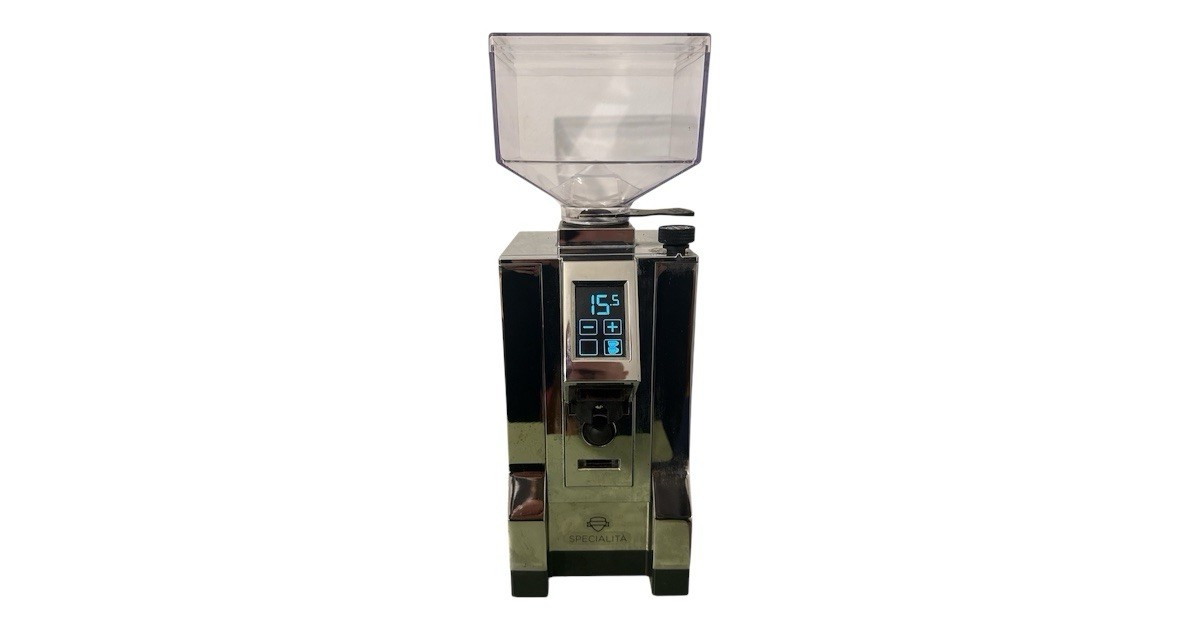
Eureka espresso grinders are Italian-made burr grinders known for stepless adjustment and low retention, but the Mignon family spans several tiers that differ in burr size, motor, and controls. Buyers often pick a model that’s overkill for their brew method or miss the voltage and burr-type details that affect daily workflow. Focus on burr diameter, adjustment mechanism, and whether the grinder is dedicated to espresso or can also handle filter.

Buying guide image
Sourdough Starters & Fermentation

Wide Mouth Jar

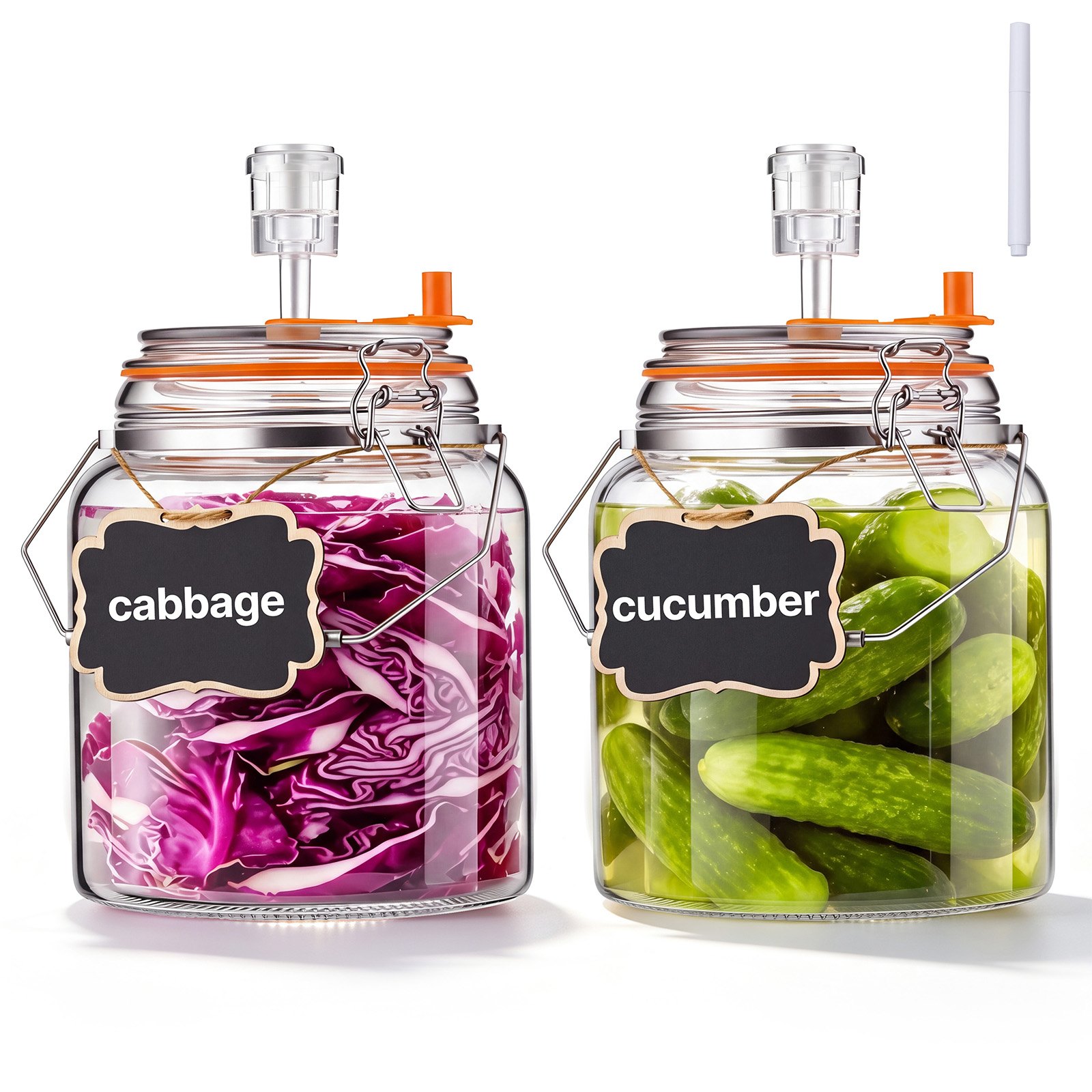
Wide-mouth glass jars are the standard vessel for sourdough starter maintenance and small-batch vegetable fermentation because the broad opening allows hands, spatulas, and weight stones to pass through. The core trade-off is between thin soda-lime glass with decorative latch lids and thicker borosilicate or tempered glass paired with true airlock gaskets and weights. Choose a jar rated for pressure fermentation with a silicone-sealed airlock and matching weight; skip decorative latch jars sold without fermentation hardware.

Buying guide image
Dishwashers

Mini Dishwasher

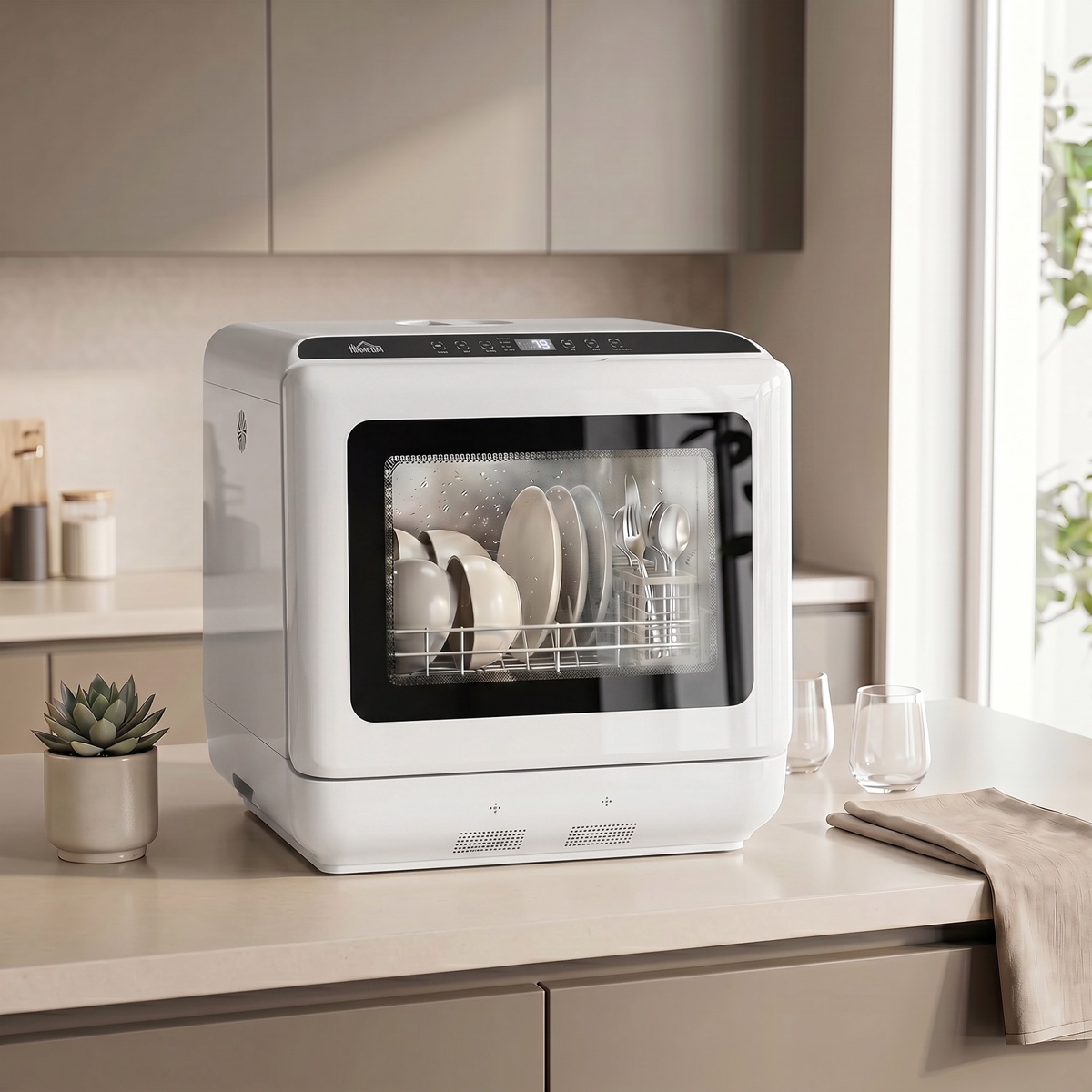
Mini dishwashers are compact countertop or portable units that clean small loads without a permanent plumbing connection, trading full-size capacity and heavy-duty cycles for plug-in convenience. The key trade-off is water-tank capacity and drying method versus wash pressure and rack flexibility. Buy a tank-fed model with a heated air-dry cycle for apartments and rentals; skip low-pressure peltier-dry units if you need spotless glassware or daily family loads.

Buying guide image
Coffee Grinders

Conical Burr Espresso Grinder

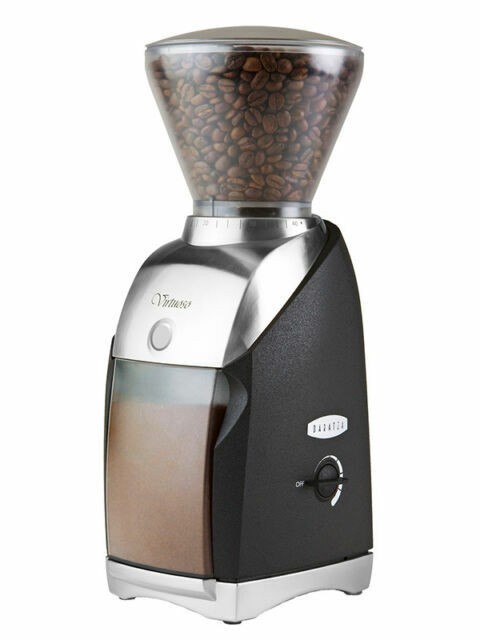
Conical burr espresso grinders are the entry point to repeatable, café-quality shots, but the geometry and adjustment mechanism matter more than the marketing. Buyers often pick a grinder that can't step finely enough for espresso or a burr set too small for their desired throughput. This guide covers the burr sizes, adjustment types, and material grades that separate a capable espresso grinder from a brew-only unit.

Buying guide image
Electric Hot Pots

Electric Stainless Steel Hot Pot

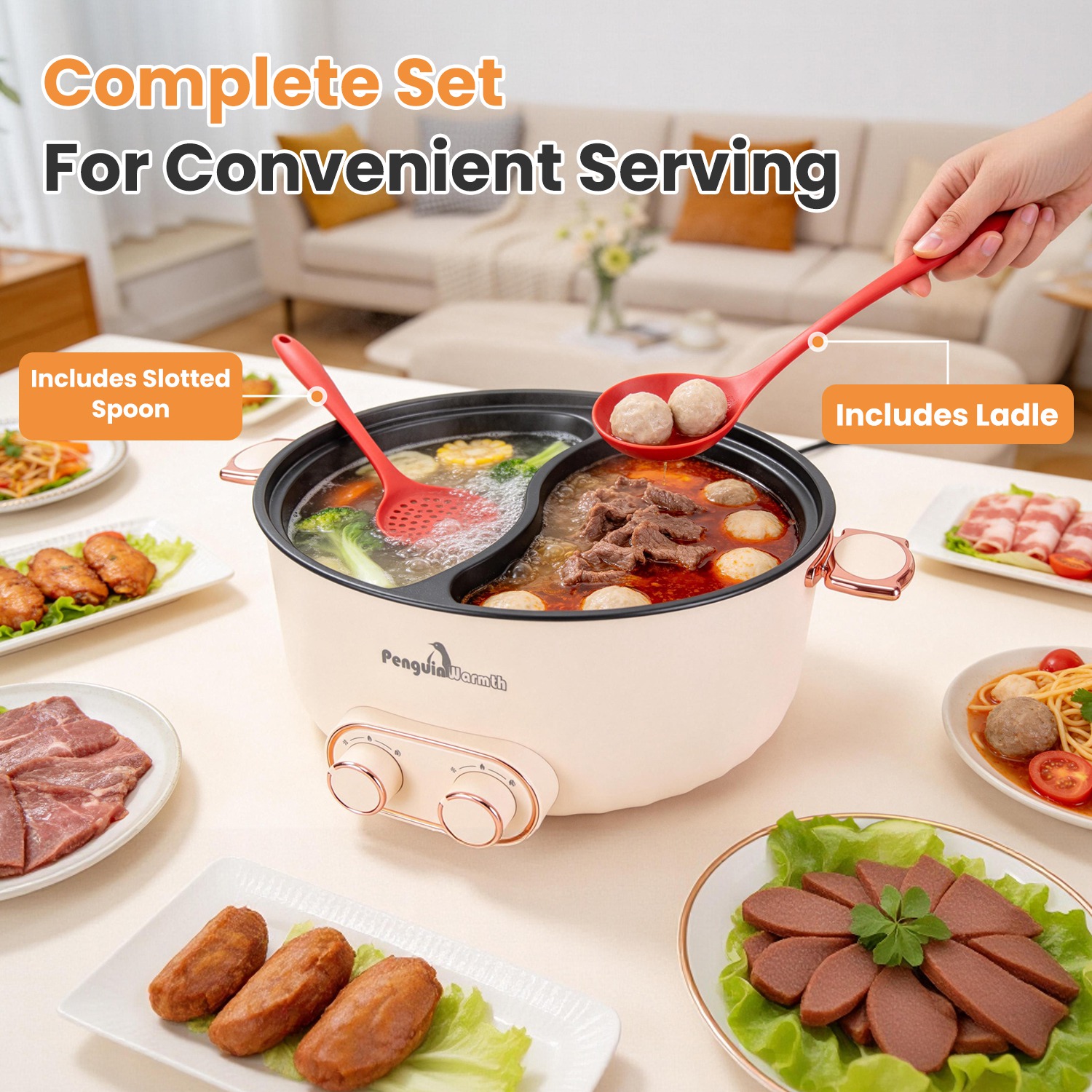
Electric stainless steel hot pots are countertop cooking vessels that combine a stainless steel cooking surface with an integrated electric heating element for table-side simmering, shabu-shabu, and dual-broth dining. The core trade-off is heating architecture and steel grade versus non-stick convenience: full stainless interiors resist scratching and high-heat scorching, while coated or divided aluminum-clad bodies trade durability for easier cleaning. The decision rule is simple — choose an all-stainless, overheat-protected unit with independent zone controls for long-term durability; accept coated non-stick only if low-stick cleaning outweighs finish lifespan.

Buying guide image
Electric Hot Pots

Stainless Steel Electric Hot Pot

Stainless steel electric hot pots are countertop cooking vessels that combine an immersion or base heating element with a stainless cooking well for broth, soup, noodles, and shabu-shabu. The defining trade-off is steel grade and wall thickness versus heating architecture: thin 201/202 steel with a clad base warps and scorches, while 304 food-grade steel with a full-coverage heating plate or true dual-zone divider holds heat evenly at 2000W. The decision rule: buy 304-grade steel with independent zone control and overheat protection; skip ungraded 'stainless-look' steel with single-element heating.

Buying guide image
Ice Makers

Portable Ice Cube Maker

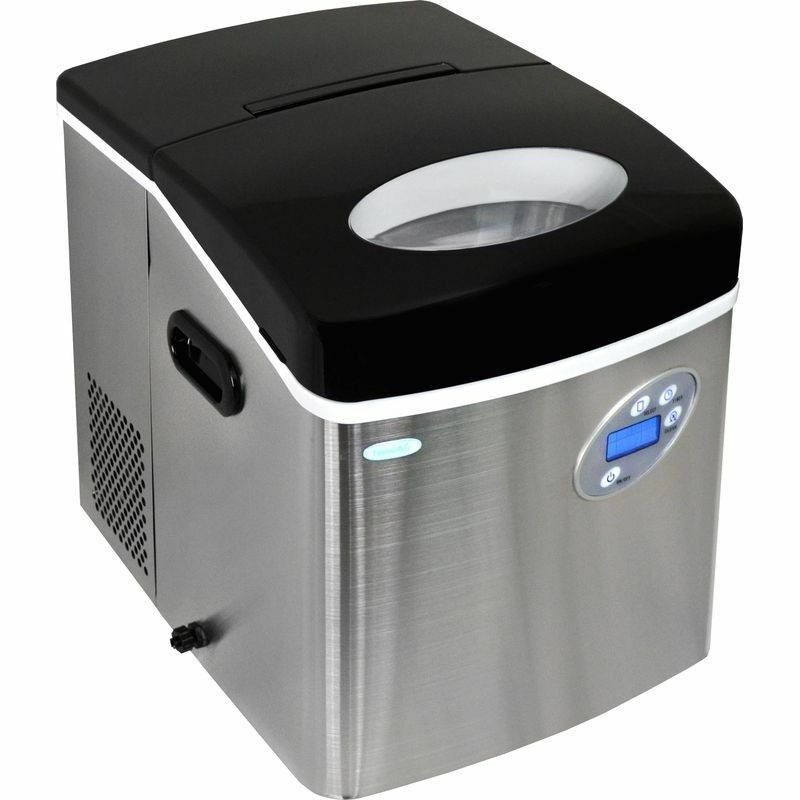
Portable ice cube makers are countertop compressor appliances that freeze a batch of bullet ice in minutes and store it in an insulated bin, trading daily output and bin capacity for plug-in convenience. The core trade-off is compressor-driven cooling speed and duty cycle versus water-tank size and bin insulation, which together set how many drinks you can actually serve before refilling. Buy a compressor unit sized to your peak guest count and bin habit; skip thermoelectric or undersized tank models that stall after two rounds of drinks.

Buying guide image
Kitchen Storage & Organization

Sink Dish Rack Stainless Steel

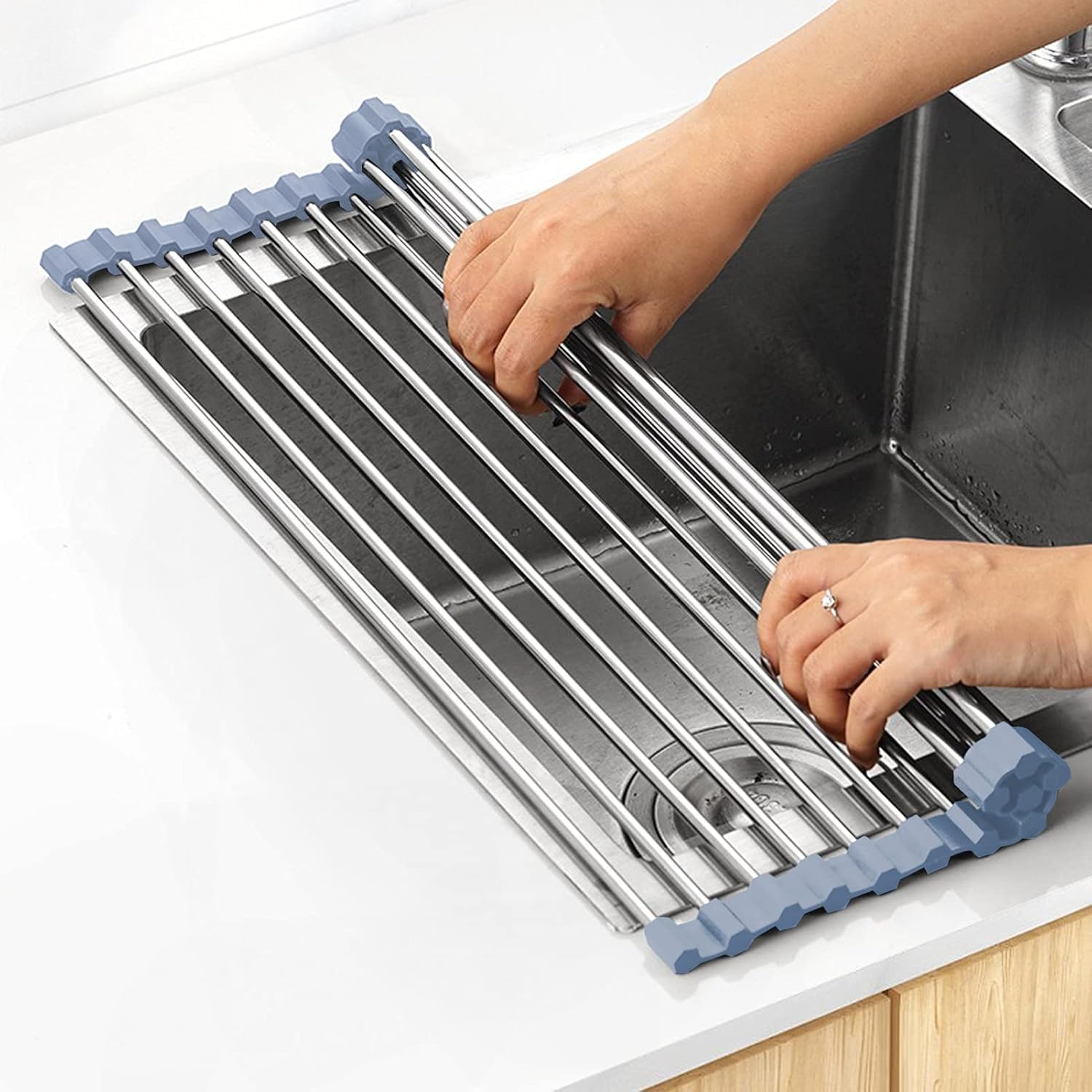
A sink dish rack in stainless steel is an over-the-sink or roll-up drying platform that uses 304-grade stainless wire or tube to resist rust while keeping wet dishes off the counter. The core trade-off is between a compact roll-up mat that stores in a drawer and a full two-tier expandable rack that adds vertical capacity but requires a larger sink opening. Buy 304 stainless with silicone end caps for daily use; skip 201-grade or plastic-coated wire if you want years of rust-free service.

Buying guide image
Toasters & Ovens

Breville Smart Oven Air Fryer

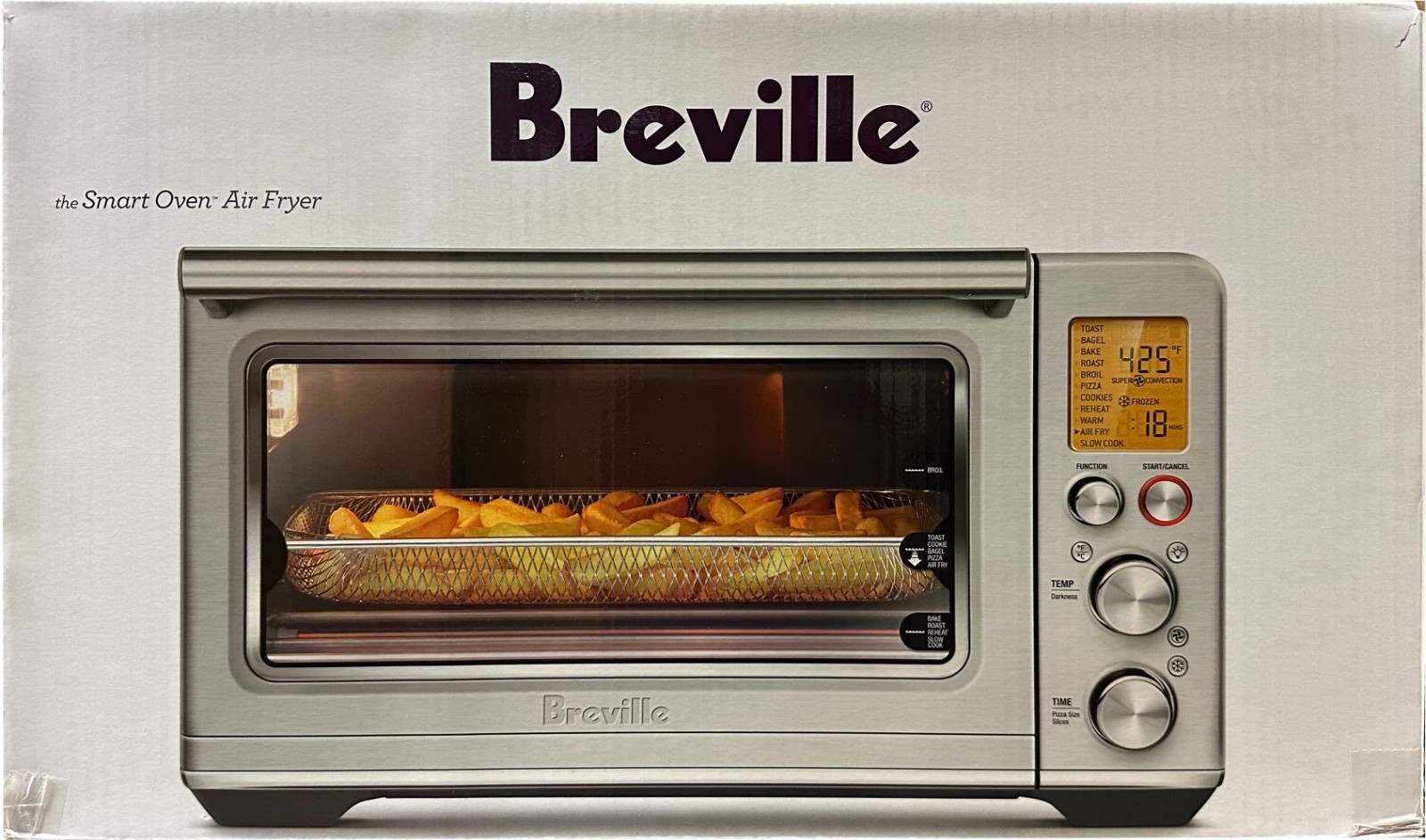
The Breville Smart Oven Air Fryer line is a countertop convection oven that adds air-frying to bake, roast, broil, and toast functions, with two main tiers: the BOV860 (Smart Oven Air Fryer) and the larger BOV900 (Smart Oven Air Fryer Pro). The core trade-off is cavity size and heating-element power versus counter footprint and price—both use Element IQ with quartz heating elements and a convection fan, but the Pro adds a larger capacity and a second oven rack position. Choose the BOV860 for standard counter depths and 4-6 slice batches; choose the BOV900 only if you regularly cook for 4+ people or need two simultaneous racks, and skip either if you lack 6 inches of clearance above the unit for heat exhaust.

Buying guide image
Food Storage & Containers

1 Cup Glass Container With Lids

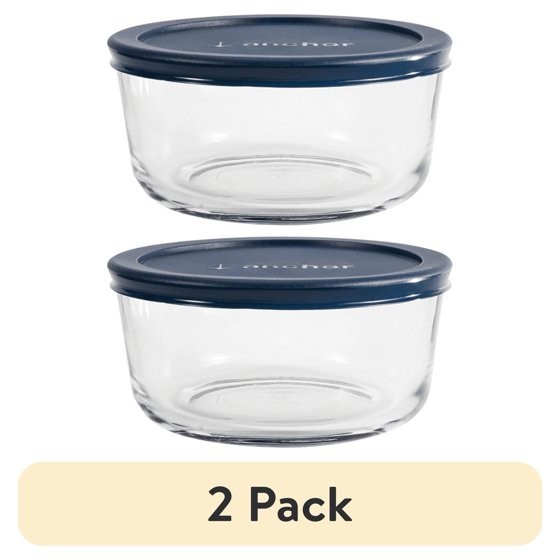
A 1-cup glass container with lid is a small-portion storage vessel (roughly 236 ml) built from tempered soda-lime or borosilicate glass with a rigid or snap-fit lid, used for leftovers, meal-prep components, and fridge or pantry organization. The core trade-off is glass type versus lid seal: borosilicate resists thermal shock for oven and freezer transitions, while tempered soda-lime is cheaper and tougher against impact but can shatter under sudden temperature change; lid material (PP vs silicone vs glass) determines leak-proofing and microwave safety. The clear decision rule is to buy borosilicate with a silicone-gasket locking lid when the container will move between freezer, microwave, and oven; choose tempered soda-lime with a vented PP lid only for cold or room-temperature dry storage.

You may also like

Finding more guides for you…