Kitchen Gear Wise

Kitchen Gear Wise

Kitchen Gear Reviews & Buying Guides

Compare kitchen gear by use case, features, trade-offs, price, returns, and seller terms before you buy.

Buying guides

Buying guide image
Slow & Pressure Cookers

Presto Pressure Canner Electric

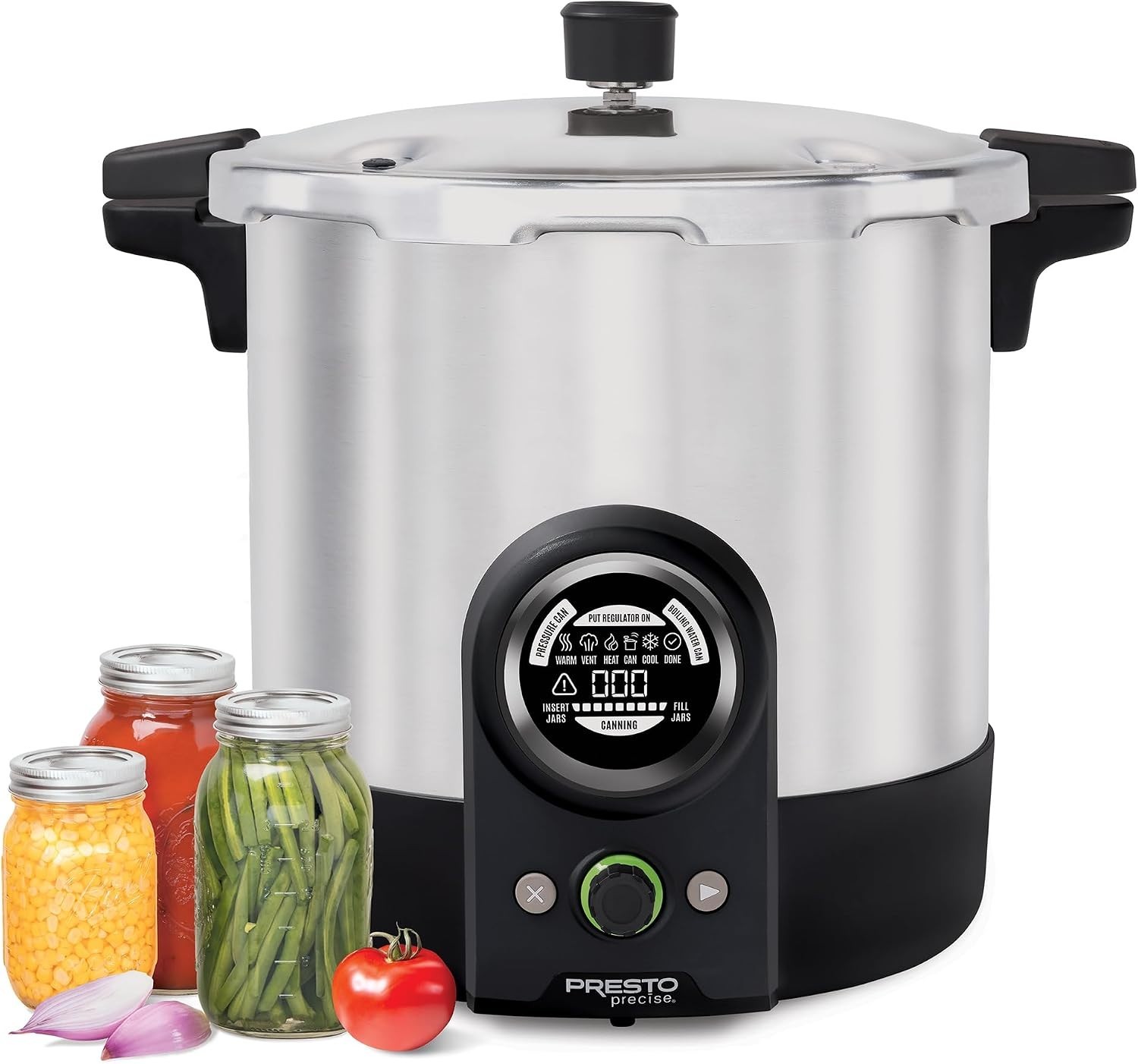
Electric pressure canners are countertop appliances that combine the high-pressure processing needed for low-acid foods with digital temperature and pressure control, unlike stovetop canners that rely on a separate heat source and manual gauge monitoring. The core trade-off is between true USDA-compliant pressure canning capability and convenience features, since not every electric appliance marketed as a 'canner' reaches the sustained 10-15 PSI required for safe low-acid preserving. The decision rule is simple: buy only a unit explicitly rated for pressure canning with documented PSI control and a tested process, and skip any electric cooker that lists only 'steam canning' or 'water bath' modes for low-acid foods.
Buying guide image
Air Fryers

Large Basket Air Fryer

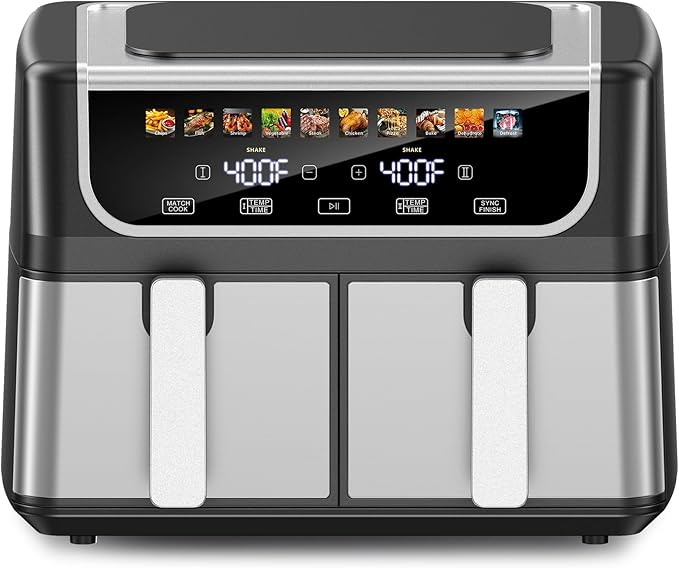
Large basket air fryers are defined by usable capacity—typically 6 quarts and up—and the engineering trade-off between basket volume, heating uniformity, and counter footprint. The decisive rule: prioritize a single large basket with a high-wattage element and strong air circulation for even cooking, or a dual-basket design for true multi-zone flexibility, but avoid oversized single baskets paired with weak heaters that leave cold spots.

Buying guide image
Dishwashers

Portable Dishwasher With Water Tank

Portable dishwashers with a built-in water tank eliminate plumbing connections, letting you run a wash cycle anywhere with a standard outlet. The key trade-off is tank capacity versus interior space: larger tanks mean fewer refills but heavier units, while compact tanks demand frequent topping up. Choose a model with at least 1.5 gallons (5.7 L) and a gravity drain or included drain hose to avoid manual bailing; anything smaller or without a drain pump is a compromise.

Buying guide image
Food Preparation

Commercial Vegetable Cutter

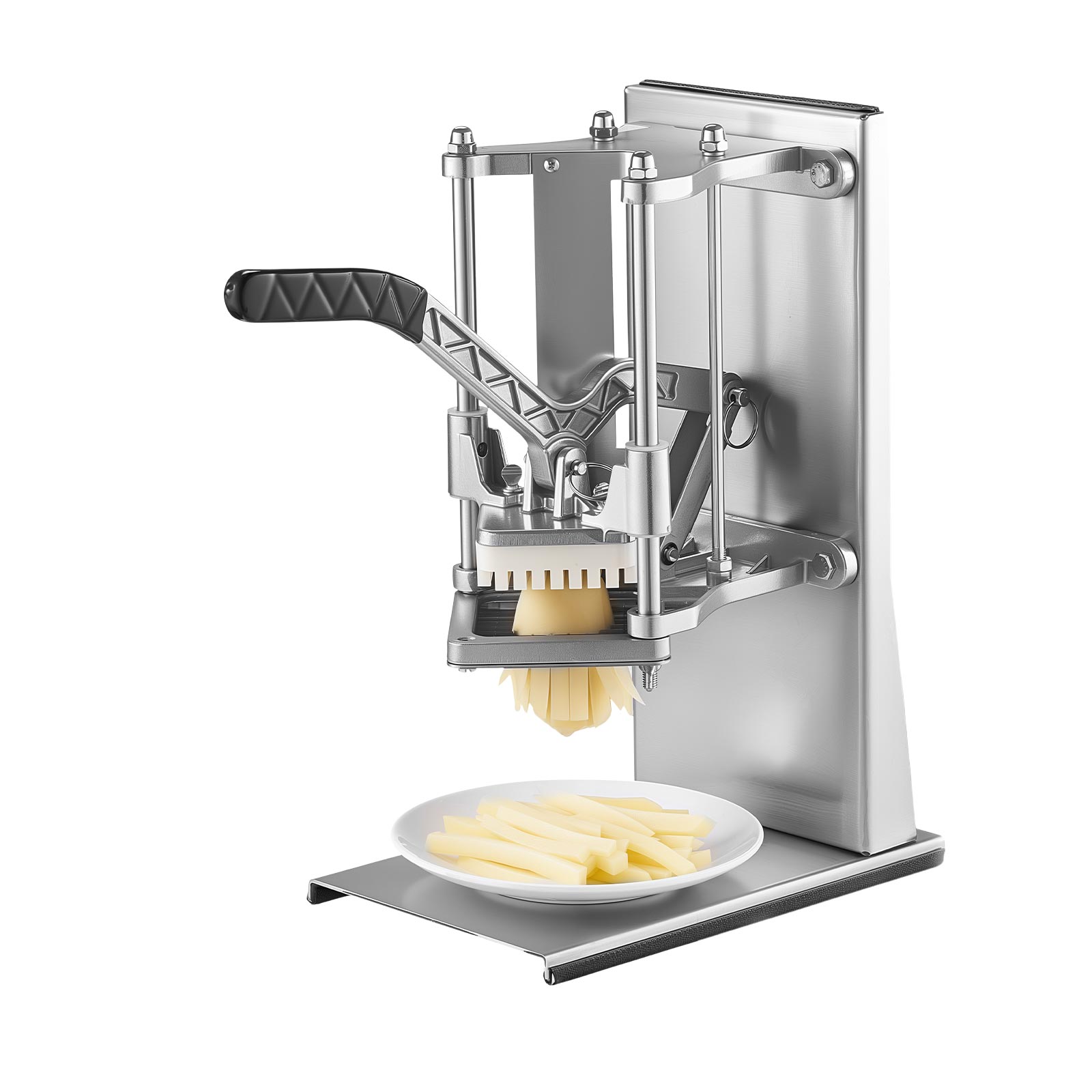
A commercial vegetable cutter is a lever- or pusher-driven blade press that turns potatoes, onions, and peppers into uniform fries, slices, or wedges far faster than knife work. The core trade-off is blade steel and frame rigidity versus cost: stamped light-gauge frames flex and dull, while cast or welded frames with hardened stainless blades hold tolerances under repeated high-force cuts. Buy a heavy-frame unit with replaceable hardened blades if you process daily; skip thin stamped presses rated only for occasional home use.

Buying guide image
Sourdough Starters & Fermentation

Sourdough Starter Glass Jar

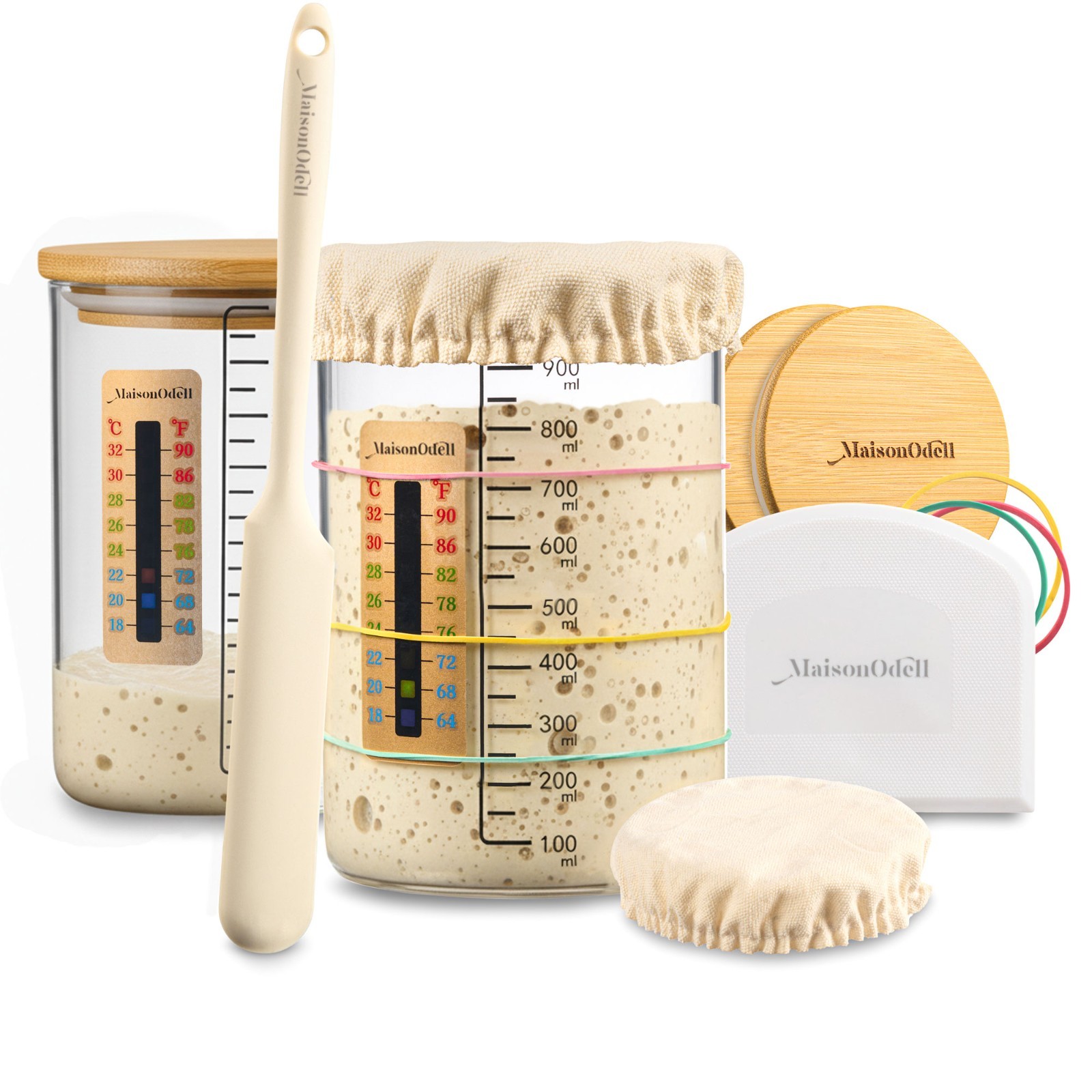
Sourdough starter glass jars are wide-mouth fermentation vessels that let you observe rise, capture wild yeast, and monitor a starter's activity without guessing. The decisive trade-off is between basic straight-sided glass jars with flat lids — which work but make feeding and height tracking clumsy — and purpose-built starter jars with measured volume markings, breathable or vented lids, and a scraper-friendly wide mouth. Buy the measured, wide-mouth, vented-lid tier for reliable daily feeding; skip plain Mason jars unless you already own a scale and a breathable cover.

Buying guide image
Sourdough Starters & Fermentation

Sourdough Starter Warmer

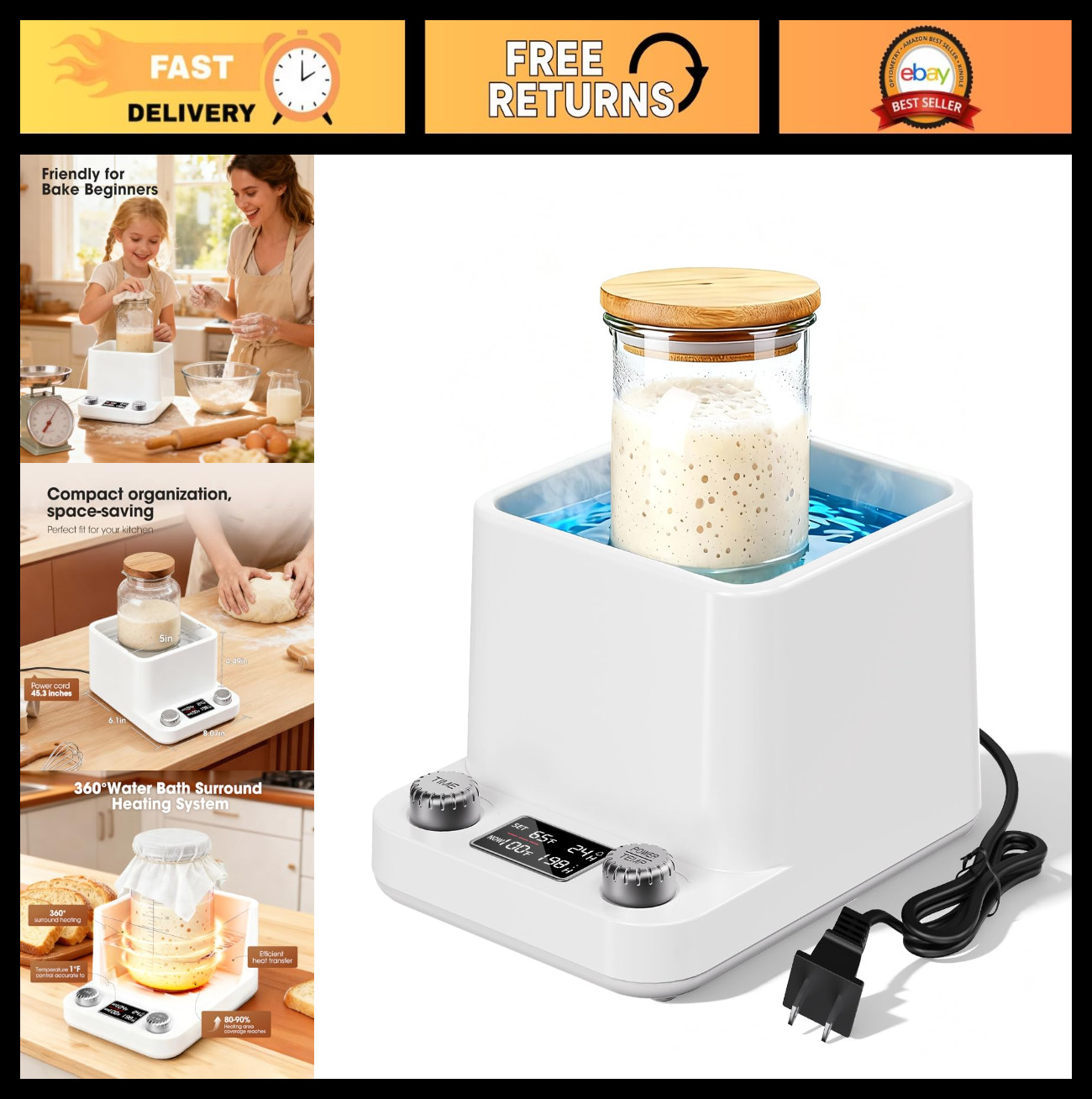
A sourdough starter warmer is a thermostatically controlled heating device that holds your starter or dough in the ideal 75–82°F fermentation band, replacing inconsistent oven-with-light hacks. The core trade-off is between fixed-wattage heat mats and probe-driven thermostats with uniform heating elements; true warmers maintain ±2°F stability across the entire vessel, while cheap mats create hot spots that kill yeast. Choose a probe-controlled, timer-equipped warmer with an exposed temperature range of at least 70–110°F if you ferment year-round in a cool kitchen; skip anything without a thermostat or with a single localized heat source.

Buying guide image
Proofing Baskets & Bread Lames

Bread Scoring Tool

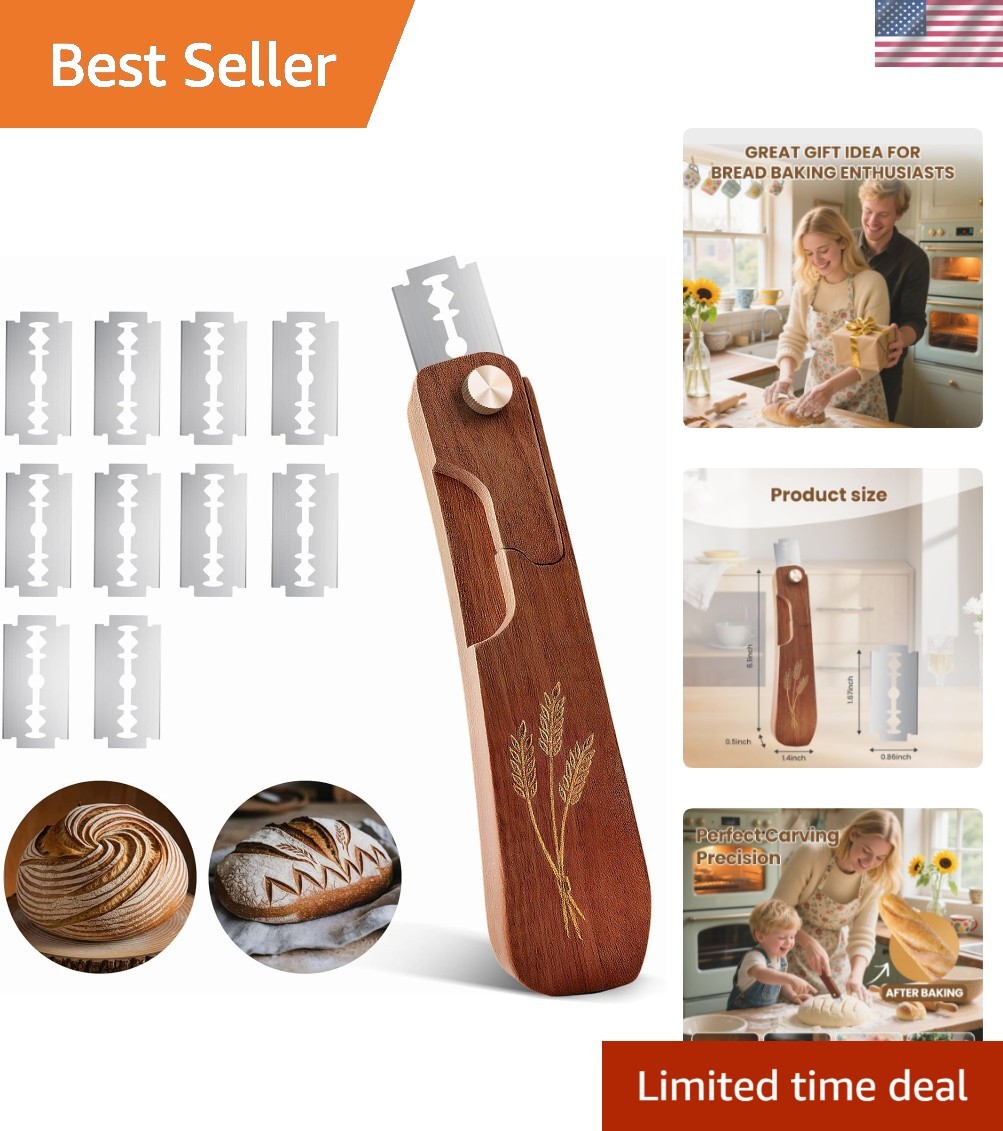
A bread scoring tool (lame) is a handle-and-blade system that slashes dough to control oven spring and crust direction. The key trade-off is between a fixed, thin razor for clean decorative cuts and an adjustable, thicker blade for deep structural scores. Choose a replaceable-blade lame with a firm grip for consistent results; skip novelty fixed-blade or flimsy plastic handles that tear gluten.

Buying guide image
Specialty Kitchen Appliances

Commercial Meat Slicer

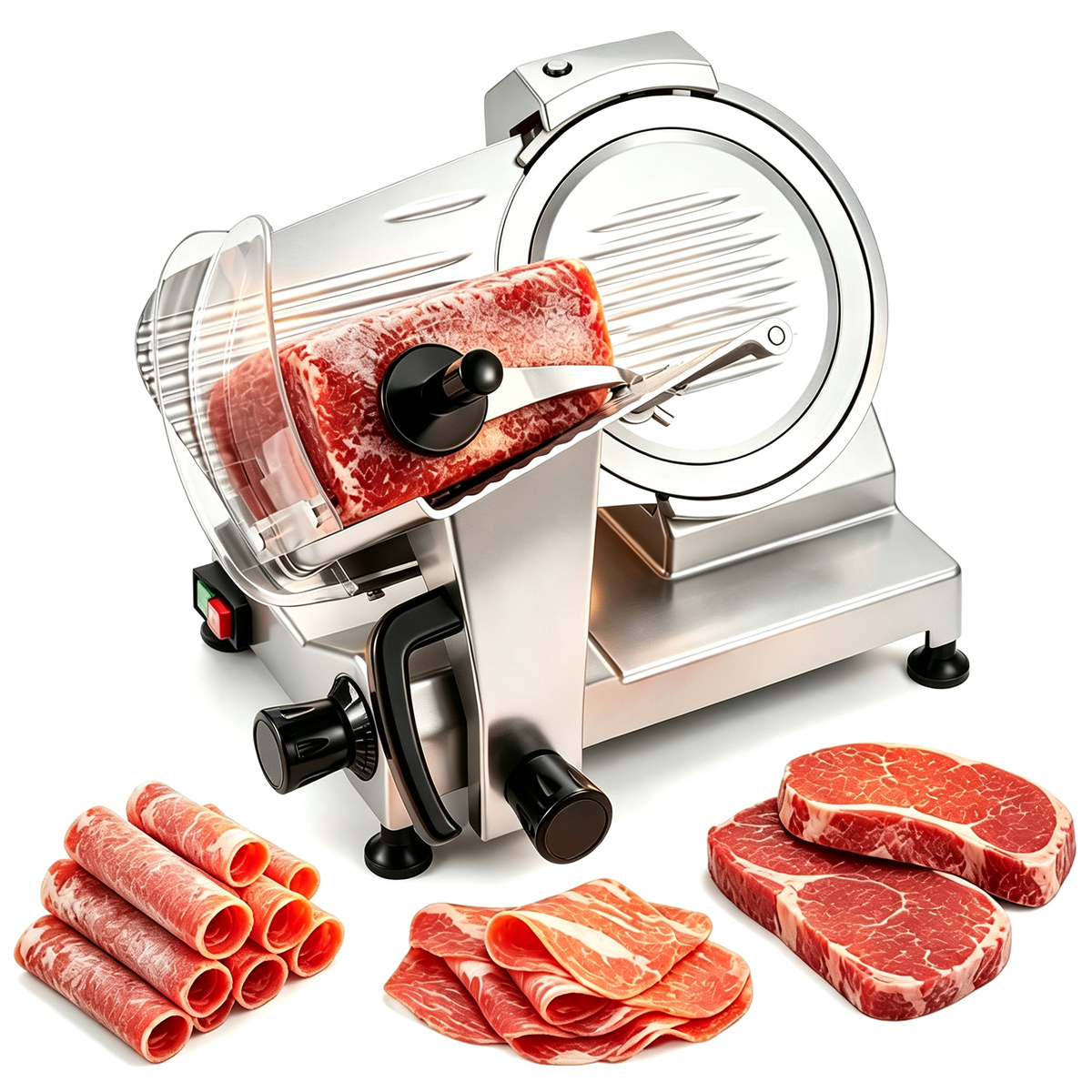
A commercial meat slicer for home use delivers deli-counter results, but the wrong blade size or motor tier makes it a countertop liability. Focus on blade diameter, wattage, and clearance under cabinets rather than marketing labels like 'commercial-grade.' Most home buyers oversize the motor and undersize the blade, ending up with a machine that stalls on cold cuts or won't fit on the counter.

Buying guide image
Pour-Over & Manual Brewing

Glass Pour Over Coffee Maker

Glass pour-over coffee makers are manual brewers where a borosilicate glass vessel, cone, or carafe defines the brewing chamber and clarity of flavor. The primary trade-off is between thick-walled, thermally stable borosilicate glass with a wide-mouth or hourglass shape versus thin decorative glass that cracks under thermal shock and pours poorly. Buy borosilicate glass rated for direct stovetop or microwave use with a matched filter format if durability matters; skip soda-lime decorative glass and odd filter sizes.

Buying guide image
Coffee Cleaning & Accessories

Reusable Coffee Filter

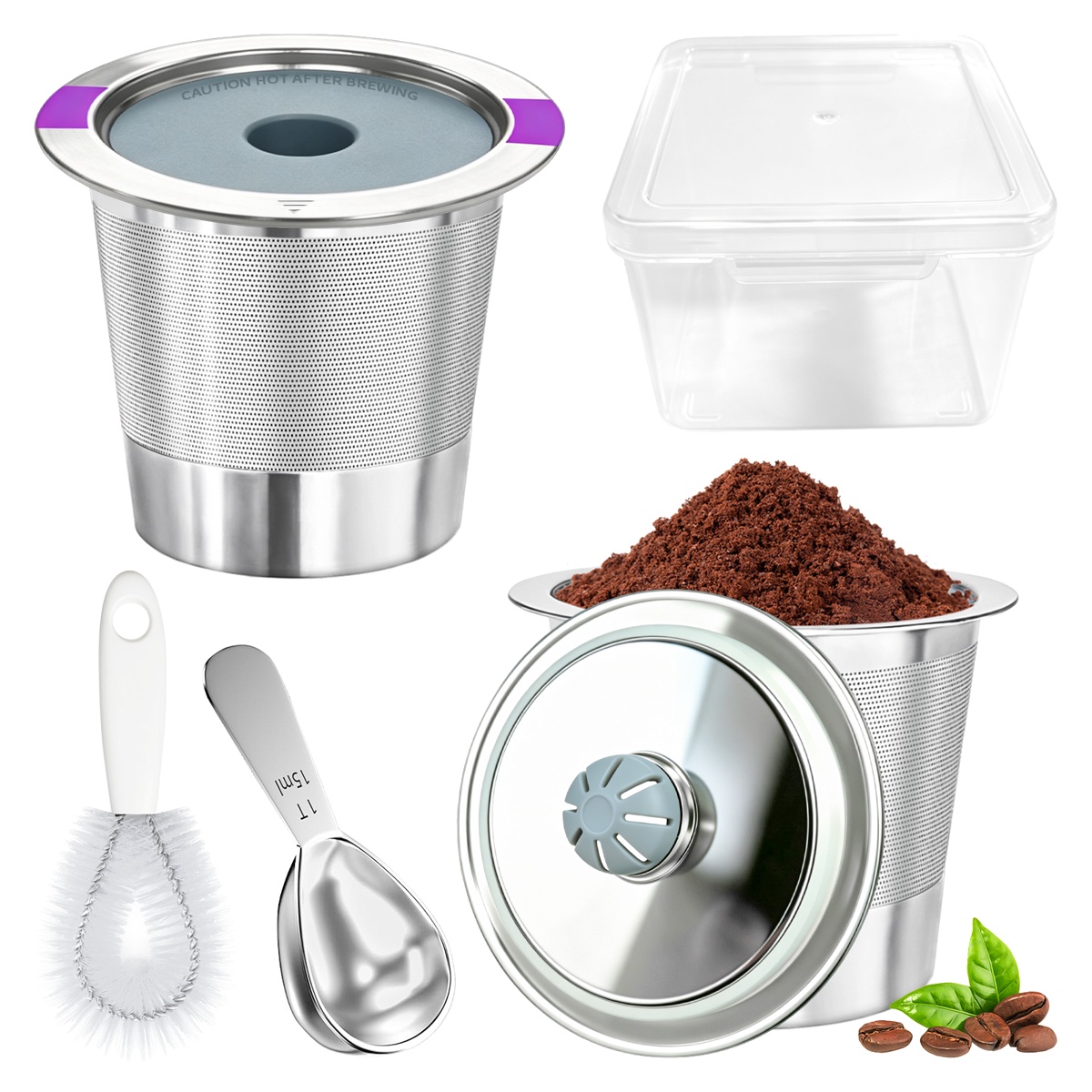
Reusable coffee filters replace paper or disposable pods with a permanent mesh or perforated basket, and the core trade-off is filtration fineness versus flow rate: finer mesh yields cleaner cups but clogs faster, while coarser mesh flows fast but passes sediment. The decisive rule is to match filter geometry and mesh grade to your brewer's basket size and grind setting—stainless-steel mesh in the 100–300 micron range with a rigid rim and exact basket diameter separates durable daily drivers from loose-fitting compromises.

Buying guide image
Coffee Grinders

Home Coffee Grinder Espresso

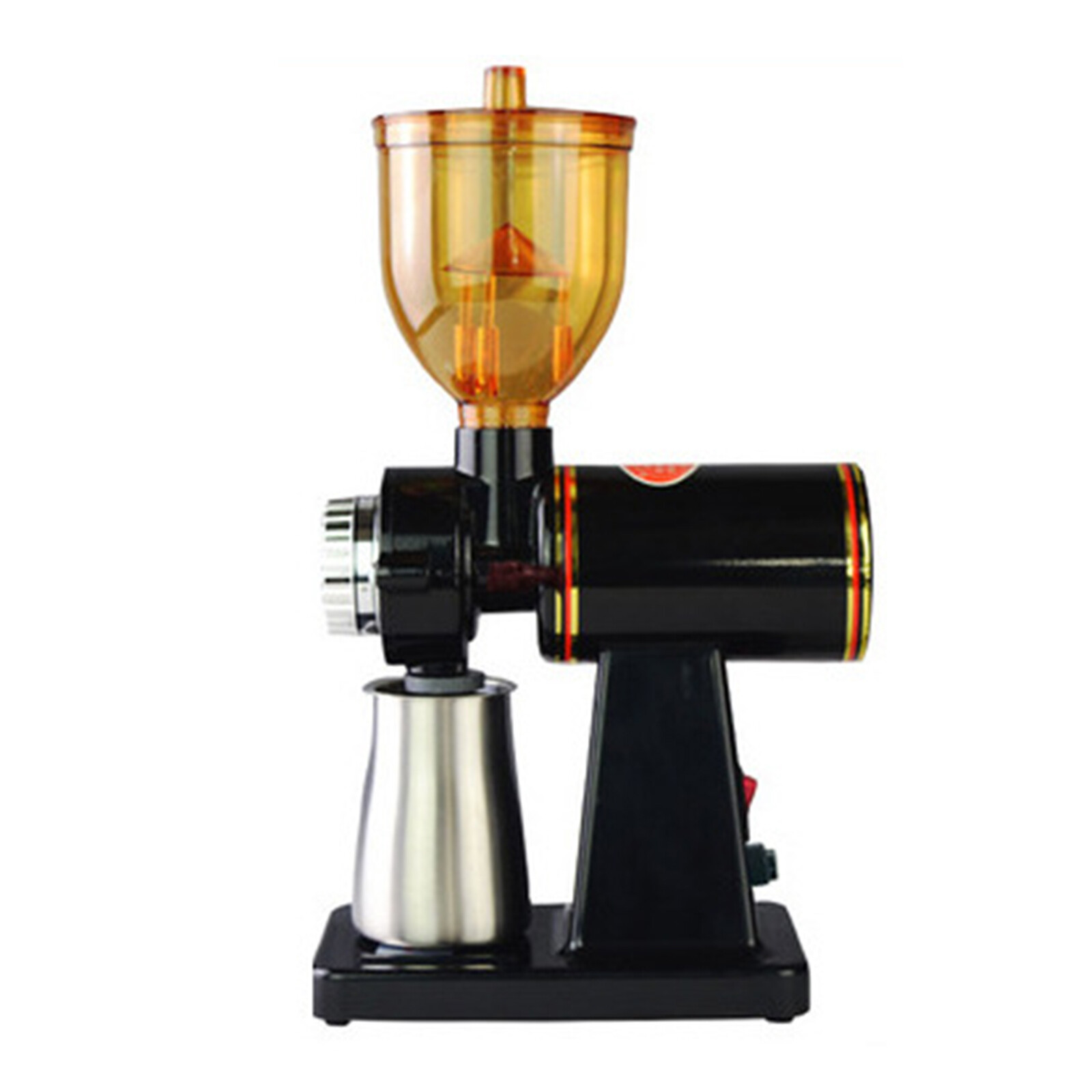
Espresso grinding demands a narrow, consistent particle distribution that most all-purpose grinders cannot deliver, so the burr set and stepless adjustment mechanism matter more than brand or wattage. Buyers commonly overspend on features like built-in scales while underspending on burr geometry, or pick a stepped grinder that cannot dial in a 25-second shot. This guide covers the burr architectures and adjustment tiers that actually determine espresso quality at home.

Buying guide image
Electric Hot Pots

Stainless Steel Electric Pot

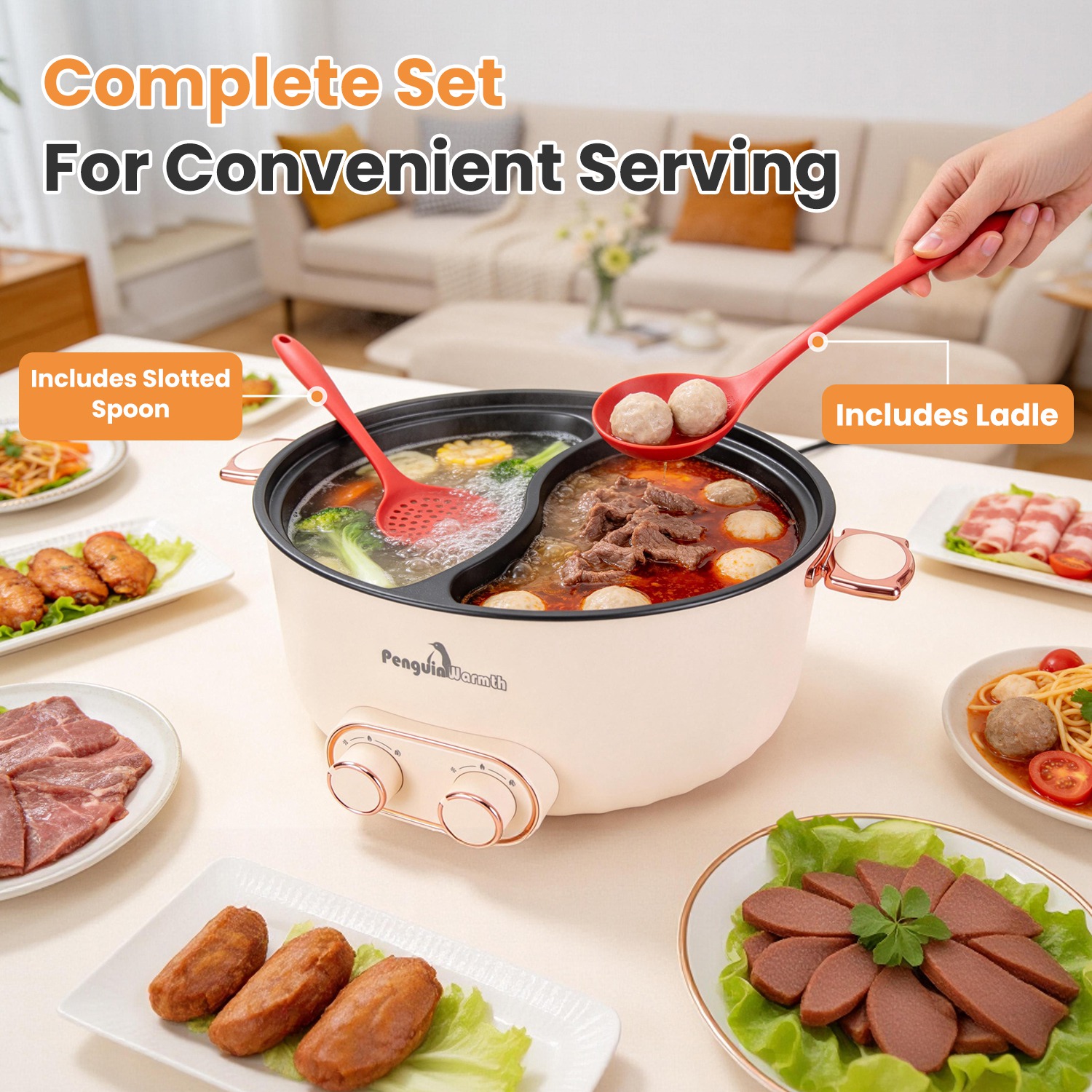
Stainless steel electric pots are countertop cooking appliances that combine a heating element, thermostat, and food-grade metal vessel for boiling, simmering, and hot-pot meals. The decisive trade-off is between thin stamped 201/304 stainless steel bodies with exposed coil or plate heaters (fast, cheap, prone to scorch and warp) and heavier 304 clad or encapsulated-base builds with thermal cutoff and independent zone control (stable, durable, even heat). Buy clad 304 with a thermal fuse and wattage matched to your circuit if you cook weekly; accept a thin single-wall pot only for light duty.

Buying guide image
Home Ranges, Ovens & Cooktops

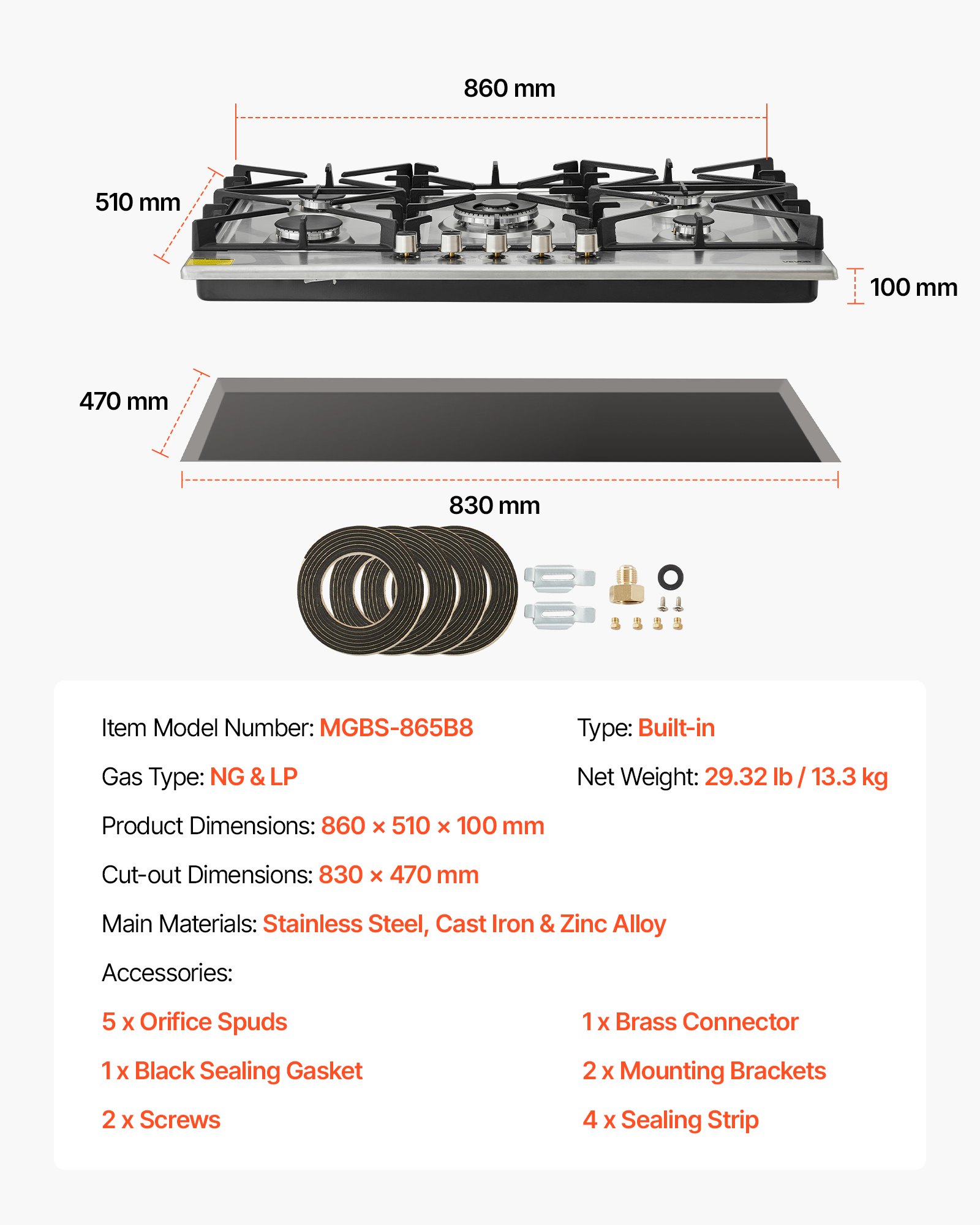
5 Burner Gas Stove With Griddle

A 5-burner gas stove with griddle combines four to five open burners plus a flat cast-iron or reversible griddle zone for simultaneous high-heat searing and low-heat tasks like pancakes or teppanyaki. The core trade-off is total BTU output versus grate coverage and griddle fit: higher-output 36-inch units deliver 38,000+ BTU but demand 3/4-inch gas lines and wider cutouts, while 30-inch models cap at ~12,000 BTU per burner for standard 1/2-inch supply. Buy 36-inch with dual-ring burners for full-surface cooking; buy 30-inch stainless only if your cutout and gas line are fixed and smaller.

Buying guide image
Cookware & Cutlery

Stove Flat

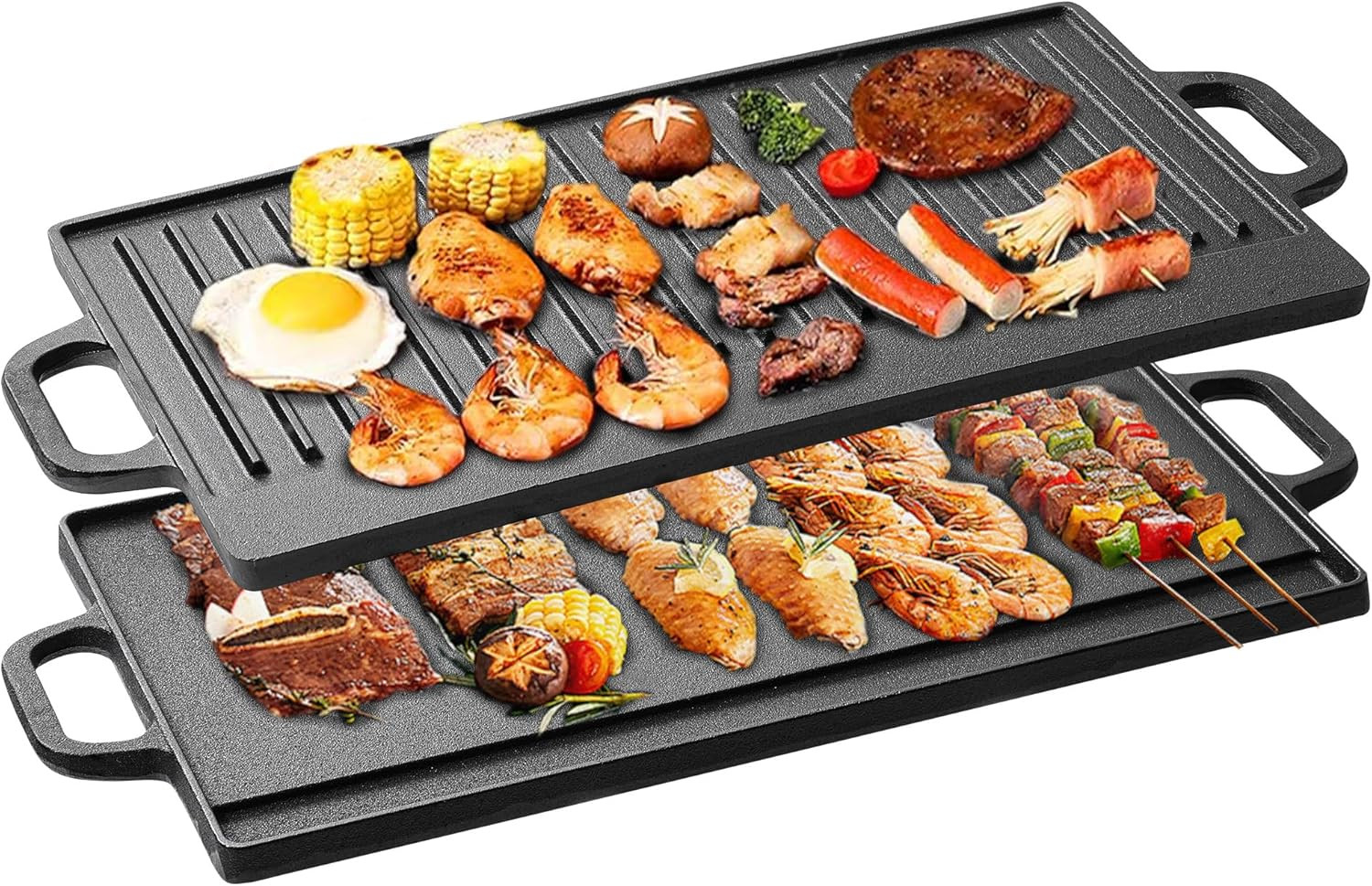
Shoppers searching for 'stove flat' are usually looking for a flat-top or solid-top cooking surface, but the term covers three distinct architectures: electric solid plate, induction glass-ceramic, and gas griddle plates. Choosing the right one depends on your existing fuel, pan compatibility, and how much precision you need. Buying the wrong flat surface wastes energy and can ruin non-magnetic cookware.

Buying guide image
Blenders & Juicers

Cordless Juicer

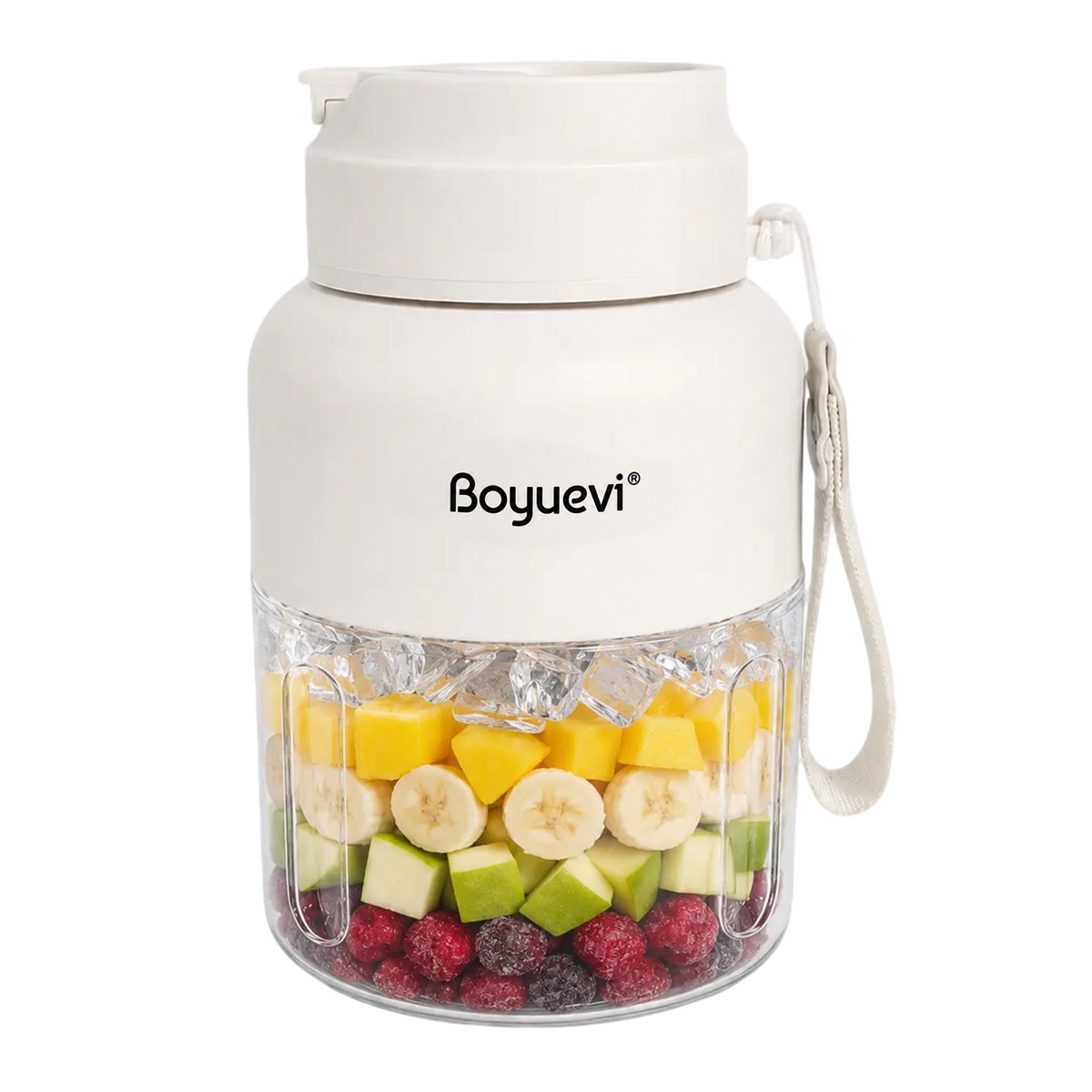
Cordless juicers are battery-powered blender cups that trade mains power for portability, so the core decision is motor torque and battery capacity versus cup size and ice-crushing duty. Durable models use brushless DC motors, 4,000-6,000 mAh cells, and 6-blade stainless assemblies; weak compromises use brushed motors, sub-2,000 mAh cells, and 4-blade plastic hubs that stall on frozen fruit.

Buying guide image
Bread Ovens & Dutch Ovens

Cast Iron Bread Pot

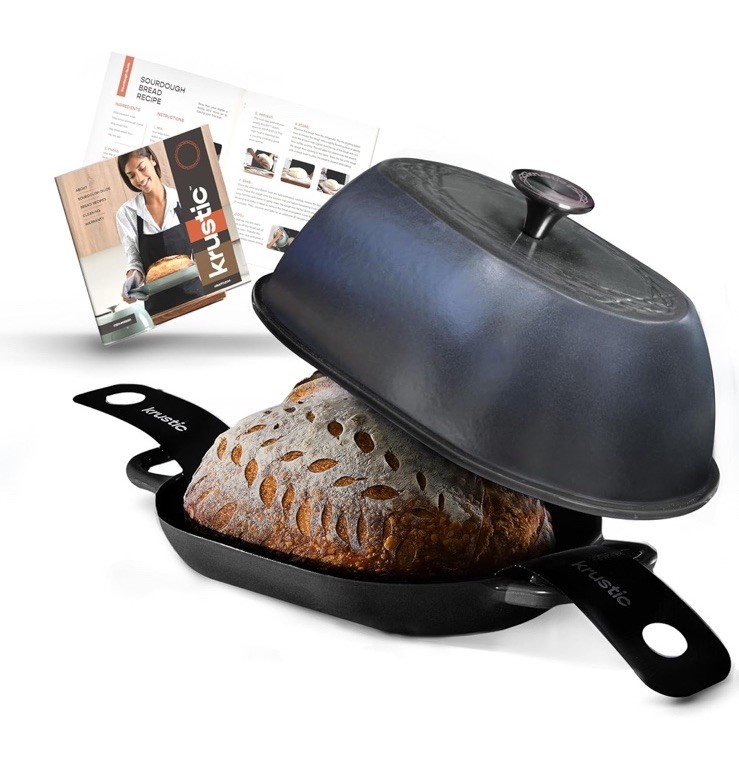
A cast iron bread pot is a heavy, lidded vessel that traps steam and radiates even heat to produce a crisp, high-rising loaf. The core trade-off is bare cast iron versus enameled cast iron: bare iron is rugged and oven-safe to higher temperatures but requires seasoning, while enamel resists rust and acidic doughs but chips under thermal shock. Choose enameled for everyday sourdough and bare iron for campfire or high-heat versatility.

Buying guide image
Sourdough Starters & Fermentation

Glass Jar Sourdough Starter

A glass jar sourdough starter is a clear fermentation vessel sized and shaped to culture wild yeast and bacteria, where the key trade-off is between wide-mouth accessibility and airtight sealing versus thin soda-lime glass that risks thermal shock. The decisive rule: choose borosilicate or thick-walled wide-mouth glass with a breathable or vented lid and a capacity of at least 1 L for feeding headroom, and skip any decorative or narrow-neck jar not rated for repeated warm fermentation cycles.

Buying guide image
Sourdough Starters & Fermentation

Glass Fermentation Jar With Airlock

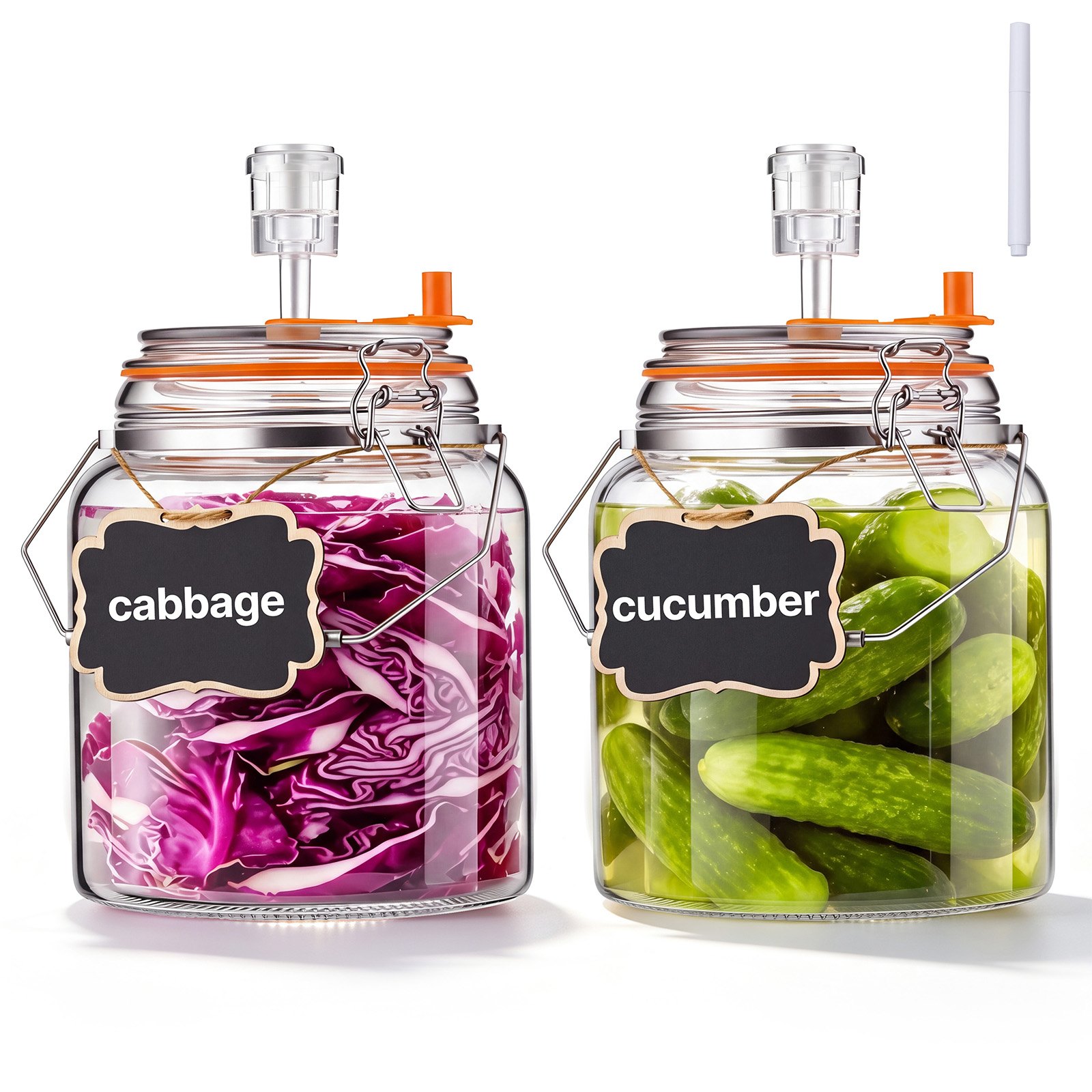
Glass fermentation jars with airlocks are wide-mouth vessels paired with one-way valves that vent CO2 while keeping oxygen out, enabling anaerobic lacto-fermentation of cabbage, kimchi, and pickles. The decisive trade-off is lid-and-valve architecture: a true one-way airlock with a silicone gasket and latch clamp maintains a sealed CO2 blanket, while loose lids or grommet-only lids trade reliability for convenience. Buy a jar whose gasket seals against the rim and whose airlock is removable for cleaning; skip any kit whose lid lacks a compressible food-grade gasket.

Buying guide image
Dishwashers

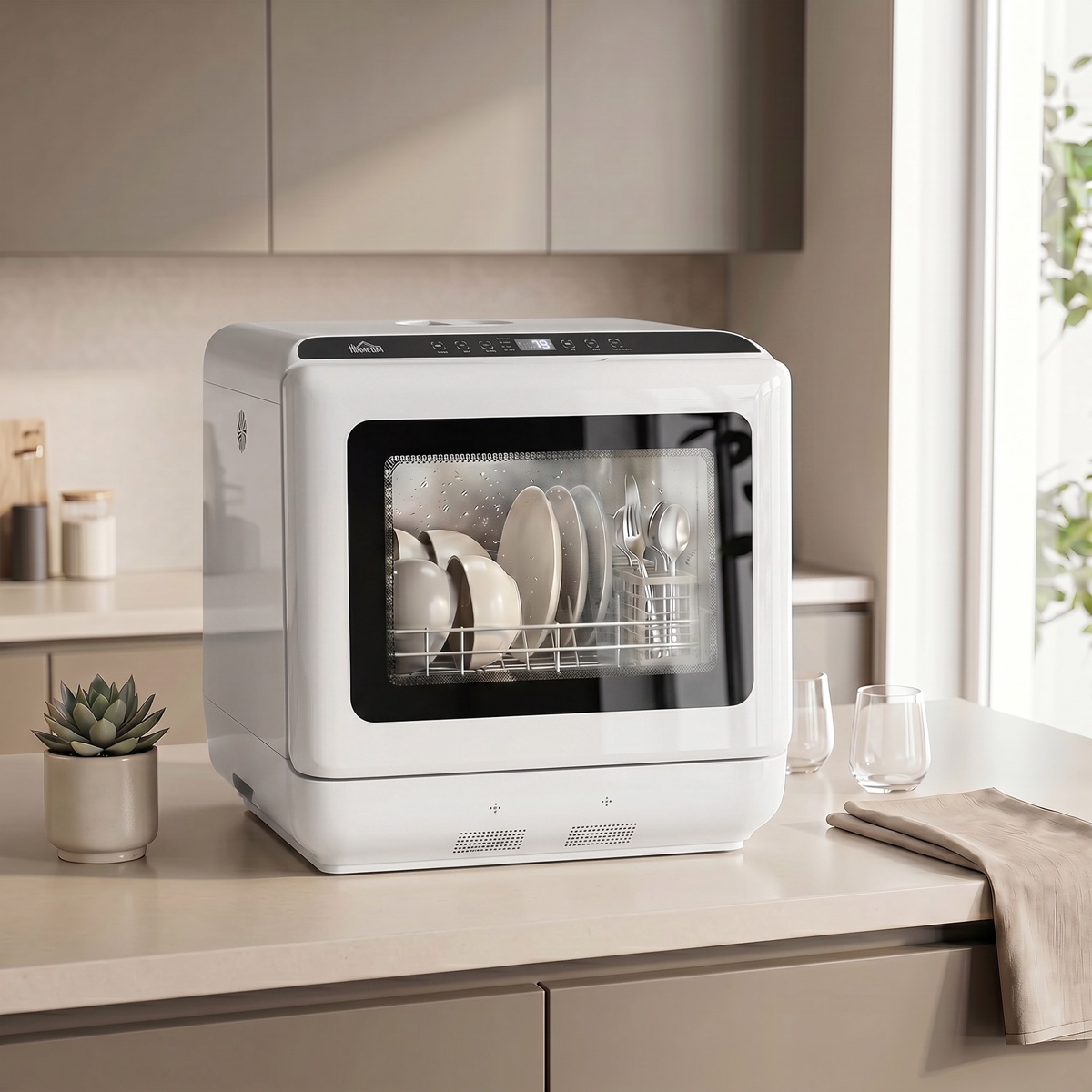
Compact Mini Dishwasher

Compact mini dishwashers are countertop or portable units typically 18–24 inches wide, designed for small kitchens, apartments, or RVs where a full-size built-in won't fit. The primary trade-off is capacity versus footprint: smaller tubs mean fewer place settings and often no heated drying, while larger mini units approach full-size performance but demand more counter space and a dedicated water hookup. The clear decision rule is to buy a unit with a stainless steel interior, a visible heating element or heat-pump drying, and a standard 3/8-inch compression or quick-connect water inlet—skip any model with a plastic tub, gravity drain only, or proprietary hose fittings.

Buying guide image
Air Fryers

Air Fryer Oven Stainless Steel

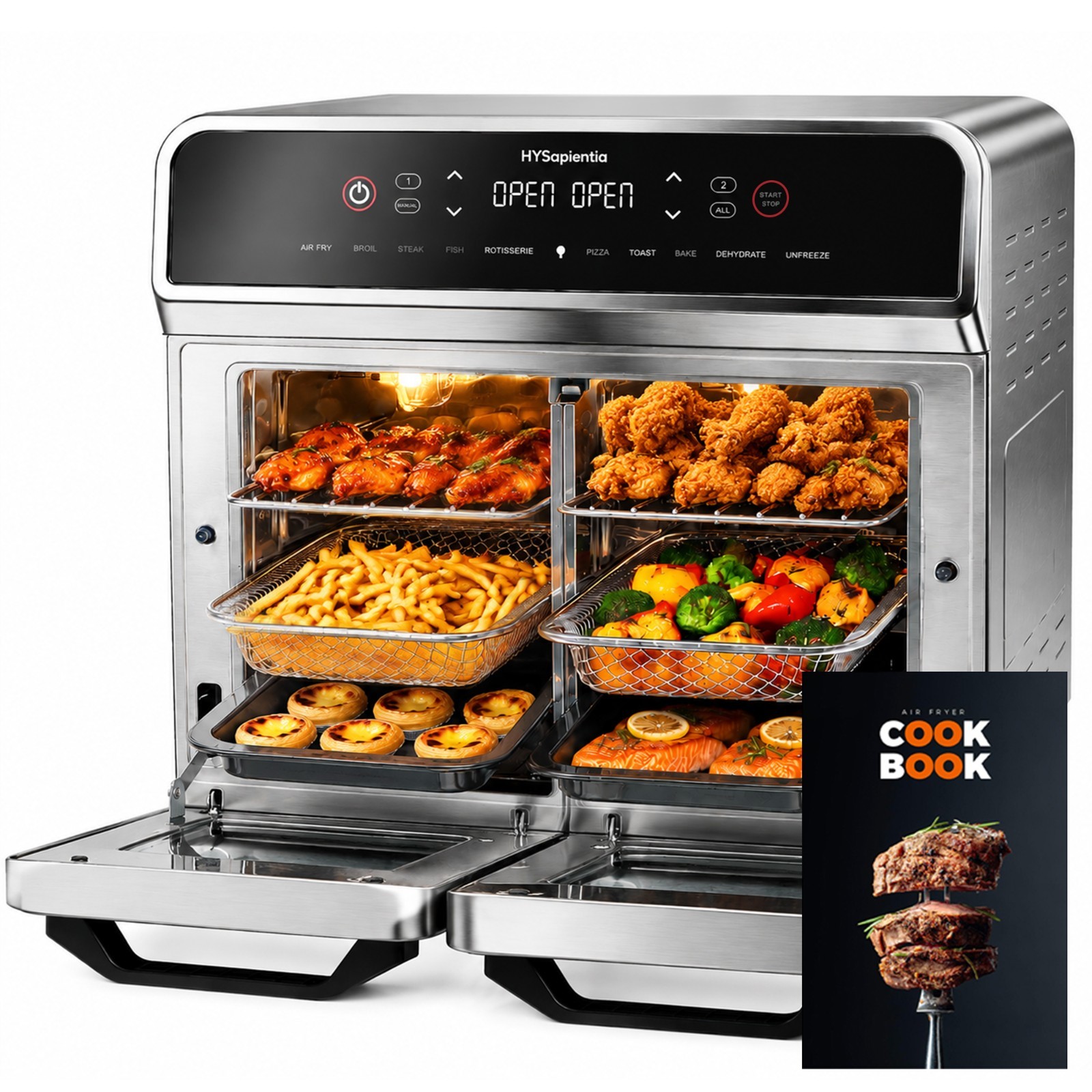
Stainless steel air fryer ovens are countertop convection ovens built with steel interiors and often steel exteriors, trading the plastic-basket convenience of drawer fryers for larger capacity, rotisserie capability, and dual-zone cooking. The core trade-off is interior construction: coated steel and thin-gauge shells resist staining but can warp or flake, while full stainless-steel cavities and heavy-gauge housings hold heat evenly and survive years of high-temperature cycles. Buy durable when the cavity and heating elements are stainless with mechanical or simple digital controls; compromise only when you need a lightweight secondary oven and accept coated nonstick internals.

You may also like

Finding more guides for you…