Kitchen Gear Wise

Kitchen Gear Wise

Kitchen Gear Reviews & Buying Guides

Compare kitchen gear by use case, features, trade-offs, price, returns, and seller terms before you buy.

Buying guides

Buying guide image
Cookware & Cutlery

Ceramic Pot And Pan

Ceramic pot and pan sets use a sol-gel ceramic coating over an aluminum or stainless steel base, delivering PTFE-free nonstick performance but with a shorter lifespan than traditional coated cookware. The core trade-off is coating thickness and base construction: thin sprayed ceramic on stamped aluminum warps and loses release quickly, while thicker ceramic over a clad or forged base resists scratching and heat cycling. Buy ceramic only if you cook at low-to-medium heat and accept a 1-3 year coating life; otherwise choose clad stainless or cast iron.
Buying guide image
Cookware & Cutlery

Ceramic Pot And Pan Set

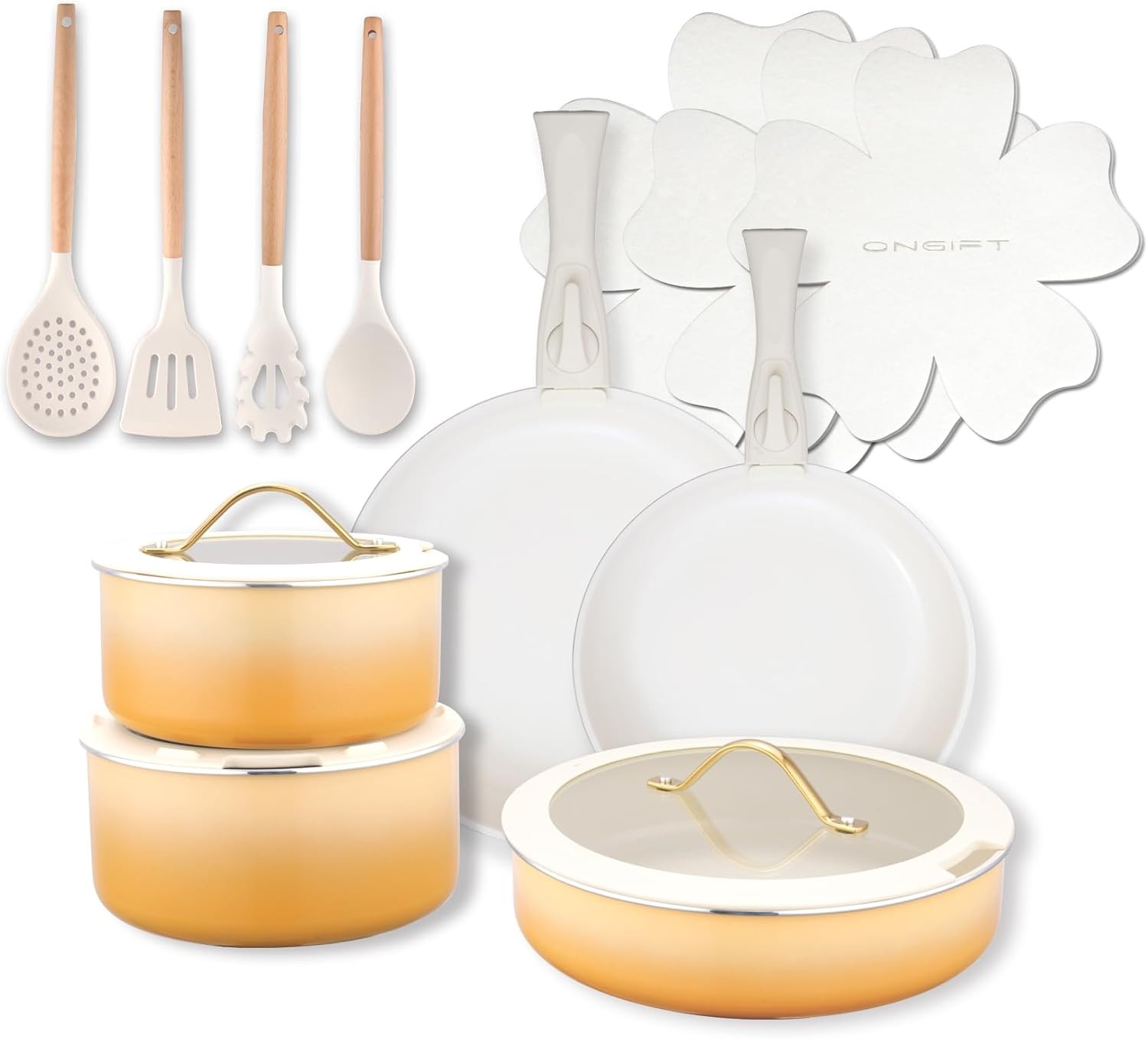
Ceramic pot and pan sets pair a mineral-based nonstick coating with aluminum or stainless steel bodies, trading the longevity of PTFE for a cadmium- and lead-free cooking surface that resists high-heat breakdown. The decisive split is coating chemistry versus substrate: true ceramic (sol-gel) coatings over heavy-gauge aluminum deliver even heat and clean release but are brittle to thermal shock and metal utensils, while 'ceramic-coated' stainless sets prioritize durability and induction compatibility at the cost of stick resistance. Buy durable when the body is 3mm+ aluminum or clad stainless with a sprayed ceramic layer; skip thin 1.5mm stamped pans with unbranded 'ceramic' claims.

Buying guide image
Slow & Pressure Cookers

Instant Pot

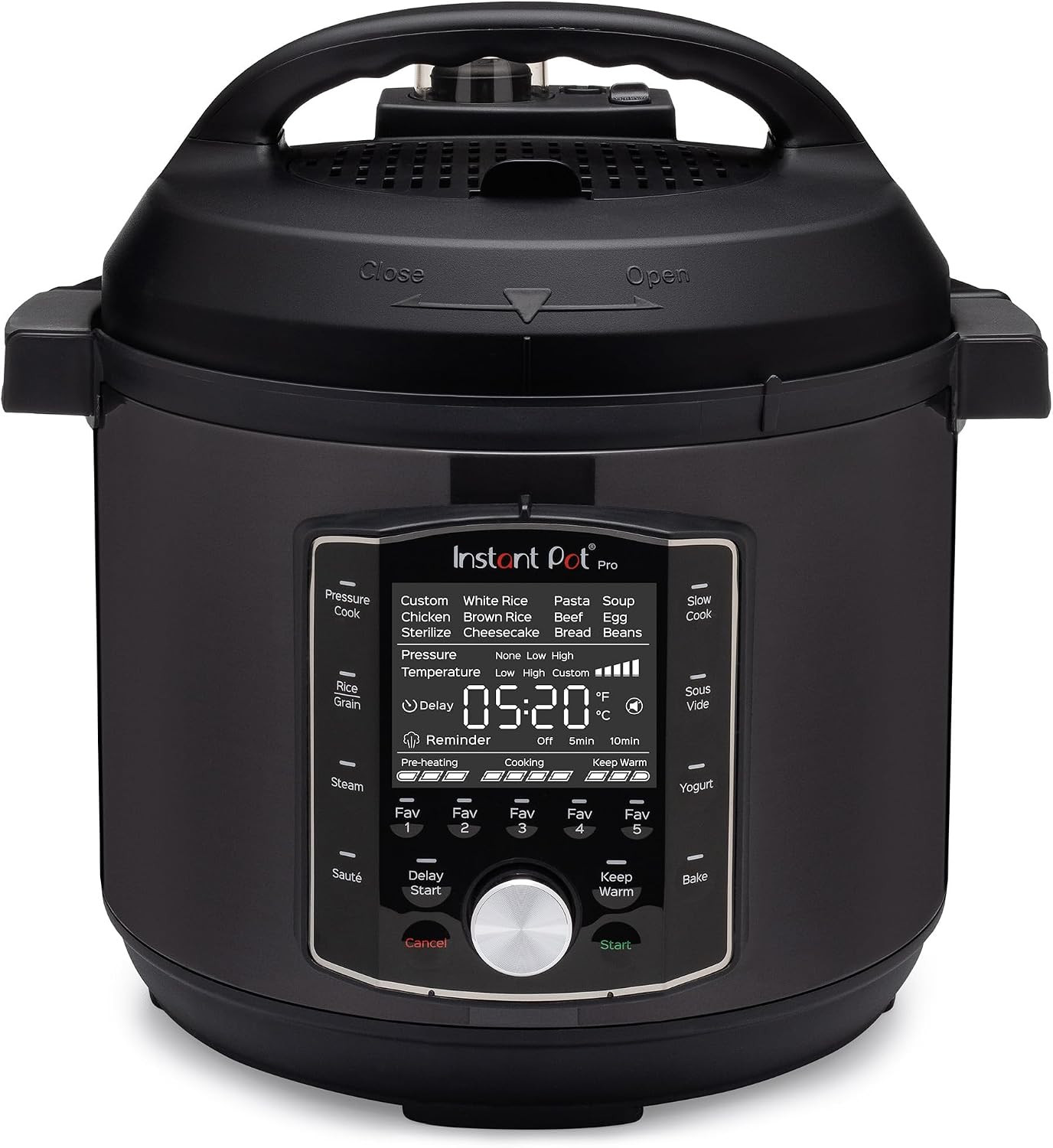
Instant Pot is the leading electric multicooker brand, combining pressure cooking, slow cooking, sauté, rice, and steaming in one sealed appliance. The core trade-off is between the entry Duo line's basic manual controls and the Pro/VUltra tiers' improved heating elements, sous-vide precision, and easier-clean inner pots. Buy the tier whose lid, pot coating, and control interface match your cooking frequency; skip the base Duo only if you need precise low-temperature cooking or dishwasher-safe inner pots.

Buying guide image
Coffee Makers & Espresso

Grind And Brew Coffee Maker

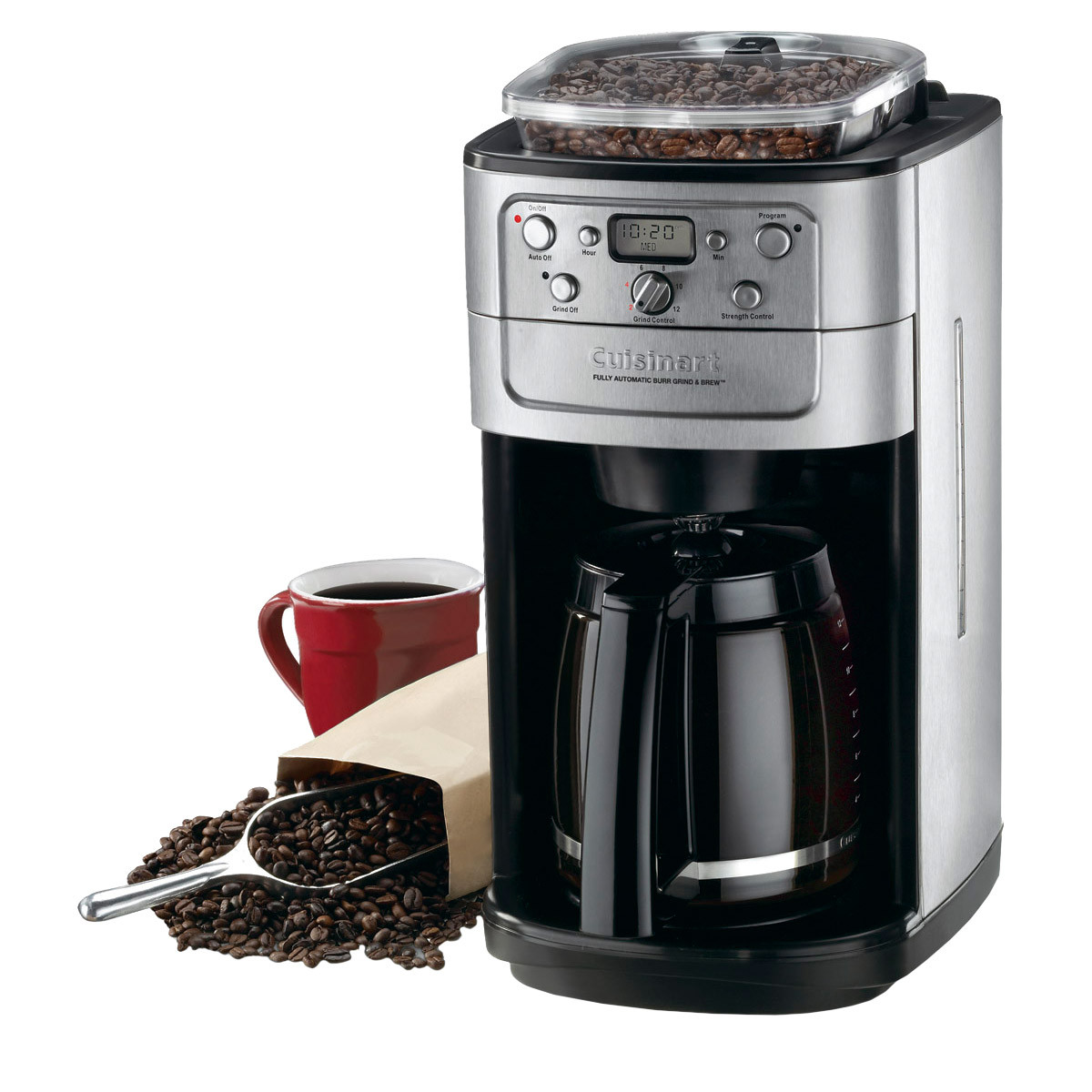
A grind-and-brew coffee maker integrates a burr grinder and drip brewer so beans are ground immediately before brewing, preserving volatile aromatics lost in pre-ground coffee. The core trade-off is grinder architecture: cheap blade choppers create uneven particles and fines that clog filters and cause bitterness, while conical burr grinders deliver consistent size for proper extraction. The decision rule is simple—choose a model with a conical burr grinder, a bypass brew option for pre-ground coffee, and a thermal carafe or glass with a hot plate rated for at least 1,200 W; skip any unit that uses a blade grinder or lacks adjustable grind size, because those are convenience gadgets rather than true grind-and-brew machines.

Buying guide image
Coffee Cleaning & Accessories

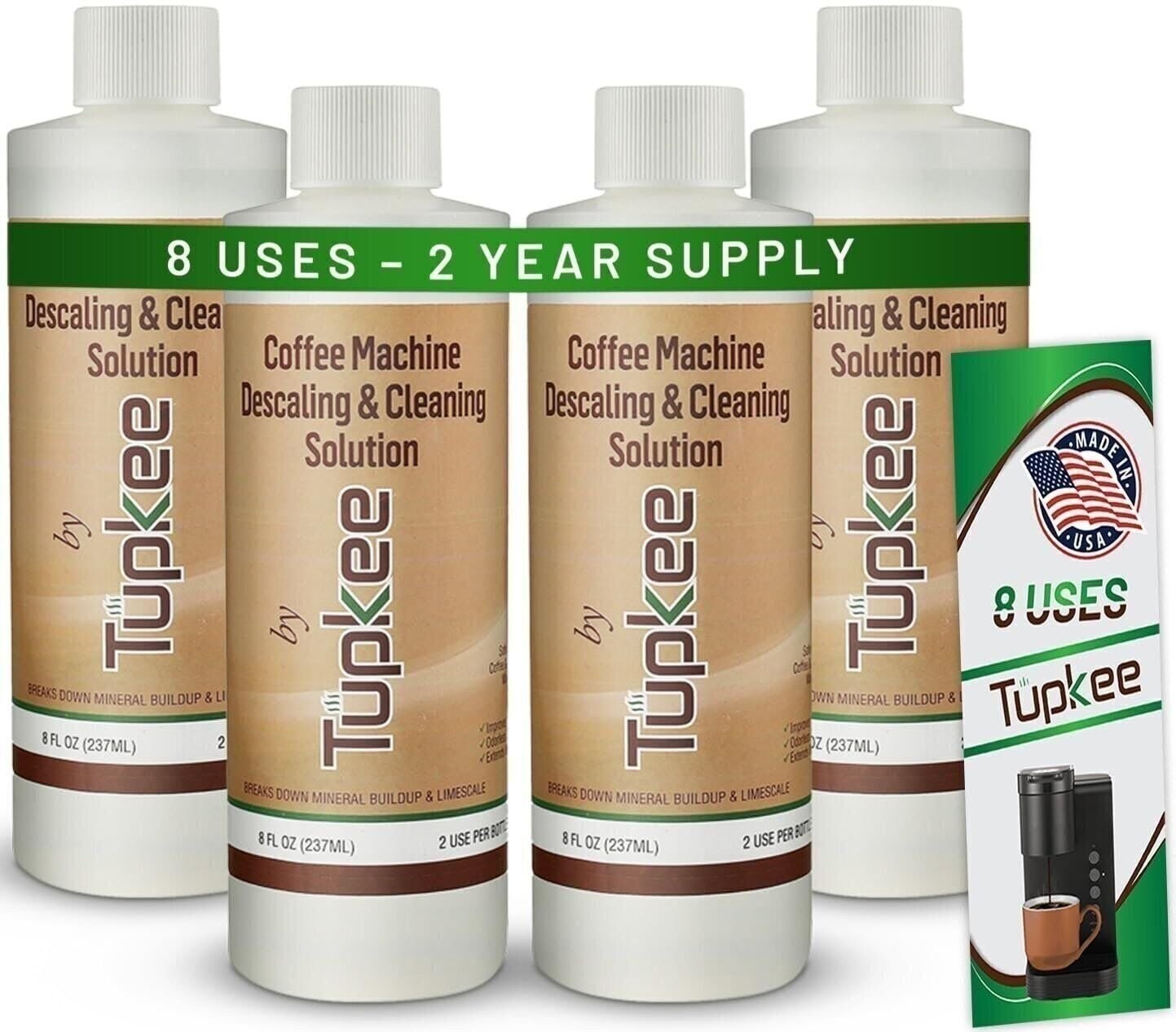
Coffee Machine Descaling Solution

Coffee machine descaling solution is a food-safe acidic concentrate that dissolves limescale from boilers, thermoblocks, and steam circuits to restore flow and temperature stability. The core trade-off is acid strength versus material compatibility: citric and lactic acid blends clean effectively but require thorough rinsing, while harsh mineral or sulfamic acids can pit aluminum and damage seals. Choose a solution formulated for your machine's metal and a concentration you can dilute to your local water hardness—never a one-size-fits-all bottle.

Buying guide image
Tableware, Drinkware & Serving

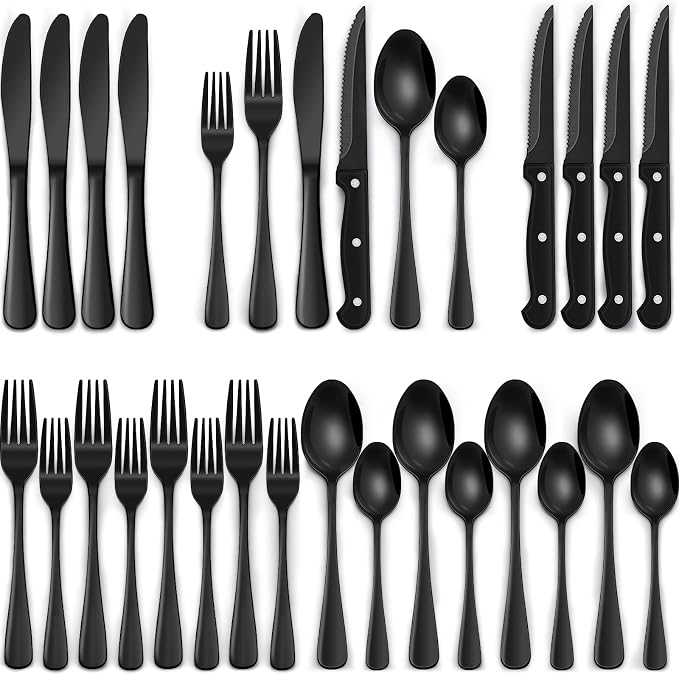
Stainless Steel Flatware

Stainless steel flatware is the daily-use cutlery category defined by alloy grade (18/10, 18/8, or 18/0) and gauge (weight class), which together determine rust resistance, bend strength, and dishwasher longevity. The primary trade-off is alloy quality and steel thickness versus finish durability—mirror polish and PVD color coatings add visual appeal but can wear, while 18/10 heavy-gauge pieces survive years of daily cycles. Decision rule: choose 18/10 ≥3.0 mm thick for daily family use; choose 18/0 or lower-gauge sets only for occasional, buffet, or decorative service where cost matters more than lifespan.

Buying guide image
Coffee Makers & Espresso

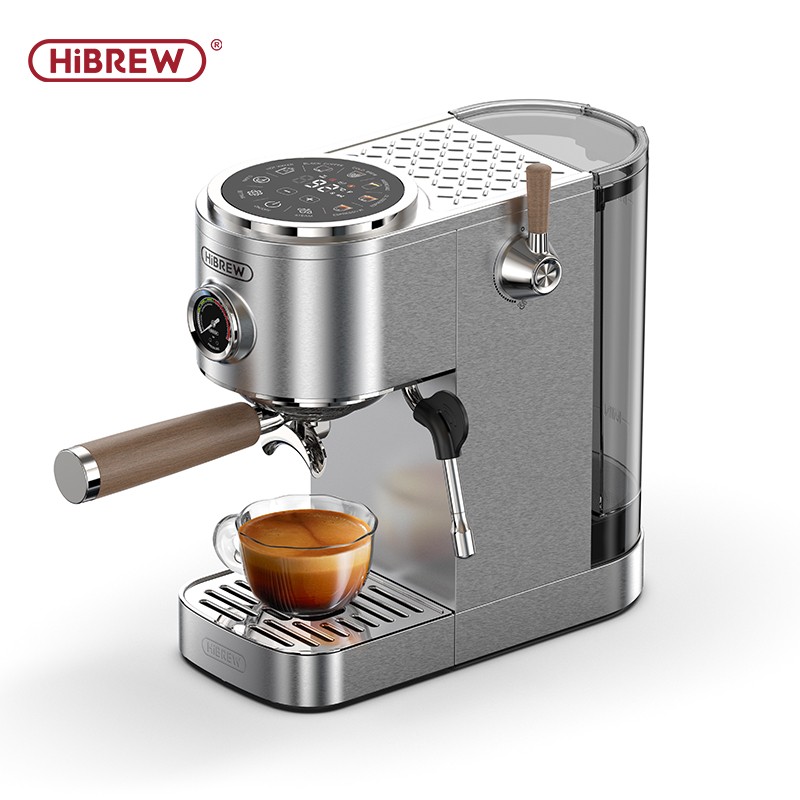
Dual Boiler Espresso Machine

A dual boiler espresso machine uses two independent heating circuits—one for brew, one for steam—so you can pull shots and steam milk simultaneously without temperature recovery delays. The core trade-off is boiler material and control architecture: saturated brass/steel groups with PID and dual pressure gauges deliver café-grade stability, while aluminum thermoblocks and single PID loops compromise back-to-back milk drinks. Buy a true dual-boiler with independent PID when you regularly make two or more milk drinks; skip it if you drink straight espresso alone.

Buying guide image
Coffee Makers & Espresso

Espresso Grinder And Maker

An espresso grinder and maker combo eliminates the guesswork of matching a separate grinder to a machine, but the integrated grinder is usually the weak link in budget all-in-ones. Buyers must weigh burr quality, boiler architecture, and pressure stability against the convenience of a single footprint. Focus on burr type and actual brew-head temperature control rather than marketing wattage or bar counts alone.

Buying guide image
Coffee Makers & Espresso

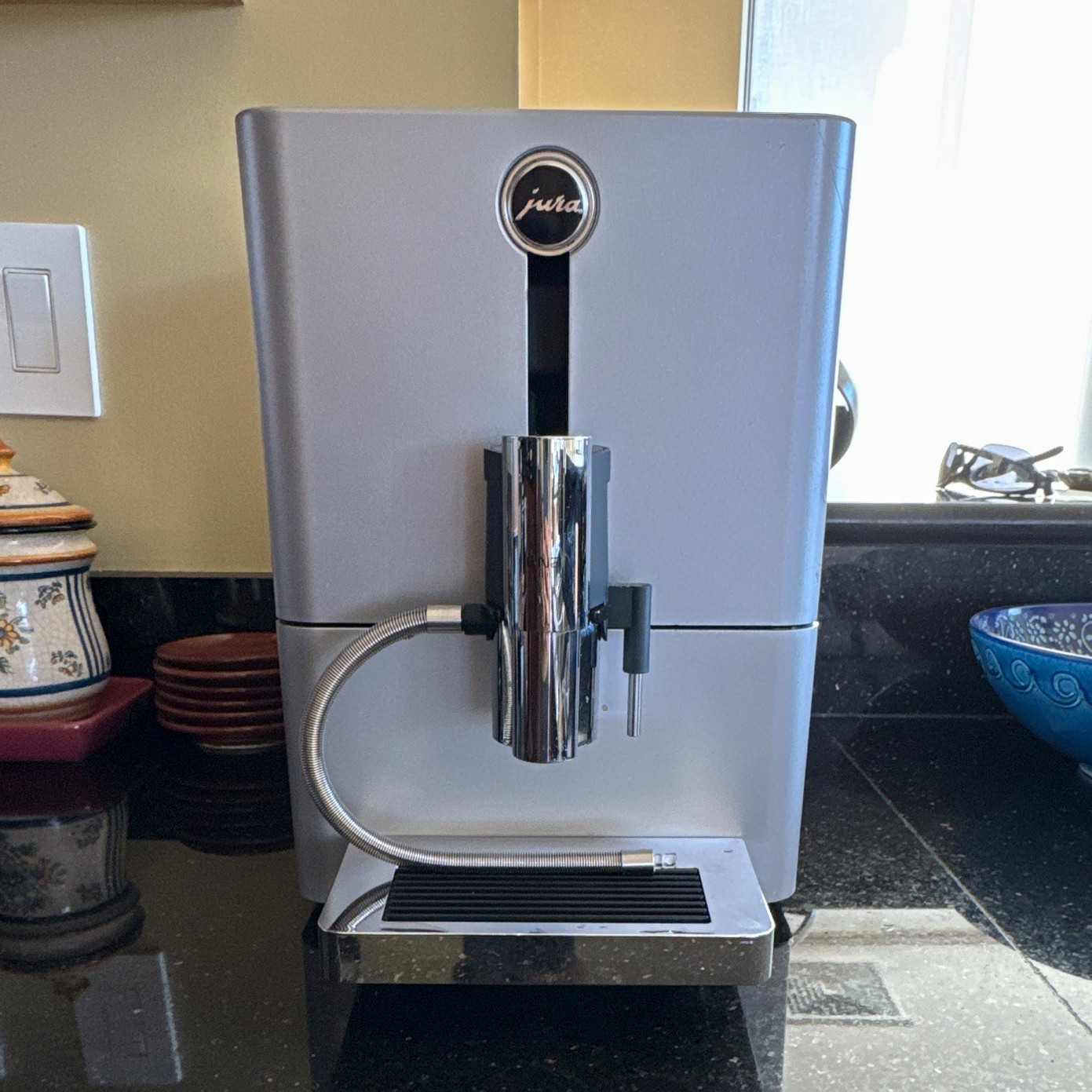
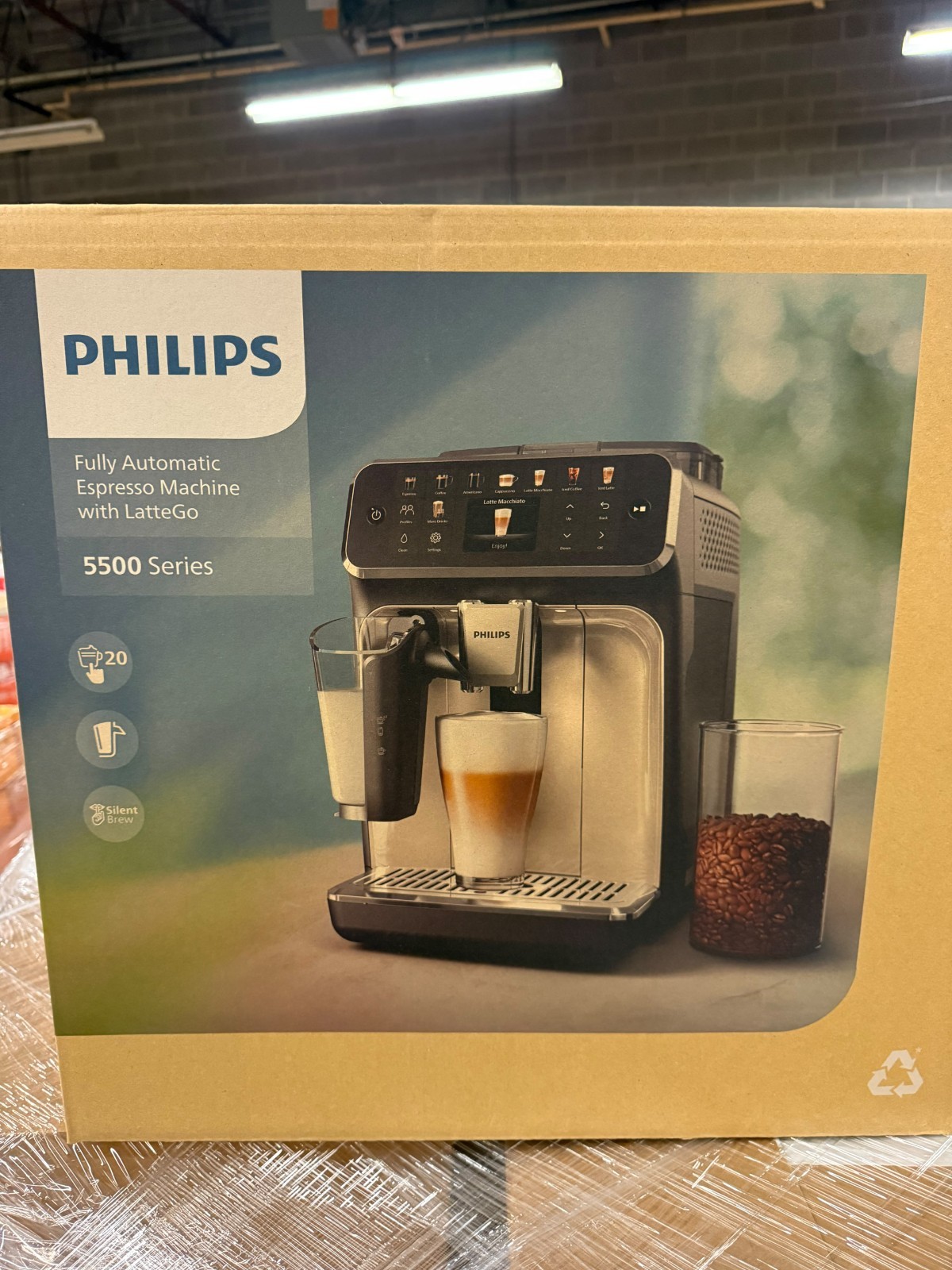
Philips Espresso Machine

Shopping for a Philips espresso machine means choosing between two distinct architectures: automatic bean-to-cup units that grind and brew with one touch, and semi-automatic models that use pods or ground coffee with manual frothing. Your daily volume, counter space, and tolerance for cleaning rituals should drive the decision more than brand loyalty, because Philips spans compact pod-friendly machines to full-size super-automatics with milk carafes.

Buying guide image
Cookware & Cutlery

Pan With Removable Handle

A pan with a removable handle is a camp-cook and space-saving design that lets the pan body nest, stack, or go oven-to-table while the handle detaches via a locking mechanism. The primary trade-off is handle-lock security and pan-base material versus the convenience of compact storage; weak spring clips and thin aluminum bases are the compromises. Buy a pan with a mechanical locking collar or bayonet mount and a disc or forged base; skip friction-fit or plastic-tab handles.

Buying guide image
Cookware & Cutlery

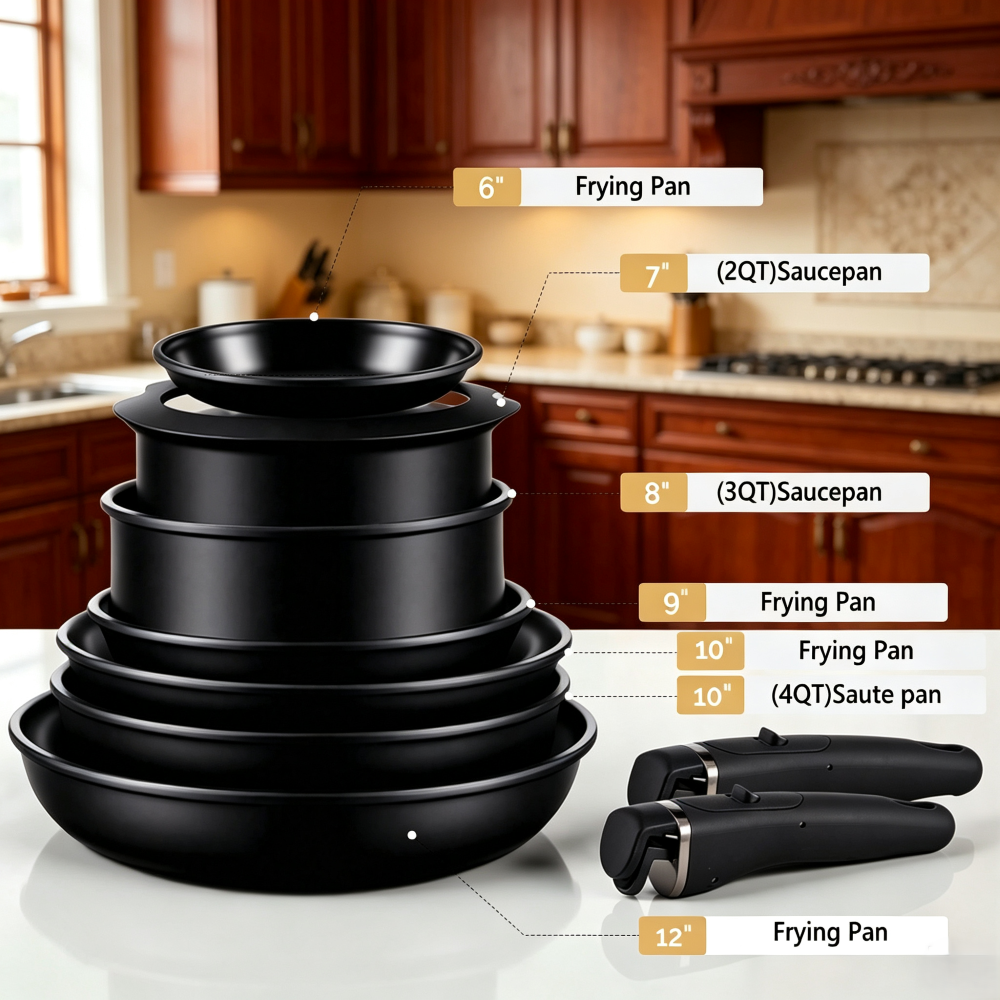
Pot And Pan With Removable Handle

Pot-and-pan sets with removable handles are designed for nesting storage and oven-to-table flexibility, where the handle detaches via a locking mechanism so pans stack compactly and transition from stovetop to oven to fridge. The core trade-off is detachable-handle locking durability and heat resistance versus the simpler, stronger fixed-rivet construction of traditional cookware. Choose a set with a metal-to-metal locking collar, a stated oven-safe temperature for both pan and handle, and a cooktop-compatible base; skip any set whose handle relies on plastic threads or is rated below 400°F.

Buying guide image
Home Refrigerators, Freezers & Wine Coolers

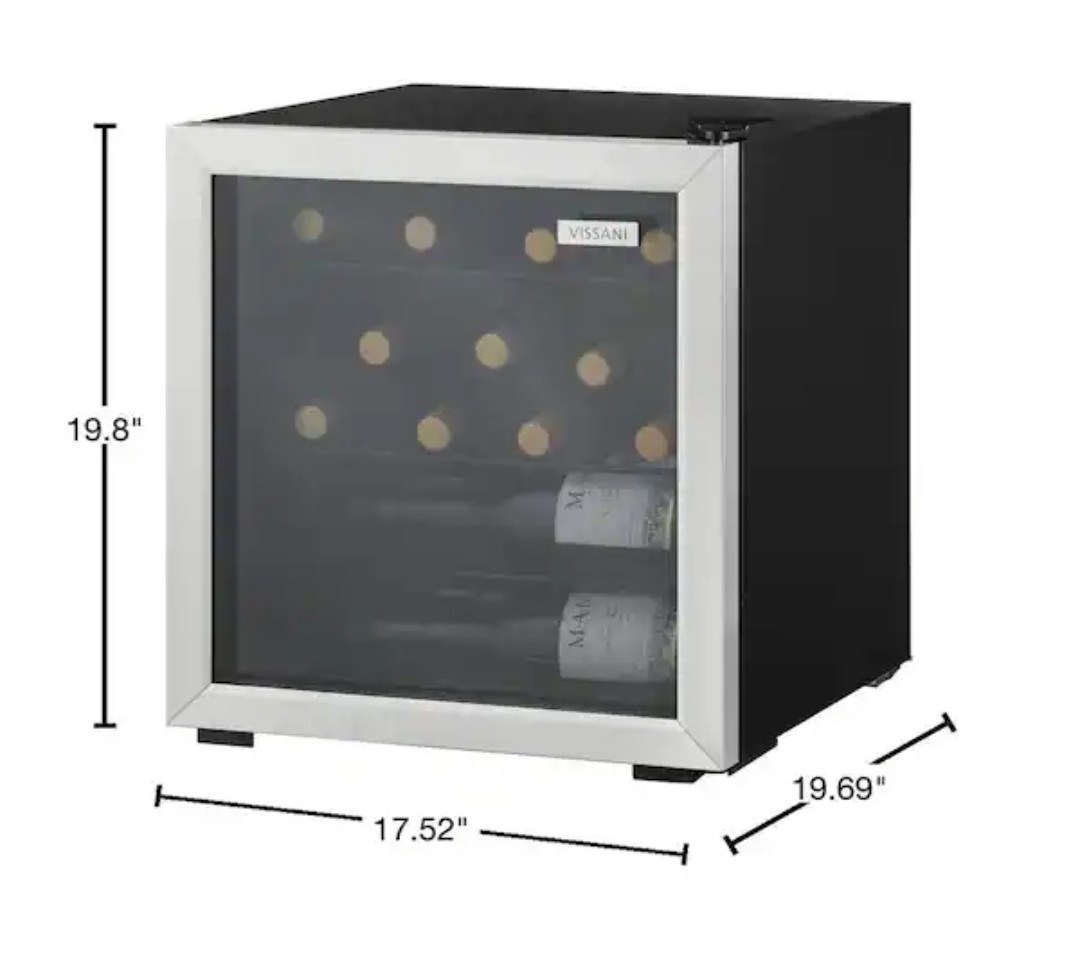
Stainless Steel Refrigerator

A stainless steel refrigerator is a full-size or compact cooling appliance with a brushed or fingerprint-resistant metal exterior, where the real trade-off is between cosmetic-grade cladding over standard coils and true commercial-grade build with better insulation and compressor tiers. The clear decision rule: prioritize 430 vs 304 stainless and inverter compressor specs over door-style trends—those two factors separate a decade-long appliance from a cosmetic upgrade.

Buying guide image
Kitchen Storage & Organization

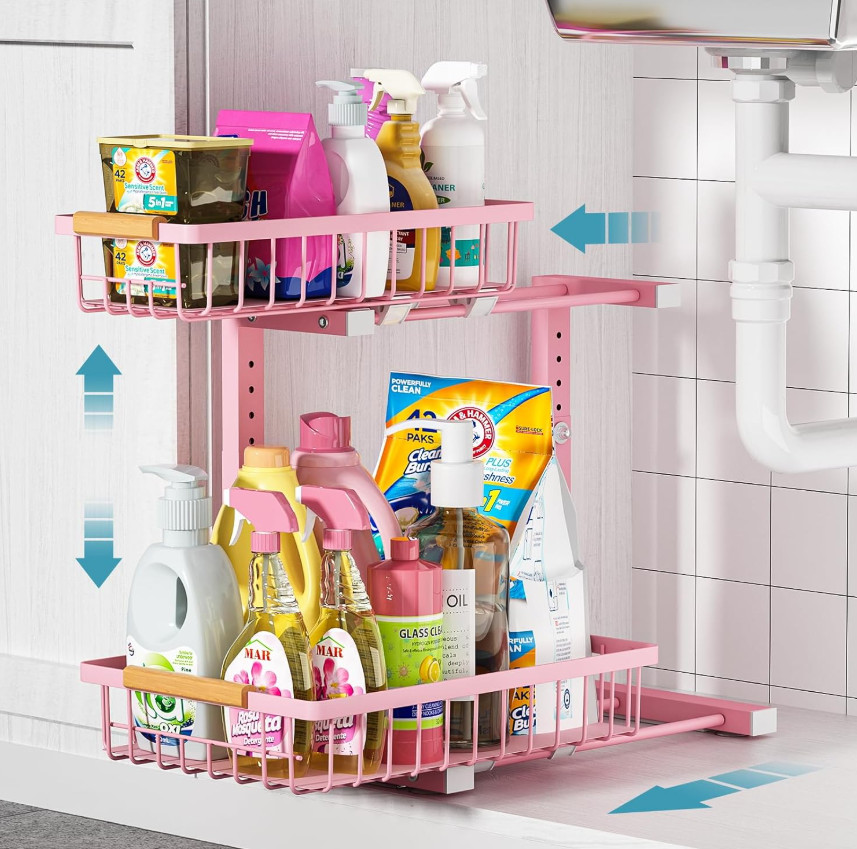
Under Kitchen Sink Organizer

An under-kitchen-sink organizer is a cabinet-interior system built to work around the sink basin, drain plumbing, and garbage disposal while resisting moisture. The core trade-off is access architecture versus installation commitment: a pull-out drawer or sliding tray gives full-basin reach but needs screw mounting and precise width clearance, while a freestanding tiered rack or stackable bin installs in seconds but sacrifices deep rear access. Choose by measuring cabinet width, door opening, and basin depth first; then match the organizer type to plumbing obstruction and pull-out clearance.

Buying guide image
Coffee Scales

Coffee Scale

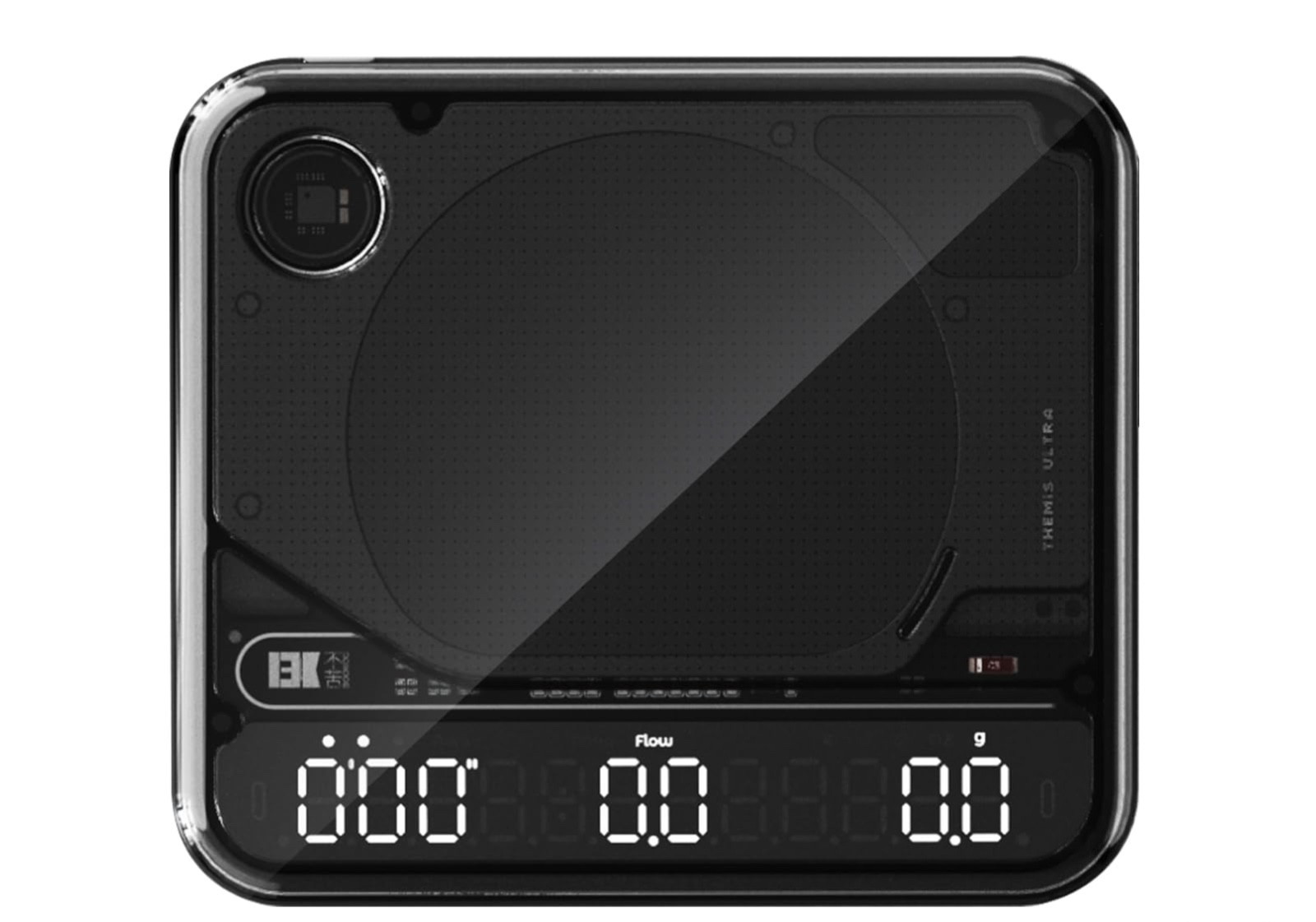
A coffee scale is a precision weighing tool with a built-in timer, designed for pour-over, espresso, and French press brewing. The primary trade-off is between response speed/accuracy (0.1g resolution, fast load-cell settling) and durability/water resistance (IP rating, metal housing). Choose a 0.1g-resolution scale with a timer and at least IPX4 splash resistance for daily brewing; skip 1g-resolution kitchen scales for espresso.

Buying guide image
Tableware, Drinkware & Serving

Espresso Cup

Espresso cups are small vessels sized to hold 1–2 oz (30–60 ml) of concentrated coffee, and the core trade-off is thermal mass versus preheat speed: thick-walled porcelain holds heat but steals it from a small shot unless preheated, while thin-walled cups warm fast but cool the espresso quickly. The decision rule is simple: choose porcelain or ceramic with a fully glazed interior and a thick base for heat retention, and skip unglazed earthenware or paper-thin demitasse sets that chill the crema on contact.

Buying guide image
Air Fryers

Non Toxic Air Fryer

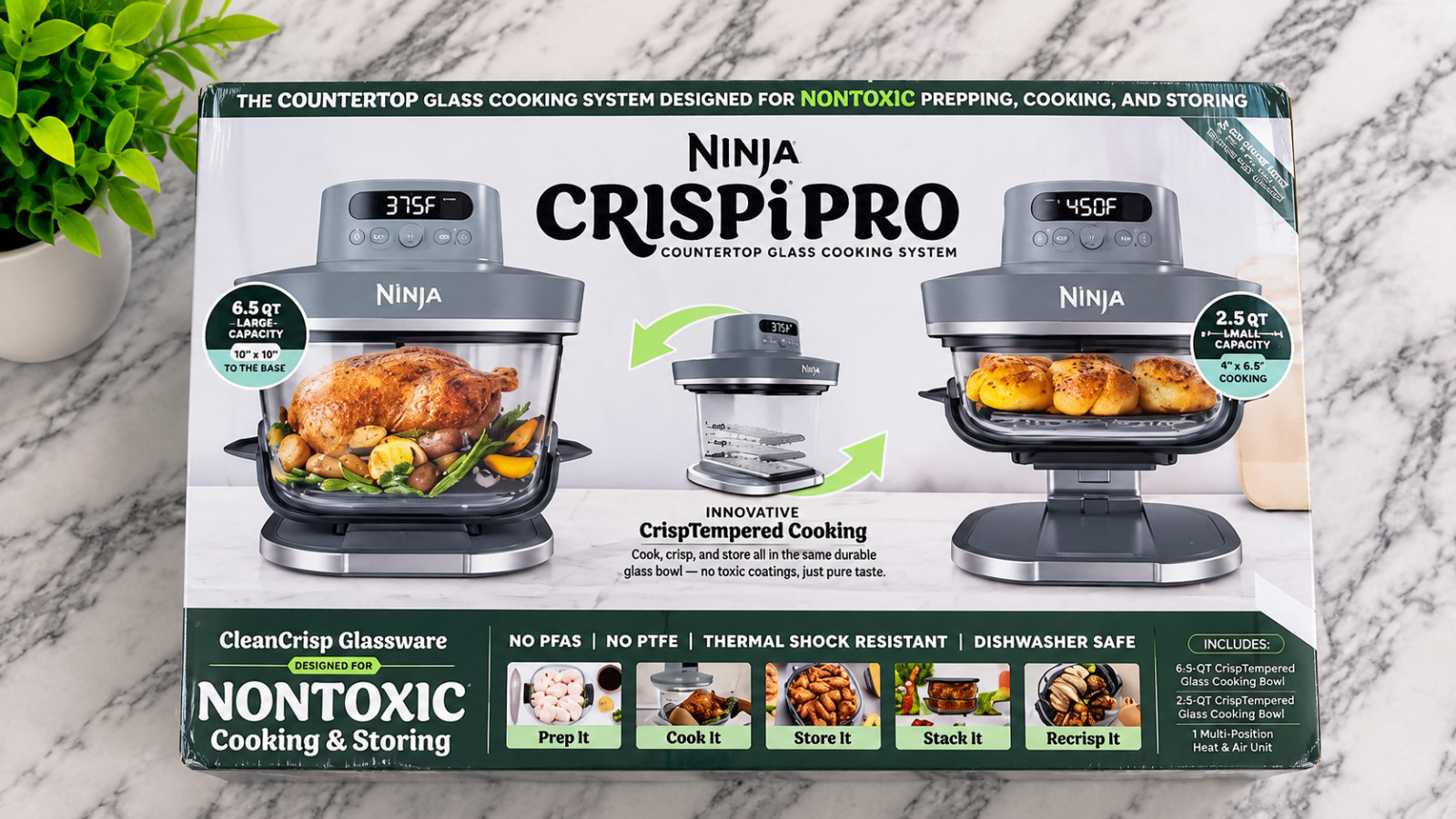
A non-toxic air fryer is a countertop convection oven whose food-contact surfaces—basket, rack, and housing interior—are free of PFAS, PFOA, lead, and cadmium, typically using ceramic, glass, or 304 stainless steel instead of PTFE nonstick. The core trade-off is release performance versus material safety: PTFE coatings are the most slippery but can degrade above 500°F and are the main source of chemical concern, while uncoated steel, ceramic, and glass are inert but require oil or parchment for easy release. The decision rule is simple: buy a unit where every heated food-contact part is explicitly listed as PFAS-free ceramic, borosilicate glass, or 304 stainless steel—skip any air fryer that only says 'nonstick' without naming the coating chemistry.

Buying guide image
Dishwashers

Bosch 100 Series Dishwasher

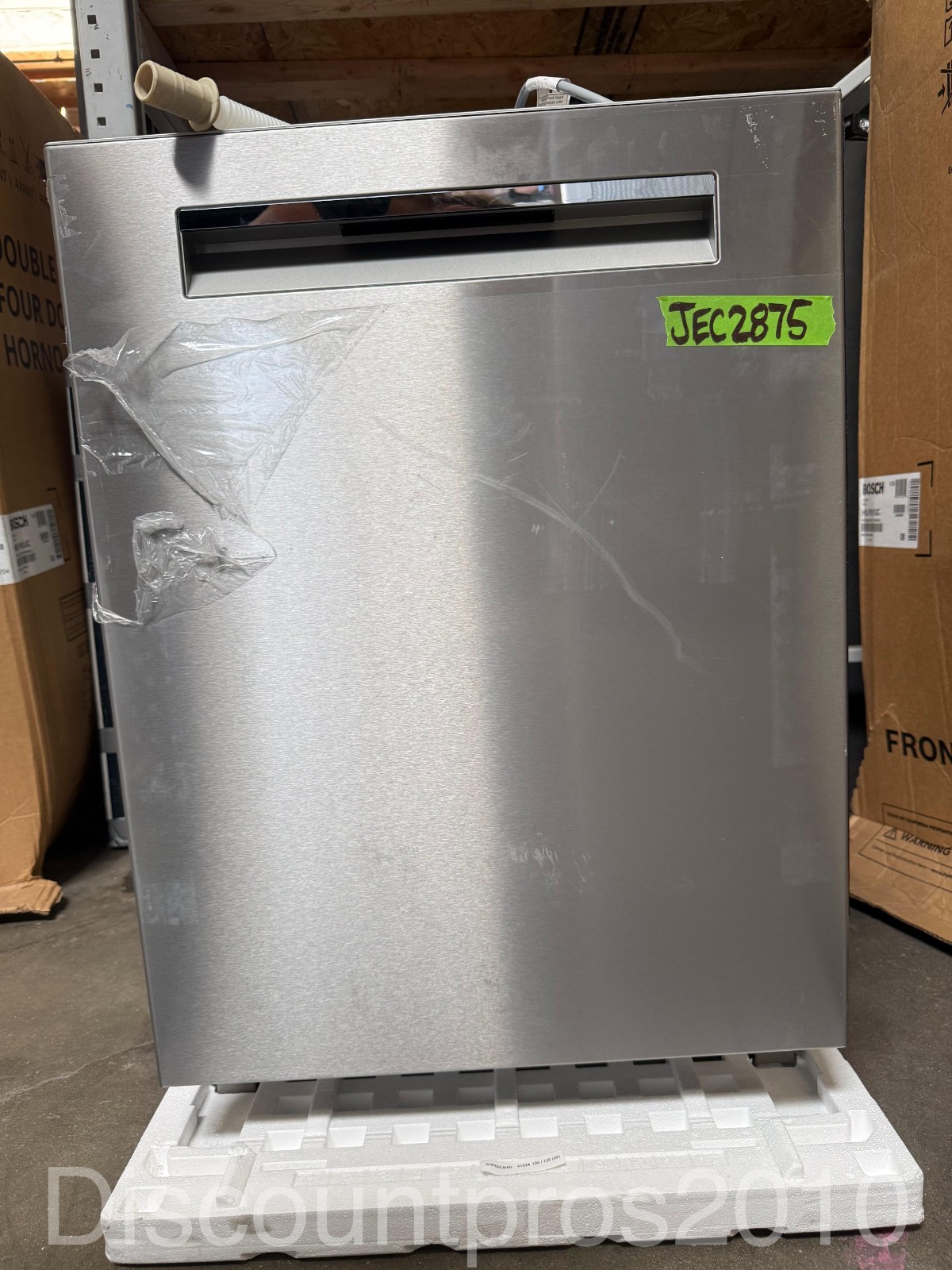
The Bosch 100 Series is a entry-level, American-made dishwasher line (model prefix SHE3AR/ SHS43C) that brings Bosch's quiet stainless-steel tub and condensation drying to a budget tier, but omits the flexible third rack and auto-open door drying found on 300/500/800 Series. The core trade-off is simple: you get Bosch's sealed drying system and low noise at the cost of a plastic lower rack, limited loading flexibility, and no smart-home features. Buy the 100 Series only if you want a quiet, reliable, stainless-tub dishwasher for standard dishes; step up to the 300 Series if you routinely wash stemware, odd-shaped items, or want a third rack.

Buying guide image
Water Filtration

Zero Water Filter Replacement

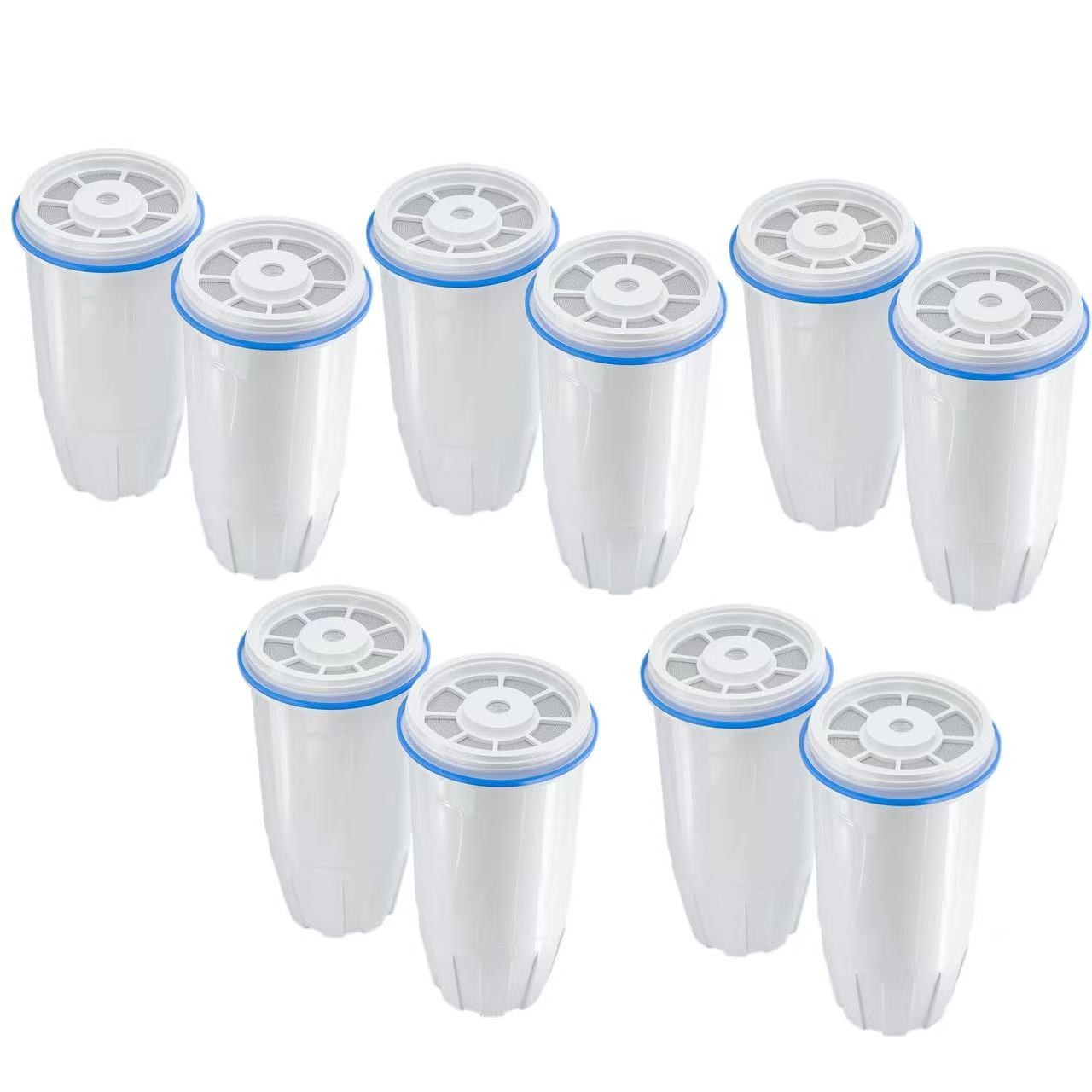
ZeroWater replacement filters are 5-stage ion-exchange cartridges that reduce total dissolved solids (TDS) to near zero, but their short lifespan and proprietary fit make filter cost and authenticity the central trade-off. Genuine ZeroWater cartridges use a labeled TDS meter to verify performance, while compatible third-party filters vary widely in resin quality and fit tolerance. The decision rule: choose genuine cartridges when you need certified TDS reduction and warranty support; choose reputable compatibles only when you accept faster exhaustion and verify fit against your exact pitcher or dispenser model.

Buying guide image
Food Preparation

Ice Pack Lunch Box

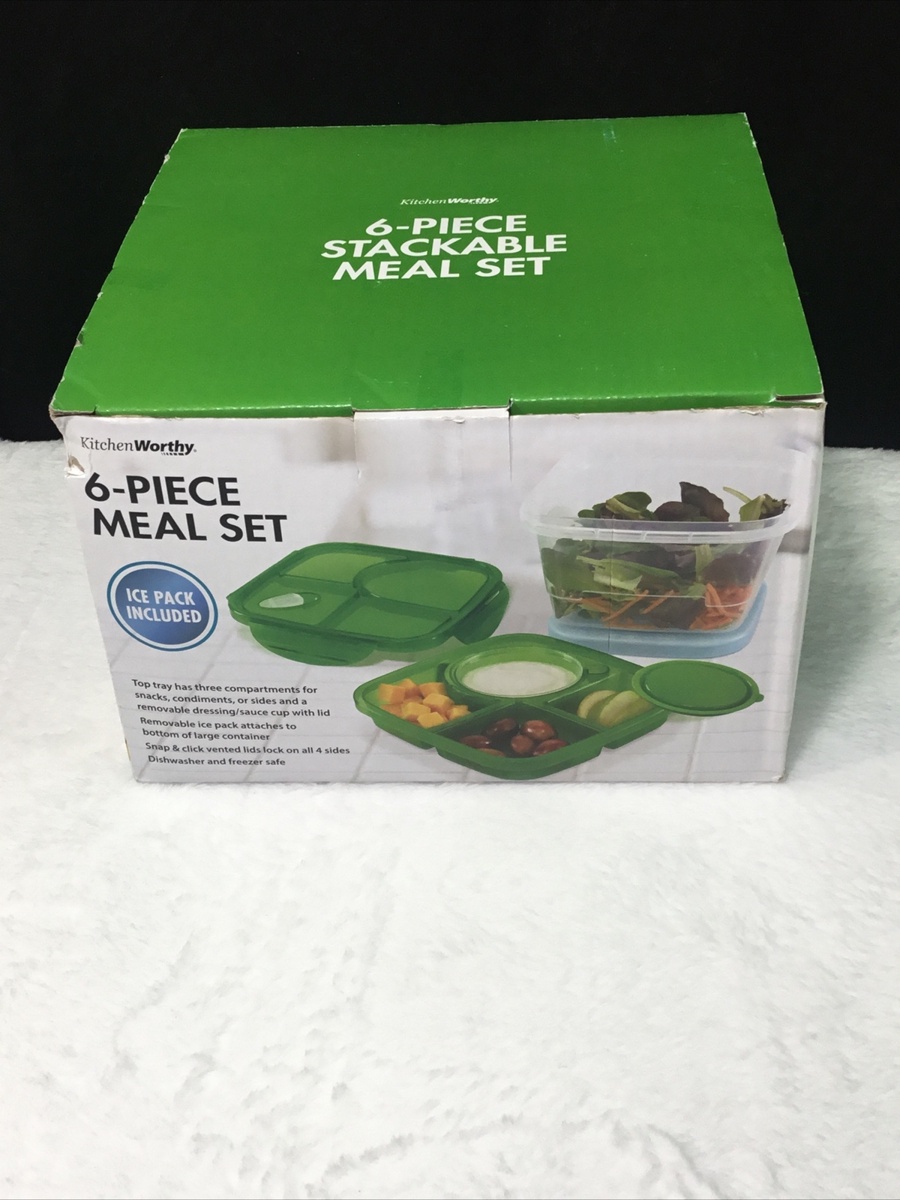
An ice pack lunch box is an insulated carrier paired with a removable freezer gel pack, designed to hold food at safe temperatures below 40°F for several hours. The core trade-off is insulation R-value versus gel-pack thermal mass: thicker closed-cell foam or vacuum panels extend cold retention, while a larger, denser gel pack provides more latent cooling capacity. Choose a hard-sided cooler with a high-density gel pack rated for 8+ hours if you commute or work outdoors; skip thin fabric bags with small ice sheets unless you only need 2–3 hours of cold.

Buying guide image
Coffee Makers & Espresso

Espresso Grinder

An espresso grinder is the single most important upgrade for consistent, cafe-quality shots, because particle uniformity and micro-adjustability matter more than the machine itself. The core trade-off is burr type and adjustment precision versus motor power and static control. Buy a stepless or fine-stepped burr grinder rated for espresso; skip any blade grinder or coarse-only stepped unit.

You may also like

Finding more guides for you…