Kitchen Gear Wise

Kitchen Gear Wise

Kitchen Gear Reviews & Buying Guides

Compare kitchen gear by use case, features, trade-offs, price, returns, and seller terms before you buy.

Buying guides

Buying guide image
Cookware & Cutlery

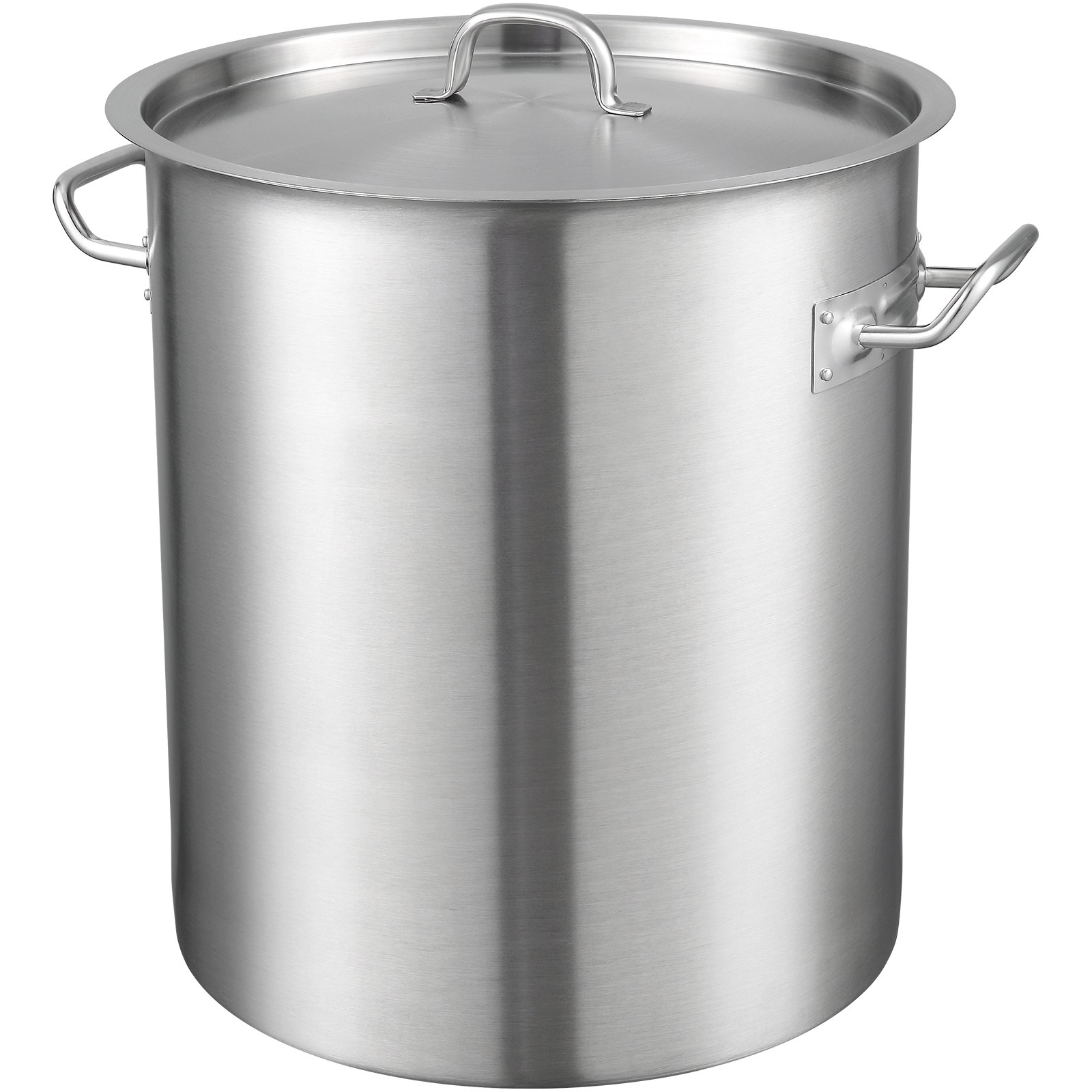
Large Cooking Pot

A large cooking pot is a high-capacity stockpot or sauce pot built for batch cooking, canning, brewing, and group feeding, where capacity, base thickness, and sidewall grade determine heat stability and longevity. The core trade-off is between thin stamped aluminum or 0.4–0.6 mm stainless (fast, cheap, prone to scorching and denting) and clad or heavy-gauge 18/8 stainless with an aluminum core (even heat, warp-resistant, decades of service). Buy clad or tri-ply stainless at 4–5 mm base thickness for durability; skip sub-1 mm single-wall pots if you cook on high heat or move the pot while full.
Buying guide image
Home Refrigerators, Freezers & Wine Coolers

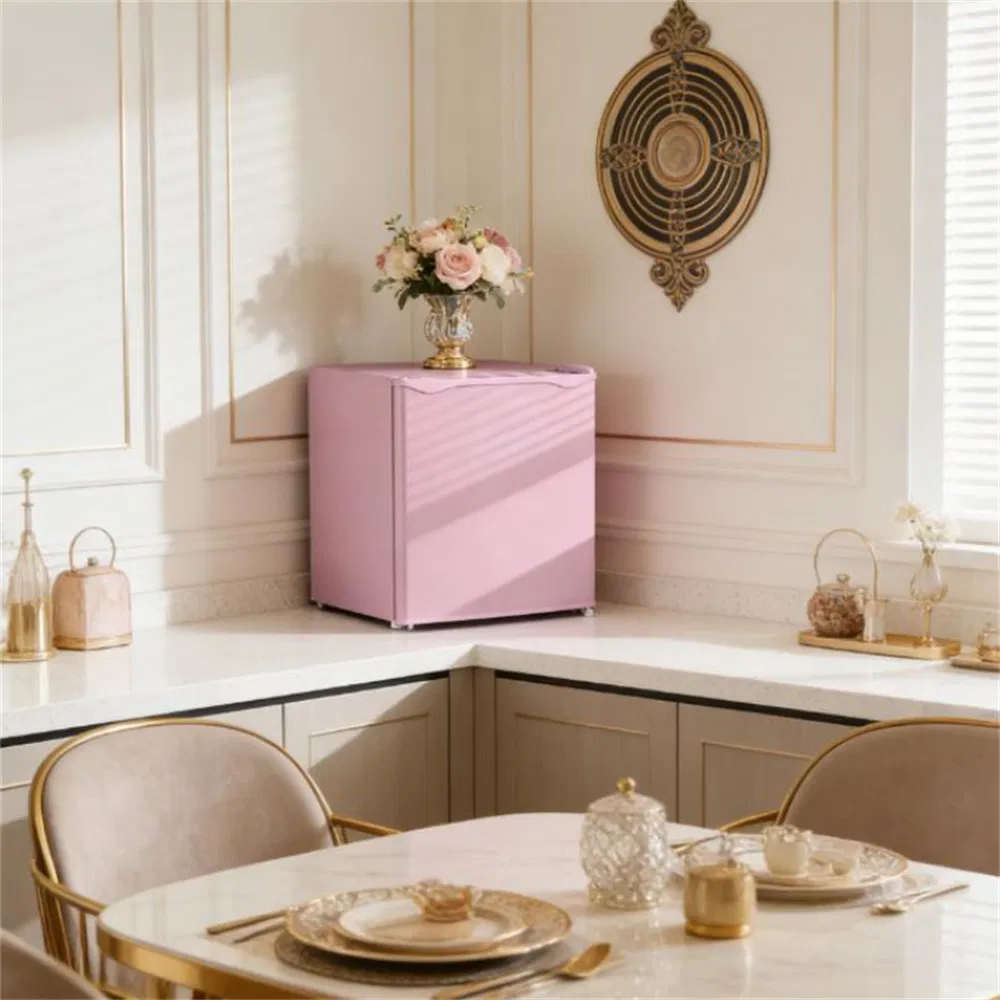
Pink Mini Fridge

A pink mini fridge is a compact (typically 3–6 cu ft) refrigerator finished in pink, used for bedrooms, dorms, offices, and beauty rooms. The core trade-off is compressor cooling (true refrigeration, 32–40°F) versus thermoelectric cooling (quieter, lighter, but only 35–45°F below ambient and poor in warm rooms). Buy a compressor unit if you need real food-safe cold; choose thermoelectric only for skincare or drinks in a climate-controlled room.

Buying guide image
Microwave Ovens

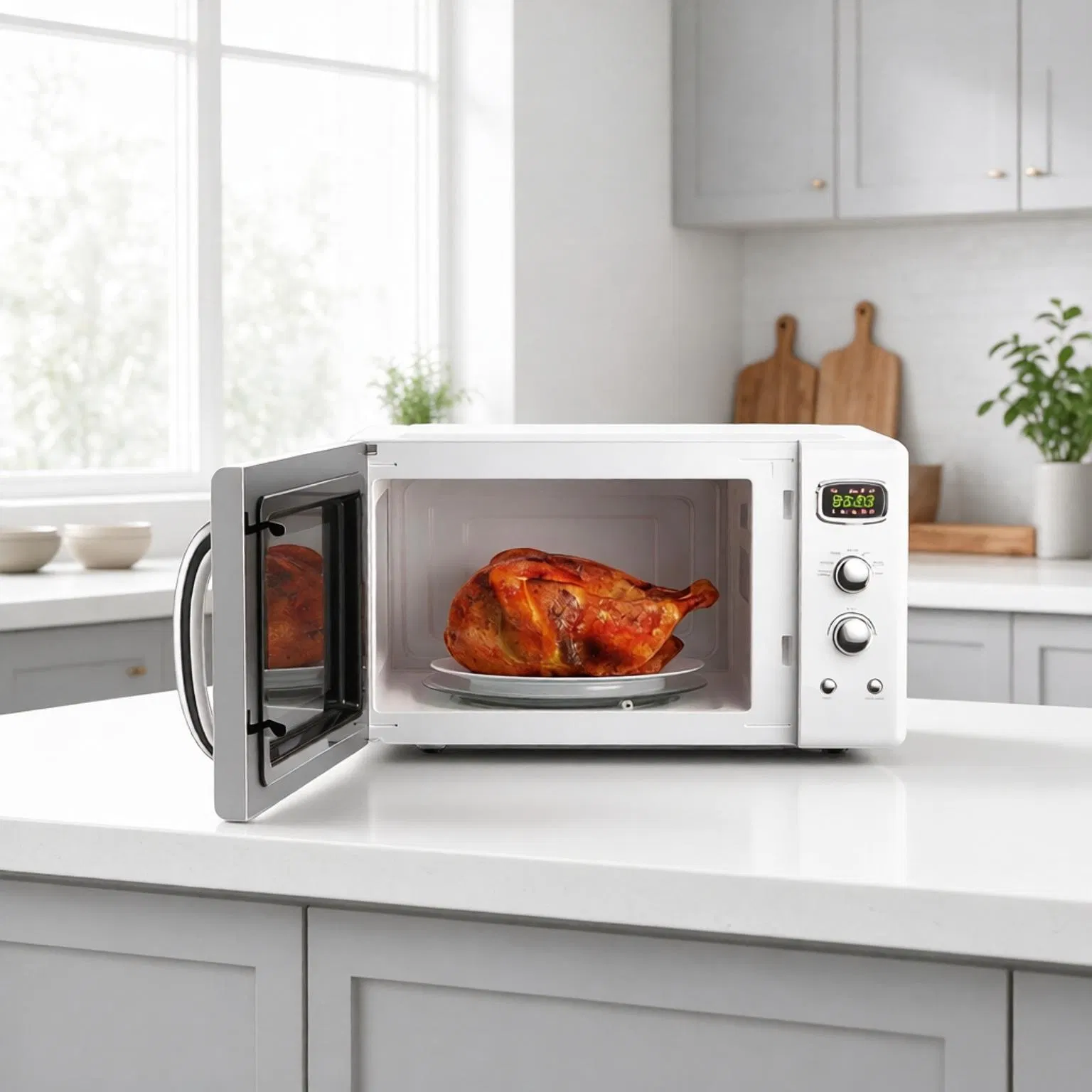
Stainless Steel Microwave Oven

A stainless steel microwave oven is a countertop or over-the-range unit where the front frame, cavity, and often the outer cabinet use stainless steel for heat resistance, easier cleaning, and a commercial look. The core trade-off is between true stainless (magnetic 430 or 304 grades) and stainless-look plastic or painted steel, which affects durability, fingerprint visibility, and magnetic-mount compatibility. The decision rule: buy only when the door frame and cavity are listed as stainless steel, the unit meets your wattage and size envelope, and the control type matches your household; skip any listing that says 'stainless-look' or omits cavity material.

Buying guide image
Slow & Pressure Cookers

Stainless Steel Pressure Cooker

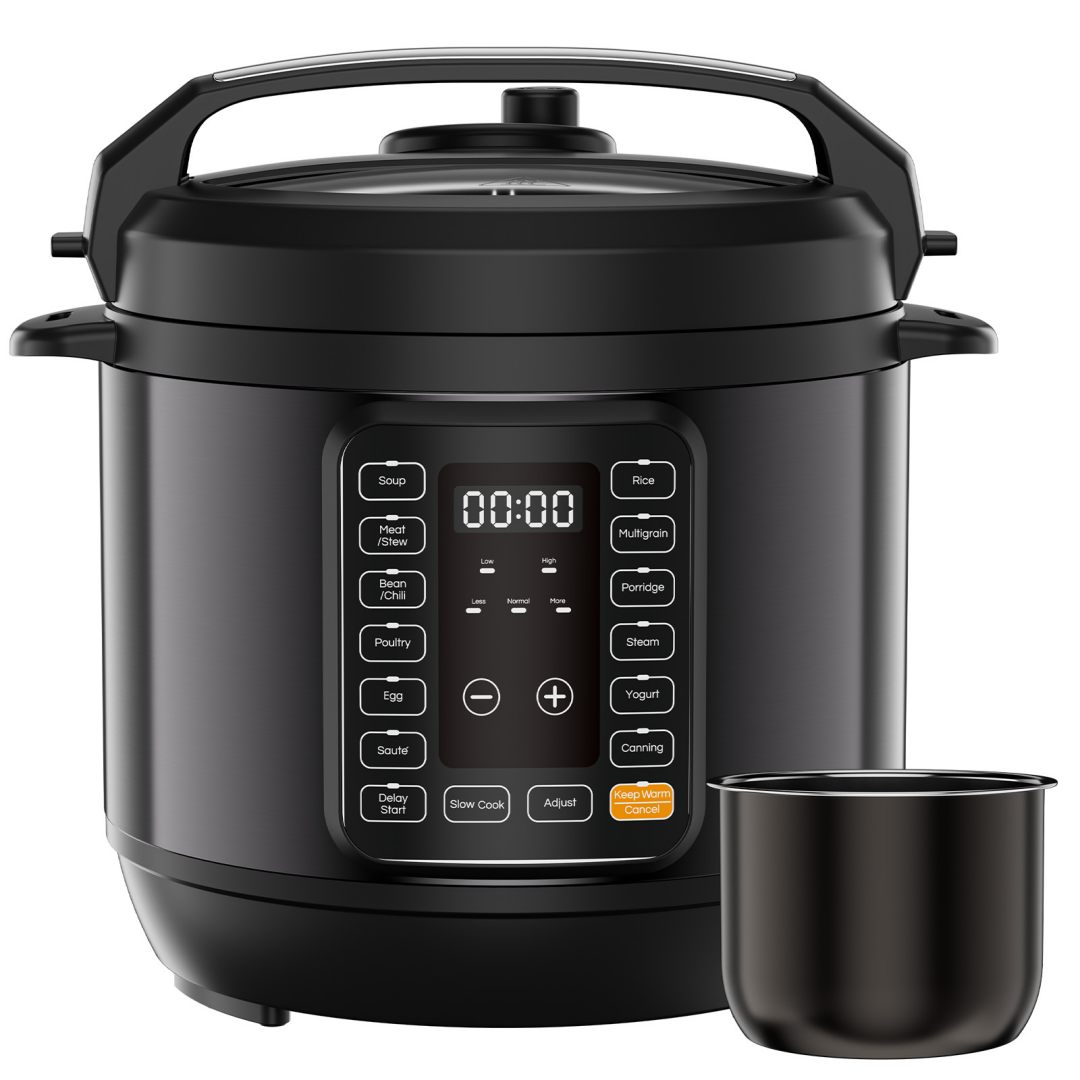
A stainless steel pressure cooker is a sealed vessel that uses steam pressure to raise boiling point and cook food 50–70% faster, with stainless steel (typically 18/10 or 18/8) offering no reactive coating, no flaking, and dishwasher-safe durability. The primary trade-off is between stovetop models (higher pressure, 15 psi, faster, but require monitoring) and electric multi-cookers (set-and-forget, lower peak pressure ~11 psi, more safety sensors). The decision rule: choose stovetop if you want maximum speed and have a gas or induction range with a stable base; choose electric if you value hands-off convenience and precise programmed pressure release.

Buying guide image
Home Refrigerators, Freezers & Wine Coolers

Deep Freezer

Deep freezers are chest or upright appliances that hold food at 0°F or below for long-term storage, with the primary trade-off being manual-defrost chest simplicity versus upright organization and frost-free convenience. Manual-defrost chests cost less to run and hold temperature longer during outages, while uprights and frost-free models trade efficiency for accessibility and no-ice-scraping maintenance. The clear decision rule: buy a chest freezer if you prioritize efficiency, outage resilience, and bulk capacity; buy an upright only if daily access and organization matter more than energy use.

Buying guide image
Coffee Makers & Espresso

Cuisinart Grind And Brew Coffee Maker

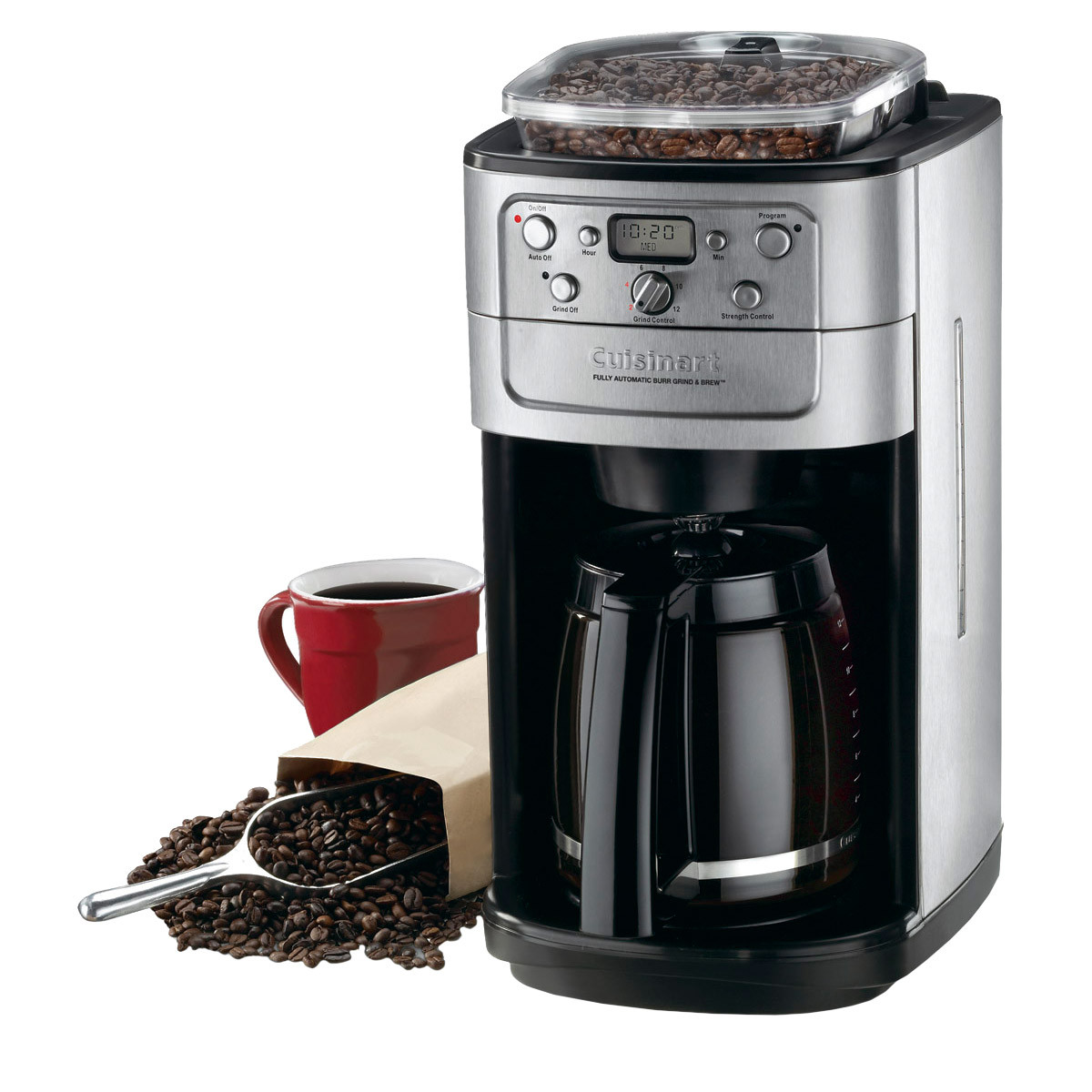
The Cuisinart Grind and Brew is a bean-to-cup drip coffee maker that grinds whole beans immediately before brewing, preserving aroma and eliminating stale pre-ground coffee. The core trade-off is burr vs. blade grinding and glass vs. thermal carafe: blade units are cheaper but inconsistent, while burr models and double-wall thermal carafes deliver uniform extraction and sustained heat. Choose a burr-equipped model with a thermal carafe for daily drinking; skip blade/glass configurations unless budget is the absolute priority.

Buying guide image
Dishwashers

Bosch 800 Dishwasher

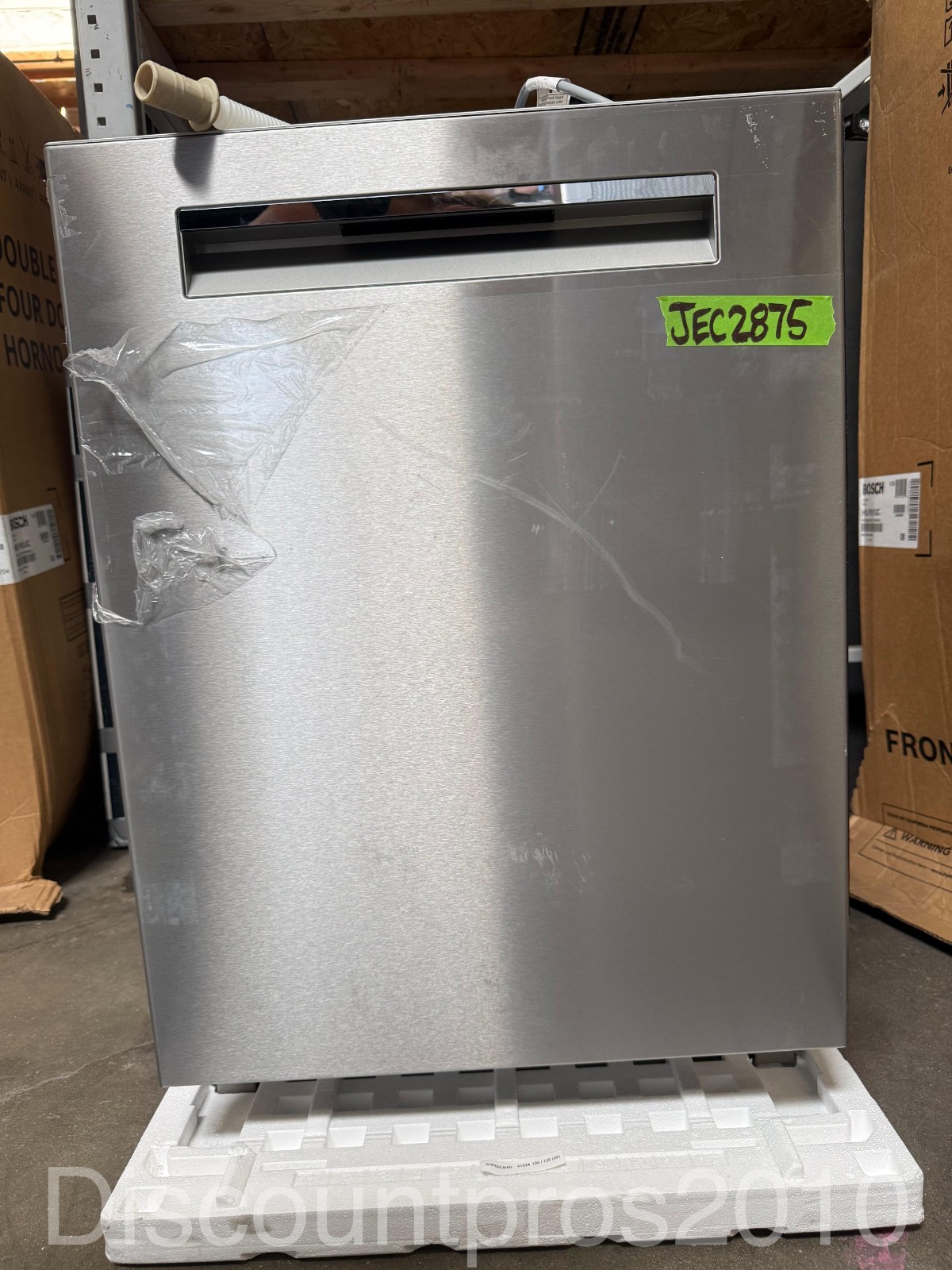
The Bosch 800 Series is a premium American-market dishwasher line defined by German engineering, a quiet brushless wash pump, and the proprietary CrystalDry zeolite drying system. The core trade-off is paying more for near-silent operation and superior plastic drying versus standard heated-dry models, with the decision rule being: choose the 800 if you value quietness and dry plastics; choose the 300 if you need Bosch reliability at a lower tier; avoid the 100 if noise and wet plasticware bother you.

Buying guide image
Food Processors & Choppers

Cuisinart Mini Prep Plus Food Processor

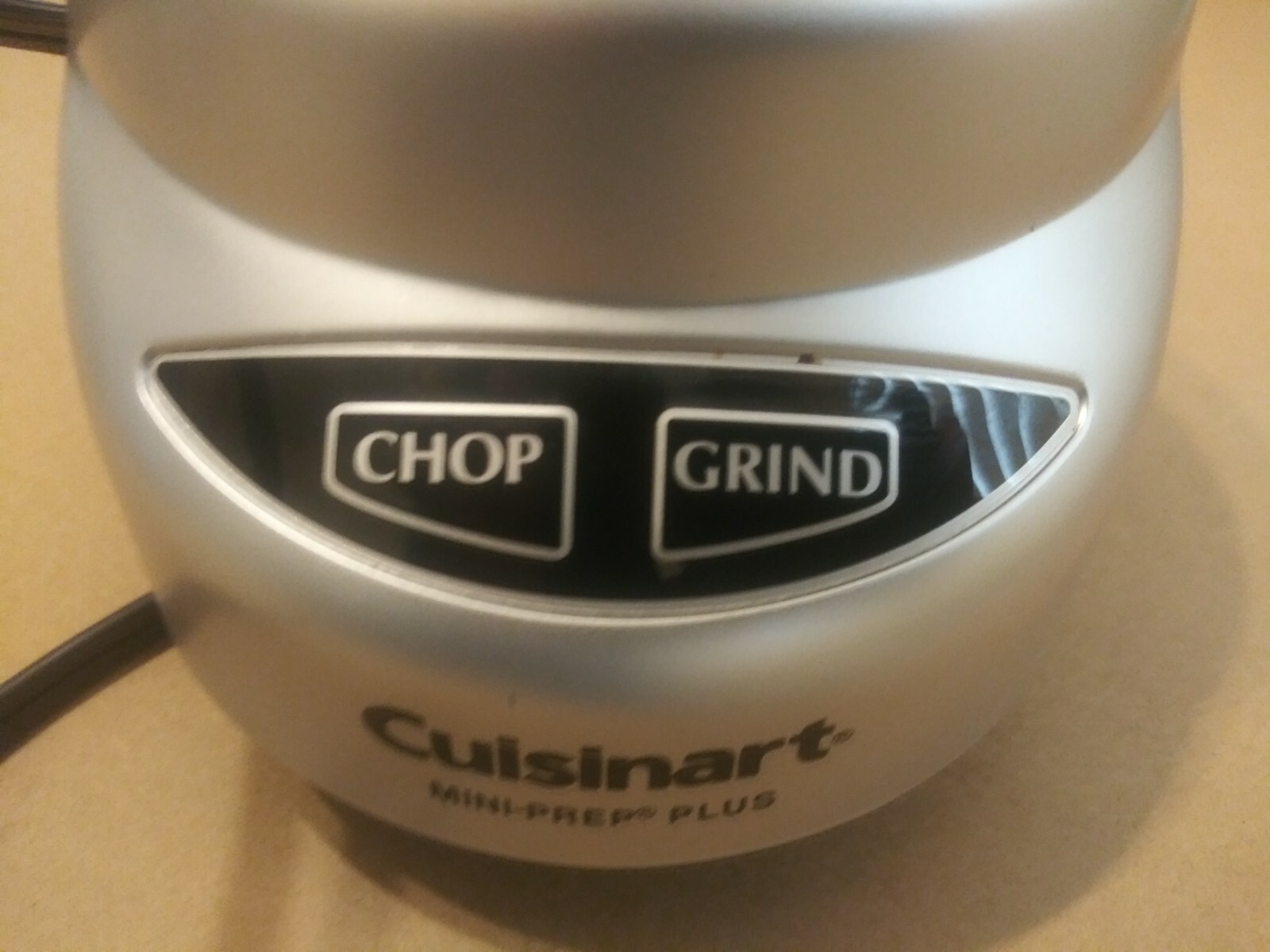
The Cuisinart Mini-Prep Plus is a compact 3-cup electric chopper built for small-batch prep—salsas, pesto, spice blends, and baby food—rather than full meal production. The core trade-off is motor torque and bowl/blade durability: a reversible stainless blade and a sealed gearbox decide whether the unit survives thick pastes or stalls on nuts and hard cheeses. The decision rule is simple: buy it for 1–3 cup batches and light chopping; step up to a 7-cup+ full-size processor with a feed tube if you need shredding, slicing, or dough.

Buying guide image
Tableware, Drinkware & Serving

Travel Coffee Mug

Travel coffee mugs range from simple double-wall tumblers to vacuum-insulated, leakproof commuter vessels, and the core trade-off is insulation type versus lid sealing versus form factor. Double-wall vacuum insulation in 18/8 stainless steel delivers 6-12 hours of heat retention, while single-wall or foam-insulated cups lose heat in under an hour. Choose a fully gasketed, thread-on lid with a locking closure for bag transport; choose an open sip-lid tumbler with a handle only for desk and cupholder use.

Buying guide image
Coffee Makers & Espresso

Iced Coffee Machine

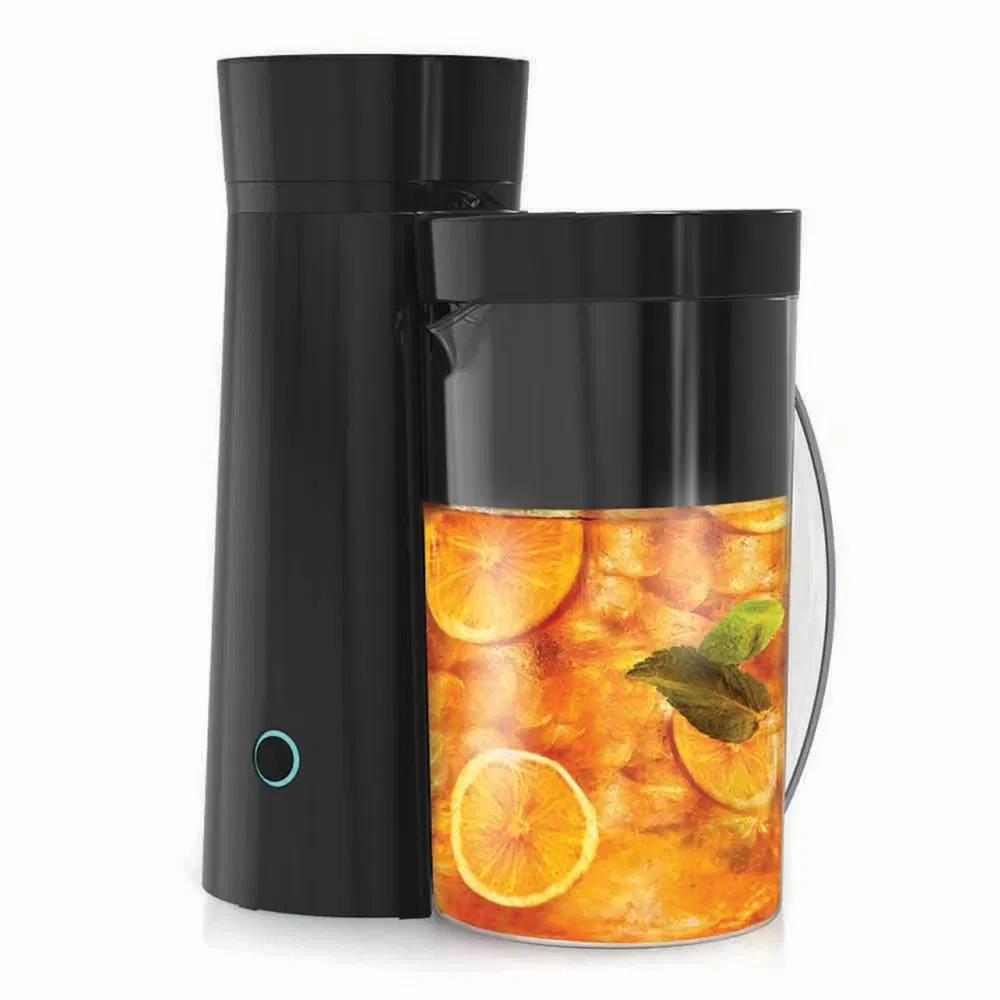
Iced coffee machines are brewers designed to extract full-flavor coffee directly onto ice, avoiding the dilution and bitterness of hot-brewed coffee cooled over time. The core trade-off is between rapid chill (flash-brewing or concentrate systems) that preserves acidity and aroma versus simple drip-and-cool designs that are cheaper but produce flatter, more oxidized cups. The decision rule: choose a machine with active chilling or concentrate brewing if you drink iced coffee daily; otherwise a dedicated cold-brew or manual pour-over setup delivers better quality per dollar.

Buying guide image
Sourdough Starters & Fermentation

Bread Proofing Basket

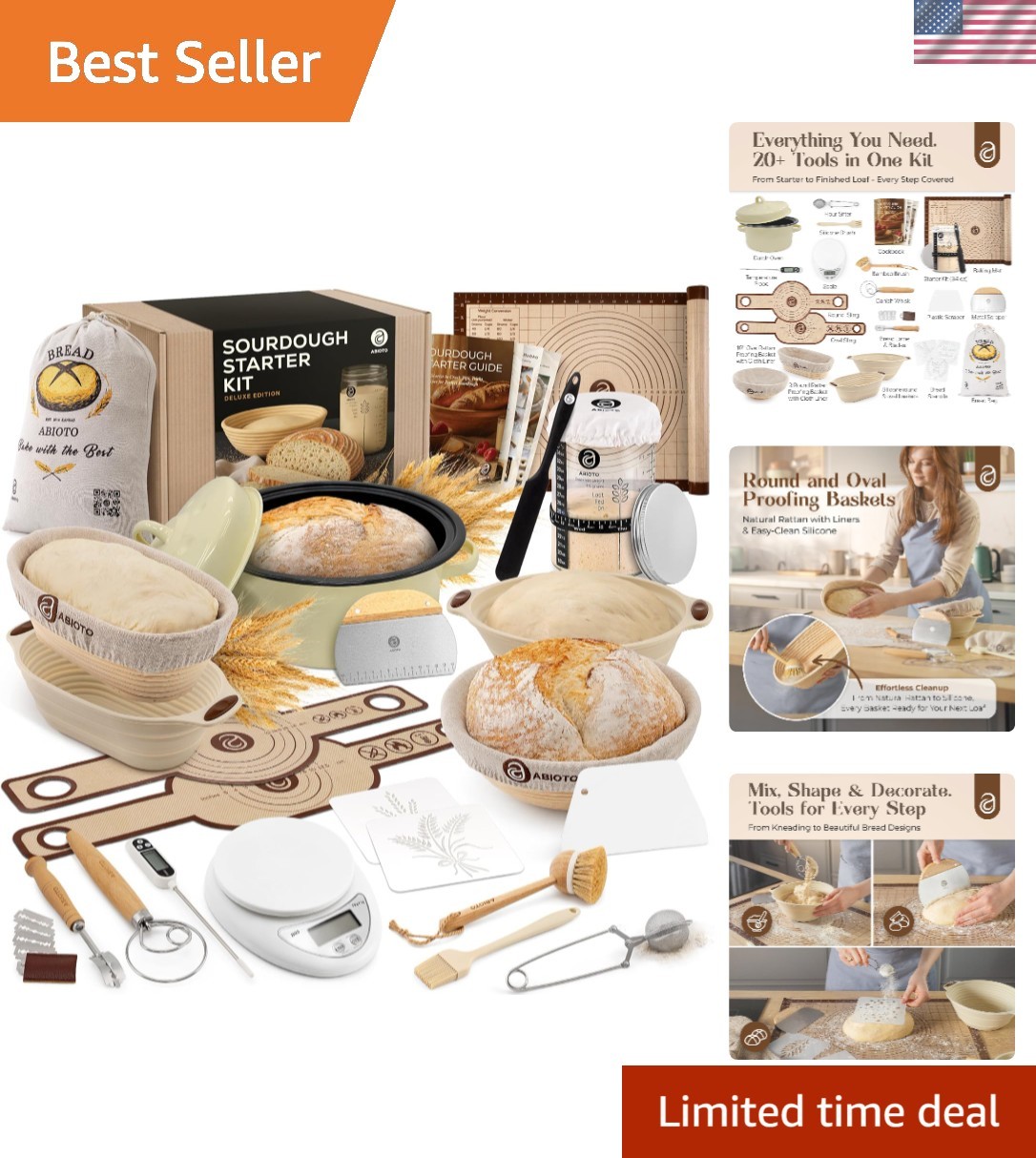
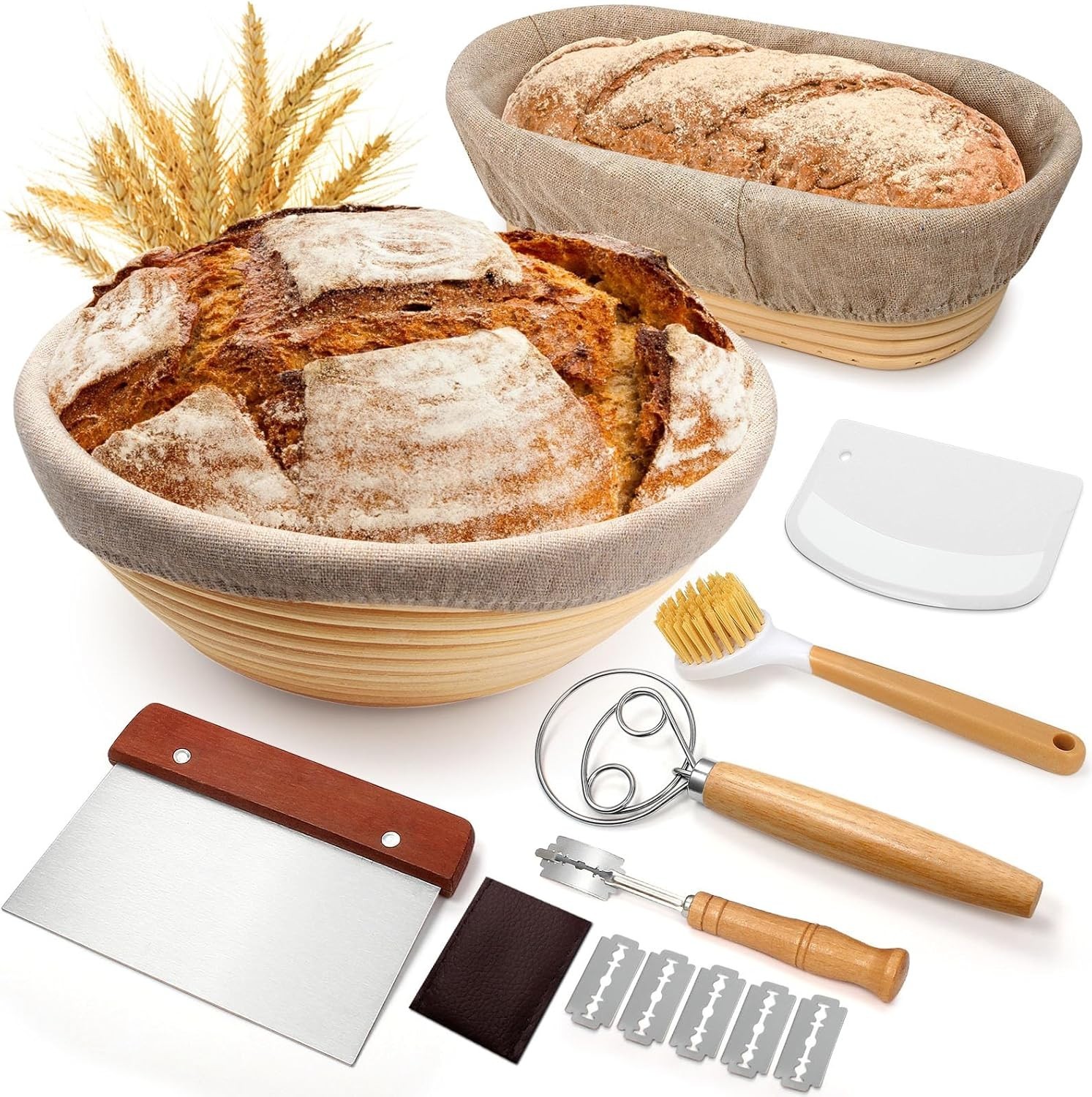
A bread proofing basket (banneton) is a shaped vessel—usually rattan, cane, or wood pulp—that supports dough during its final rise and imprints a spiral or ring pattern before baking. The core trade-off is between natural rattan (breathable, moisture-wicking, develops a non-stick patina) and wood-pulp or lined baskets (easier release, less maintenance, shorter lifespan). Choose natural rattan if you bake weekly and want a durable, pattern-imparting basket; choose wood pulp or lined versions only for occasional baking or very high-hydration doughs where release is critical.

Buying guide image
Proofing Baskets & Bread Lames

Bread Baking Proofing Basket

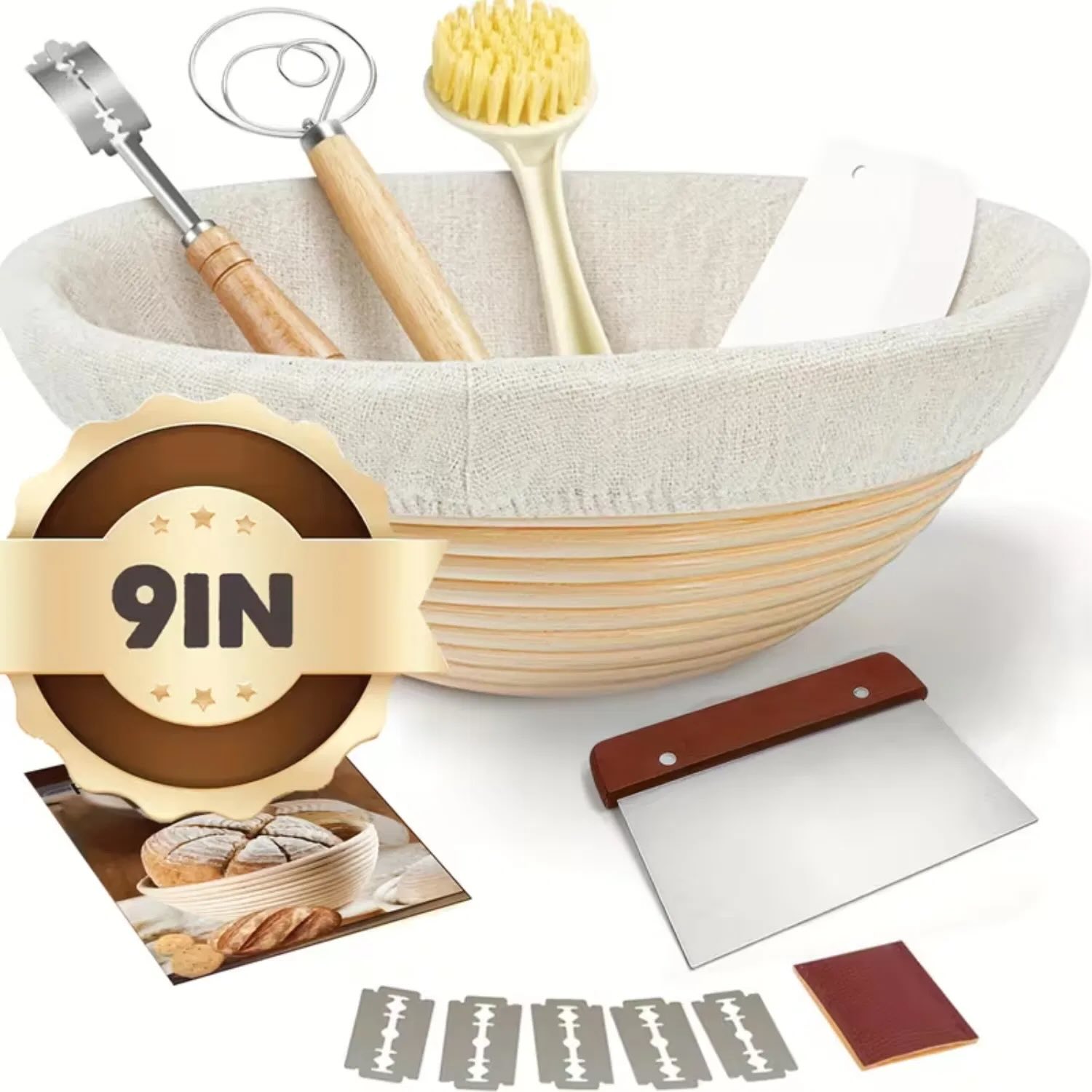
A bread proofing basket (banneton) is a shaped vessel that supports dough during its final rise, wicking surface moisture to hold a crisp skin and imprinting a spiral or ring pattern; lames are the scoring blades that control oven spring. The core trade-off is material and construction: natural cane/rattan with a linen liner breathes and wicks properly, while plastic or fabric-only baskets trap moisture and flatten crust development. Buy natural cane or rattan in the shape that matches your loaf, add a linen liner for high-hydration doughs, and pair it with a curved lame—skip decorative gift-kit baskets made of coated or synthetic fabric.

Buying guide image
Electric Kettles

Temp Control Electric Kettle

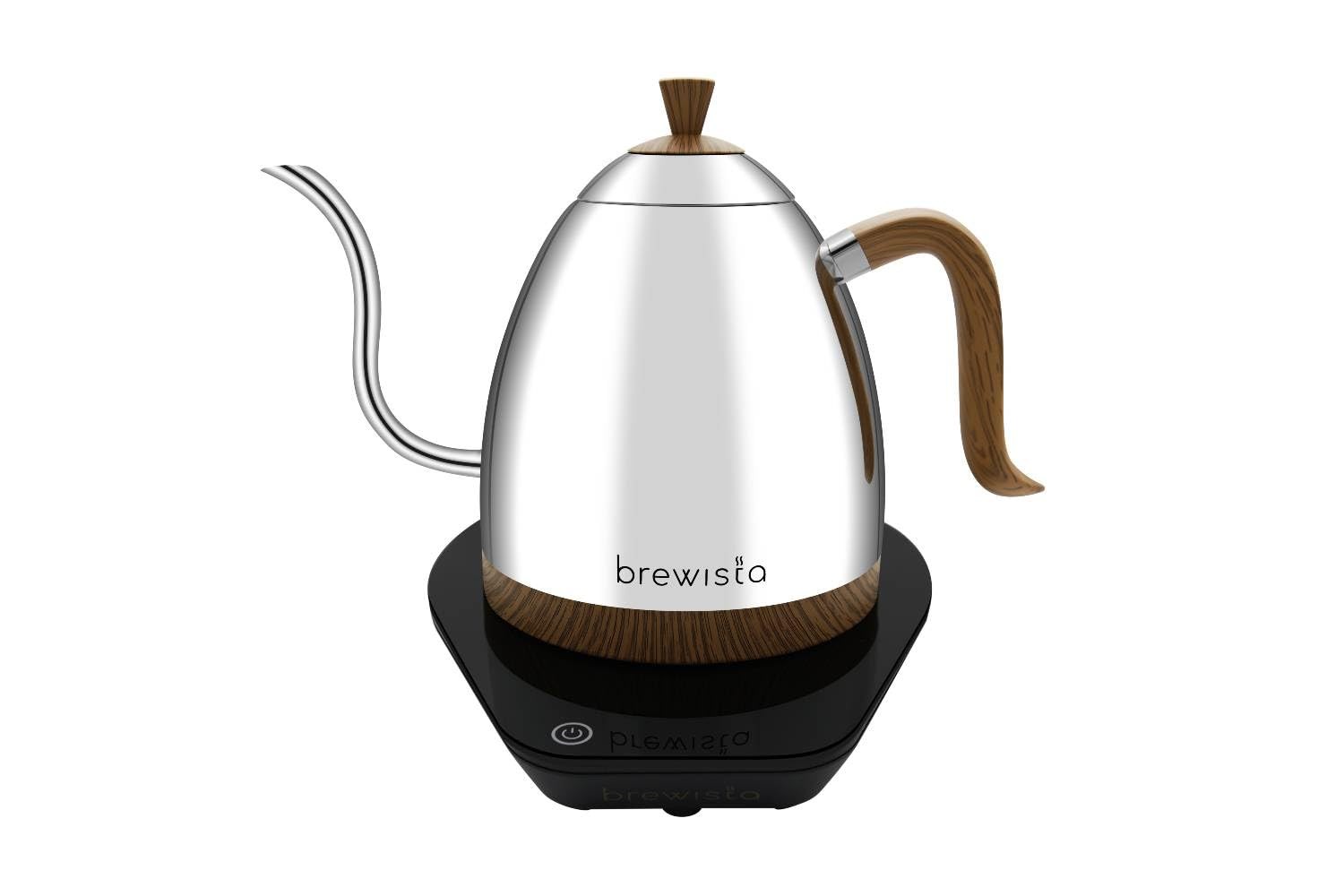
Temp control electric kettles use a thermistor and PID-style controller to hold water at a setpoint within ±1–5°F, unlike bimetal kettles that only boil and shut off. The core trade-off is sensor accuracy and heating-element stability versus body insulation and pour control. Choose a model with a digital setpoint in 1–5°F increments and a hold function; skip any kettle that offers only fixed presets without a manual temperature dial.

Buying guide image
Specialty Kitchen Appliances

KitchenAid Artisan

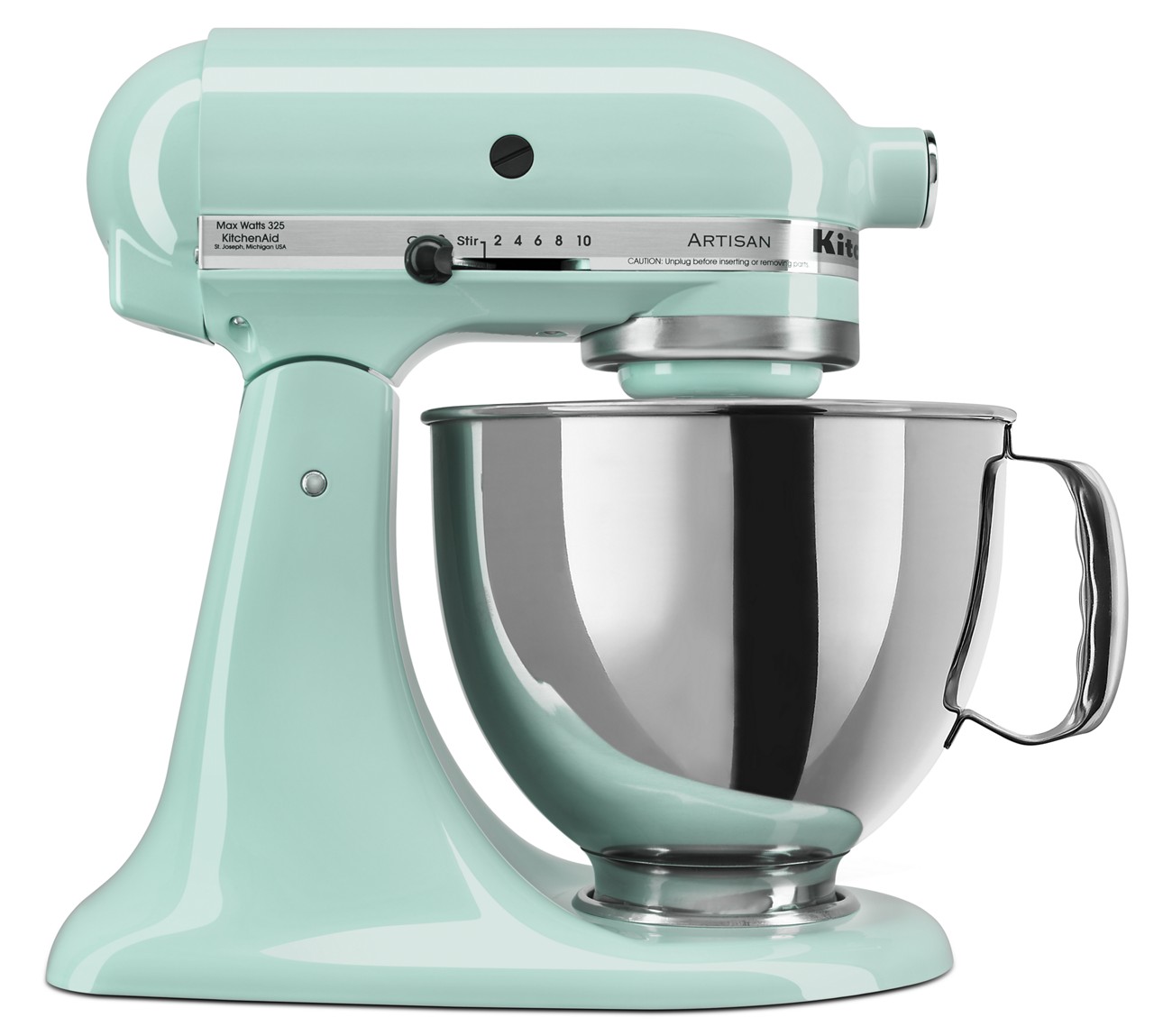
The KitchenAid Artisan is a tilt-head stand mixer line defined by its 5-quart stainless-steel bowl, direct-drive motor, and die-cast metal construction. The primary trade-off is motor durability and bowl capacity versus counter footprint and price: entry-level Artisan models use a 325-watt AC motor with nylon gears, while upgraded tiers add all-metal gearboxes and larger bowls. The clear rule is to buy Artisan only if you bake weekly and want a tilt-head form factor; for daily heavy dough or large batches, step up to a bowl-lift model.

Buying guide image
Proofing Baskets & Bread Lames

Rattan Proofing Basket

A rattan proofing basket (banneton) is a woven cane vessel that supports dough during its final rise while wicking surface moisture for a crisp crust and defined spiral pattern. The decisive trade-off is between natural rattan, which breathes and releases dough cleanly when properly seasoned, and plastic or lined-only baskets that trap moisture but need less maintenance. Choose real rattan only if you will flour-and-brush it after each bake; otherwise a lined plastic basket or a well-seasoned rattan with a cloth liner is the practical compromise.

Buying guide image
Air Fryers

Ceramic Air Fryer

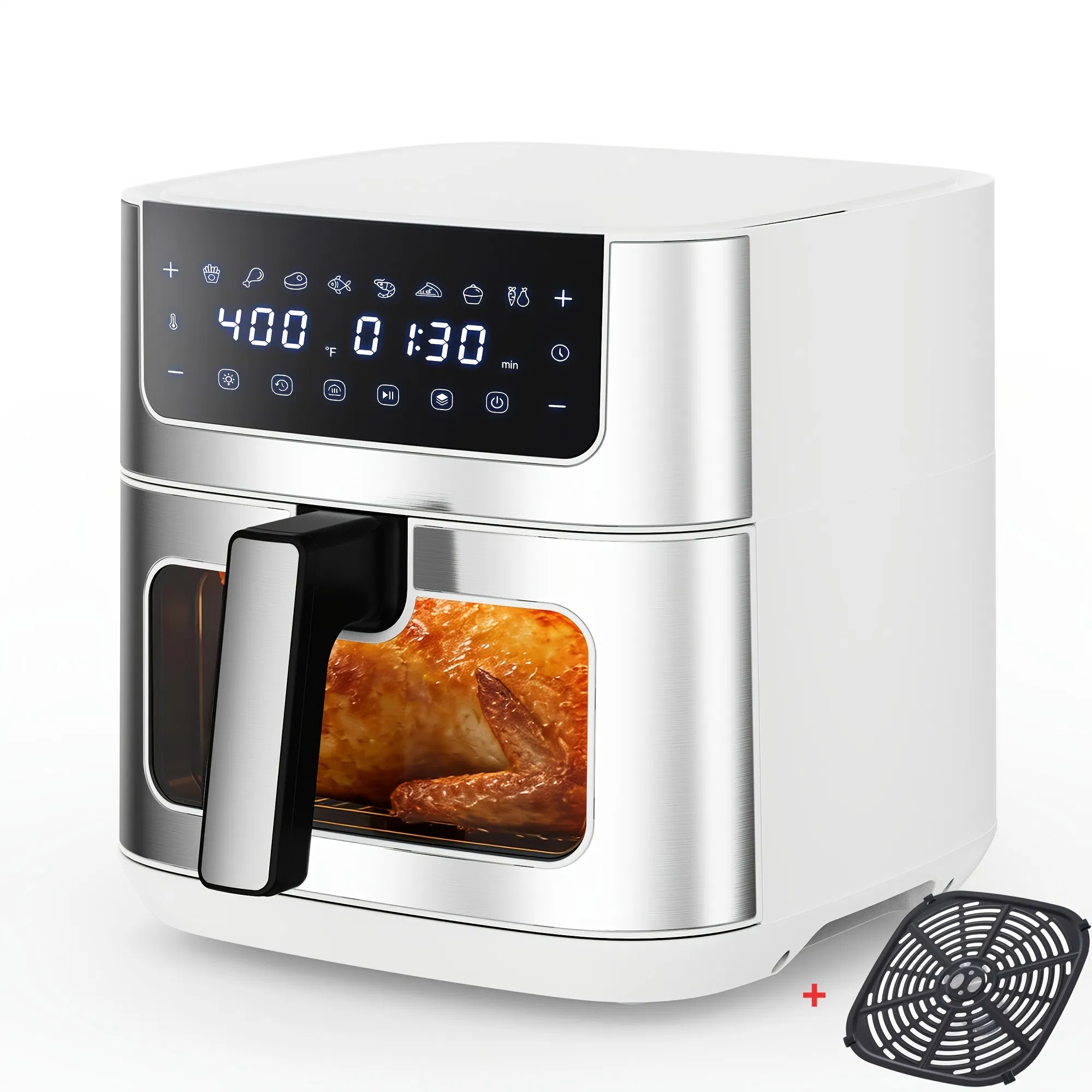
Ceramic air fryers use a mineral-based nonstick coating (typically sol-gel or ceramic-reinforced) on the basket and crisper plate instead of PTFE/PFOA-based coatings, trading some release longevity for scratch tolerance and high-heat stability. The core decision is coating grade and basket construction: a thick sol-gel ceramic layer over heavy-gauge steel with a cool-touch double-wall basket outlasts thin sprayed ceramic on stamped aluminum every time. Buy ceramic only if you routinely cook above 400°F or want PTFE-free surfaces; otherwise a standard PTFE basket gives longer release life.

Buying guide image
Food Dehydrators

Magic Mill Food Dehydrator

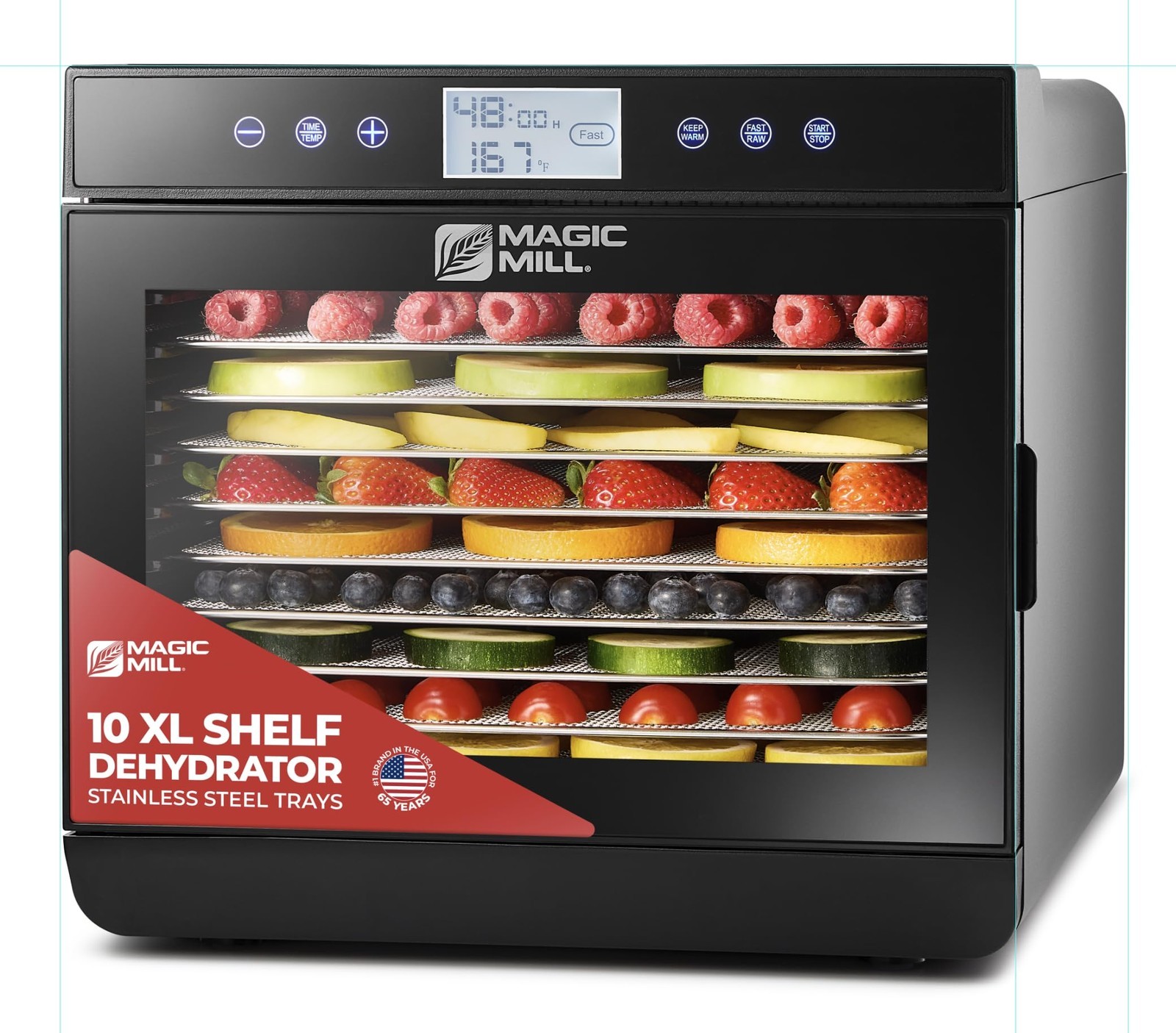
Magic Mill food dehydrators are tray-stack machines built around a 700W heating element and stainless steel racks, aimed at high-volume batch drying. The core trade-off is between the even airflow of a rear-mounted fan and the temperature stability of a horizontal cabinet; stack-style units like these can develop hot spots if trays are overloaded or the fan is blocked. The decision rule: buy a Magic Mill only if you need 10 trays of simultaneous capacity and can accommodate a tall countertop footprint, and skip it if you dry small batches or need precise low-temperature control.

Buying guide image
Pour-Over & Manual Brewing

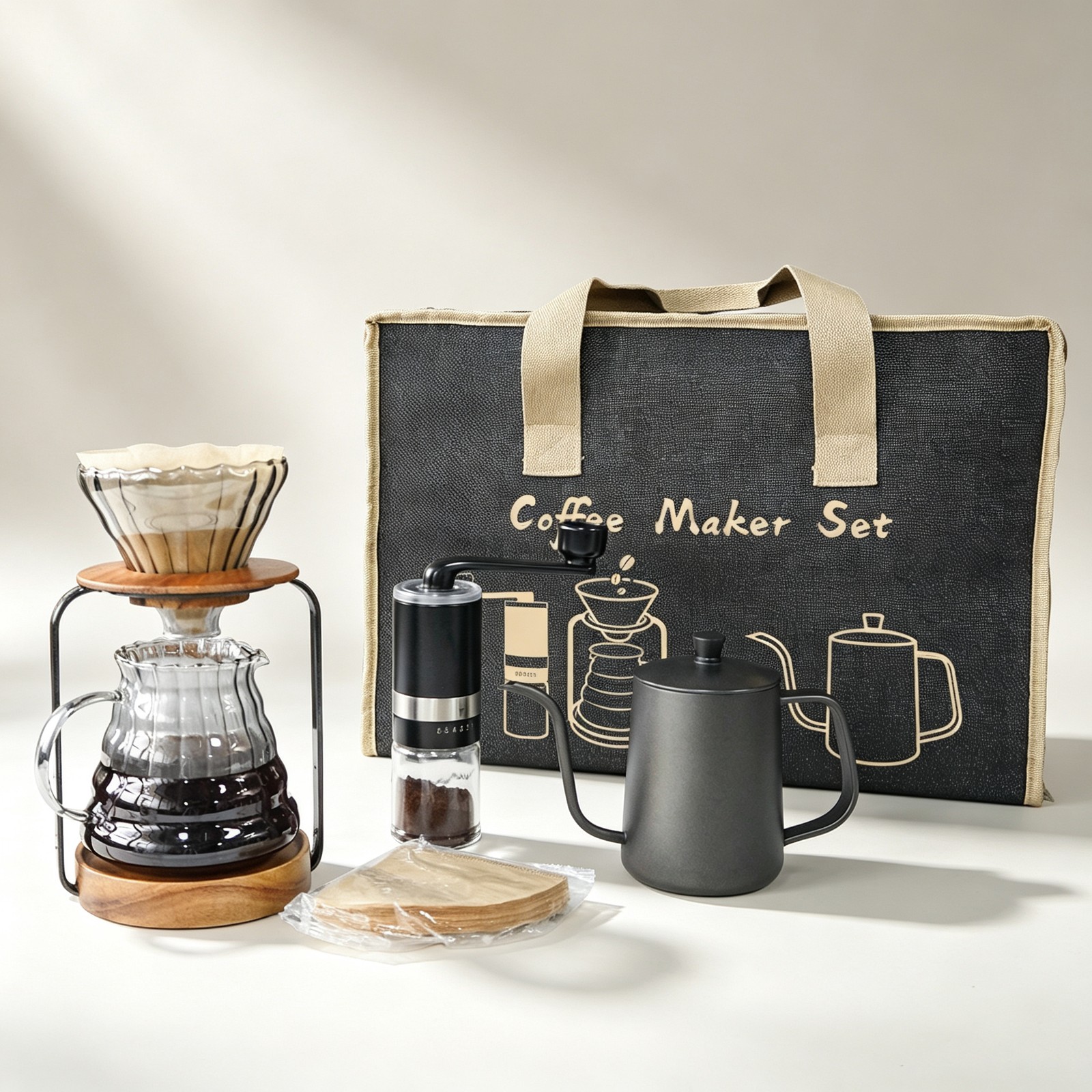
Pour Over Coffee Pot

A pour-over coffee pot is the vessel that delivers a controlled stream of hot water over a coffee bed, and its performance hinges on spout geometry, thermal stability, and material heat retention. The core trade-off is between thin, fast-cooling glass or ceramic pots that look elegant and thick stainless steel or enameled pots that hold temperature but cost more. Buy a pot with a true gooseneck spout and a capacity that matches your brew volume; skip wide-mouth or short-spout kettles that turn pour-over into a flood.

Buying guide image
Slow & Pressure Cookers

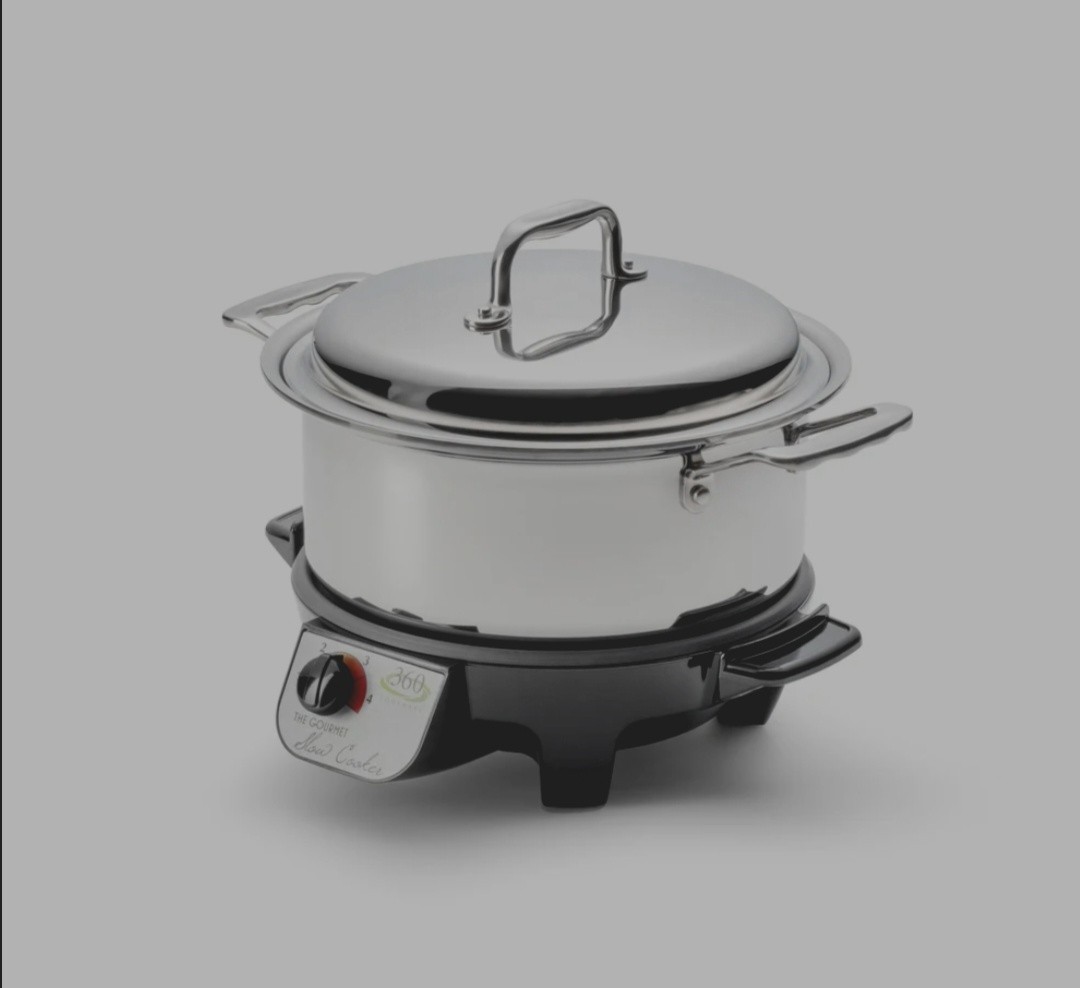
Electric Slow Cooker

Electric slow cookers are countertop appliances that use a ceramic or aluminum insert and a low-wattage heating element to cook food unattended over 4–10 hours. The core trade-off is between simple dial/analog control with a removable ceramic crock and programmable digital models with timers, searing, and keep-warm logic; build quality hinges on insert material, wattage, and lid seal. The clear decision rule: buy a model with a removable, dishwasher-safe ceramic insert and a minimum 200W element for even low-and-slow heat; skip any unit with a non-removable pot or under 150W.

Buying guide image
Food Processors & Choppers

Cuisinart Mini Food Processor

A Cuisinart mini food processor is a compact 2- to 4-cup electric chopper designed for small-batch prep: garlic, herbs, nuts, sauces, and single-portion purées. The core trade-off is motor torque and bowl-seal durability versus countertop footprint, and the decisive rule is simple: buy a model with a direct-drive or sealed gearbox rated for continuous chopping, and skip any unit that stalls on nuts or leaks through the lid hub.

You may also like

Finding more guides for you…