Kitchen Gear Wise

Kitchen Gear Wise

Kitchen Gear Reviews & Buying Guides

Compare kitchen gear by use case, features, trade-offs, price, returns, and seller terms before you buy.

Buying guides

Buying guide image
Dishwashers

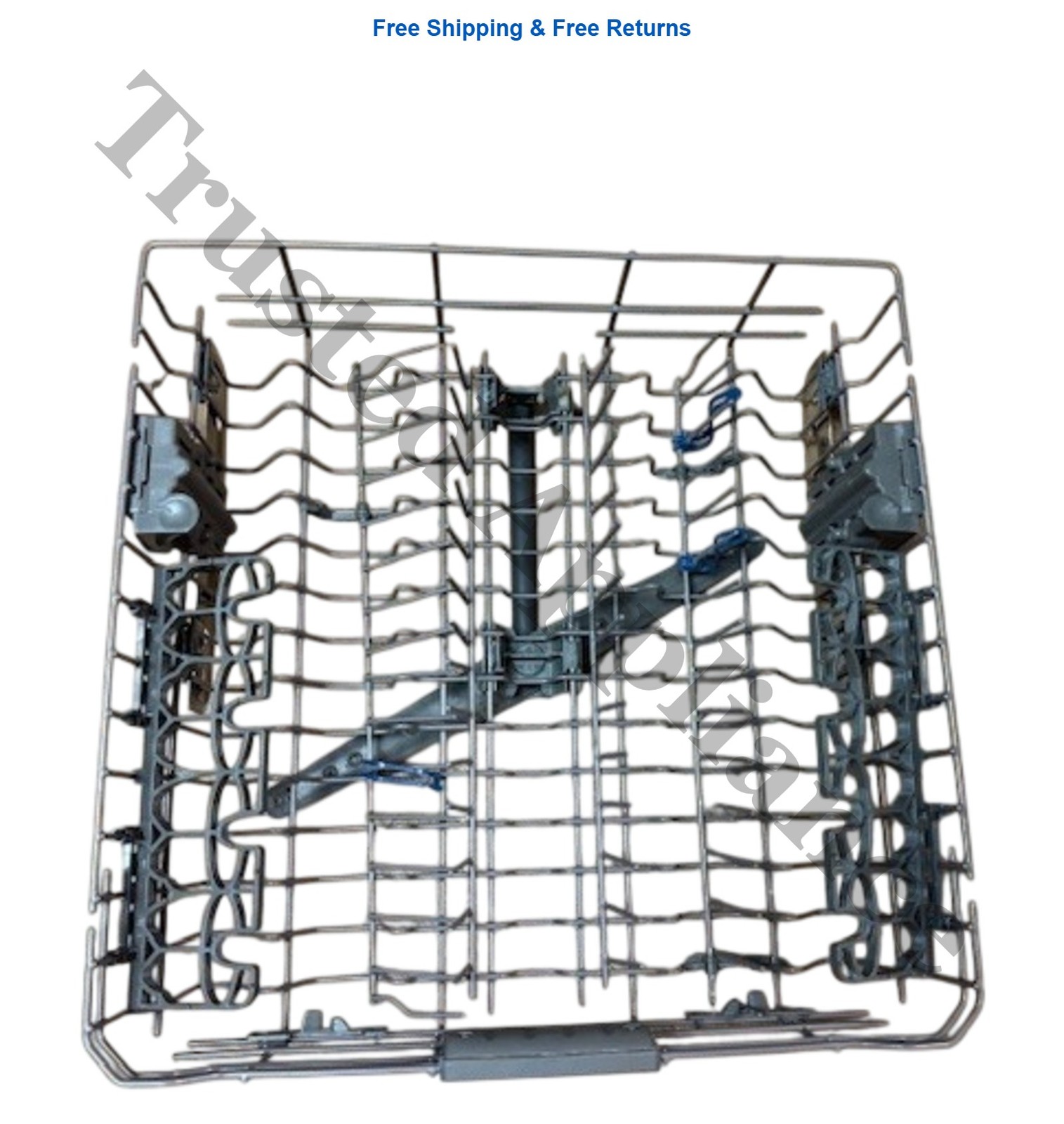
KitchenAid Dishwasher

KitchenAid dishwashers are Whirlpool-built machines positioned as premium, quiet, and design-forward, with key trade-offs in wash-zone architecture, rack configurability, and drying method. The decisive split is between entry 39 dBA plastic-tub models and step-up 44 dBA stainless-tub, third-rack, and fan-dry units—only the latter justify KitchenAid's premium over a comparable Whirlpool.
Buying guide image
Kitchen Storage & Organization

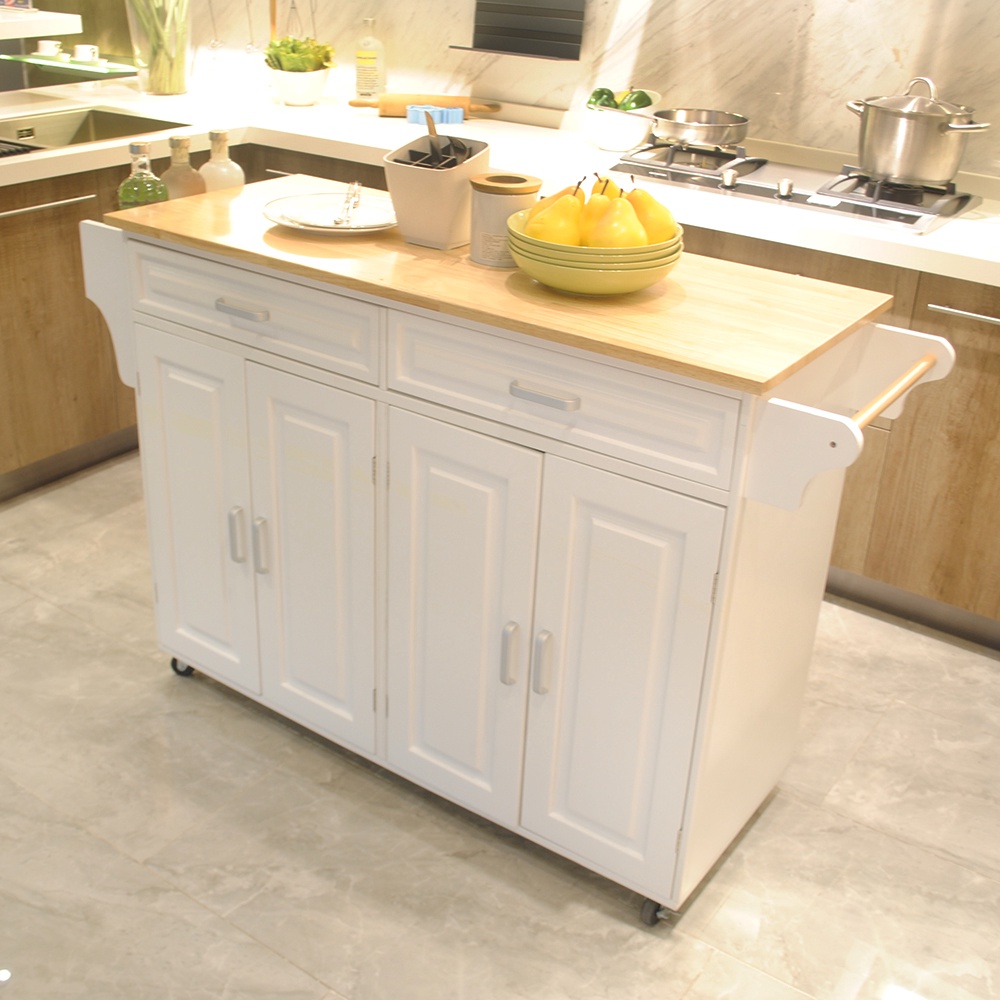
Cabinet Shelf

Cabinet shelves are insertable racks, stackers, and pull-out drawers that add usable tiers inside existing kitchen cabinetry. The core trade-off is static load capacity versus slide/drawer hardware: fixed wire and steel stackers carry more per tier with no moving parts, while pull-out drawers trade some capacity for access and require precise width, depth, and mounting clearance. The decision rule: buy fixed steel stackers for heavy cans and appliances, and buy ball-bearing or roller pull-outs only when you have measured the cabinet opening and can secure the frame to the cabinet floor or back wall.

Buying guide image
Sourdough Starters & Fermentation

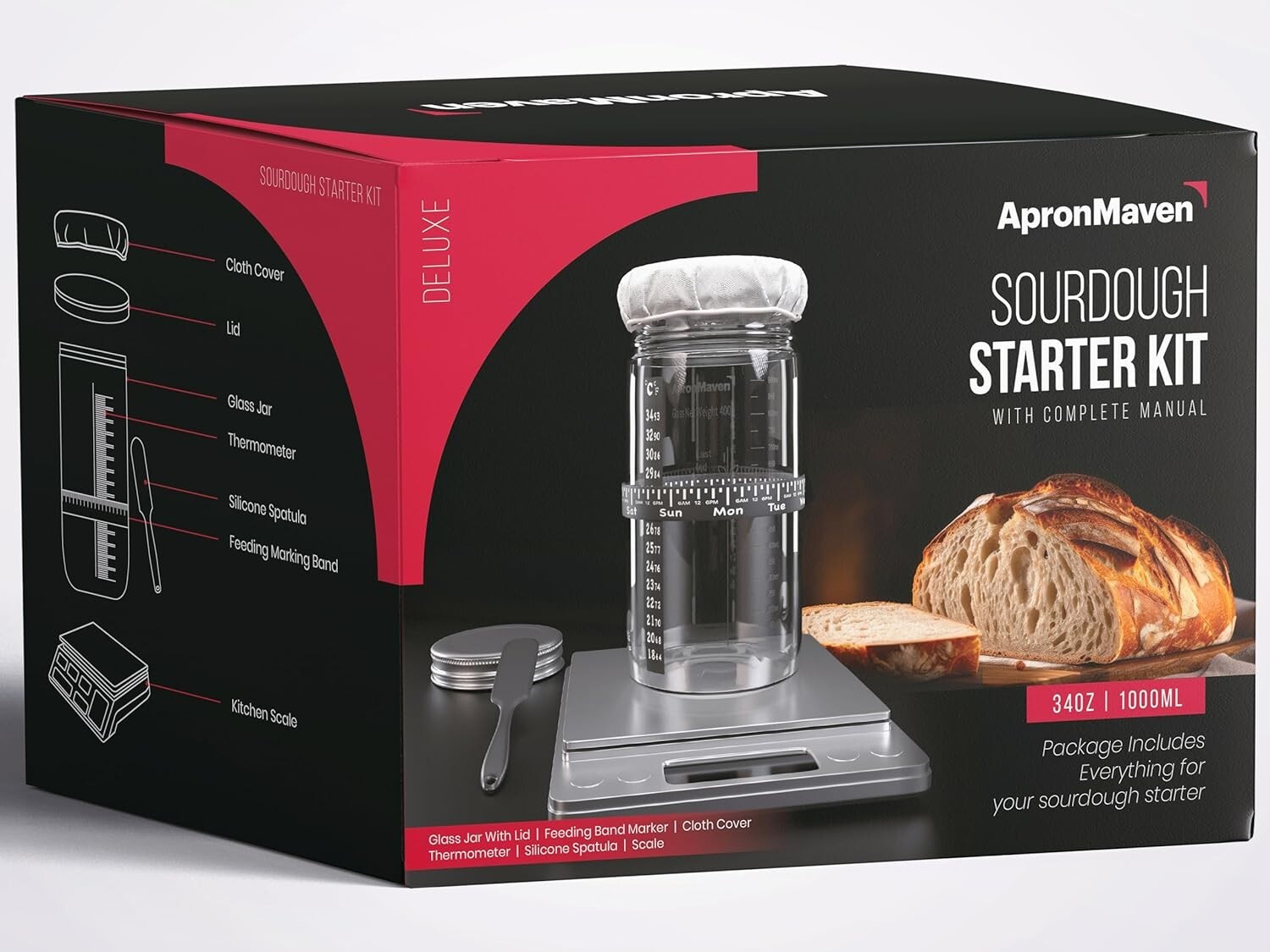
Easy Sourdough Starter

An easy sourdough starter is a dehydrated or live culture paired with a feeding routine designed to minimize discard and maintenance. The core trade-off is between a shelf-stable dried culture with a fixed strain profile and a fresh live starter that arrives active but requires immediate feeding. Choose a dried starter with clear strain and feeding instructions if you want low maintenance; choose a live starter only if you will bake within days of arrival.

Buying guide image
Cookware & Cutlery

Copper Pan Set

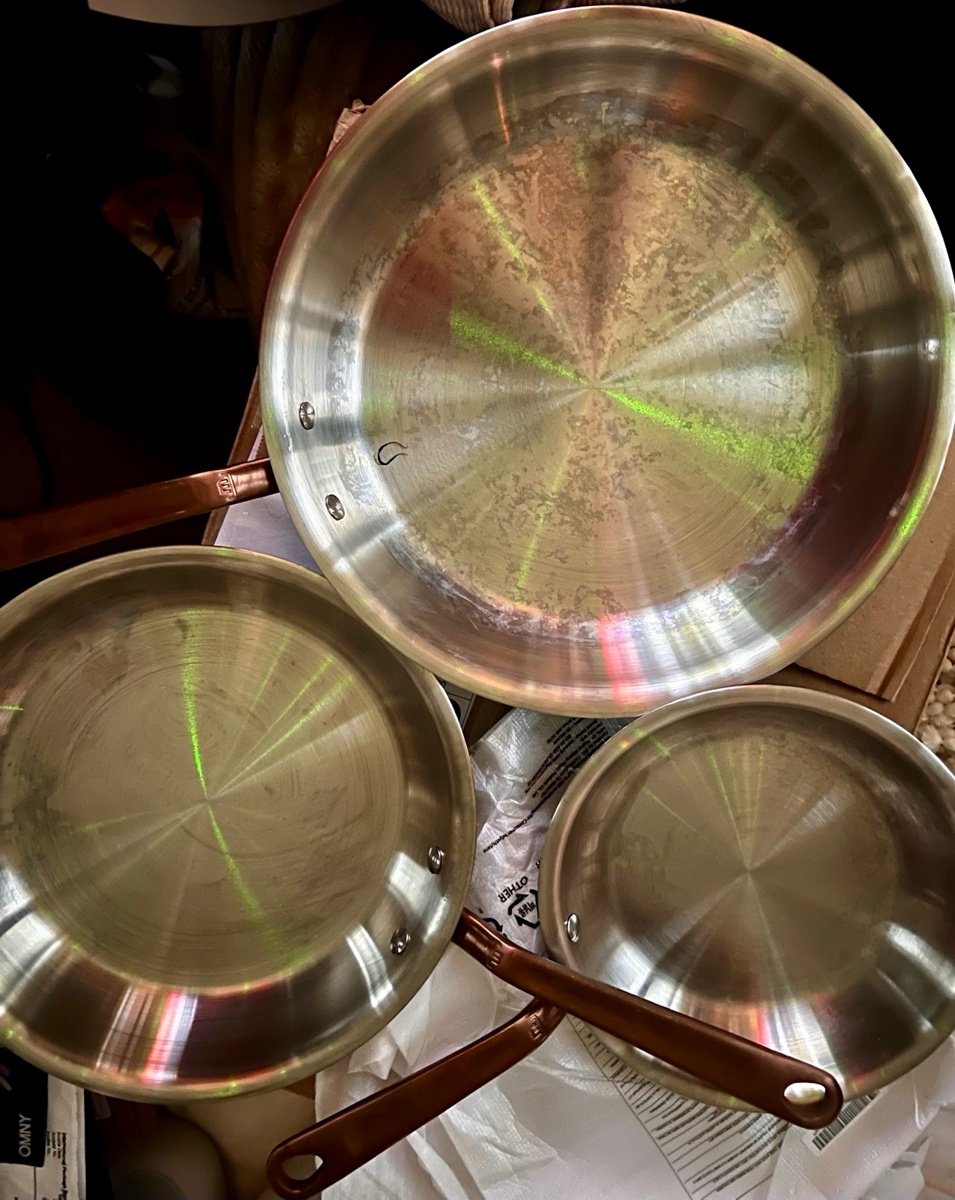
A copper pan set is a collection of cookware pieces where copper is the primary or decorative heat-conductive layer, ranging from 1.5-2.5mm solid copper to thin copper-clad and copper-plated steel. The core trade-off is thermal responsiveness and browning control versus weight, reactivity, and cost, with tin or stainless lining determining durability and maintenance. The clear decision rule: choose solid copper with a stainless or tin lining for serious heat control, and treat thin copper-plated or copper-bottom sets as decorative compromises.

Buying guide image
Cookware & Cutlery

Greenpan Cookware Set

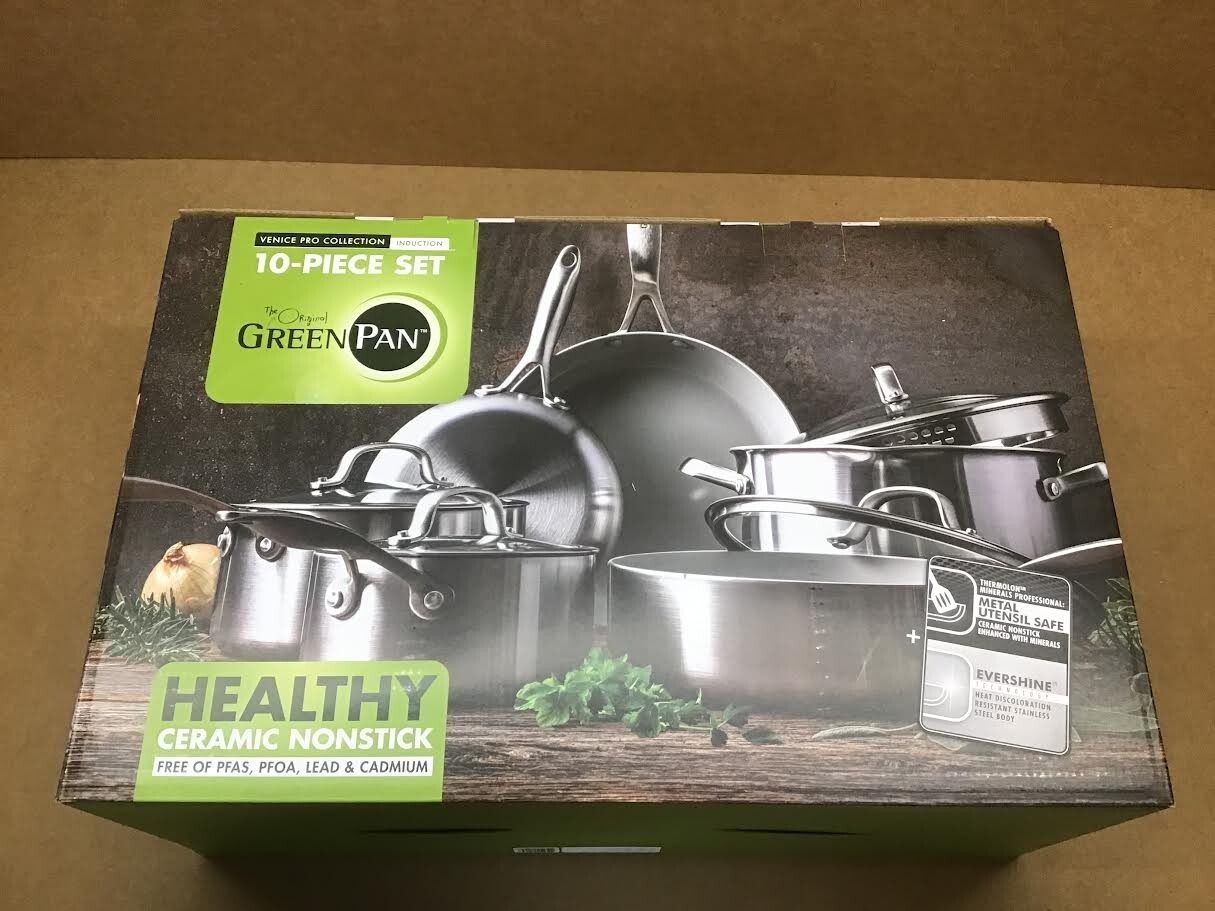
GreenPan cookware sets are ceramic nonstick pans built on aluminum cores, where the primary trade-off is effortless release and PFAS-free cooking versus limited high-heat durability compared with PTFE or clad stainless. The decision rule: choose a GreenPan set only if you cook at low-to-medium heat and value easy cleanup; skip it if you routinely sear at high heat or use metal utensils.

Buying guide image
Microwave Ovens

Small Countertop Microwave

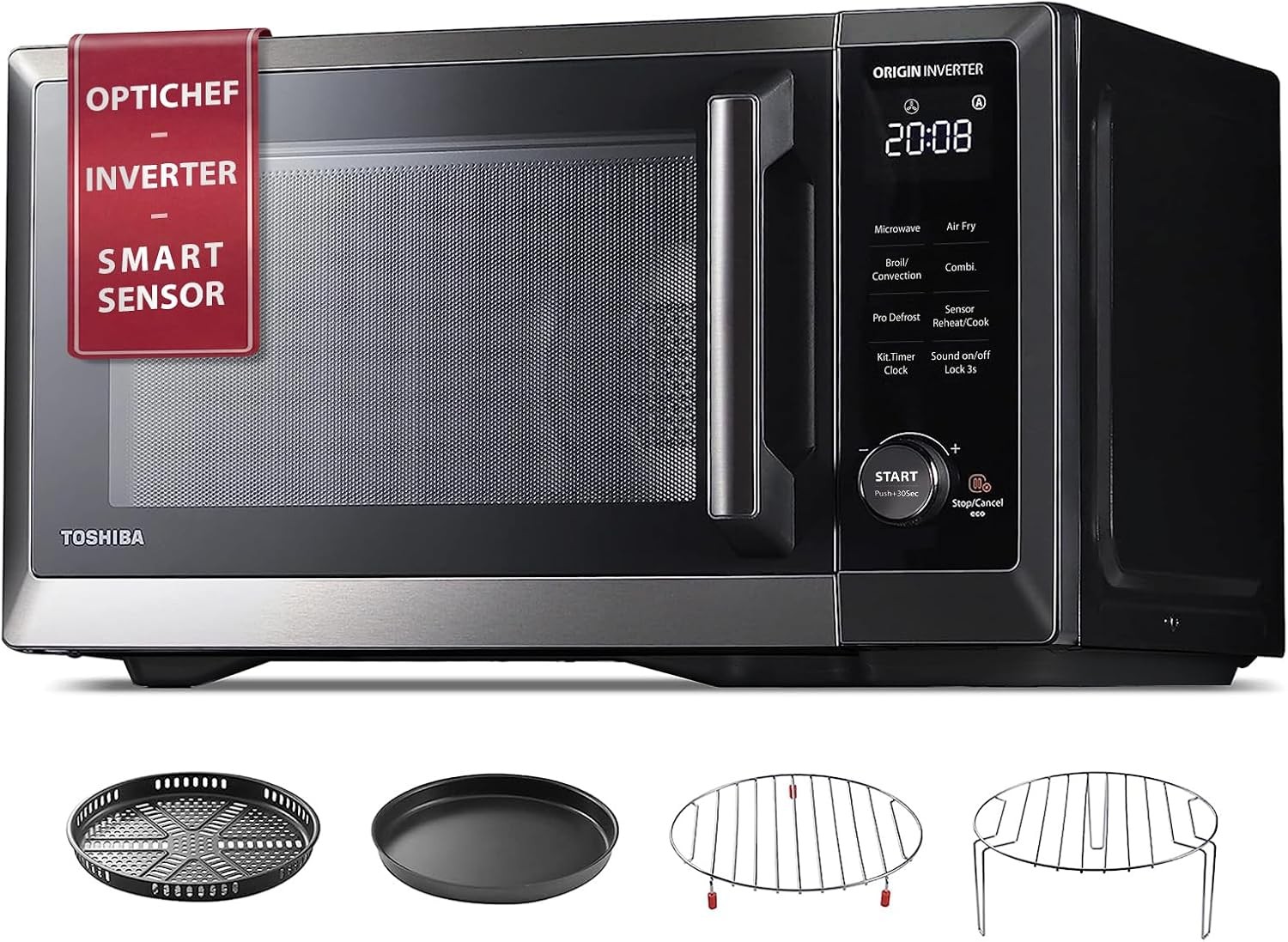
Small countertop microwaves are compact 0.5–0.9 cu ft units designed for tight kitchens, dorms, and office breakrooms. The core trade-off is cavity capacity versus power density: smaller cavities heat less evenly unless wattage and turntable design compensate. The decision rule: choose a unit with at least 700W and a 10-inch turntable for reliable reheating, and skip sub-0.5 cu ft novelty models that sacrifice power and interior height.

Buying guide image
Specialty Kitchen Appliances

Electric Warming Tray

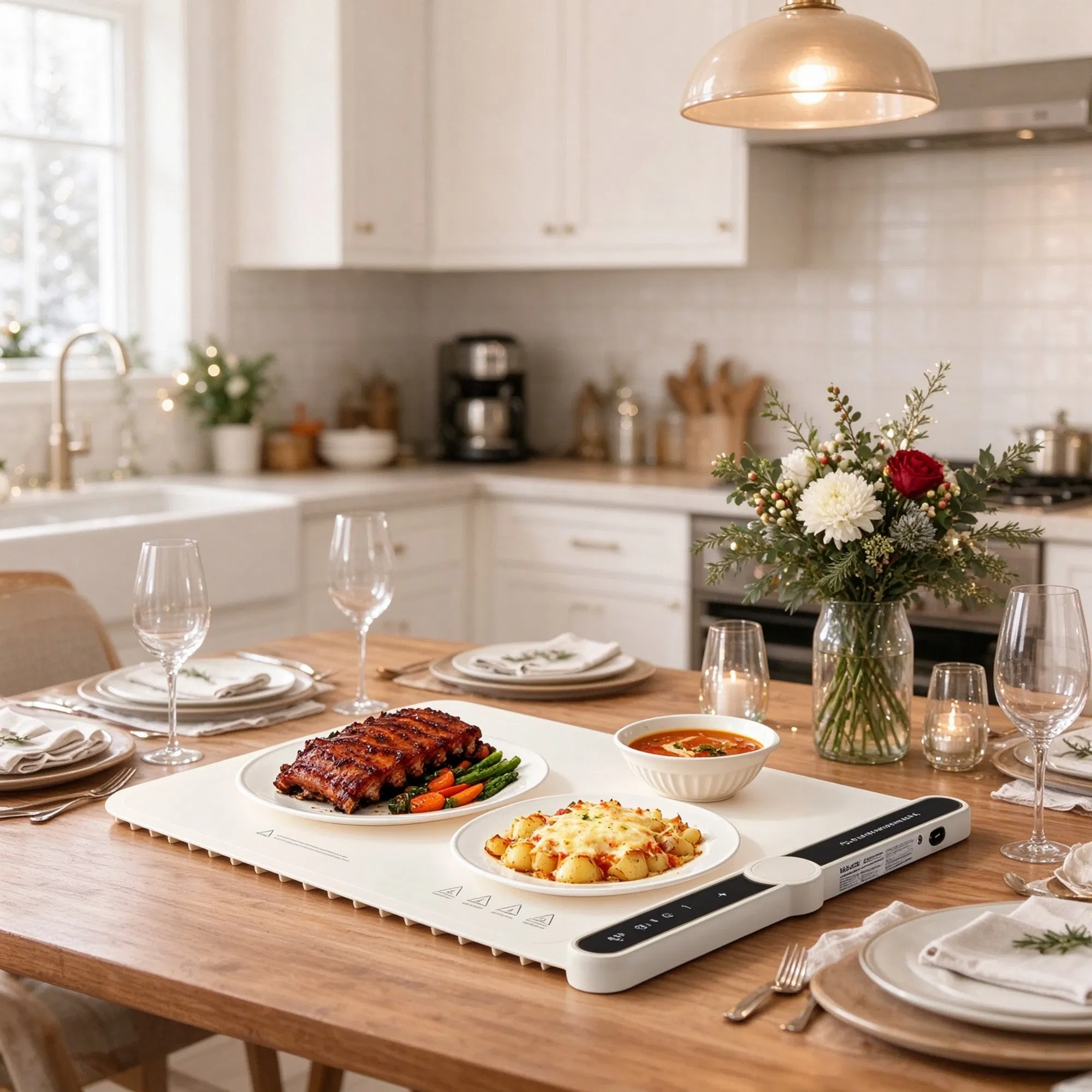
An electric warming tray is a low-wattage heated surface that holds cooked food at safe serving temperature (63°C/145°F or above) without continuing to cook it. The core trade-off is thermal uniformity and heat-retention mass versus portability and storage footprint: rigid stainless-steel trays with enclosed heating elements hold temperature evenly, while rollable silicone mats heat faster but concentrate heat in narrow zones. Buy rigid metal for buffet service and long events; buy rollable silicone only when portability and cabinet storage outweigh even heat distribution.

Buying guide image
Slow & Pressure Cookers

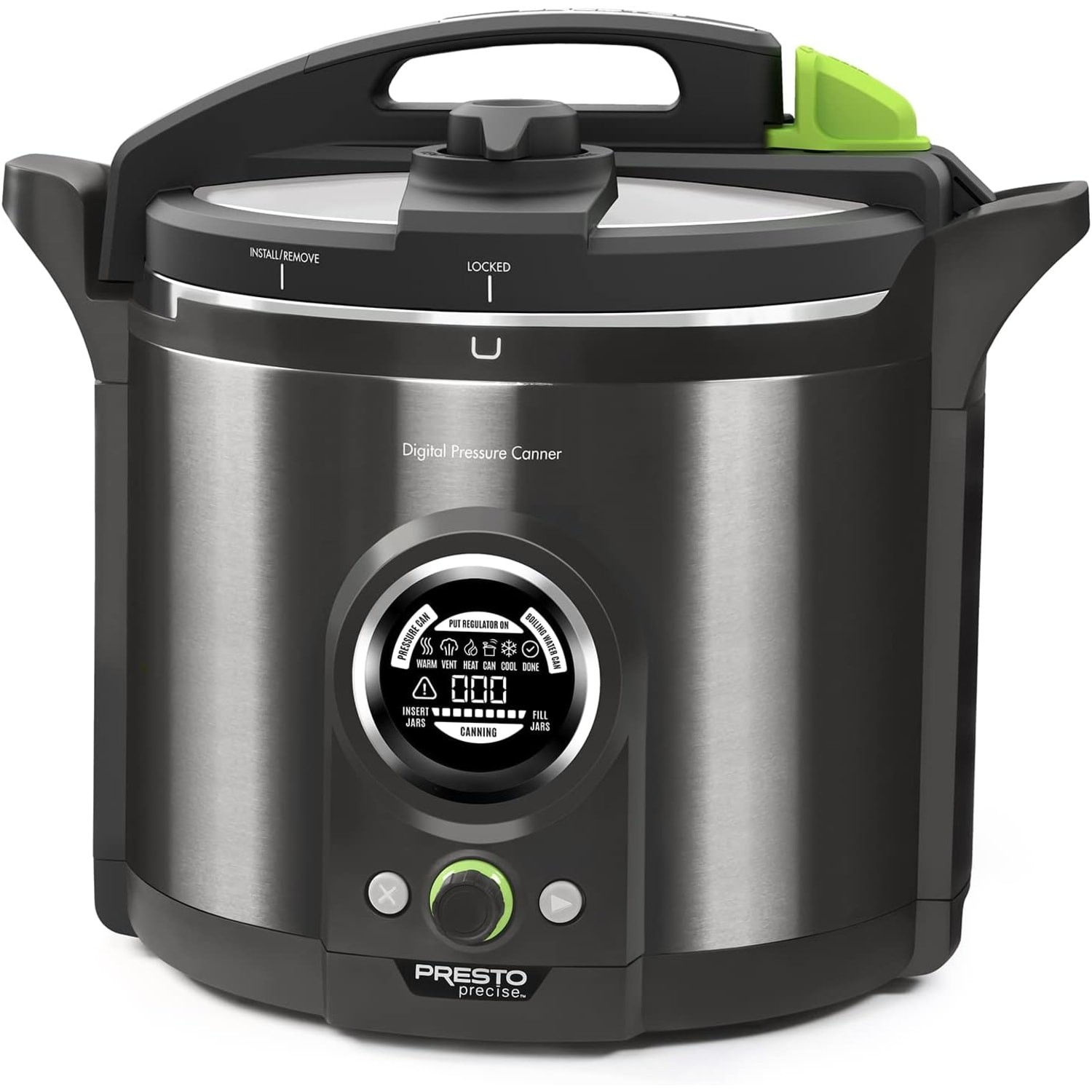
Presto Electric Pressure Canner

The Presto Electric Pressure Canner is a countertop appliance engineered for USDA-approved pressure canning of low-acid foods and also functions as a large electric pressure cooker. The core trade-off is between true canning capability (dial-gauge accuracy, 10/15 PSI operation, and interior capacity for quart jars) and the convenience of a sealed electric unit that cannot be used on a glass-top stove. Buy the Presto only if you need a dedicated canner rated for quart jars at 15 PSI; skip it if you mainly want a multi-function cooker or have no stovetop backup for water-bath canning.

Buying guide image
Blenders & Juicers

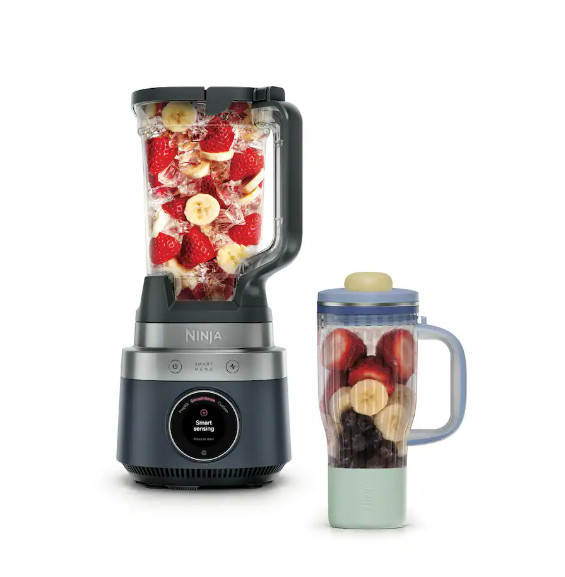
Ninja Blender 1000

The Ninja Blender 1000 (often sold as the BN701 Professional Plus) is a full-size countertop blender built around a 1000-watt motor and a 72-oz pitcher, aimed at crushing ice and blending frozen ingredients without commercial pricing. The primary trade-off is motor architecture: a 1000-watt brushless-style high-torque motor with stacked blade assemblies gives strong ice-crushing and frozen-blending performance, but it is louder and less refined than premium vitamix-class machines. The decision rule: buy the 1000-watt tier for daily smoothies and ice crushing; step up to 1200W+ or a heated blender if you routinely process fibrous greens, nut butters, or hot soups.

Buying guide image
Electric Hot Pots

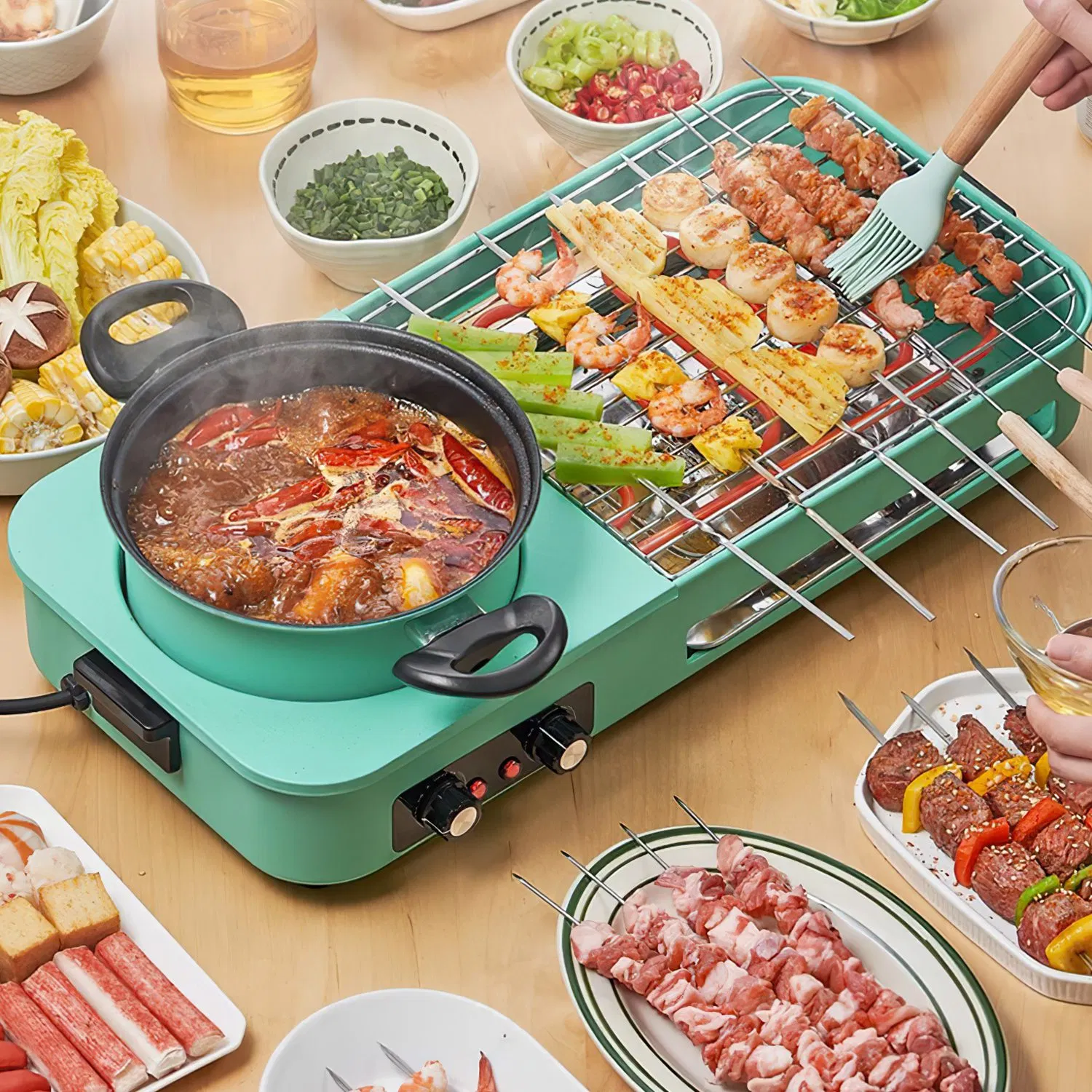
Electric Cooking Pot

Electric cooking pots combine a heating element, thermostat, and food-grade vessel into one countertop appliance for boiling, stewing, searing, and tabletop cooking. The decisive trade-off is heating architecture and vessel construction: encapsulated disc or tubular elements with thin aluminum bodies run hot and warp, while cast-aluminum or multi-ply stainless bases with thermal fuses and adjustable thermostats hold temperature and survive daily use. Buy the pot whose heating element is fully bonded to a thick, warp-resistant base and whose controls offer at least five temperature steps with automatic shutoff—skip paper-thin single-wall pots with binary on/off switches.

Buying guide image
Dishwashers

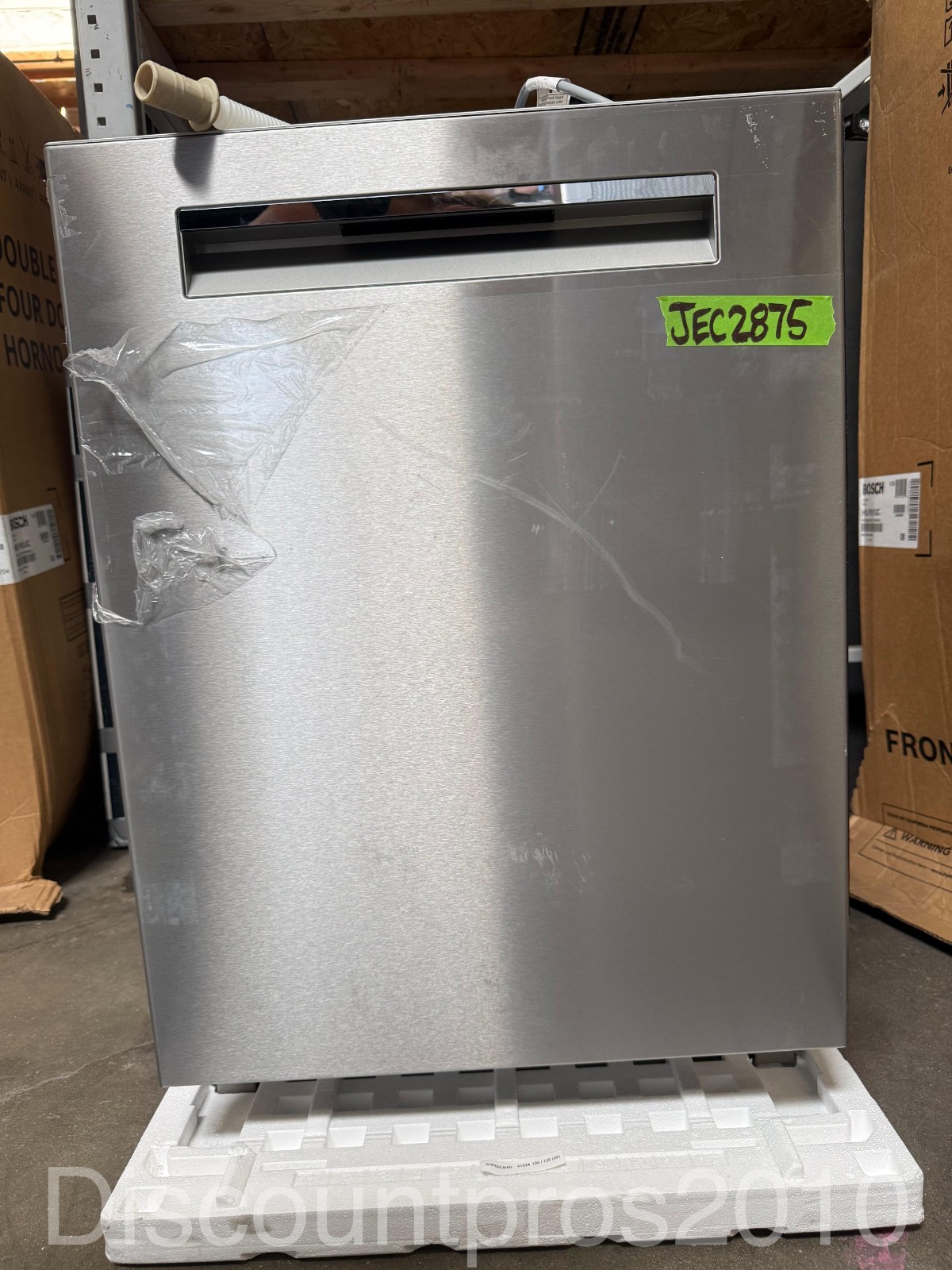
Bosch 500 Dishwasher

The Bosch 500 Series is a 24-inch built-in dishwasher tier defined by its stainless steel tub, flexible third rack, and low-decibel operation, sitting between the entry-level 100/300 and the premium 800/Benchmark lines. The core trade-off is paying for quietness, loading flexibility, and a stainless interior versus accepting a plastic tub or louder wash in budget tiers. Buy the 500 if you want a sub-45 dBA stainless-tub machine with a third rack without stepping up to the 800's crystal-dry and interior lighting.

Buying guide image
Bread Mixers, Scales & Thermometers

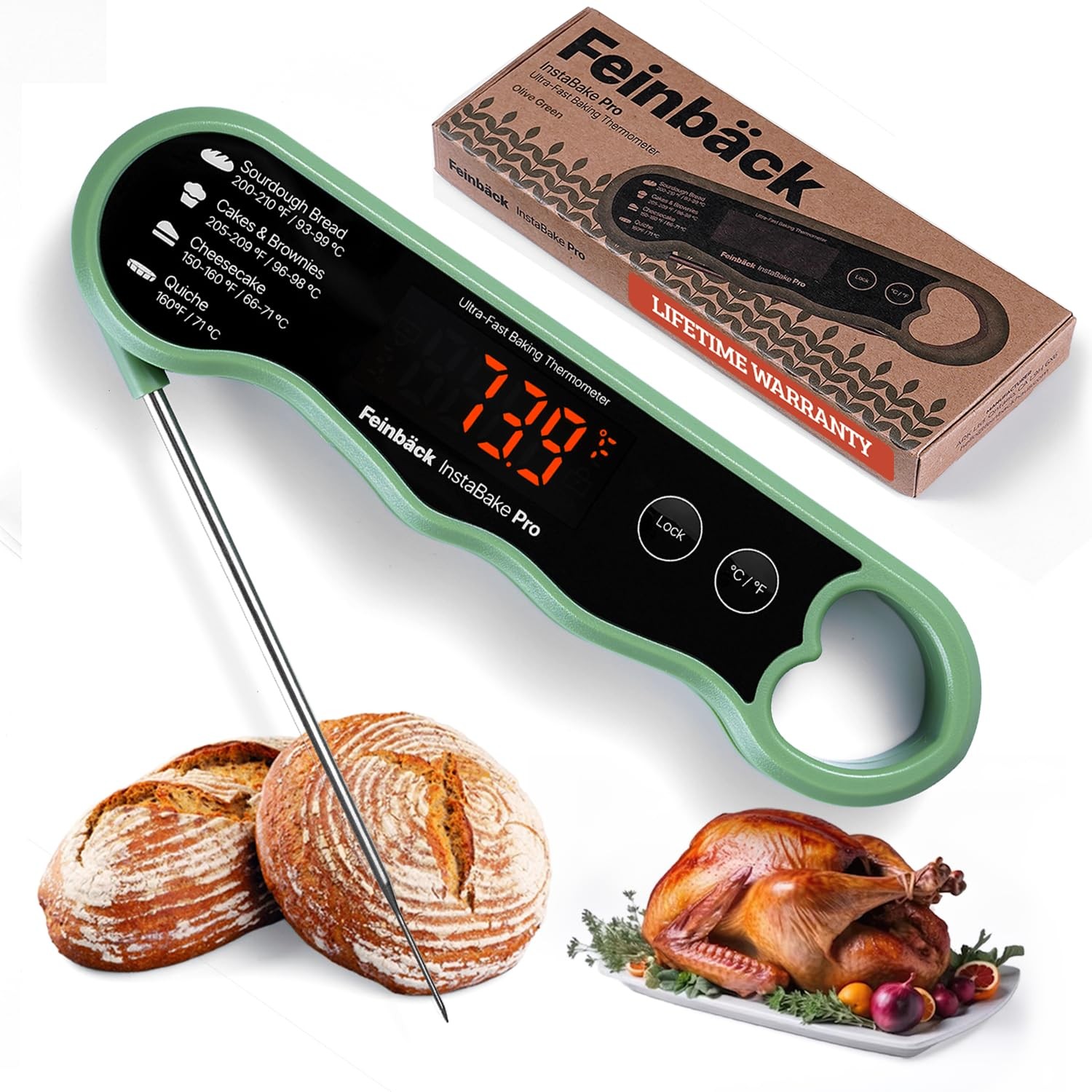
Instant Read Thermometer

An instant-read thermometer is a precision instrument that measures core temperature in 2–5 seconds, where the key trade-off is between response speed (thin probe tip) and durability/accuracy (sealed, calibrated construction). Choose a thermocouple or high-end thermistor model with a ±0.5–1°F tolerance and a folding probe for durability; skip novelty dial or slow 10-second units for critical cooking.

Buying guide image
Water Filtration

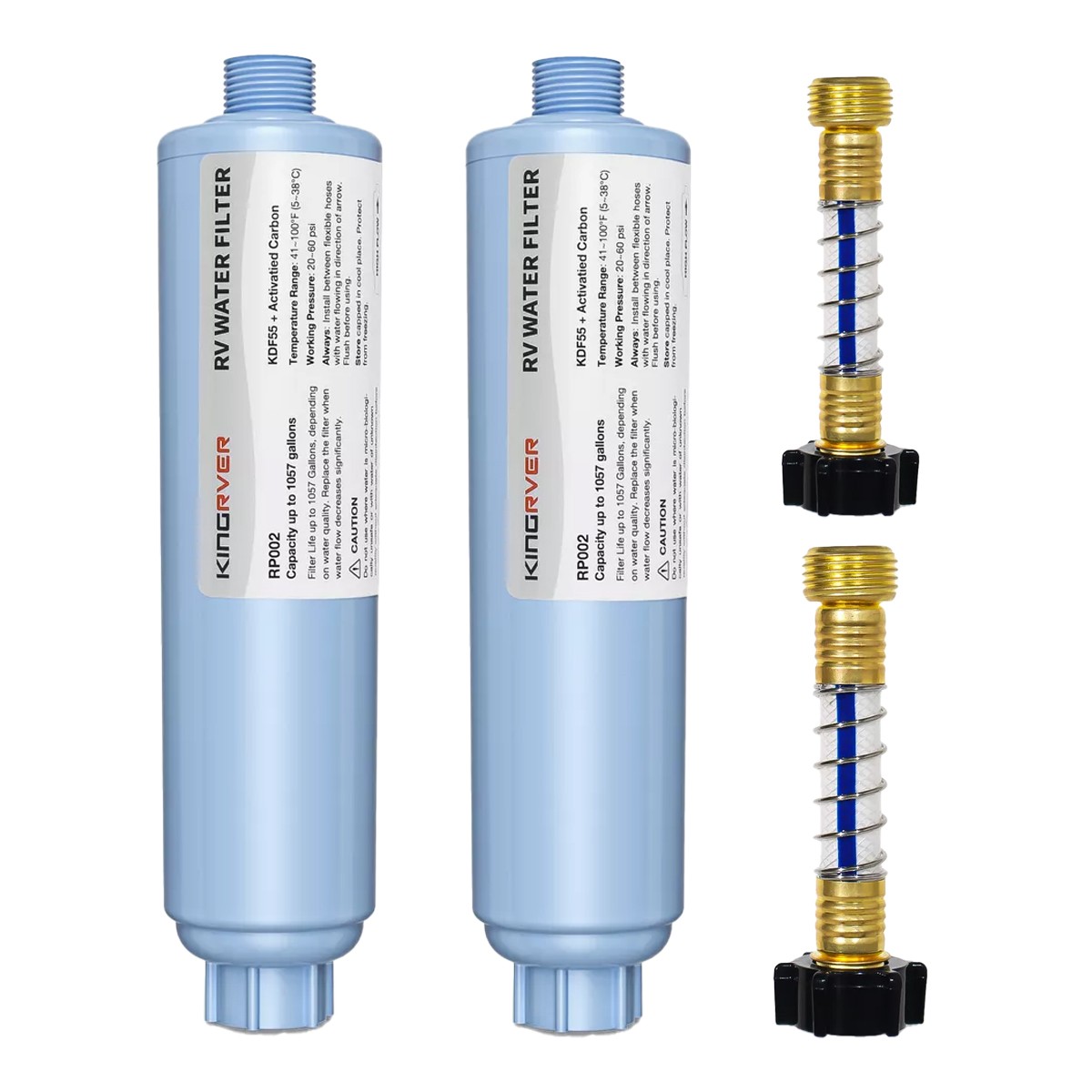
Inline Water Filter

An inline water filter is a compact, in-line cartridge that connects directly to a hose, pipe, or appliance feed to reduce sediment, chlorine, and taste/odor contaminants before water reaches your fixture. The primary trade-off is between micron rating and flow rate: tighter filtration (1–5 micron) removes more sediment but restricts flow, while looser granular carbon (20–30 micron) preserves pressure at the cost of fine-particle capture. The clear decision rule is to match cartridge architecture to your line pressure and contaminant load—carbon-block or KDF for drinking-water appliances, loose granular carbon for high-flow RV/washing duty—and to skip any unit without a stated micron rating or NSF/ANSI 42 or 53 certification.

Buying guide image
Tableware, Drinkware & Serving

Stainless Steel Travel Mug

Stainless steel travel mugs are double-wall vacuum-insulated vessels that keep coffee hot or water cold for hours, and the primary trade-off is between vacuum insulation quality (wall thickness, seal integrity) and lid/body material durability. The clear decision rule: choose 18/8 (304) stainless steel with a true double-wall vacuum and a threaded or gasketed leakproof lid; skip single-wall or painted-carbon-steel mugs that sweat, rust, or lose heat within an hour.

Buying guide image
Tableware, Drinkware & Serving

Travel Coffee Mug With Handle

A travel coffee mug with handle is a double-wall vacuum-insulated vessel, usually stainless steel, sized 14–40 oz, with an integrated side handle for one-handed carry and stable desk use. The core trade-off is insulation architecture (true vacuum vs. foam or single-wall) and lid sealing quality versus capacity and cup-holder fit. Buy only true double-wall vacuum steel with a gasketed, locking lid; skip single-wall or open-lip tumblers marketed as travel mugs.

Buying guide image
Vacuum Sealers

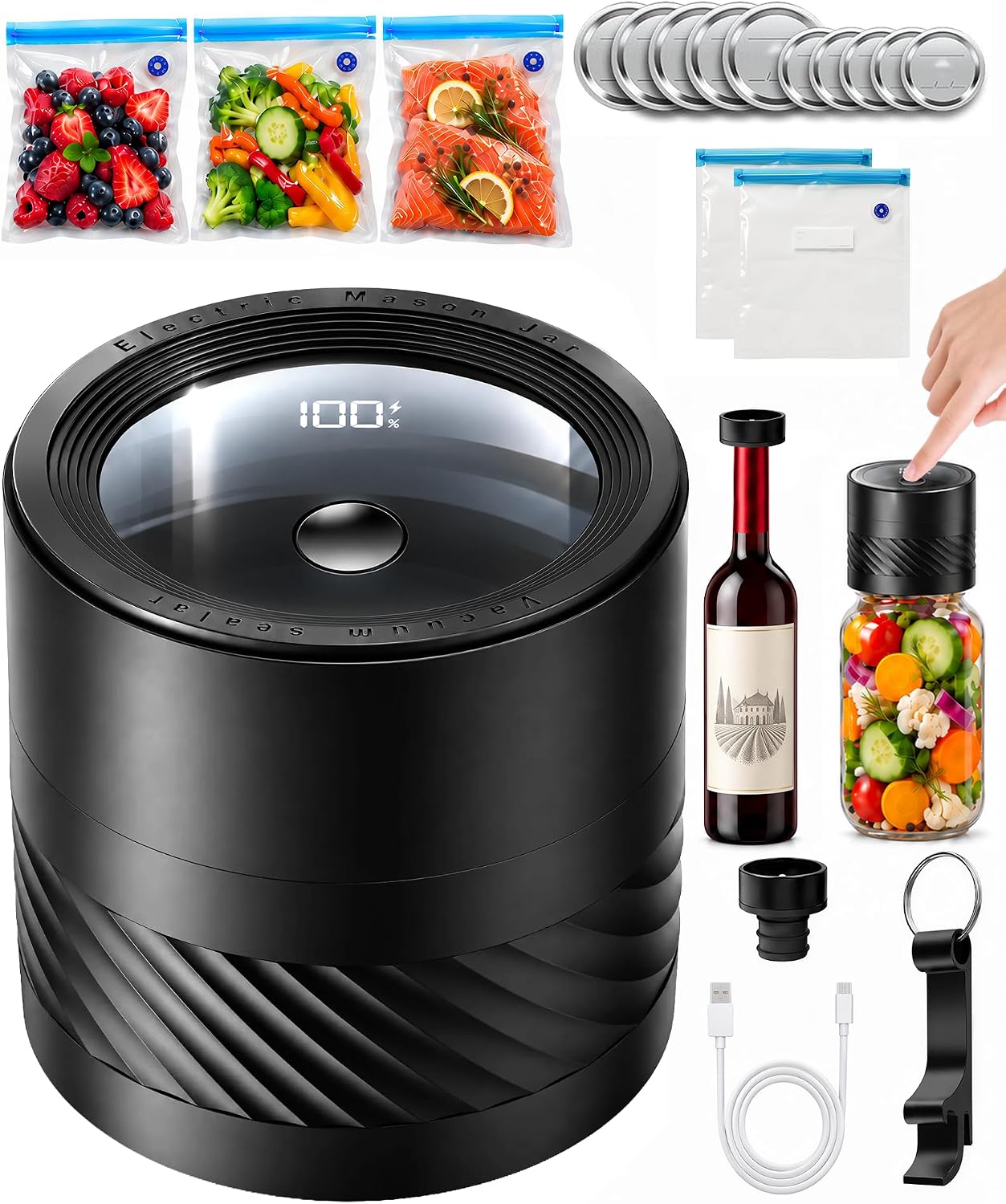
Electric Mason Jar Vacuum Sealer

An electric mason jar vacuum sealer is a handheld or countertop pump that evacuates air from standard canning jars and compatible vacuum bags, extending dry-goods and refrigerated storage life. The core trade-off is pump architecture: a continuous-duty AC diaphragm pump with auto-pause and a jar-sealing port delivers repeatable vacuum, while weak battery-only units stall under load and rely on proprietary lids. Buy a unit with a standard wide/regular-mouth sealing gasket, a rated vacuum of at least -60 kPa, and auto-pause; skip novelty pumps without a jar port or with only button-latch lids.

Buying guide image
Cookware & Cutlery

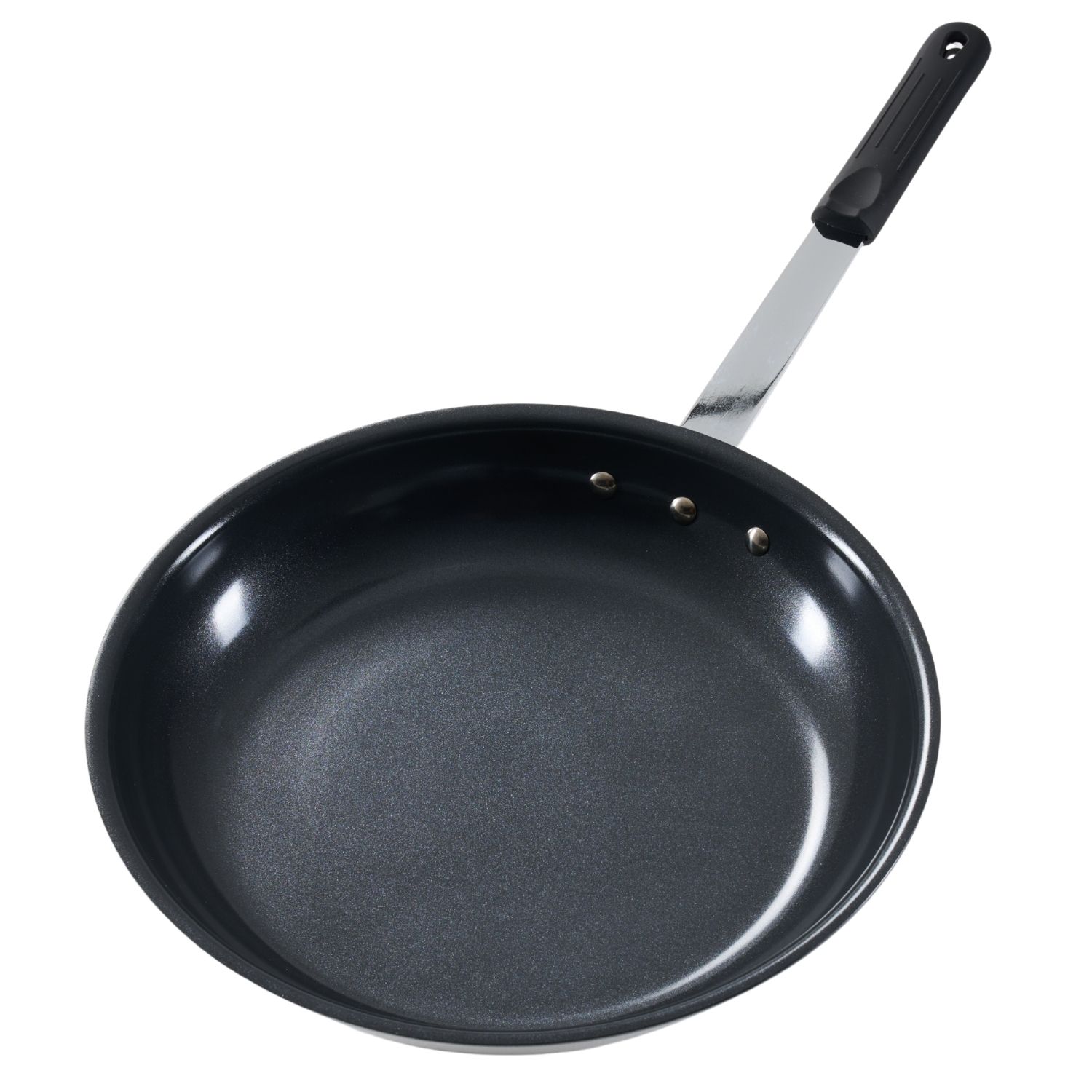
Aluminum Pan With Lids

Aluminum pans with lids are lightweight, heat-responsive cookware defined by their core thickness and lid material. The primary trade-off is between thin, inexpensive aluminum that warps and thick, clad or hard-anodized aluminum that lasts; the decision rule is to demand a base thickness of at least 2.5 mm or a bonded steel base for any pan you intend to use daily.

Buying guide image
Cookware & Cutlery

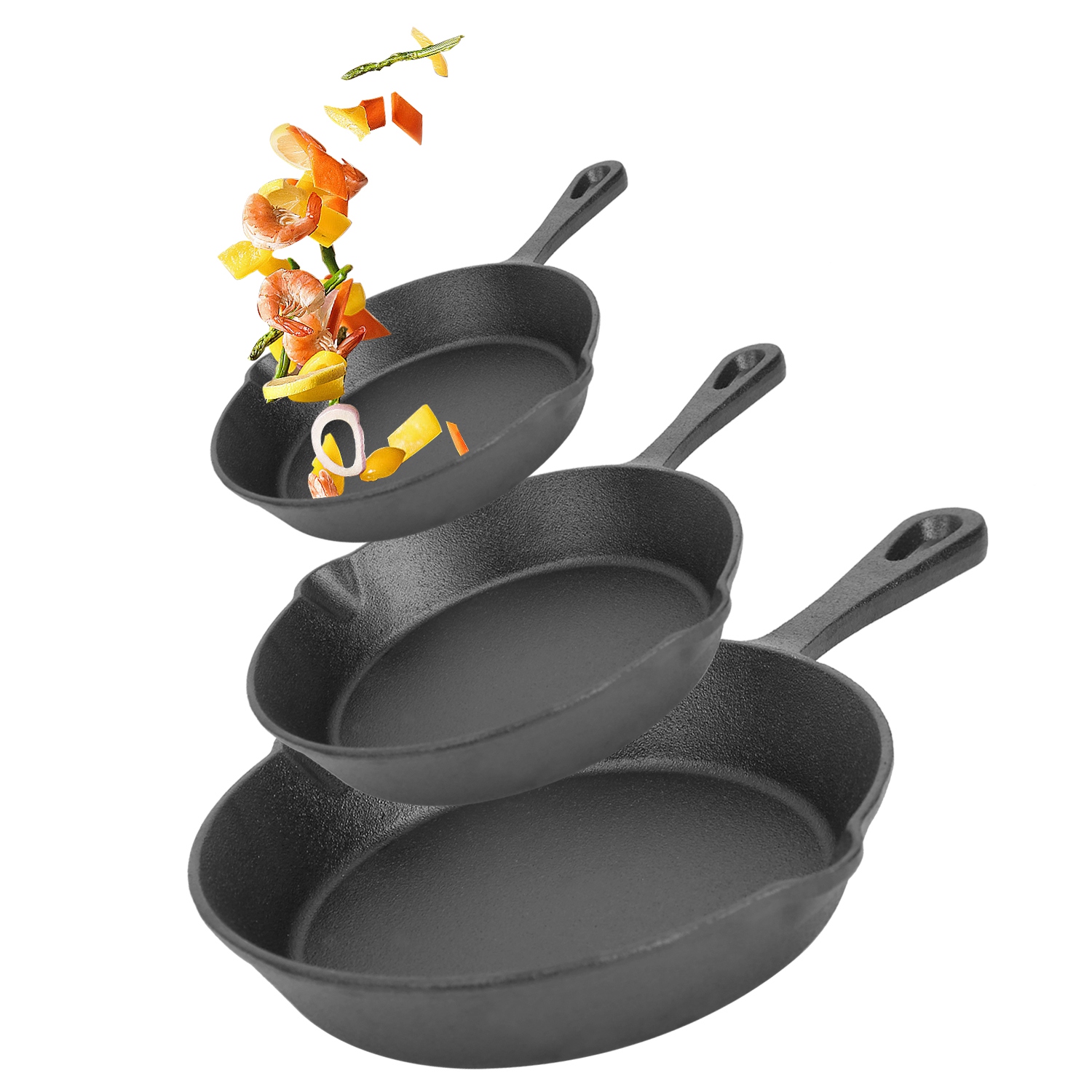
Baking Pan Set

A baking pan set is a coordinated collection of metal pans (typically steel, aluminum, or cast iron) designed for oven baking, roasting, and sometimes stovetop-to-oven use. The primary trade-off is between heat conductivity and durability: aluminized steel and cast iron offer even heating and long life, while thin carbon steel and nonstick coatings prioritize release and price but wear faster. Choose a set whose material and gauge (thickness) match your primary baking tasks—light-colored aluminum for delicate pastries, dark steel for crisp crusts, cast iron for searing and high-heat retention.

Buying guide image
Cookware & Cutlery

Green Pan Set

A GreenPan set means ceramic nonstick cookware (PTFE-free) built on either aluminum or stainless-steel clad bases, and the primary trade-off is ceramic coating durability versus the heavier, oven-safe multi-ply bodies. Buy a clad stainless-core set for daily high-heat searing and oven use; skip pure aluminum ceramic sets if you routinely cook above medium or use metal utensils.

Buying guide image
Blenders & Juicers

Ninja Blender

Ninja blenders are a broad line of high-speed countertop and personal blenders known for stacked blade assemblies and strong wattage-per-dollar, but the lineup splits sharply between plastic-jar personal models, full-size Tritan or glass pitchers, and premium dual-motor or FreshVac systems. The core trade-off is blade-and-jar construction versus motor wattage: a 1200W motor in a thin plastic jar wears out faster than a 1000W motor in a thick Tritan or glass pitcher. The decision rule is simple: buy the highest wattage you can afford only if the jar is Tritan or glass and the blade assembly is removable and dishwashable; skip any model with a permanently sealed blade base or a jar under 2mm wall thickness.

You may also like

Finding more guides for you…