Kitchen Gear Wise

Kitchen Gear Wise

Kitchen Gear Reviews & Buying Guides

Compare kitchen gear by use case, features, trade-offs, price, returns, and seller terms before you buy.

Buying guides

Buying guide image
Tableware, Drinkware & Serving

Stainless Steel Coffee Cup

A stainless steel coffee cup is a reusable drinkware vessel built around a vacuum-insulated double-wall body, where the primary trade-off is between thermal retention (true vacuum vs. foam/air gap) and lid/seal engineering that determines whether it is leakproof for commuting or merely splash-resistant for desk use. The clear decision rule: buy 18/8 (304) stainless with a true vacuum-sealed double wall and a silicone-gasketed lid if you need all-day temperature holding; skip single-wall or 'double-wall' cups with glued bases and friction-fit lids if portability and durability matter.
Buying guide image
Coffee Makers & Espresso

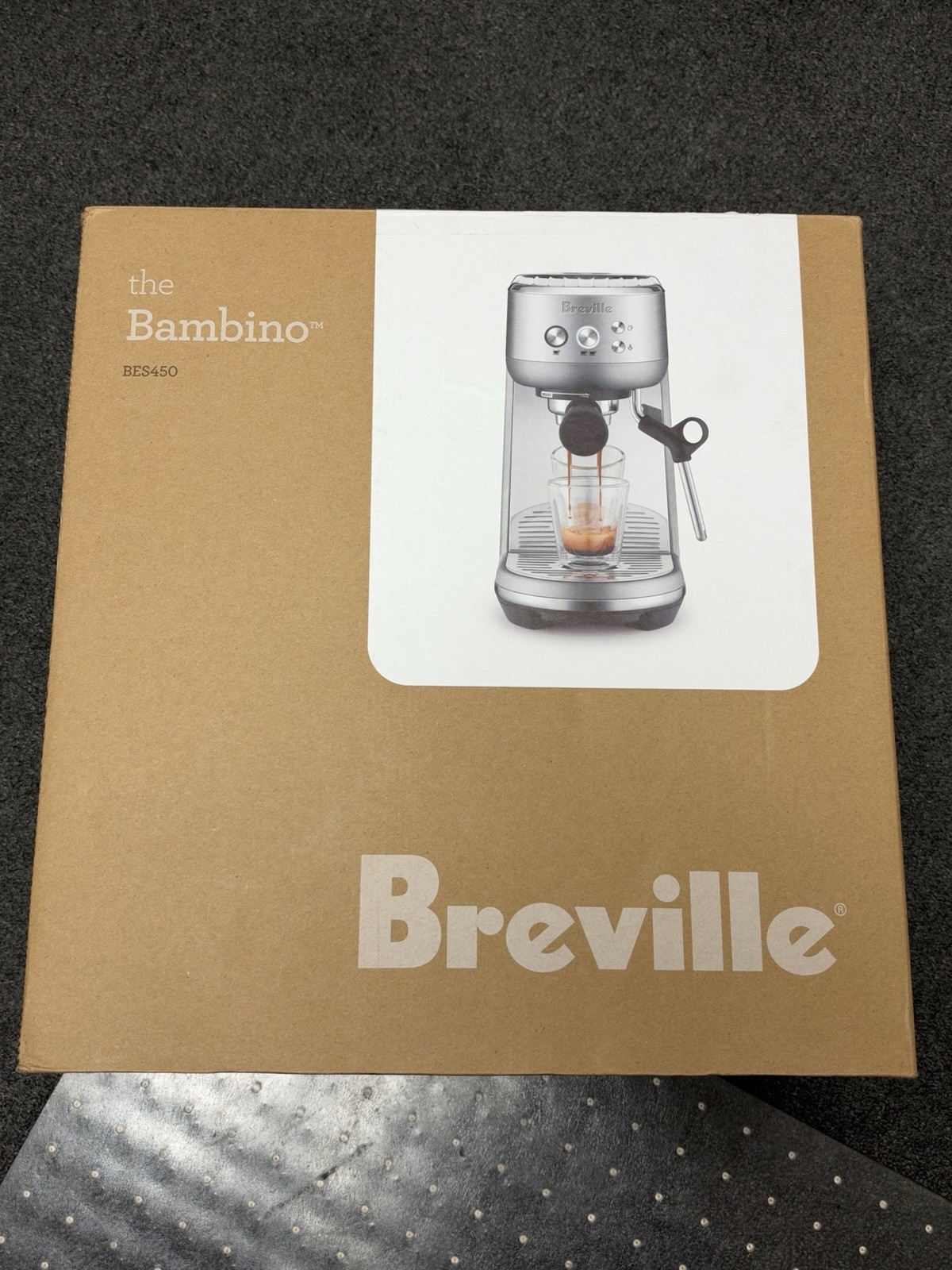
Breville Espresso Maker With Grinder

Breville espresso makers with built-in grinders combine a conical burr grinder and espresso machine in one chassis, so the main trade-off is grinder quality versus thermal stability and pump pressure control at a given footprint. The decisive rule: buy a model with a conical burr grinder, PID temperature control, and a 58mm or 54mm portafilter system, and skip any ‘grinder combo’ that uses a blade grinder or pressurised basket as its primary path.

Buying guide image
Specialty Kitchen Appliances

Milk Frother

Milk frothers are countertop appliances that aerate and heat milk for lattes, cappuccinos, and hot chocolate, and they split into two architectures: steam wand attachments for espresso machines and standalone electric units. The core trade-off is convenience versus control—standalone units deliver hands-off foam but cap milk volume and temperature, while steam wands give barista-level microfoam with a learning curve. Decide by milk volume per drink and whether you already own an espresso machine with a steam wand.

Buying guide image
Cookware & Cutlery

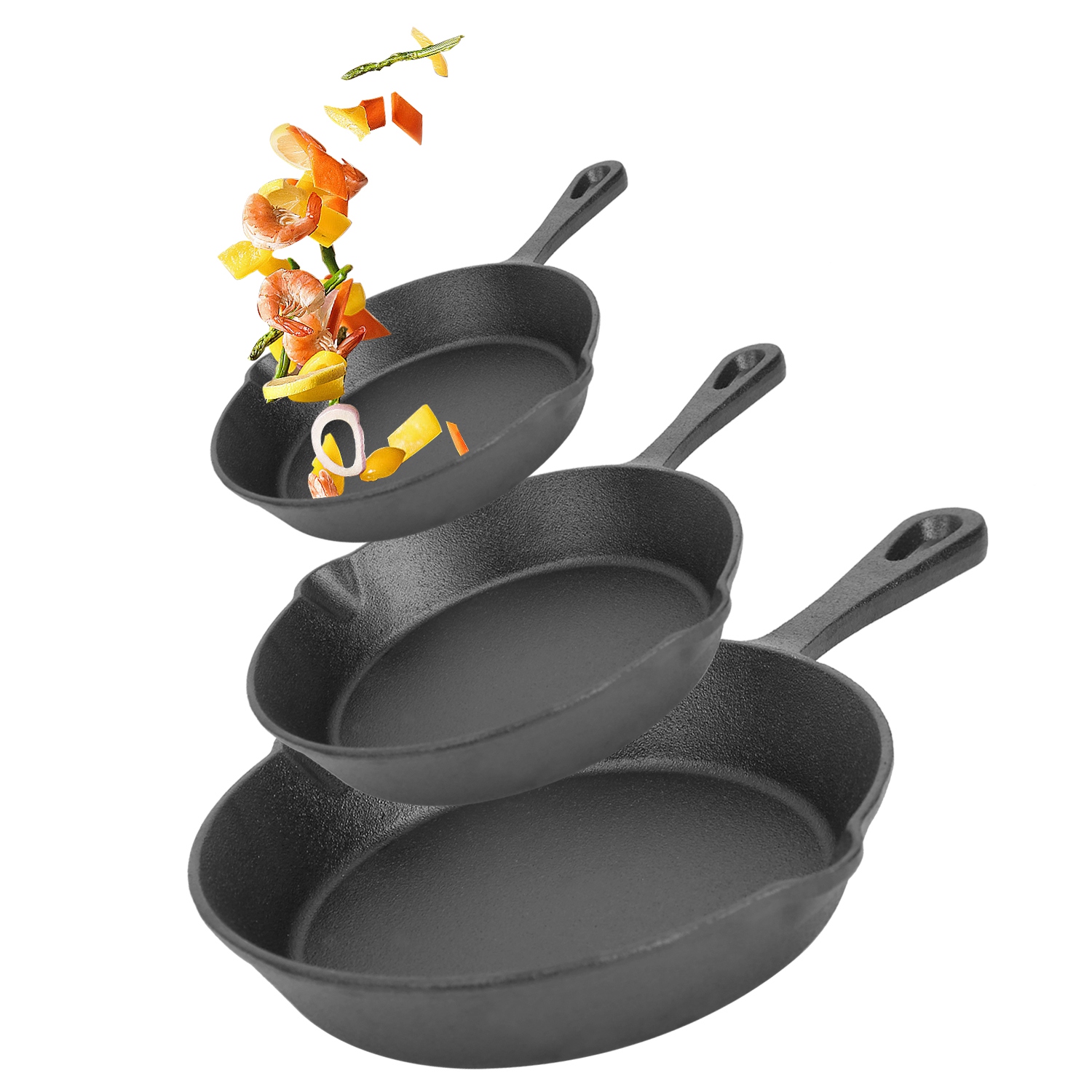
Baking Pan

A baking pan is a shaped metal mold that transfers oven heat into batter or dough, and the core trade-off is thermal conductivity versus corrosion resistance: aluminum heats fast and evenly but reacts with acidic foods, while aluminized or stainless steel resists rust but conducts more slowly. Buy according to bake type and oven source—light-colored aluminum for even cakes, dark steel for crisp crusts, cast iron for high-heat retention—and avoid uncoated reactive metals for long tomato or citrus bakes.

Buying guide image
Home Refrigerators, Freezers & Wine Coolers

Portable Fridge Freezer

Portable fridge freezers are 12V/24V DC compressor-driven coolers that replace ice chests for road trips, off-grid camping, and overlanding. The primary trade-off is compressor architecture: true variable-speed DC compressors deliver deep, precise cooling (down to -4°F) at low amp draw, while thermoelectric (Peltier) units only cool 35-45°F below ambient and cannot freeze. The decision rule: buy a DC compressor unit (Danfoss/Secop, or a reputable inverter compressor) if you need freezing or multi-day off-grid use; skip thermoelectric coolers entirely unless you only need beverage chilling on short drives.

Buying guide image
Tableware, Drinkware & Serving

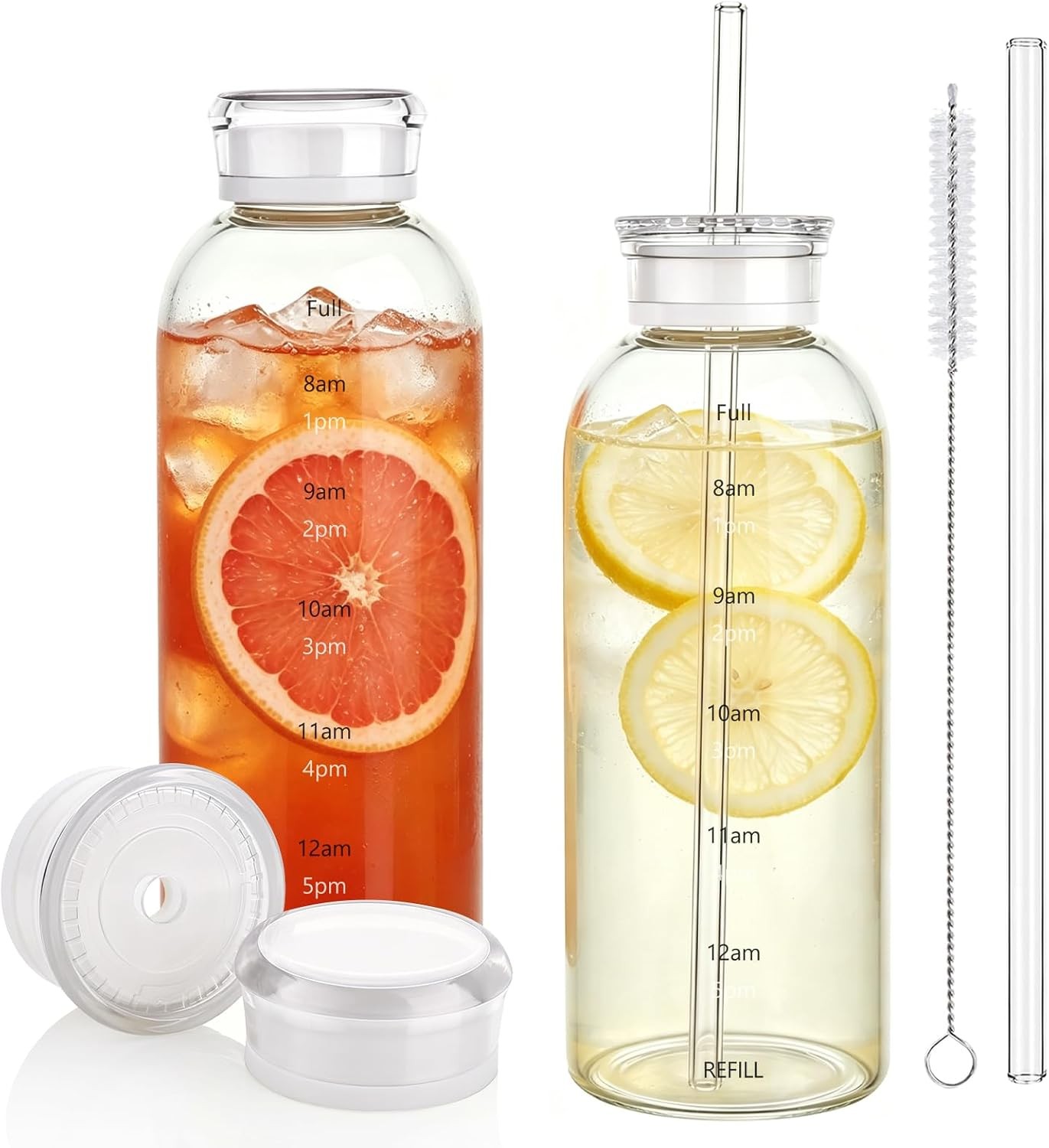
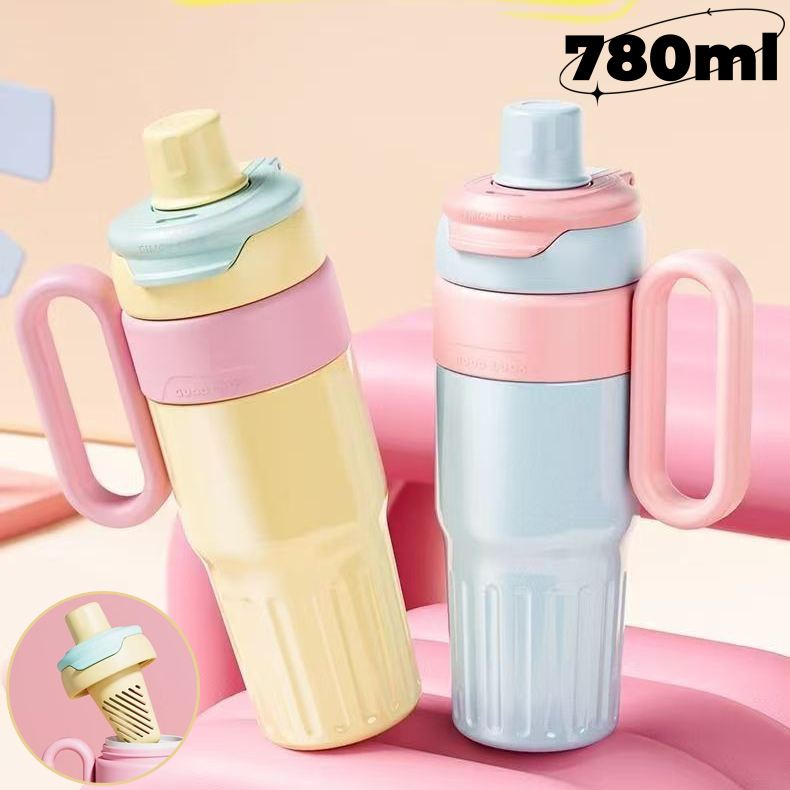
Water Bottle With Straw

A water bottle with straw is a reusable drinking vessel with an integrated straw system, typically available in insulated stainless steel, plastic, or glass. The primary trade-off is between insulation/durability (stainless steel, often 18/8) and lightweight visibility (plastic or glass), with straw-lid compatibility and leak resistance being the key differentiators. Choose a wide-mouth stainless bottle with a gasketed straw lid for all-day temperature retention and rugged use; choose glass or plastic only for desk-bound, flavor-neutral, or lightweight scenarios.

Buying guide image
Slow & Pressure Cookers

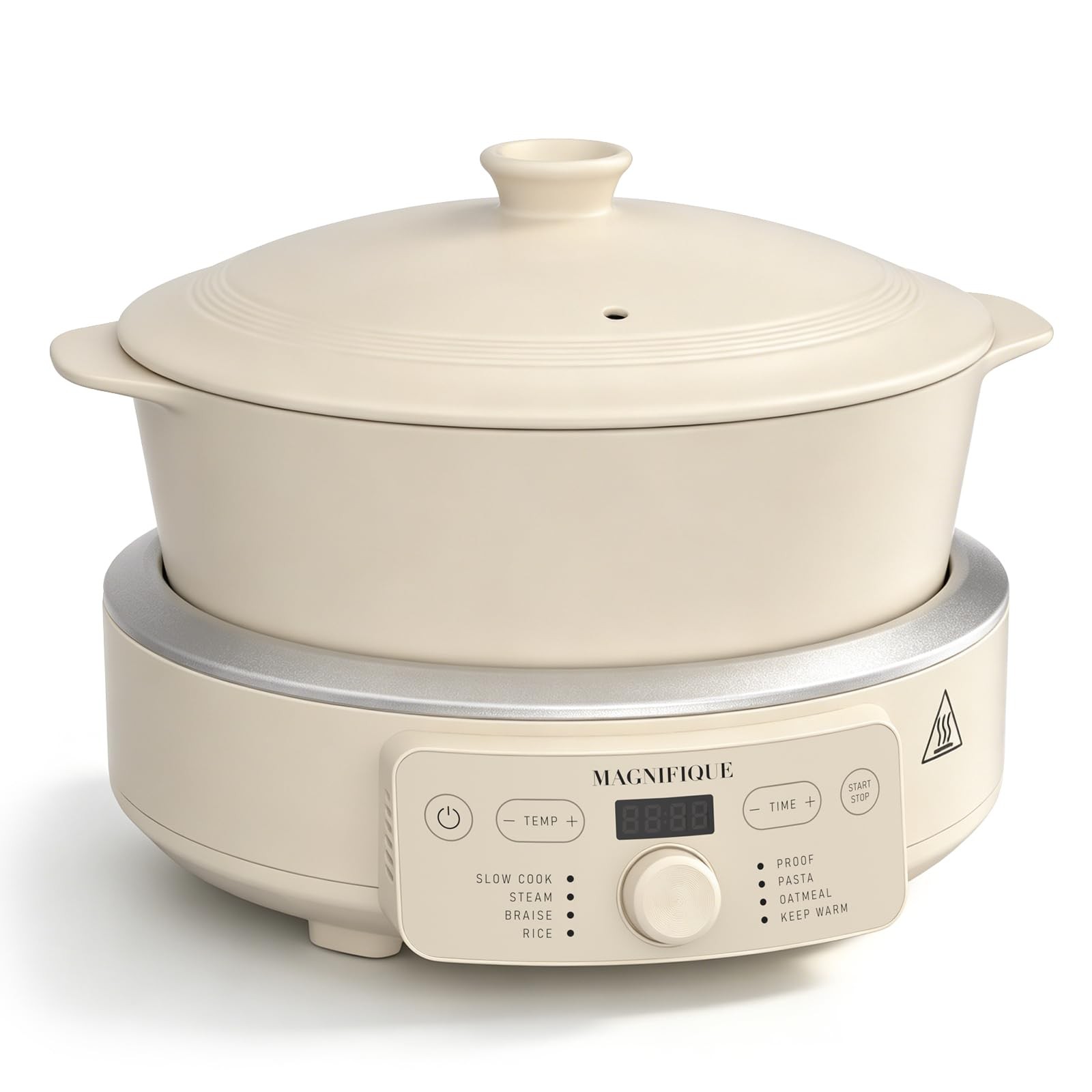
Non Toxic Slow Cooker

A non-toxic slow cooker is a countertop appliance whose food-contact surfaces—crock, lid, and any nonstick coating—are free of lead, cadmium, PFAS, and other concerning substances, while still delivering the even, low-and-slow heat that makes slow cooking work. The core trade-off is between ceramic/glass and coated-metal construction: ceramic and glass are inert but heavy and thermal-shock sensitive, while nonstick aluminum is light and easy to clean but relies on coating integrity. The decision rule is simple: choose an unglazed or lead-free-glazed ceramic crock or a tempered-glass lid, avoid scratched nonstick interiors, and confirm independent third-party testing for food-contact materials rather than trusting marketing claims.

Buying guide image
Bread Mixers, Scales & Thermometers

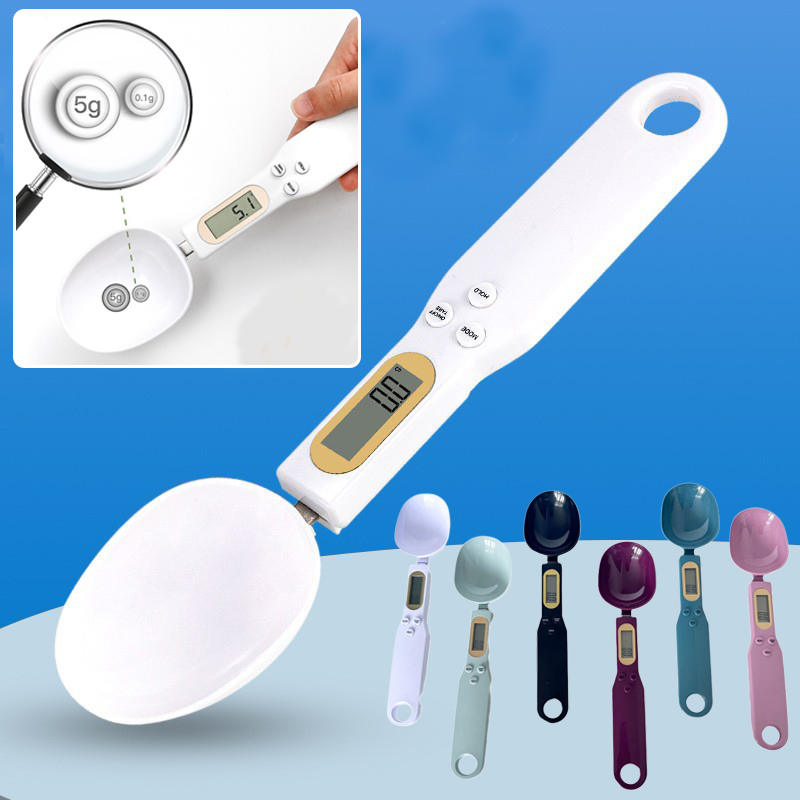
Food Weighing Scale

A food weighing scale is a kitchen instrument that converts ingredient mass into digital readings for consistent cooking and baking. The core trade-off is between a thin plastic platform with a basic strain-gauge sensor and a sealed stainless-steel platform with a temperature-compensated load cell. Buy the sealed stainless version if you weigh daily or use wet ingredients; choose a compact plastic model only for light, dry-only portioning.

Buying guide image
Tableware, Drinkware & Serving

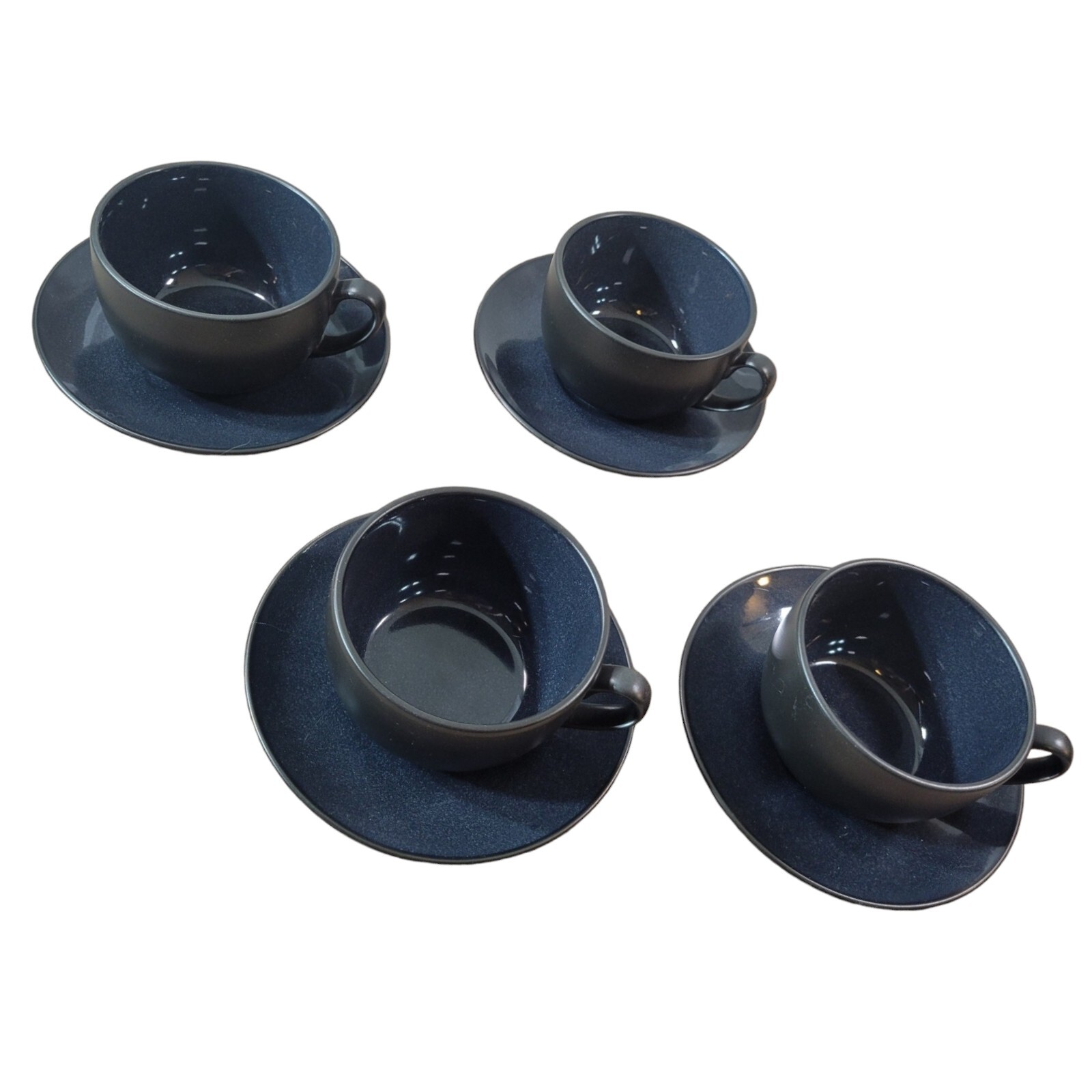
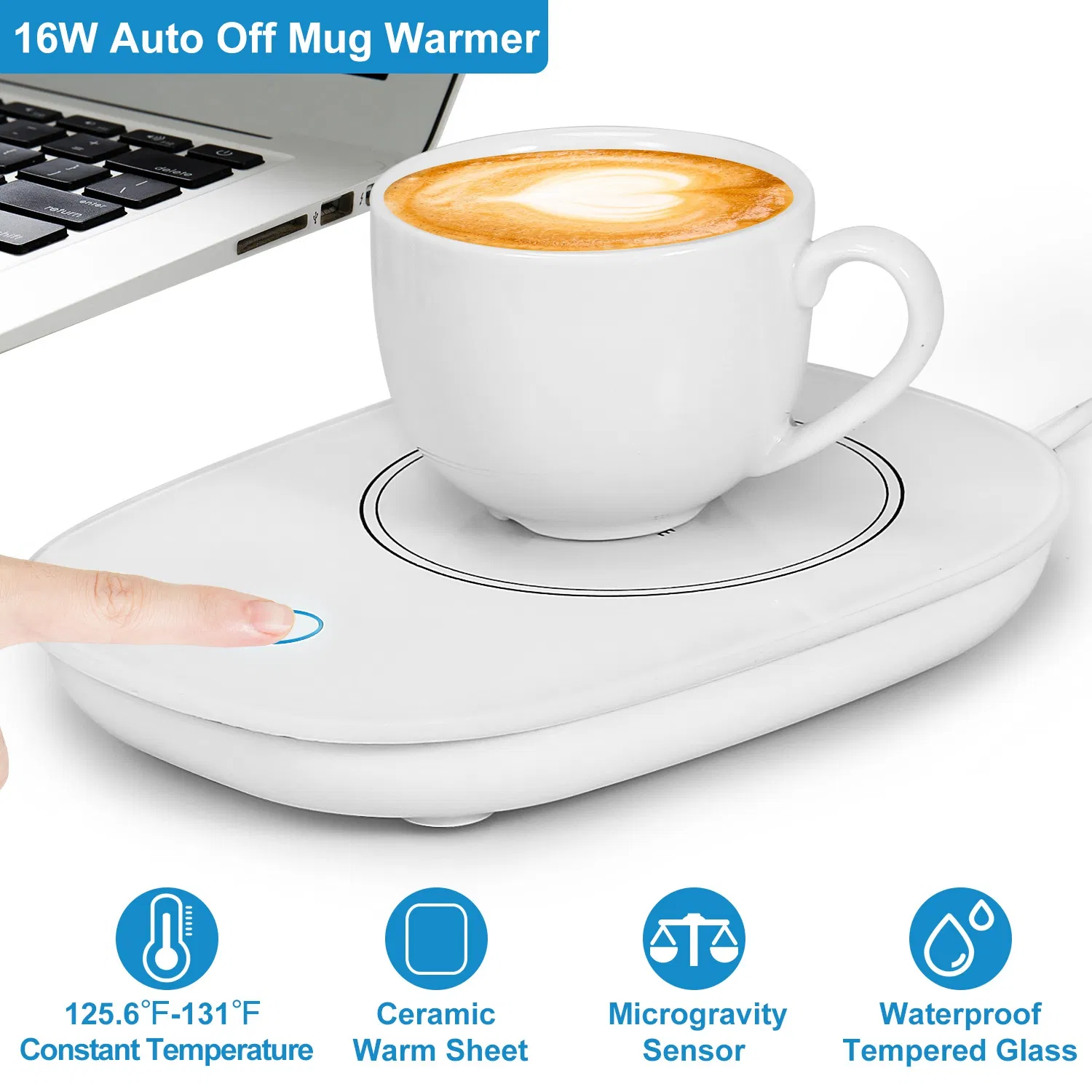
Coffee Cup Set

A coffee cup set pairs drinking vessels with saucers or coasters, and the primary trade-off is between ceramic durability (fired glaze, chip resistance) and everyday convenience (stackability, absorbency of companions). Decide by material grade and firing temperature: high-fired porcelain or stoneware with a fully vitrified body resists chipping and staining, while low-fire earthenware and thin-walled bone china demand hand washing and careful stacking.

Buying guide image
Food Storage & Containers

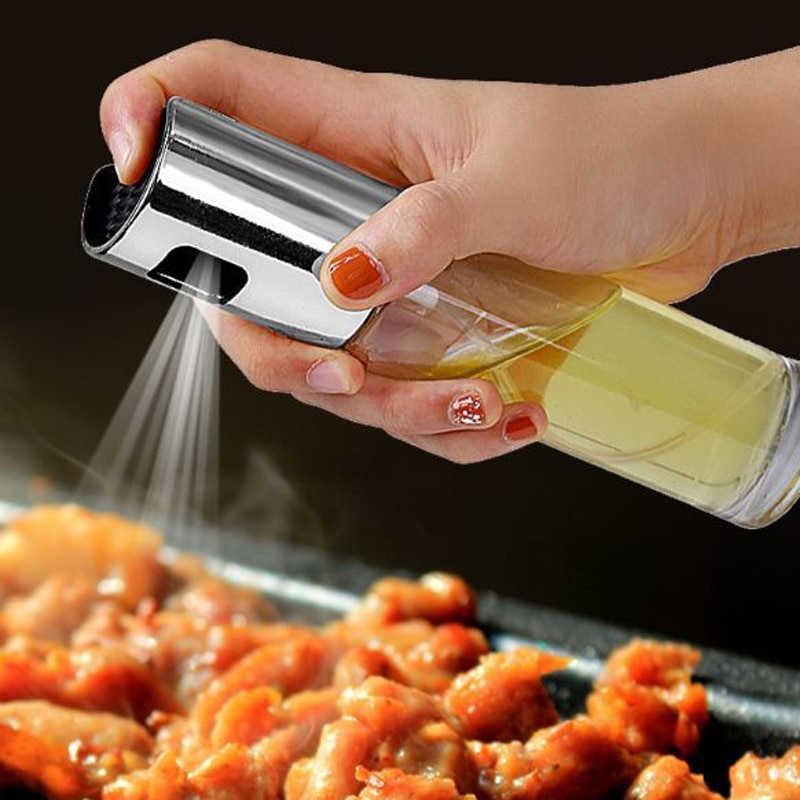
Vinegar Bottle

Vinegar bottles are purpose-built vessels for storing and dispensing acidic liquid, with the core trade-off between inert, non-reactive glass and lightweight, shatter-resistant metal or plastic. The decisive rule: choose glass for long-term storage and flavor purity, and choose metal or spray-pump dispensers only for short-term, measured pouring where acid contact is brief.

Buying guide image
Home Ranges, Ovens & Cooktops

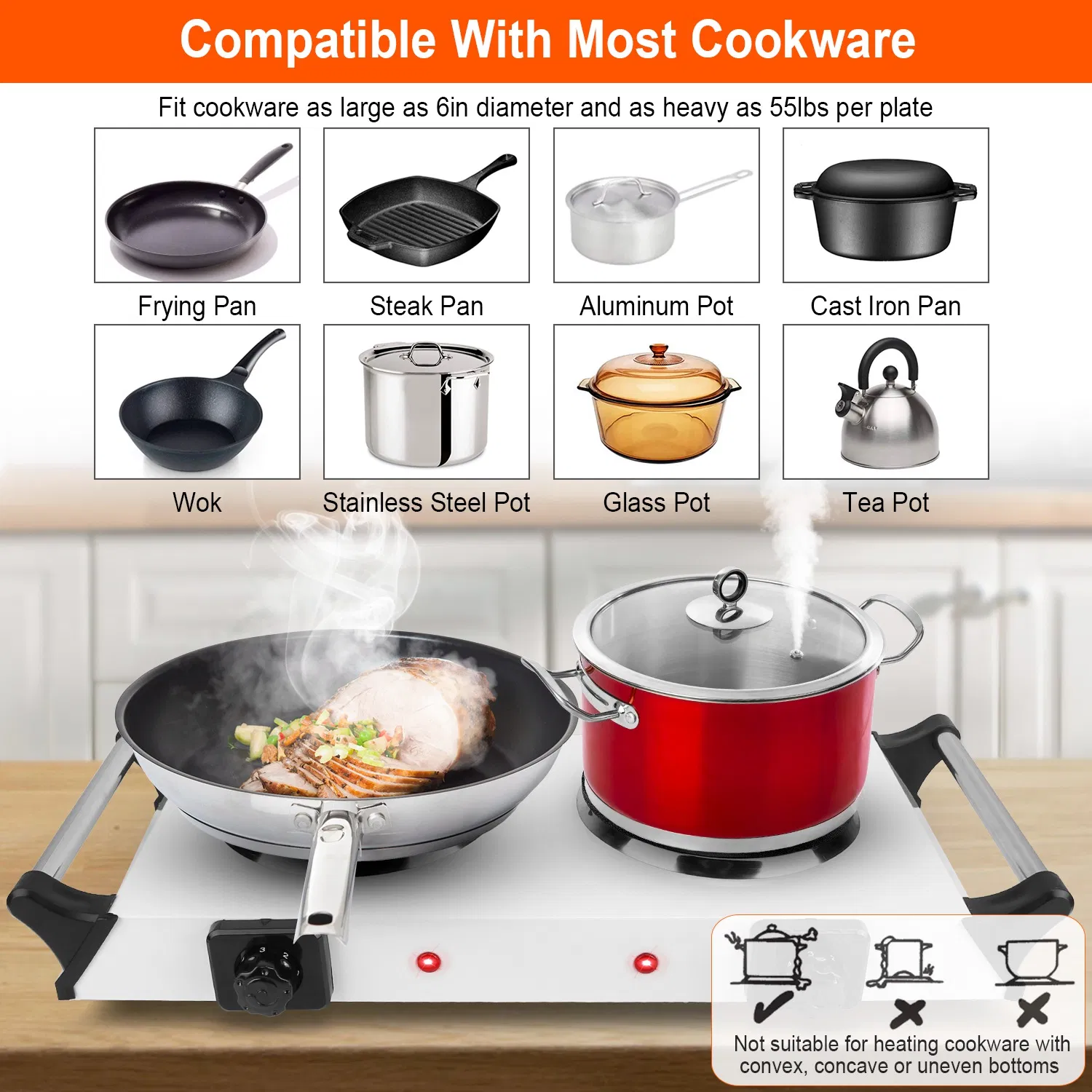
Flat Electric Stove

A flat electric stove covers two distinct architectures: built-in smoothtop ranges with radiant or induction glass-ceramic surfaces, and portable countertop hot plates with exposed coils or solid plates. The core trade-off is thermal coupling and surface durability—induction transfers energy magnetically through compatible cookware, radiant glass heats via contact and is slower to respond, and exposed coils are cheap but inefficient and harder to clean. The decision rule: buy induction or radiant glass-ceramic for daily household cooking; choose a portable coil or solid-plate unit only as a secondary, temporary, or RV/dorm appliance.

Buying guide image
Home Refrigerators, Freezers & Wine Coolers

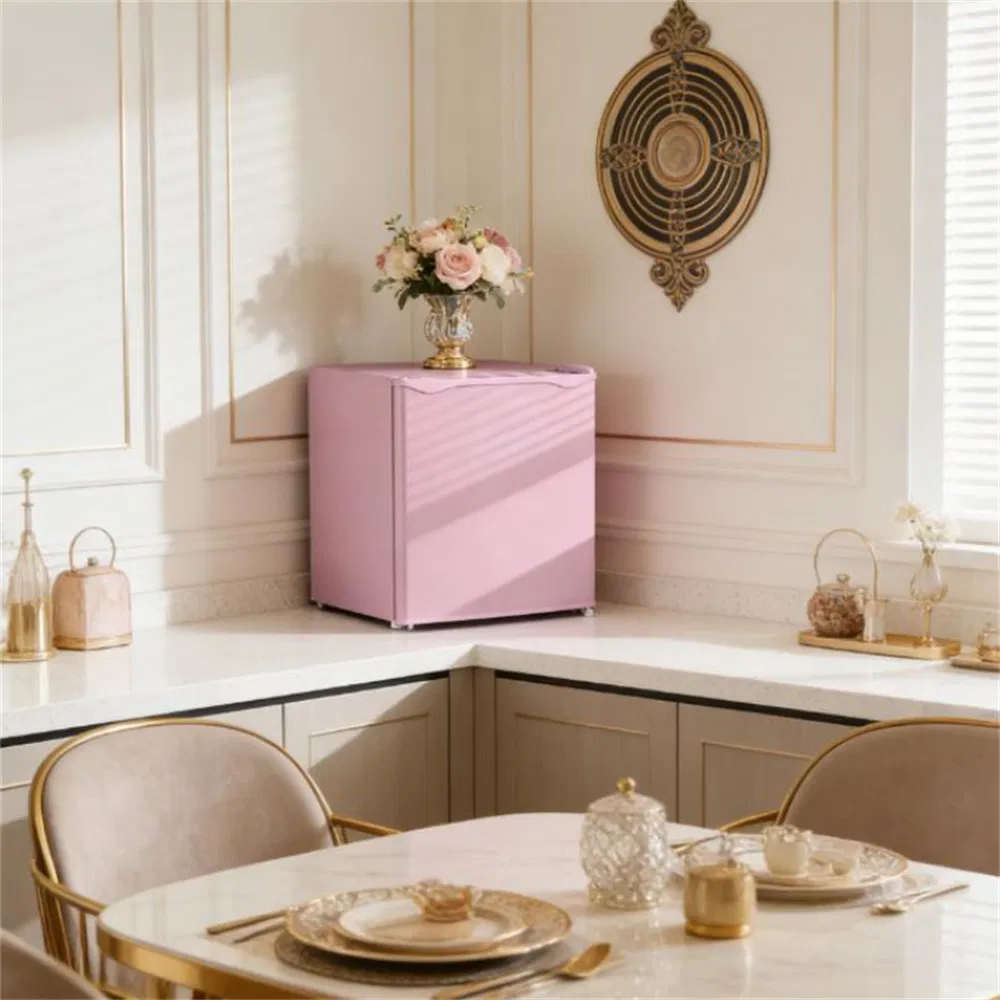
Energy Star Mini Fridge

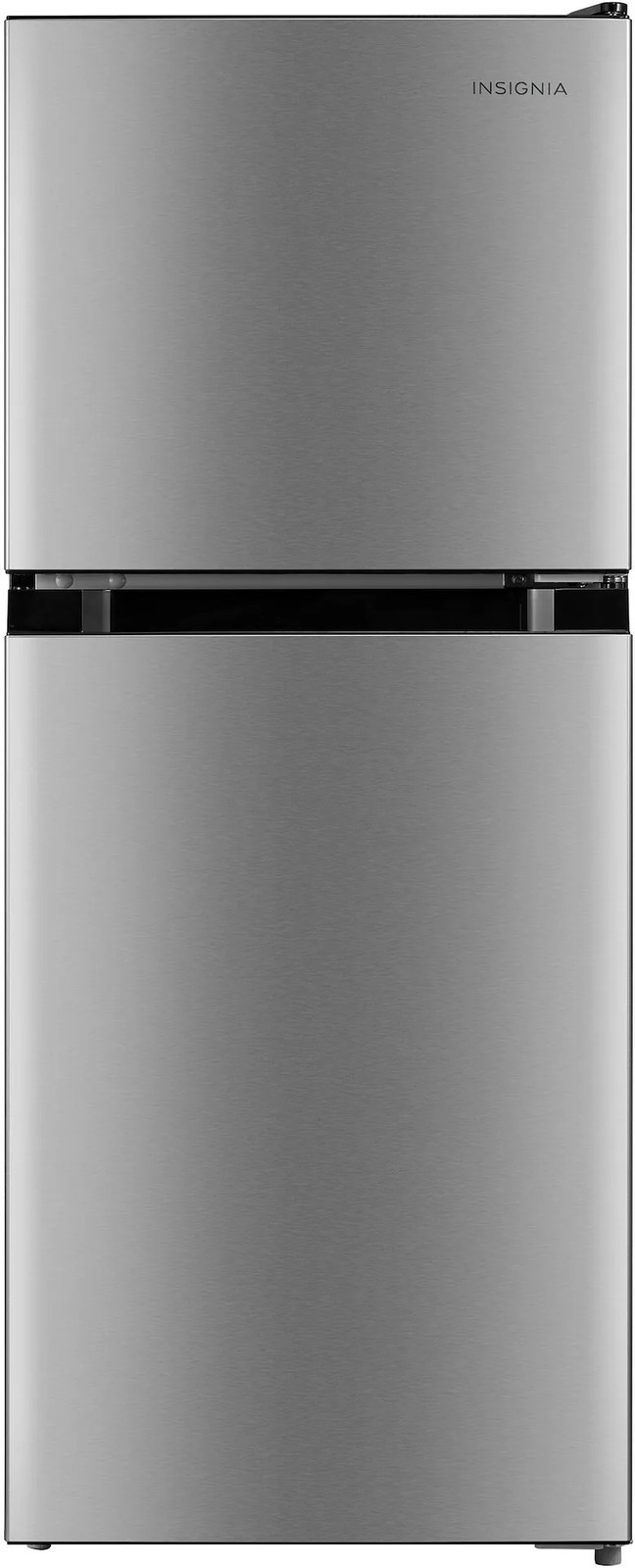
An Energy Star mini fridge is a compact refrigerator (typically 1.6–7.5 cu. ft.) certified by the EPA to meet strict energy-efficiency thresholds, usually via a reciprocating compressor with optimized insulation and door seals. The key trade-off is upfront cost versus long-term electricity use and cooling stability: cheaper thermoelectric units fail to hold food-safe temperatures, while Energy Star compressor models guarantee tested efficiency and reliable cold. Choose an Energy Star compressor model for daily food storage; skip Peltier (thermoelectric) units unless you only need beverage chilling in a climate-controlled room.

Buying guide image
Electric Kettles

Coffee Water Heater

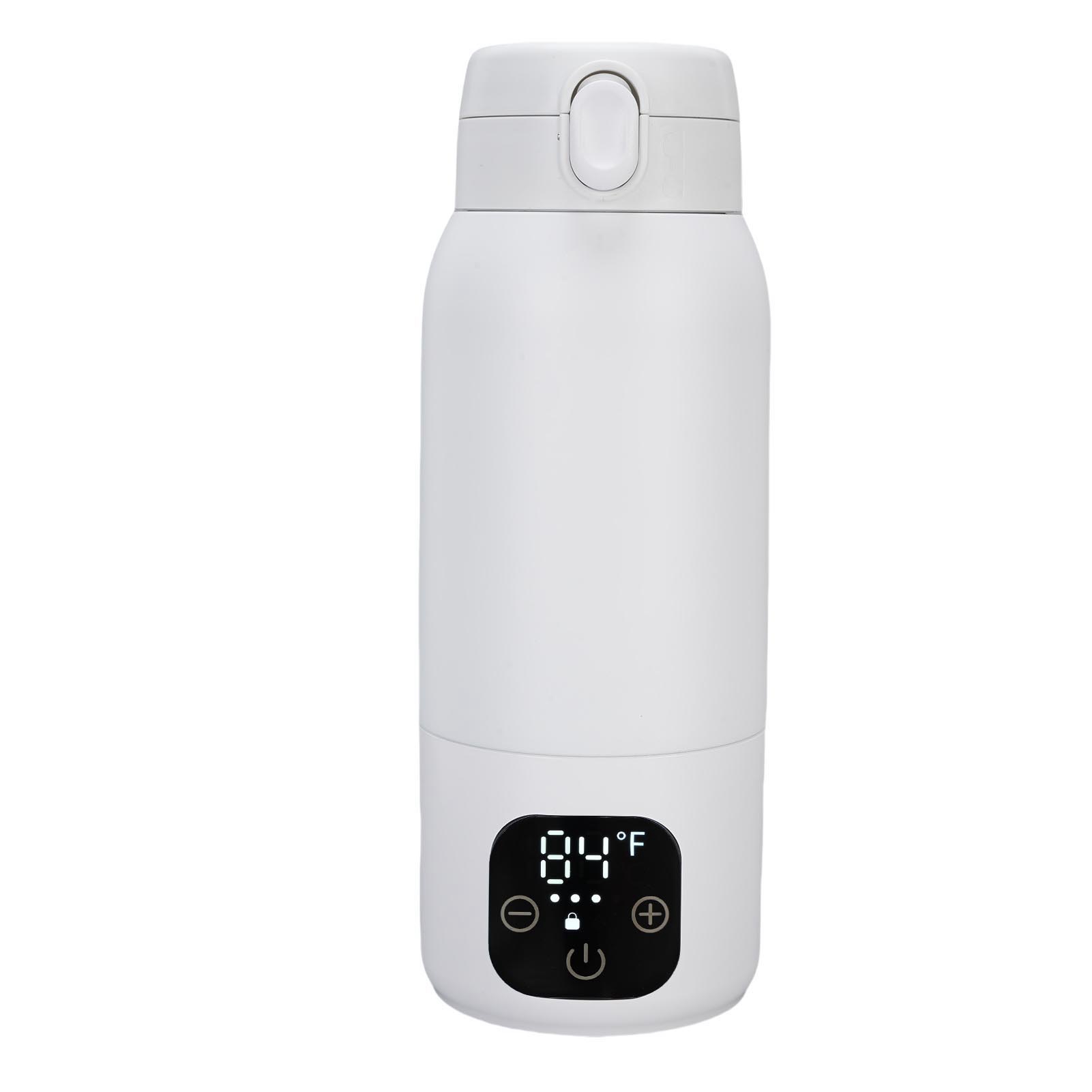
Coffee water heaters are small electric kettles optimized for precise pour-over and French-press temperatures, where the key trade-off is heating speed and temperature control versus portability and capacity. Durable options use food-grade 304/316 stainless steel with thermostat cutoffs and double-wall insulation, while compromises rely on thin single-wall steel, vague 'boil-dry' protection, and loose temperature tolerances. Choose a corded 1500W+ variable-temperature model for daily countertop brewing, and a USB 300-500ml sealed-cup model only for travel where outlet access is limited.

Buying guide image
Coffee Cleaning & Accessories

Coffee Cleaning Solution

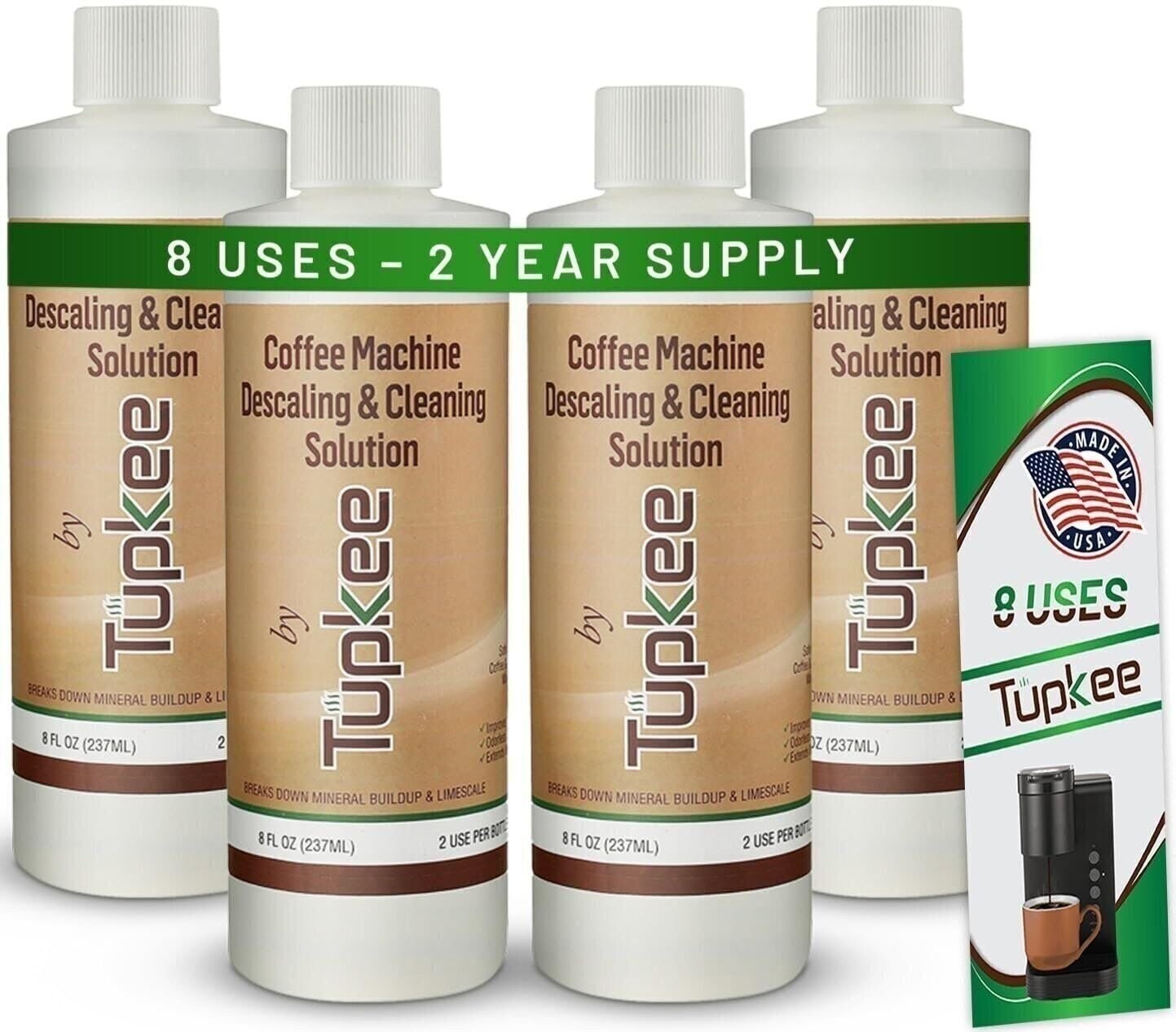
Coffee cleaning solutions are formulated liquids or powders that remove mineral scale and organic residue from espresso machines, drip brewers, and grinders. The primary trade-off is between acid strength for descaling and material compatibility—strong acids can corrode aluminum and brass, while mild formulas may not fully dissolve hard scale. The decision rule: match the active ingredient to your machine's metal components and water hardness, and choose dedicated descaling vs. cleaning formulas rather than all-in-one products.

Buying guide image
Slow & Pressure Cookers

Presto Electric Canner

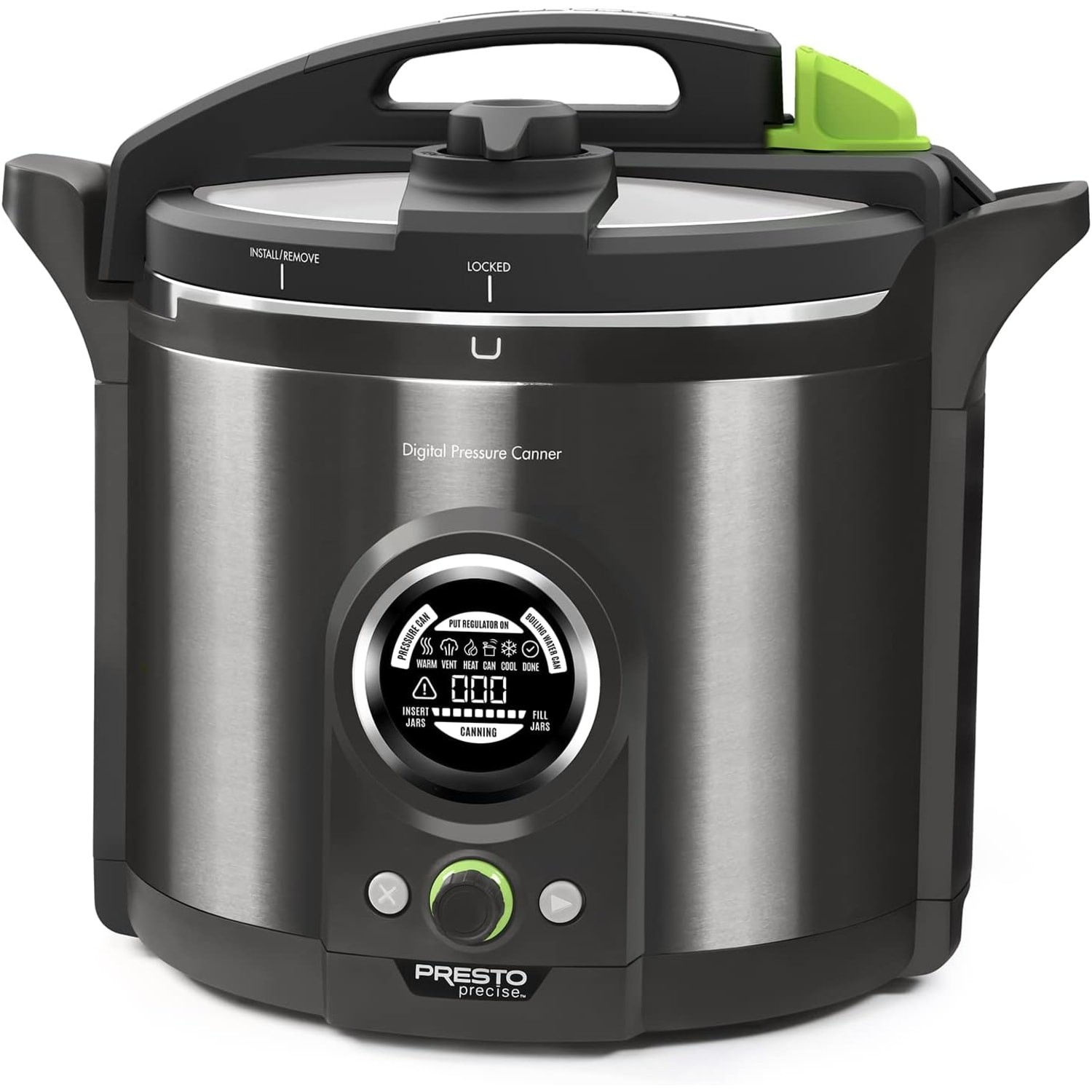
The Presto Electric Canner is a dedicated 12-quart electric pressure canner designed for safe home canning of low-acid foods using USDA-approved pressure-canning protocols, distinct from stovetop pressure canners and multi-use electric pressure cookers. The core trade-off is between a purpose-built canner with verified pressure accuracy and temperature-controlled cycles versus a generic electric pressure cooker whose manufacturer explicitly prohibits pressure canning. The decision rule: choose the Presto Electric Canner only if you can low-acid pressure-can (meats, vegetables, stocks) and want digital pressure/temperature control; skip it if you only water-bath can high-acid foods or need multi-function cooking.

Buying guide image
Air Fryers

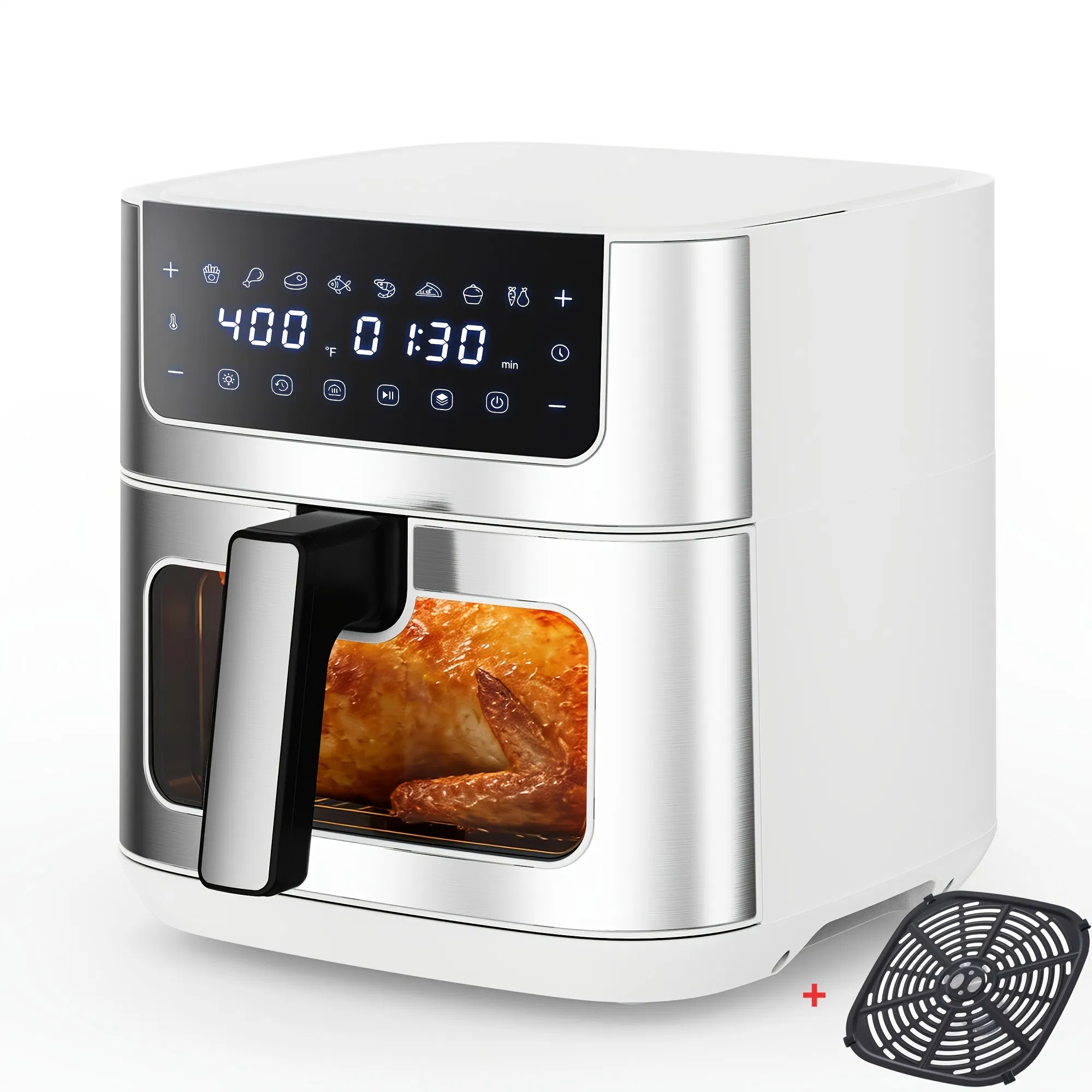
Easy Clean Air Fryer

An easy-clean air fryer is defined by its basket and heating-element design, not by a marketing badge. The core trade-off is nonstick coating durability versus dishwasher-safe convenience: ceramic-coated steel resists scratching but can lose release over time, while PTFE-coated baskets clean faster but degrade above 450°F. The decision rule is simple: choose a ceramic-coated, dishwasher-safe basket with a removable, smooth interior and a pull-out tray if you want low-effort cleaning for years; skip fixed-mesh or bare-metal baskets that trap grease and require scrubbing.

Buying guide image
Dishwashers

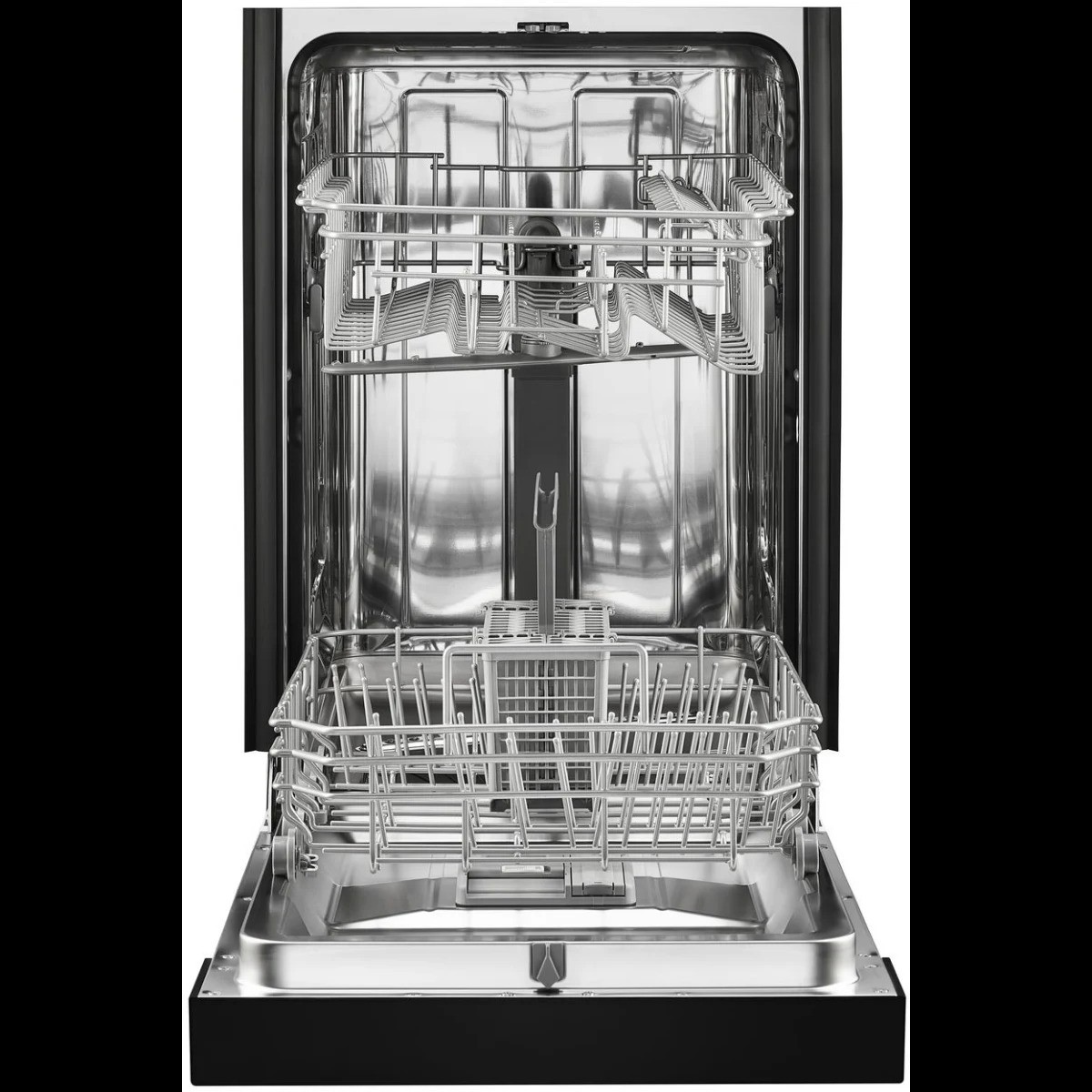
Black Whirlpool Dishwasher

Black Whirlpool dishwashers are full-size built-in or portable units finished in fingerprint-resistant black stainless or painted black, aimed at matching dark appliance suites. The core trade-off is between Whirlpool's entry painted-black steel tubs and its black stainless models with stainless tubs, quieter motors, and third racks. Buy black stainless or a stainless-tub black model for daily durability; skip painted-black economy tubs if you want long-term stain and heat resistance.

Buying guide image
Dishwashers

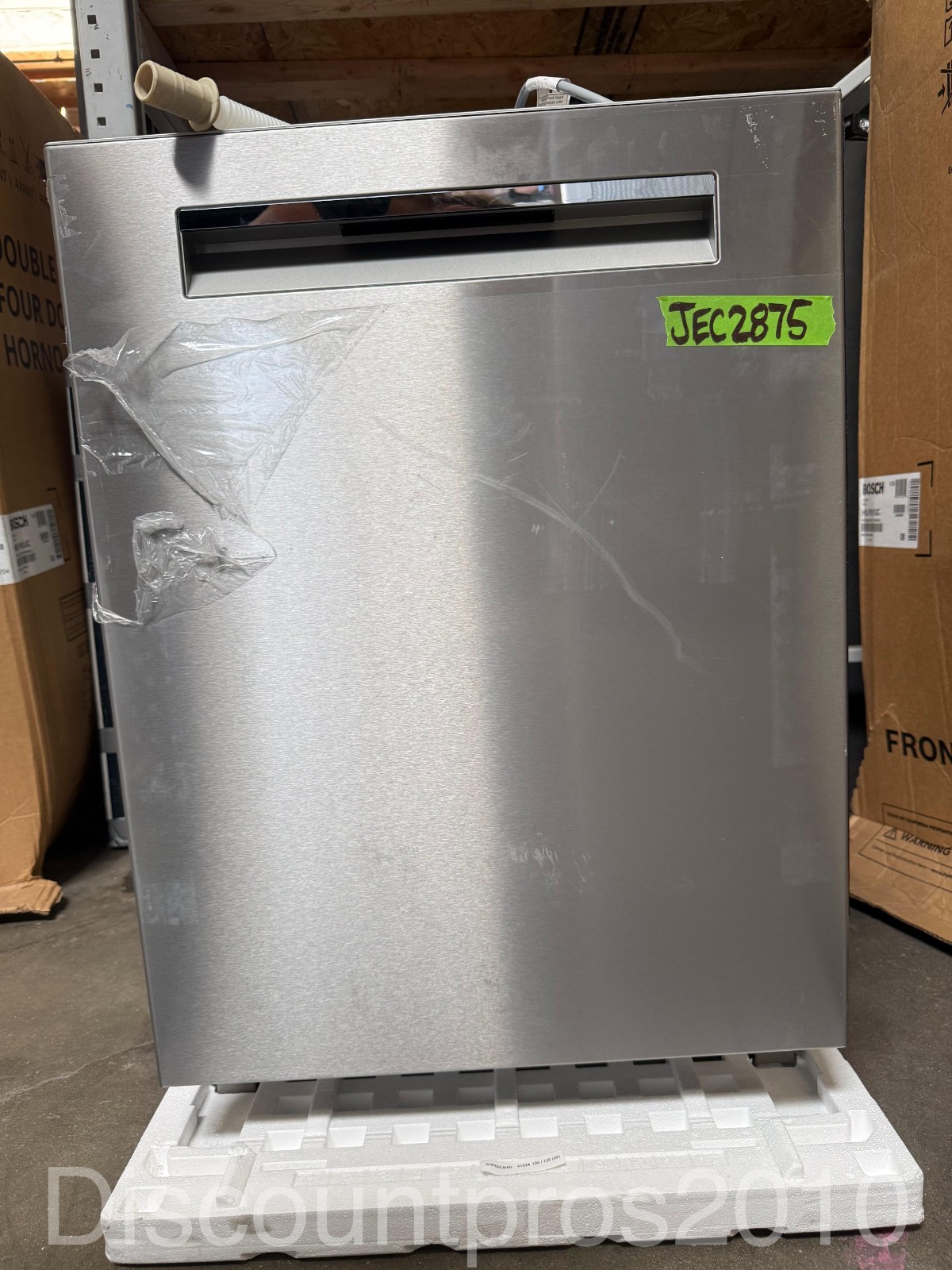
Bosch 500 Series Dishwasher

The Bosch 500 Series is a mid-tier, 24-inch built-in dishwasher line known for quiet operation via a brushless EcoSilence motor and a stainless steel tub. The core trade-off is between the 500's third-rack flexibility and flexible door panel versus the 800's CrystalDry and recessed handle; all 500 models use a hybrid condensation/condensation drying system, not the 800's zeolite. Choose the 500 only if you value near-silent 44 dBA operation and a third rack over faster drying, and skip it if you need heated-dry performance or a panel-ready custom front.

Buying guide image
Dishwashers

Whirlpool Stainless Steel Dishwasher

Whirlpool stainless steel dishwashers are mid-tier American-style machines identified by a stainless steel tub and door, sold in 24-inch built-in and portable formats. The primary trade-off is between a plastic-tub entry tier and a stainless-tub tier: stainless resists staining, holds heat, and dampens noise, but only Whirlpool's stainless models include the better wash systems and quieter motors worth owning. The decision rule: buy only a stainless-tub model with a nylon filter and at least a 50 dBA rating; skip any 'stainless-look' model with a plastic tub underneath.

Buying guide image
Water Filtration

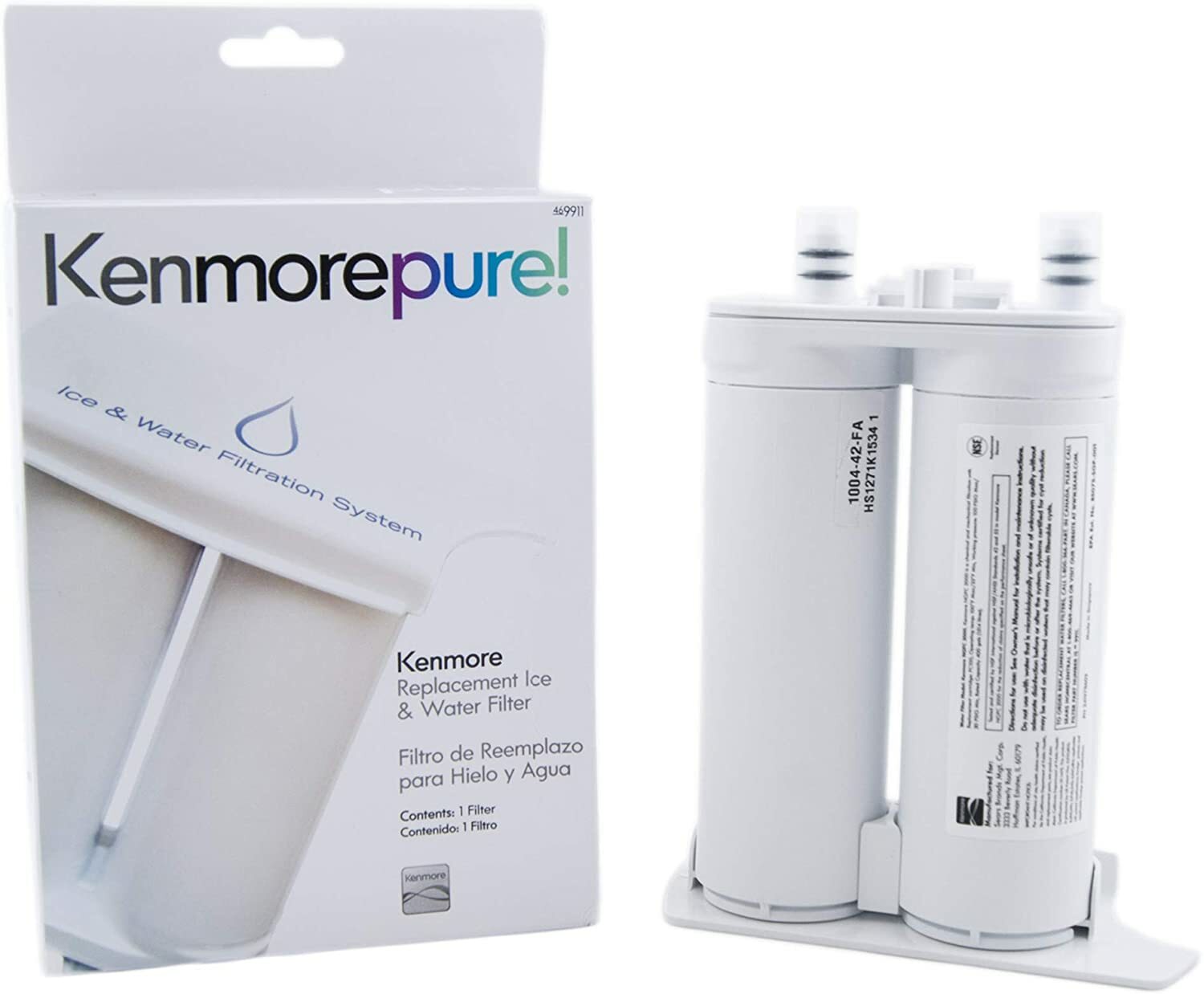
Kenmore Water Filter Replacement

Kenmore water filter replacement covers refrigerator and under-sink cartridges designed to fit specific Kenmore model families, with the main trade-off being OEM vs. third-party compatibility and the risk of bypass leaks or poor contaminant reduction. The decision rule is simple: match the exact Kenmore or Sears part number and filter generation, then choose a certified cartridge with the same threading, O-ring geometry, and flow rating rather than an unverified drop-in.

You may also like

Finding more guides for you…