Kitchen Gear Wise

Kitchen Gear Wise

Kitchen Gear Reviews & Buying Guides

Compare kitchen gear by use case, features, trade-offs, price, returns, and seller terms before you buy.

Buying guides

Buying guide image
Tableware, Drinkware & Serving

Travel Mug With Lid

A travel mug with lid is a portable drinking vessel engineered to keep beverages at temperature and prevent spills during commutes and outdoor use. The primary trade-off is insulation architecture versus lid sealing: double-wall vacuum insulation delivers 6-12+ hours of thermal retention, but only a gasket-sealed, lockable lid prevents leaks in a bag. Buyers should demand 18/8 stainless steel with a true vacuum gap and a lid with a silicone gasket plus a sliding or flip closure—unsealed press-fit lids and single-wall construction are the compromise tier to skip.
Buying guide image
Coffee Grinders

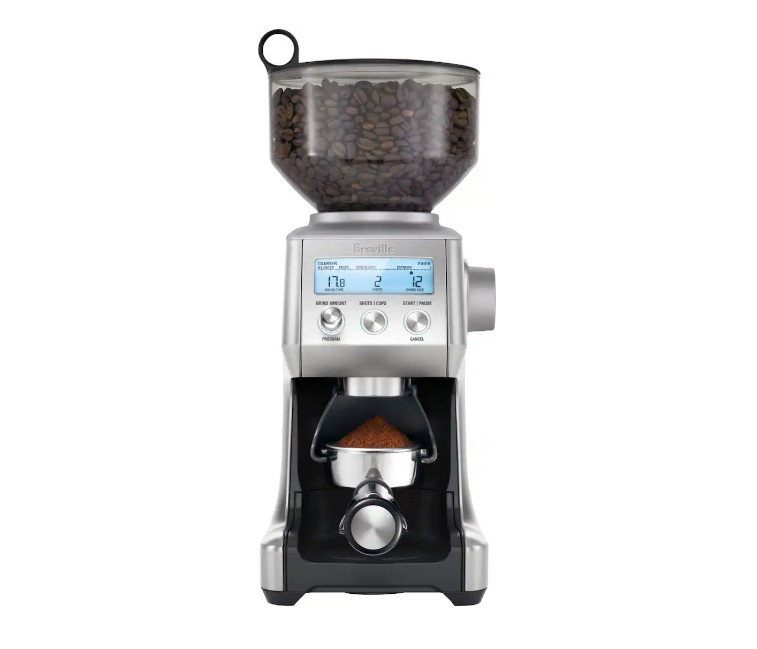
Breville Pro

The Breville Smart Grinder Pro is a conical-burr countertop grinder built for espresso through French press, defined by its 60 stepped grind settings and Dosing IQ timed dosing. The core trade-off is burr geometry and dose accuracy versus retention and single-dose friendliness: the Pro's 40mm conical burrs and programmable timer deliver repeatable espresso doses, but its hopper-fed design holds grounds in the chute. Buy the Pro for timed hopper dosing across brew methods; skip it if you single-dose light-roast espresso and demand near-zero retention.

Buying guide image
Coffee Grinders

Espresso Hand Grinder

An espresso hand grinder is a manual burr mill specifically engineered to produce a narrow, consistent particle distribution fine enough for pressurized espresso extraction (typically 8–15 microns median). The core trade-off is burr geometry and adjustment resolution versus grinding effort: espresso demands stepless or high-click micro-adjustment, which most budget hand grinders lack, while premium models add low-friction bearings and larger burrs to reduce cranking force. The decision rule is simple: buy only a grinder with explicitly stated espresso-range stepless or 40+ click adjustment and conical/ flat steel burrs; skip any hand grinder marketed primarily for pour-over or French press without verified fine-adjust capability.

Buying guide image
Coffee Makers & Espresso

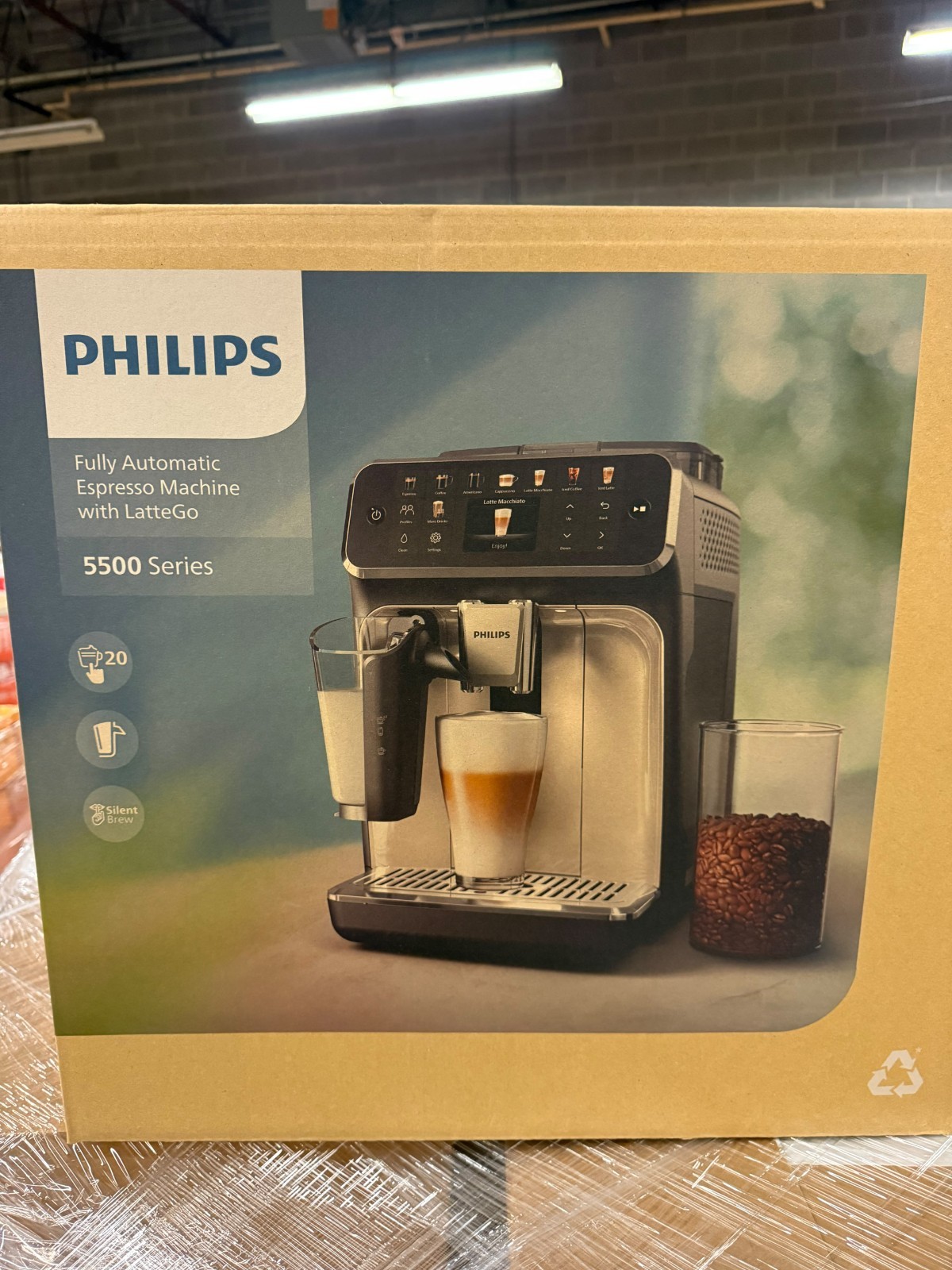
Philips Automatic Espresso Machine

Philips automatic espresso machines are built around the brand's proprietary LatteGo milk system and AquaClean water filtration, so buyers must first decide whether they want a true bean-to-cup machine with an integrated milk carafe or a simpler manual-steam wand model. The lineup splits into the 2200, 3200, and 5400 series, and the jump between tiers is defined by brew-group material, milk-system type, and display/connectivity rather than by cup quality alone. Most selection mistakes come from ignoring milk-system cleanup effort and overbuying a feature tier that duplicates a workflow you will not use daily.

Buying guide image
Home Ranges, Ovens & Cooktops

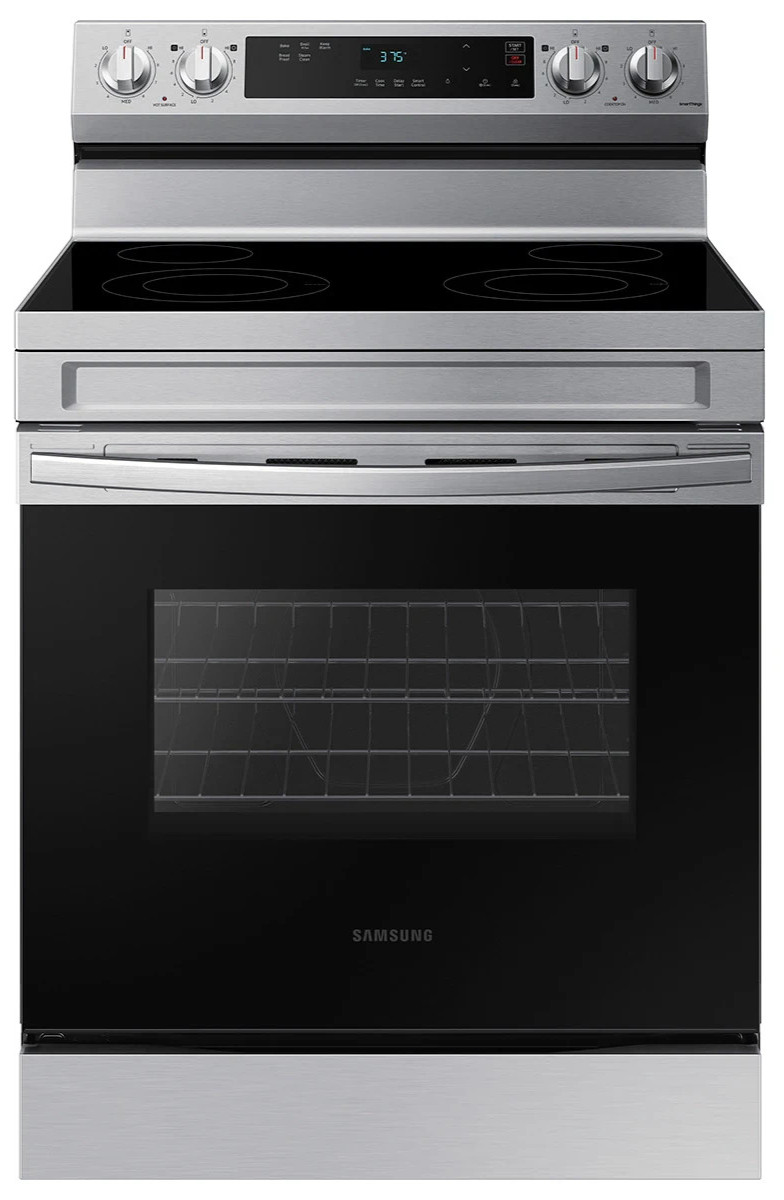
Smooth Electric Range

A smooth electric range pairs a glass-ceramic cooktop with a thermal or convection oven in one freestanding or slide-in unit. The core trade-off is radiant coil versus glass-top heating speed and scratch resistance versus oven capacity and convection airflow. Choose a true convection range with a 4-burner glass top for daily cooking; skip coil-only or non-convection models unless budget or durability against heavy cast-iron use is the priority.

Buying guide image
Cookware & Cutlery

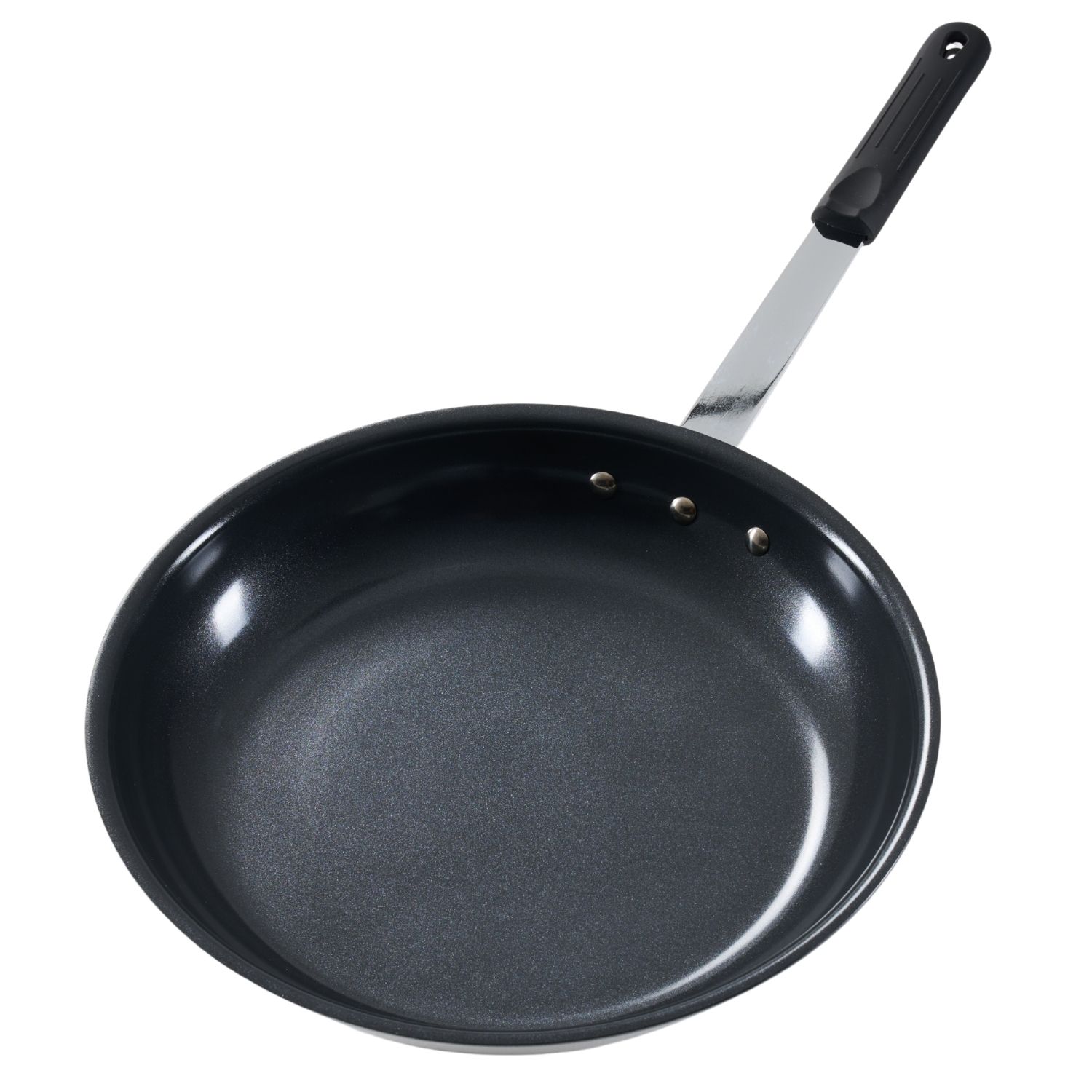
Ceramic Frying Pan

Ceramic frying pans use a sol-gel mineral coating on an aluminum or stainless-steel body to deliver PTFE-free nonstick release. The core trade-off is coating durability versus clean cooking: ceramic releases well initially but degrades faster than PTFE, so construction quality and coating thickness decide lifespan. Choose a ceramic pan only for low-to-medium heat egg and delicate tasks; for daily high-heat searing, pick a clad stainless or cast-iron pan instead.

Buying guide image
Bread Ovens & Dutch Ovens

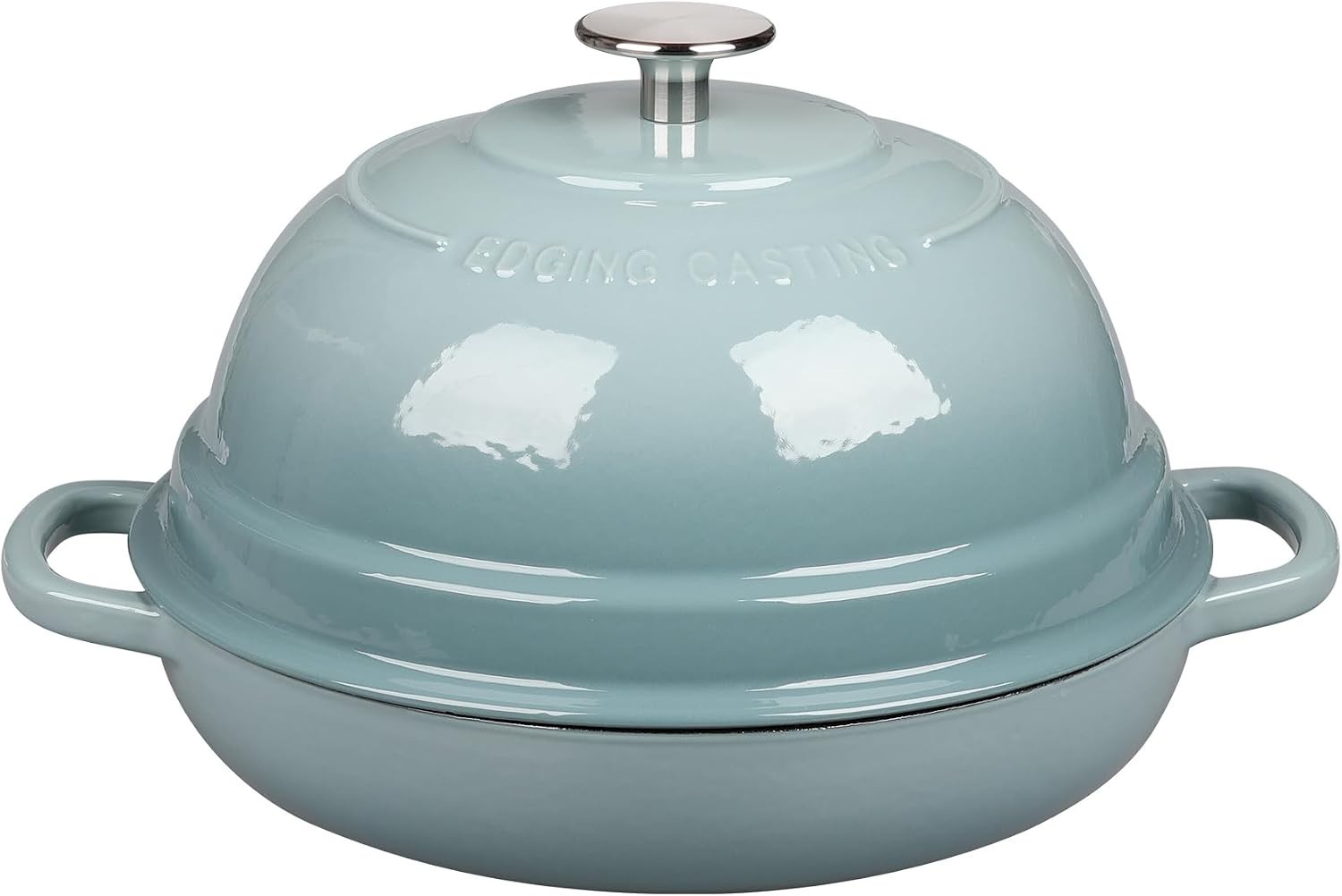
Le Creuset Pot

Le Creuset pots are enameled cast-iron Dutch ovens prized for even heat retention and chip-resistant enamel, with size and interior finish being the main trade-offs. The decisive rule: buy the smallest pot that fits your typical batch, and choose light interior enamel for bread or dark matte for searing.

Buying guide image
Coffee Scales

Espresso Scale

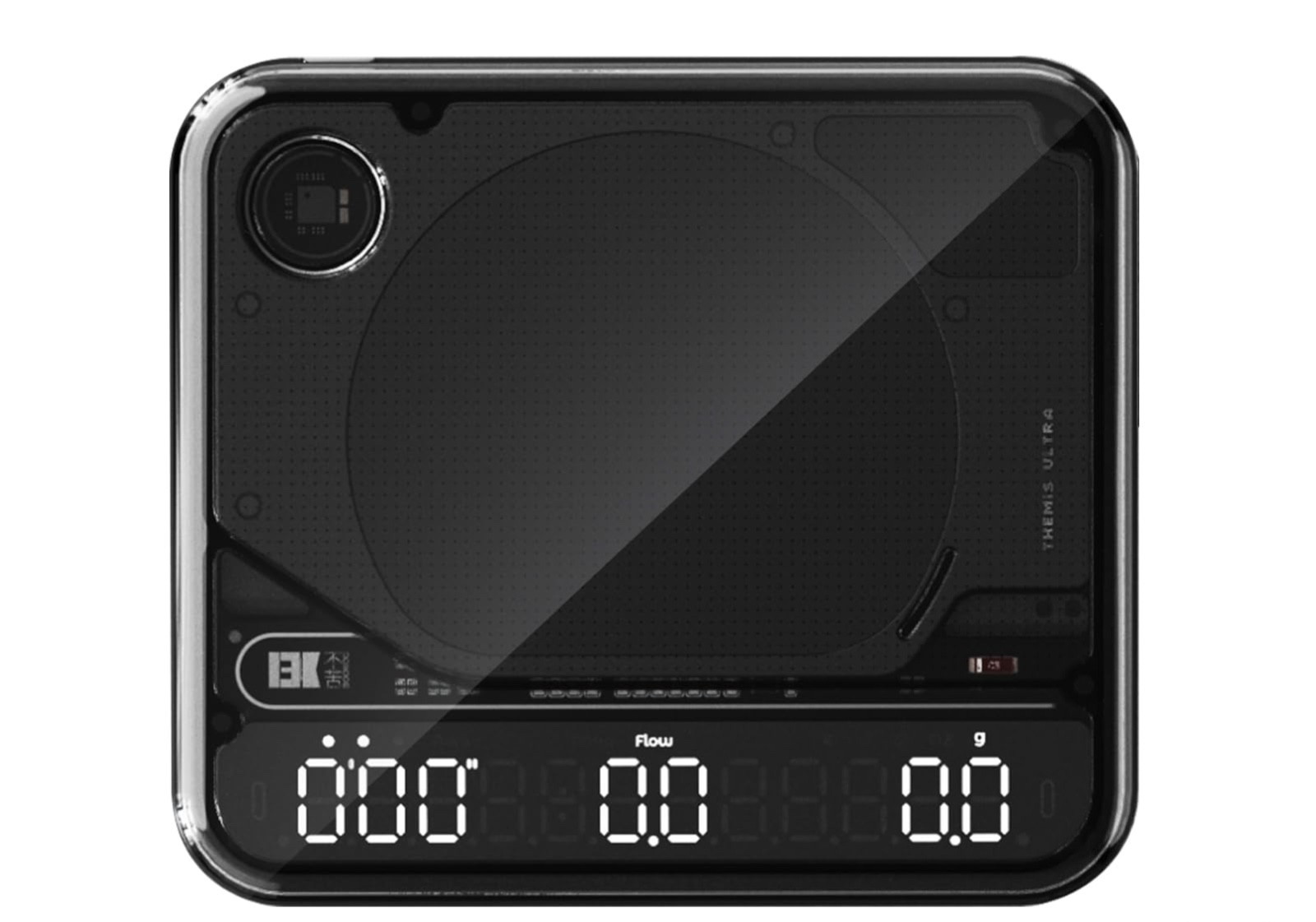
An espresso scale is a compact, high-resolution digital scale built to weigh 18–20 g doses and 36–40 g yields in real time, where the decisive trade-offs are load-cell resolution, response speed, and brew-proof sealing. Buy a 0.1 g-resolution scale with a fast, stable readout and a flow-rate timer for dialing in; skip 1 g kitchen scales and slow Bluetooth-only designs that lag behind the shot.

Buying guide image
Slow & Pressure Cookers

Instant Pot Electric Pressure Cooker

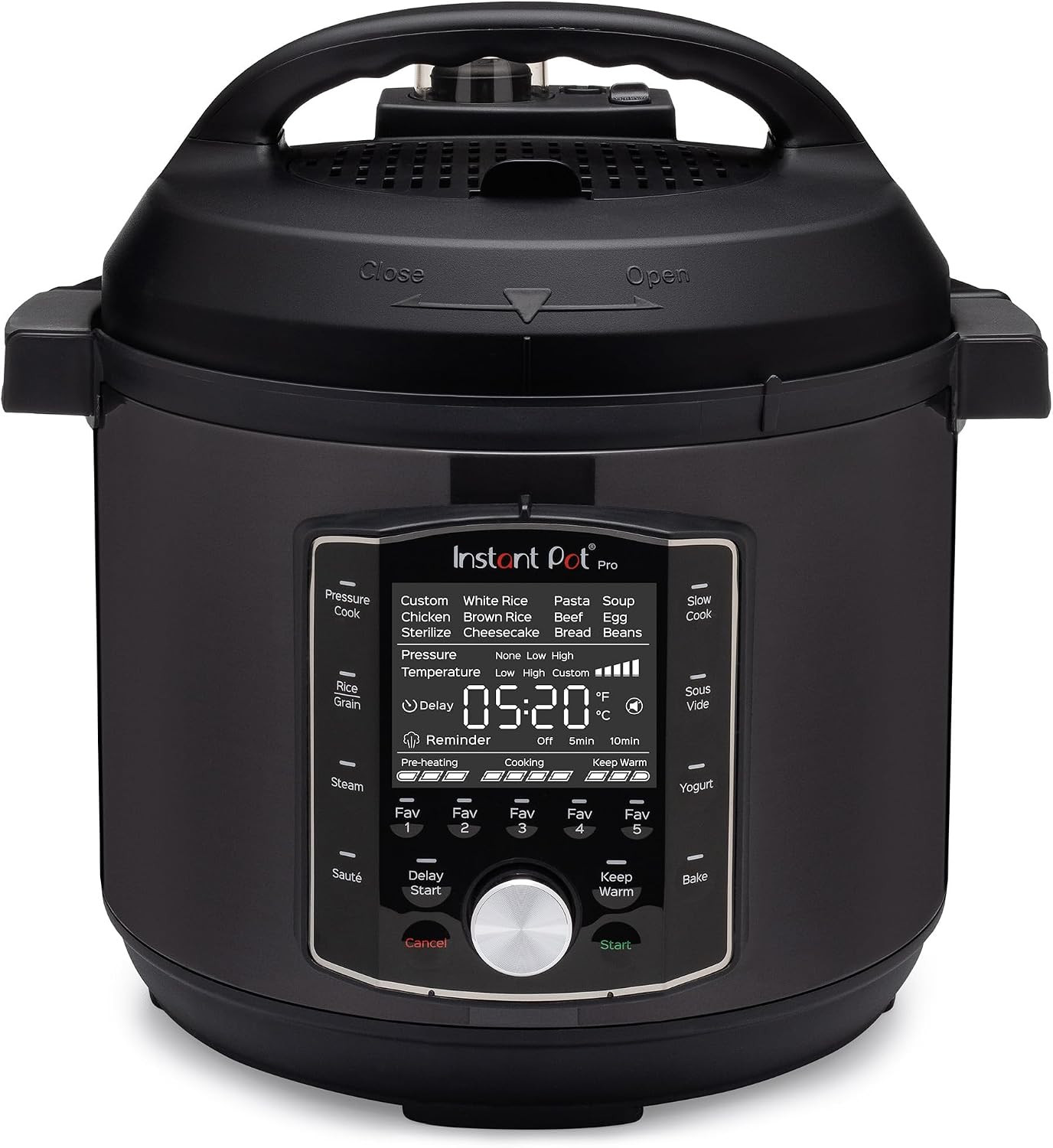
Instant Pot electric pressure cookers combine slow cooking, pressure cooking, and multi-functionality in one countertop appliance. The key trade-off is heating architecture: older coil-heated bases versus newer induction-ready or triple-temp sensors, which dictate sear quality and temperature stability. Choose a model with at least 10-in-1 functions and a stainless-steel inner pot for durability; skip budget units with nonstick aluminum inserts that scratch and degrade.

Buying guide image
Air Fryers

Smart Oven Air Fryer Pro

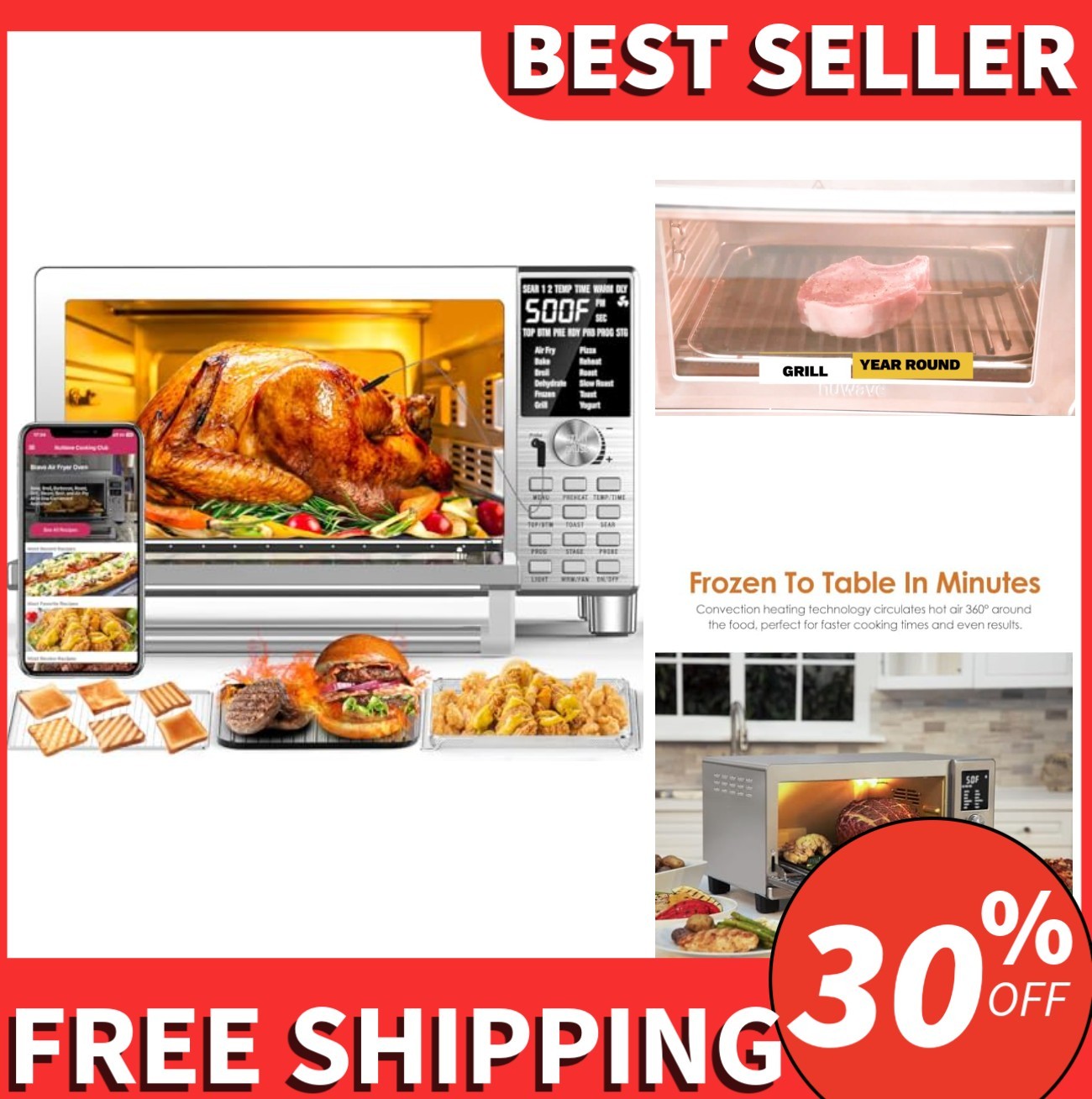
A smart oven air fryer pro is a countertop convection oven that combines air-frying, baking, broiling, and often dehydrating or proofing in one appliance, controlled by app or voice. The core trade-off is between large capacity and fast, even air-frying performance: bigger cavities need stronger convection fans and higher wattage to match the crispness of a dedicated basket air fryer. The decision rule is simple: choose a model with a high-speed convection fan (air-fry mode) and at least 1800W if air-frying is primary; choose a larger, lower-wattage oven only if baking and roasting dominate.

Buying guide image
Dishwashers

Frigidaire Dishwasher

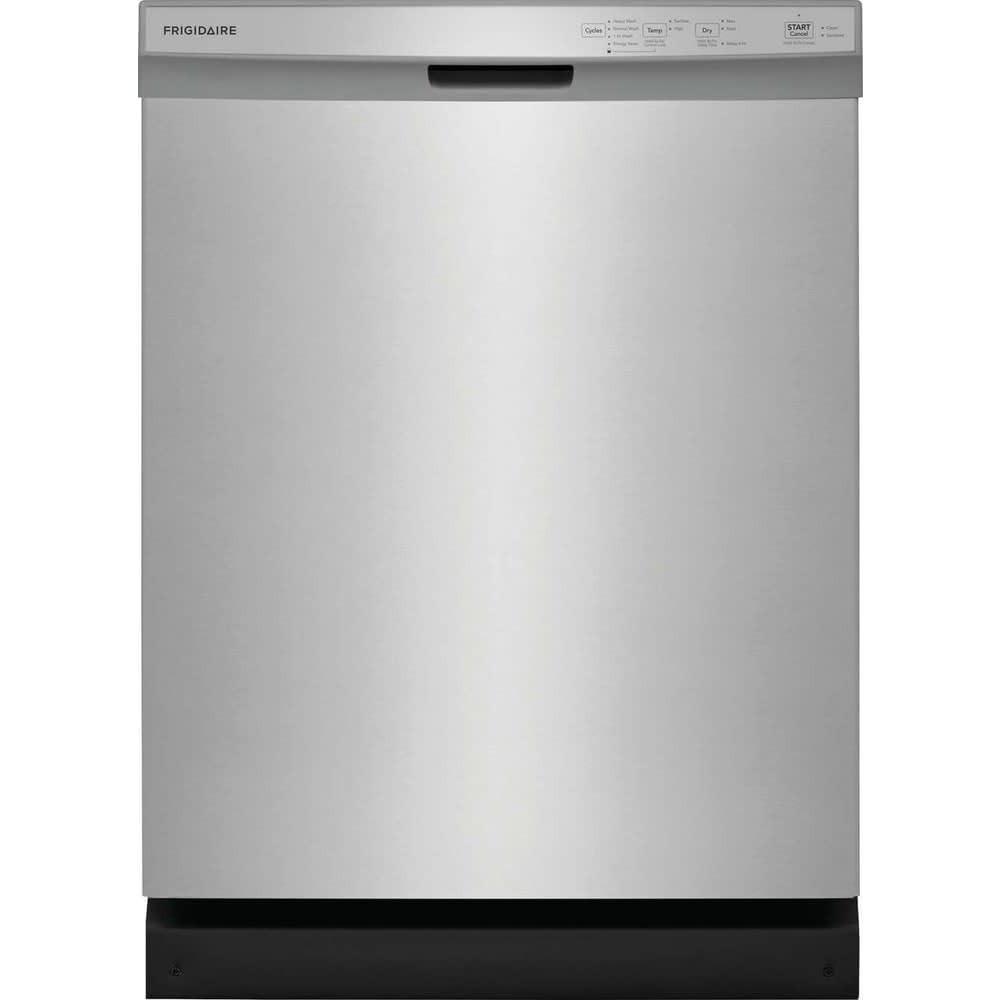
Frigidaire dishwashers are a mainstream appliance line split into three distinct tiers: entry-level 54 dBA built-ins, mid-tier 49-52 dBA models with upgraded wash arms, and premium Bosch-adjacent units with third-rack cutlery and stainless tubs. The core trade-off is wash-system architecture and noise insulation versus price: cheaper models use plastic tubs and exposed heating elements, while step-up models add stainless interiors, sensor wash, and quieter brushless pumps. The decision rule is simple: buy the highest dBA rating you can tolerate and demand a stainless tub if you run more than one load daily.

Buying guide image
Toasters & Ovens

Chefman Pizza Oven

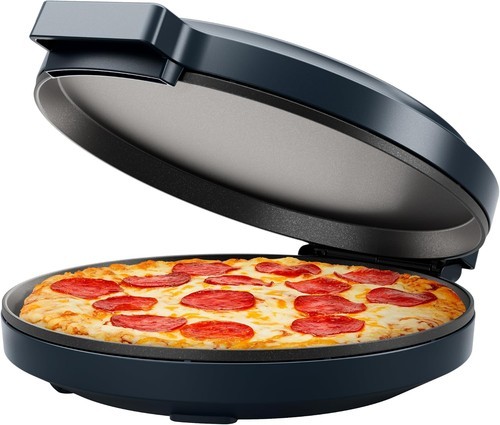
Chefman pizza ovens are countertop electric appliances that aim to deliver high-heat pizza baking without a dedicated outdoor oven. The key trade-off is between maximum temperature (typically 700-800°F for Neapolitan-style char) and the countertop footprint/price of the unit. Choose a Chefman model with a stone and top-and-bottom heating elements if you want crisp crust; skip budget models with only a single heating element and no stone.

Buying guide image
Tableware, Drinkware & Serving

Melamine Dish Set

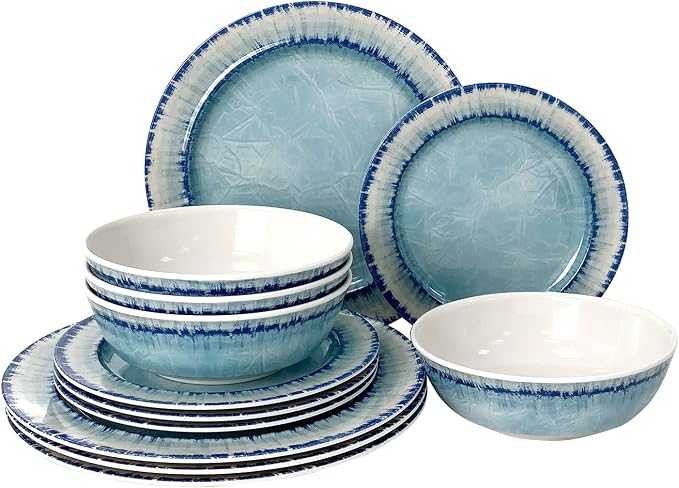
Melamine dish sets are molded thermoset resin tableware that mimics ceramic but resists drops and chips, making them the default choice for patios, dorms, and family dining. The core trade-off is between standard compression-molded melamine with visible mold seams and premium heavy-gauge sets with smooth rolled rims and thicker walls. The decision rule: buy a set rated dishwasher-safe on the top rack with a minimum 4mm rim thickness and no exposed bottom mold flash; skip anything that smells of formaldehyde or flexes under thumb pressure.

Buying guide image
Tableware, Drinkware & Serving

Sport Water Bottle

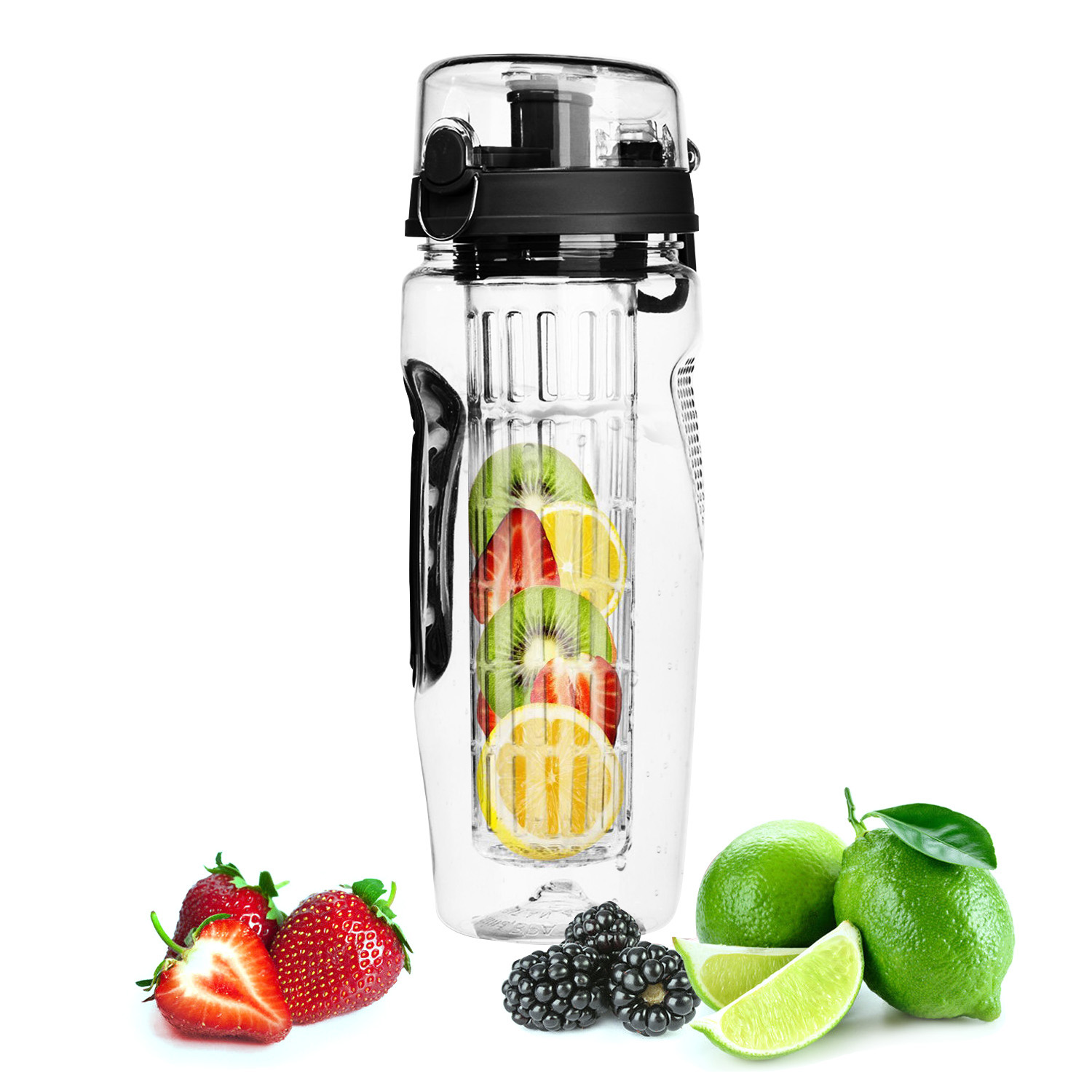
Sport water bottles are high-hydration vessels built for movement, where the core trade-off is between squeeze-friendly plastic, durable stainless steel, and insulated vs. uninsulated construction. The decision rule: pick a bottle that matches your activity's carry method and cleaning routine—wide-mouth plastic for runners who squeeze, insulated stainless for all-day cold, and shaker-style for powder mixes.

Buying guide image
Tableware, Drinkware & Serving

Water Glasses Set

A water glasses set is a matched collection of tumblers or goblets intended for everyday cold beverages, where the key trade-off is between soda-lime glass affordability and lead-free crystal or tempered durability. Buyers must choose between thin-wall elegance that chips easily and thicker, tempered glass that survives daily use. The decisive rule: for daily use, prioritize tempered or lead-free crystal with a thick base; for occasional entertaining, thin soda-lime is acceptable if hand-washed.

Buying guide image
Food Preparation

Veggie Chopper

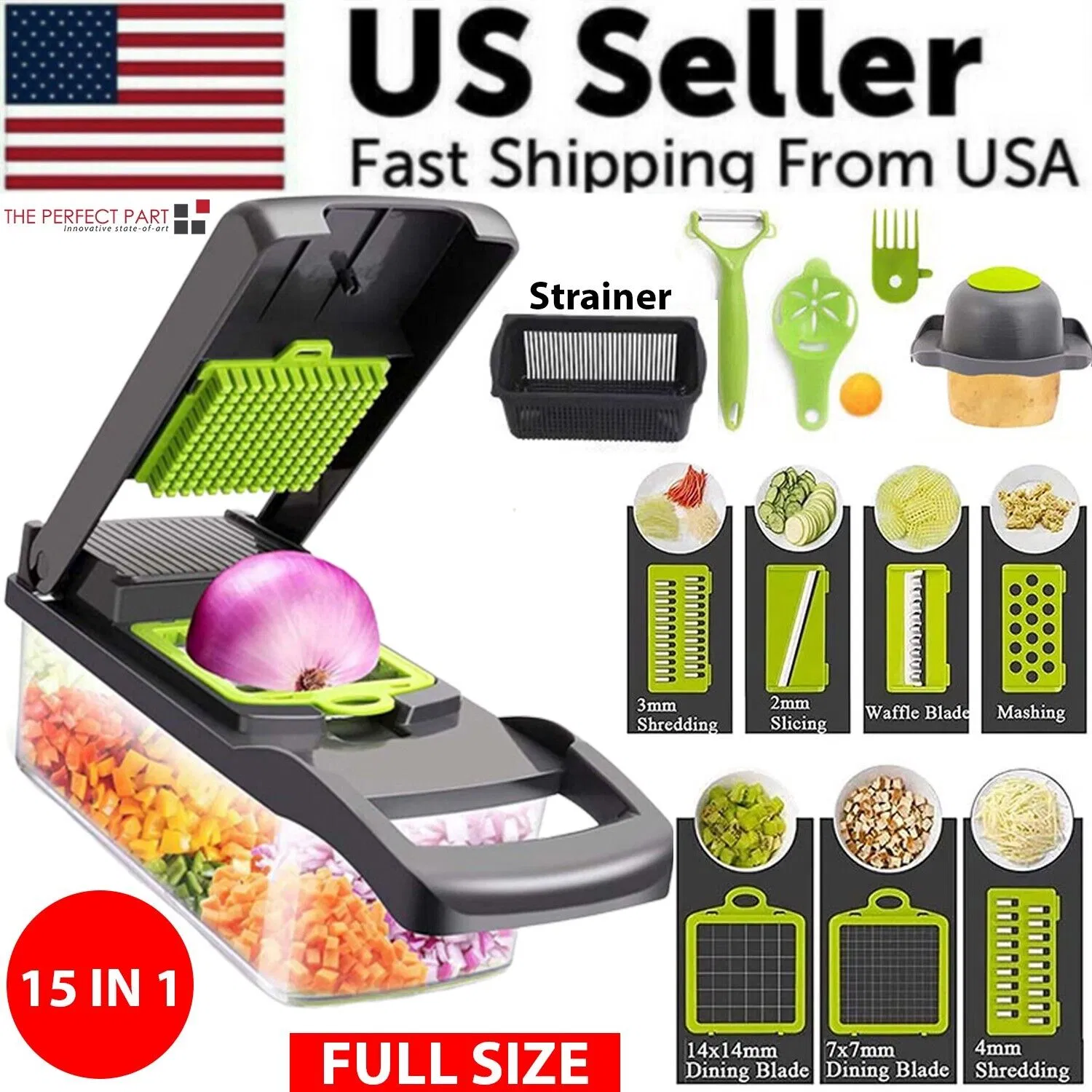
A veggie chopper is a manual kitchen tool that uses interchangeable blades and a press mechanism to dice, slice, shred, or grate produce into a collection container. The primary trade-off is between blade steel quality and frame durability versus the convenience of multi-blade kits, where more accessories often mean thinner plastics and looser tolerances. Choose a chopper with stainless-steel blades and a reinforced, BPA-free frame with a secure lid lock if you want years of service; skip high-piece-count kits with thin blades and flimsy hinges.

Buying guide image
Vacuum Sealers

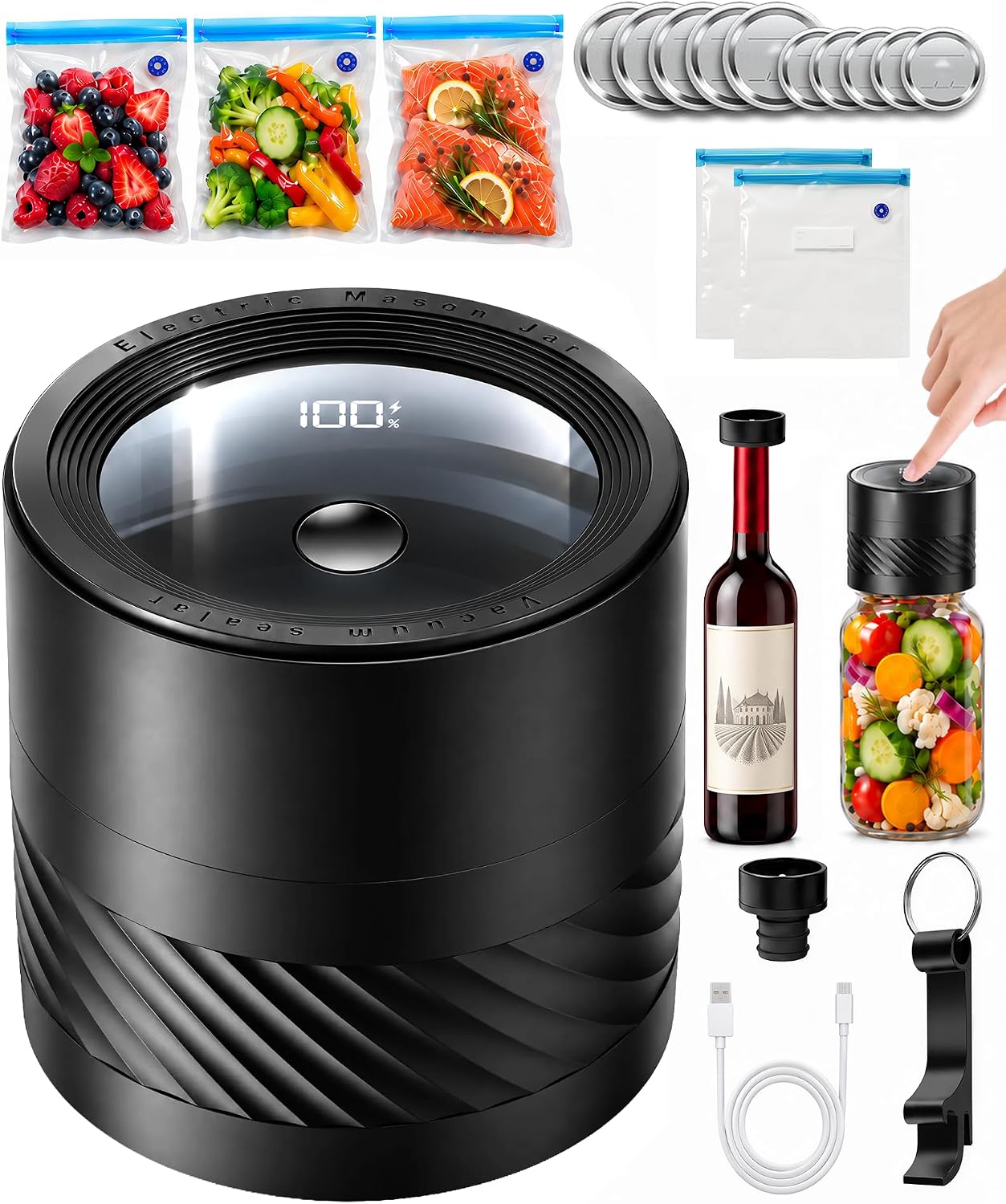
Electric Mason Jar Sealer

An electric Mason jar sealer is a handheld or countertop pump that evacuates air from standard canning jars to extend dry-goods and refrigerated storage life. The core trade-off is sealing compatibility versus pump architecture: wide-mouth and regular-mouth adapter fit, and whether the unit supports bag sealing or jar vacuum only. Buy only if the adapter matches your jar thread standard and the pump is rated for continuous duty; skip units whose sole interface is a single-mouth gasket with no replacement parts.

Buying guide image
Coffee Makers & Espresso

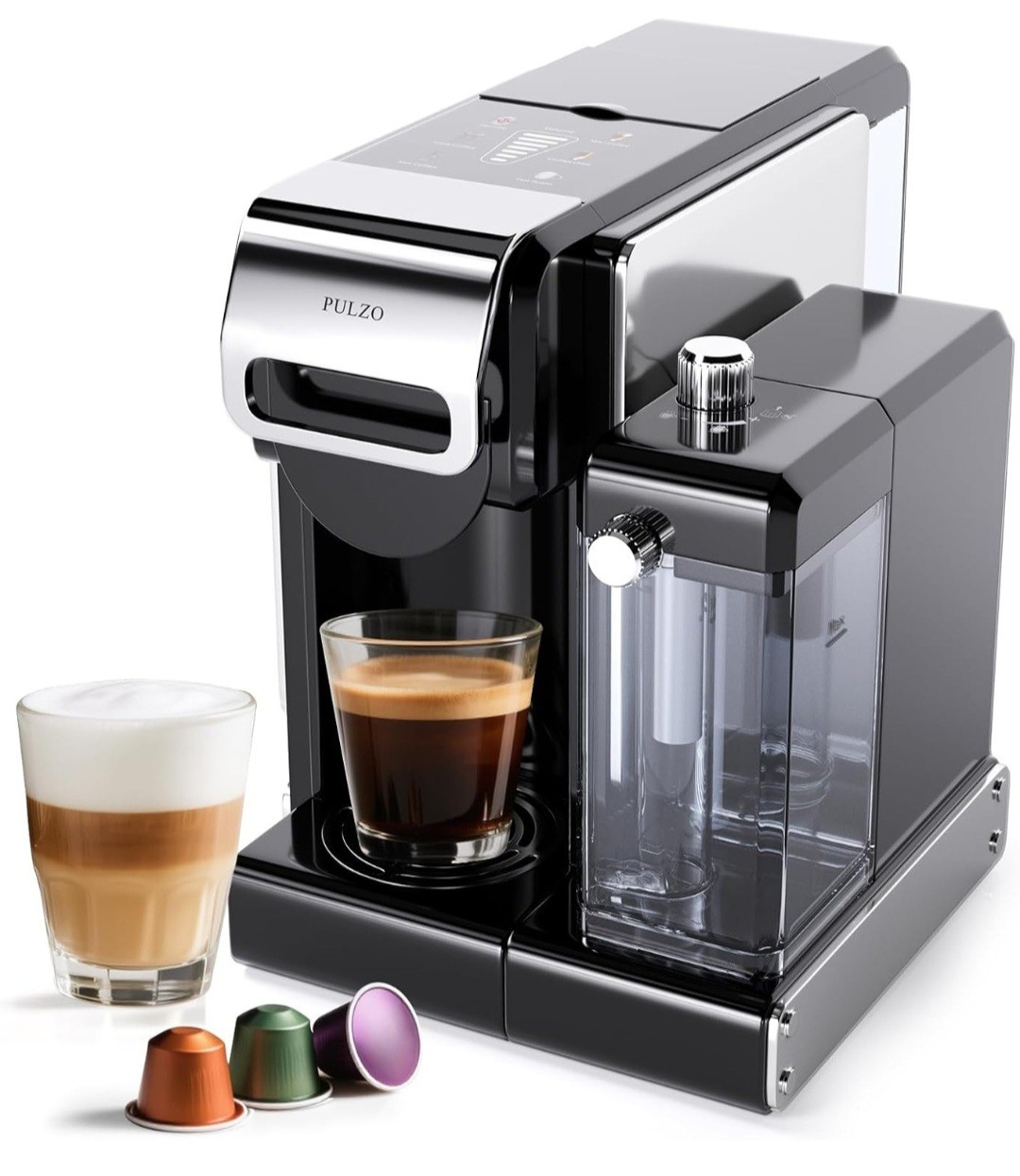
Coffee Machine With Milk Frother

A coffee machine with milk frother combines espresso or capsule brewing with either a steam wand, automatic frothing module, or standalone frother to produce lattes and cappuccinos at home. The core trade-off is frothing mechanism versus thermal stability: manual steam wands demand technique but offer control, while automatic or capsule systems trade milk texture quality and rebuildability for convenience. The clear decision rule: buy a machine with a real steam wand or a dedicated automatic frother module and a thermoblock or boiler rated for back-to-back shots—skip anything that frothens via a pressurized 'steam' nozzle attached to a low-pressure pump.

Buying guide image
Coffee Makers & Espresso

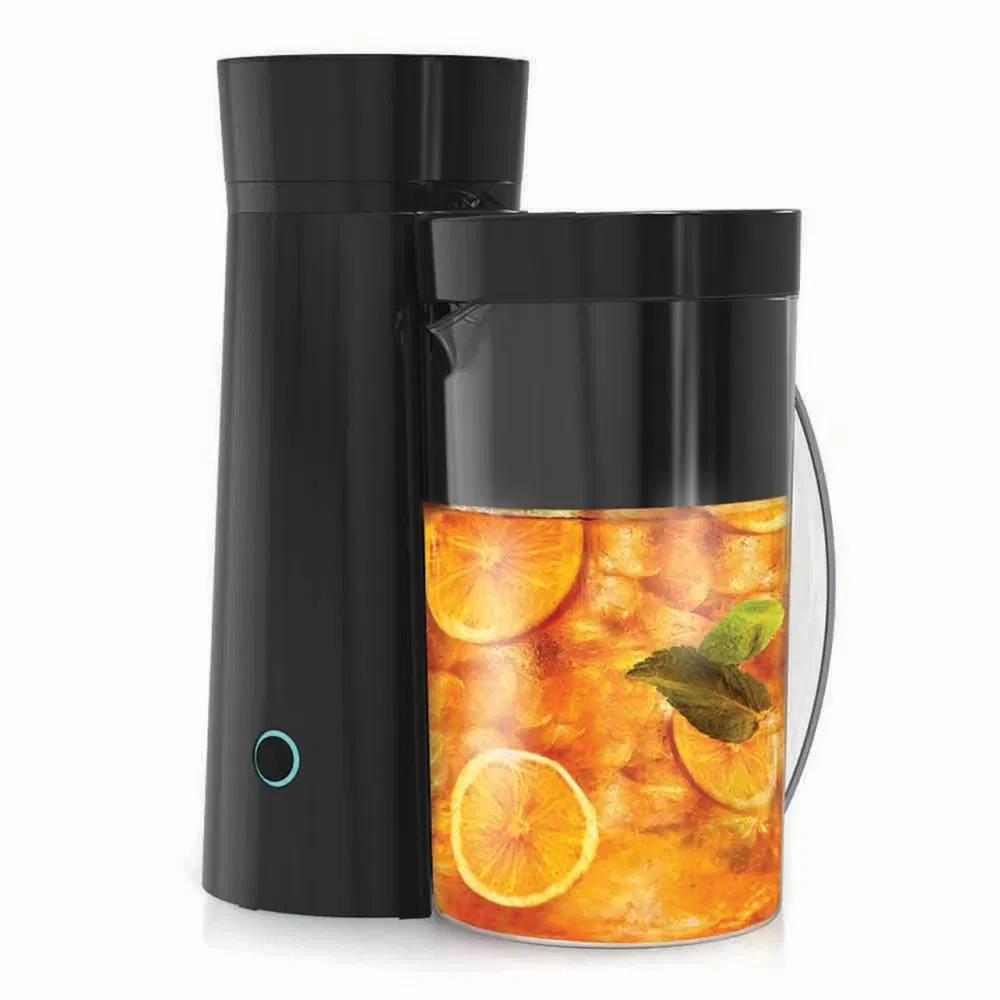
Iced Tea Maker

An iced tea maker is a countertop appliance that brews hot tea concentrate and chills it directly into a pitcher, eliminating the dilution and cloudiness of fridge-steeped methods. The core trade-off is between simple drip-brew chillers and programmable steep-and-release machines: the former are durable but manual, while the latter add temperature control and timed steeping at the cost of more electronics. Buy a steep-and-release model with a removable, dishwasher-safe pitcher and a reusable mesh filter if you brew weekly; choose a basic drip chiller only for occasional, single-strength batches.

Buying guide image
Coffee Makers & Espresso

Philips Fully Automatic Espresso Machine

Philips fully automatic espresso machines are built around the LatteGo milk system and ceramic grinders, with model tiers separated by milk handling, brew-group removal, and interface. Buyers frequently misjudge which Series (2200, 3200, 5400) actually delivers the milk texture or drink menu they want, and overlook that all use the same 15-bar pump and AquaClean filter ecosystem. Get the milk system and brew-group access right first—they define daily cleaning effort more than any spec sheet claim.

You may also like

Finding more guides for you…