Kitchen Gear Wise

Kitchen Gear Wise

Kitchen Gear Reviews & Buying Guides

Compare kitchen gear by use case, features, trade-offs, price, returns, and seller terms before you buy.

Buying guides

Buying guide image
Home Ranges, Ovens & Cooktops

Built In Electric Oven

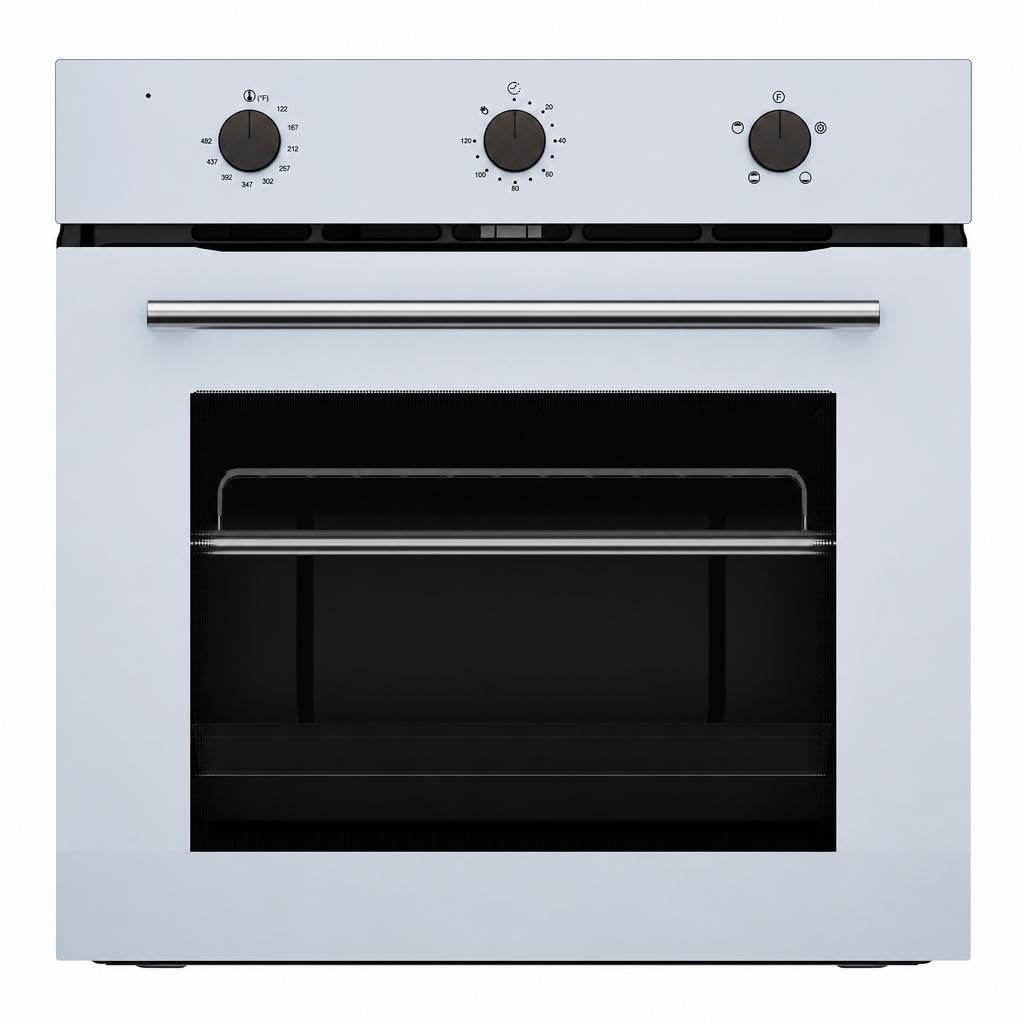
A built-in electric oven is a wall- or cabinet-mounted cooking appliance that trades the all-in-one footprint of a freestanding range for dedicated cabinet integration and often larger capacity. The core trade-off is heating architecture: true European convection (fan + third element) delivers even multi-rack baking, while single-element radiant ovens create hot spots that force pan rotation. Choose convection with a hidden bake element and a self-clean cycle for durable daily performance; skip basic radiant models unless you bake one sheet pan at a time.
Buying guide image
Cookware & Cutlery

Stainless Steel Camping Cookware

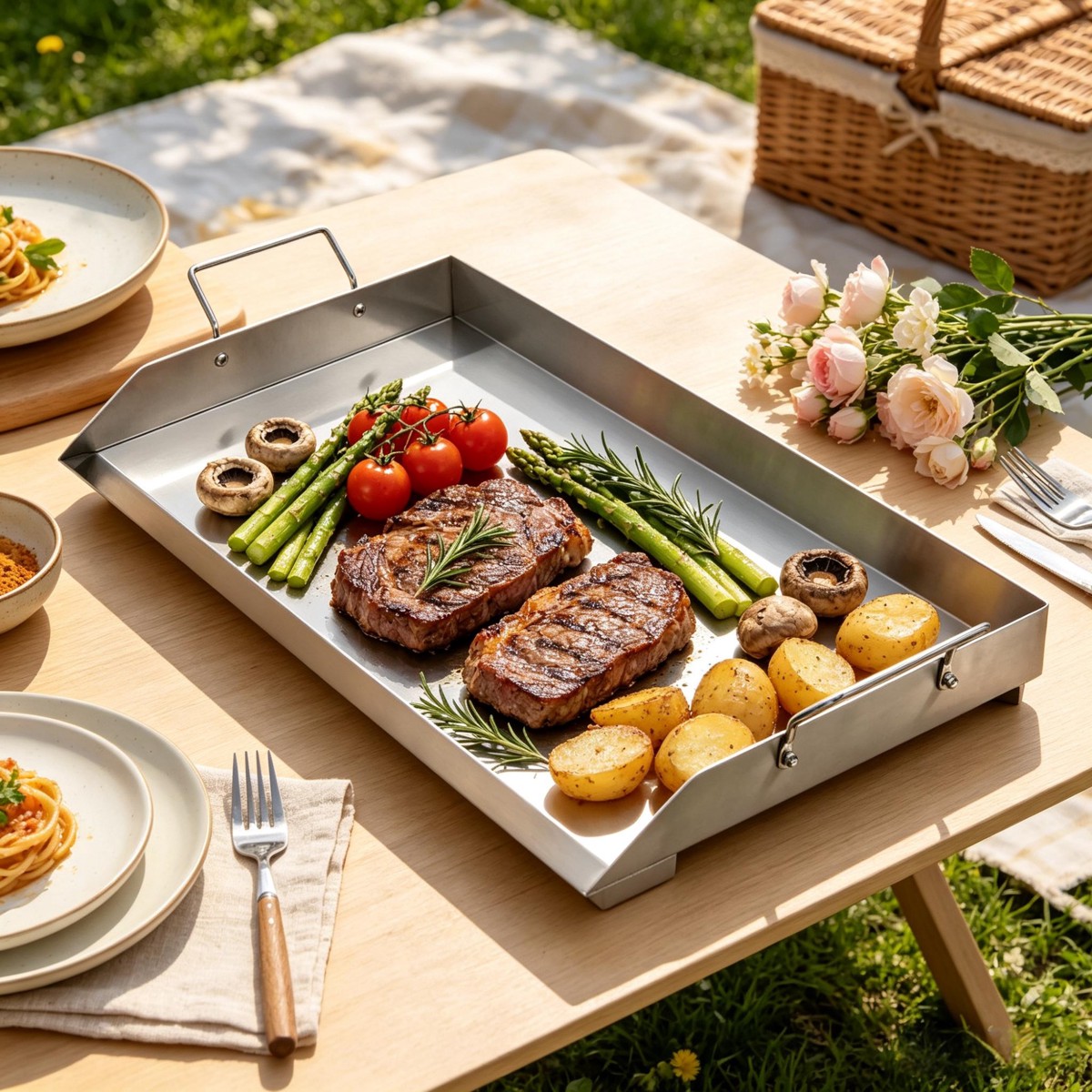
Stainless steel camping cookware is a nestable set of pots, pans, and plates built for durability and even heat on open flames or camp stoves. The primary trade-off is between thin, lightweight 18/8 stainless that heats fast but scorches, and thicker 3-ply or 5-ply construction that distributes heat but adds pack weight. The decision rule is simple: choose 18/10 stainless with an aluminum core for real cooking, or accept a budget single-wall set only for boiling water and reheating.

Buying guide image
Home Refrigerators, Freezers & Wine Coolers

Mini Beer Fridge

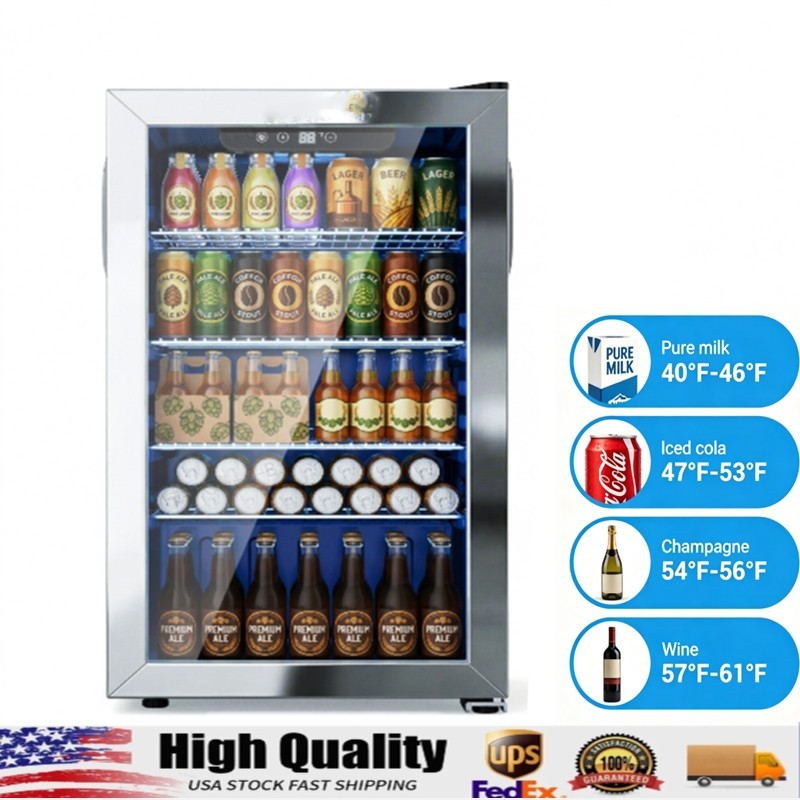
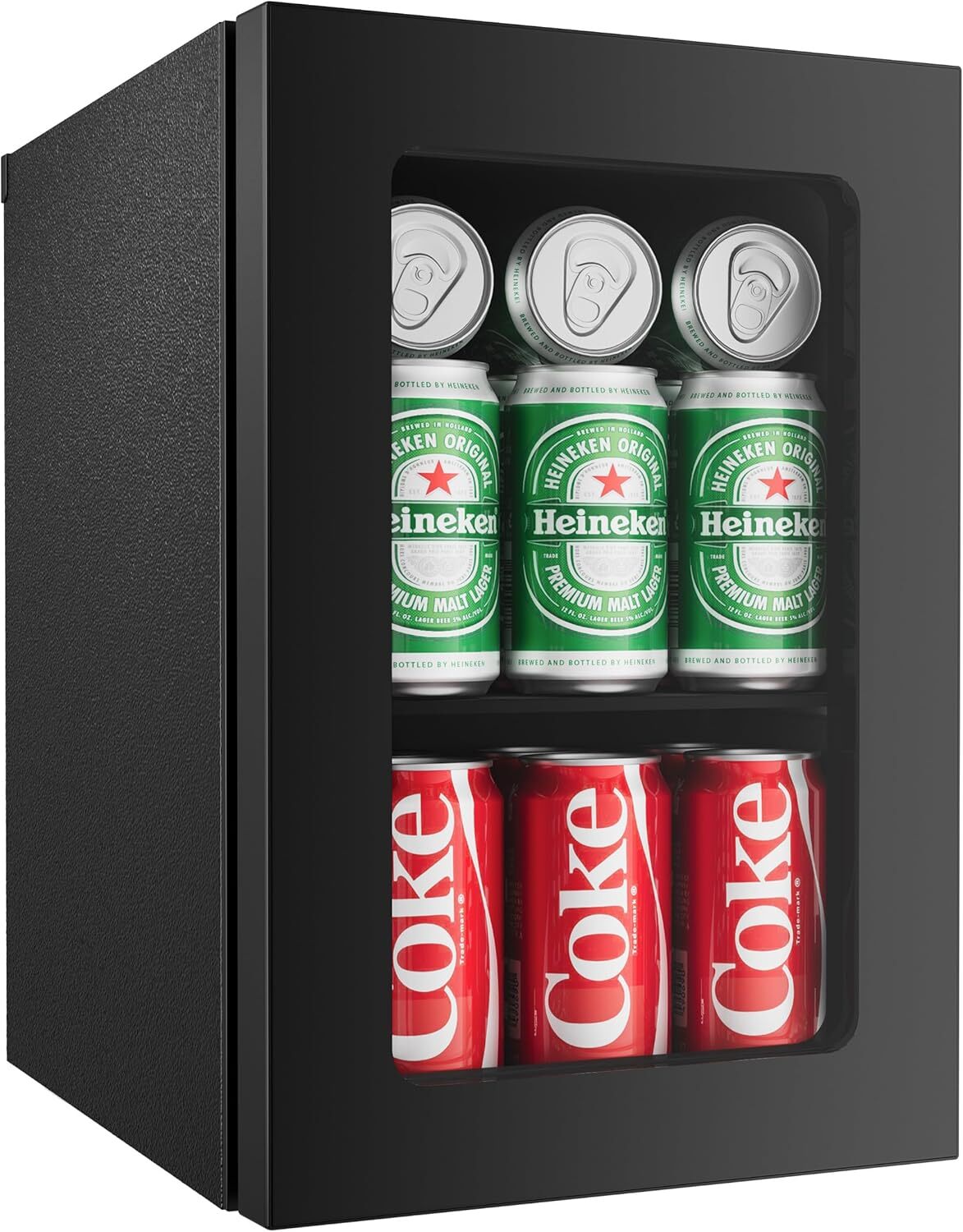
A mini beer fridge is a compact beverage cooler with a glass door, adjustable shelving, and a compressor or thermoelectric cooling core sized for cans and bottles rather than groceries. The core trade-off is capacity versus temperature precision: thermoelectric units are quiet and cheap but struggle below 45°F in hot rooms, while compressor units hit true beer-serving temps (34-40°F) reliably. The decision rule: buy a compressor-driven unit rated for your can count and room temperature if you want cold, consistent beer; choose thermoelectric only for climate-controlled rooms and casual short-term chilling.

Buying guide image
Air Fryers

Air Fryer Easy Clean

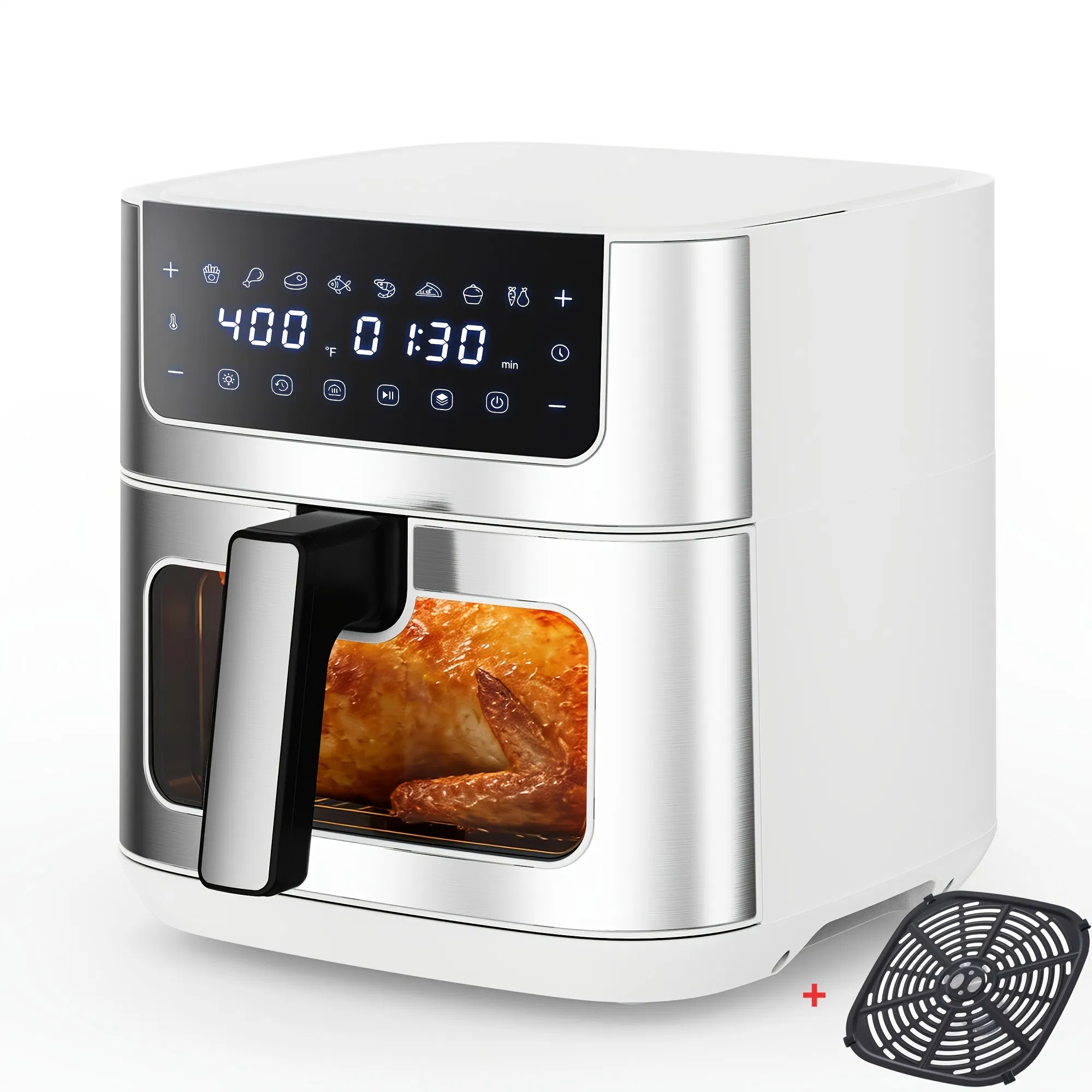
An easy-clean air fryer is defined by removable, dishwasher-safe parts and a nonstick coating that survives real use without flaking or staining. The core trade-off is ceramic vs. PTFE nonstick: ceramic resists scratching and high heat but degrades faster; PTFE releases food better but scratches easily and is heat-limited. The decision rule: buy only if the basket and crisper plate are both removable and labeled dishwasher-safe, and skip any model with a fixed or non-removable heating element guard.

Buying guide image
Coffee Makers & Espresso

Automatic Latte Machine

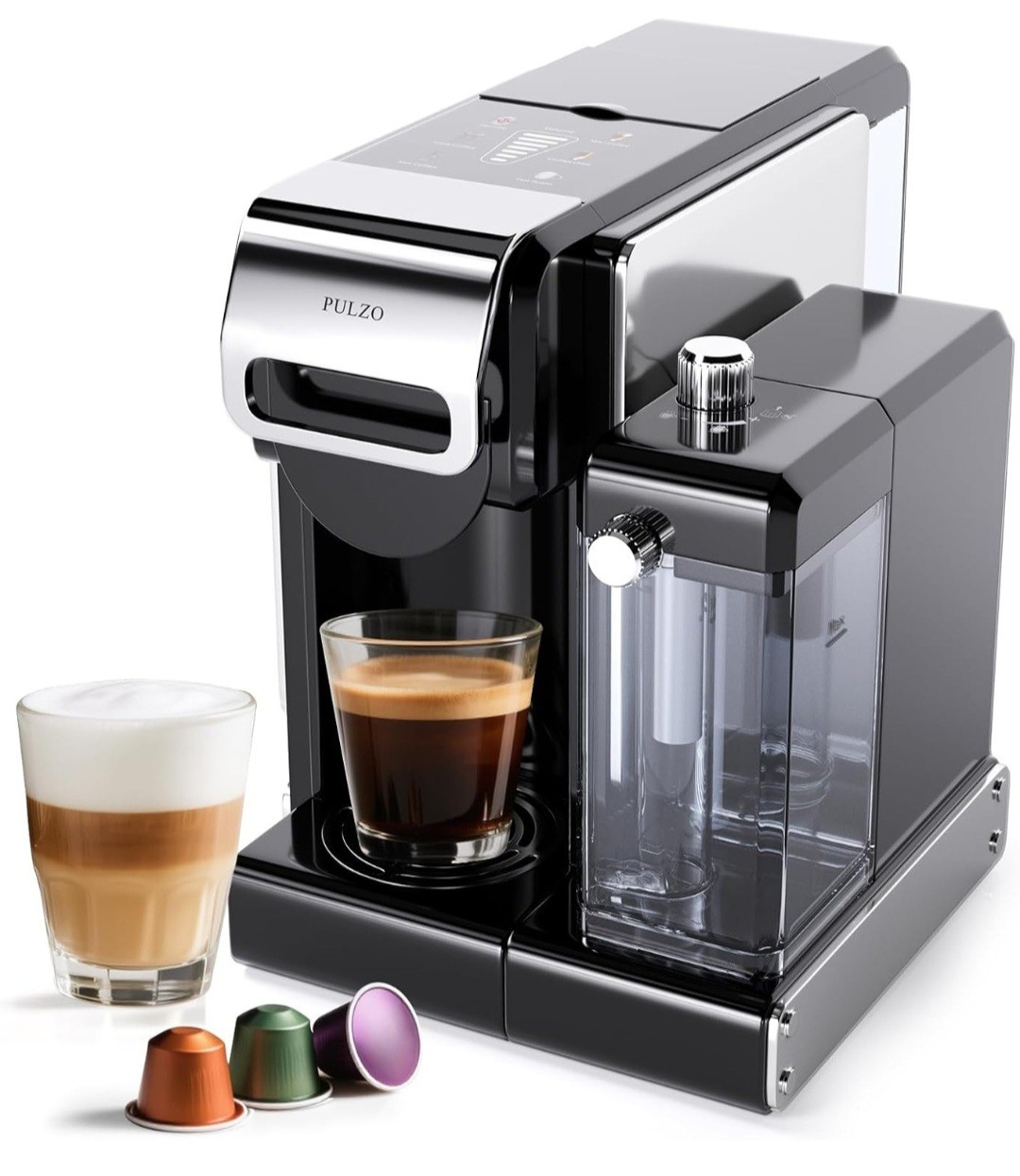
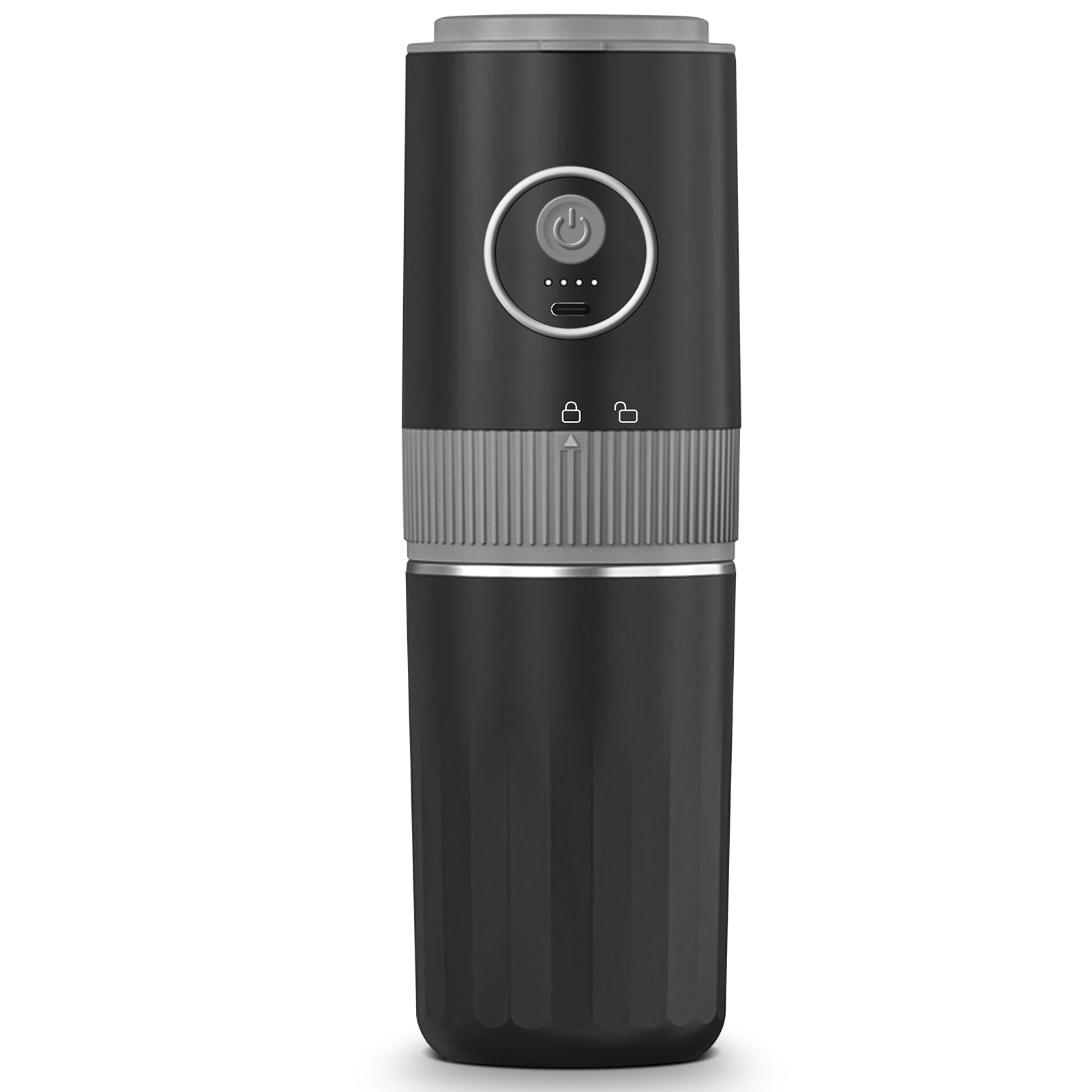
An automatic latte machine combines espresso extraction with automated milk frothing or steaming to produce latte and cappuccino-style drinks with minimal manual technique. The key trade-off is milk-system architecture: integrated steam wands or thermoblocks demand barista skill, while automatic milk carafes or capsule-based frothers trade fresh-milk quality and cleaning effort for push-button consistency. Choose an automatic milk-frothing system if repeatable one-touch milk drinks matter most; choose a semi-automatic with a steam wand if you want control over microfoam and extraction.

Buying guide image
Coffee Cleaning & Accessories

Coffee Bar Mat

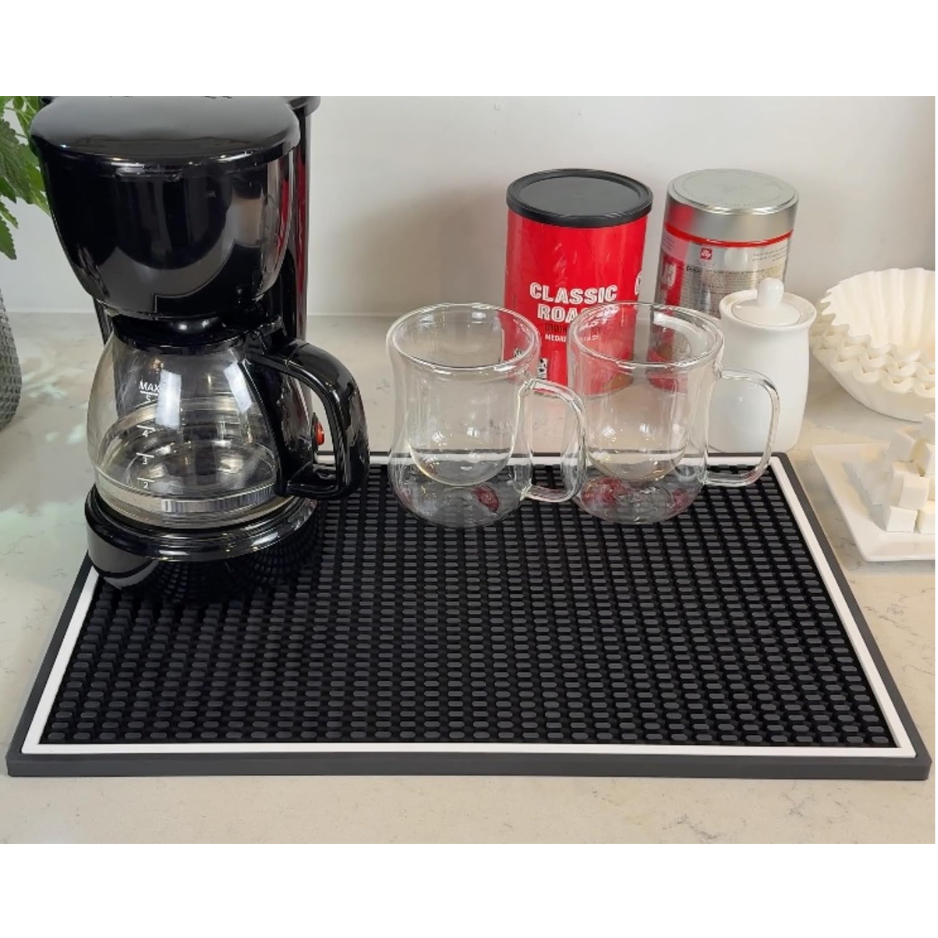
A coffee bar mat is a waterproof, non-slip landing pad that protects countertops from espresso splatter, milk drips, and hot group-head flushes while corralling cups and tampers. The core trade-off is silicone thickness and raised-edge geometry versus thin absorbent fabric or flat PVC: only 2–3 mm food-grade silicone with a perimeter lip actually contains liquid and resists heat without curling. Choose a lipped silicone mat sized 1–2 inches larger than your machine footprint; skip fabric or flat PVC mats if you pull daily espresso.

Buying guide image
Air Fryers

Air Fryer Non Toxic

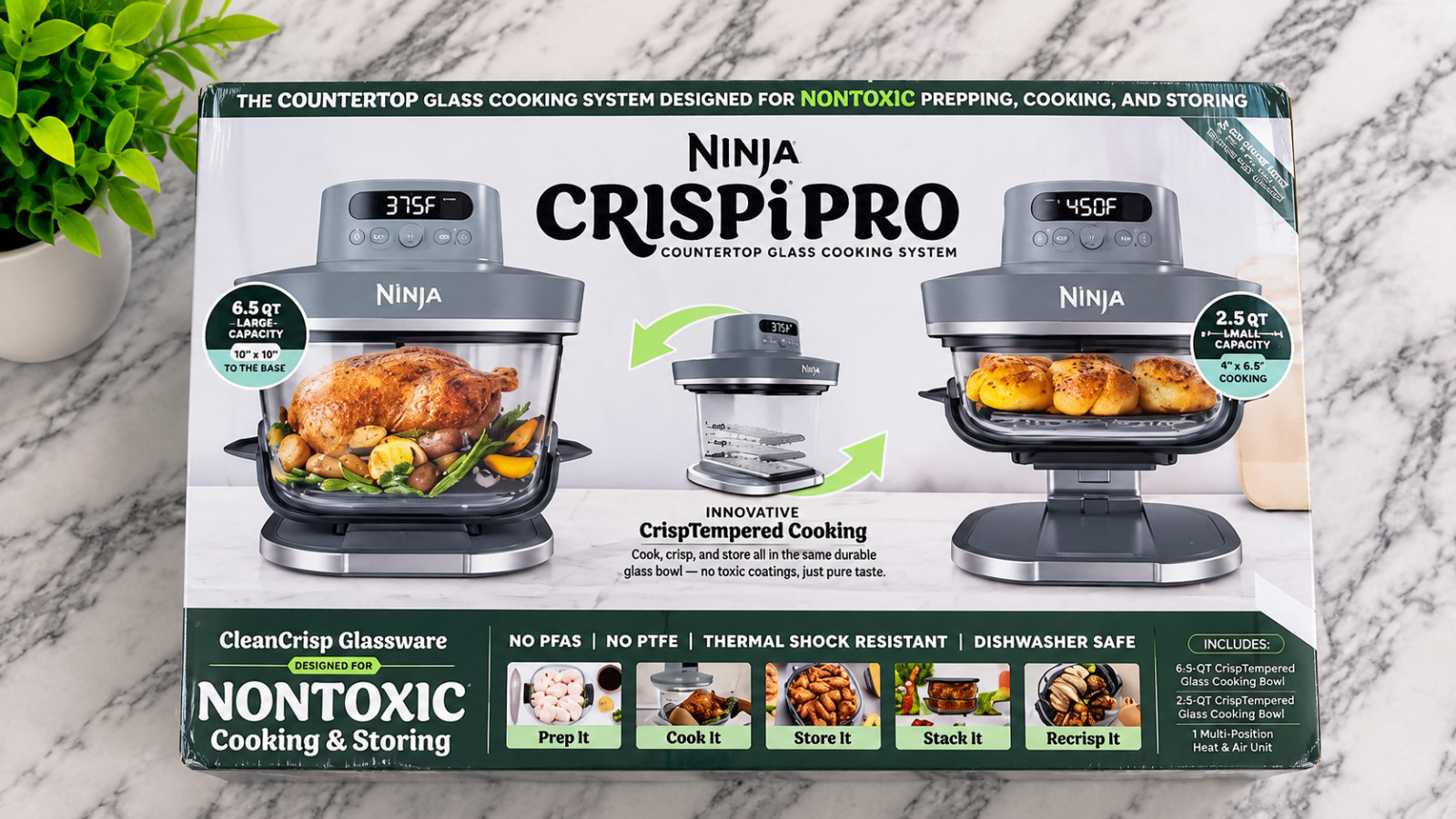
Non-toxic air fryers are countertop convection ovens built with food-contact surfaces free of PFAS, PFOA, lead, and cadmium, typically using ceramic, glass, or 304 stainless steel instead of PTFE nonstick coatings. The core trade-off is coating durability versus chemical safety: PTFE and generic nonstick release fumes above 500°F and degrade with scratches, while ceramic and stainless steel avoid fluoropolymers but demand gentler cleaning and can stick without oil. The decision rule is simple: choose a model with a fully ceramic or stainless food chamber and a glass or stainless basket, and reject any air fryer whose interior is unlisted 'nonstick' coated aluminum with no material disclosure.

Buying guide image
Air Fryers

Electric Air Fryer

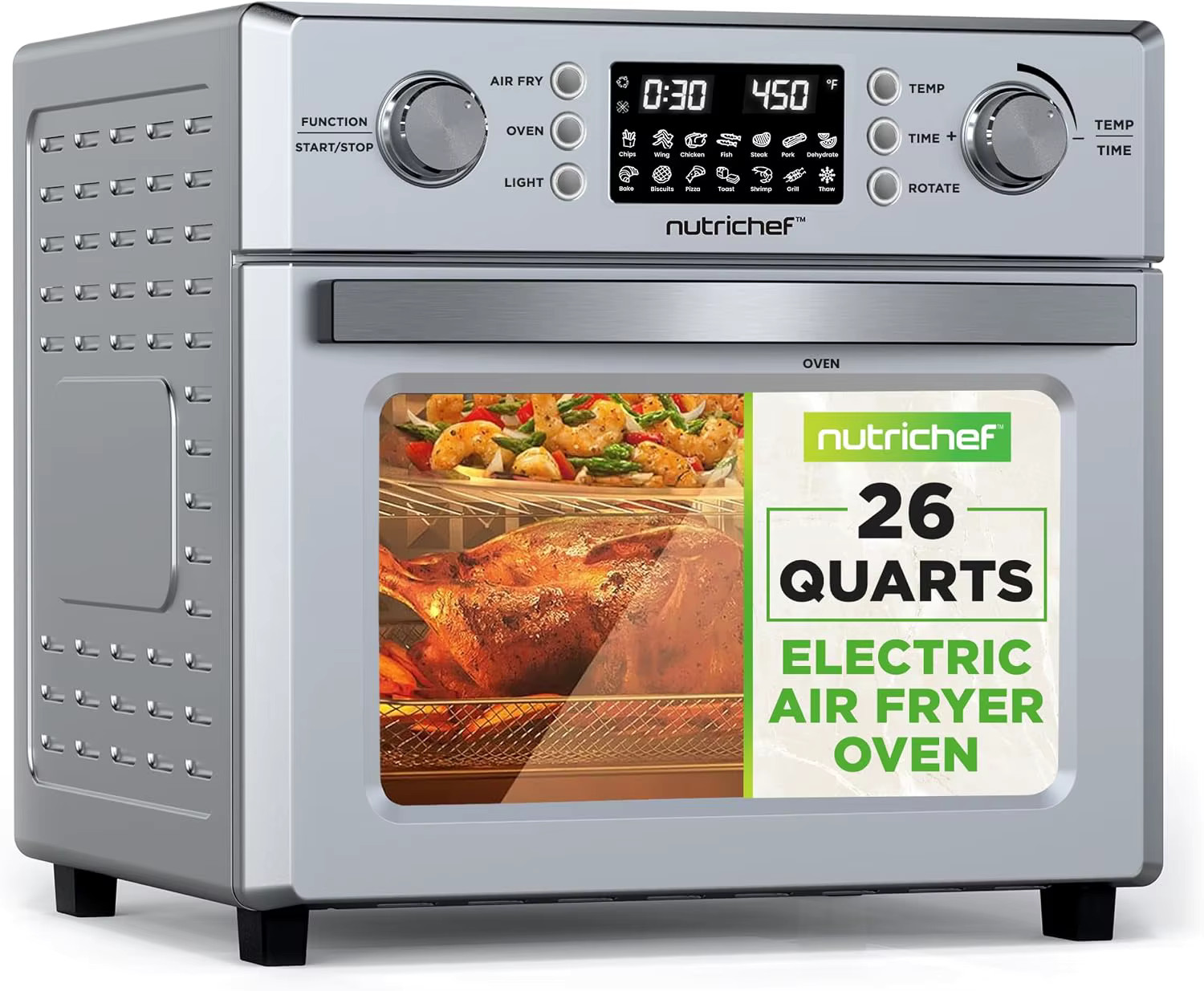
Electric air fryers are countertop convection ovens that use a high-speed fan and concentrated heating element to crisp food with minimal oil, and the primary trade-off is between basket-style rapid air circulation (fast, easy cleanup) and oven-style flat-rack capacity (larger batches, more even browning). The clear decision rule: buy a dedicated basket air fryer only if you cook for 1–3 people and value speed and simple cleaning; step up to an oven-style or dual-basket model for family batches or simultaneous dishes, and avoid any unit without a removable, dishwasher-safe basket and a verifiable wattage rating for your countertop circuit.

Buying guide image
Dishwashers

White Whirlpool Dishwasher

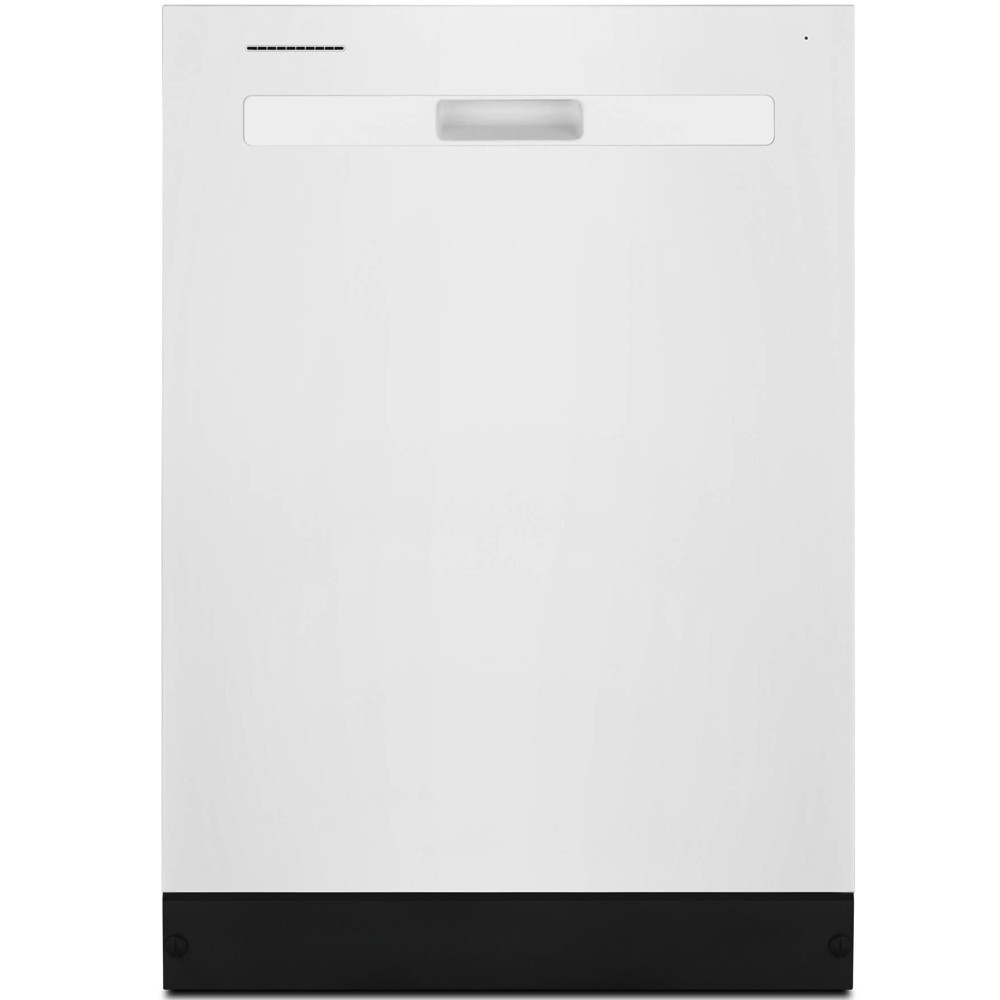
White Whirlpool dishwashers are full-size built-in units with a factory white finish, sold across three core tiers: entry plastic-tub, mid-grade stainless-tub, and higher-end models with third-rack and sensor wash. The primary trade-off is tub material and wash-system architecture: plastic tubs cost less but retain odors and run louder, while stainless tubs with a food disposer or hard-food grinder deliver quieter, more durable cleaning. The clear decision rule is to buy stainless-tub, at least 50 dBA, and a soil sensor for daily family use; choose plastic-tub only for light-duty or rental applications where budget is the hard constraint.

Buying guide image
Water Filtration

RV Water Filter

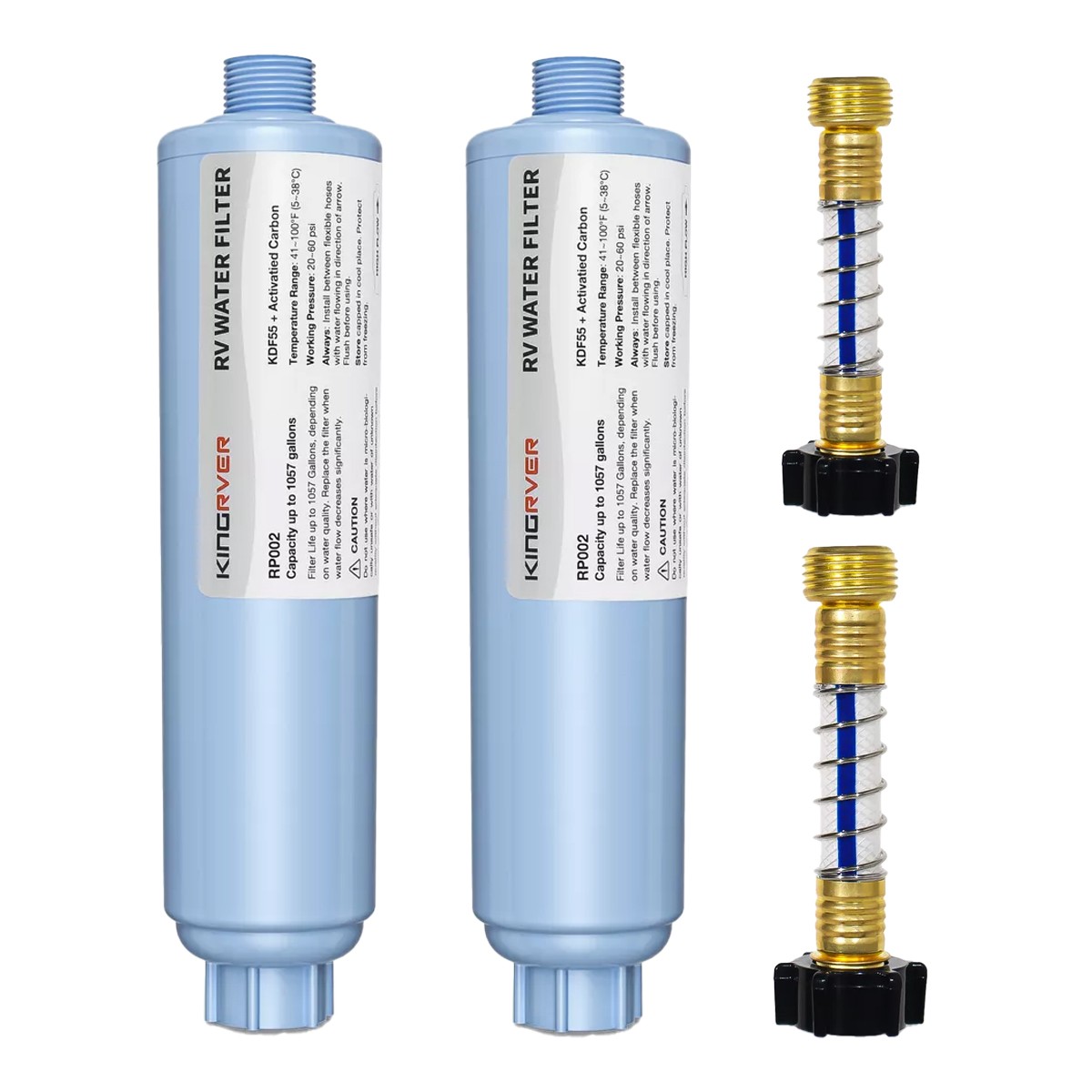
An RV water filter is an inline canister that connects between the campground spigot and your rig's hose to reduce sediment, chlorine, and taste/odor before water reaches tank or faucet. The core trade-off is micron rating and chlorine capacity versus flow rate and pressure drop. Buy a granular-activated-carbon block filter rated at 0.5–5 microns with a known gallon capacity if you drink and cook from the tank; skip cheap loose-carbon or sediment-only cartridges for potable use.

Buying guide image
Tableware, Drinkware & Serving

Metal Water Bottle

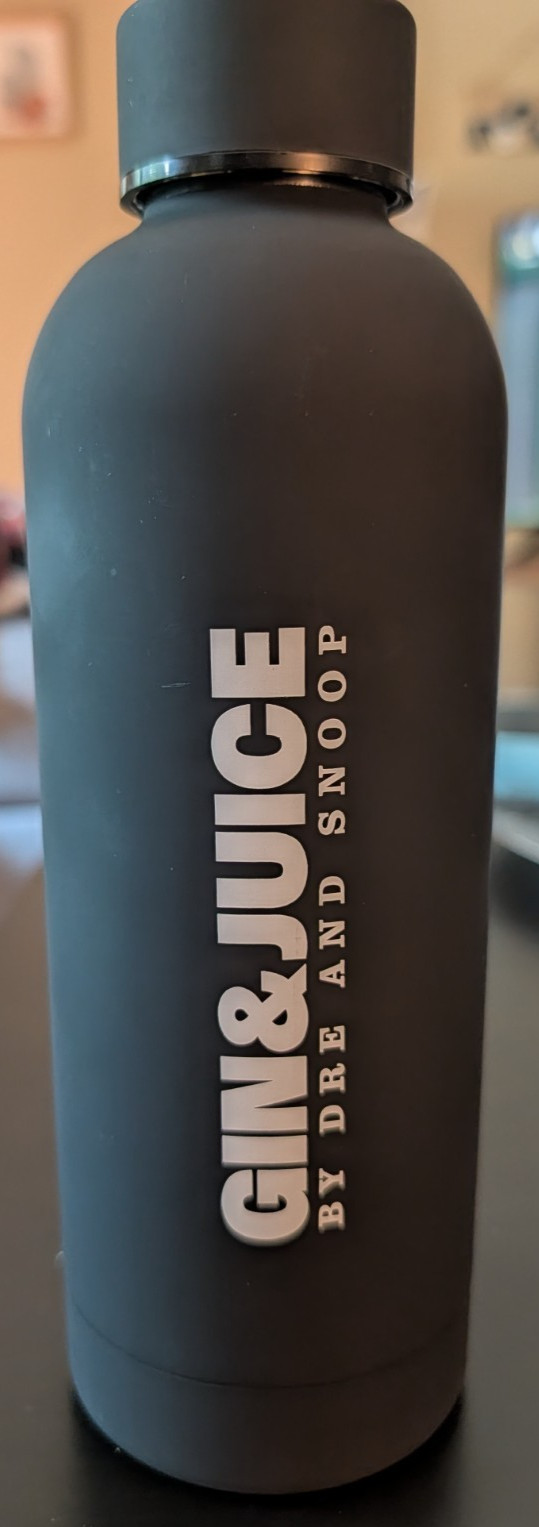
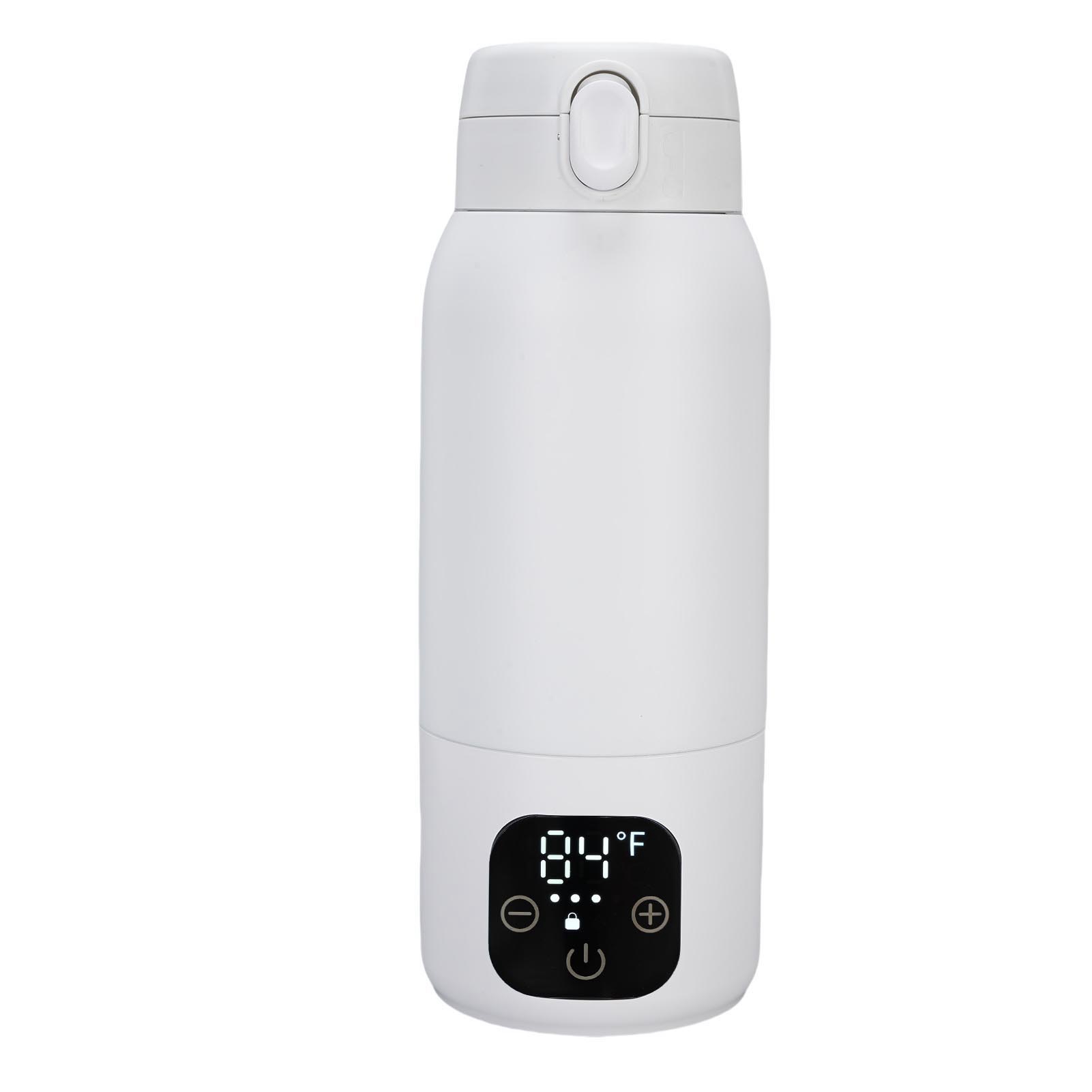
Metal water bottles are single-wall or vacuum-insulated vessels made from stainless steel or aluminum, where the core trade-off is insulation performance and liner durability versus weight and cost. Vacuum-sealed 18/8 stainless steel with a double-wall construction is the durable standard; single-wall or painted aluminum bottles are lightweight compromises best suited to short, non-insulated carrying. Choose double-wall vacuum insulation for all-day temperature retention and condensation-free handling, and skip single-wall builds if you need hours of cold or hot performance.

Buying guide image
Proofing Baskets & Bread Lames

Rattan Bread Proofing Basket

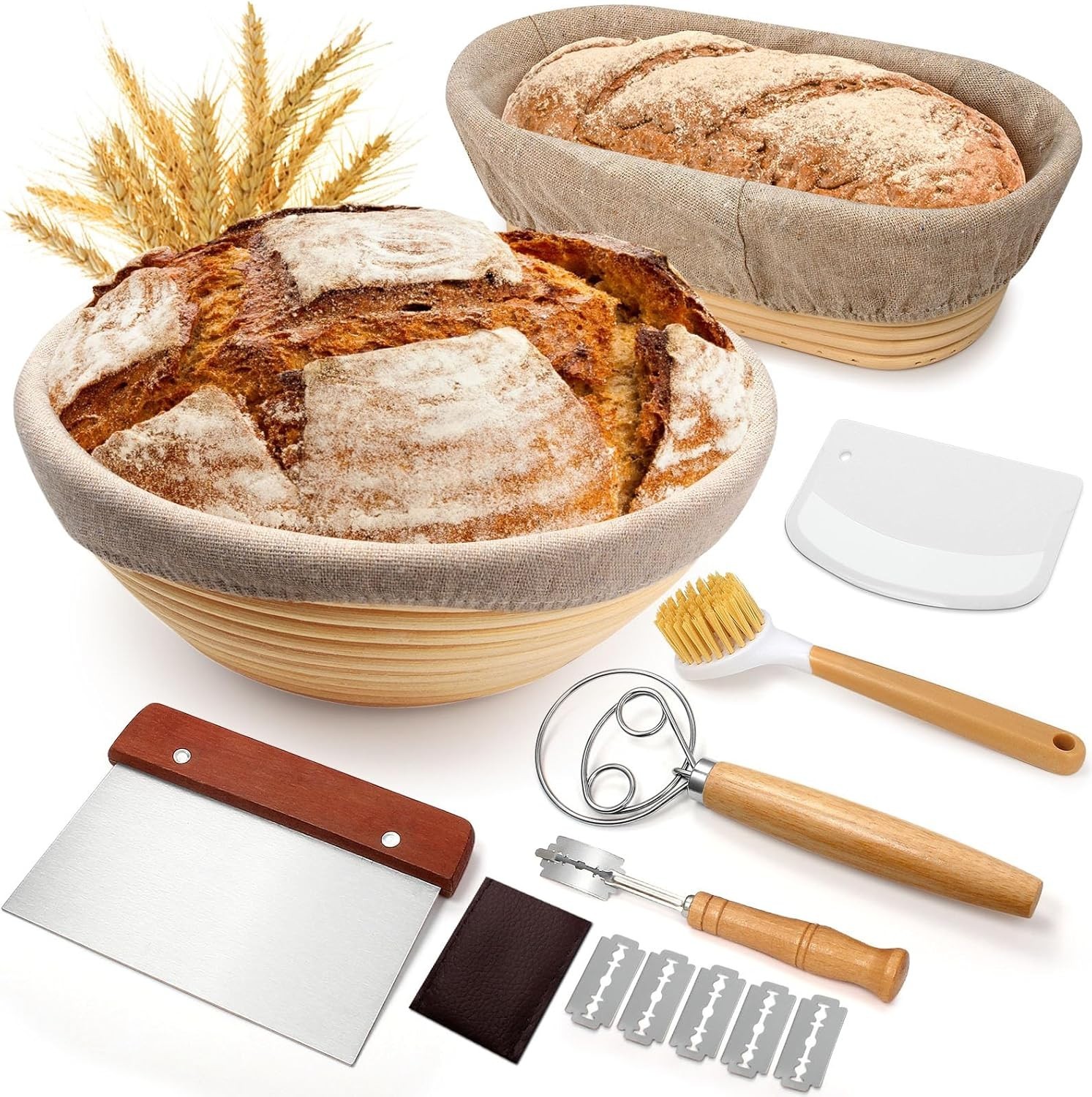
A rattan bread proofing basket is a woven, breathable banneton used to support dough during its final rise, imparting a spiral or ring pattern and wicking surface moisture for a drier skin. The primary trade-off is between natural rattan (superior moisture regulation and authentic crust) and coated or synthetic baskets (easier release but less breathability). Choose natural, uncoated rattan with tightly woven cane and a matching linen liner for durable, bakery-quality results; skip heavily lacquered or plastic baskets that trap moisture and defeat the purpose.

Buying guide image
Electric Kettles

Small Electric Tea Kettle

Small electric tea kettles are compact, low-capacity (0.5–1.0 L) heating appliances designed for single servings, travel, or tight countertops. The key trade-off is between portability (USB/battery power, cordless operation) and heating speed/power (1200–1500 W corded models boil faster but need a wall outlet). Choose a corded 1200 W+ model for daily kitchen use; choose a USB or low-wattage cordless model only for travel or desk-side reheating where outlet access is limited.

Buying guide image
Home Ranges, Ovens & Cooktops

Electric Stove With Coil Burner

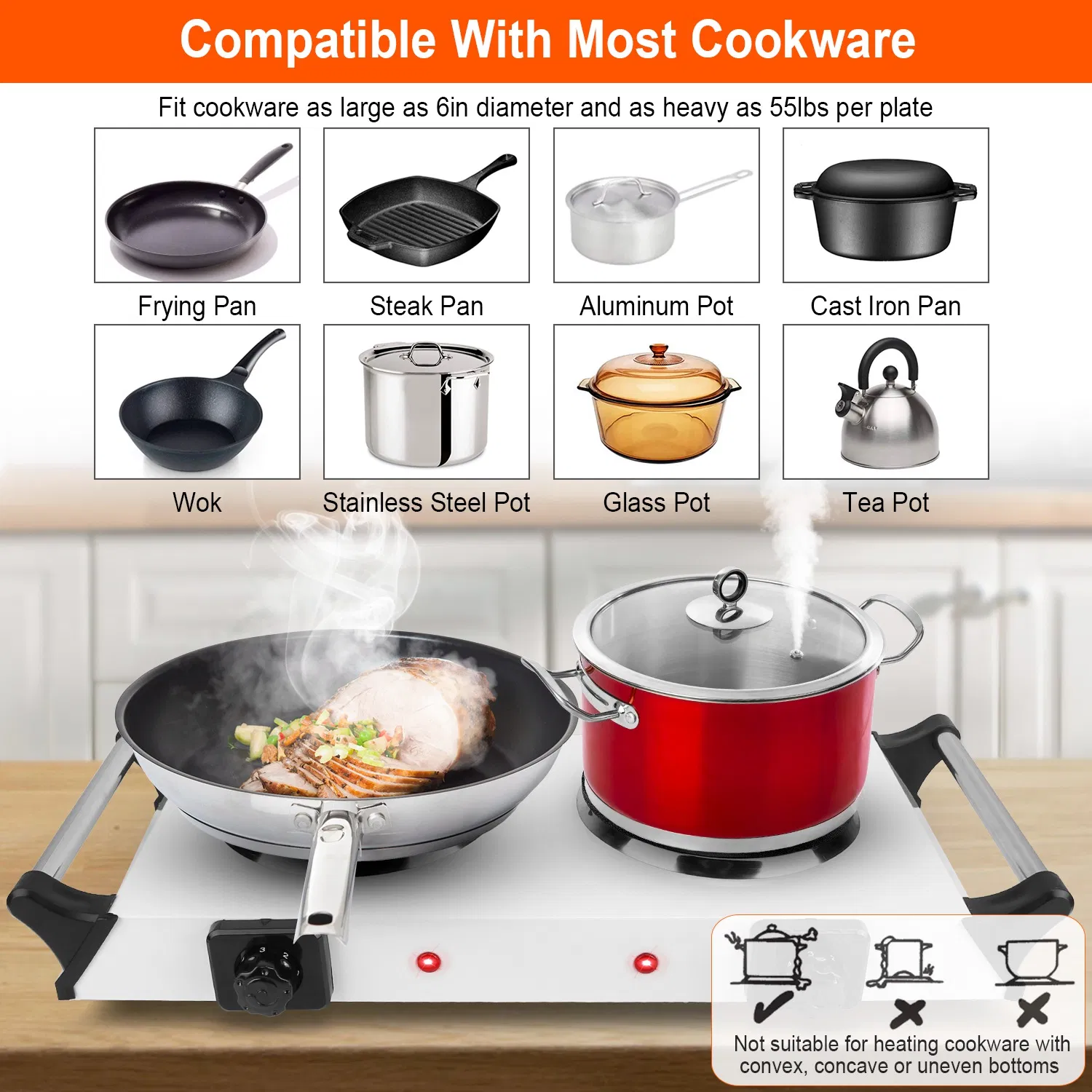
An electric stove with coil burners uses exposed resistive heating elements to deliver cheap, forgiving, high-wattage cooking without induction-compatible pans. The core trade-off is element build quality and wattage spread versus a low-cost 5-level controller that cycles sloppily at low heat. Buy full-size ranges with 6-8-inch coil elements rated near 240V and dual-element configurability; treat portable 2000W countertop twin-burner units as appliance-grade supplementals, not primary kitchen heat.

Buying guide image
Home Refrigerators, Freezers & Wine Coolers

Stainless Steel Mini Fridge

A stainless steel mini fridge is a compact refrigerator (typically 1.6–4.5 cu ft) with a stainless-look door and often a separate freezer compartment, used where a full-size fridge won't fit. The core trade-off is between true stainless steel (magnetic, fingerprint-resistant, heavier) and stainless-look vinyl/plastic over steel (lighter, cheaper, prone to peeling), plus compressor vs. thermoelectric cooling. Choose a compressor model with a reversible door and a separate freezer for real food storage; choose thermoelectric only for skincare or cans where silence matters more than cold depth.

Buying guide image
Slow & Pressure Cookers

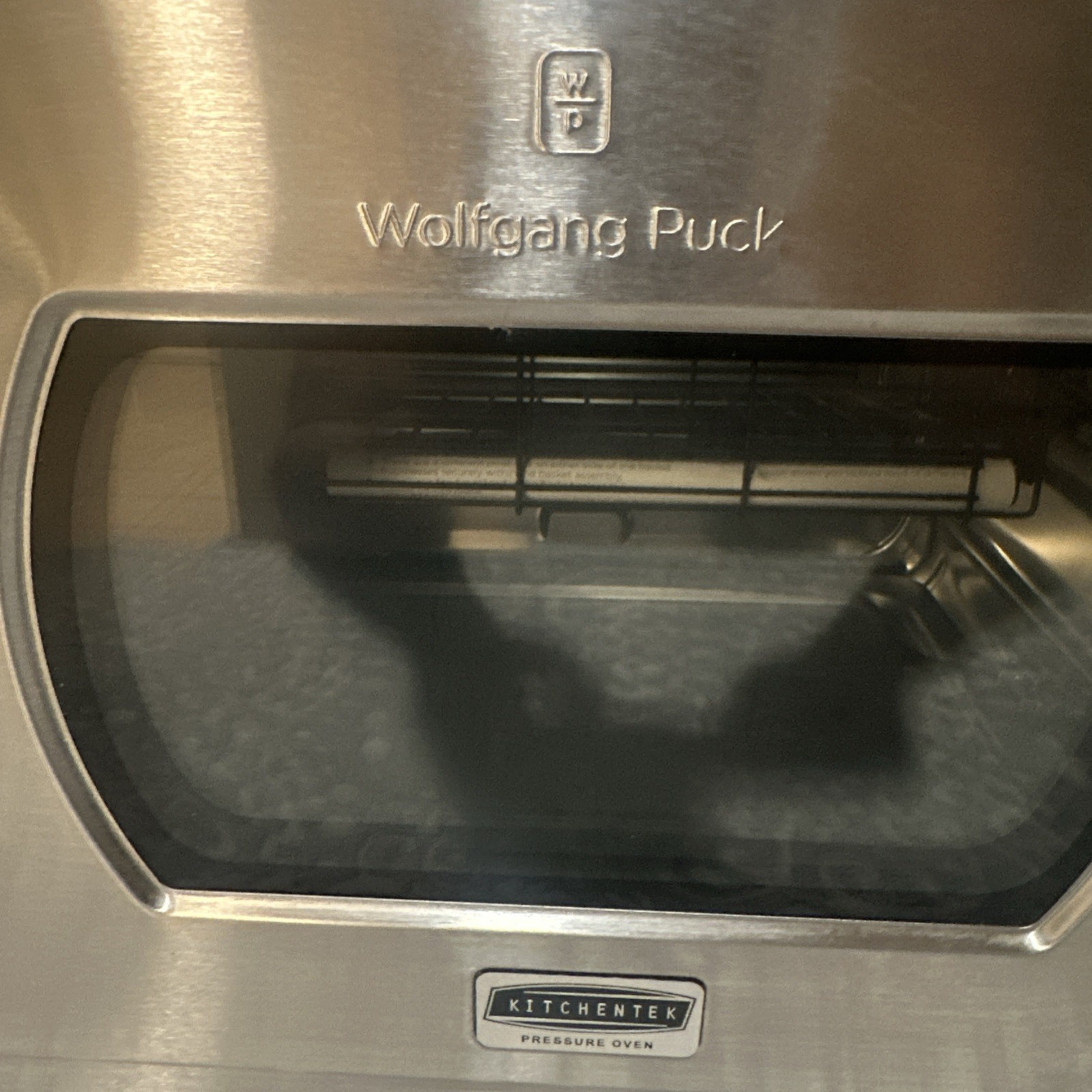
Wolfgang Puck Pressure Oven

The Wolfgang Puck Pressure Oven is a countertop convection oven that adds a gasketed, lockable lid and a pressure-relief valve to a 1600W heating element, combining dry roasting with a low-pressure moist-heat mode. The core trade-off is between its hybrid pressure-baking capability and the reality that it is a niche, discontinued-style appliance with limited parts support versus a standard countertop convection oven or stovetop pressure cooker. Buy it only if you specifically want one countertop box that can pressure-roast a chicken and toast at ambient pressure; otherwise choose a dedicated appliance.

Buying guide image
Dishwashers

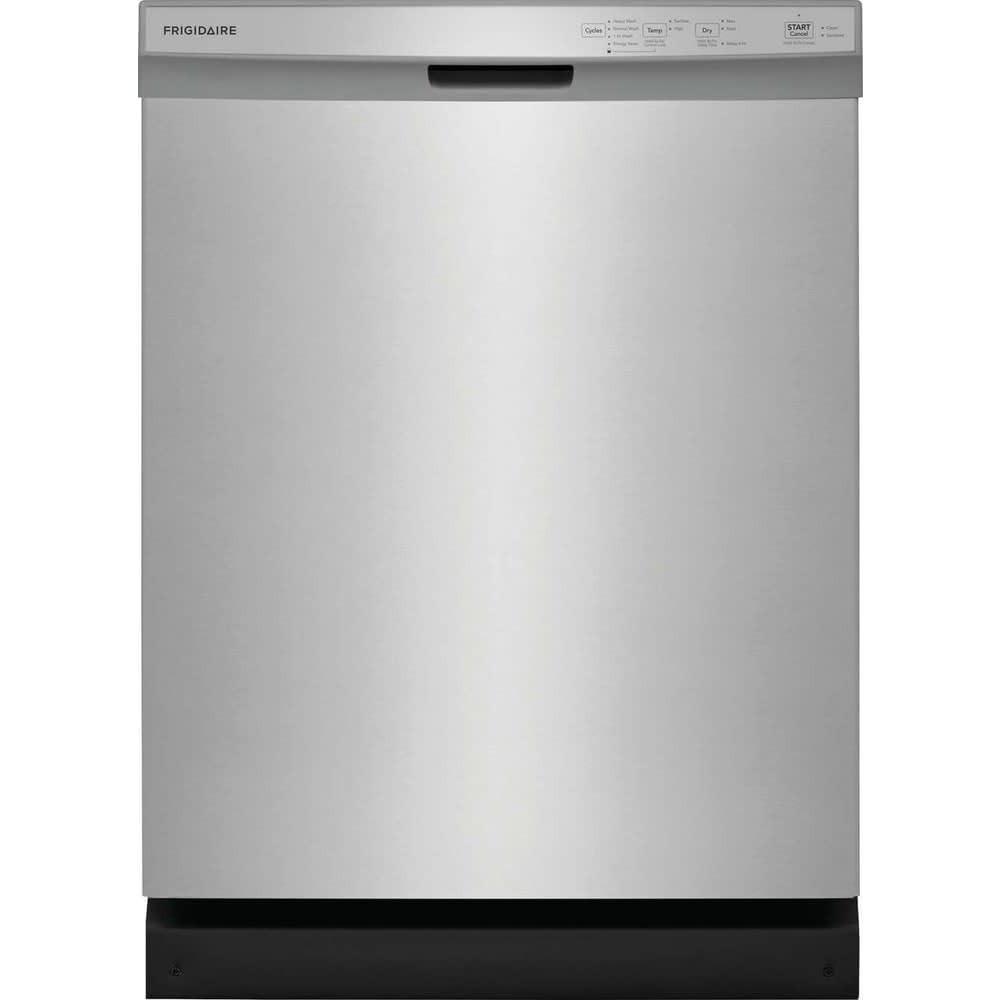
Stainless Steel Frigidaire Dishwasher

A stainless steel Frigidaire dishwasher is a built-in or portable unit with a stainless tub and door, and the key trade-off is tub material and wash-system architecture. Durable options use a full stainless steel tub with a closed-loop filtration and a BLDC motor, while compromises use a plastic tub or single-arm spray. The decision rule: buy only models with a stainless tub and ENERGY STAR rating, and skip any listing that omits dBA or tub material.

Buying guide image
Tableware, Drinkware & Serving

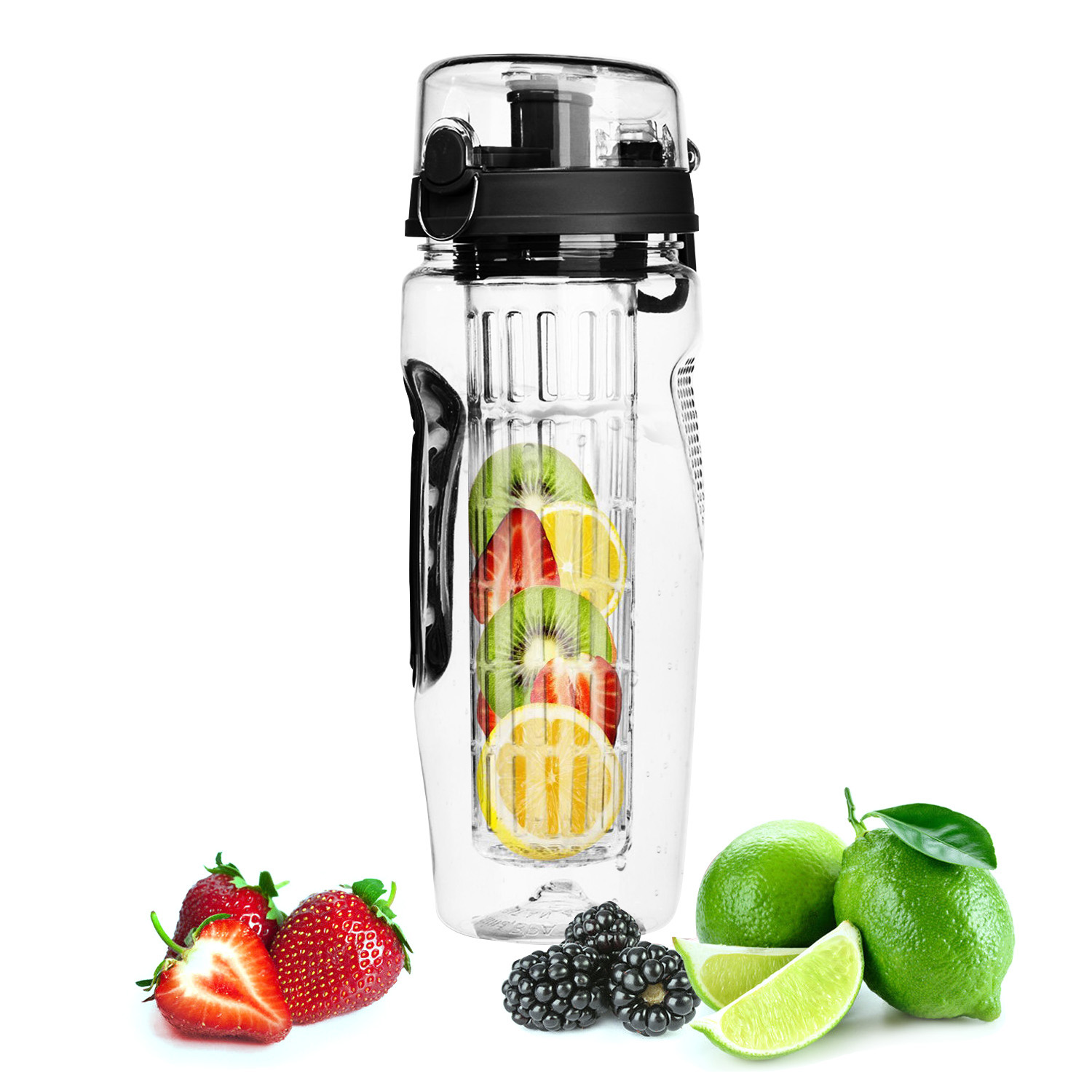
Flip Water Bottle

Flip water bottles are leak-resistant, one-handed hydration vessels where a spring-loaded or snap-flip lid defines usability and durability. The primary trade-off is lid mechanism quality versus body material: a flimsy hinge or silicone seal fails long before the bottle shell does. Choose models with replaceable seals, reinforced hinge pins, and BPA-free Tritan or food-grade PP over generic no-name plastic with glued or riveted flip caps.

Buying guide image
Coffee Grinders

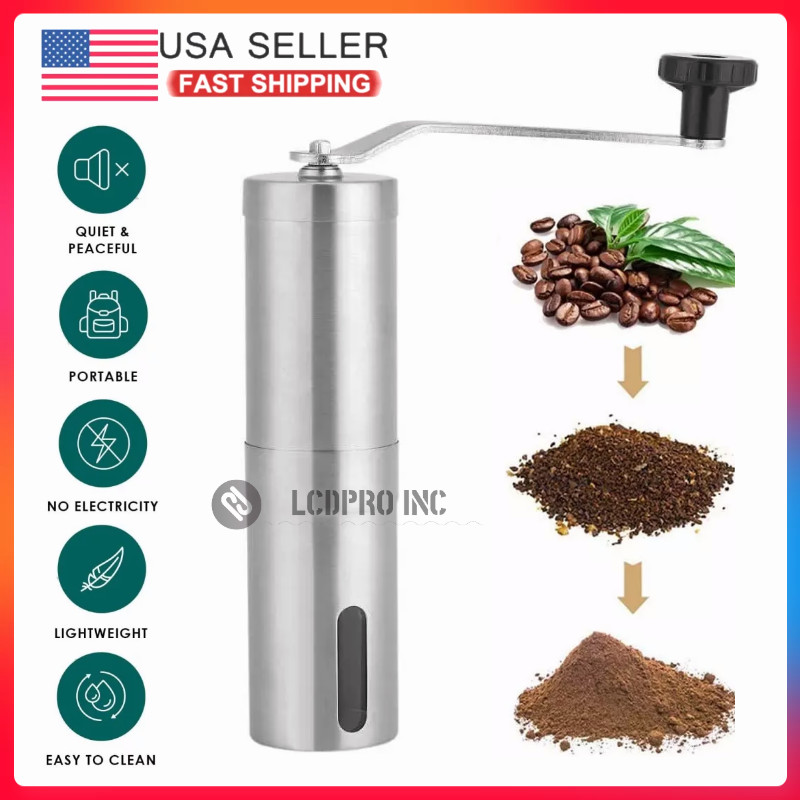
Manual Coffee Bean Grinder

A manual coffee bean grinder uses hand-cranked ceramic or steel burrs to crush beans without electricity, with the core trade-off being burr quality and axle stability versus price. Durable models use conical ceramic burrs with dual bearing mounts, while compromises rely on single-axis wobble-prone assemblies that produce inconsistent grinds. The decision rule: choose a dual-bearing ceramic burr grinder for pourover or French press; step up to a stainless steel burr set only if you frequently grind light roasts for espresso.

Buying guide image
Coffee Makers & Espresso

Coffee Maker With Burr Grinder

A coffee maker with a burr grinder combines grinding and brewing in one appliance, but the primary trade-off is burr quality versus brewer temperature stability and capacity. Durable options use conical steel or ceramic burrs with clearly defined micron adjustments; compromises use false burrs or pressurized baskets that mask stale coffee. The decision rule: pick a machine whose burr set is serviceable and whose brew path meets a recognized standard (SCA or ECBC) for your batch size.

You may also like

Finding more guides for you…