Kitchen Gear Wise

Kitchen Gear Wise

Kitchen Gear Reviews & Buying Guides

Compare kitchen gear by use case, features, trade-offs, price, returns, and seller terms before you buy.

Buying guides

Buying guide image
Coffee Cleaning & Accessories

Coffee Machine Tray

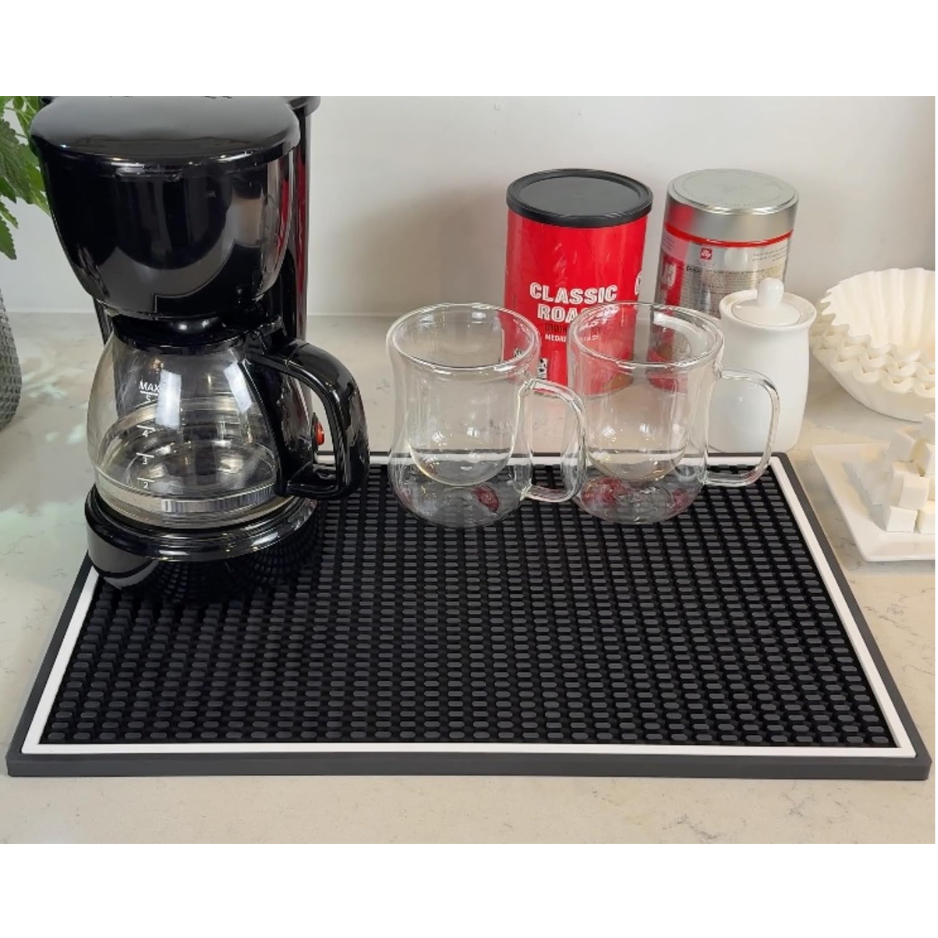
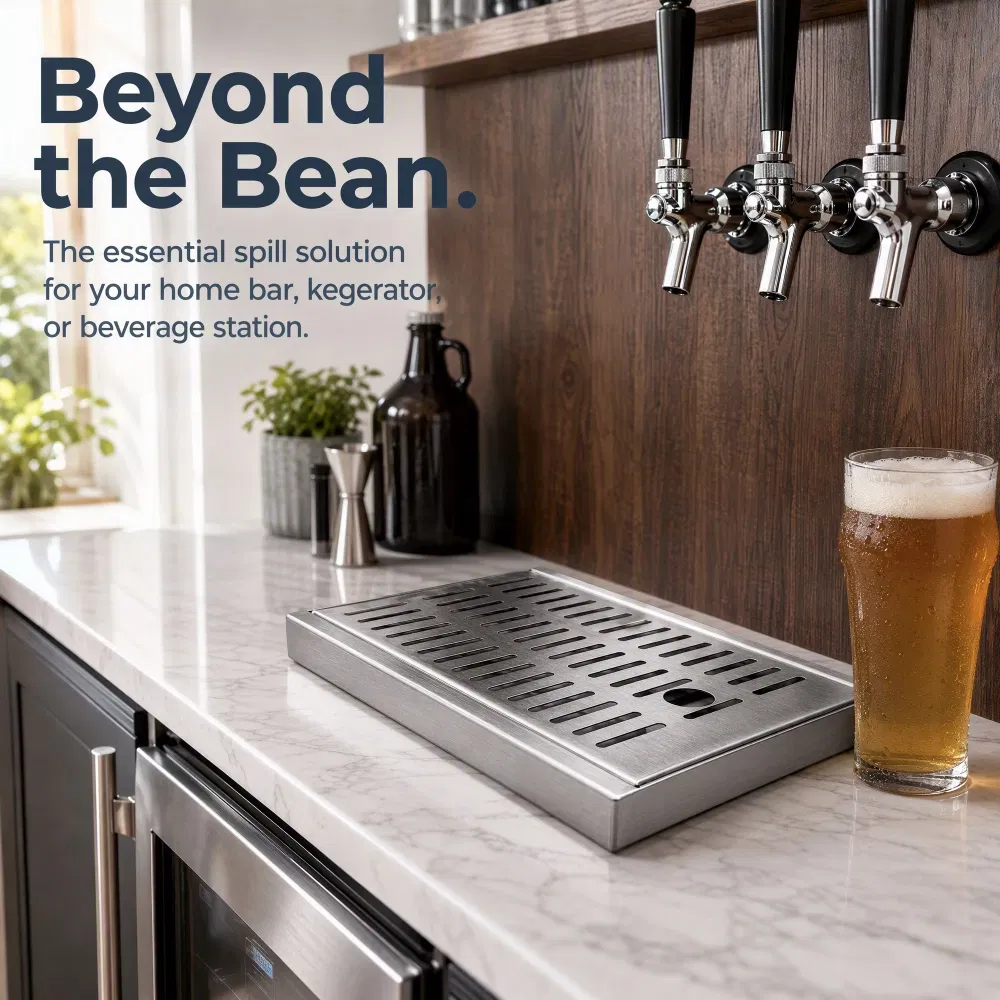
A coffee machine tray is the spill-catching, cup-resting base that keeps espresso and drip stations dry, stable, and sanitary. The core trade-off is between ABS/plastic trays that flex and stain versus stainless-steel or thick aluminum trays that resist heat and corrosion but cost more and need proper drainage. The decision rule: buy a tray with a rigid steel or thick ABS body, a raised lip of at least 10 mm, and a removable dishwasher-safe grate—skip thin, flat plastic pans with no lip or integrated drip spout.
Buying guide image
Pour-Over & Manual Brewing

French Press Glass

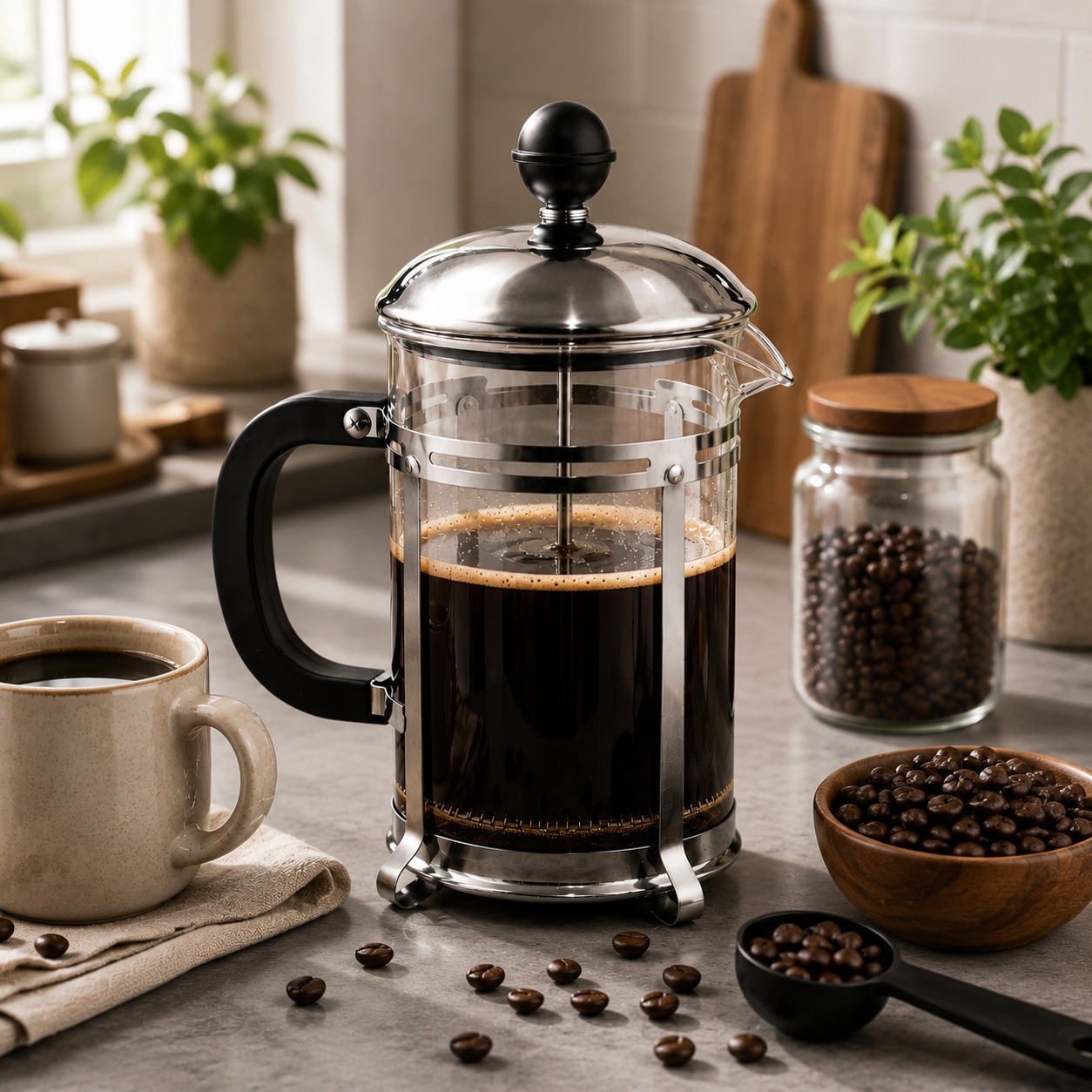
Glass French presses are immersion brewers that use a full-immersion steep followed by a metal mesh filter press. The key trade-off is glass thickness and thermal shock resistance versus replacement-part availability—borosilicate is mandatory for durability, and beaker diameter must match the plunger and filter assembly. Buy borosilicate glass with a matched stainless steel filter/plunger set; skip soda-lime glass and orphaned beakers with non-standard diameters.

Buying guide image
Coffee Cleaning & Accessories

Coffee Descaling Solution

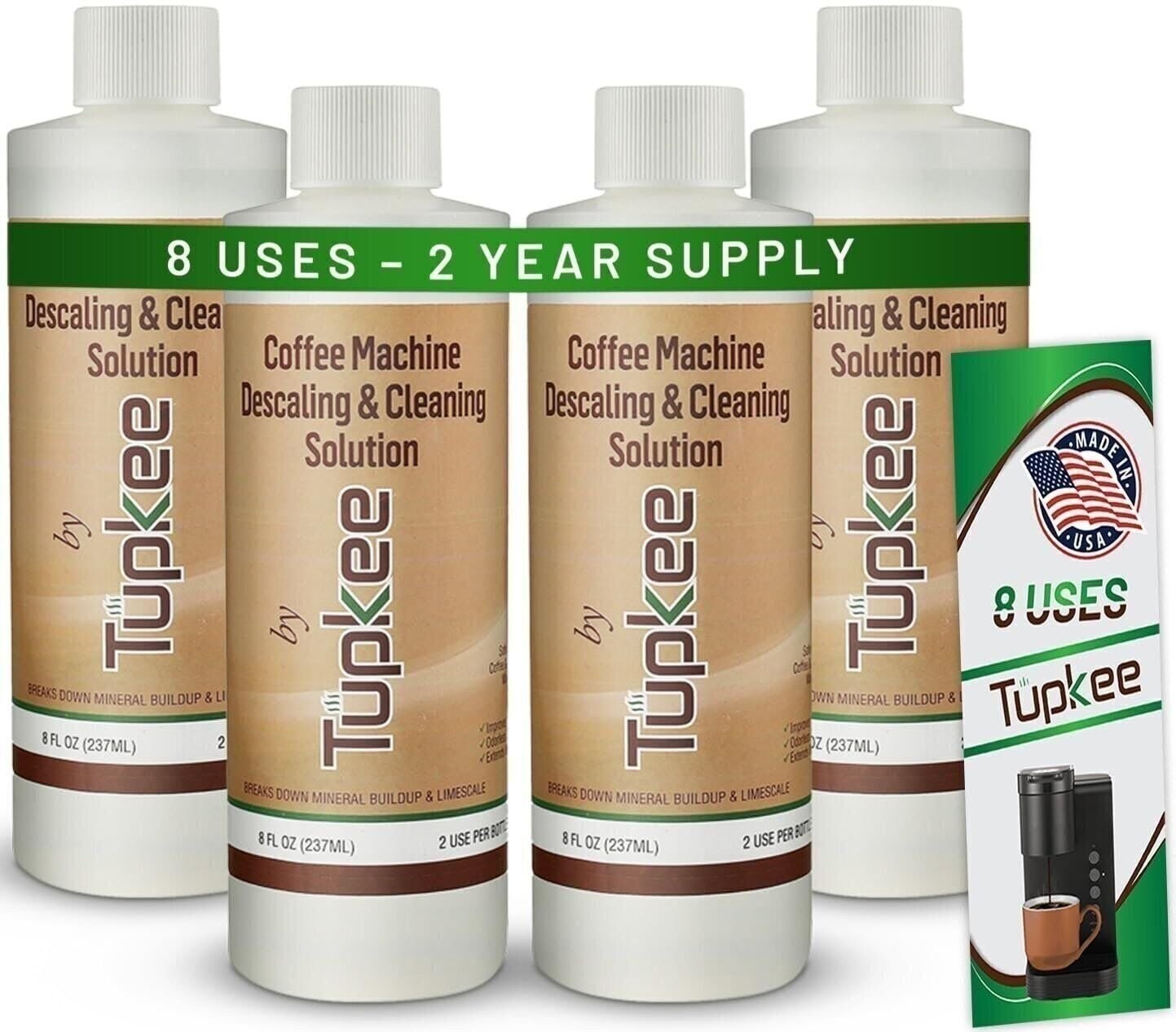
Coffee descaling solution is a food-safe acid concentrate or powder that dissolves limescale (calcium carbonate) from espresso machines, drip brewers, and kettles. The primary trade-off is acid strength versus material compatibility: citric and sulfamic acids clean aggressively but can attack aluminum and brass if left too long, while milder lactic or proprietary blends protect seals but need longer dwell times. Buy a dedicated coffee descaler with a documented acid type and a clear dilution ratio; skip generic vinegar or unlabeled 'cleaning' fluids for any machine with aluminum or brass internals.

Buying guide image
Coffee Cleaning & Accessories

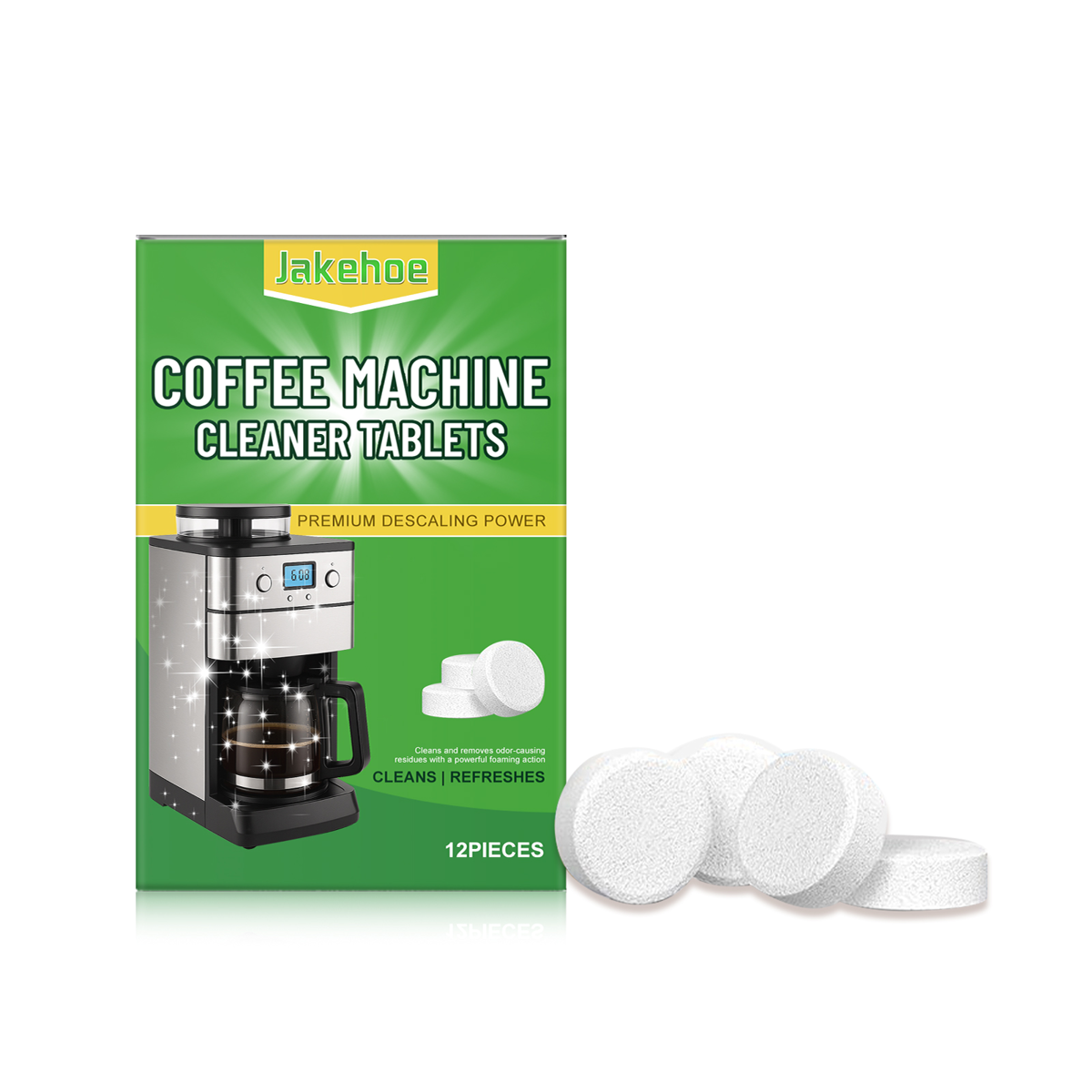
Coffee Machine Cleaning Tablet

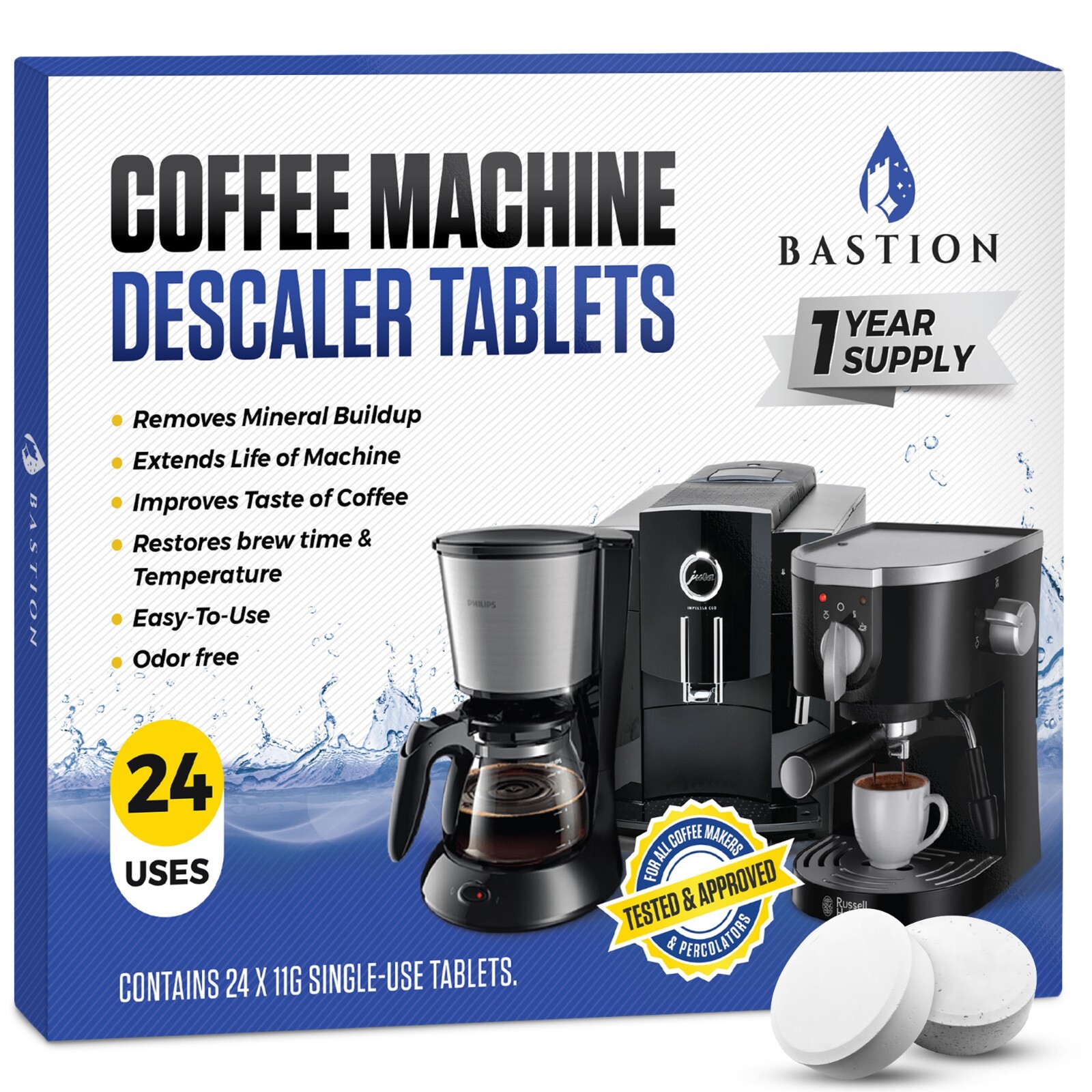
Coffee machine cleaning tablets are effervescent or pressed tablets formulated to dissolve coffee oils, tannins, and scale from brew paths, group heads, and filter screens. The critical trade-off is between fast-dissolving cleaning agents and material compatibility: tablets with strong chelating or alkaline agents clean deeply but can degrade aluminum or non-stainless components, while gentler formulas protect seals but may leave residue. The decisive rule is to match the tablet's active chemistry to your machine's wetted materials and to use a backflush routine only on machines designed for it.

Buying guide image
Electric Hot Pots

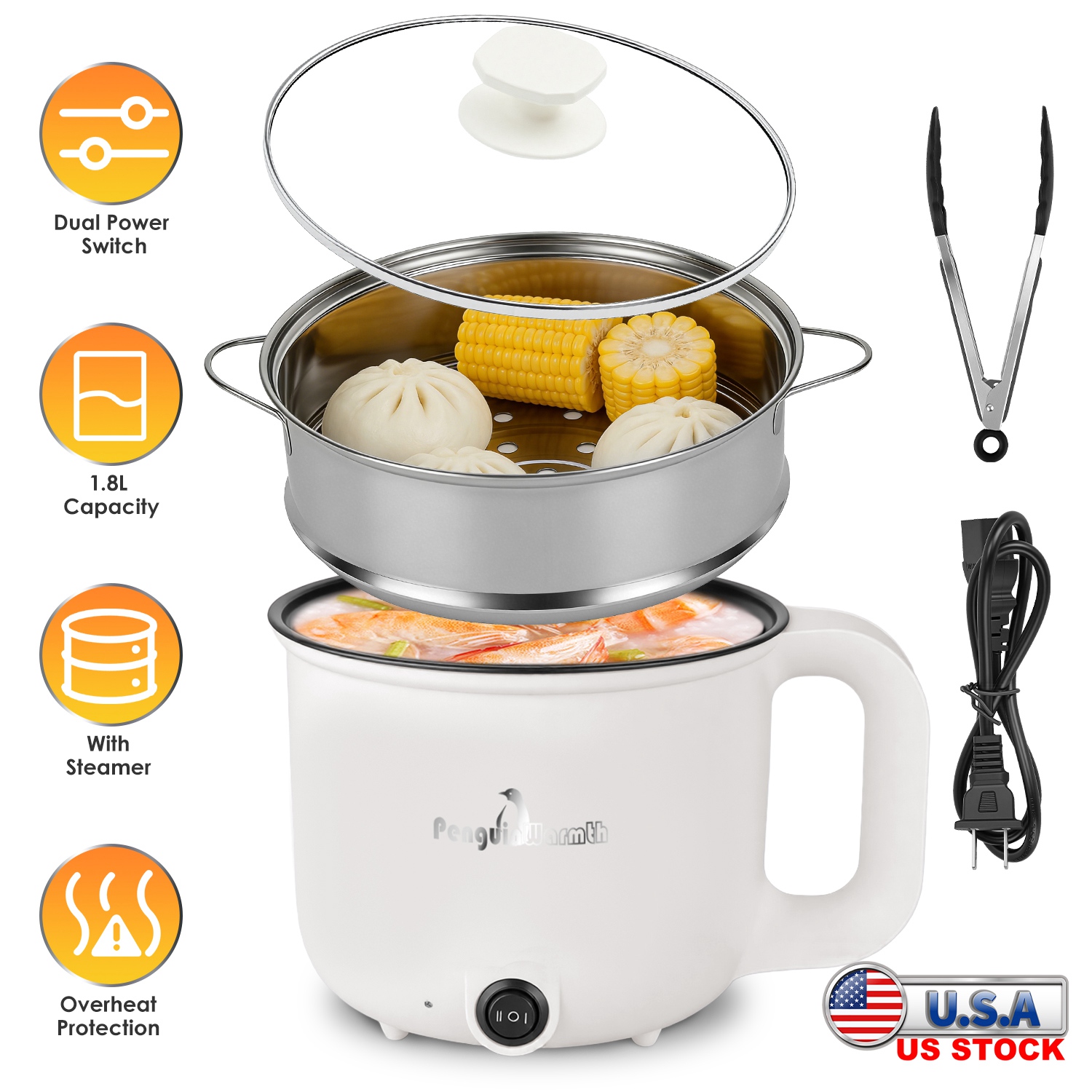
Mini Electric Pot

A mini electric pot is a compact countertop cooker (typically 1–2 L) that combines a heating element, pot, and often a steamer insert for noodles, eggs, oatmeal, and small soups. The core trade-off is heating power versus safety and versatility: 300–600 W units heat slowly but run safely on dorm circuits, while 800–1200 W units boil faster but trip weak breakers. Choose a pot with a thermostat or overheat cutoff and a detachable or properly sealed cord; skip unregulated single-power units with exposed heating plates.

Buying guide image
Toasters & Ovens

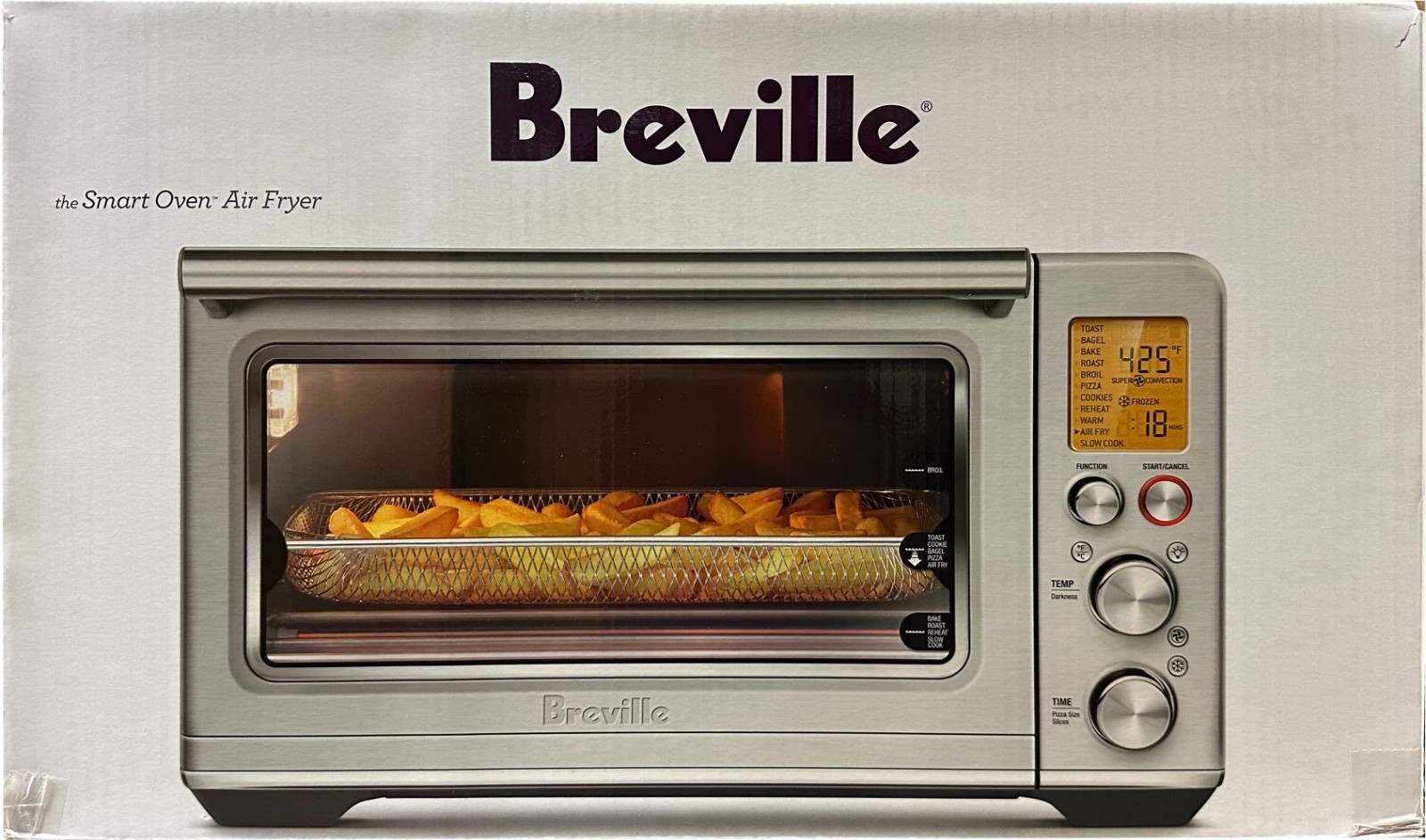
Breville Smart Oven Pro Air Fryer

The Breville Smart Oven Pro Air Fryer is a countertop convection oven that combines air-frying, baking, and toasting in a single appliance, distinguished by its Element IQ heating system that redirects power across quartz elements. The primary trade-off is between the precise, even heat of a multi-element convection design and the larger capacity or lower cost of simpler toaster-oven air fryers. The clear decision rule: choose it only if you need versatile, preset-driven cooking in a compact footprint and will verify the exact model generation (BOV860 vs. older BOV800) before purchase; skip it if you primarily need high-volume air frying or basic toast.

Buying guide image
Tableware, Drinkware & Serving

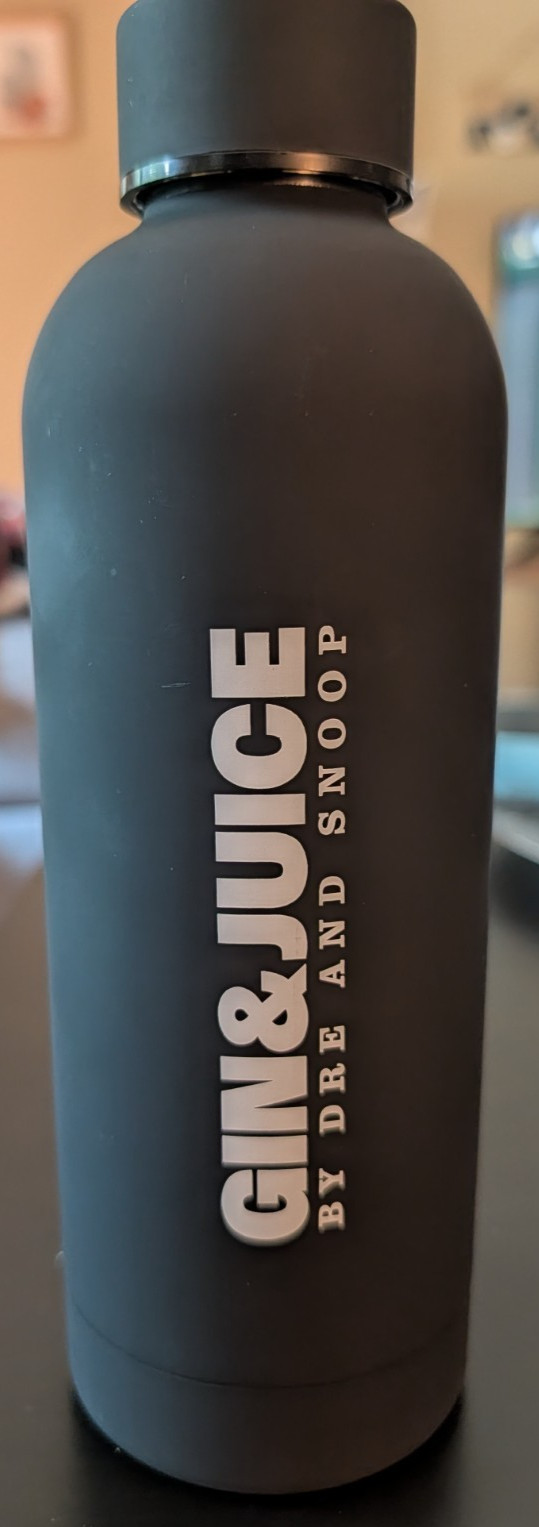
Metal Water Bottle With Straw

A metal water bottle with straw combines a stainless-steel or aluminum vessel with a sipping lid and reusable straw for hands-free hydration. The primary trade-off is insulation architecture (single-wall vs double-wall vacuum) and straw-lid sealing quality, which determine whether the bottle sweats, keeps drinks cold, and survives daily bag transport. Choose double-wall 18/8 stainless with a gasketed straw lid for durability; skip single-wall aluminum with press-fit straws if you need all-day temperature retention or leakproof performance.

Buying guide image
Food Storage & Containers

Glass Container With Wood Lid

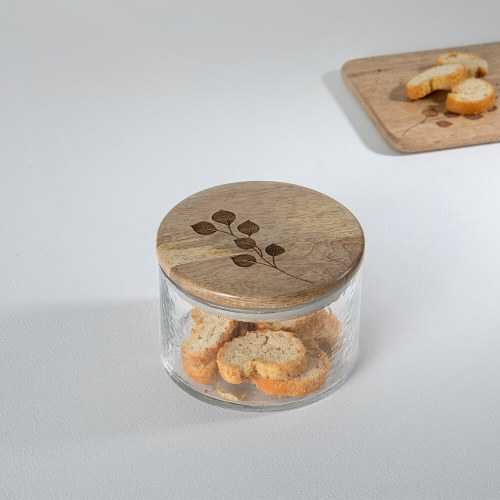
Glass containers with wood lids combine inert, non-porous borosilicate or soda-lime glass bodies with tight-fitting wooden closures for pantry, fridge, and countertop storage. The primary trade-off is wood species and seal architecture: acacia/bamboo lids with silicone gaskets resist moisture and odor, while unsealed pine or MDF lids warp and harbor bacteria. Choose borosilicate glass with a food-grade silicone-gasketed hardwood lid for daily wet or oily foods; skip thin soda-lime glass with unlined composite lids for anything beyond dry goods.

Buying guide image
Vacuum Sealers

Foodsaver Compact Vacuum Sealer

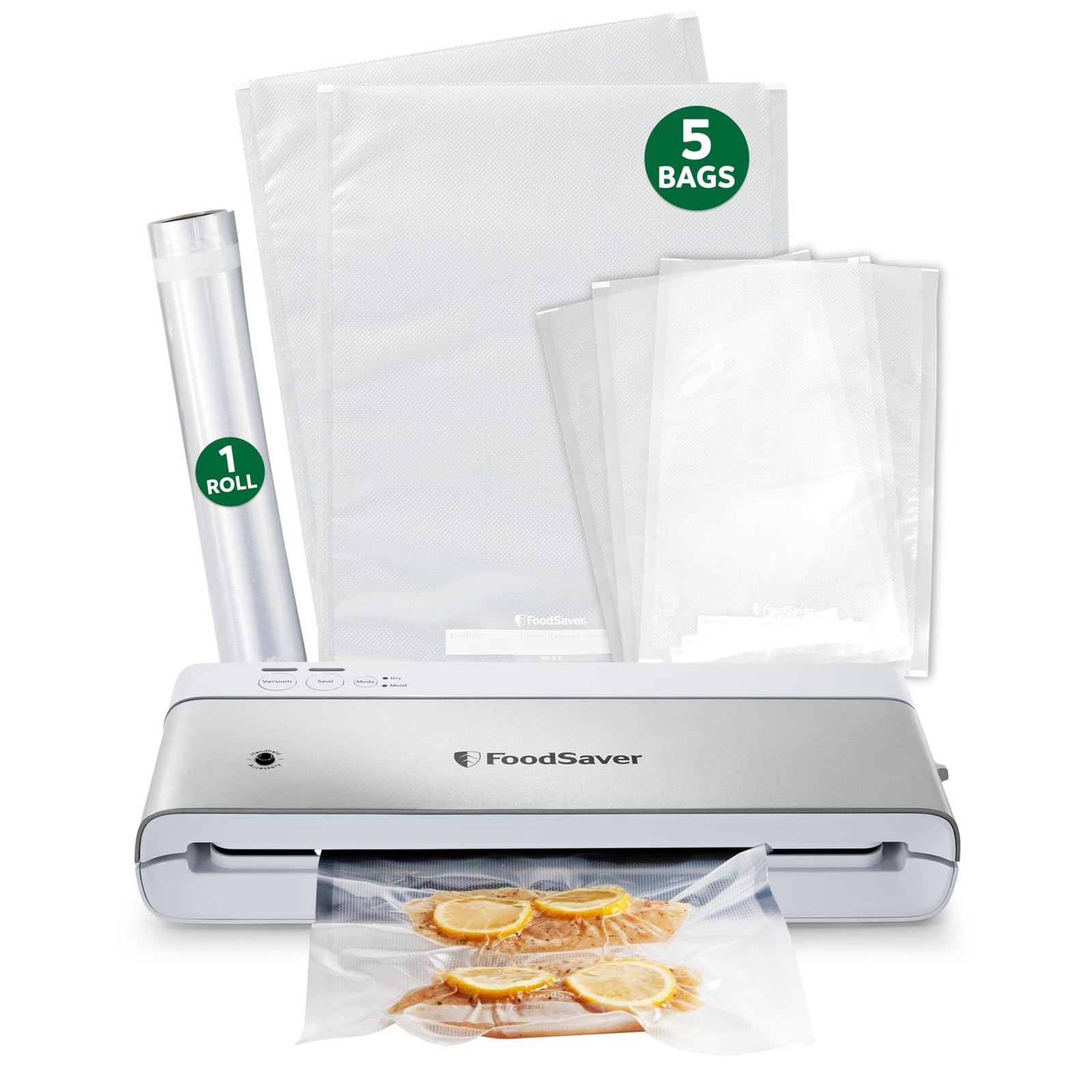
A FoodSaver compact vacuum sealer is a countertop appliance that removes air from specially designed bags and rolls to extend food storage life, distinguished from full-size and chamber sealers by its smaller footprint and often single-seal bar. The core trade-off is between portability and sealing throughput: compact units typically use a single 8-12 inch seal bar and lower vacuum pressure, so they suit light-to-moderate use but not continuous bulk processing. The decision rule is simple: choose a compact FoodSaver only if you seal fewer than roughly 20 bags per week and have less than 6 inches of dedicated counter depth; otherwise step up to a full-size or dual-pump model for faster cycles and wider bag compatibility.

Buying guide image
Coffee Grinders

Automatic Coffee Grinder

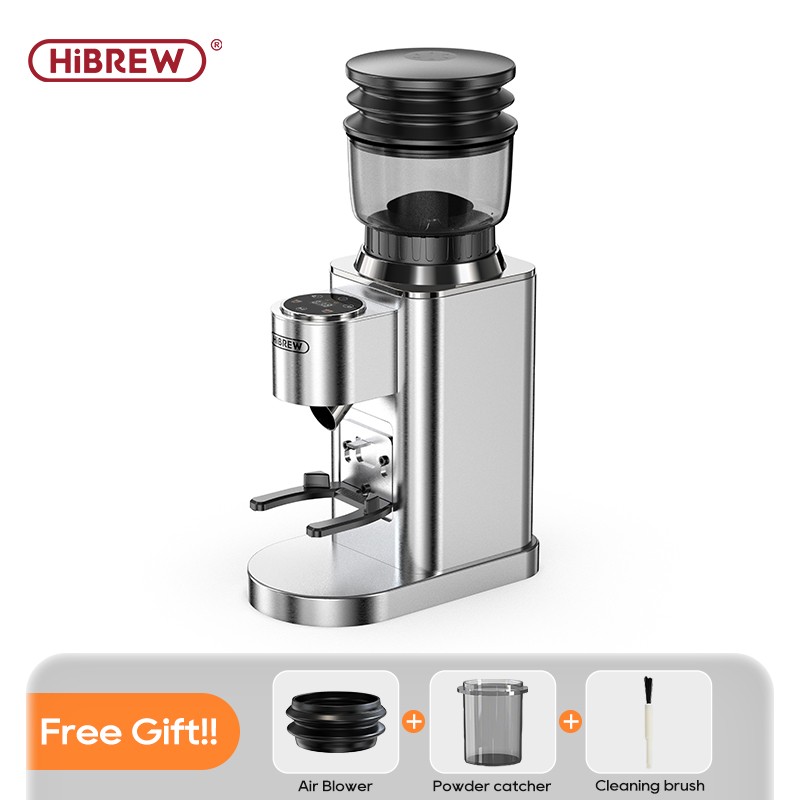
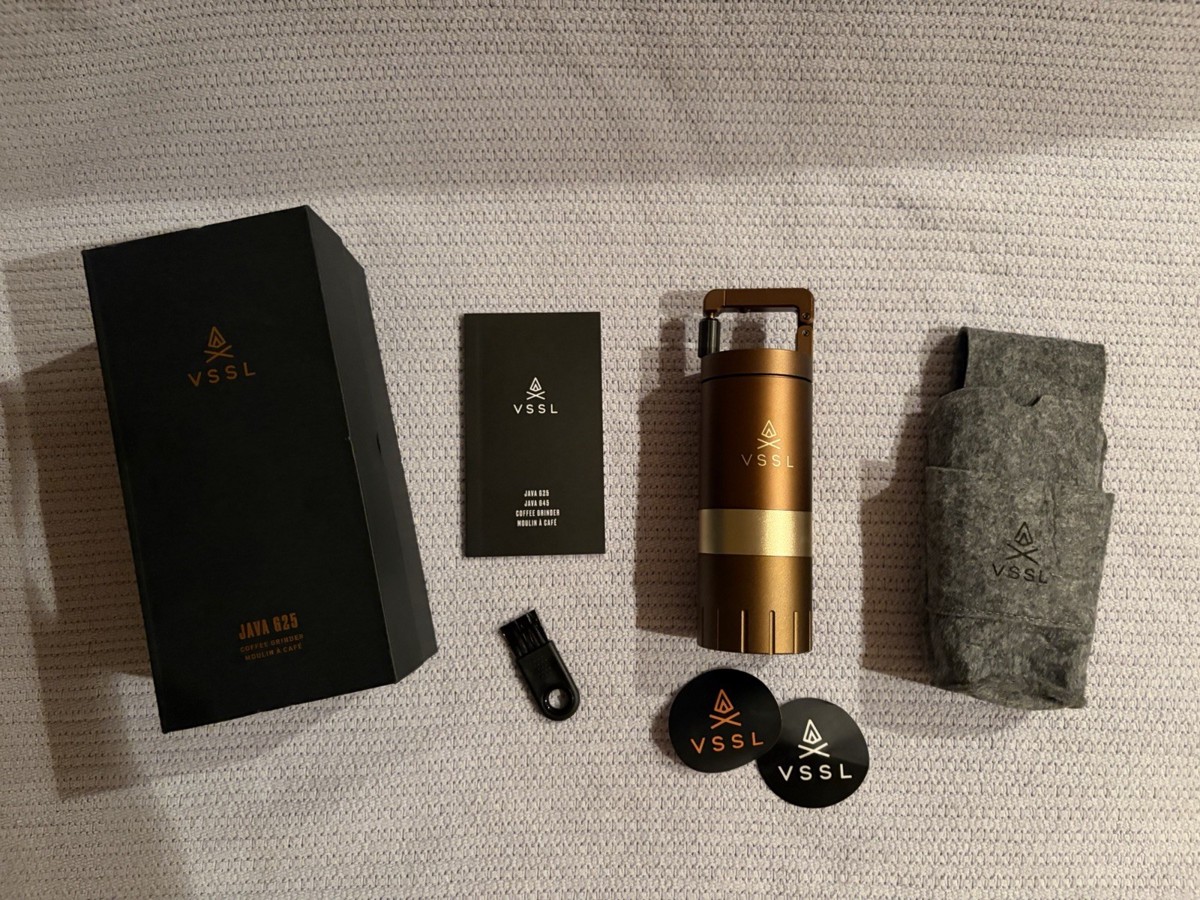
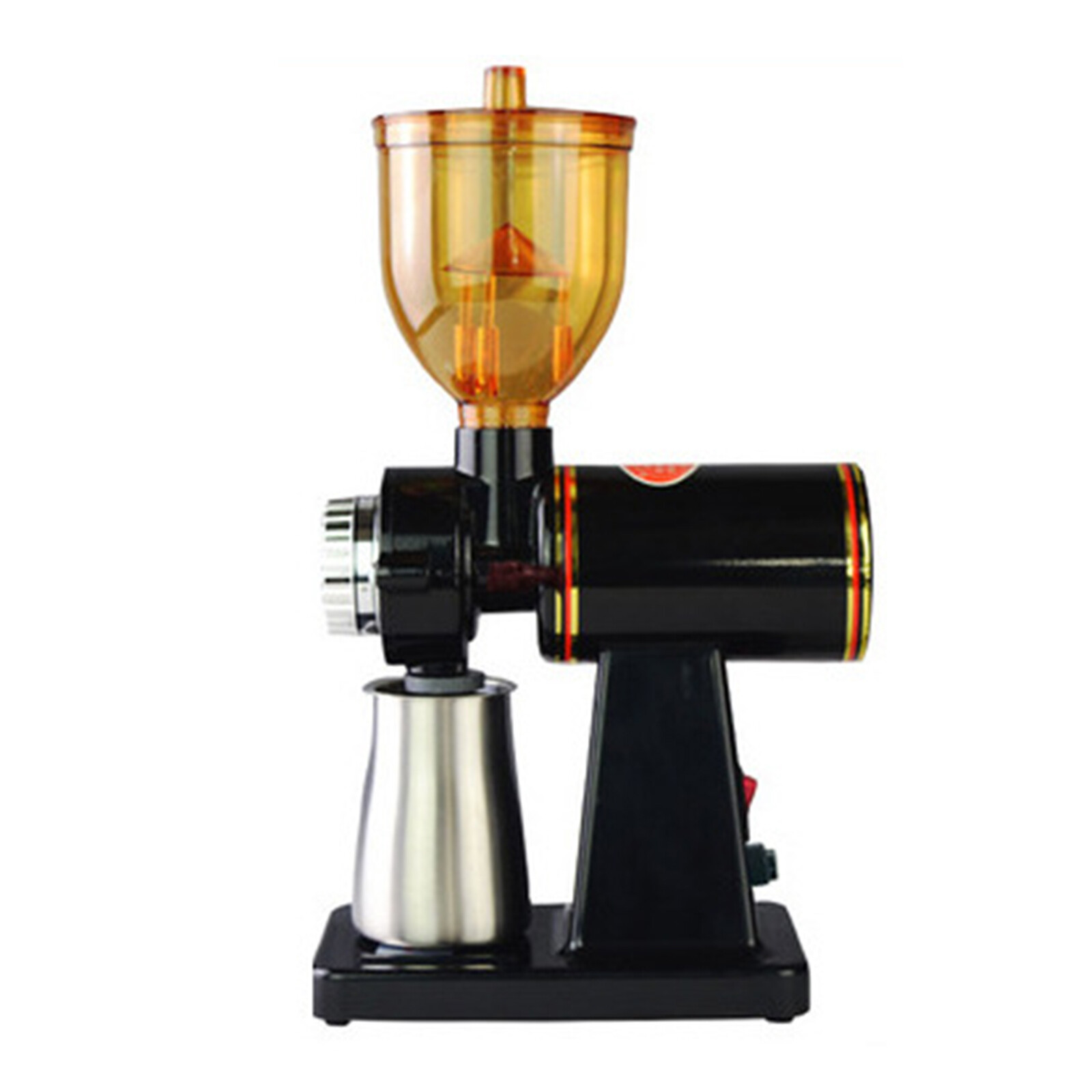
Automatic coffee grinders use a motor and timer to deliver consistent grounds without manual cranking, with the core trade-off being burr quality versus motor power and digital control. Durable options use conical or flat steel burrs with low-RPM gear reduction, while compromises rely on high-speed blade choppers or undersized motors that heat and stall. The decision rule: pick a true burr grinder with clearly stated burr material and at least 30 adjustable steps if you want repeatable espresso-to-pour-over results.

Buying guide image
Coffee Grinders

Encore Esp Grinder

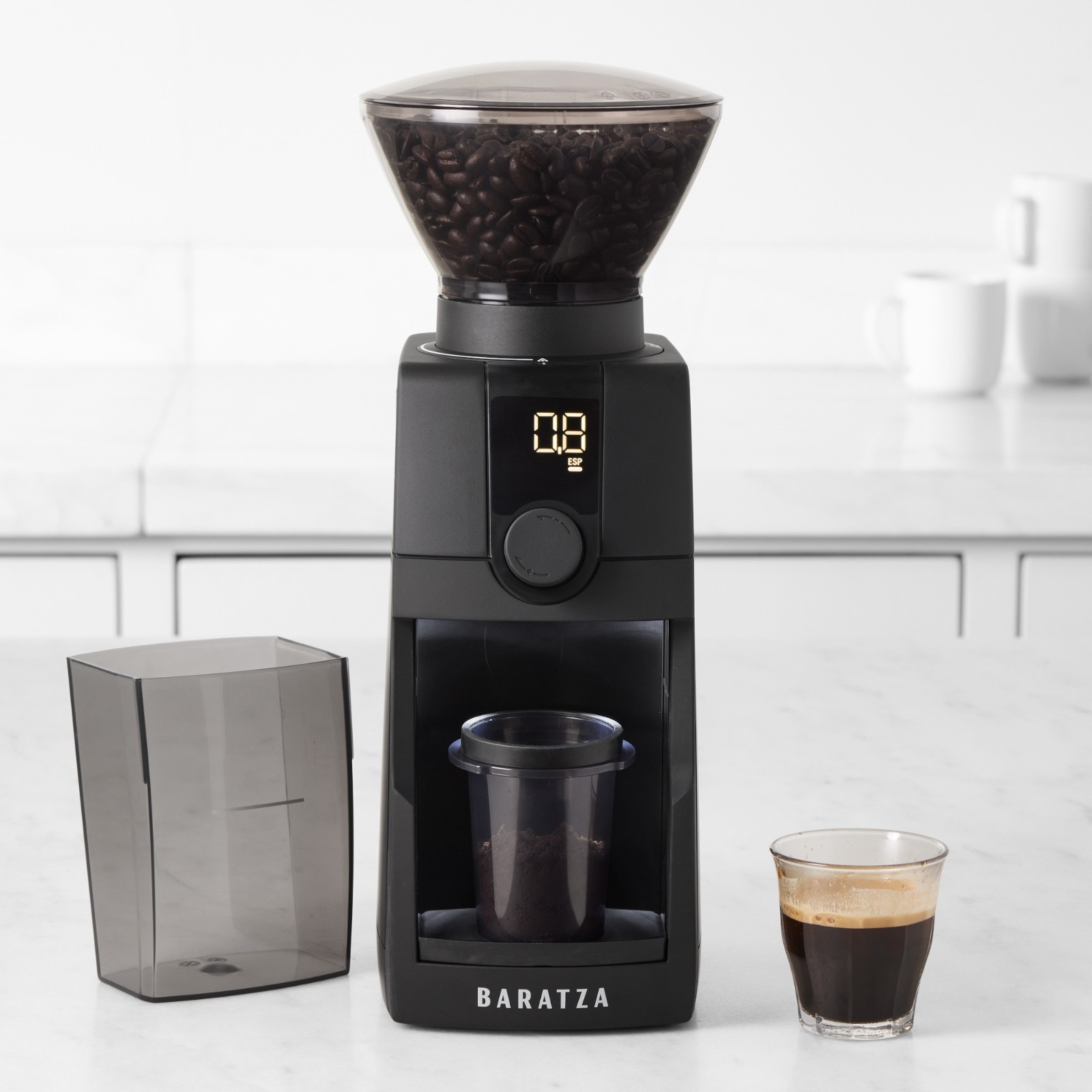
The Baratza Encore ESP is a purpose-built espresso grinder that distinguishes itself from the standard Encore by using a stepped adjustment ring optimized for the fine range. Buyers choose it for drip-to-espresso versatility, but must understand its plastic build and conical burr architecture before committing.

Buying guide image
Coffee Grinders

Large Coffee Grinder

Large coffee grinders prioritize hopper capacity, burr size, and motor torque to grind high volumes without overheating or frequent refills. The primary trade-off is burr geometry and motor quality against footprint and cost: flat burrs with high-torque motors deliver consistent particle distribution for batch brewing, while small conical burrs stall on coarse settings and fine grinds alike. Choose a large grinder only if you regularly brew for 4+ cups or espresso back-to-back; otherwise a mid-size burr set is more consistent per dollar.

Buying guide image
Coffee Makers & Espresso

Mini Coffee Machine

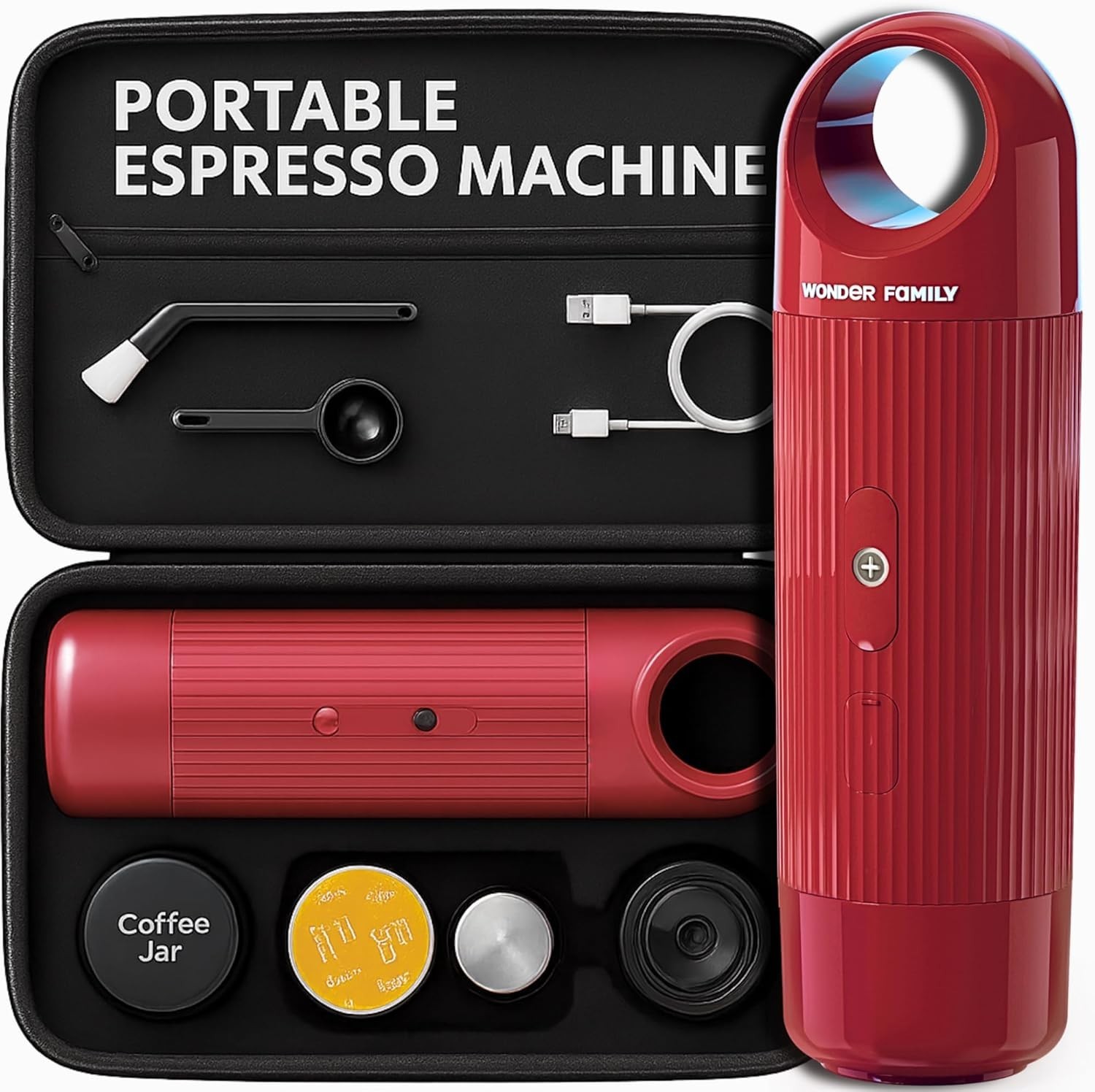
A mini coffee machine is a compact brewer designed for small counters, travel, or single-cup output—typically limited to 5–6 cups per brew cycle and built around either a pressurized espresso head or a drip/pod chamber. The core trade-off is footprint versus thermal stability and pump pressure: true espresso extraction requires a 15–19 bar pump and a heated metal group, while drip and pod minis rely on gravity or low-pressure percolation and sacrifice crema and body. Choose a mini only if you brew 1–2 cups at a time and accept narrower capacity; skip it if you need back-to-back milk drinks or full 10–12 cup carafes.

Buying guide image
Home Ranges, Ovens & Cooktops

2 Burner Gas Stove

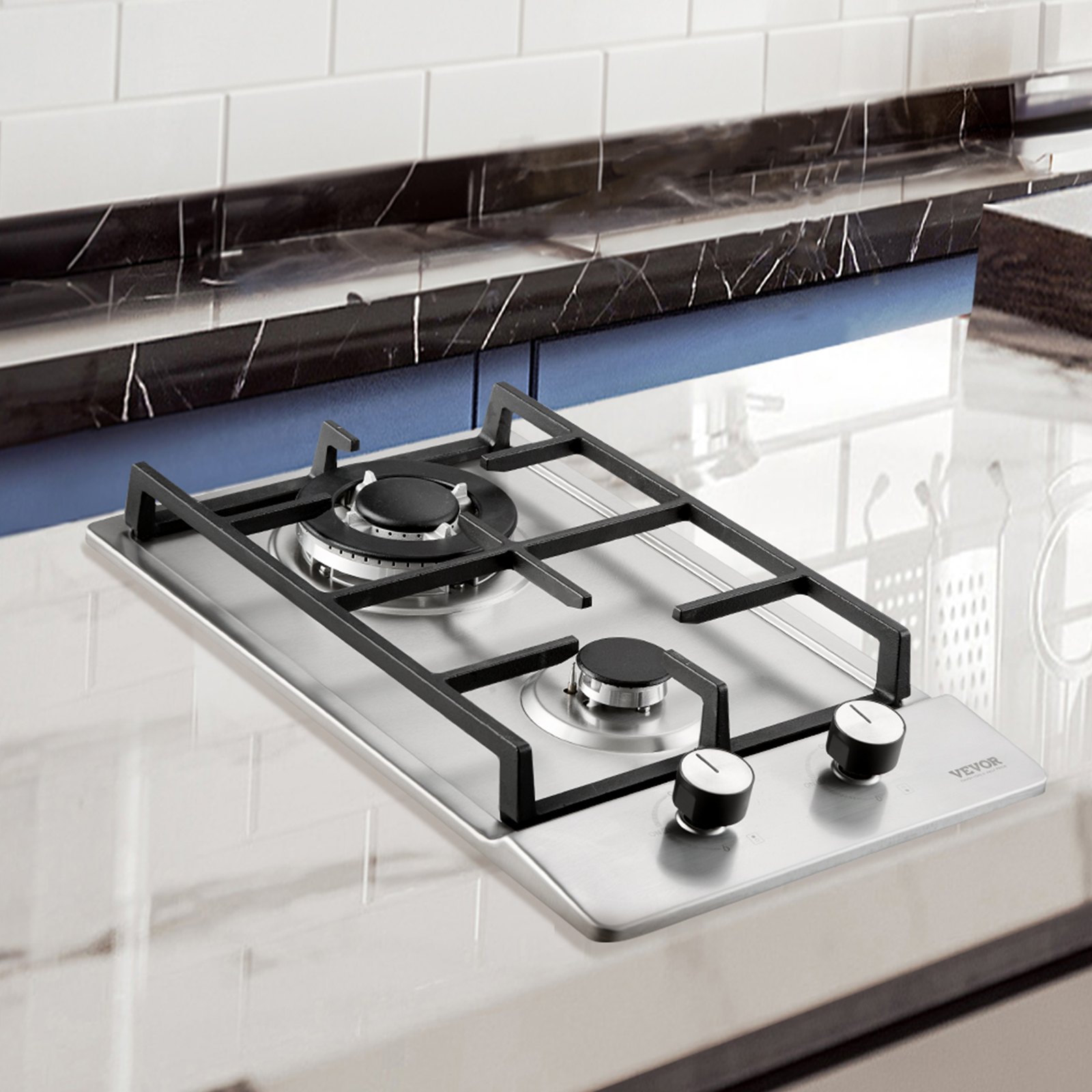
A 2-burner gas stove is a compact, freestanding or drop-in cooking appliance in which two sealed gas burners feed a single stovetop, either as a standalone hotplate or the top half of a small range. The core trade-off is burner output and build grade versus footprint: entry units use thin stamped steel grates and low-BTU open burners, while durable units use cast-iron grates, sealed brass burners, and a thermocouple flame-failure safety device on every burner. The decision rule is simple: buy cast-iron grates plus a thermocouple cutoff if the stove runs daily or in a rental, and accept enamel-coated steel grates only for light, occasional use where the lowest weight and cost matter.

Buying guide image
Blenders & Juicers

Nutribullet Blender

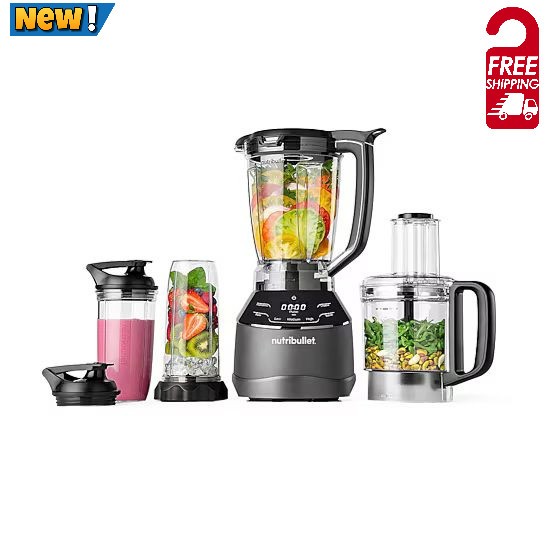
NutriBullet blenders are compact, high-speed personal blenders defined by their bullet-style cup-and-blade design and wattage-tiered motor lineup. The core trade-off is motor wattage and blade count versus cup capacity and plastic housing durability: higher-watt models (1200W+) handle frozen fruit and ice reliably, while 600-900W units suit soft ingredients only. The decision rule is simple: buy by wattage tier and blade geometry for your ingredient load, and treat the 'food processor' or '3-in-1' labels as accessory kits rather than different motors.

Buying guide image
Blenders & Juicers

Rechargeable Portable Blender

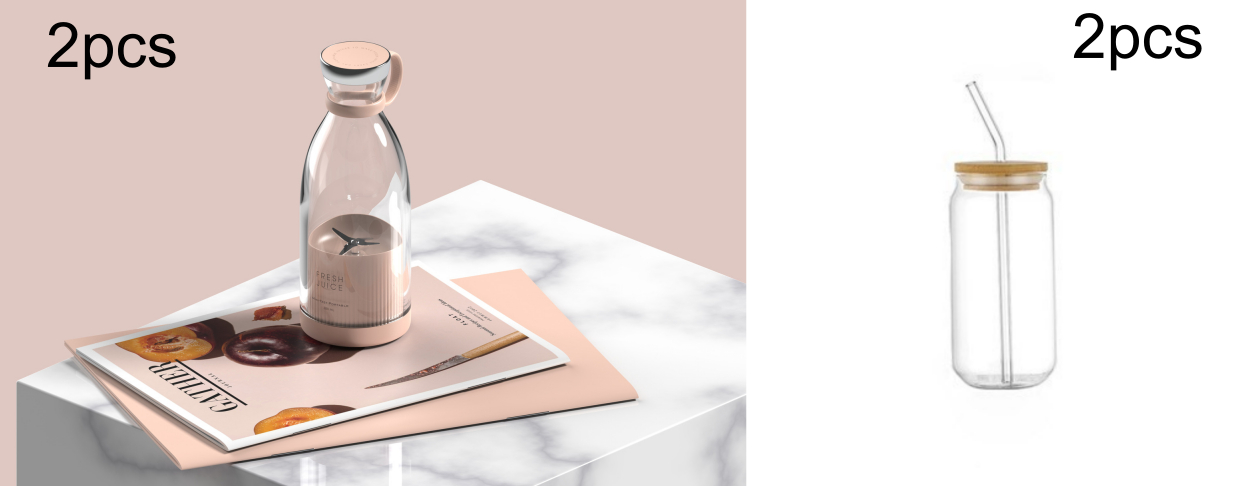
A rechargeable portable blender is a cordless, battery-powered blending cup designed for single-serve smoothies and shakes away from mains power. The core trade-off is motor torque and blade geometry versus battery capacity and jar sealing: low-power units (under 200W equivalent) stall on frozen fruit and ice, while higher-torque brushless models demand larger cells and add weight. The decision rule: buy only if the jar is leak-rated for inverted blending and the motor is rated for frozen loads; otherwise choose a corded personal blender.

Buying guide image
Coffee Cleaning & Accessories

Breville Coffee Machine Cleaner

Breville coffee machine cleaner encompasses descalers, cleaning tablets, and rinse solutions formulated for espresso and drip systems, where the primary trade-off is active-agent strength versus material compatibility with aluminum, brass, and silicone seals. The decisive rule: choose a cleaner explicitly labeled for the machine's boiler material and cleaning cycle (descale vs. backflush), and avoid generic tablets that lack temperature-stable chelating agents.

Buying guide image
Coffee Cleaning & Accessories

Espresso Machine Mat

An espresso machine mat is a silicone or rubber barrier that protects countertops from heat, water, and coffee oils while anchoring the machine against vibration. The core trade-off is material grade and thickness: food-grade silicone at 2–4 mm resists heat and curling, while thin PVC or EVA pads deform and trap moisture. Buy a mat with a raised lip or channeled surface and a non-slip base; skip flat, sub-2 mm decorative pads that slide and stain.

Buying guide image
Coffee Cleaning & Accessories

Keurig Coffee Cleaner

Keurig coffee cleaner encompasses descaling solutions, cleaning tablets, and rinse pods designed to remove mineral scale and coffee oils from Keurig brewers. The core trade-off is between liquid descalers that dissolve scale quickly and tablet or pod formats that offer convenience but may require longer dwell times; durability hinges on using a food-safe, non-corrosive formula compatible with aluminum and plastic internal components.

Buying guide image
Coffee Grinders

Electric Coffee Bean Grinder

An electric coffee bean grinder is a motorized mill that converts whole beans into a consistent particle size for brewing, and the primary trade-off is burr type versus motor/blade construction: conical or flat burrs deliver uniform grind for repeatable extraction, while blade and low-torque motors produce uneven particles and heat. The decision rule is simple: buy a burr grinder with a metal burr set and a motor rated for continuous duty if you brew daily, and skip blade grinders or plastic-burr units unless you only need coarse chopping for occasional French press.

You may also like

Finding more guides for you…