Kitchen Gear Wise

Kitchen Gear Wise

Kitchen Gear Reviews & Buying Guides

Compare kitchen gear by use case, features, trade-offs, price, returns, and seller terms before you buy.

Buying guides

Buying guide image
Kitchen Storage & Organization

Cutlery Tray Drawer

A cutlery tray drawer is an in-drawer organizer that separates forks, knives, and spoons into dedicated slots, with expandable side-wing designs or fixed-width molded units being the two main architectures. The core trade-off is between adjustable width range (expandable models fit more drawer sizes but use thinner dividers) and structural rigidity (fixed trays hold heavy utensils without flexing but demand exact drawer measurements). Buy expandable only if your drawer interior width falls within the model's stated min-max span and utensils are under roughly 9 inches; choose a rigid fixed or wood tray when loading heavy servers, cleavers, or long chopsticks.

Buying guide image
Tableware, Drinkware & Serving

Glass Drinking Bottle With Lids

A glass drinking bottle with lid is a reusable beverage container built around a borosilicate or soda-lime glass body paired with a sealing cap, trading the shatter resistance of plastic or steel for inert, taste-neutral, odor-free storage. The core trade-off is glass formulation and wall thickness versus lid sealing and protection: borosilicate resists thermal shock and is lighter for its strength, while soda-lime is tougher against impact but heavier and less heat-tolerant. The decision rule is simple: buy borosilicate with a silicone-gasketed, leak-tested lid and a protective sleeve for daily carry; skip thin soda-lime bottles with press-fit or unlined metal caps, which chip at the rim and leak in bags.

Buying guide image
Food Preparation

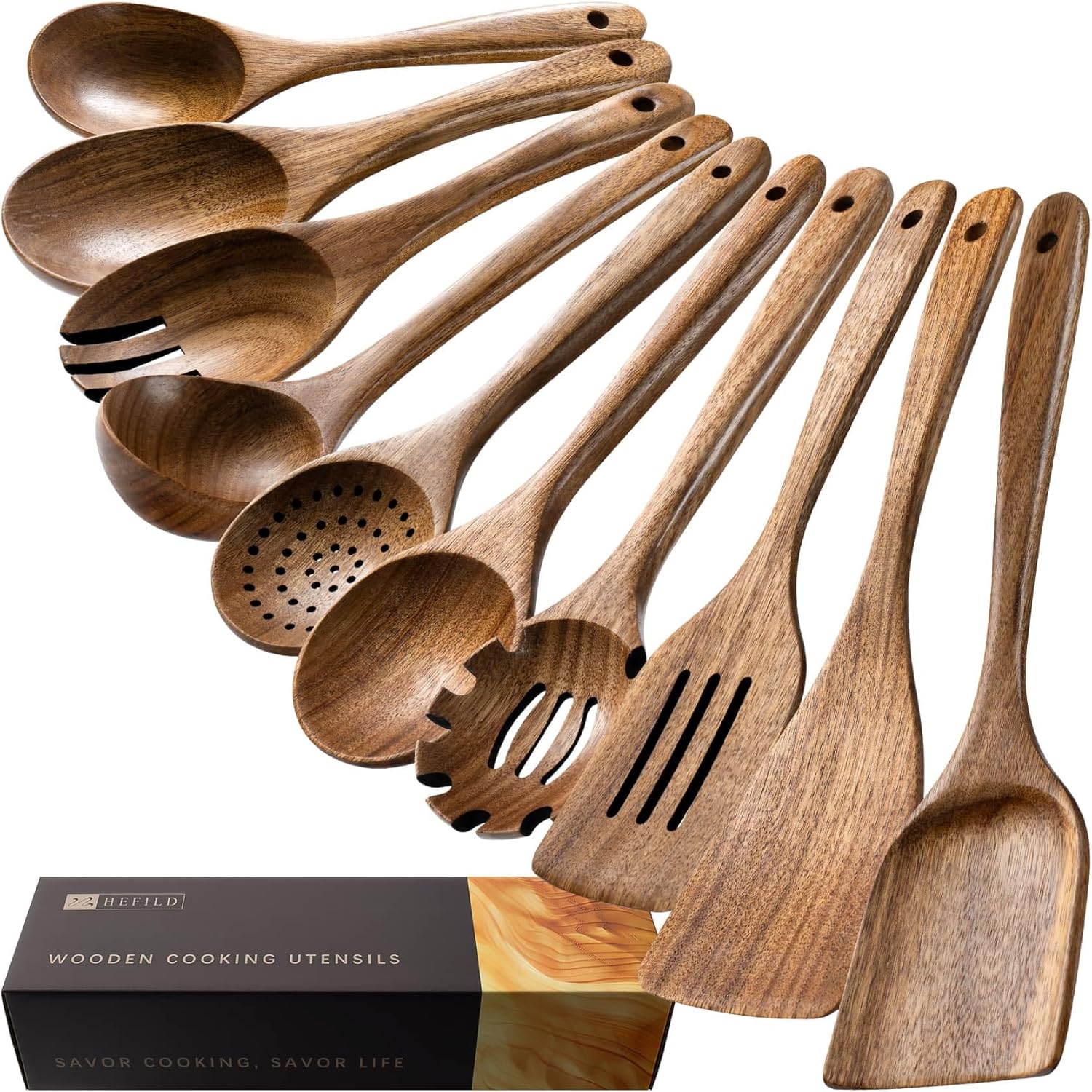
Cooking Spoon

A cooking spoon is a primary stirring, serving, and tasting tool where the core trade-off is heat resistance and non-scratch safety versus rigidity and stain resistance. Wood and silicone protect nonstick coatings but absorb odors or degrade at high heat; stainless steel is indestructible but scratches delicate surfaces. The decision rule: match spoon material to your cookware's coating and your stove's heat output—buy silicone or wood for nonstick, stainless for stainless/cast iron, and avoid plastic at sustained high heat.

Buying guide image
Home Ranges, Ovens & Cooktops

Smart Oven

A smart oven is a built-in or freestanding cooking appliance that integrates Wi-Fi or Bluetooth connectivity for remote control, guided cooking, and firmware updates. The primary trade-off is between smart-control convenience and core thermal performance: a mid-tier convection element paired with a robust app ecosystem often outperforms a premium 'smart' badge on a weak heating architecture. Choose a smart oven only if you will use remote preheat, probe-assisted cooking, or recipe sync; otherwise, a well-built non-connected oven delivers better heat consistency per dollar.

Buying guide image
Air Fryers

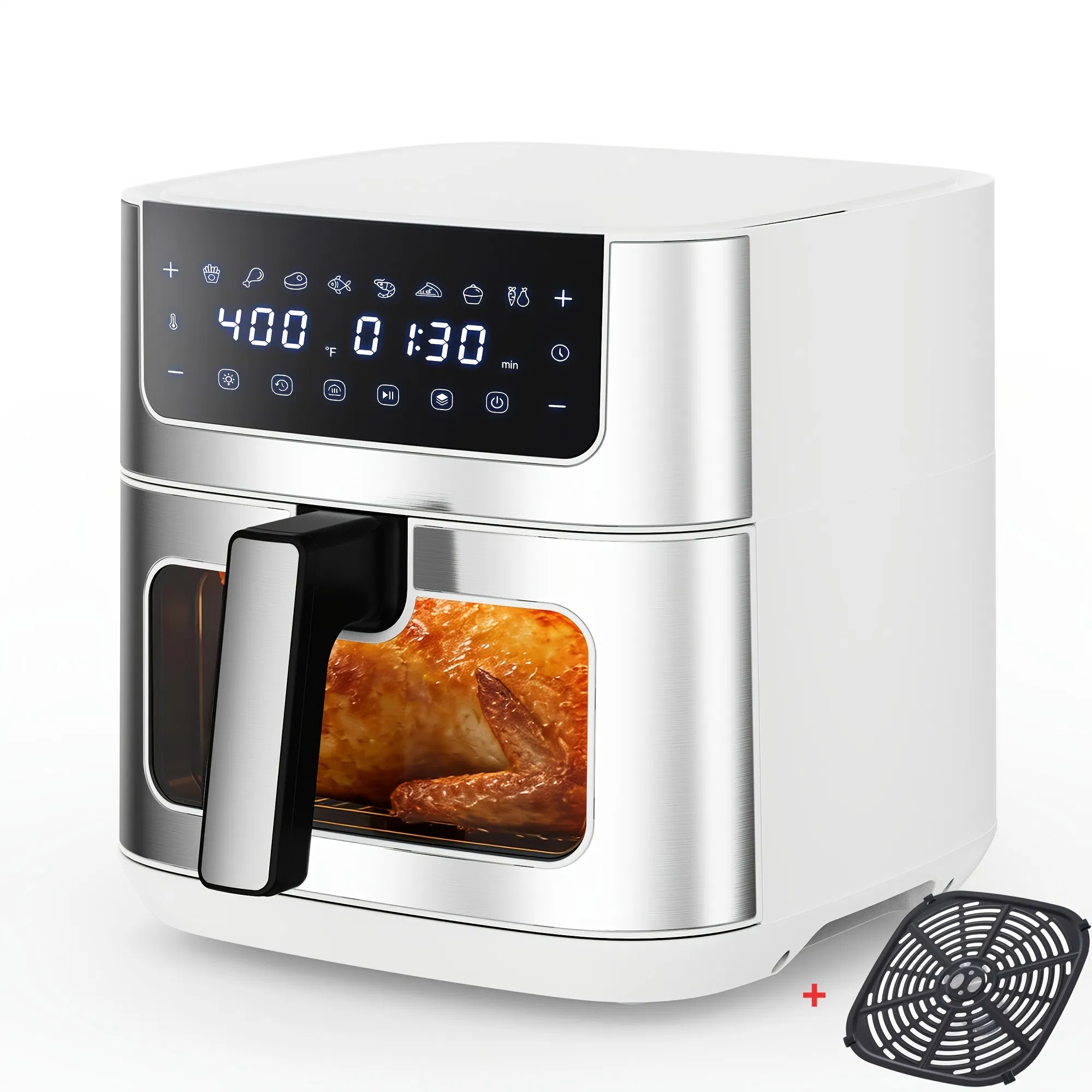
Multi Cooker With Air Fryer

A multi cooker with air fryer combines pressure cooking, air frying, and often steam/slow-cook modes in one countertop appliance, trading the absolute crisping power of a dedicated air fryer for unmatched versatility. The core decision is heating architecture: true air-fry models use a powerful top heating element plus a high-speed convection fan, while 'air-fry lid' multicookers merely add a weak fan to a pressure-cooker base. Buy a dedicated air-fry-lid unit only if pressure cooking is your priority; buy an integrated multi-cooker with a 1500W+ top element and fan if crispy results matter.

Buying guide image
Coffee Makers & Espresso

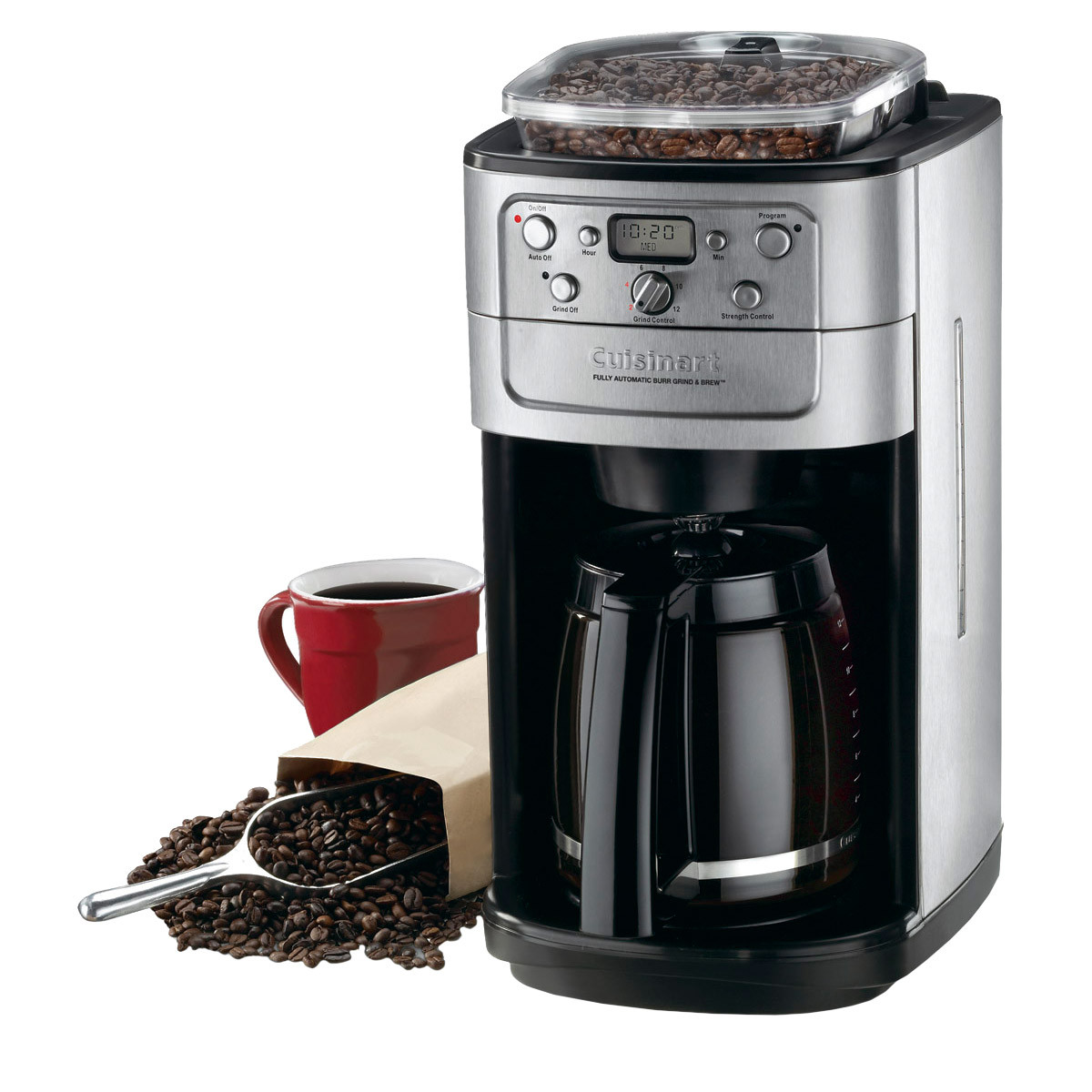
Automatic Grind And Brew Coffee Maker

Automatic grind-and-brew coffee makers integrate a burr grinder directly above the brew basket, eliminating stale pre-ground coffee and manual dosing. The core trade-off is grinder quality versus brew-path simplicity: flat burrs and conical burrs deliver even extraction, while blade grinders and weak heaters produce inconsistent cups. The decision rule is clear: choose a model with a conical or flat burr grinder, a removable brew basket, and at least 10-cup capacity for households; skip any unit that uses a blade grinder or a non-removable basket, as those are maintenance and flavor compromises.

Buying guide image
Coffee Cleaning & Accessories

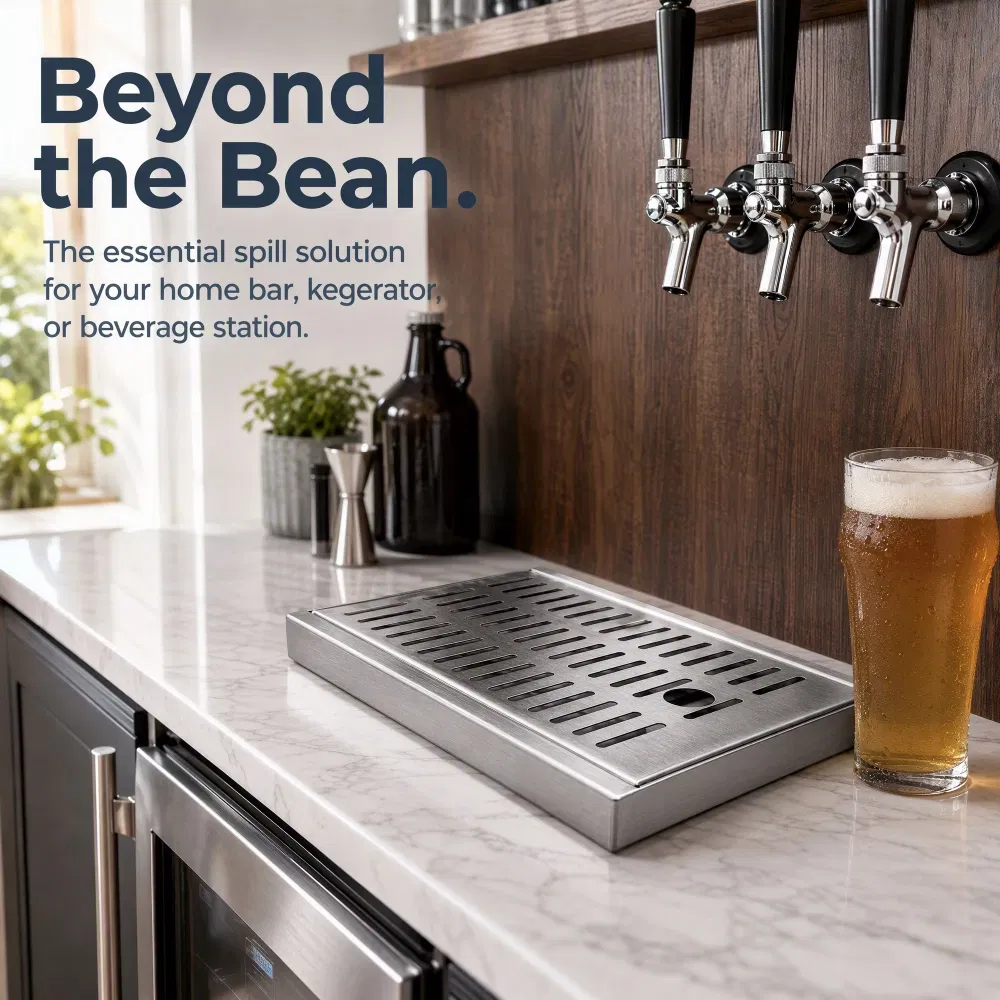
Drip Tray

A drip tray captures overflow and drips from coffee makers, espresso machines, and grinders, protecting counters and reducing slip hazards. The key trade-off is between thin stamped stainless or plastic trays that dent, stain, or warp and heavier-gauge stainless or thick ABS trays with a raised edge and removable grate that stay flat and clean easily. Choose a tray sized to the machine footprint plus a 1–2 in margin, made from 18/8 stainless or thick ABS, with a lift-out grate and a lip height of at least 0.5 in for true containment.

Buying guide image
Slow & Pressure Cookers

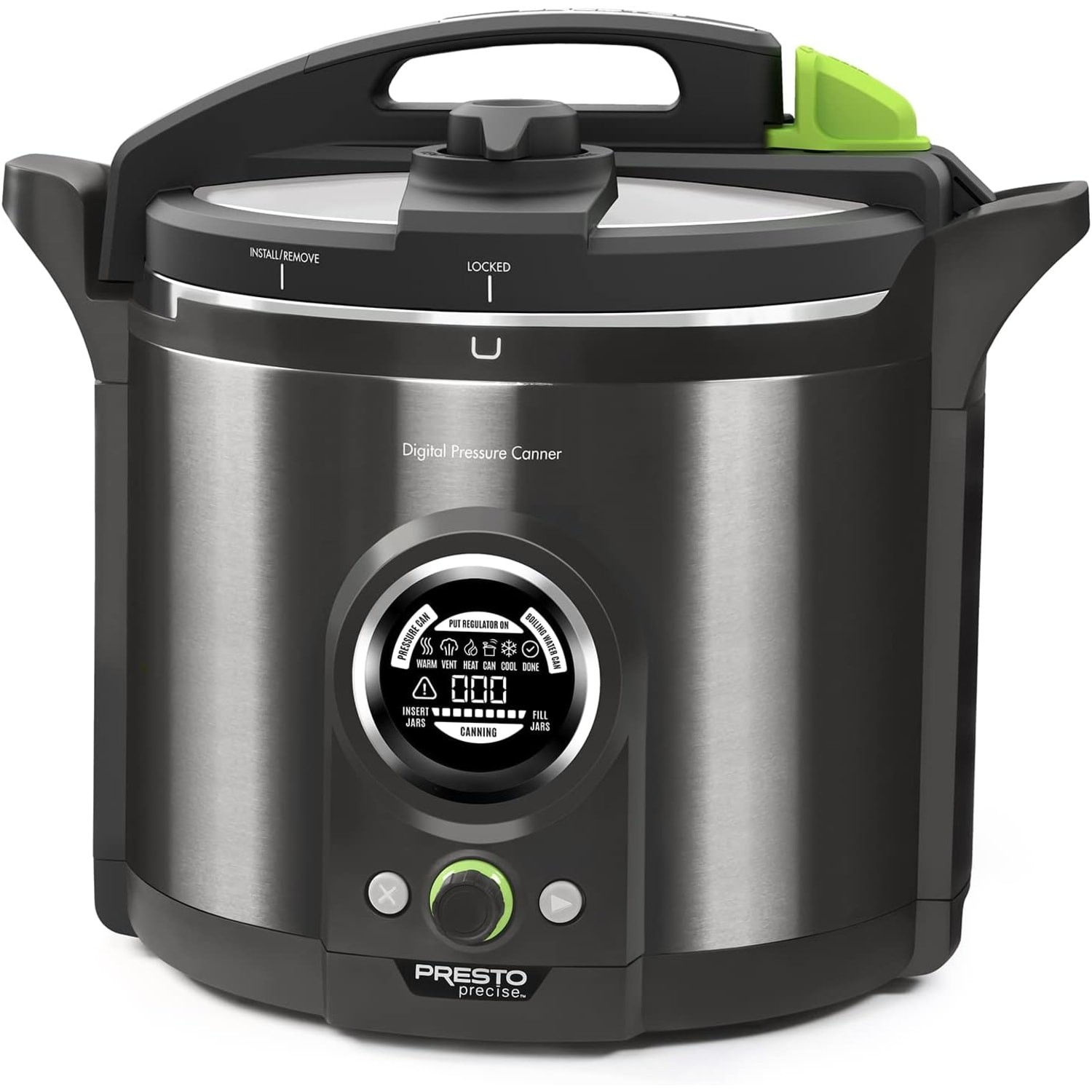
Digital Electric Pressure Canner

Digital electric pressure canners are countertop appliances that combine a pressure vessel with a digital controller to reach and hold the 240-250°F (115-121°C) needed for safe low-acid canning. The core trade-off is between true USDA-compliant pressure canning capability and multi-function slow-cooker convenience. The decision rule: buy only a model explicitly rated for pressure canning with a weighted or calibrated pressure regulator and a tested 10-15 PSI range; skip any 'multicooker' that lacks a canning-specific pressure mode.

Buying guide image
Slow & Pressure Cookers

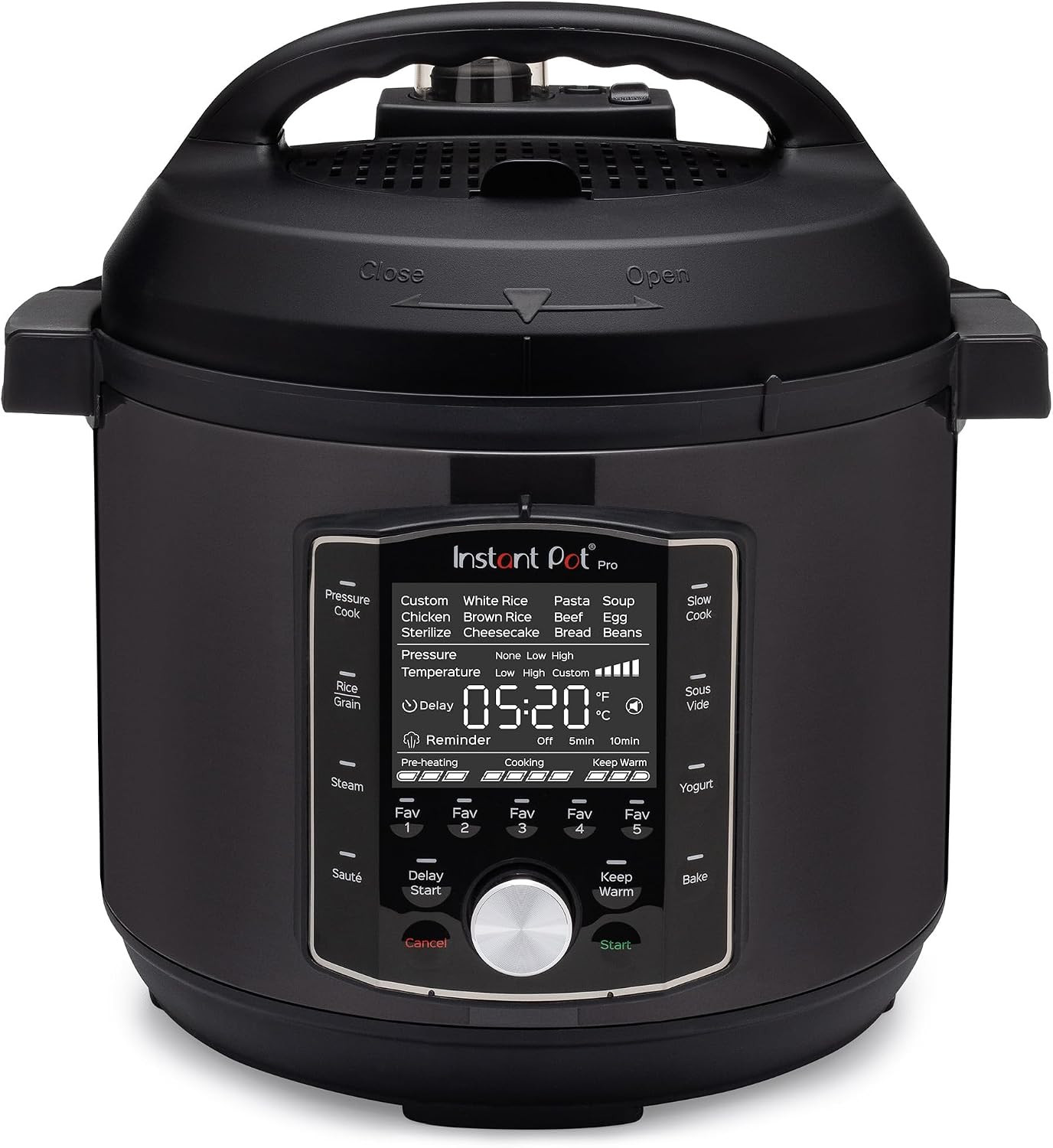
Instant Pot With Pressure Cooker

Instant Pot with pressure cooker refers to multi-function electric pressure cookers that combine pressure cooking with slow cooking, sautéing, steaming, and more in one appliance. The core trade-off is between true pressure-cooking capability (15 psi with a locking lid and safety systems) and slow-cooker convenience—cheap 'multi-cookers' often lack adequate pressure or use thin aluminum inner pots that warp. The decision rule: buy a model with a stainless-steel inner pot, 15 psi rating, and a dedicated slow-cook function; skip any unit that lists 'pressure cooker' but omits a locking lid or pressure-release valve.

Buying guide image
Kitchen Storage & Organization

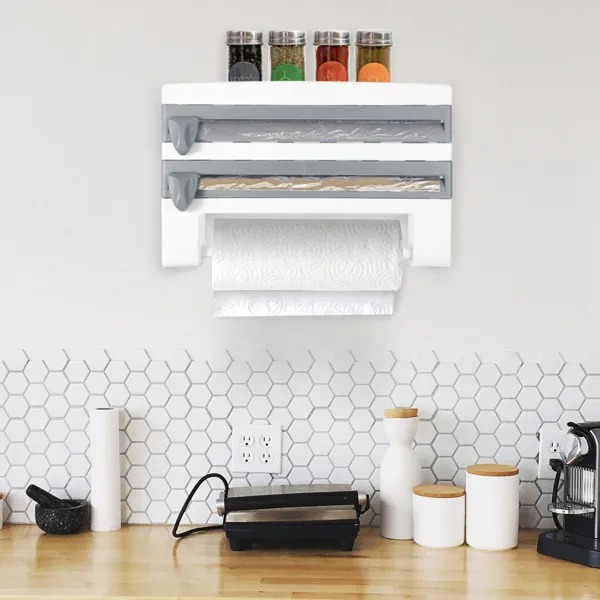
Plastic Wrap Dispenser With Cutter

A plastic wrap dispenser with cutter is a countertop or wall-mounted organizer that holds a roll of cling film and integrates a blade or serrated edge for clean, one-handed tearing. The core trade-off is between lightweight plastic shells with exposed cutters and heavier metal or magnetic bodies with shielded, replaceable blades that stay aligned roll after roll. Choose a metal-bodied, magnet- or screw-mountable unit with a slide-in refill track and recessed cutter if you tear wrap daily; skip thin acrylic boxes with glued foil edges that warp and dull within months.

Buying guide image
Kitchen Storage & Organization

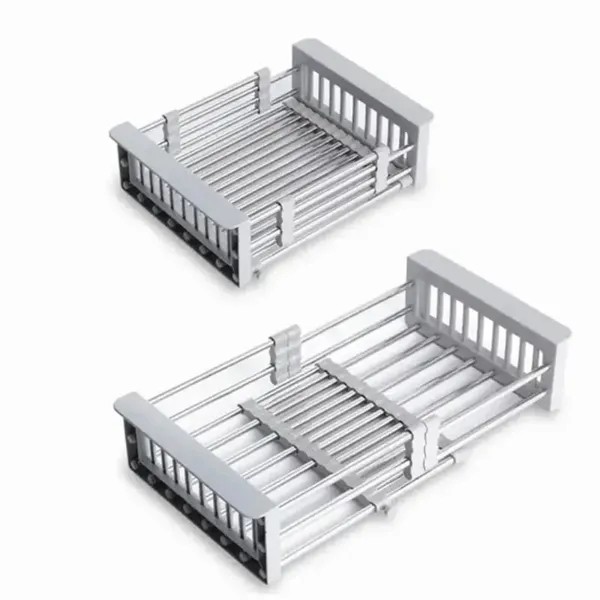
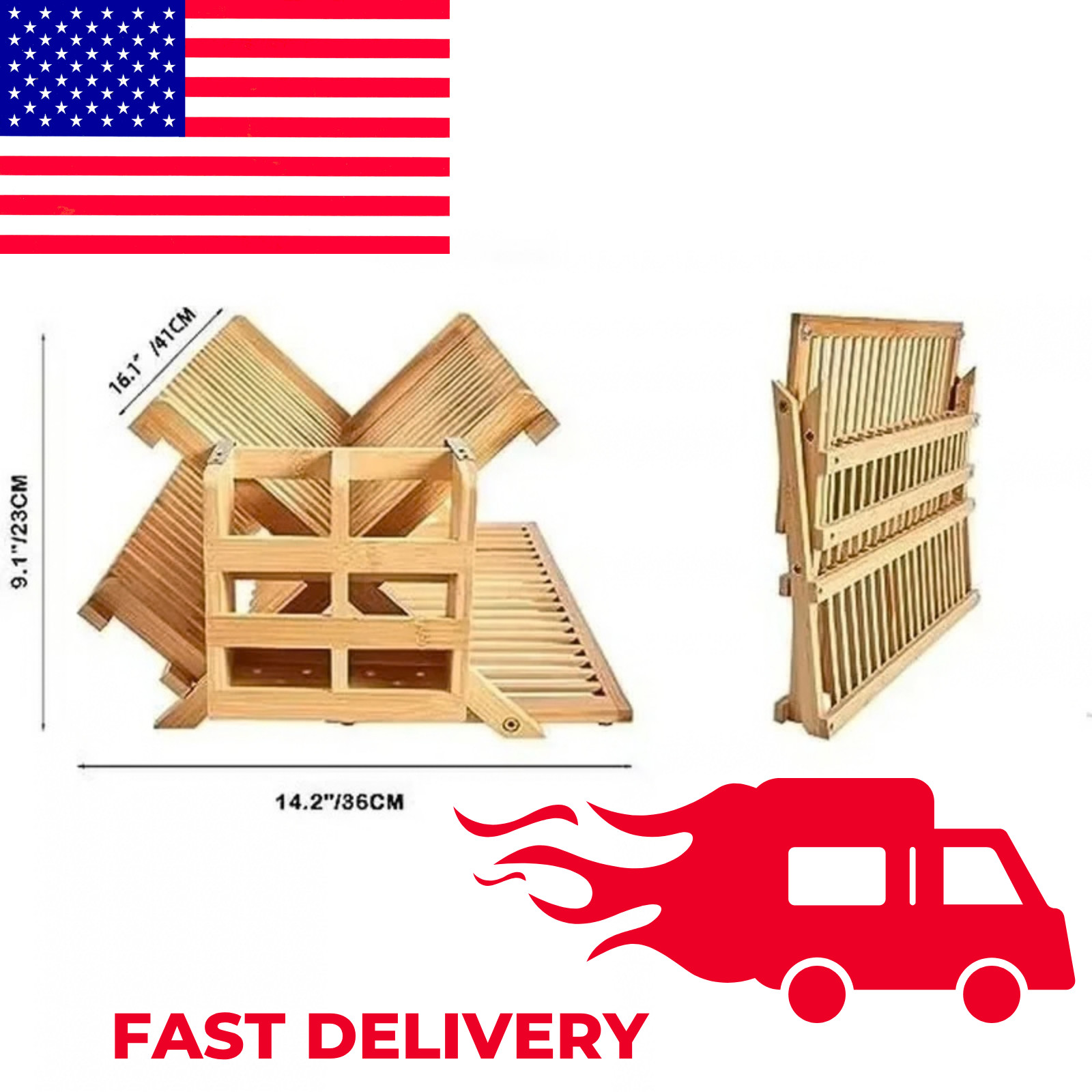
Sink Drain Rack

A sink drain rack is a countertop or over-sink organizer that holds dishware or produce above the basin so water drips directly into the drain. The primary trade-off is between stainless-steel adjustability (corrosion resistance, span stability) and plastic/bamboo simplicity (lower weight capacity, moisture degradation). The clear decision rule: pick stainless or coated-steel over-sink models for daily dish loads, and simple plastic or bamboo countertop racks only for occasional produce or light utensils.

Buying guide image
Toasters & Ovens

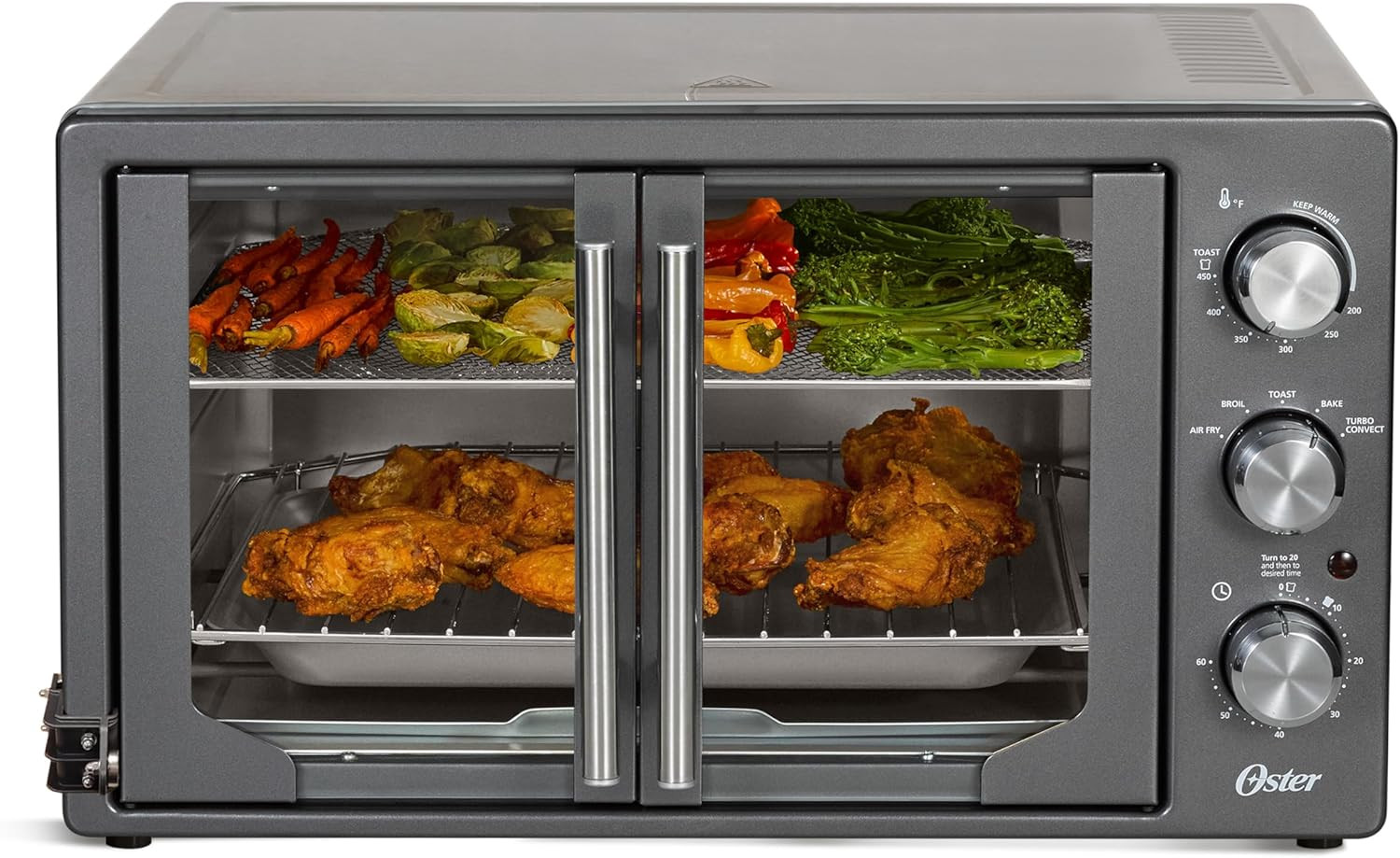
Oster Extra Large Countertop Oven

The Oster Extra Large Countertop Oven is a 42-liter French-door toaster oven with air-fry and 6-in-1 cooking modes, sized to replace a full-size oven for large families or batch cooking. The key trade-off is usable capacity versus counter depth and heat recovery: French-door designs add width and hinge clearance, while 42L class ovens need dedicated circuit headroom (1500–1800W). Choose a true 42L French-door model only if you have 24+ inches of counter depth and a dedicated 15A outlet; otherwise step down to a 30–36L single-door oven.

Buying guide image
Food Processors & Choppers

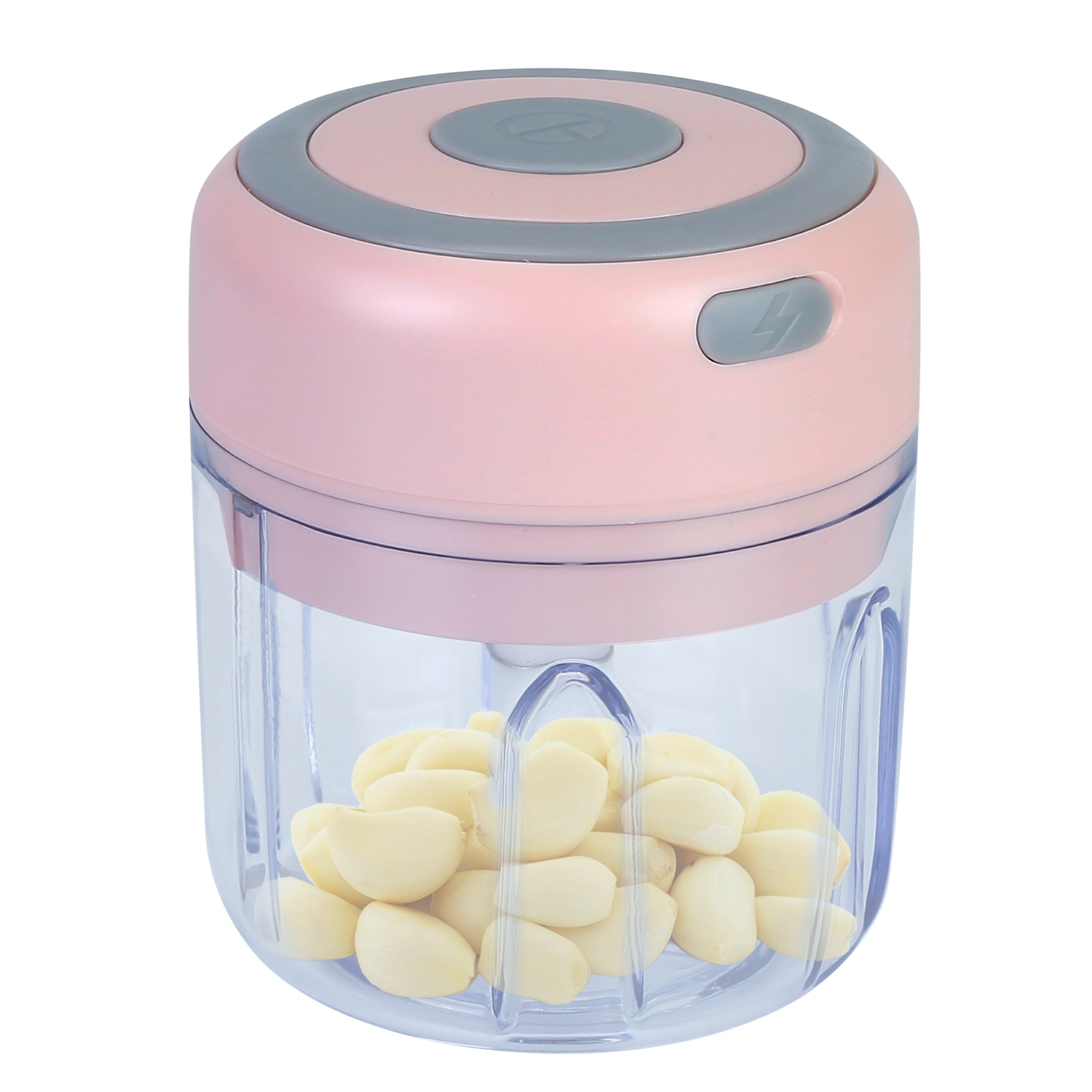
Electric Garlic Press

Electric garlic presses are compact, battery-powered choppers that mince garlic, ginger, and small aromatics with a pull-cord-free motor and USB-rechargeable cell. The core trade-off is blade and bowl material versus motor torque: 304 stainless blades and glass or Tritan bowls resist staining and odors, while low-torque motors and thin ABS bowls stall on fibrous ginger and crack under hot rinses. Choose a model with a stainless blade, a sealed USB-C charge port, and at least a 1.7-cup (400 mL) bowl if you mince daily; skip sub-1-cup plastic units for anything beyond a few cloves.

Buying guide image
Bread Ovens & Dutch Ovens

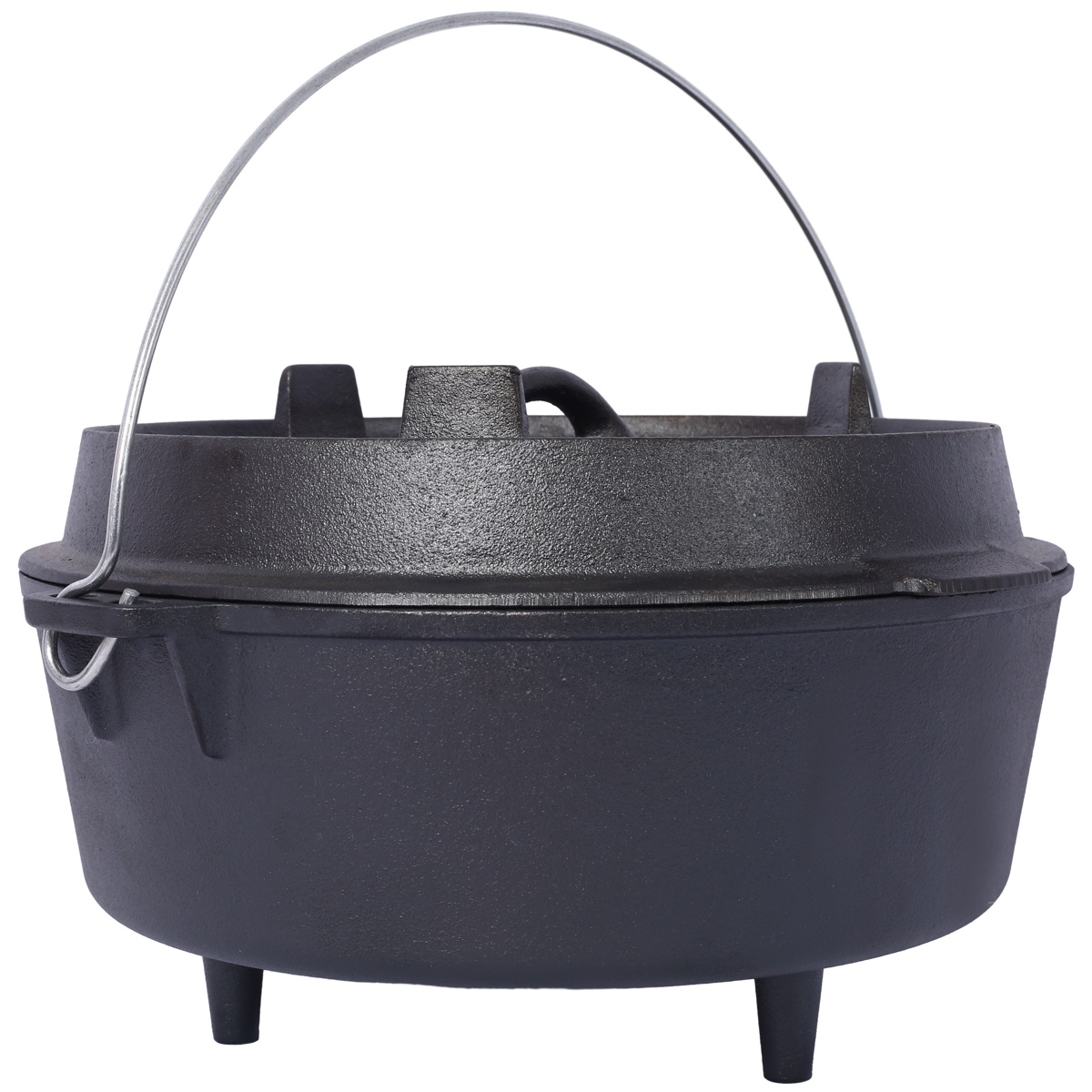
Outdoor Dutch Oven

An outdoor Dutch oven is a lidded cast-iron pot built for open-fire and campfire cooking, differentiated from kitchen enamelware by its raw or pre-seasoned iron construction and often leg-and-lid-rim design. The core trade-off is bare cast iron's fire-proof durability and heat retention against enameled iron's easier cleaning and rust resistance. Choose bare cast iron with legs and a rimmed lid for actual coals; choose enameled iron for oven-to-table and acidic foods.

Buying guide image
Vacuum Sealers

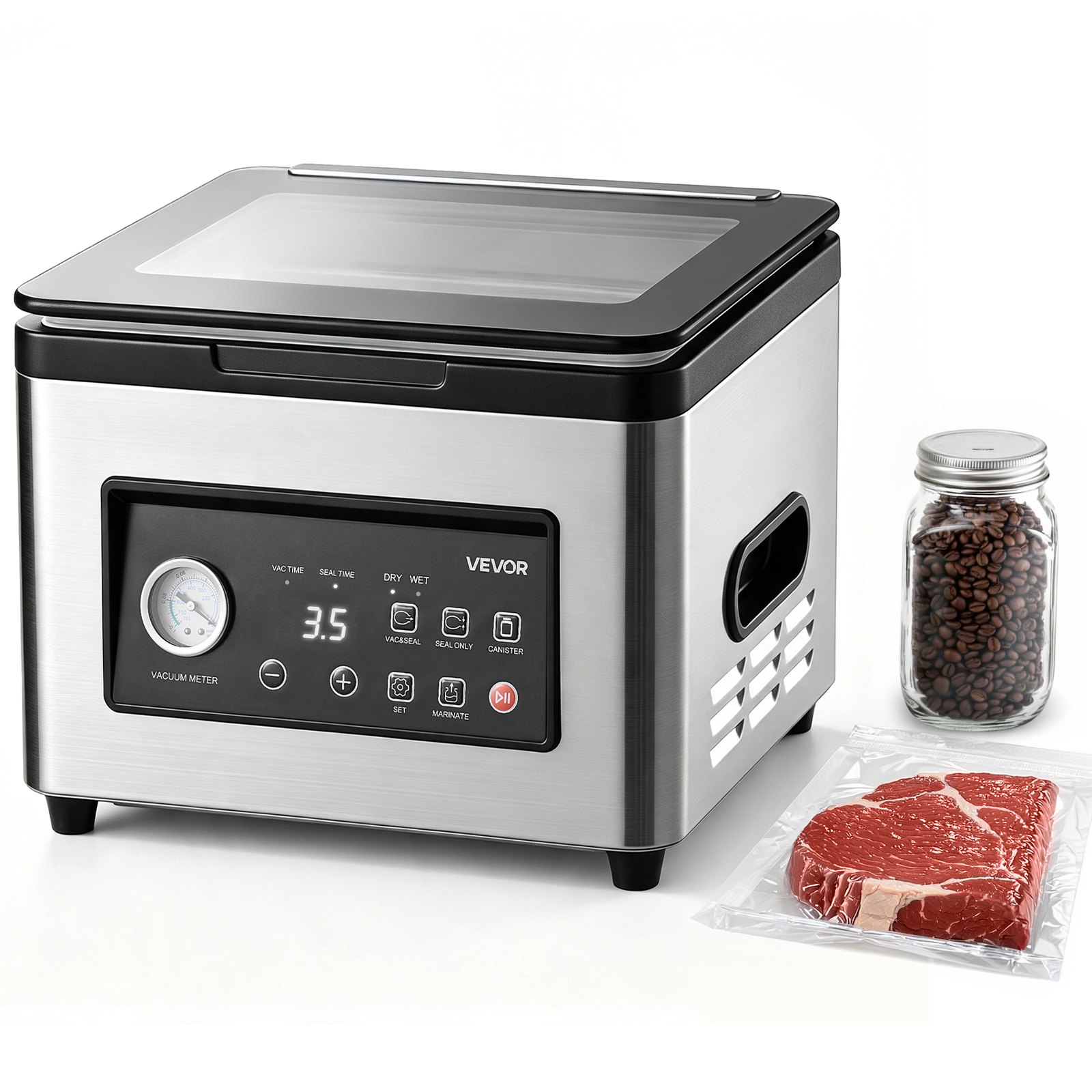
Commercial Chamber Vacuum Sealer

A commercial chamber vacuum sealer places the entire bag and product inside a rigid chamber, then evacuates the chamber itself—allowing liquids, marinades, and wet foods to be sealed without being drawn into the pump. The core trade-off is pump architecture and chamber volume: oil-filled rotary-vane pumps deliver deep, continuous vacuum for high-volume wet sealing, while dry pumps and smaller chambers cut cost but limit duty cycle and bag size. Choose a chamber sealer only if you routinely seal liquids or volume; otherwise a quality external suction sealer remains the smarter buy.

Buying guide image
Home Ranges, Ovens & Cooktops

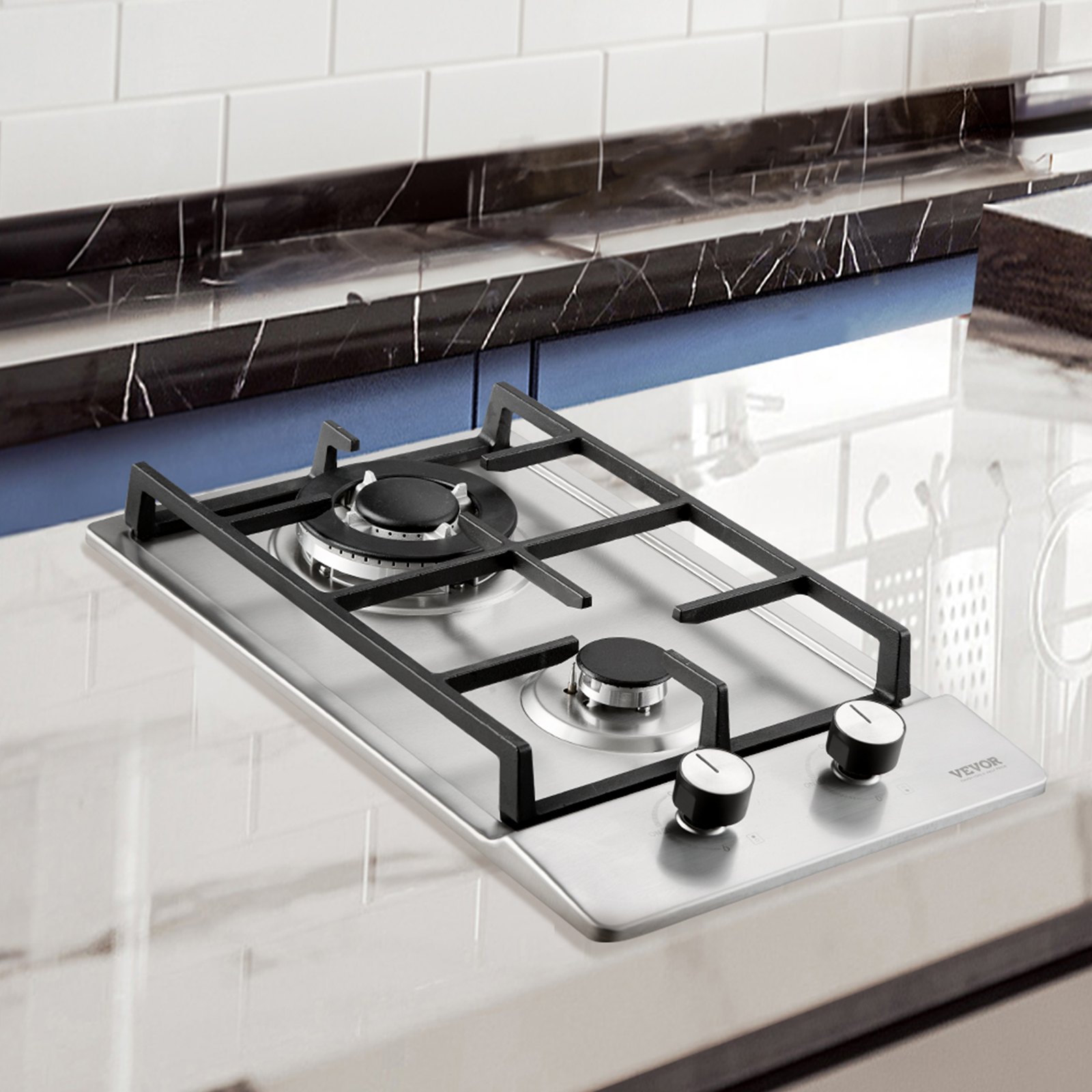
2 Burner Gas Stove Indoor

A 2-burner indoor gas stove is a compact cooking appliance for apartments, accessory dwelling units, or secondary kitchens where a full range will not fit. The defining trade-off is between low-pressure residential NG/LP safety and high-output portability, since most compact units are either certified for permanent indoor gas lines or designed for outdoor/emergency use. Buy only a unit explicitly rated for indoor residential gas and sized to your cutout, and reject any burner lacking flame-failure safety or a sealed or removable drip tray.

Buying guide image
Home Ranges, Ovens & Cooktops

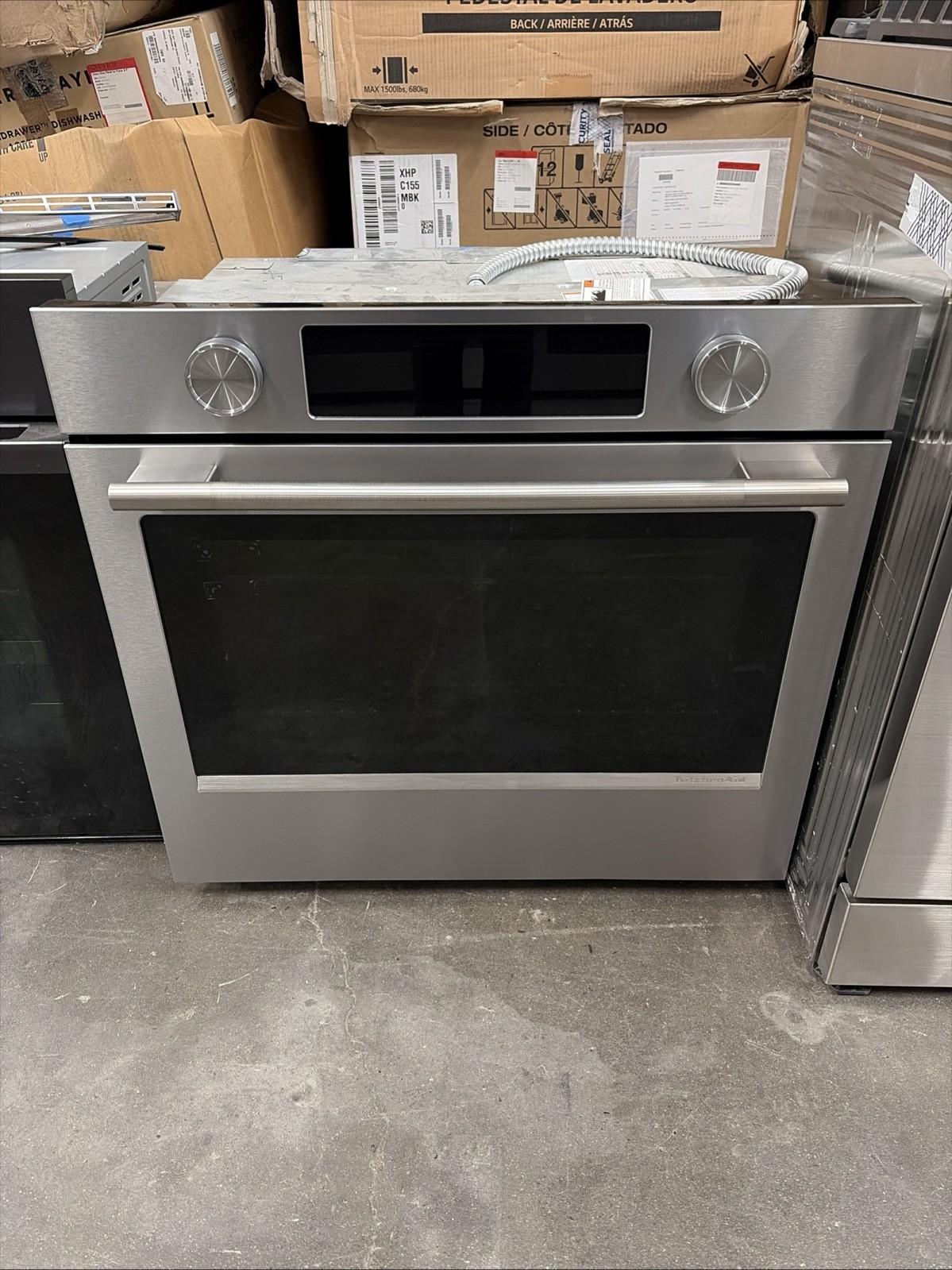
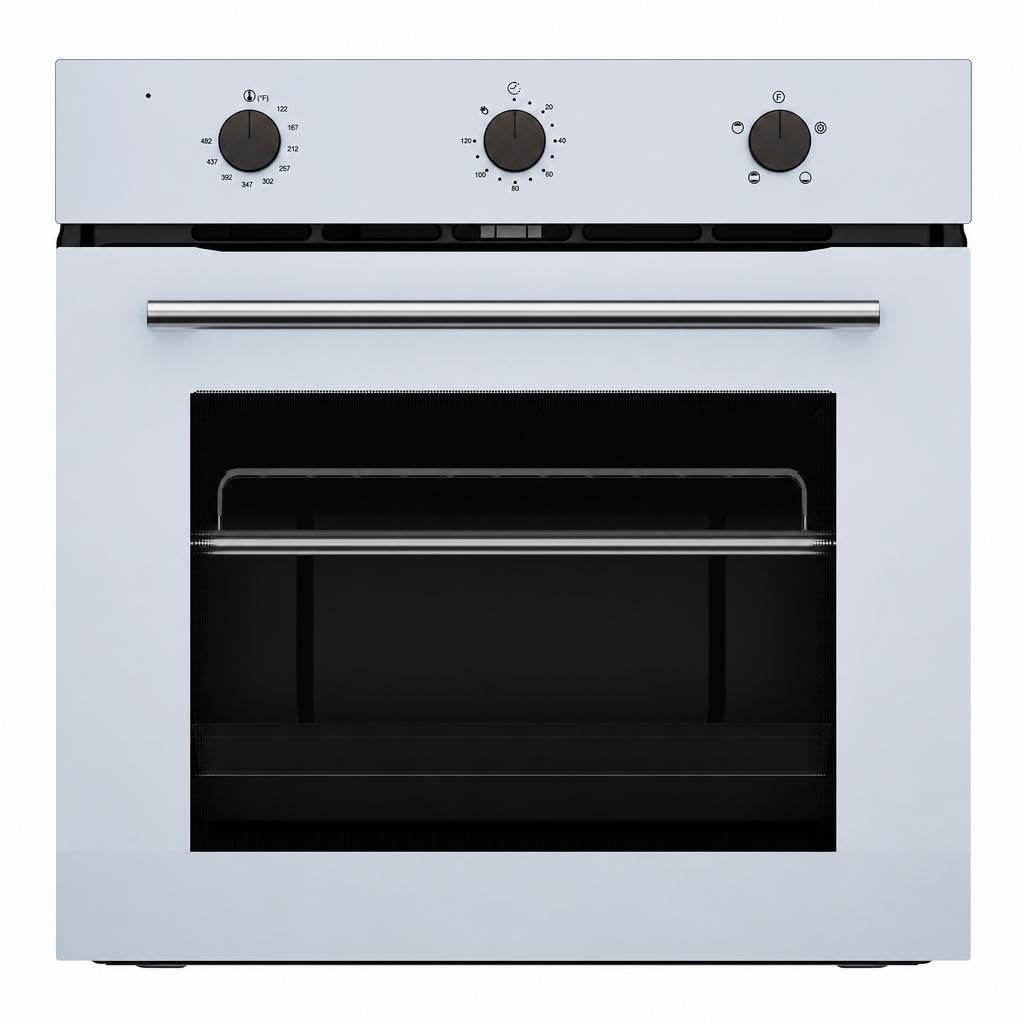
Built In Oven

Built-in ovens are wall- or cabinet-mounted cooking appliances sized to a cutout standard, and the primary trade-off is between true European convection with a precise thermostat versus cheaper single-fan or static elements that produce uneven heat. The decisive rule: buy a model whose cutout dimensions and electrical load match your existing cabinet and circuit, and reject any unit lacking a true convection fan and a mechanical safety thermostat.

Buying guide image
Cookware & Cutlery

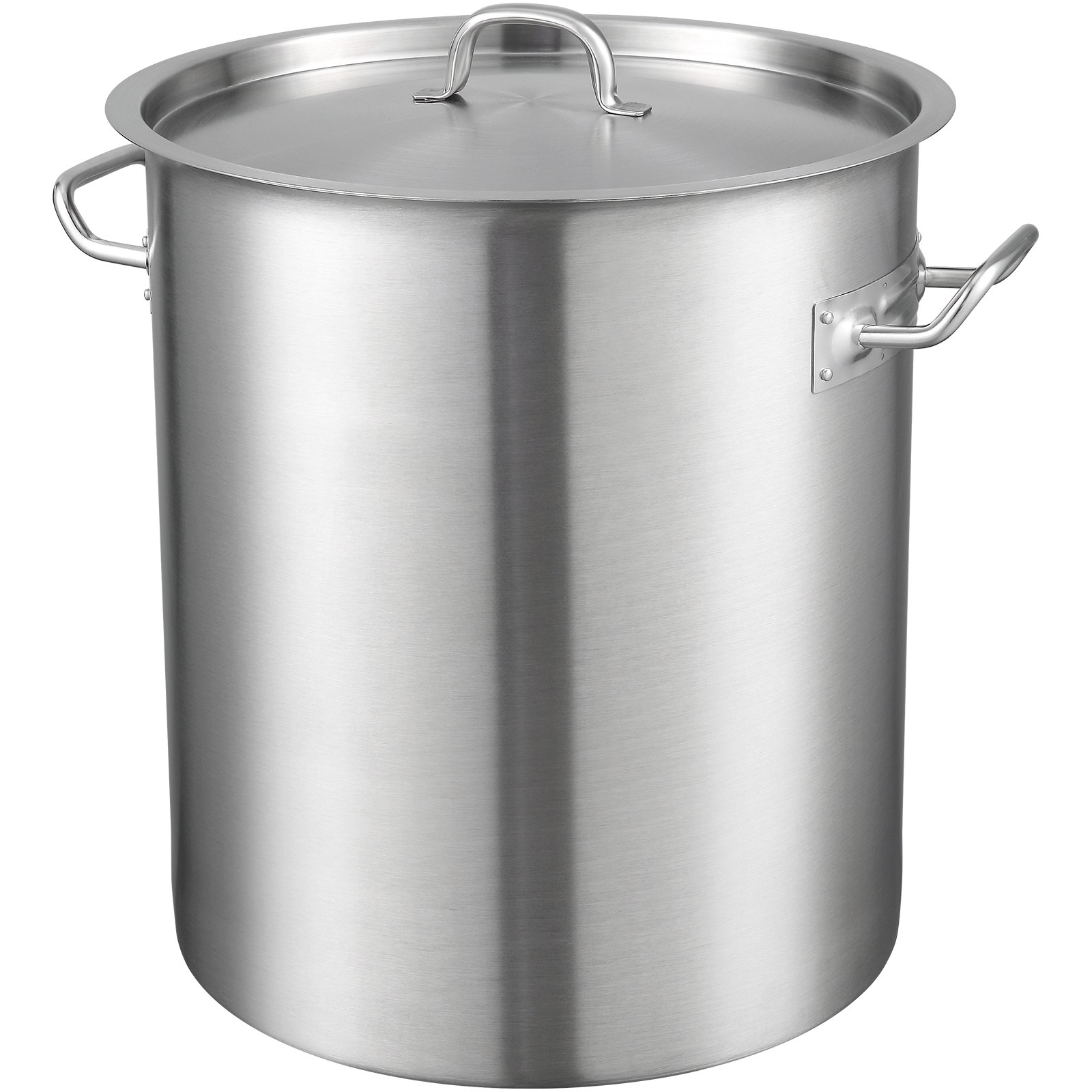
Commercial Stock Pot

Commercial stock pots are high-capacity vessels (typically 16–100+ quarts) built for batch cooking, canning, brewing, and food service, where the key trade-off is wall/base thickness and metal grade versus weight and cost. The decisive rule: choose 18/8 (304) stainless with a clad or encapsulated aluminum core and a 4–6 mm base for durability and even heat; skip thin single-ply 0.5–0.8 mm pots unless you only need occasional water boiling.

Buying guide image
Coffee Cleaning & Accessories

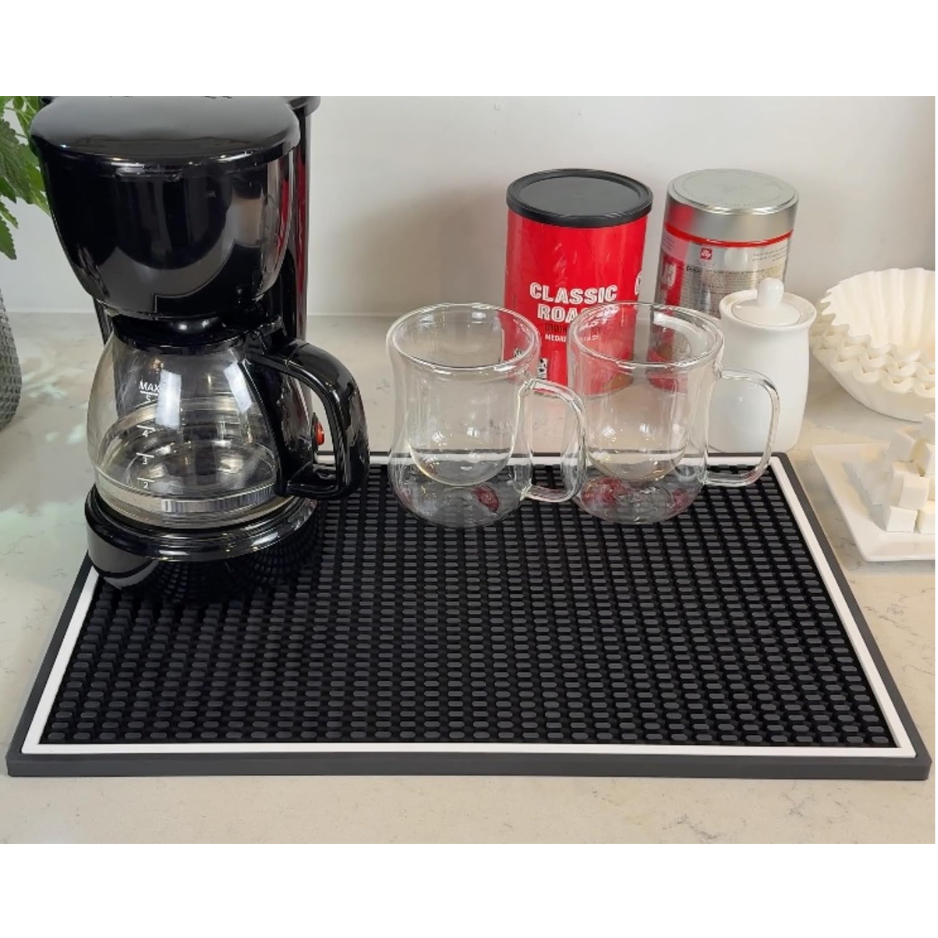
Coffee Bar Accessory

Coffee bar accessories are the countertop organizers, mats, tamping stations, and cleaning tools that keep an espresso or brew setup functional and protected. The core trade-off is between soft, heat-resistant silicone that grips and cushions versus rigid wood, stone, or metal that looks premium but can scratch or stay wet underneath. Choose silicone or raised-grid mats for daily espresso work and sealed hardwood or stone only for dry, decorative service areas.

Buying guide image
Air Fryers

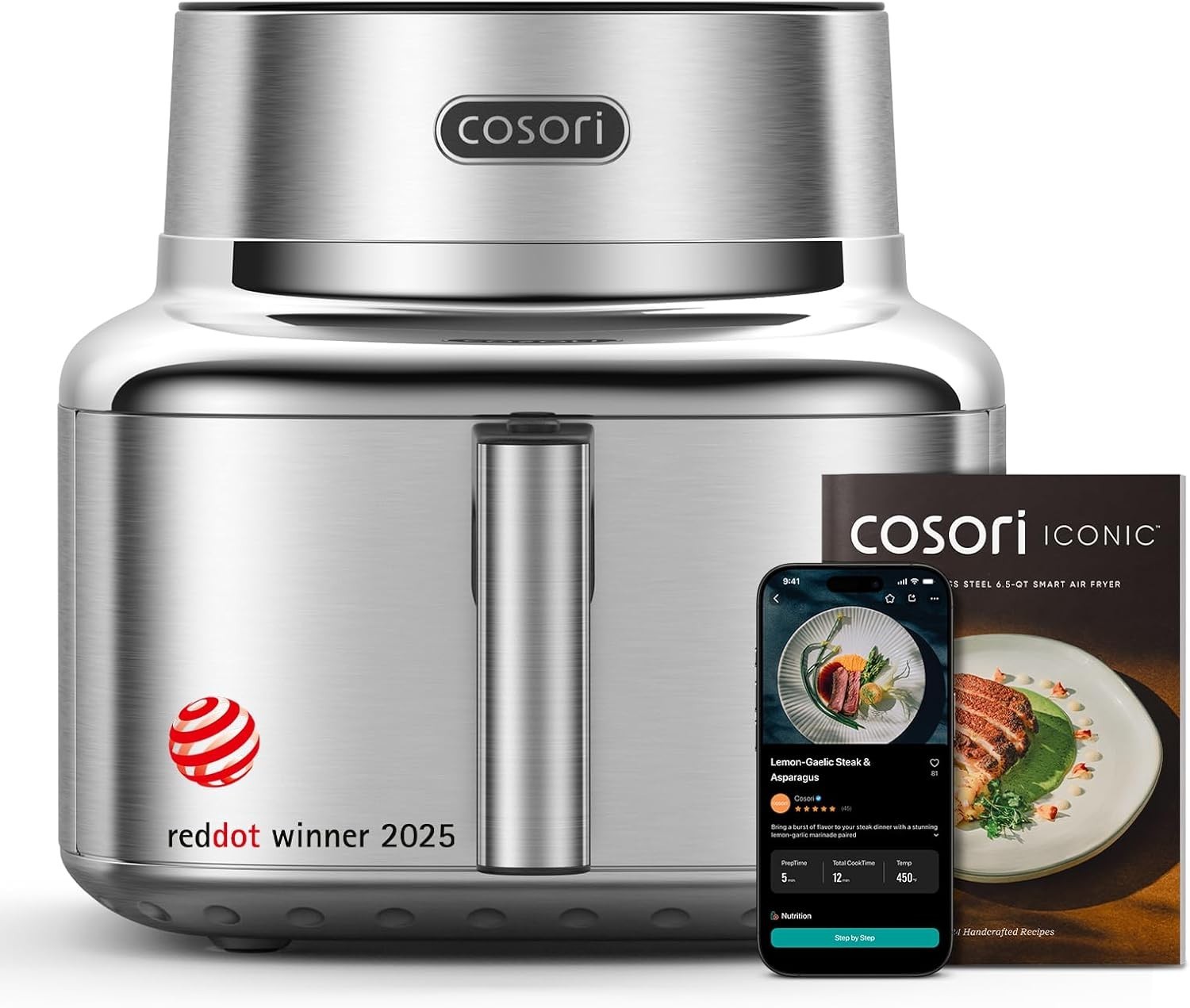
Cosori Air Fryer

Cosori air fryers are a broad line of countertop convection ovens that span compact 3–4 qt solo units to dual-basket and large-capacity models, with the main trade-off being basket capacity and wattage versus counter footprint and cabinet clearance. The decisive rule: match basket quarts and wattage to your household size and counter space, and prioritize models with dishwasher-safe nonstick baskets and a known ceramic or PTFE coating tier over feature-heavy budget variants.

You may also like

Finding more guides for you…