Kitchen Gear Wise

Kitchen Gear Wise

Kitchen Gear Reviews & Buying Guides

Compare kitchen gear by use case, features, trade-offs, price, returns, and seller terms before you buy.

Buying guides

Buying guide image
Air Fryers

Countertop Oven Air Fryer

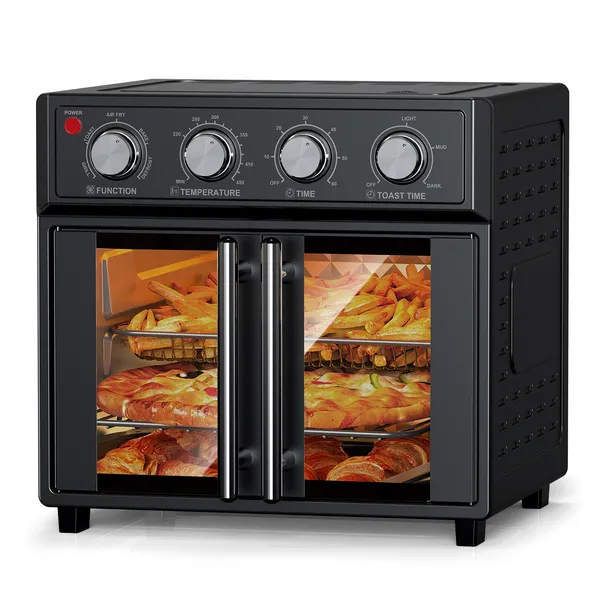
A countertop oven air fryer combines a full-size oven cavity with high-velocity convection and dedicated air-fry modes, letting you bake, toast, broil, and crisp in one appliance. The core trade-off is cavity size and heating-element wattage versus counter footprint and preheat speed—larger ovens hold more racks but take longer to reach temperature. The decision rule: choose a model with at least 1500W, a true convection fan, and independent upper/lower element control; skip low-wattage toaster-oven hybrids that lack a dedicated air-fry basket or high-speed fan.
Buying guide image
Electric Hot Pots

Hotpot And Barbecue

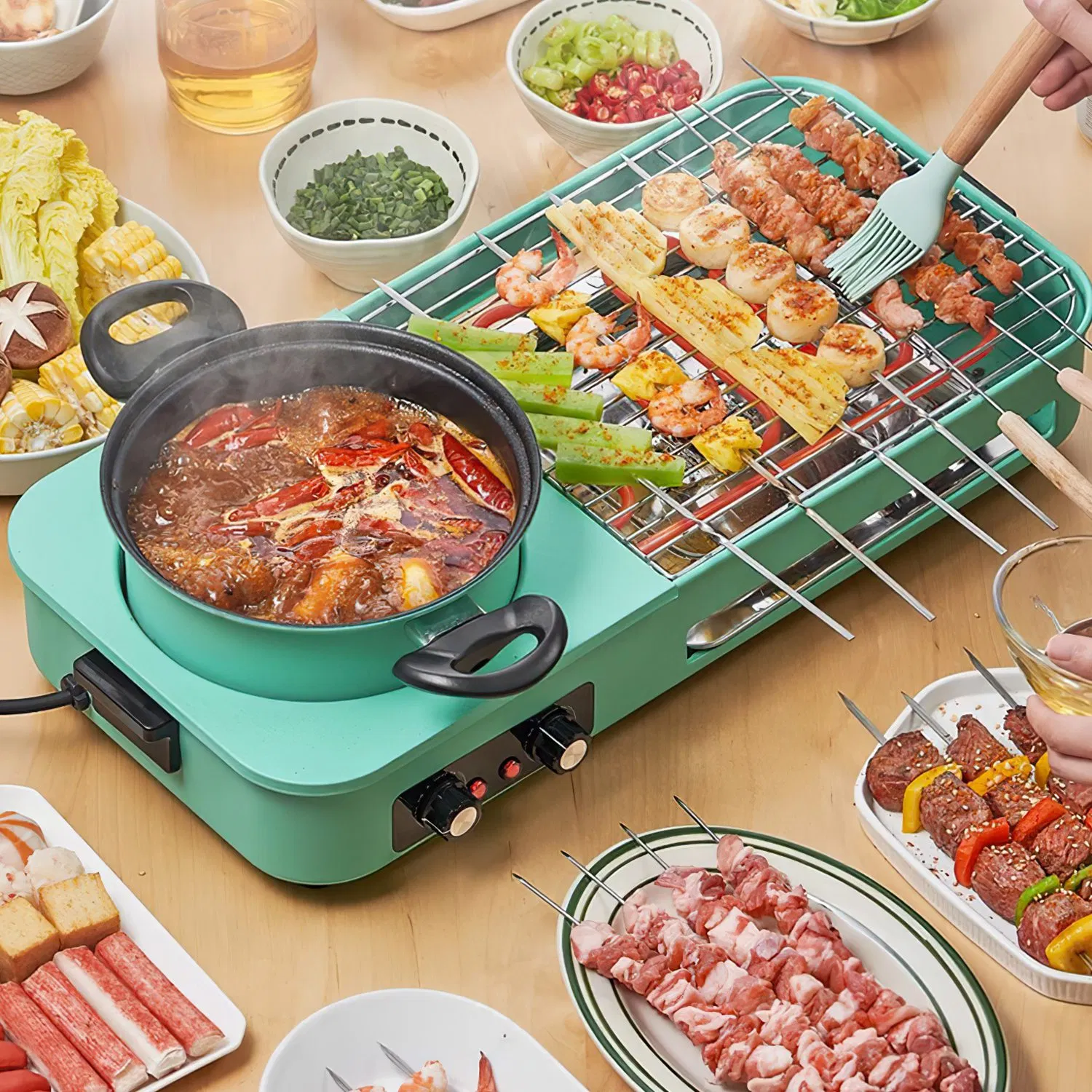
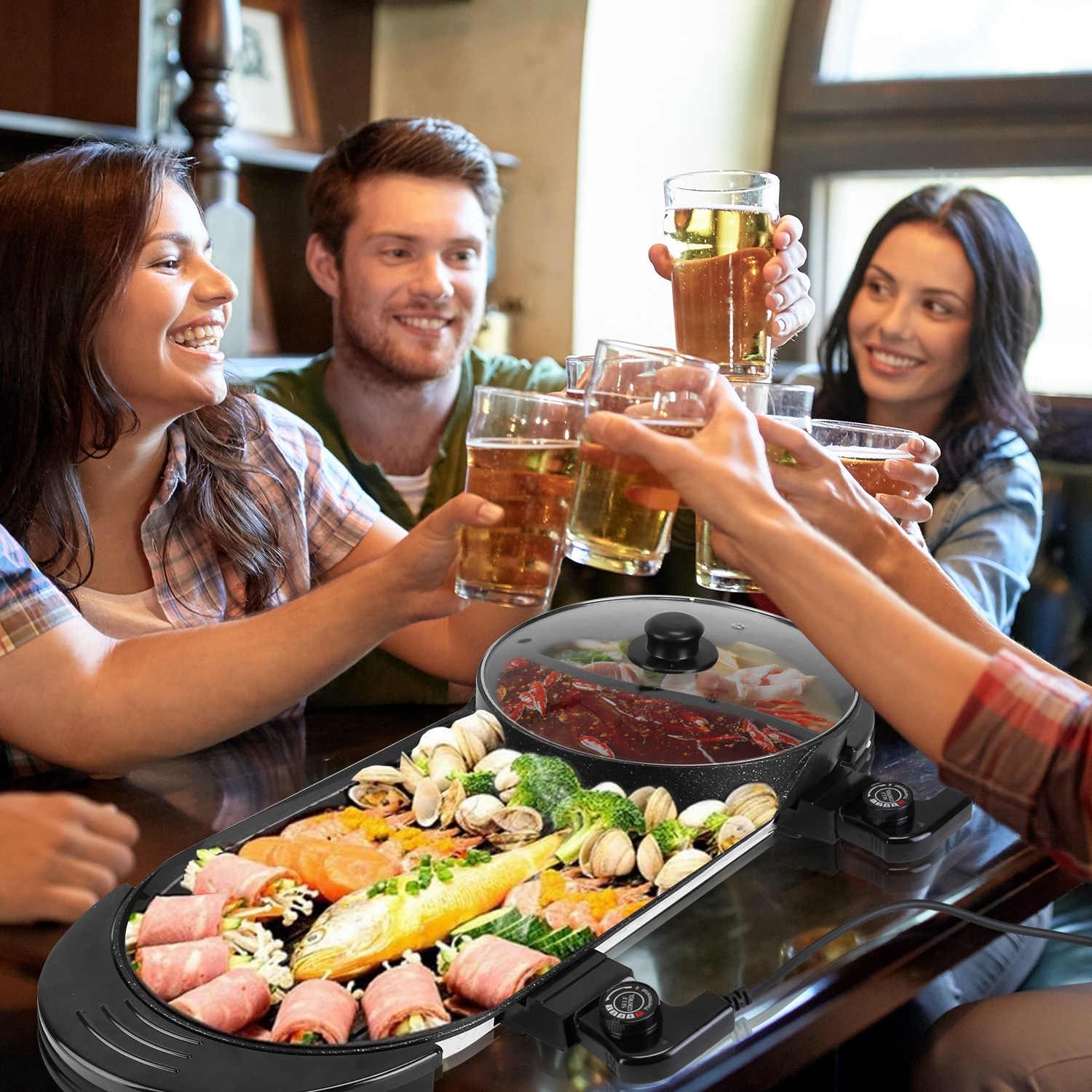
A hotpot-and-barbecue appliance is a dual-zone tabletop cooker that combines a simmering broth vessel with a grill or griddle plate, letting a group cook two meal styles at once. The core trade-off is heating architecture: split electric elements with independent thermostats versus a single shared element, which determines whether you can run a rolling boil and a searing grill simultaneously. Buy only models with dual independent controls and a removable, dishwasher-safe pot; anything with one shared dial or a non-removable pot is a compromise that will frustrate group cooking.

Buying guide image
Kitchen Storage & Organization

Stainless Steel Kitchen Cart With Wheels

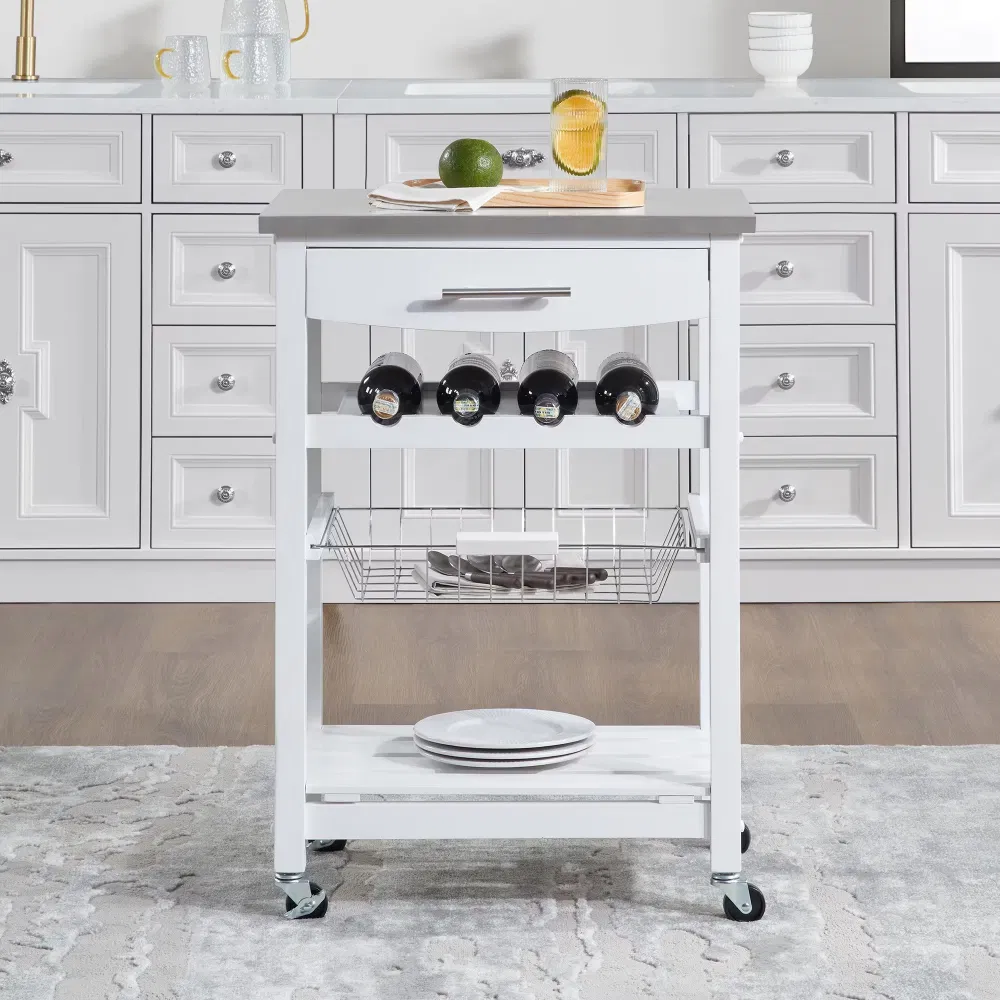
A stainless steel kitchen cart earns its keep only when the frame gauge, shelf type, and caster set match how you actually load it, not just how it photographs. Most buyer regrets trace to undersized casters, thin 201-series steel, or a cart that clears the countertop but not the doorway. This guide fixes the specification tiers so you can choose by capacity, mobility, and surface durability.

Buying guide image
Bread Mixers, Scales & Thermometers

Food Weighing Machine

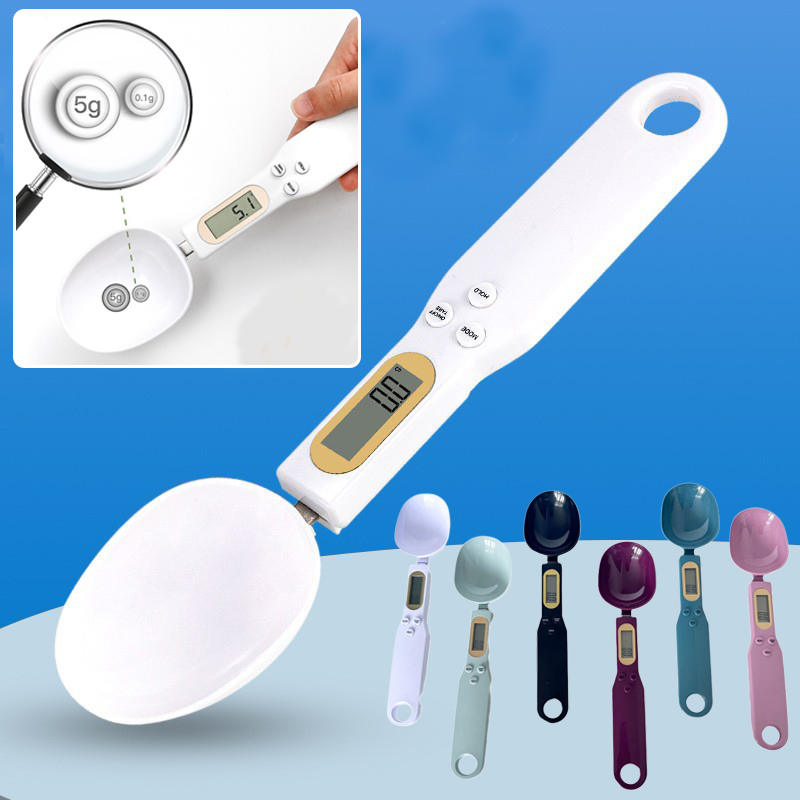
A food weighing machine is a kitchen scale for precise gram-level measurement of dry and wet ingredients, where the core trade-off is sensor resolution and platform size versus portability and cost. Durable options use strain-gauge load cells with 1 g resolution and a tare function, while compromises rely on imprecise spring mechanisms or undersized platforms. Choose a true digital load-cell scale if you bake by weight; skip novelty spoon-scales for anything beyond rough portioning.

Buying guide image
Bread Ovens & Dutch Ovens

Dutch Oven With Skillet Lid

A Dutch oven with a skillet lid is a dual-purpose cast-iron vessel where the domed lid doubles as a shallow frying pan, giving you a deep pot for braising and a griddle for searing from one piece of cookware. The defining trade-off is lid-to-pot fit and cast-iron wall thickness: a loose, thin lid leaks steam and warps, while a machined, heavy lid seals and heats evenly. The clear rule: buy only when the lid seats flush with a deep lip and the pot has a leg base or flat bottom matched to your heat source—skip any set where the lid rocks or the iron is under about 3 mm thick.

Buying guide image
Bread Ovens & Dutch Ovens

Le Creuset Dutch Oven

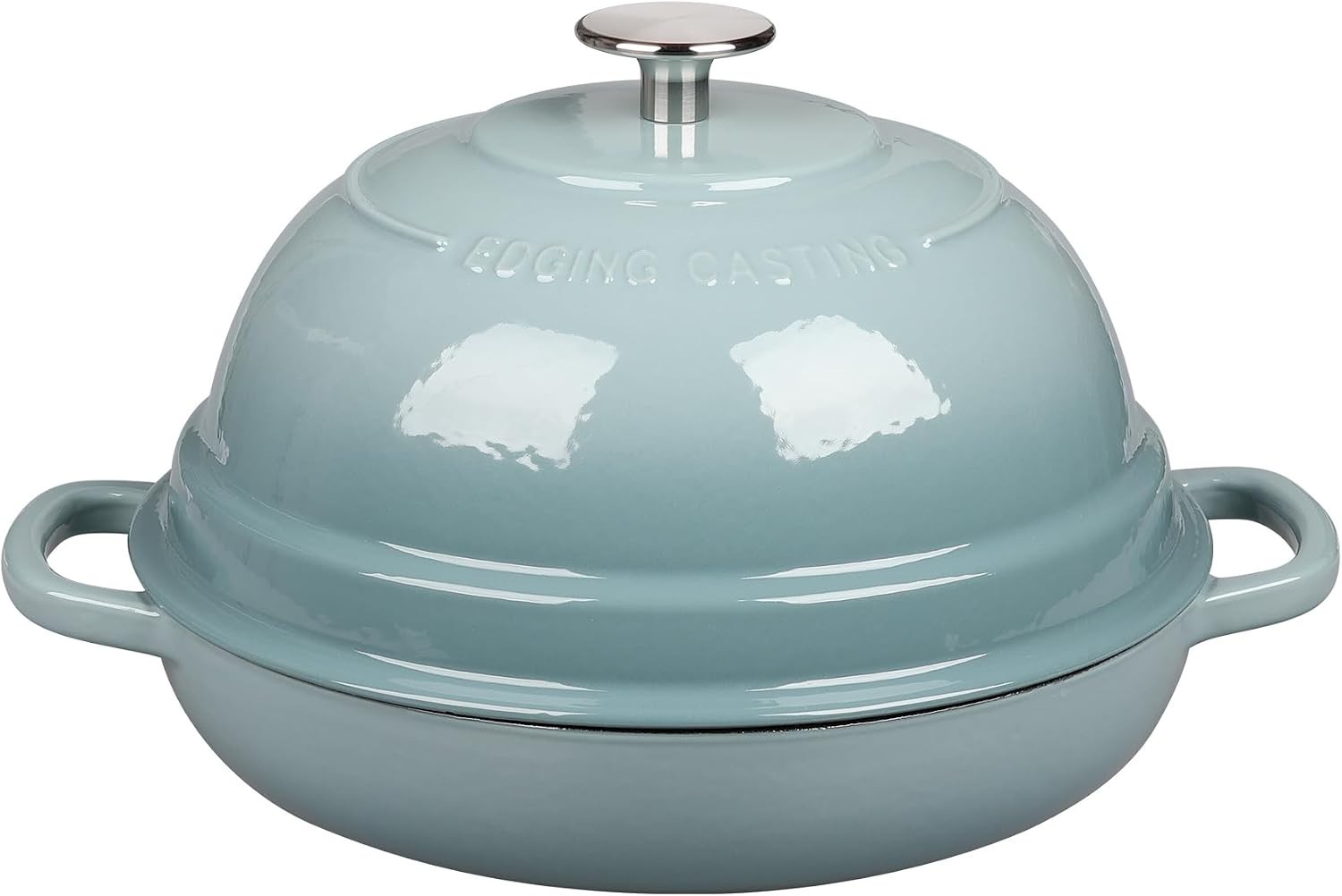
A Le Creuset Dutch oven is a premium enameled cast-iron vessel prized for even heat retention, bread-baking performance, and heirloom durability. The core trade-off is enamel quality and cast-iron mass versus price: sand-cast, chip-resistant enamel on heavy cast iron separates true Le Creuset from thinner, lighter imitations. The decision rule is simple: buy for decades of weekly bread and braising use, skip if you need lightweight handling or nonstick convenience.

Buying guide image
Coffee Grinders

Large Capacity Coffee Grinder

Large capacity coffee grinders are defined by hopper volume (typically 250g–1.5kg for electric burr models) and a burr set that maintains particle consistency at full load; the core trade-off is bulk versus grind quality, since oversized hoppers often pair with cheaper conical burrs that stall or overheat. The clear rule: choose a model with a metal burr set (steel or ceramic) rated for continuous duty and a hopper capacity matched to your daily brew volume, not the largest number on the box.

Buying guide image
Specialty Kitchen Appliances

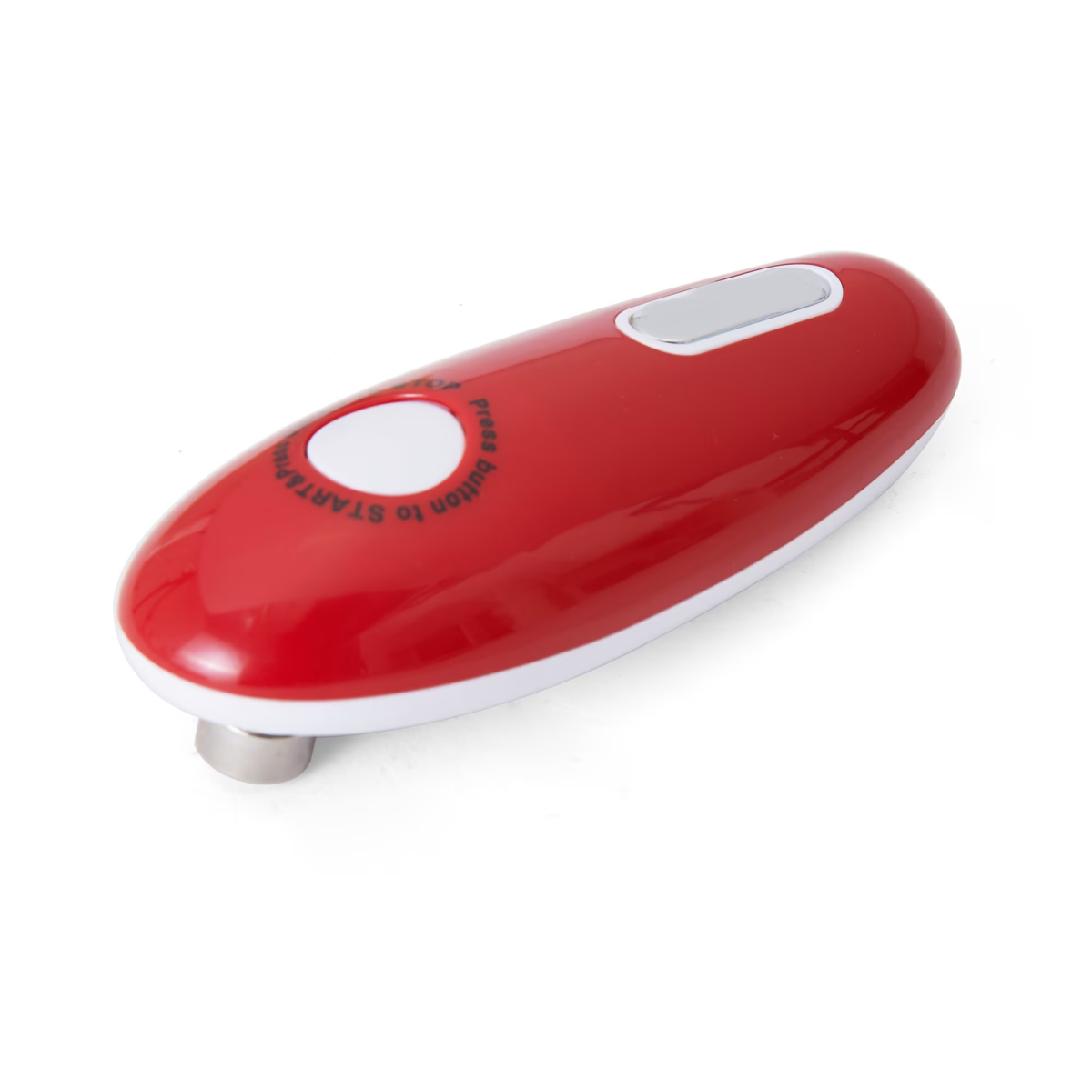
Battery Operated Can Opener

A battery-operated can opener is a handheld or countertop electric tool that cuts lids via a rotating gear and cutting wheel, powered by disposable or rechargeable batteries instead of a wall cord. The core trade-off is motor torque and blade hardening versus battery drain and lid-slip risk—cheap units strip gears and stall on dented cans, while better builds use hardened steel cutters and a strong DC motor. The clear decision rule: pick a model with a hardened cutting wheel, a stabilization magnet or clamp, and standard AA power; skip any unit that relies on soft stamped blades or proprietary battery packs.

Buying guide image
Specialty Kitchen Appliances

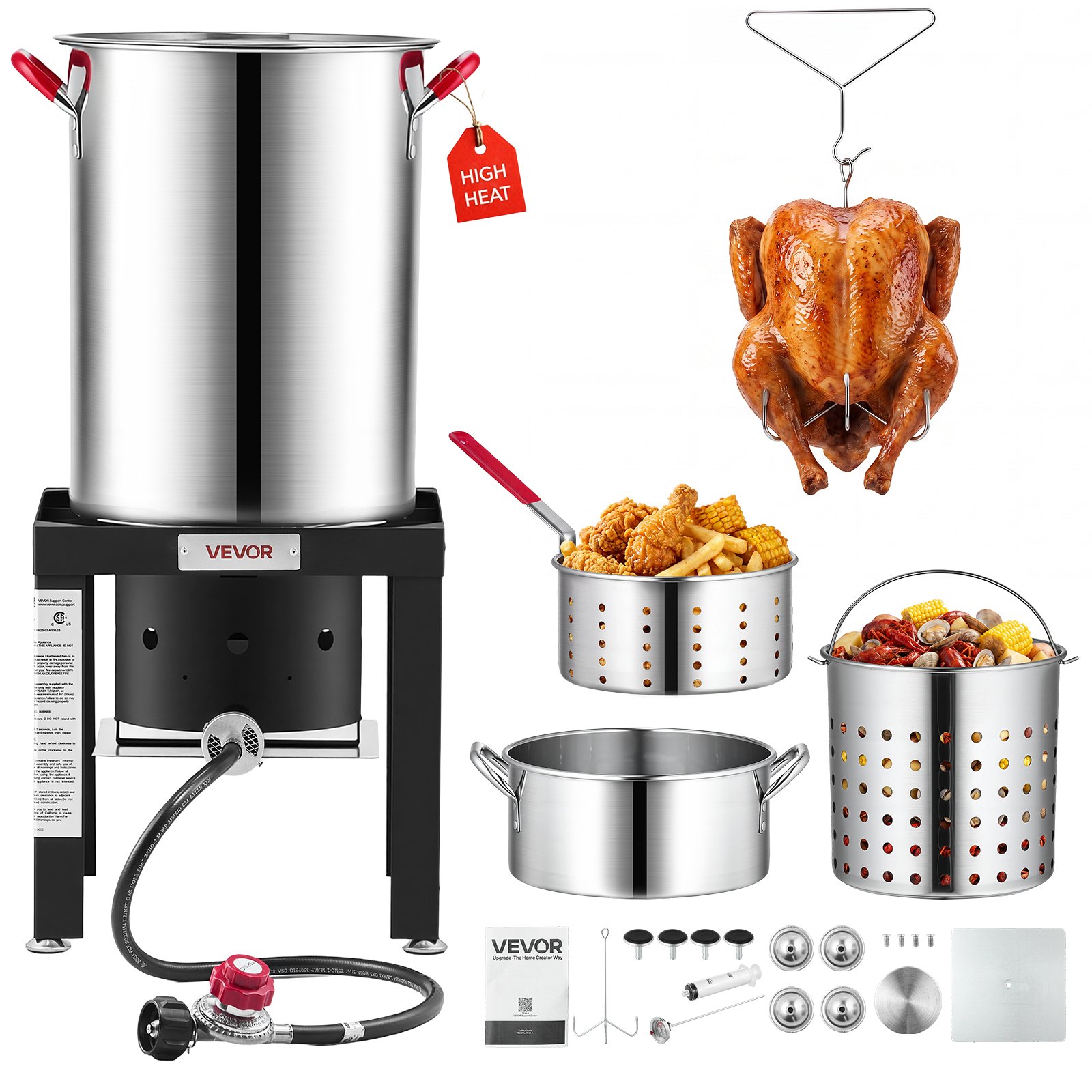
Stainless Steel Boiler

A stainless steel boiler is a large-format outdoor cooking vessel paired with a high-output propane burner, used for turkey frying, seafood boils, and steaming. The primary trade-off is between thin 0.8–1.0 mm 201/304 walls that dent and scorch versus 1.2 mm+ 304 food-grade construction that survives repeated high-BTU cycles. Buy 304 with a 10–12 inch basket clearance and a 50,000–60,000 BTU jet burner for durability; skip sub-40,000 BTU and 201-series pans that warp.

Buying guide image
Blenders & Juicers

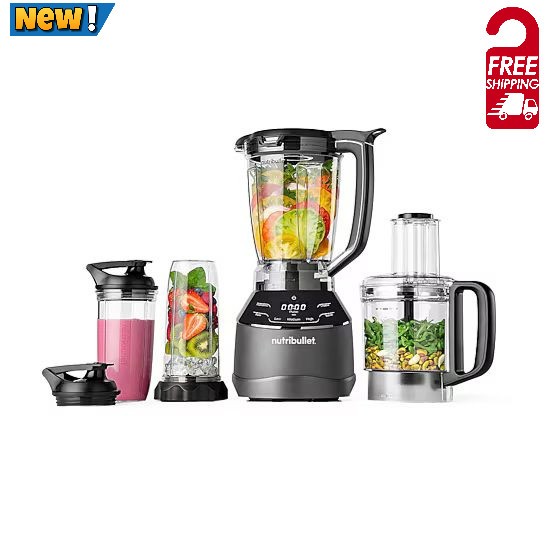
Nutribullet

Nutribullet is a compact personal-blending system built around a high-speed motor base and twist-on cup or pitcher, not a full-size kitchen blender. The core trade-off is motor wattage versus cup capacity and blade configuration: lower-watt 500-600W bases handle soft fruit and protein shakes, while 900W+ and 1200-1500W tiers are required for frozen fruit, ice, and nut-butter grinding without stalling. Decide by your hardest ingredient and batch size, then match cup volume and blade type to that load.

Buying guide image
Coffee Cleaning & Accessories

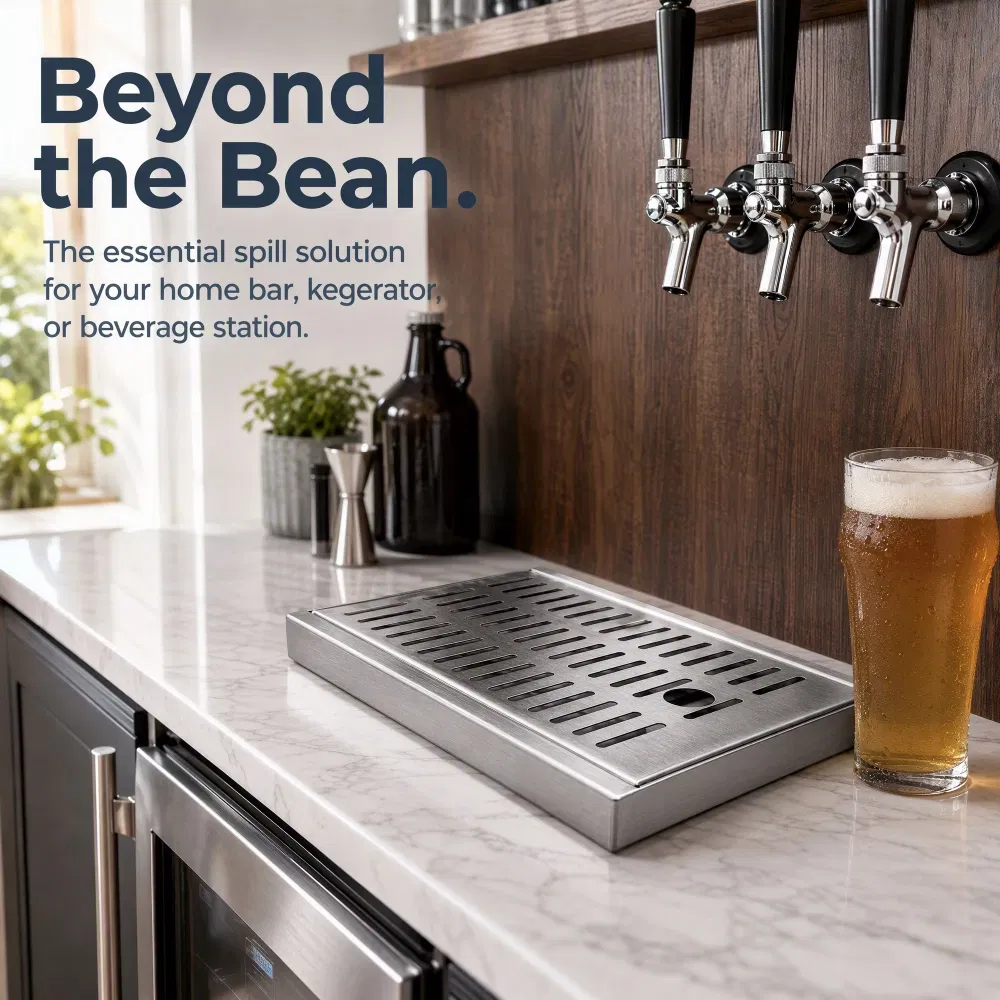
Coffee Drip Tray

A coffee drip tray is a secondary containment platform that sits under espresso machines, grinders, or brewers to catch spills, drips, and overflow before they reach the counter. The decisive trade-off is between open-grid or slatted designs that drain freely and solid-lipped trays that fully contain liquid but need manual emptying. Buy a tray whose material, lip height, and load rating match your machine's wet weight and cleaning routine; skip thin stamped trays with shallow rims for heavy prosumer gear.

Buying guide image
Coffee Scales

White Coffee Scale

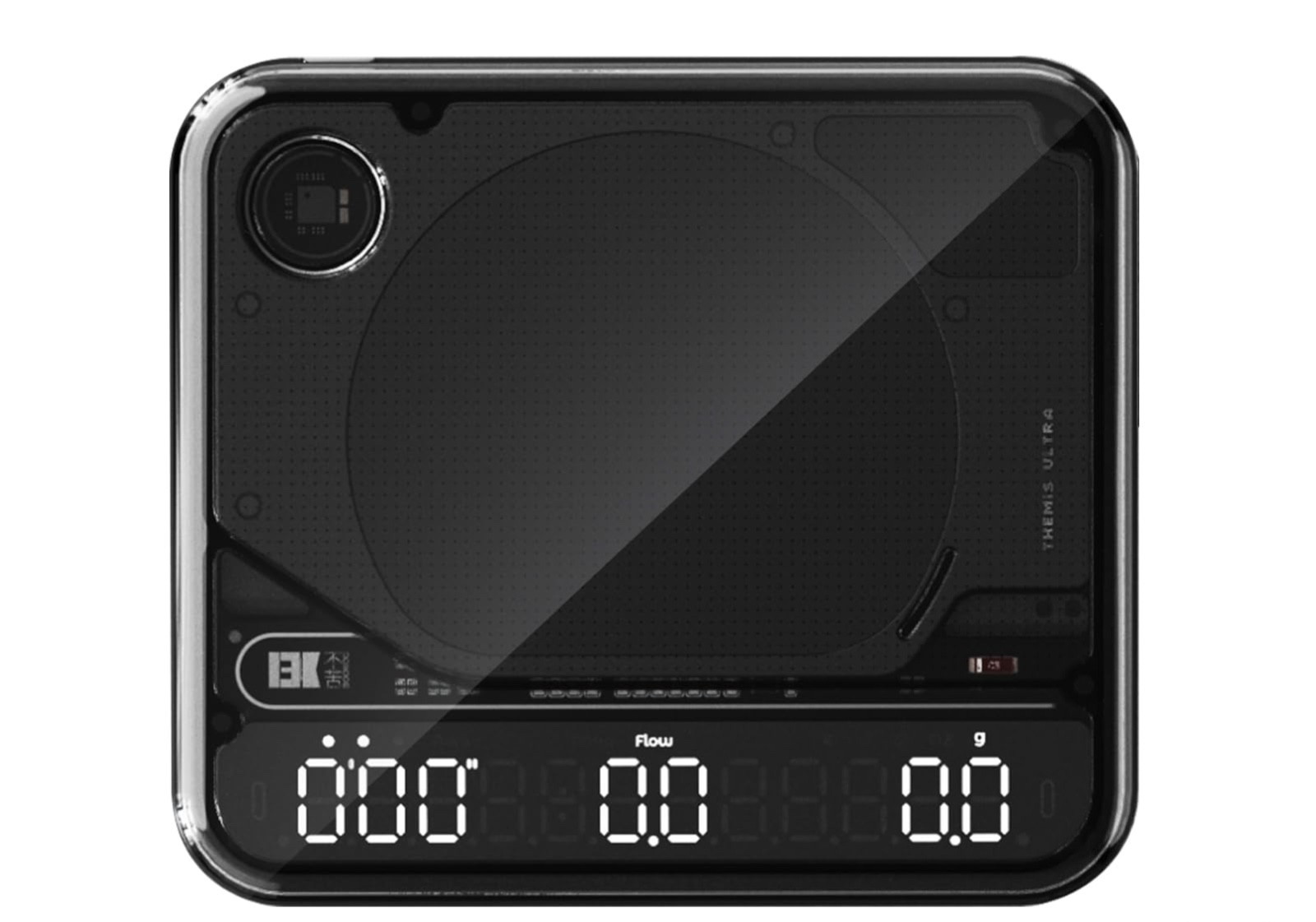
A white coffee scale is a digital brewing scale whose light finish makes it a visual match for white espresso machines and bright kitchens, but color is the only thing that should be cosmetic—the load cell, response speed, and water resistance decide whether it survives daily espresso duty. The core trade-off is between a fast, sealed espresso-grade scale (IP-rated, 0.1 g resolution, sub-second response) and a slower general-purpose kitchen scale dressed in white. Buy the espresso-grade tier if you pull shots daily; skip unsealed 1 g-resolution units for espresso.

Buying guide image
Air Fryers

Countertop Air Fryer Oven

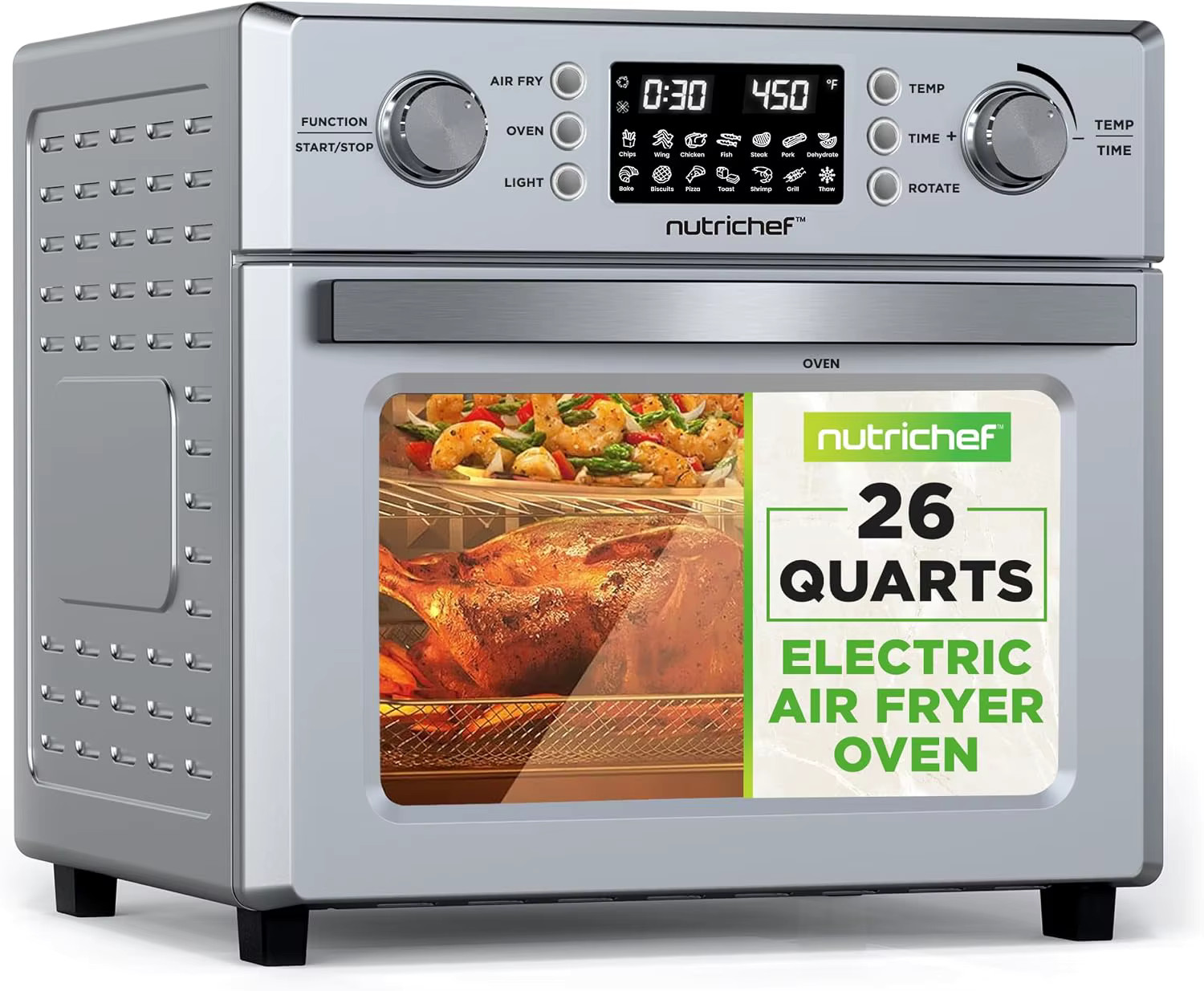
Countertop air fryer ovens are multi-function appliances that combine convection baking, air frying, and often rotisserie or dehydration in a single box, trading dedicated basket compactness for larger capacity and rack-based cooking. The primary trade-off is between a small, fast basket-style air fryer and a larger, slower-to-preheat oven form factor that fits more food but needs more counter depth and cabinet clearance. The clear decision rule: choose a countertop air fryer oven only if you regularly cook for 3+ people or want bake/roast/rotisserie versatility; otherwise a dedicated basket air fryer is faster, cheaper, and easier to clean.

Buying guide image
Electric Hot Pots

Portable Electric Cooking Pot

A portable electric cooking pot is a self-contained, plug-in appliance that combines a heating element, thermostat, and cooking vessel in one transportable unit, letting you boil, simmer, and sometimes fry from a standard wall outlet. The primary trade-off is between heating power and vessel thermal mass versus true portability and safety: low-wattage plastic-body pots are light and cheap but slow and prone to scorching, while higher-wattage stainless or ceramic-coated pots heat faster and last longer but demand adequate counter clearance and a dedicated circuit. The decision rule is simple: buy a pot with a thermostatically controlled element rated at least 1000 W for boiling, a removable or non-stick-lined food-grade vessel, and a lid with a steam vent; skip any pot that lacks automatic shutoff or a grounded plug.

Buying guide image
Dishwashers

Bosch 800 Series Dishwasher Stainless

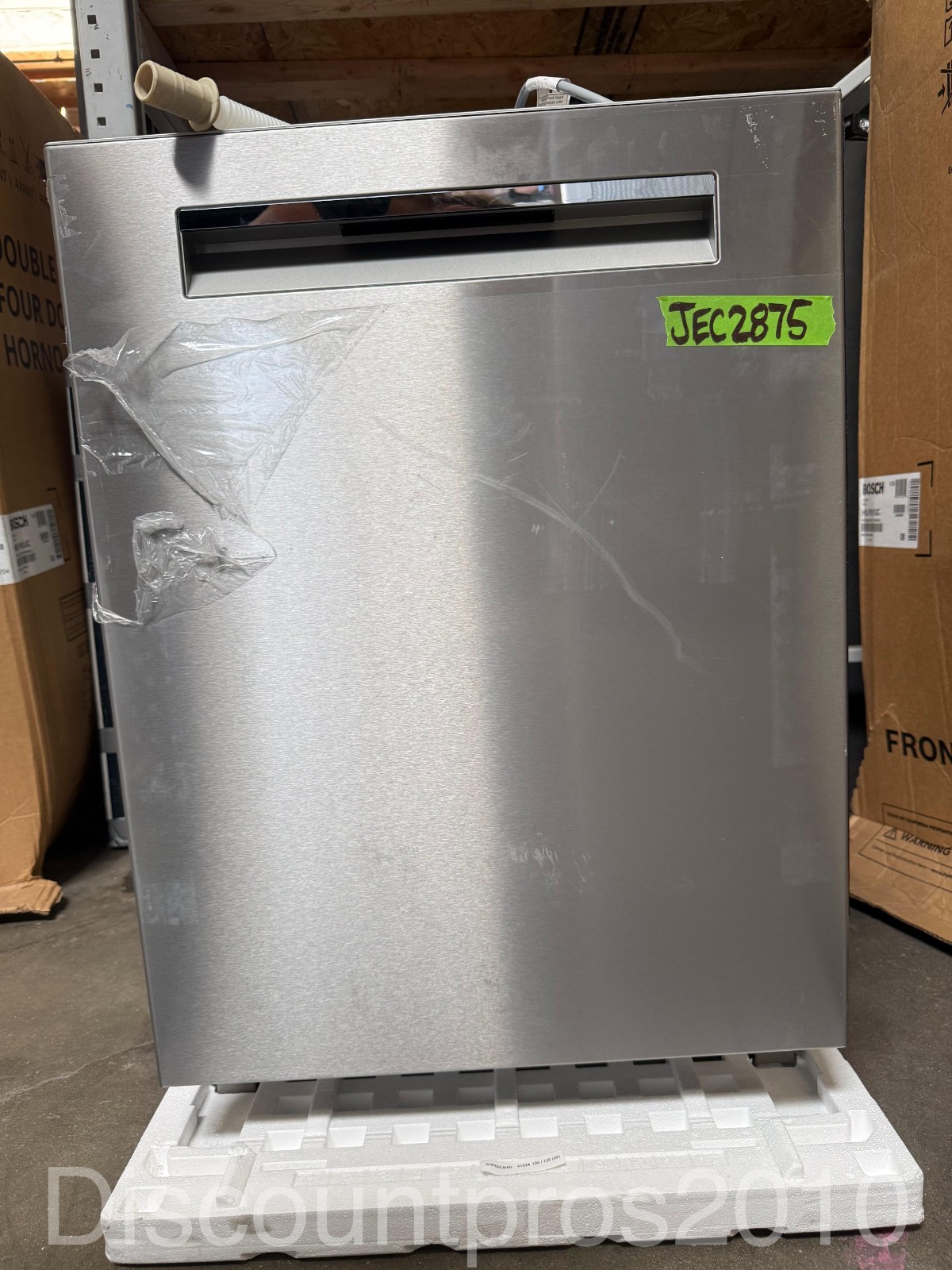
The Bosch 800 Series is a premium, quiet, third-rack dishwasher line distinguished by its CrystalDry mineral-drying system and flexible racking, typically sold in stainless or black stainless finishes. The core trade-off is paying for near-silent operation and superior drying versus standard plastic-tub models, with the key decision being whether you need the 800's third rack and Zeolith drying or can step down to the 300/500 series. Durable options feature stainless steel tubs and Bosch's EcoSilence motor; compromises use plastic tubs and resistive drying.

Buying guide image
Kitchen Storage & Organization

Compact Dish Drainer

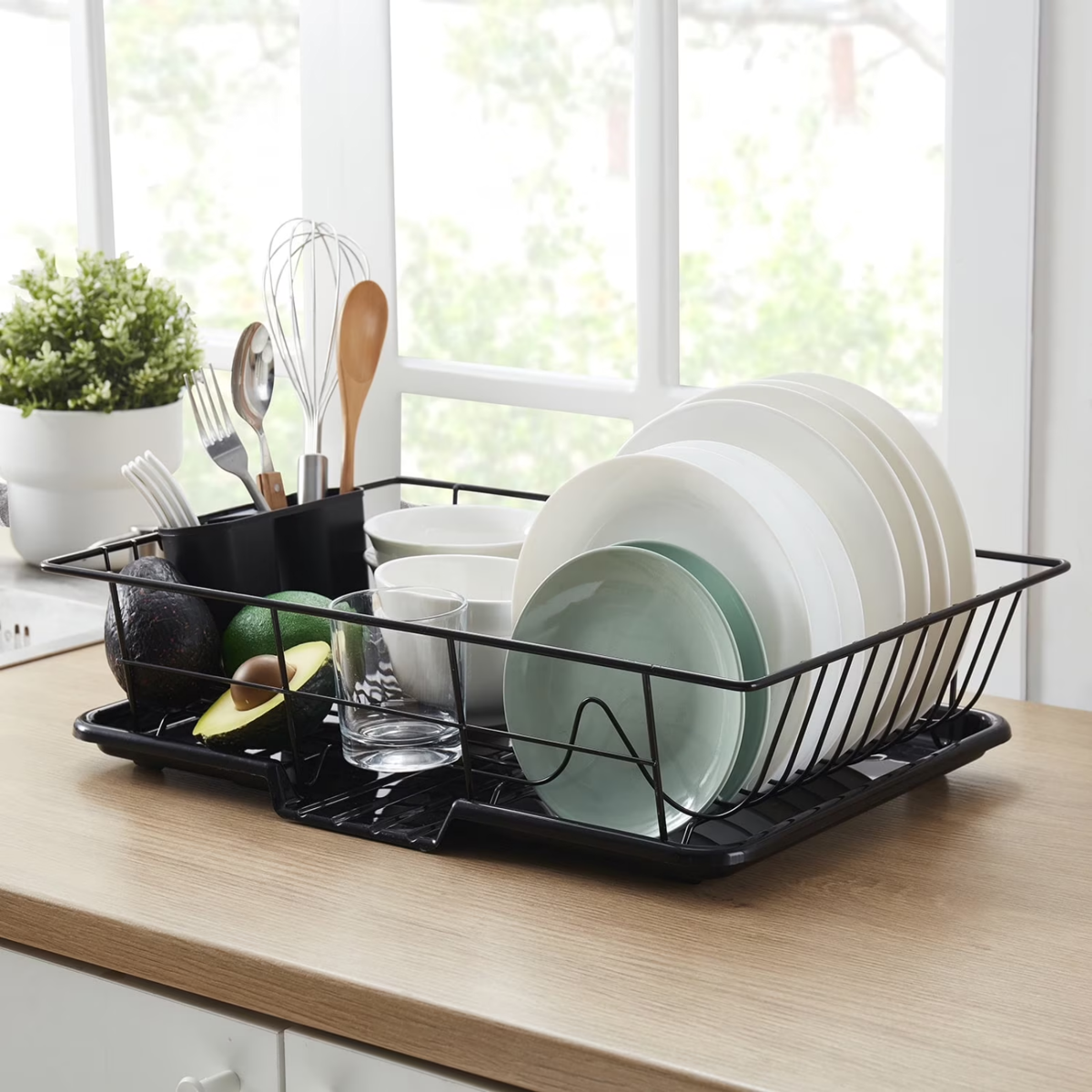
A compact dish drainer is a countertop drying rack sized to hold a small load of dishes while fitting tight kitchens, apartments, or single-basin sinks. The primary trade-off is footprint versus capacity: smaller units force you to choose between plate slots, a flat utensil tray, and a cutlery basket, while build quality hinges on stainless-steel gauge, rust-proof coatings, and a removable drip tray. The clear decision rule is to buy a stainless-steel frame with a removable, high-walled drip tray and silicone feet; skip coated wire or integrated plastic trays that trap water and peel.

Buying guide image
Toasters & Ovens

Large Slice Toaster

Large-slice toasters are defined by slot length and wattage: long-slot models (10-11 in) accept artisan bread, bagels, and Texas toast without jamming, while standard 2-slot units max out at 5.5 in. The core trade-off is slot geometry and heating element quality versus counter footprint and price tier. Buy a long-slot unit with independent slot controls and a manual lift lever if you regularly toast oversized slices; skip 2-slot pop-ups entirely for that job.

Buying guide image
Tableware, Drinkware & Serving

Glass Gallon Jug With Lids

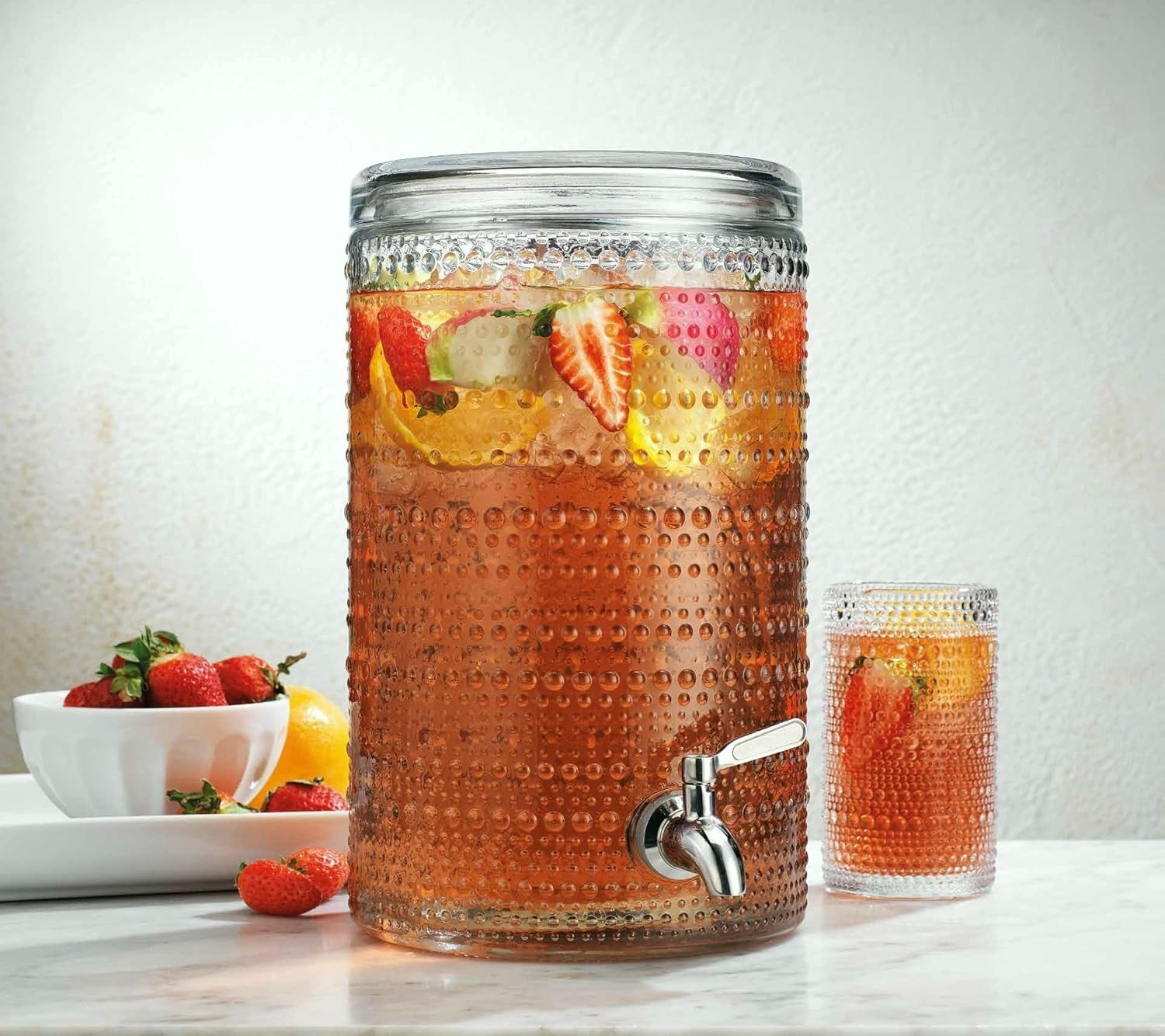
A glass gallon jug with lid is a large-format, reusable beverage vessel (typically 1–2 gallons) whose performance hinges on glass type (soda-lime vs. borosilicate), lid seal integrity, and wall thickness. The primary trade-off is weight and fragility vs. chemical inertness and clarity—plastic wins on durability, glass wins on taste neutrality and scratch resistance. Decision rule: buy only fully annealed, thick-walled soda-lime or borosilicate with a gasketed lid or ground-glass stopper; skip thin decorative glass with press-fit cork lids that leak and chip.

Buying guide image
Bread Ovens & Dutch Ovens

Dutch Oven With Legs

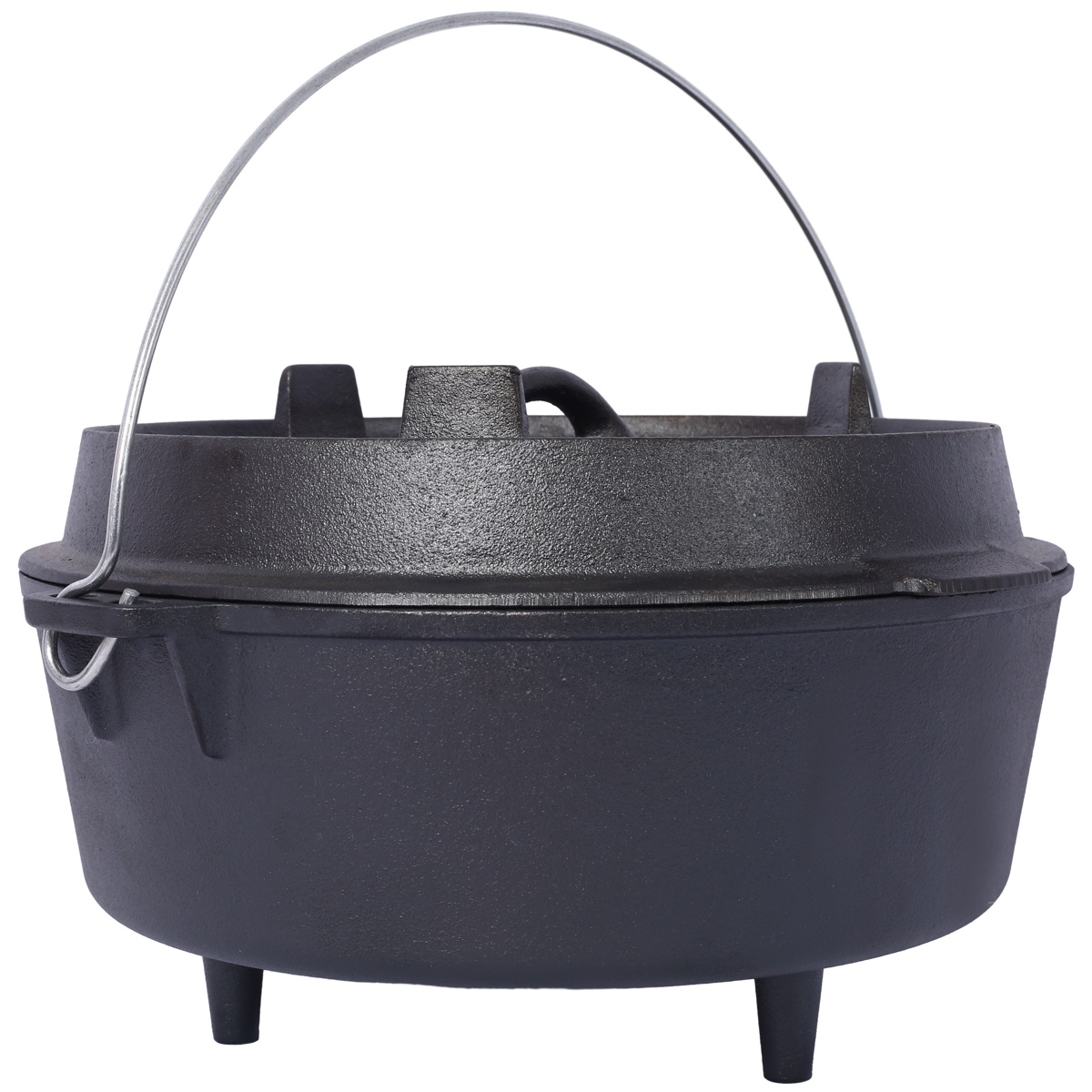
A Dutch oven with legs (camp oven) is a lidded cast-iron pot with three integral feet and a rimmed lid designed to hold coals above and below for fully self-contained campfire baking and roasting. The primary trade-off is between raw, pre-seasoned cast iron that needs break-in but lasts generations, and enameled or thinner metal pots that are easier to clean but crack or warp under direct coals. The decision rule: buy only pre-seasoned or raw cast iron with a flanged lid and three cast feet if you cook over open fire; skip enameled or flat-bottom pots for coal cooking because thermal shock and uneven contact destroy them.

Buying guide image
Food Preparation

Large Vegetable Chopper

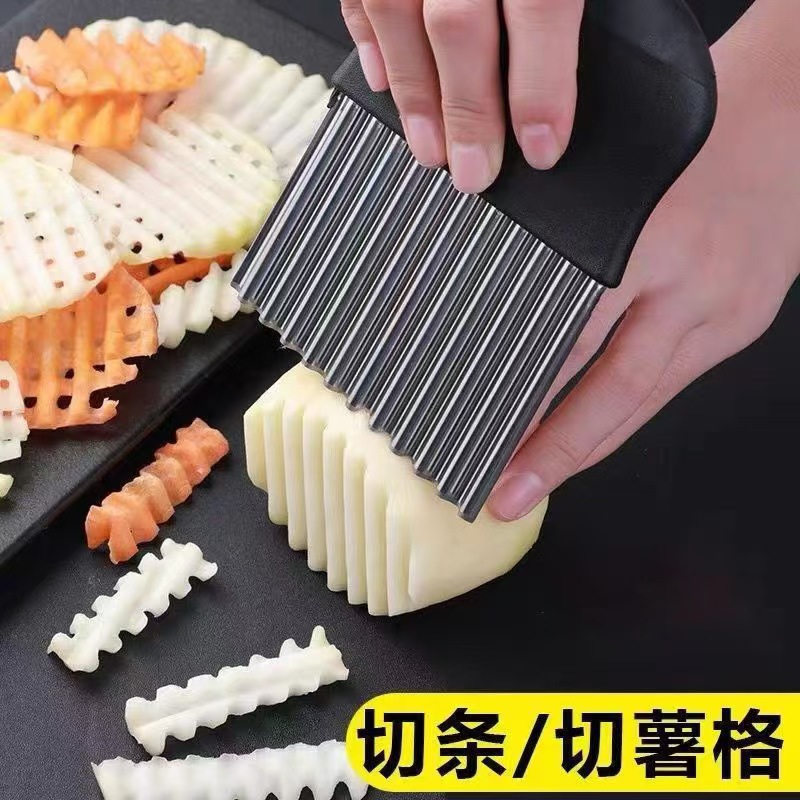
A large vegetable chopper is a countertop or manual tool designed to reduce whole produce into uniform pieces at volume, typically defined by a bowl or catch container of 8 cups or more. The primary trade-off is between manual lever/pull-cord models that offer zero electricity dependence and consistent dice size but require physical force, versus electric models that save labor but add motor, blade, and cleaning complexity. The clear decision rule: buy a manual large chopper only if it has a stainless-steel blade array, a BPA-free bowl of at least 8 cups, and a locking lid; choose electric only if it specifies a direct-drive motor of 300 W or more and a blade assembly that disassembles without tools.

You may also like

Finding more guides for you…