Kitchen Gear Wise

Kitchen Gear Wise

Kitchen Gear Reviews & Buying Guides

Compare kitchen gear by use case, features, trade-offs, price, returns, and seller terms before you buy.

Buying guides

Buying guide image
Blenders & Juicers

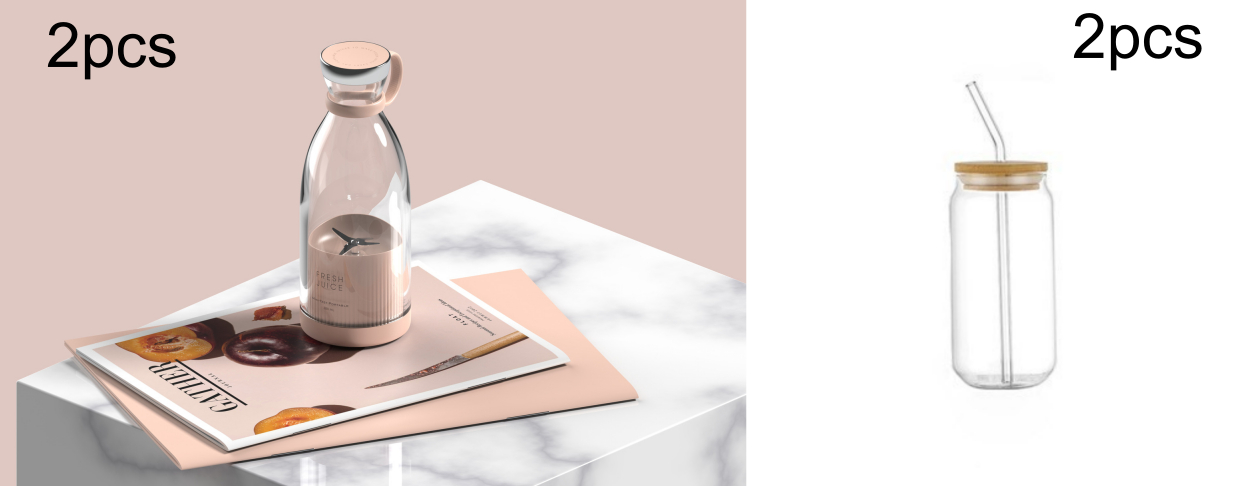
Rechargeable Portable Juicer

Rechargeable portable juicers are cordless, battery-powered blenders designed for single-serve smoothies and fresh juice away from an outlet. The core trade-off is motor torque versus battery capacity: low-voltage units (7.4V) stall on frozen fruit and ice, while higher-voltage (12V+) brushless motors and larger cells (4000mAh+) deliver real blending power at the cost of weight and charge time. The decision rule is simple: buy only if you need true portability for soft produce and powders; skip if you routinely crush ice or hard root vegetables—those require a corded 1000W+ countertop blender.
Buying guide image
Dishwashers

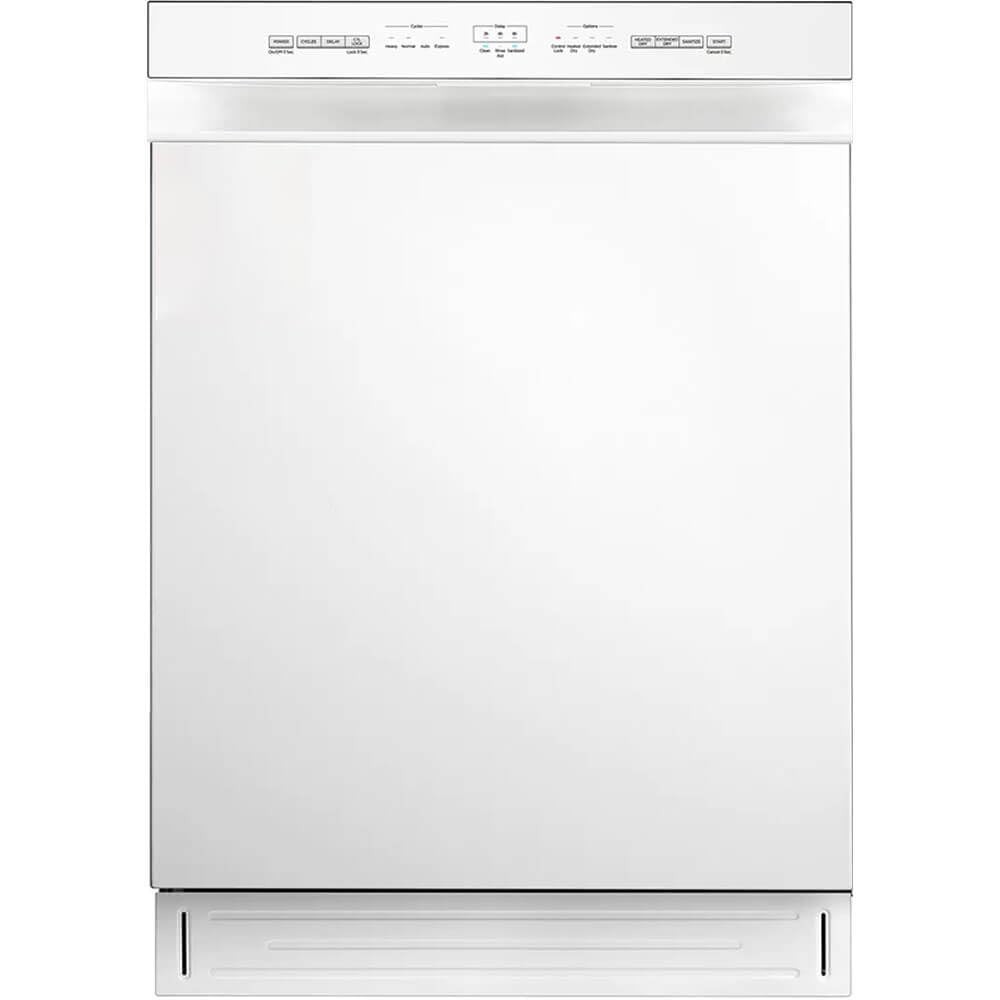
Midea Mini Dishwasher

Midea mini dishwashers are compact countertop or built-in units designed for small kitchens, apartments, and auxiliary use where a full-size model won't fit. The primary trade-off is capacity versus installation flexibility: portable countertop units need no plumbing changes but require manual filling and draining, while built-in mini models demand a dedicated water line and cabinet cutout. Choose a portable model only if you can tolerate 2-4 place settings per cycle; select a built-in mini only if you have a standard 18- or 24-inch cabinet opening and can supply hot water and a drain.

Buying guide image
Vacuum Sealers

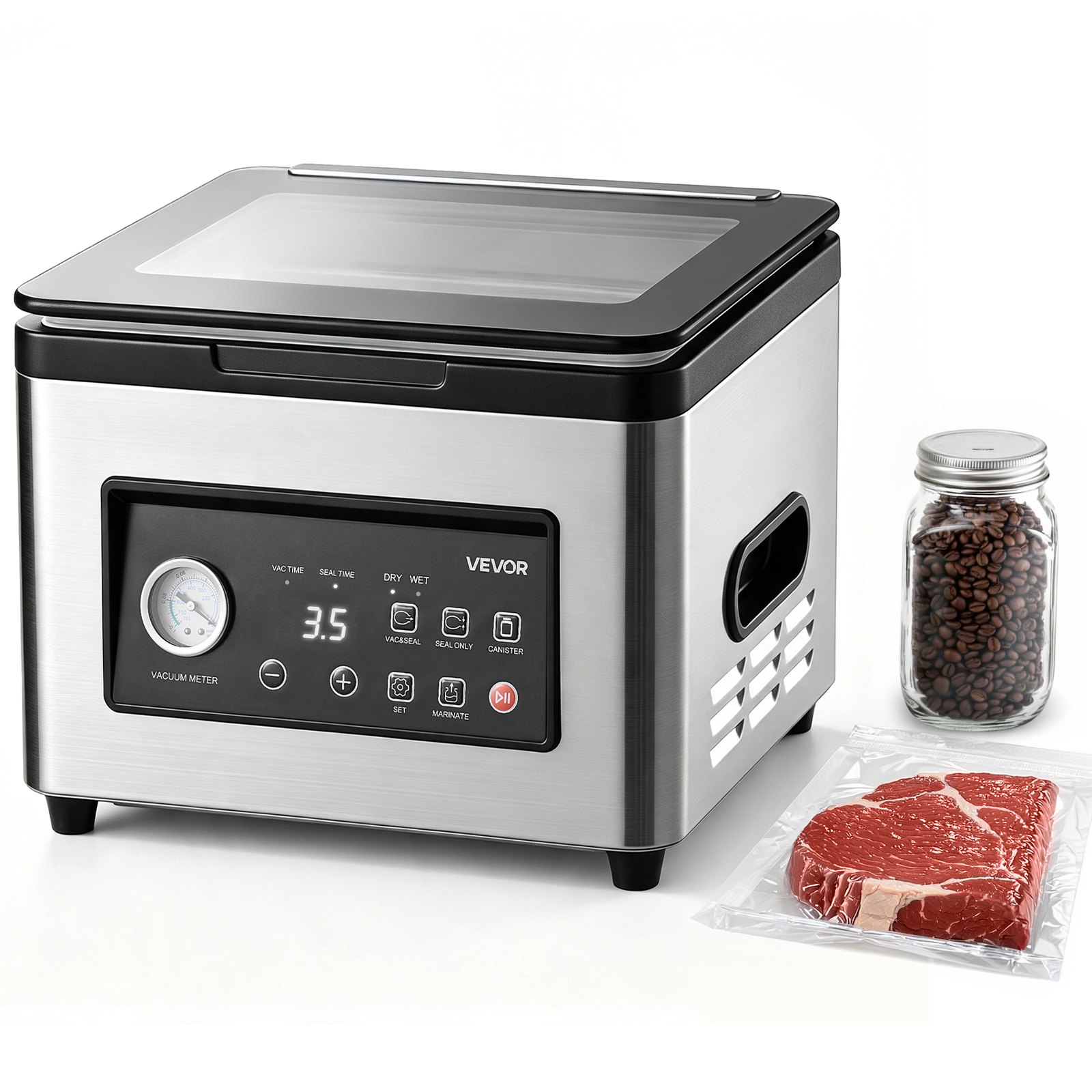
Home Chamber Vacuum Sealer

A home chamber vacuum sealer pulls a full vacuum inside a rigid chamber, then heat-seals the pouch—so liquids, marinades, and wet foods seal cleanly without being sucked into the pump. The core trade-off is chamber size and pump architecture versus counter footprint, warm-up time, and machine weight. Choose a chamber unit only if you routinely seal liquids or bulky portions; for dry goods and occasional use, an external suction sealer remains lighter and cheaper.

Buying guide image
Vacuum Sealers

Home Food Vacuum Sealer

Home food vacuum sealers remove air from bags or containers to extend refrigerator and freezer life, and the core engineering trade-off is between a budget single-pump suction design and a dual-piston or chamber-style system with stronger vacuum and wider seal bars. Buyers should choose a model with a dry/moist food mode, a double seal wire, and a removable drip tray for reliable daily use; skip ultralight handheld or single-seal budget units if you freeze bulk meat or sous-vide regularly.

Buying guide image
Coffee Makers & Espresso

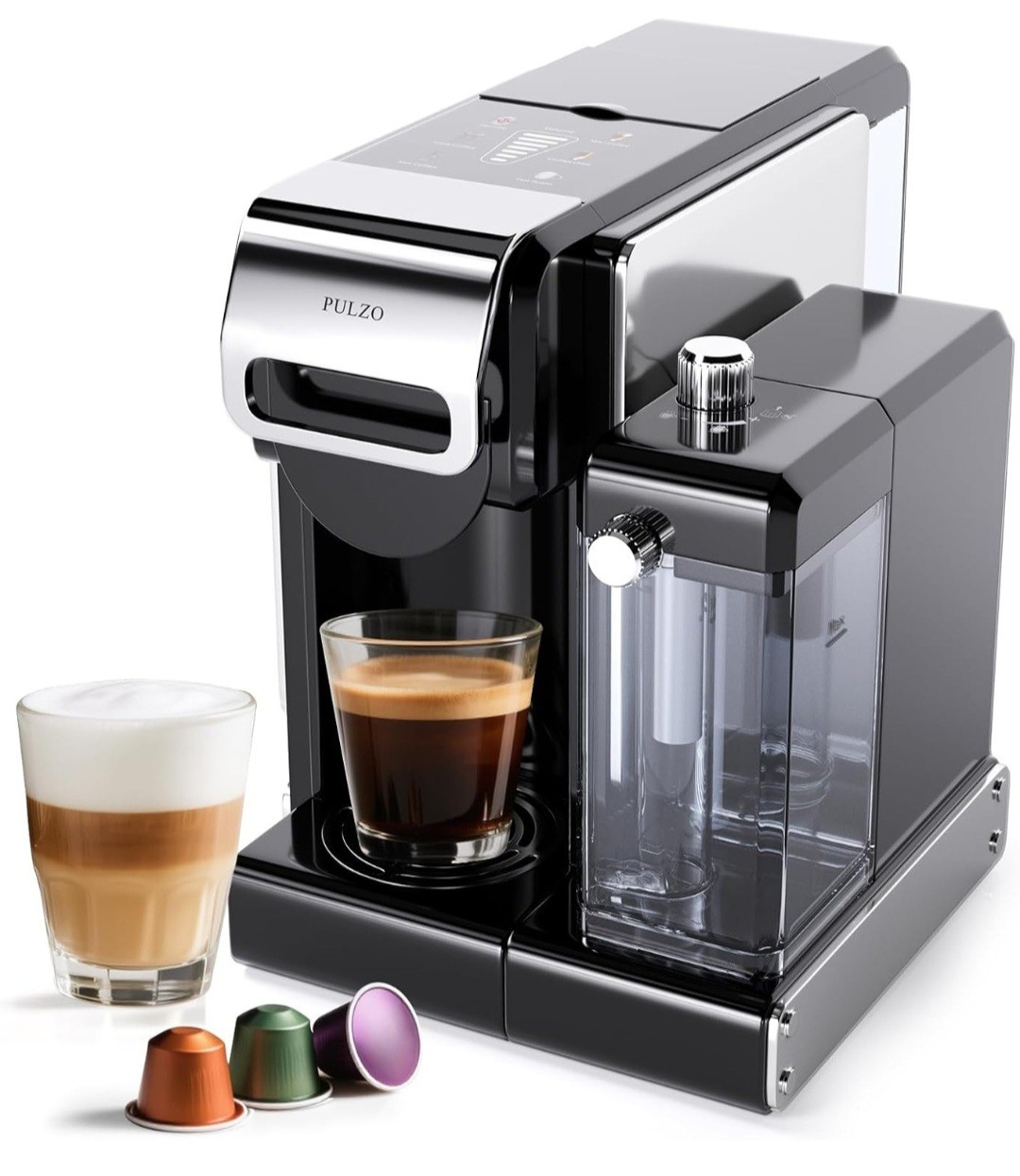
Pulzo Espresso Machine

Shopping for a Pulzo espresso machine means evaluating a compact capsule-based brewer with an integrated automatic milk frother, not a traditional pump-driven semi-automatic. The decisive questions are capsule compatibility, frother type, and whether the footprint and reservoir capacity fit your counter and daily cup volume.

Buying guide image
Blenders & Juicers

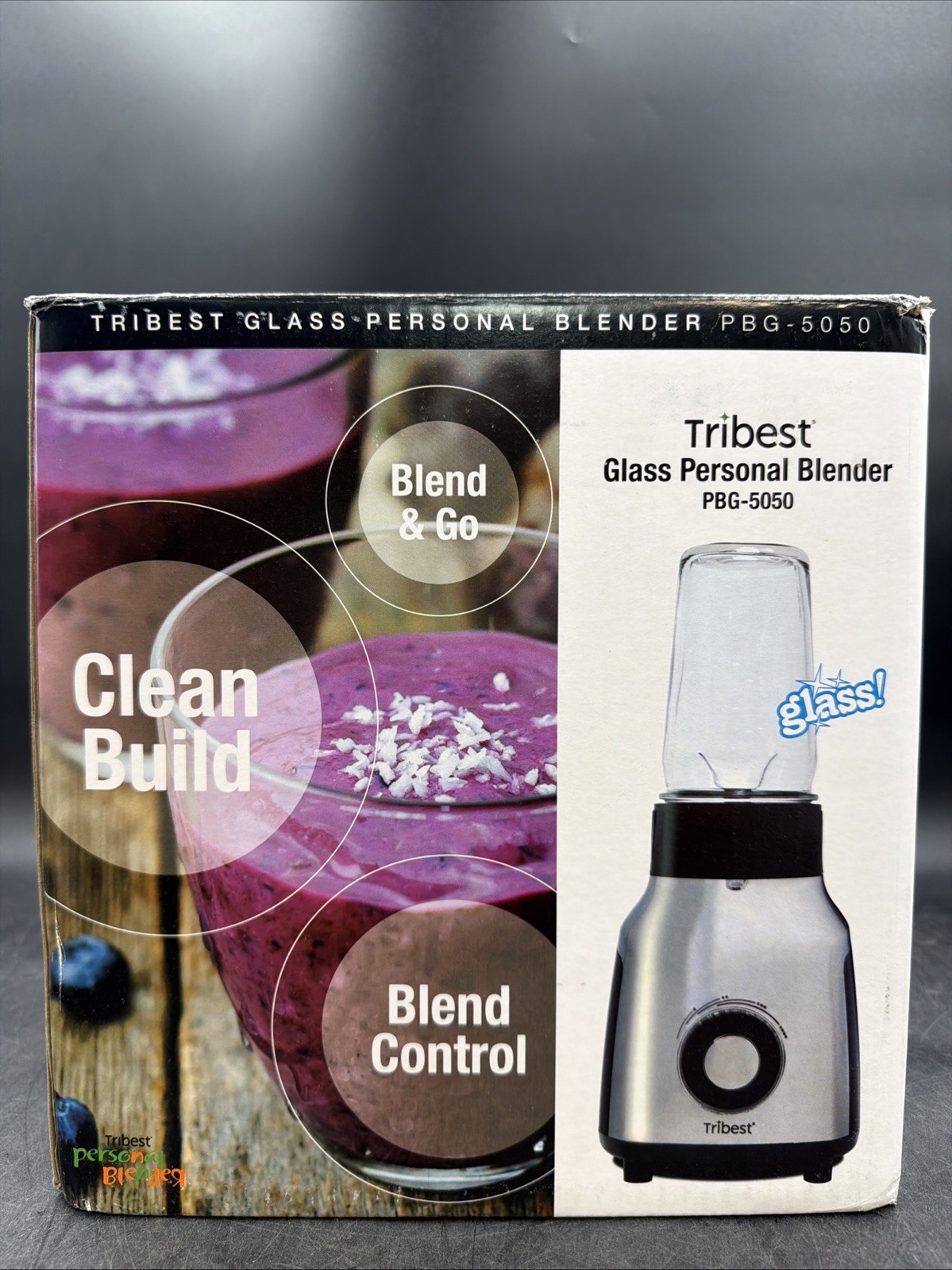
Portable Shake Blender

Portable shake blenders are compact, rechargeable or USB-powered blenders designed for single-serve smoothies, protein shakes, and travel use. The core trade-off is motor power and blade geometry versus battery capacity and cup sealing—most budget units use weak brushed motors that stall on frozen fruit, while durable models use higher-torque motors and leak-proof BPA-free cups. The decision rule: buy a portable blender only if you blend soft ingredients and need cordless convenience; for ice or frozen fruit, choose a high-wattage countertop model instead.

Buying guide image
Coffee Cleaning & Accessories

Coffee Set With Tray

A coffee set with tray bundles brewing or serving vessels (cups, mugs, carafe, or server) with a dedicated tray that defines how the set is carried, stored, and protected. The core trade-off is tray material and vessel construction: melamine and stamped steel trays with thin-walled ceramic cups are light and cheap but chip and stain, while solid wood or stone trays with thick-walled stoneware or glass vessels survive daily use. The decision rule: pick a tray whose material matches your cleaning routine and a vessel set whose capacity and wall thickness match your actual serving count—skip decorative sets with tray lips under 10 mm or cups under 250 ml.

Buying guide image
Bread Ovens & Dutch Ovens

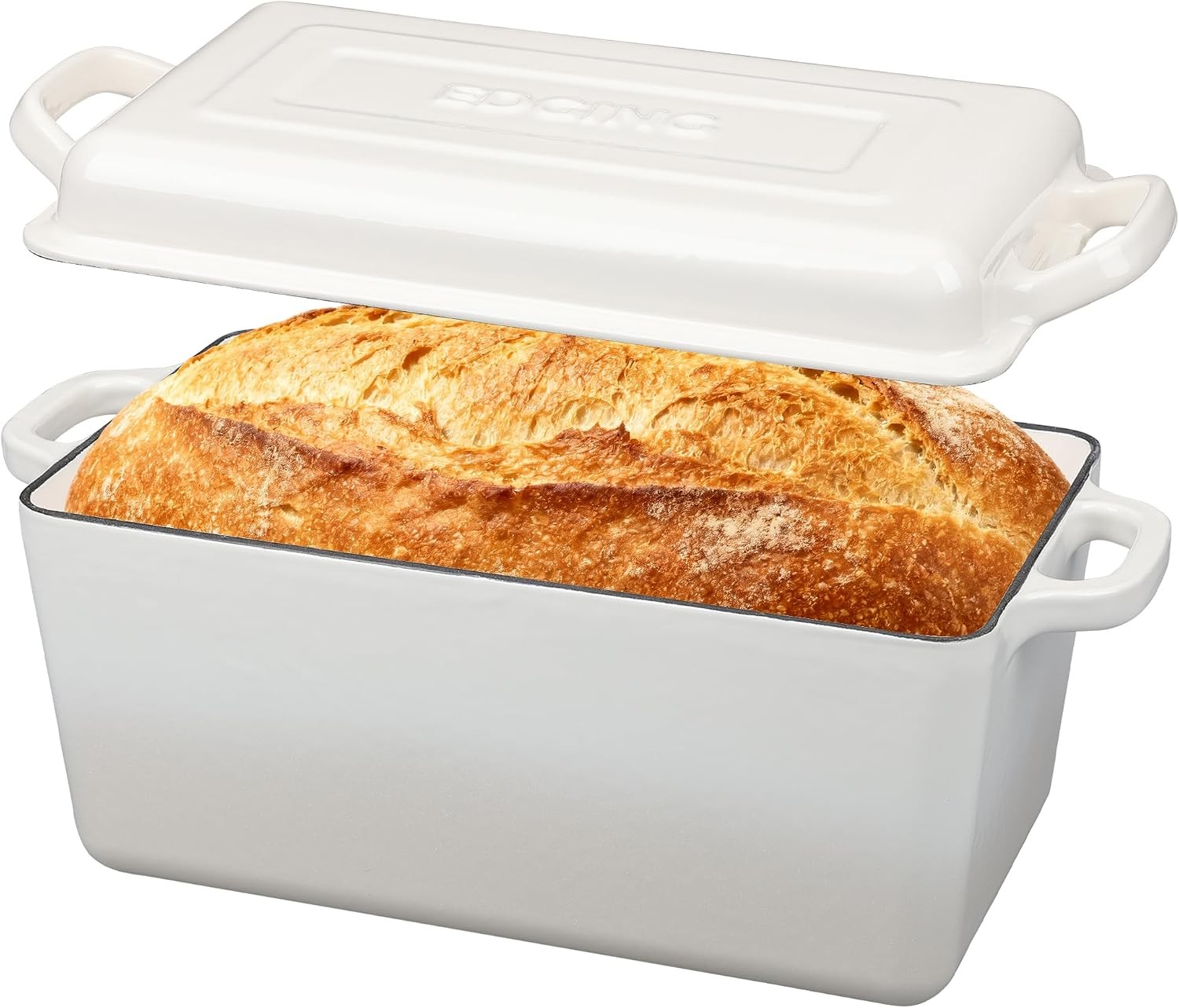
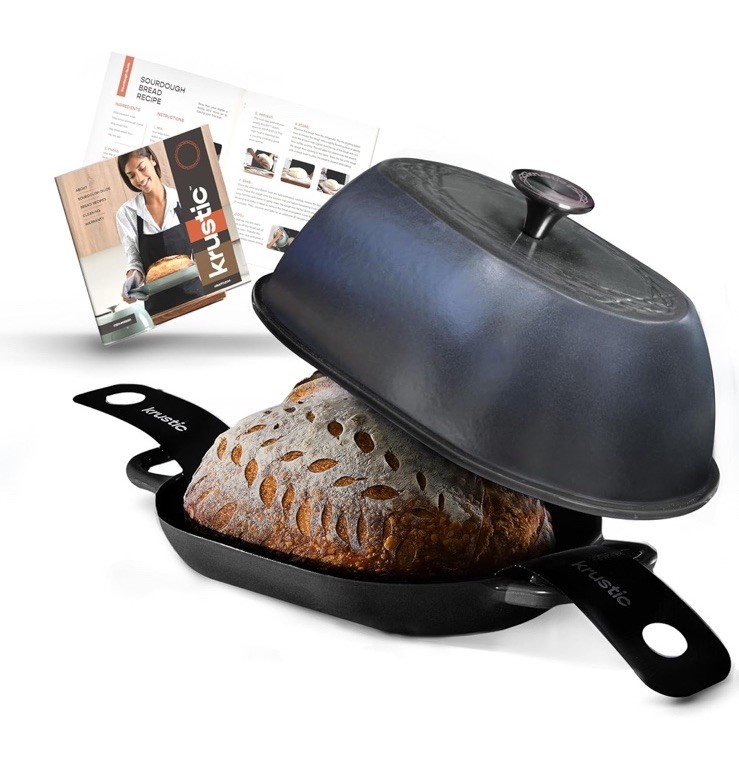
Oblong Dutch Oven

An oblong Dutch oven is a lidded enameled or bare cast-iron vessel sized to bake batards, boules, and oval loaves with even heat and trapped steam. The core trade-off is enamel over cast iron for easy release and no seasoning versus bare iron for higher searing heat and thermal shock tolerance. Buy enameled for high-hydration sourdough and daily baking; buy bare iron only if you routinely bake at very high heat and accept seasoning upkeep.

Buying guide image
Sourdough Starters & Fermentation

Plastic Container

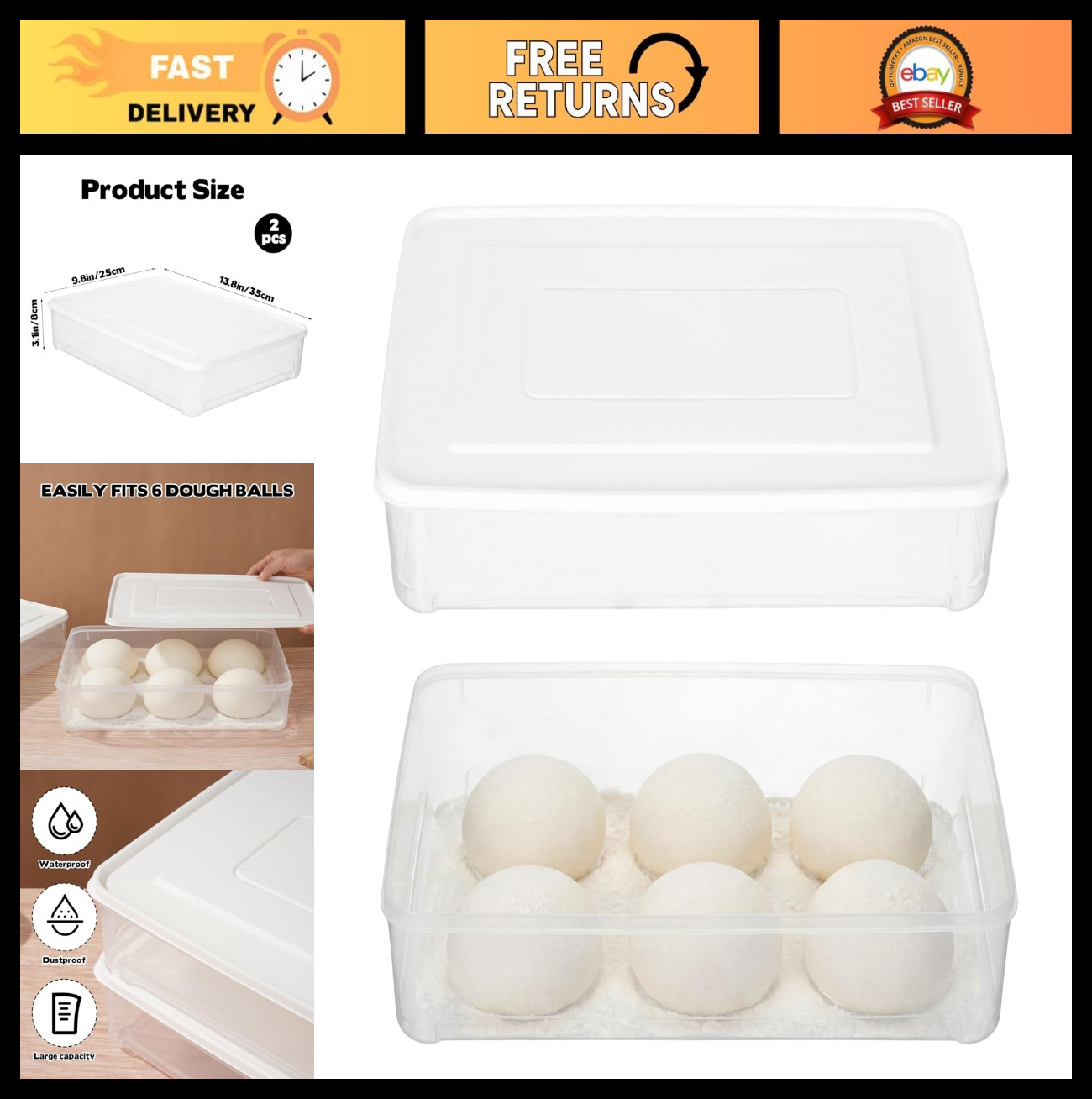
A plastic container for sourdough starter is a dedicated vessel that controls airflow, moisture, and light to keep wild yeast and bacteria fermenting predictably. The core trade-off is between cheap, thin PP tubs that crack or retain odors and food-grade, thick-walled PP or PC containers with airtight or vented lids. Choose a container rated food-safe with a volume at least 4x your starter's peak rise and a lid that seals but can vent; skip any unmarked or thin-walled container not designed for repeated wet-fermentation cycles.

Buying guide image
Electric Kettles

Tea Coffee Water Heater

Electric kettles for tea and coffee heating range from corded 1.7L stainless steel models to compact USB-powered travel kettles, with the core trade-off being heating speed and capacity versus portability and power source. Durable options use 304 or 316 stainless steel, concealed heating elements, and proper boil-dry protection; compromises use exposed plastic elements, thin-gauge steel, or undersized USB power that cannot reach a rolling boil.

Buying guide image
Electric Kettles

Travel Water Heater

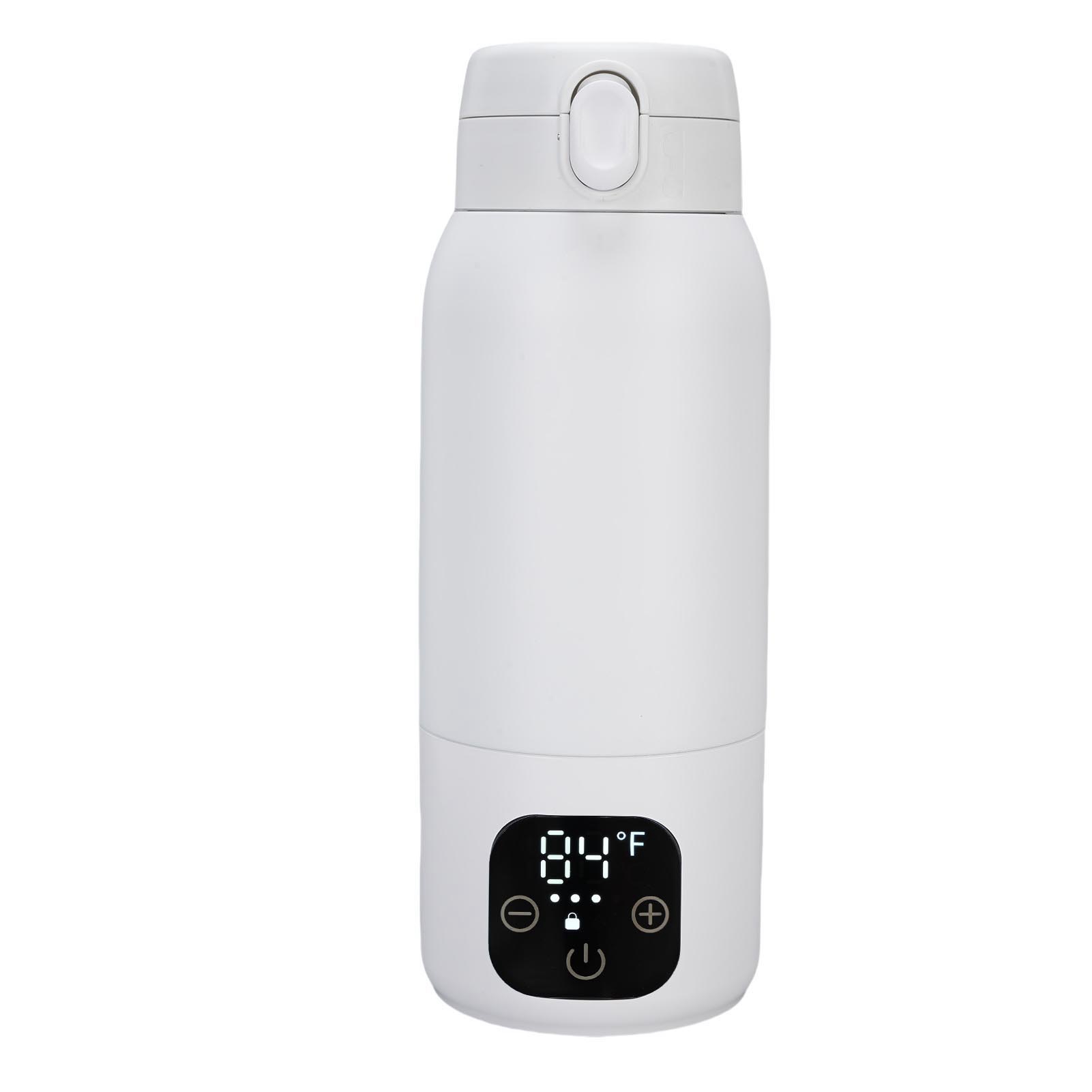
Travel water heaters are compact, portable electric kettles designed to boil water from USB power banks, 12V car sockets, or dual-voltage wall outlets for coffee, tea, and instant meals on the go. The core trade-off is heating speed and capacity versus portability: USB units typically deliver 50–100W and take 15–30 minutes to boil 300–500ml, while 12V car kettles reach 200–300W and dual-voltage AC models hit 800–1500W for near-home speed. Choose a sealed, food-grade stainless steel (304 or 316) or Tritan body with a wide-mouth lid and auto shut-off; skip unsealed aluminum or generic “fast-boil” USB kettles that lack low-voltage cutoff and boil-dry protection.

Buying guide image
Electric Kettles

Water Heater

Electric kettles for water heating range from cordless 316 stainless USB travel models to 1500W+ corded carafes, with the core trade-off between portability (battery/USB power, small capacity) and speed/durability (high wattage, thermal cutoff, double-wall insulation). Decide durable when the heating element is concealed stainless and a dry-boil thermostat is present; compromise when the housing is plastic or the cordless base lacks a physical switch.

Buying guide image
Coffee Cleaning & Accessories

Coffee Machine Mat

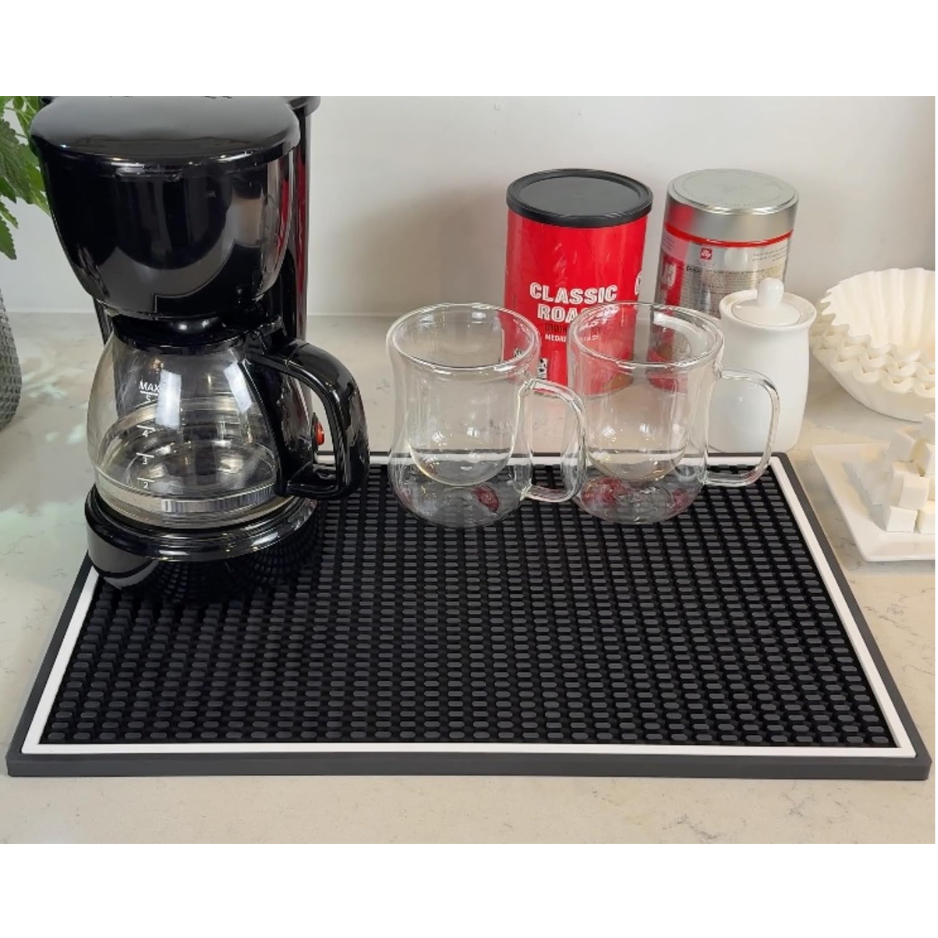
A coffee machine mat is a silicone or rubber barrier placed under an espresso machine or brew station to protect countertops from heat, steam, and spills while containing drips. The core trade-off is between thin, decorative pads that shift and stain versus thick, high-rib silicone with raised edges that actually channel liquid and grip the counter. Buy a mat with at least 2 mm of heat-rated silicone, a raised perimeter lip, and a size that fully clears the machine's footprint and steam wand swing.

Buying guide image
Air Fryers

Large Dual Air Fryer

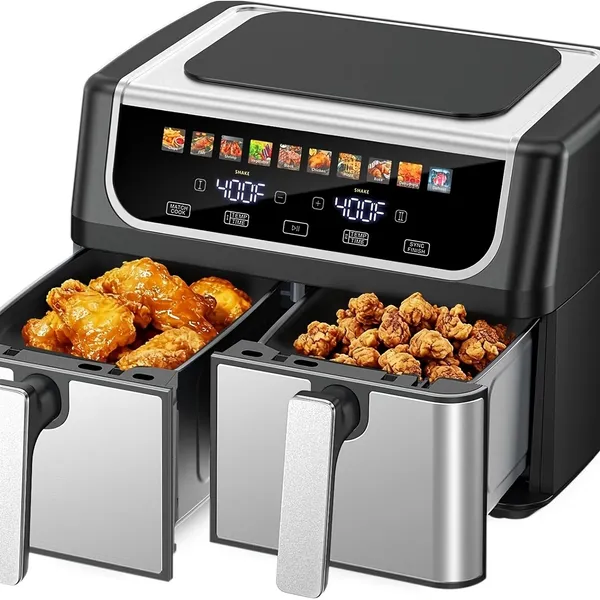
Large dual air fryers are countertop convection ovens with two independent cooking drawers, typically 8–12 quarts total, that let you cook different foods simultaneously. The core trade-off is between true dual-zone flexibility (independent heaters and fans) and cabinet depth—most 10-quart models need 18+ inches of counter depth plus rear clearance. The decision rule: buy only if both baskets have dedicated heating elements and a sync-finish mode; skip any 'dual basket' unit with a single shared heating element or a divider that just splits one cavity.

Buying guide image
Blenders & Juicers

Rechargeable Juicer

Rechargeable juicers are cordless, battery-powered machines that extract juice from fruits and vegetables for portability, small kitchens, or off-grid use. The core trade-off is between battery capacity/motor torque and portability: higher-capacity cells and brushless motors handle fibrous produce, while smaller units are lighter but stall on carrots or kale. The decision rule is simple: buy a model with a removable, standard-format lithium cell (e.g., 18650 or 21700) and a rated extraction force above 50 N; fixed-cell, low-torque units are disposable compromises.

Buying guide image
Coffee Scales

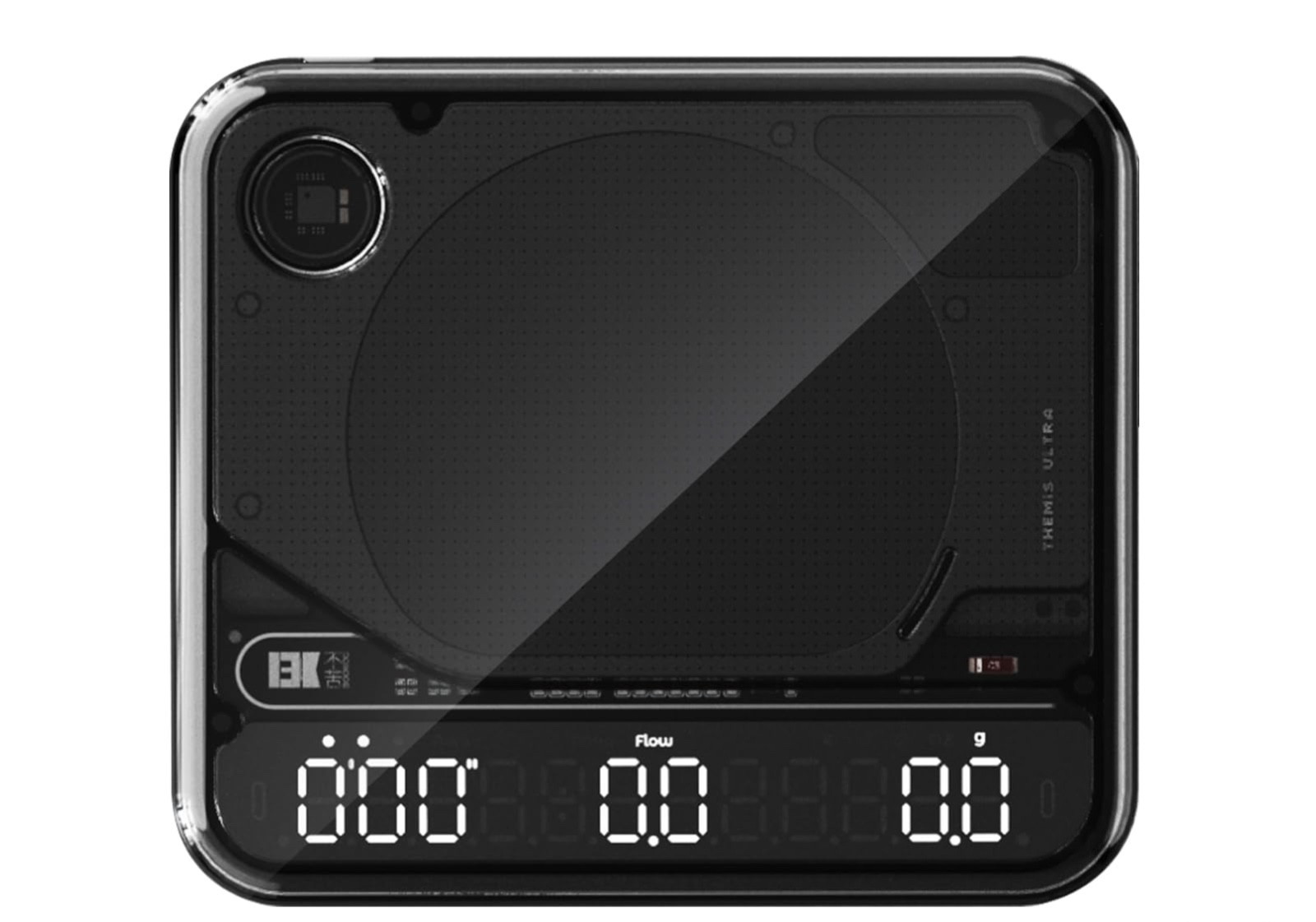
Coffee Scale With Flow Rate

A coffee scale with flow rate is a digital brewing scale that calculates real-time extraction speed (grams per second) to help dial in espresso and pour-over consistency. The core trade-off is between a responsive, high-resolution load cell with fast Bluetooth/app integration versus basic timer-only scales that lack flow data. Choose a scale with at least 0.1 g resolution, a refresh rate of 5 Hz or faster, and IP-rated water resistance for durability; skip any scale that only displays weight and time without derived flow.

Buying guide image
Electric Hot Pots

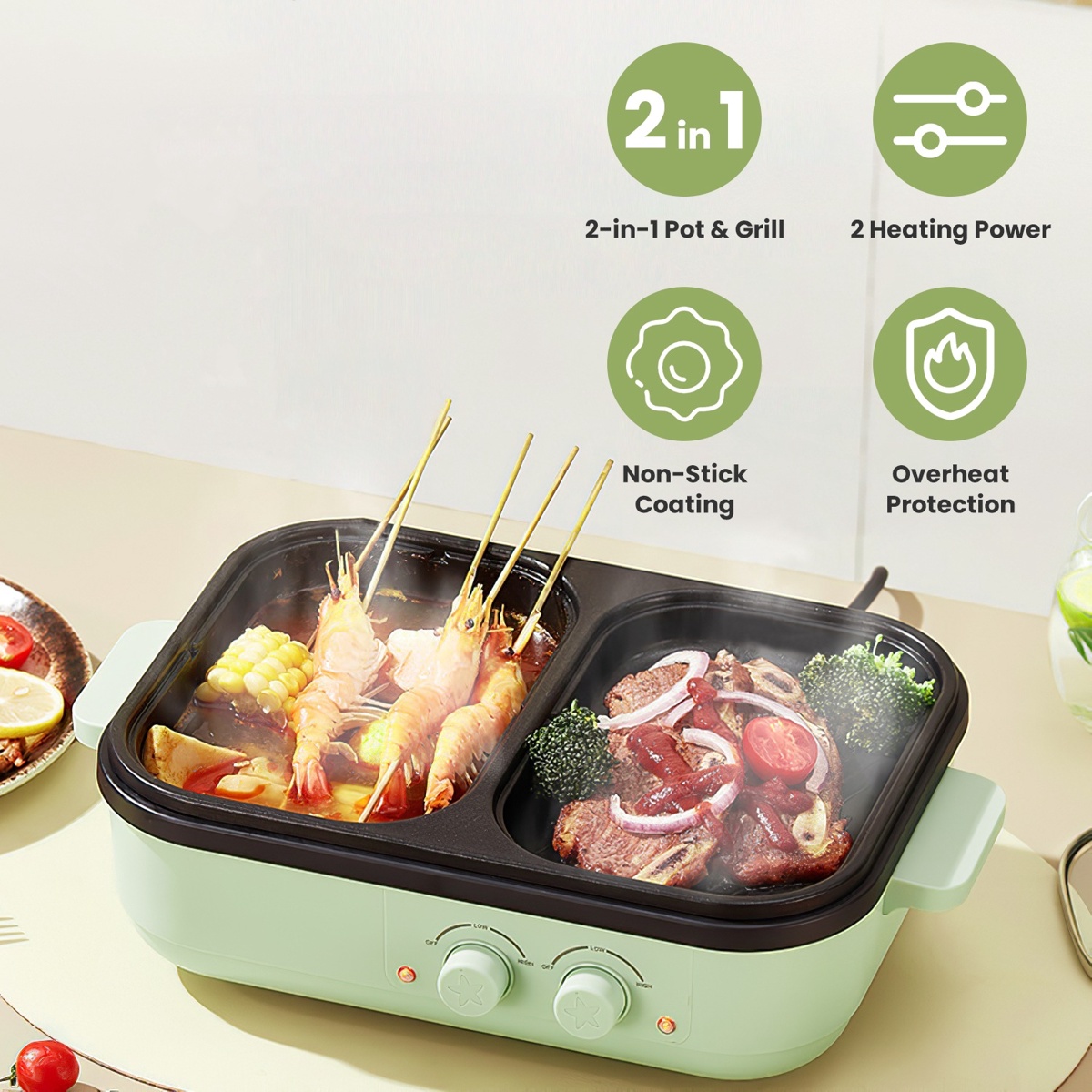
Bbq Hot Pot Grill

A BBQ hot pot grill is a dual-zone electric cooker pairing a simmering hot pot basin with a flat or ridged griddle for Korean-style tableside grilling. The core trade-off is heating architecture and pan material: die-cast aluminum with embedded or cast-in elements heats evenly and resists warping, while thin stamped steel and exposed coil designs hot-spot and warp over time. The decision rule: buy a combo with independent temperature controls per zone, a removable non-stick basin, and at least 1600W total output; skip single-control, non-removable units meant only for one or two people.

Buying guide image
Bread Ovens & Dutch Ovens

Oval Cast Iron Dutch Oven

Oval cast iron Dutch ovens are heavy, tight-lidded vessels designed for even heat retention and high-humidity baking, with the oval shape optimized for boules, batards, and whole birds. The primary trade-off is enameled vs bare cast iron and wall thickness vs weight: enamel resists acidity and needs no seasoning but chips, while bare iron is nearly indestructible but reactive. The clear decision rule: buy enameled cast iron if you bake acidic sourdough or want low-maintenance cooking, choose bare iron if you prioritize durability and don't mind seasoning.

Buying guide image
Blenders & Juicers

Portable Electric Juicer Blender

Portable electric juicer blenders are battery-powered, cup-style appliances that combine a small motor, blade assembly, and rechargeable cell to make single-serve smoothies or juices away from a wall outlet. The core trade-off is motor torque and battery capacity versus cup size and weight: compact 12-16 oz units prioritize portability, while 20-24 oz units need higher wattage and larger cells to avoid stalling on frozen or fibrous produce. The decision rule is simple—choose a unit rated for the produce you actually blend, with a removable blade base and a leak-proof lid, and skip any model that lists no motor wattage or battery capacity.

Buying guide image
Water Filtration

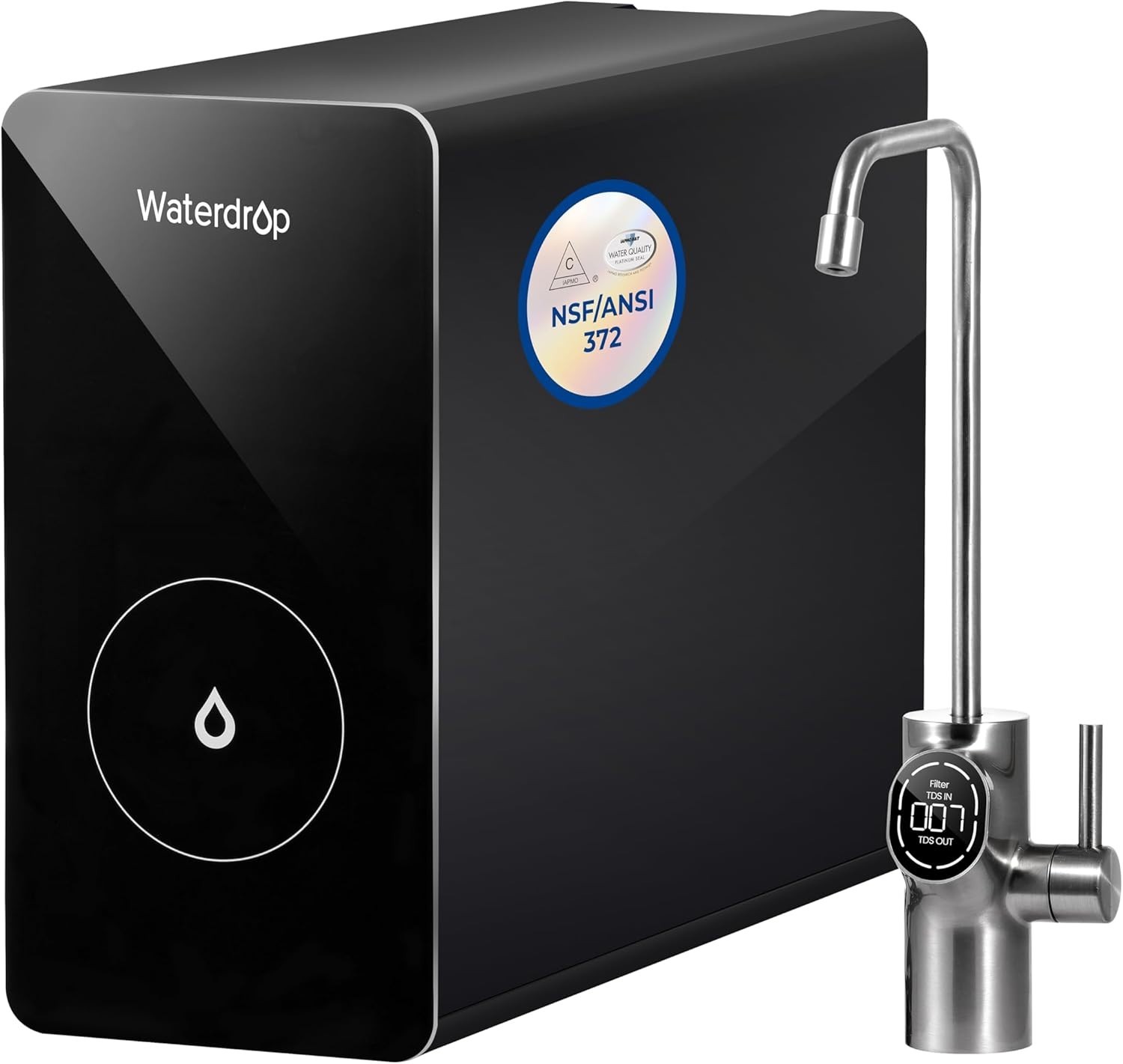
Under Sink

Under-sink filtration spans simple carbon blocks to full reverse-osmosis systems, so the first decision is whether you need sediment/chlorine removal or dissolved-solids reduction. Space under the cabinet, feed-water pressure, and whether you want a tank or tankless design determine which architecture fits. Most buyer mistakes come from skipping the drain-saddle and faucet-hole requirements before ordering.

You may also like

Finding more guides for you…