Kitchen Gear Wise

Kitchen Gear Wise

Kitchen Gear Reviews & Buying Guides

Compare kitchen gear by use case, features, trade-offs, price, returns, and seller terms before you buy.

Buying guides

Buying guide image
Water Filtration

Well Water Filter

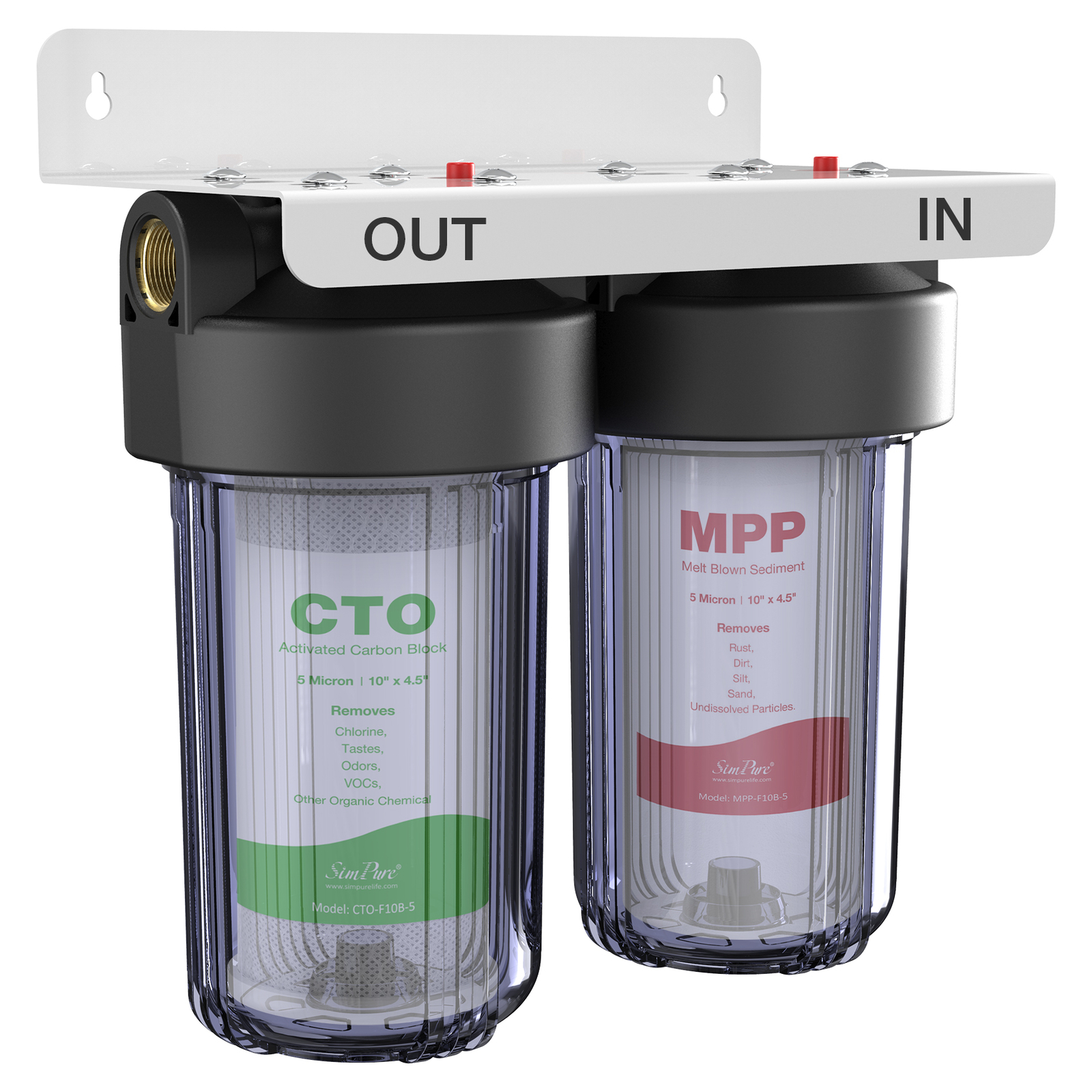
Whole-house well water filters are pressure vessels and media tanks that remove sediment, iron, sulfur, and hardness before water reaches fixtures. The primary trade-off is capacity versus backwash/maintenance burden: larger media beds and higher-service-flow valves cost more but deliver longer runs between service. The decision rule is to match the system to your water chemistry test results and peak flow demand, not to the largest gallon rating printed on the box.
Buying guide image
Pour-Over & Manual Brewing

Manual Pour Over Coffee Maker

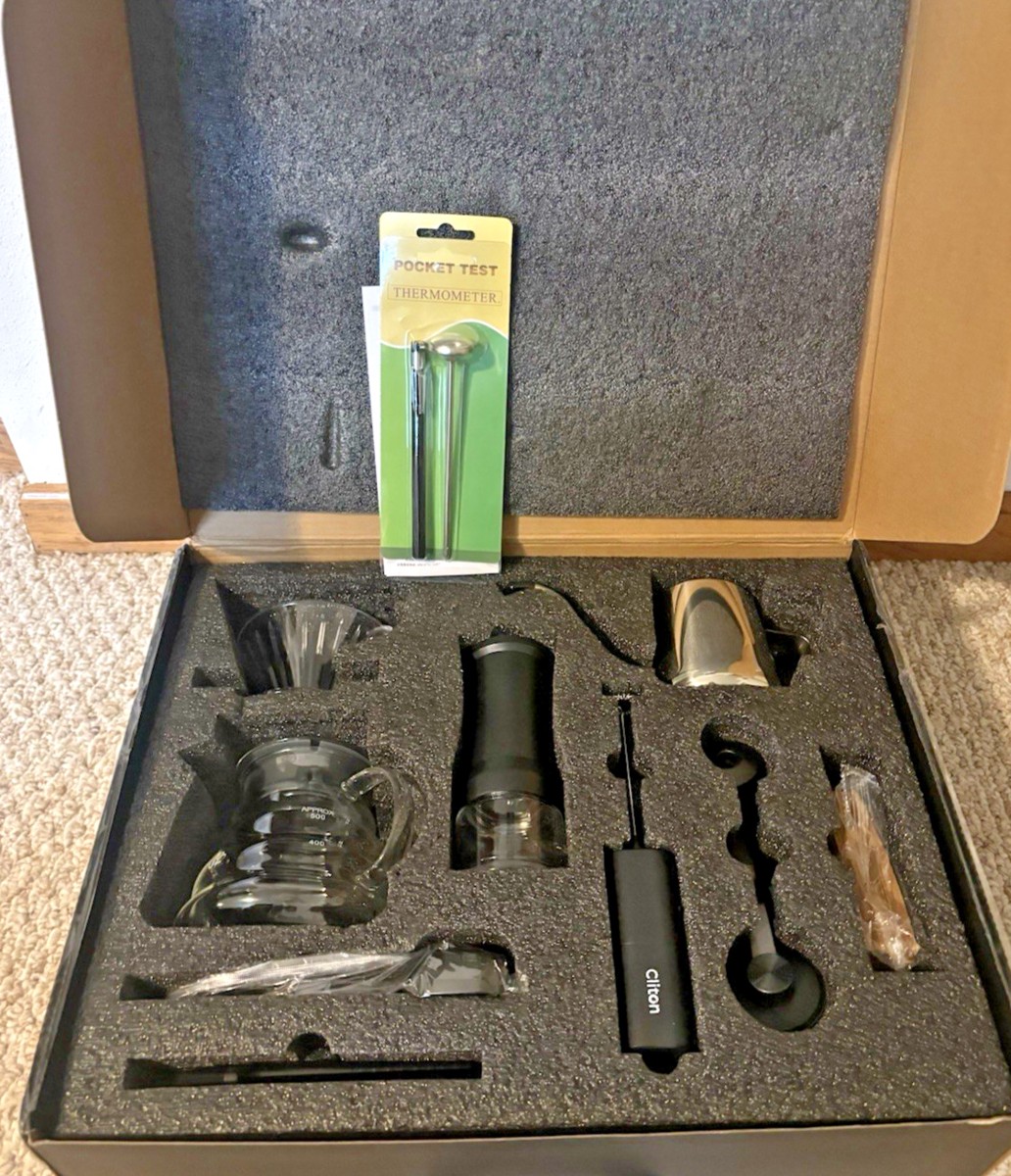
A manual pour-over coffee maker is a gravity-fed brewing system where you control water temperature, pour pattern, and flow rate to extract light-to-medium roasts with clarity. The key trade-off is between thermal stability and simplicity: ceramic and stainless steel retain heat but need preheating, while glass and plastic are lighter but lose heat faster. Choose borosilicate glass, food-grade stainless steel (304/18-8) or glazed ceramic for durability, and pair with a gooseneck kettle and burr grinder for repeatable results.

Buying guide image
Tableware, Drinkware & Serving

Coffee Tumbler With Lid

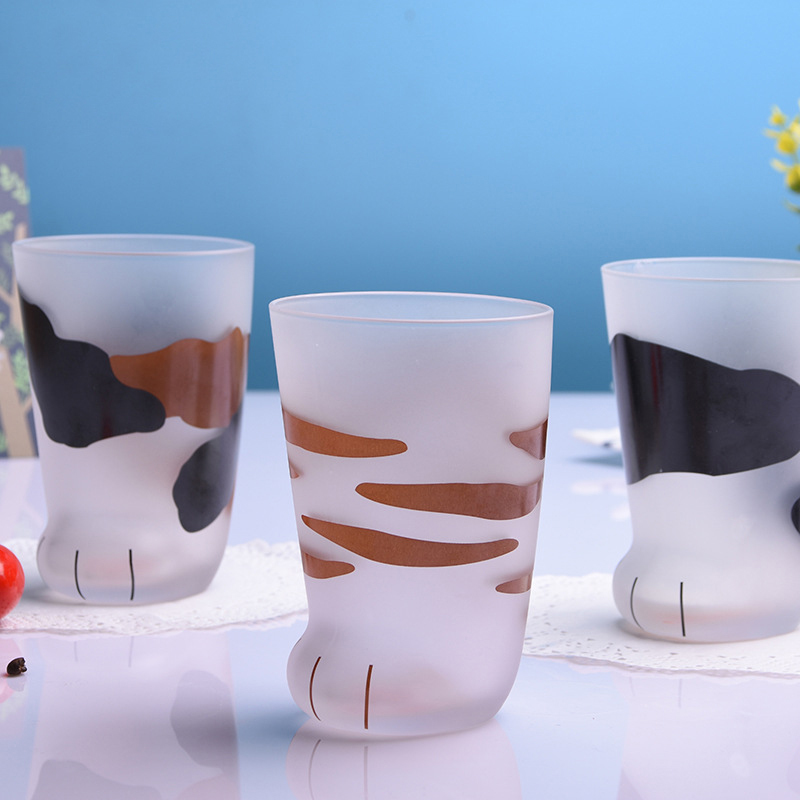
A coffee tumbler with lid is a portable drinking vessel designed to retain temperature and prevent spills, available in two primary constructions: double-wall vacuum-insulated stainless steel and single-wall glass or ceramic. The core trade-off is thermal performance and durability versus material purity and style, with lid sealing quality being the decisive factor that separates a commute-ready tumbler from a desk-bound mug. Choose vacuum-insulated steel with a gasket-sealed lid for travel and cold retention; choose glass or ceramic with a simple lid for flavor-neutral office sipping.

Buying guide image
Tableware, Drinkware & Serving

Stainless Steel Bottle

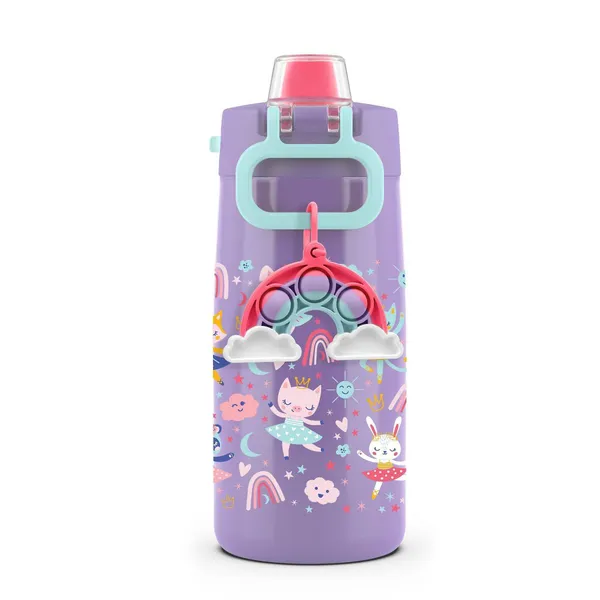
A stainless steel bottle is a reusable, double-wall vacuum-insulated vessel that keeps drinks hot or cold for hours, and the primary trade-off is between 304 (18/8) food-grade stainless steel and cheaper 201-grade or single-wall construction that rusts or sweats. The decision rule is simple: buy only 18/8 (304) stainless with a double-wall vacuum seal and a leak-proof, BPA-free lid; skip any bottle listing 'stainless steel' without a grade or with a plastic inner liner.

Buying guide image
Tableware, Drinkware & Serving

Stainless Steel Water Bottle

Stainless steel water bottles are double-wall vacuum-insulated vessels that keep drinks cold for hours and resist denting, but the primary trade-off is steel grade and wall thickness versus weight and price. The clear decision rule: choose 18/8 (304) food-grade stainless with a true vacuum-sealed double wall and a leak-proof lid mechanism; skip single-wall painted bottles, 201-grade steel, and lids with glued or unsealed seams that fail within months.

Buying guide image
Tableware, Drinkware & Serving

Wine Opener

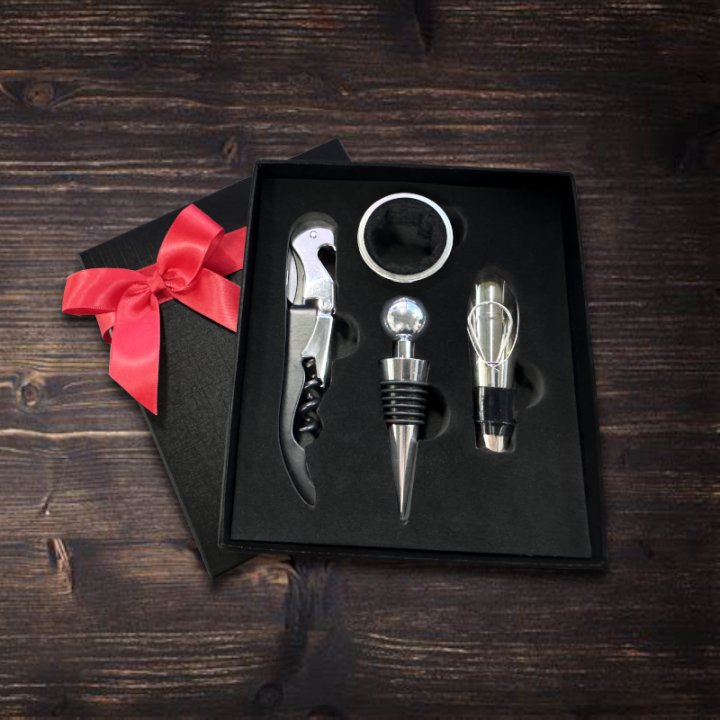
A wine opener is a leverage or pressure tool that removes natural and synthetic corks without crumbling them or damaging the bottle lip. The core trade-off is between manual lever designs (waiter's corkscrew, wing, rabbit) that rely on operator technique and powered or pressurized units that trade portability and cost for speed and consistency. The decision rule: choose a two-stage lever waiter's corkscrew with a non-stick coated worm for daily durability, a rabbit-style for high-volume hosting, and an air or electric pump only for low-torque users who accept synthetic-cork limitations.

Buying guide image
Coffee Grinders

Baratza Esp

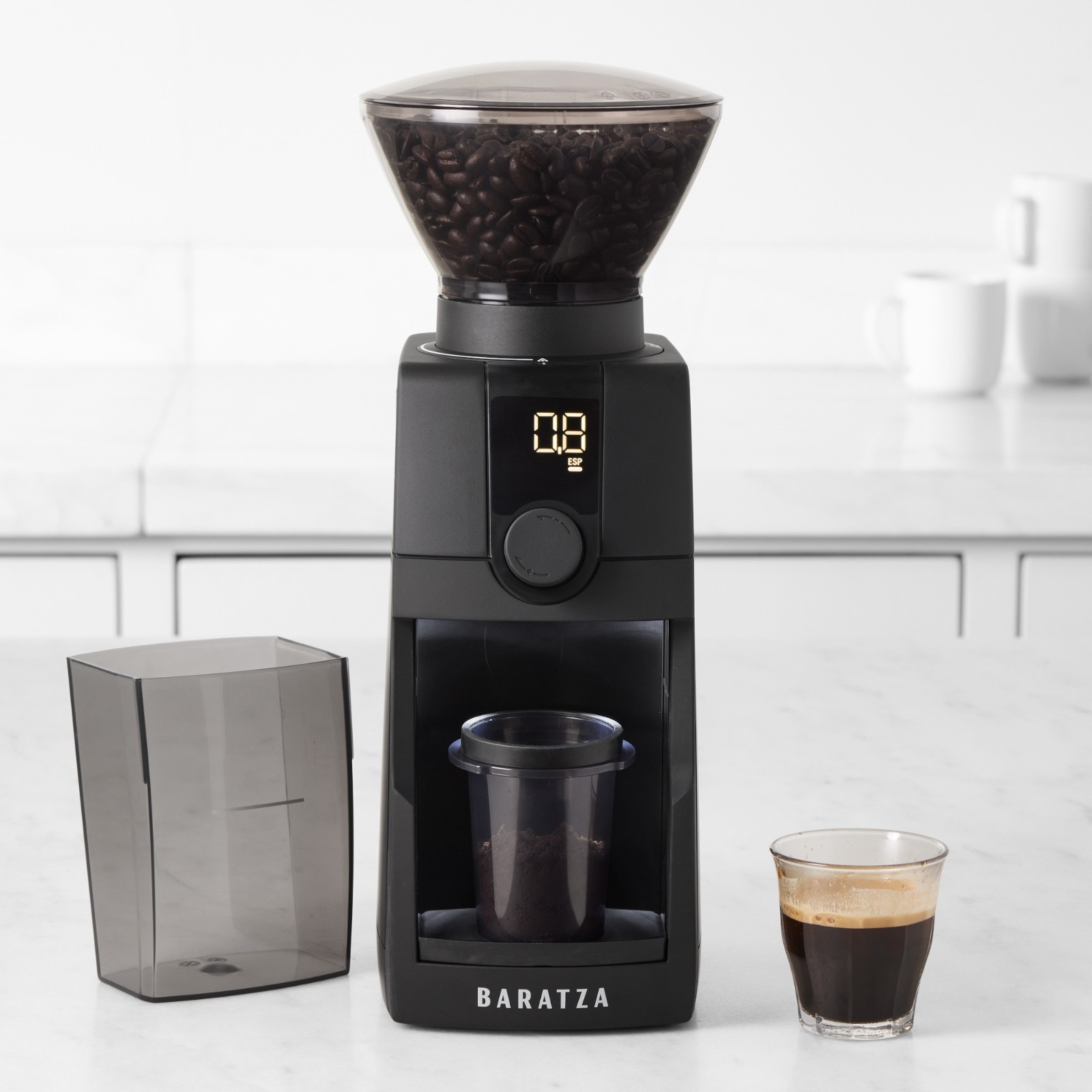
The Baratza Encore ESP is a burr coffee grinder engineered specifically for espresso, combining 40mm conical steel burrs with a stepped adjustment ring tuned for the fine, repeatable ranges espresso demands. The core trade-off is between its espresso-focused calibration and the coarser settings home brewers need for drip or pour-over; the ESP handles both but prioritizes fine grinding. The clear decision rule: choose the ESP if you pull espresso regularly and want a proven entry-level burr set with replacement parts; skip it if you need stepless micro-adjustment or high-volume commercial duty.

Buying guide image
Food Dehydrators

Excalibur Food Dehydrator

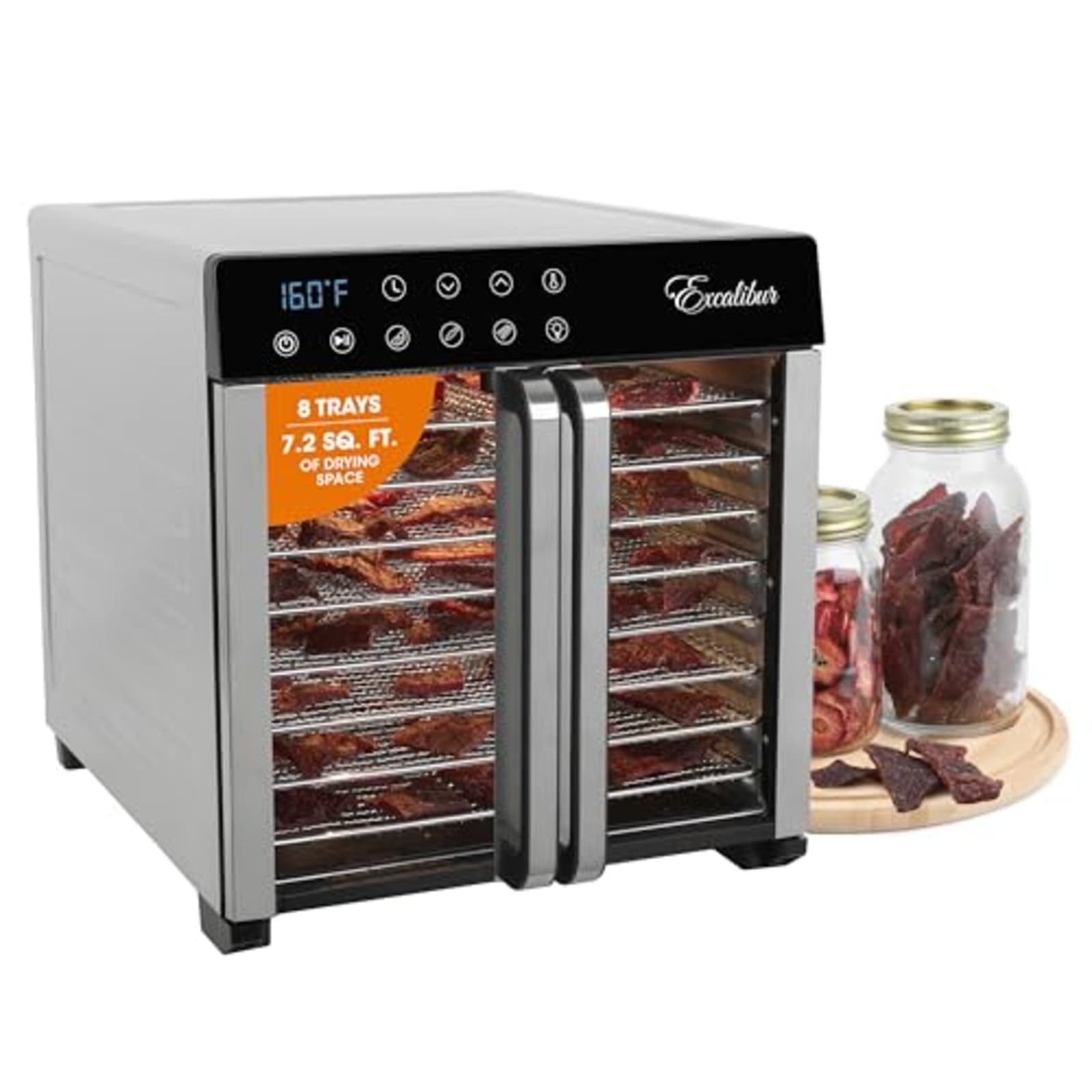
Excalibur food dehydrators are the reference standard for home and semi-pro dehydration, defined by their horizontal airflow, stackable tray architecture, and modular temperature control. The core trade-off is tray count and control tier: 4-5 tray base models use simple dial thermostats, while 9-tray Select and Performance series add digital presets, stainless construction, and higher wattage for faster, more even drying. Buy the largest tray count and controller tier your counter and batch size justify—anything smaller or analog-only is a compromise for heavy use.

Buying guide image
Home Ranges, Ovens & Cooktops

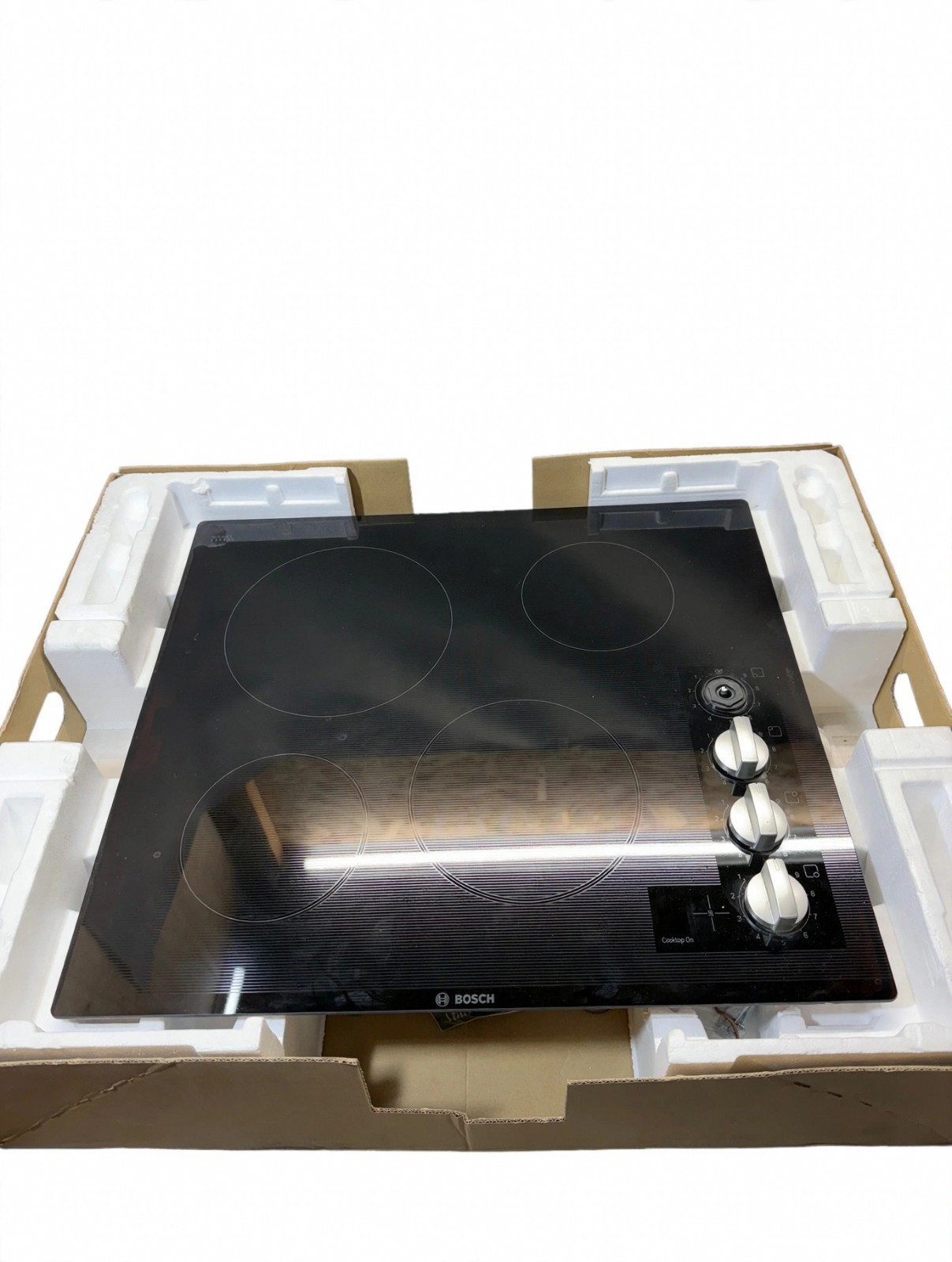
Bosch Stove

Bosch stoves span gas, electric coil, radiant smoothtop, and induction cooktops—the core trade-off is heating technology and control precision versus installation constraints. Induction delivers the fastest, most precise heat and safest surface but requires magnetic cookware and often a dedicated 240V circuit; gas suits wok and flame-roasting but demands ventilation and a gas line. The decision rule: match the fuel and cookware you actually own, then choose the control tier—mechanical knobs for durability, touch/Home Connect for precision—and skip any model whose cutout or amperage your kitchen cannot support.

Buying guide image
Cookware & Cutlery

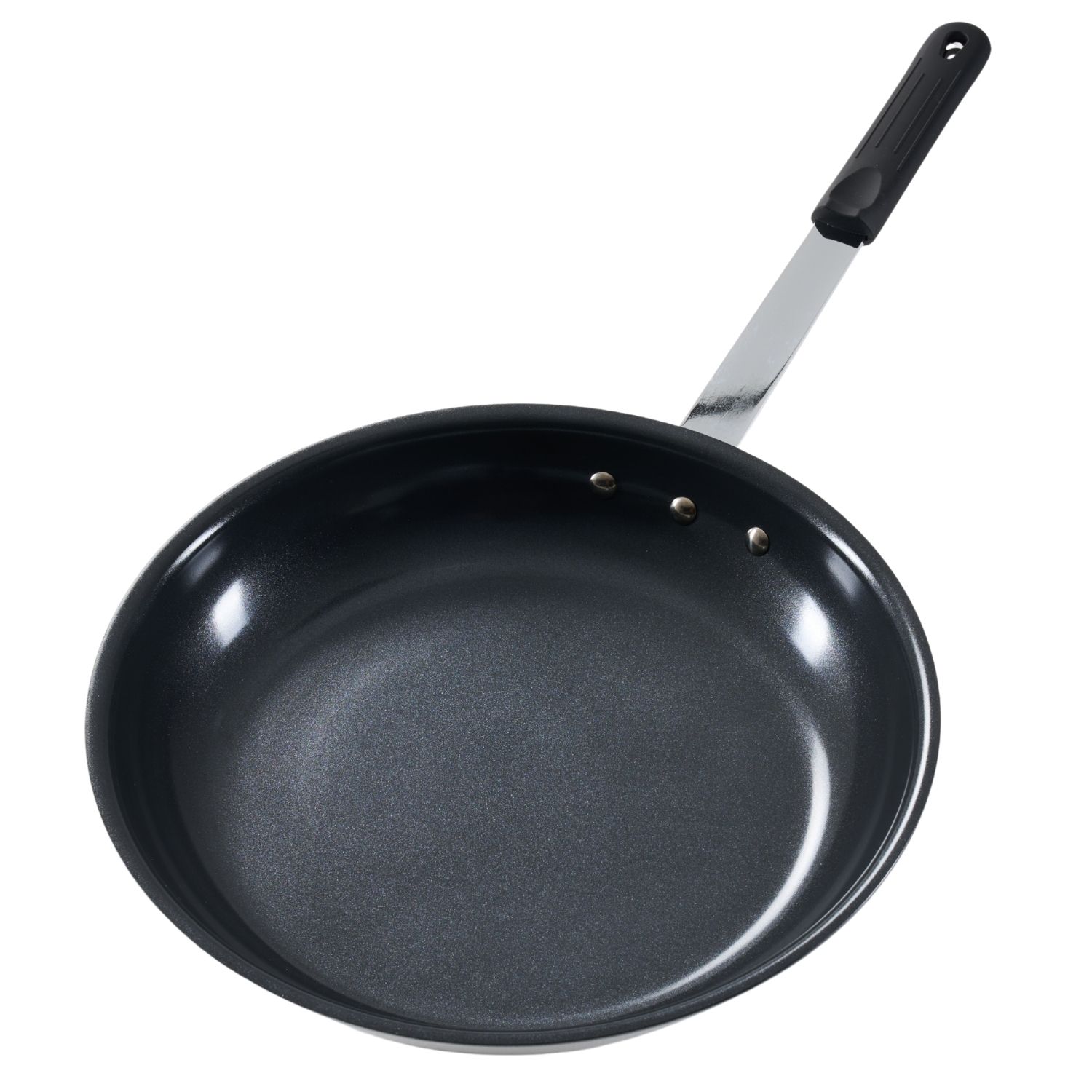
Ceramic Non Stick Pan

Ceramic nonstick pans use a sol-gel or plasma-sprayed mineral coating over an aluminum or stainless-steel body, trading the longer release life of PTFE for higher heat tolerance and PFAS-free cooking. The primary trade-off is coating durability versus thermal performance: thin stamped aluminum heats fast but warps and loses release within months, while thick forged or clad bodies with a reinforced ceramic layer hold flatness and slickness far longer. The clear decision rule is to buy a pan with a discernible base thickness of at least 3 mm, a riveted or welded handle, and an explicit PFOA/PFAS-free claim — skip any pan whose only specification is 'ceramic' with no body material or coating process named.

Buying guide image
Cookware & Cutlery

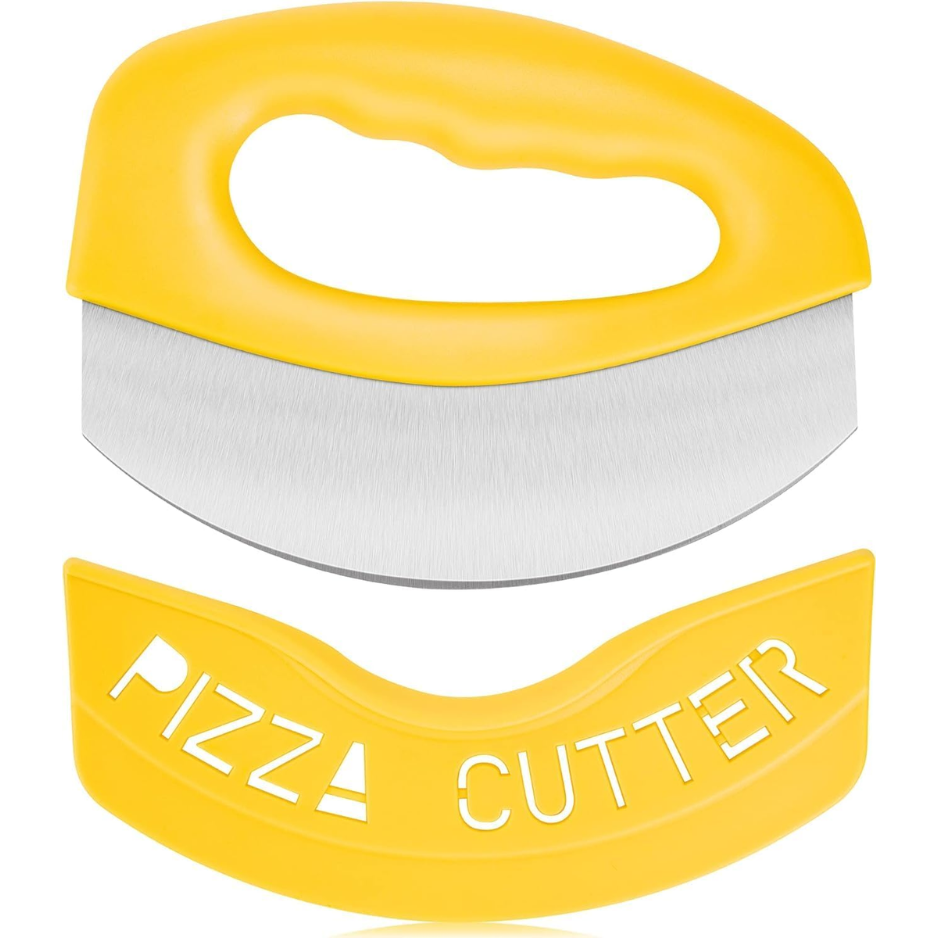
Pizza Cutter

A pizza cutter is a dedicated wheel or rocker blade that cleanly severs crust without displacing toppings; the core trade-off is blade geometry and handle ergonomics versus material durability. Wheel cutters excel at curved, controlled slicing, while rocker blades offer straight-line force for thick or deep-dish pies. The decision rule: choose a full-tang stainless steel blade with a riveted or molded non-slip handle for weekly use, and avoid thin stamped blades with press-fit plastic hubs that wobble or rust.

Buying guide image
Blenders & Juicers

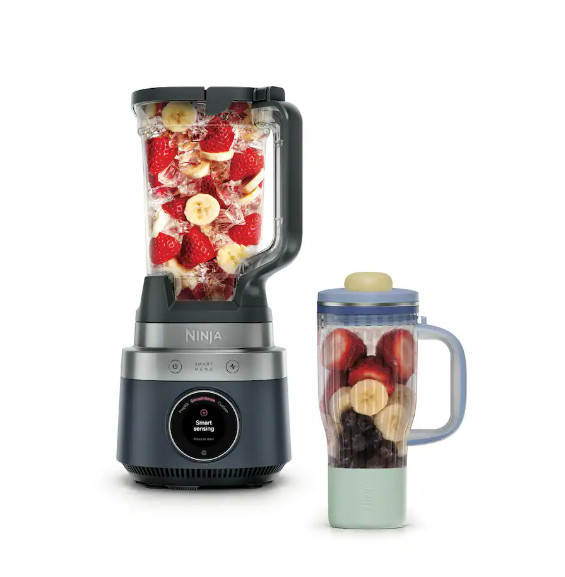
Ninja Blender Duo

The Ninja Blender Duo is a two-vessel countertop system pairing a high-torque motor base with a 72-oz blending pitcher and a 24-oz single-serve cup, defined by Ninja's stacked blade architecture and Auto-iQ preset programming. The core trade-off is blade-and-jar durability versus motor wattage: the 1400W BN750/BN751 series uses a metal-driven blade assembly and thicker Tritan jars, while older 1200W BN700-series units and third-party replacement blades cut corners on bearing seals and jar wall thickness. Buy the Duo only if you want one base for both batch blending and to-go cups; skip it if you need true hot-soup cooking or low-speed juicing, which require a heating blender or masticating juicer.

Buying guide image
Coffee Cleaning & Accessories

Nespresso Coffee Machine Cleaner

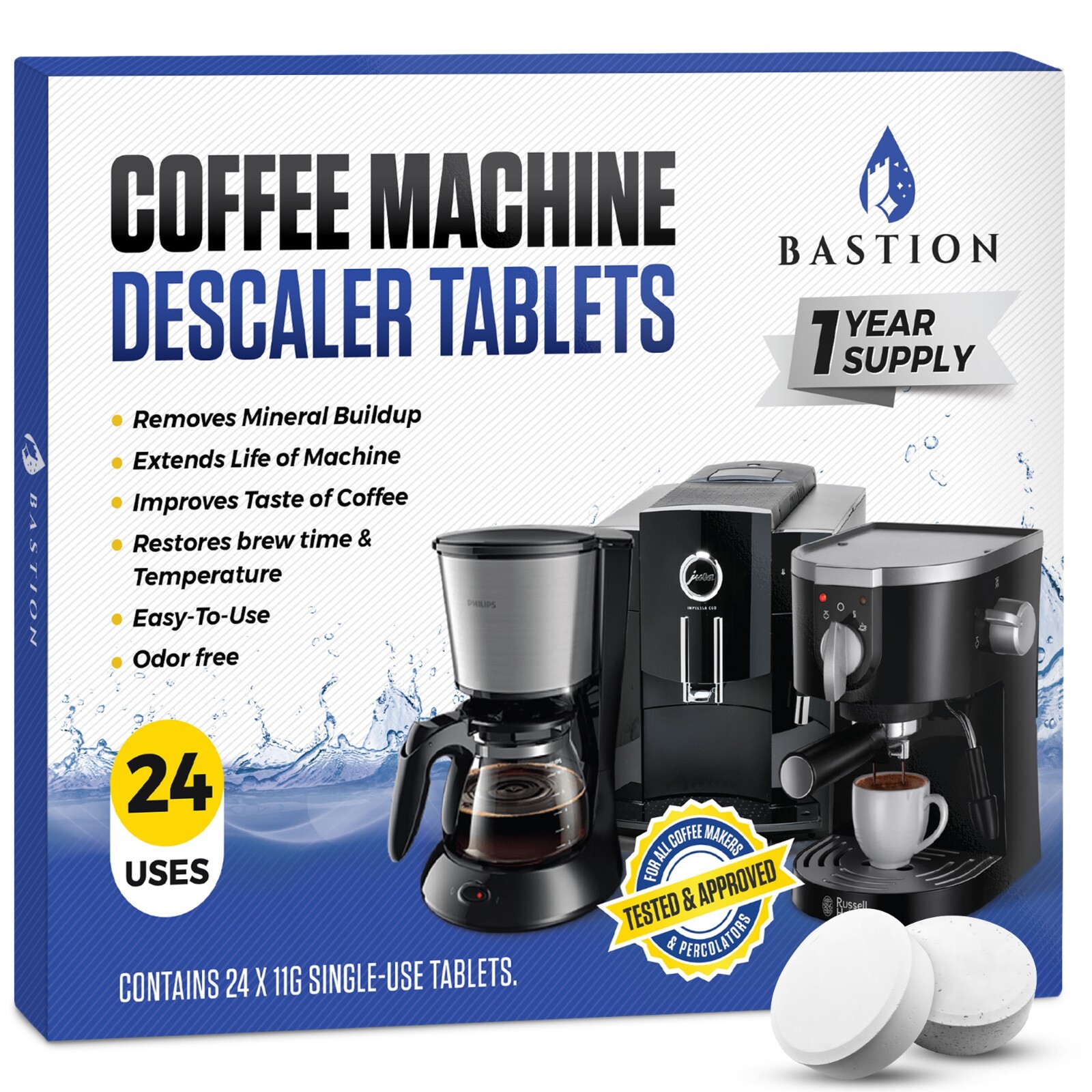
Nespresso coffee machine cleaners are descaling and cleaning agents formulated to remove limescale and coffee oils from Nespresso-architecture machines without damaging aluminum or plastic brew paths. The critical trade-off is between liquid descalers (fast, precise dosing) and tablet/rinse aids (convenient but dilution-sensitive), plus whether the formula is safe for aluminum components. The clear rule: buy a cleaner explicitly labeled aluminum-safe and match the format to your machine's descaling cycle—liquid for deep limescale removal, tablets only as a maintenance supplement.

Buying guide image
Coffee Cleaning & Accessories

Nespresso Machine Cleaner

Nespresso machine cleaners fall into two distinct chemical classes: descaling solutions (citric or lactic acid) that dissolve limescale in the thermoblock and water path, and cleaning capsules or tablets that flush coffee oils and residue from the brewing chamber. The trade-off is formulation strength versus material compatibility: strong acids can damage silicone seals and aluminum components if over-concentrated or left too long, while mild formulas may not fully dissolve hard-water scale. The clear decision rule is to match the cleaner type to your water hardness and machine architecture—descaling liquid or powder for hard water and thermoblock machines, cleaning capsules for oil residue in Vertuo or OriginalLine brew chambers—and avoid single-product 'all-in-one' tablets when your machine manual specifies separate descaling and cleaning cycles.

Buying guide image
Slow & Pressure Cookers

Pot In Pot Instant Pot

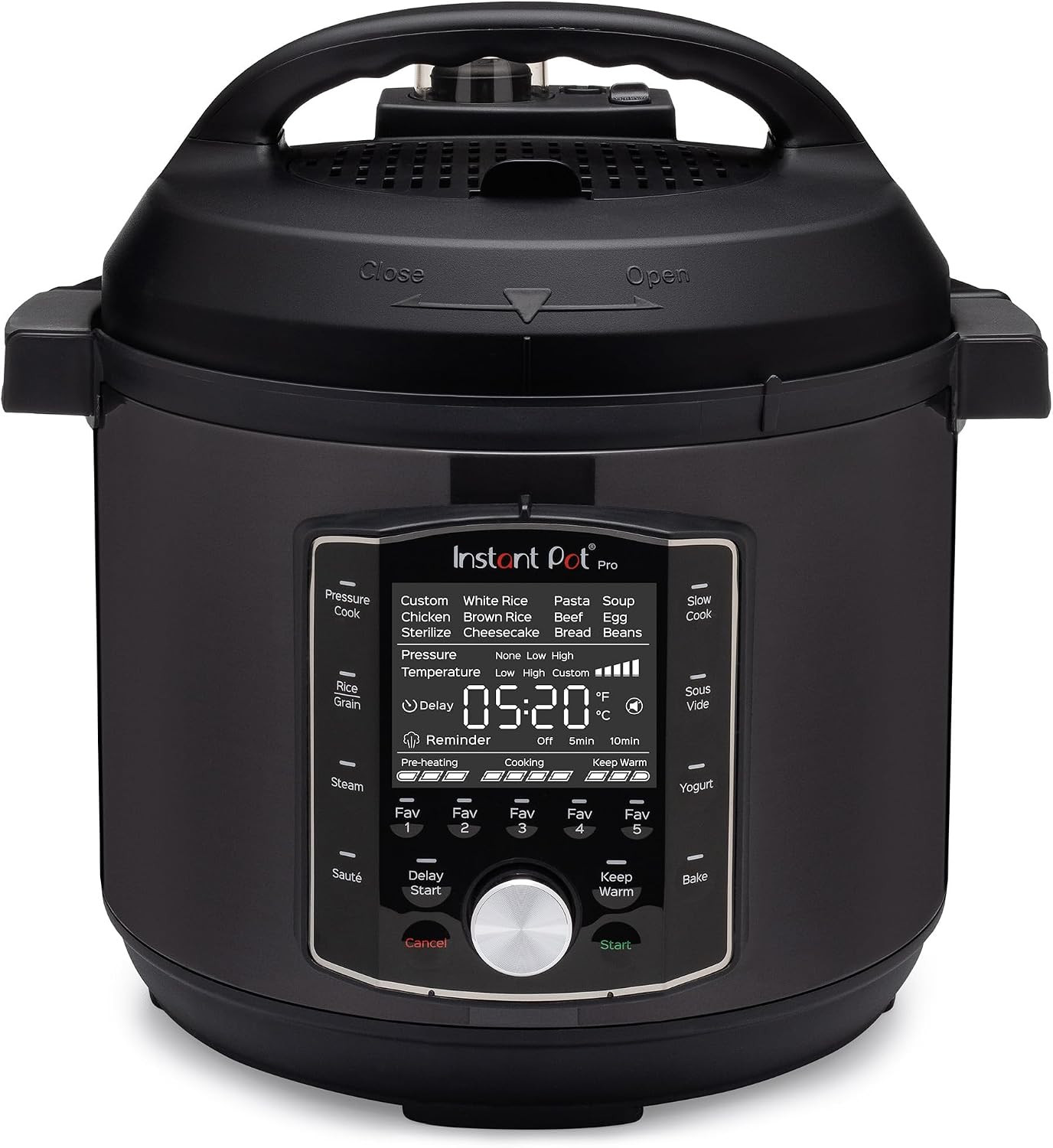
Pot-in-pot (PIP) cooking uses a separate inner vessel suspended on a trivet inside a pressure cooker's main pot, letting you cook rice, grains, or delicate liquids simultaneously with a main dish in the surrounding water—without mixing flavors. The critical trade-off is vessel compatibility: the inner pot must fit the cooker's diameter and be heat-safe under pressure, and the outer cooker must have enough headroom for the trivet plus the inner pot's height. The decision rule is simple: choose a stainless-steel or tempered-glass inner vessel sized 1–2 inches smaller in diameter than your cooker's inner pot, and verify your cooker's minimum liquid requirement is still met in the outer pot.

Buying guide image
Air Fryers

Air Fryer Grill

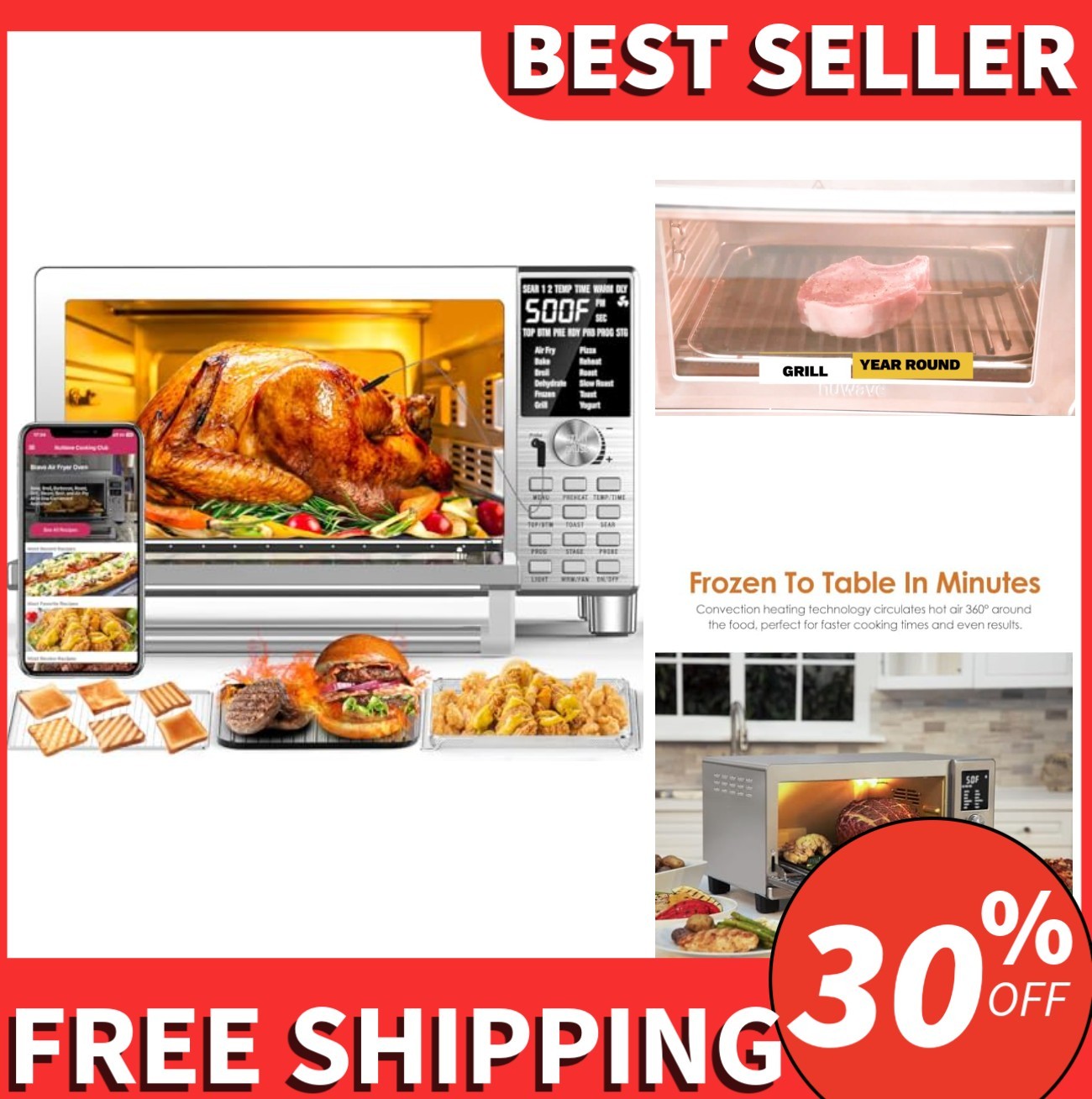
An air fryer grill is a countertop convection oven paired with a ridged grill plate or grate, merging air-fry speed with grill-mark searing. The core trade-off is whether the grill function is a true high-heat sear element or a cosmetic ridged accessory on a standard basket. Buyers should choose a dedicated grill-plate unit with at least 450°F top heat and a dishwasher-safe grate; skip basket-only air fryers marketed as grills.

Buying guide image
Dishwashers

Stainless Steel Tub Dishwasher

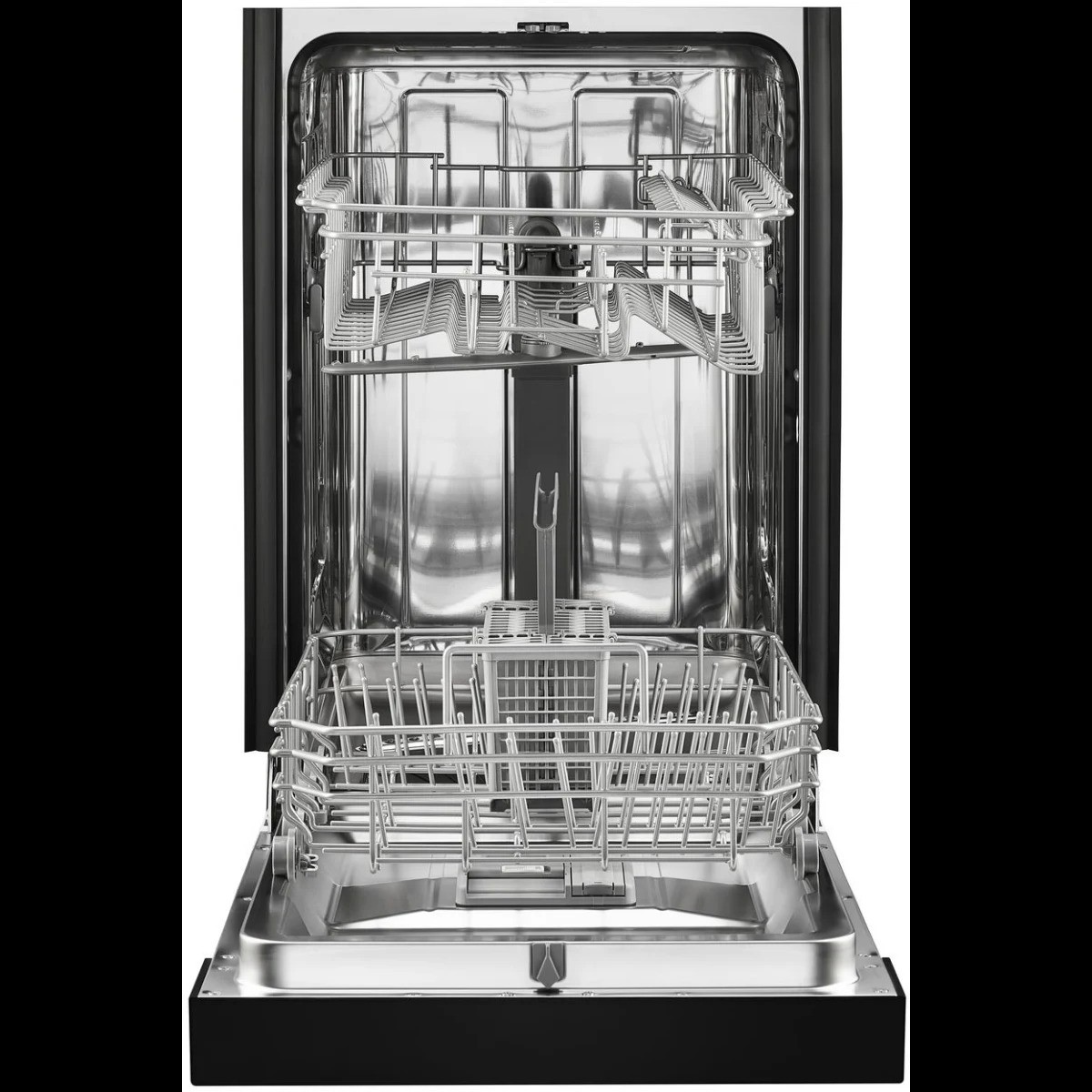
A stainless steel tub dishwasher uses a chromium-nickel alloy interior that resists staining, holds heat for faster drying, and tolerates higher wash temperatures than plastic tubs. The primary trade-off is upfront cost versus long-term durability and quietness, since steel tubs are typically paired with better insulation and more robust wash systems. The decision rule is simple: buy a steel tub when you want a 10+ year service life and quieter operation; choose plastic only for tight budgets or light-duty rentals.

Buying guide image
Toasters & Ovens

Portable Oven

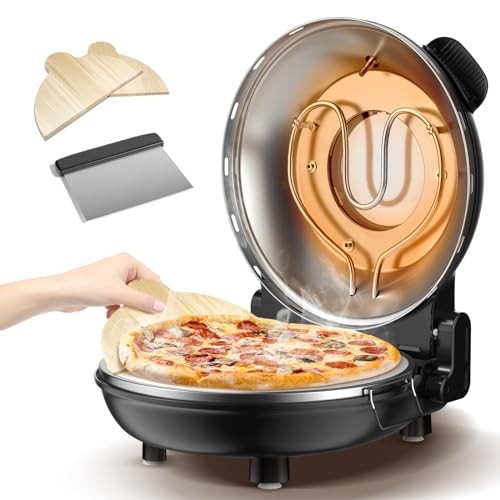
A portable oven is a compact, countertop electric or gas appliance designed to bake, roast, or toast in spaces where a full-size range won't fit or isn't allowed. The primary trade-off is between heating element power and insulation quality versus physical footprint and portability, which directly determines whether you get even baking or hot spots. The clear decision rule: choose a model with a minimum 1200W element and a double-wall or insulated chamber for real baking; skip any sub-1000W single-wall unit if you intend to bake anything beyond toast.

Buying guide image
Water Filtration

Well Water System

A well water system is a multi-stage treatment train that removes sediment, iron, sulfur, and hardness from private groundwater before it reaches fixtures. The core trade-off is between basic Big Blue-style sediment filtration and full oxidation/softening trains that handle dissolved contaminants. Choose based on a lab water test, not guesswork: sediment-only for clear water, iron/sulfur oxidation for metallic or rotten-egg water, and softening when hardness exceeds 7 grains per gallon.

Buying guide image
Tableware, Drinkware & Serving

Coffee Tumbler

A coffee tumbler is a portable, insulated drink vessel engineered to hold temperature and resist leaks during commutes and desk use. The decisive trade-off is between vacuum-sealed double-wall metal (superior heat/cold retention, durability) and single-wall glass or ceramic (flavor neutrality, no metallic taste, but fragile and non-insulating). Buy double-wall vacuum stainless steel for travel and temperature retention; choose glass or ceramic only for stationary desk use where flavor purity outweighs breakage risk.

You may also like

Finding more guides for you…