Kitchen Gear Wise

Kitchen Gear Wise

Kitchen Gear Reviews & Buying Guides

Compare kitchen gear by use case, features, trade-offs, price, returns, and seller terms before you buy.

Buying guides

Buying guide image
Blenders & Juicers

Ice Blender

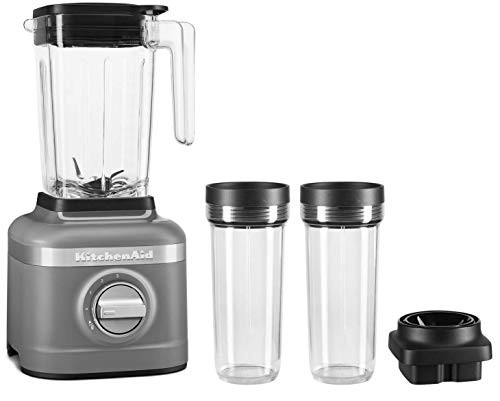
An ice blender is a countertop or portable machine engineered to crush frozen cubes and frozen fruit without stalling or cracking the jar. The core trade-off is motor torque and jar material versus noise, footprint, and cost: high-wattage countertop units with toughened glass or Tritan jars crush reliably, while low-power USB portables only shave soft ice in small batches. The decision rule is simple: buy a countertop unit rated for ice with a metal-drive coupling and a thick jar if you crush ice regularly; choose a cordless personal blender only for soft frozen fruit and protein shakes.
Buying guide image
Food Dehydrators

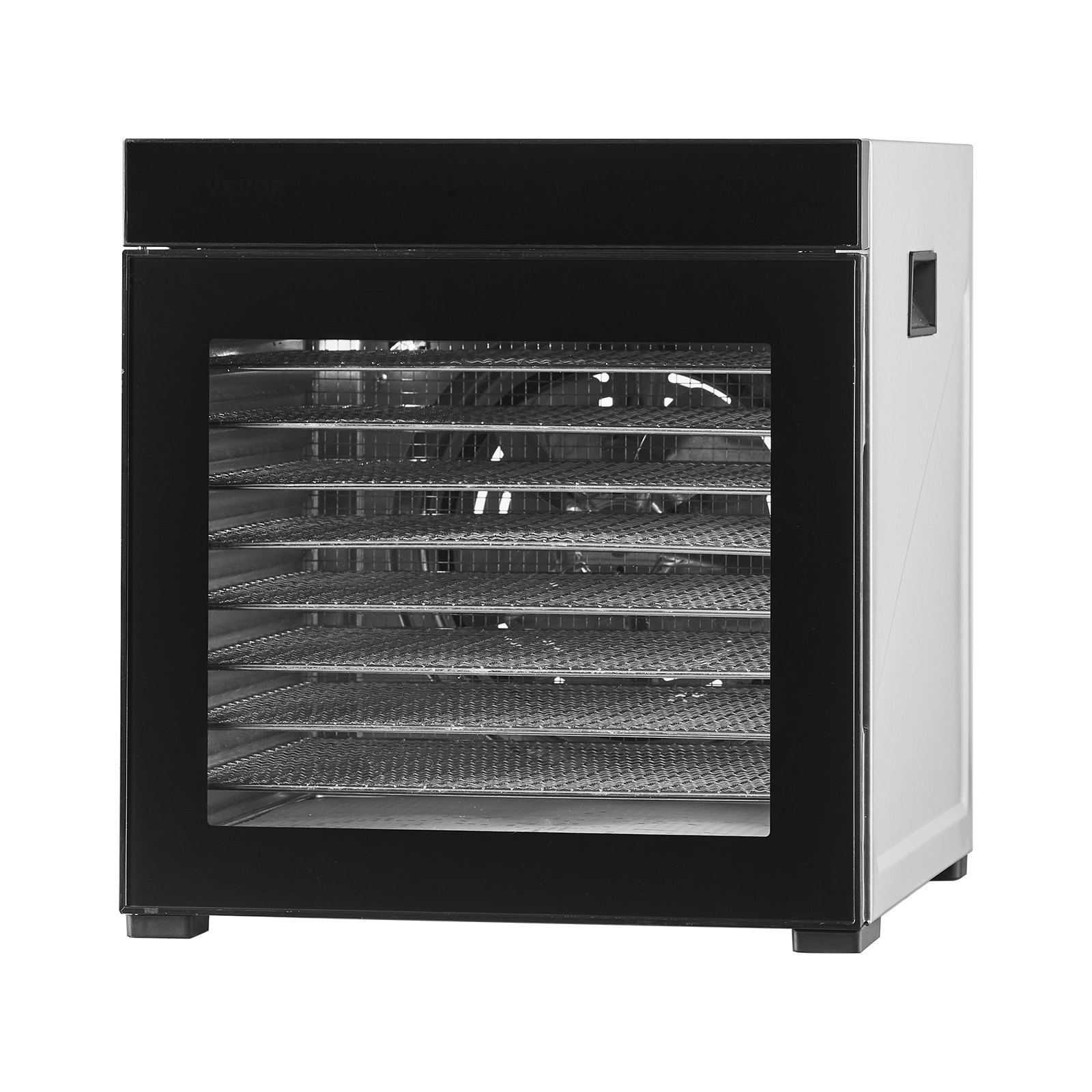
Food Dryer Machine

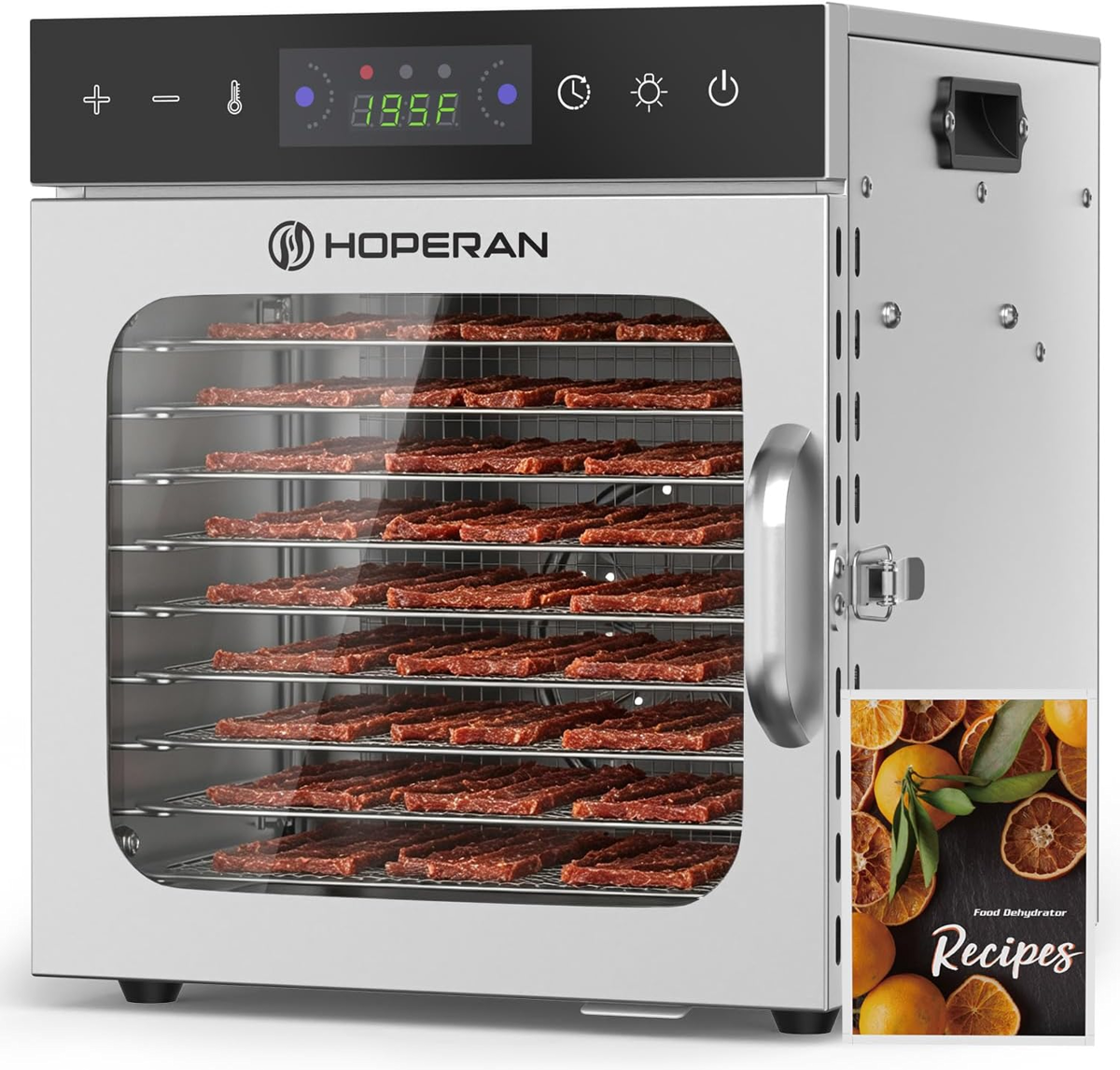
A food dryer machine (dehydrator) removes moisture with low heat and steady airflow; the core trade-off is between cheap fixed-temperature units that scorch or under-dry and thermostatically controlled, horizontal-flow models that dry evenly. Buy a machine with adjustable temperature (95–165°F), a horizontal rear fan, and tray-count flexibility if you plan on jerky, herbs, and fruit leather; skip analog base units for anything beyond occasional herb drying.

Buying guide image
Pour-Over & Manual Brewing

Portable Pour Over Coffee Maker

Portable pour-over makers are compact, manually operated brewers designed to deliver drip-style coffee without electricity, ranging from collapsible silicone cones and stainless-steel filters to integrated travel kits with a carafe and mug. The core trade-off is packability and material durability versus brew quality and flow consistency: thin silicone cones save space but flex and cool quickly, while rigid metal or ceramic units hold heat and stabilize the bed but add bulk. The clear decision rule is to buy a brewer whose filter geometry matches a standard paper size or a proven reusable mesh, and whose material is rigid enough to maintain a level bed and steady flow—skip any unit that flexes under load or lacks a defined flow-restriction point.

Buying guide image
Home Ranges, Ovens & Cooktops

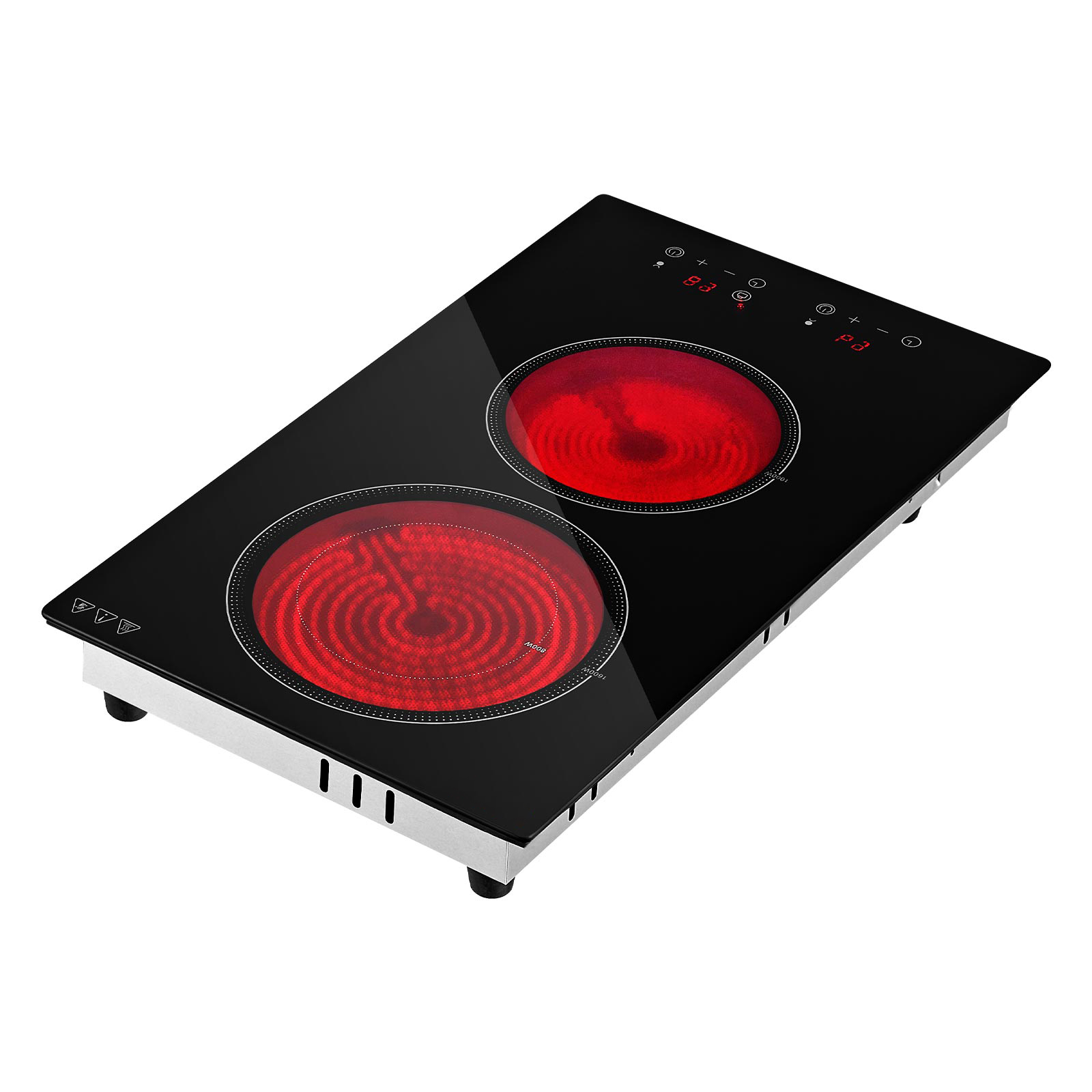
2 Burner Electric Cooktop Portable

A 2-burner portable electric cooktop is a compact radiant or induction unit that runs on standard 120V household power, letting you add two cooking zones on a countertop or drop it into a cutout. The core trade-off is between radiant ceramic glass (cheap, works with any cookware, slow to respond) and induction (fast, efficient, but needs magnetic-base pans); within radiant, the real differentiators are wattage per burner, power-level granularity, and safety interlocks. Choose a 120V plug-in radiant unit for rental kitchens, dorm rooms, or auxiliary cooking; step up to induction or a 240V built-in only if you need restaurant-grade heat or permanent installation.

Buying guide image
Food Dehydrators

Fruit Dehydrator

A fruit dehydrator is a countertop appliance that removes moisture from fruit at low, controlled heat to extend shelf life and concentrate flavor. The core trade-off is between tray capacity, drying evenness (horizontal airflow and thermostat accuracy), and build quality (BPA-free trays, metal vs. plastic housing). Buy a model with adjustable temperature down to 35–40°C, a horizontal fan, and at least 4–6 trays; skip fixed-temperature round units with weak fans if you plan to dry whole fruit or make leathers.

Buying guide image
Food Preparation

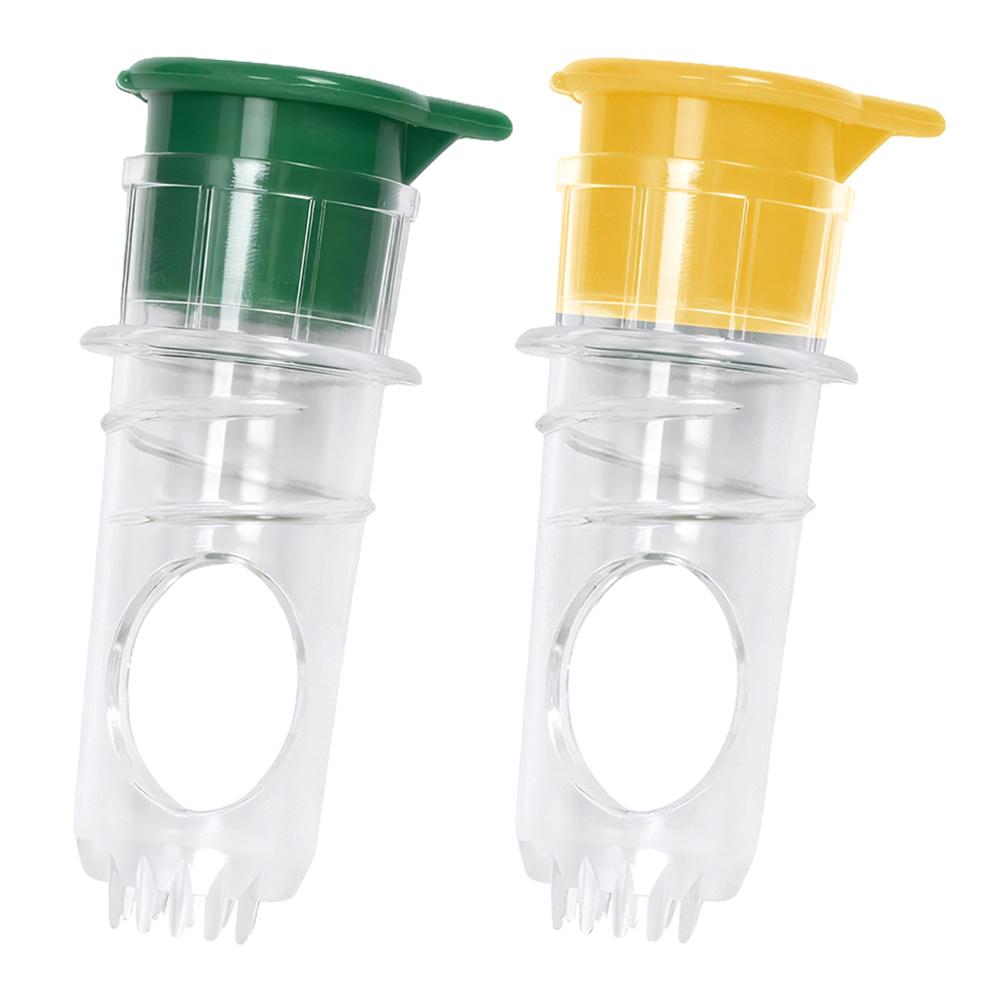
Manual Lemon Juicer

Manual lemon juicers split into two architectures: handheld lever presses for lemons/limes and tall stand-up lever presses for oranges/pomegranates. The critical trade-off is material and hinge rigidity—die-cast zinc or cast iron with a hardened pivot delivers full extraction without bending, while thin stamped steel and plastic hinges flex and crack. Buy a press rated for your largest fruit and built from cast metal; skip 2-pack stamped-steel sets unless you only press soft limes.

Buying guide image
Water Filtration

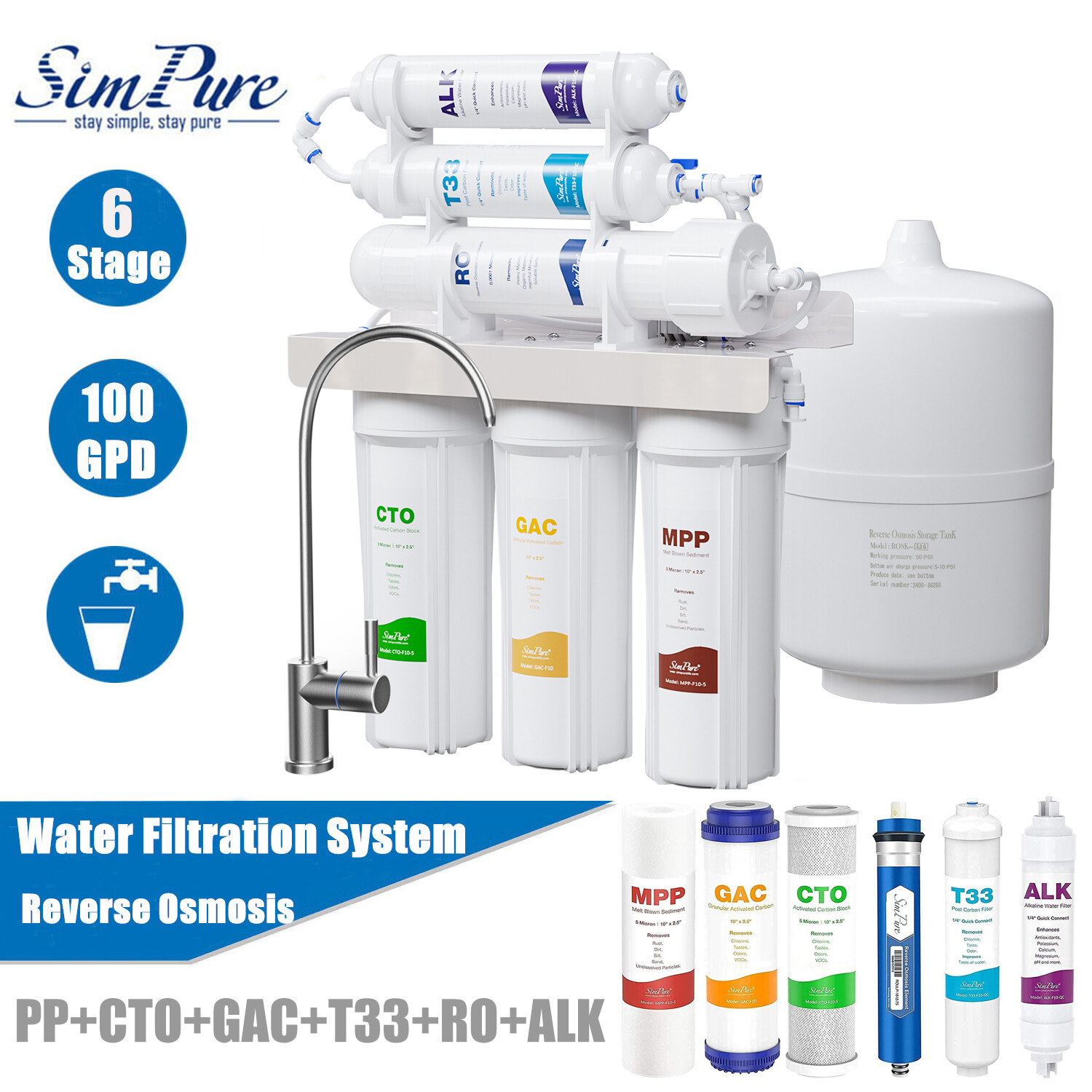
Alkaline Water Filter

Alkaline water filters are add-on cartridges or integrated reverse-osmosis systems that raise pH and reintroduce beneficial minerals like calcium and magnesium. The core trade-off is genuine mineral media quality versus gimmick re-mineralization that just spikes pH without adding usable minerals. A durable alkaline stage uses food-grade calcium carbonate or magnesium oxide media in a refillable or standard-size cartridge; a compromise is an unreplaceable inline cartridge with no mineral spec.

Buying guide image
Coffee Makers & Espresso

Black Stainless Coffee Maker

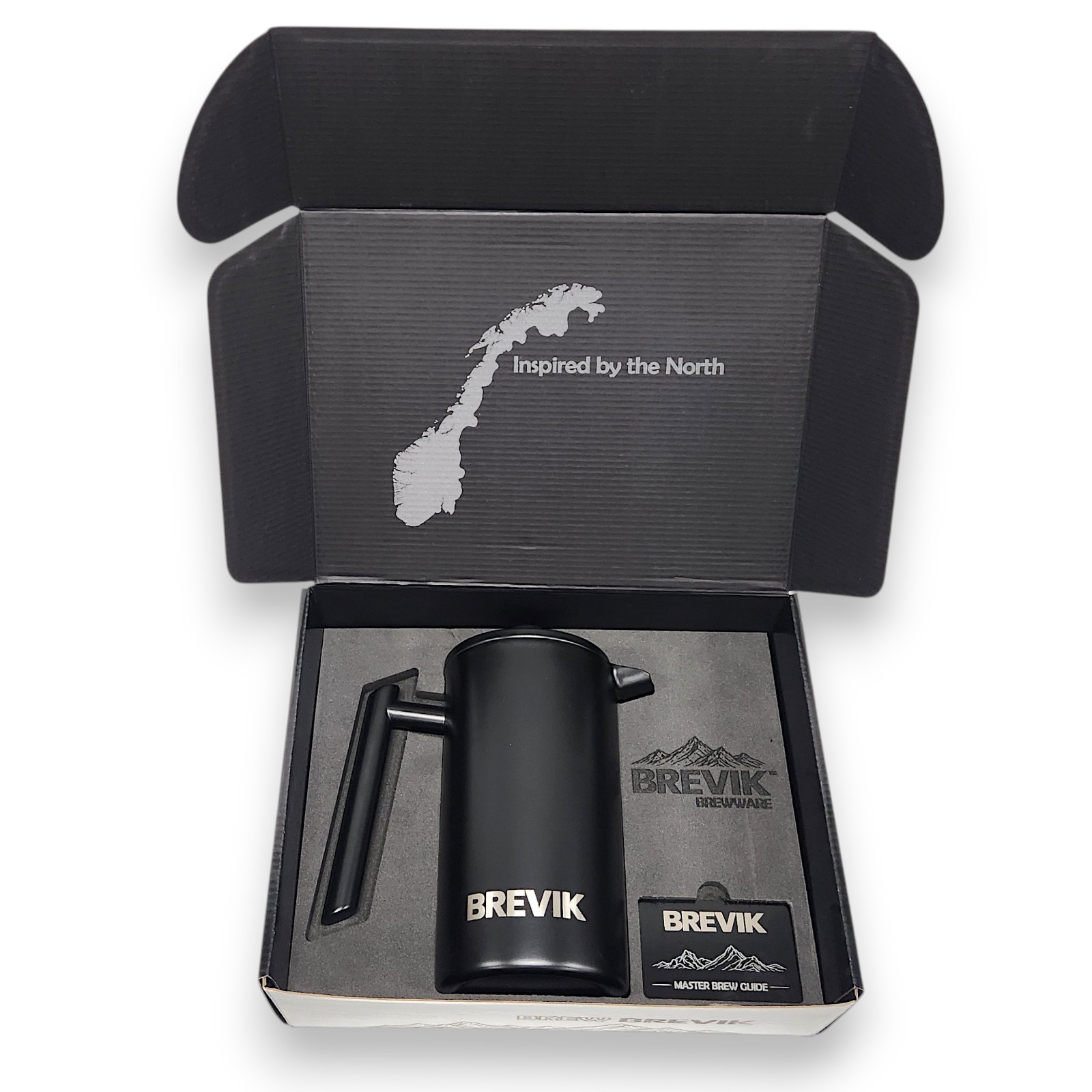
A black stainless coffee maker is a drip or espresso machine with a dark, fingerprint-resistant stainless steel finish that hides wear better than glossy plastic or light steel. The core trade-off is between true 304-grade stainless steel panels (durable, non-chip) and painted or vinyl-wrapped 'black stainless' cosmetic overlays that peel near steam vents. Decide by finish construction method: choose real stainless with a PVD or ceramic coating for longevity; skip any model where the 'stainless' is only a painted plastic shell.

Buying guide image
Food Preparation

Vegetable Slicer And Chopper

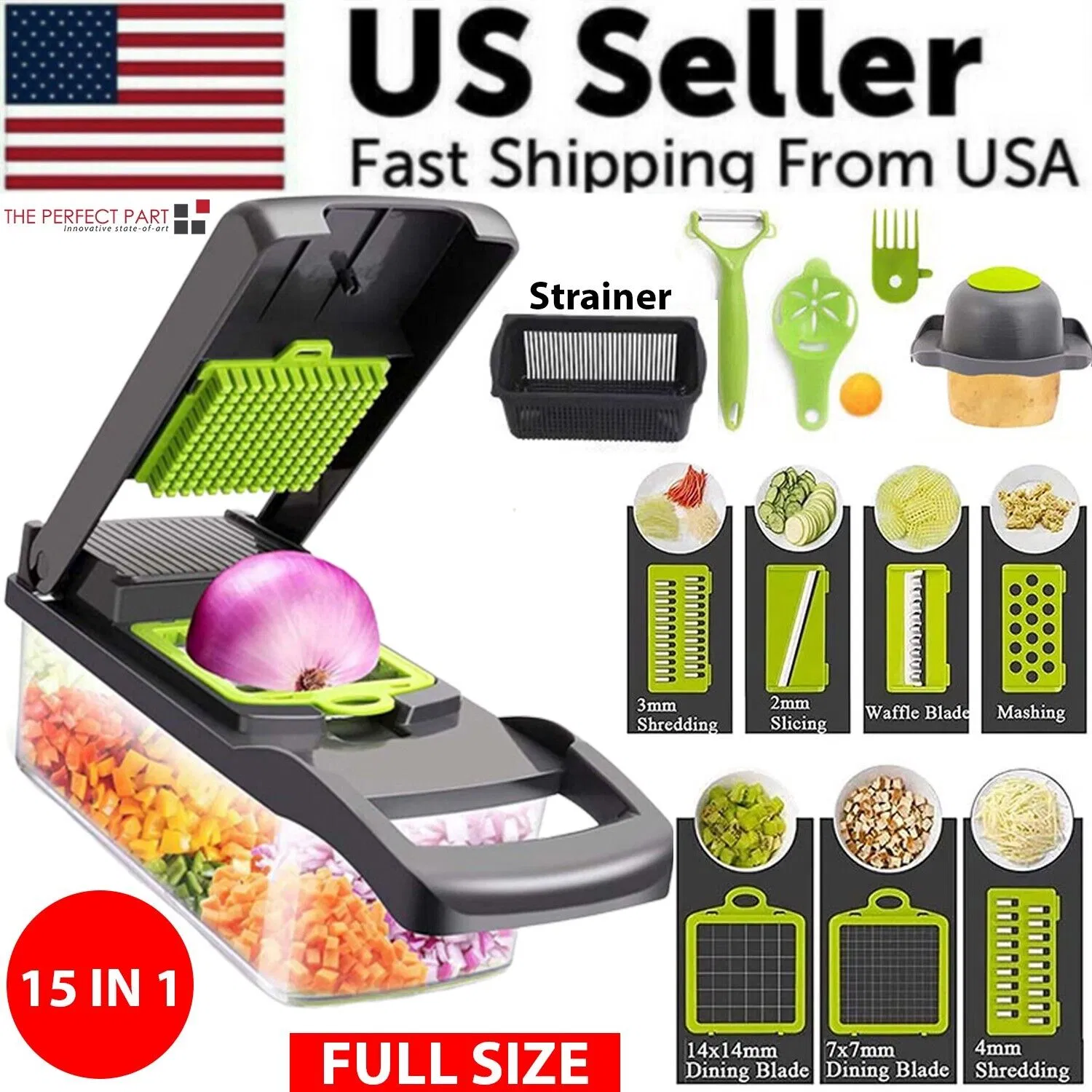
A vegetable slicer and chopper is a manual or lever-action kitchen tool that cuts produce into uniform slices, dices, shreds, or fries, replacing knife work for high-volume prep. The core trade-off is between blade-grade stainless steel with a rigid frame and interchangeable inserts versus thin stamped blades in a flexing plastic housing that dulls or cracks. Buy a stainless-blade, container-mounted mandoline for daily slicing, or a dedicated lever dicer for potatoes and firm roots; skip thin 12-in-1 plastic kits if you chop dense vegetables more than twice a week.

Buying guide image
Pour-Over & Manual Brewing

Pour Over Coffee Maker Set

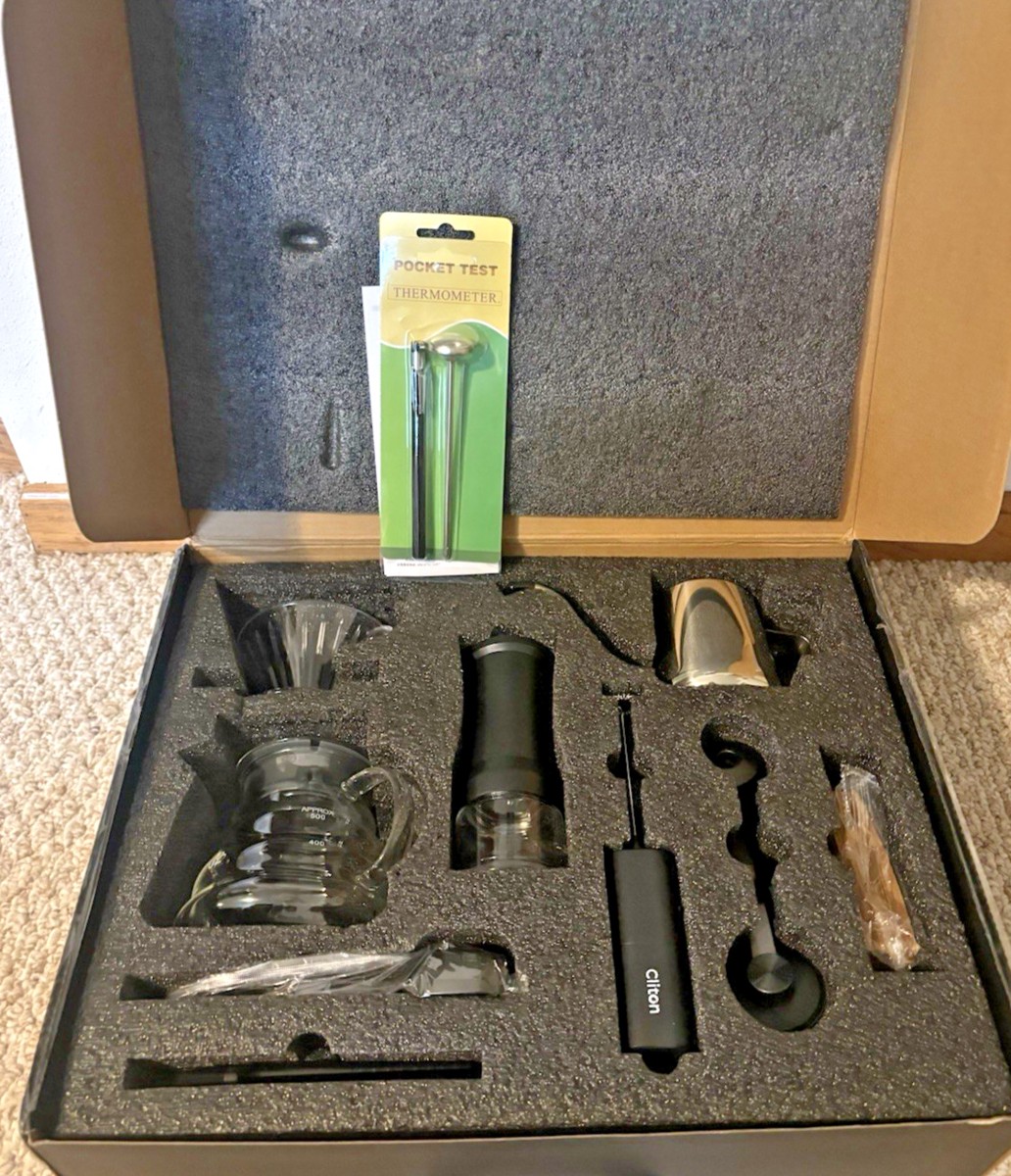
A pour-over coffee maker set bundles the dripper, carafe, filter, and often a gooseneck kettle or grinder into one purchase. The primary trade-off is between borosilicate glass with a wide-mouth Chemex-style body and tighter single-cup ceramic or stainless cones that extract differently. Buy a set whose filter type and cone geometry match your batch size and grind control; skip sets that pair a thin carafe with a mismatched paper filter standard.

Buying guide image
Home Ranges, Ovens & Cooktops

Gas Stove With Downdraft

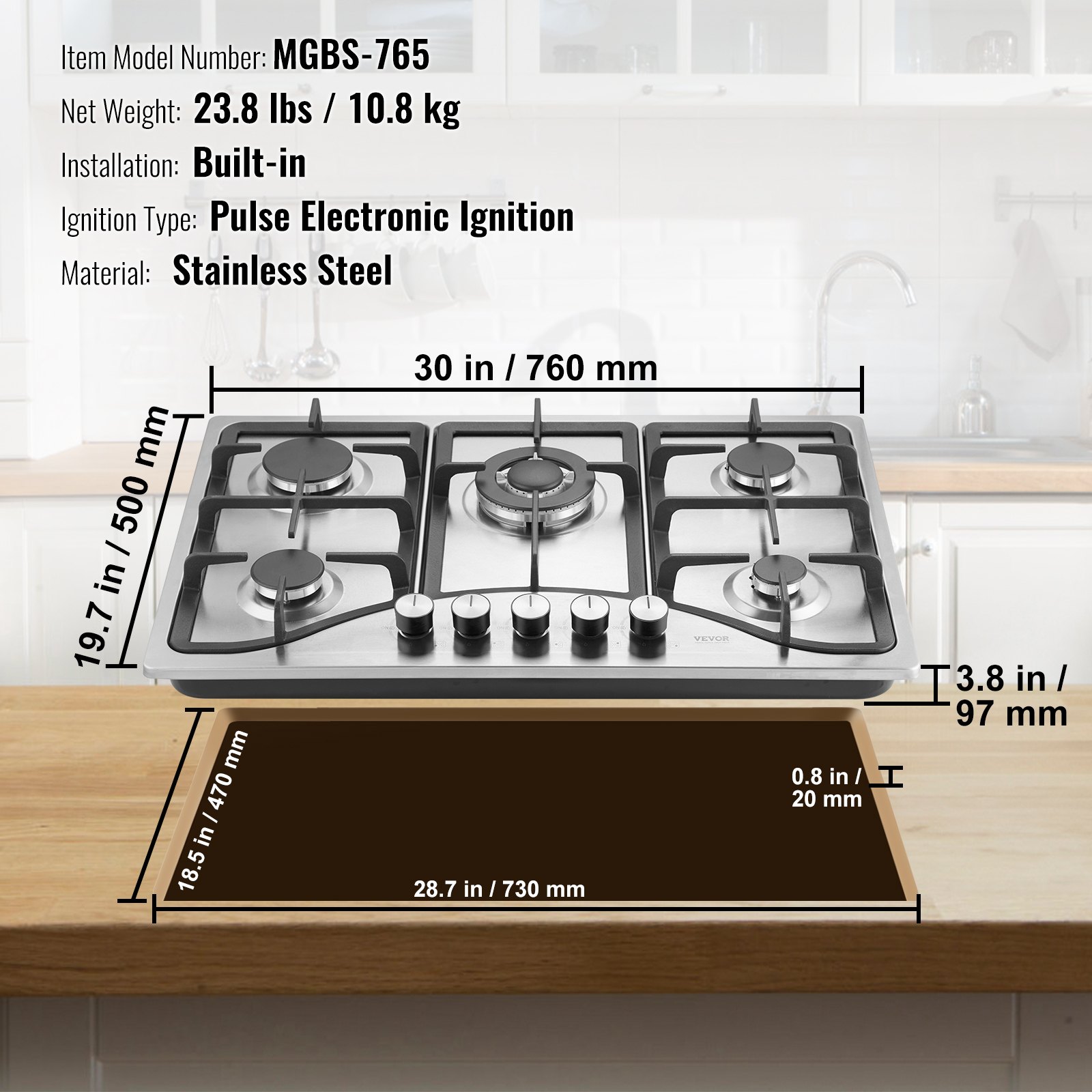
A gas stove with downdraft combines open-flame cooking with a ventilation system that pulls smoke and grease down through the countertop rather than up through a hood. The core trade-off is ventilation capacity versus cooktop flexibility: downdraft units struggle with high-BTU wok cooking and large stockpots, and most require a dedicated exterior or recirculating duct path. Choose a downdraft gas stove only when overhead cabinetry or sightlines rule out a hood; otherwise a conventional gas range with a 400+ CFM hood delivers stronger capture at lower cost.

Buying guide image
Specialty Kitchen Appliances

Portable Food Warmer

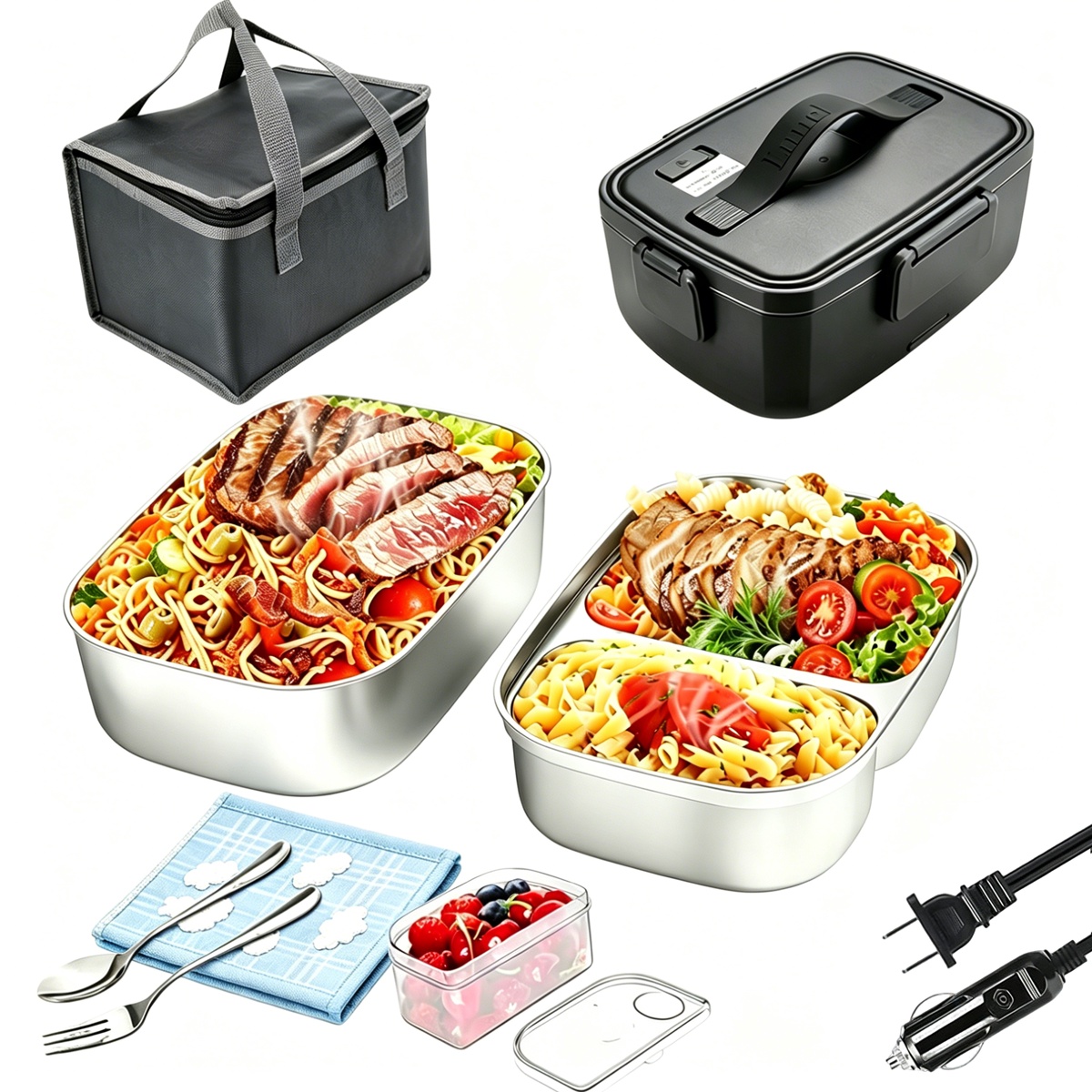
Portable food warmers split into two distinct architectures: sealed 12V/24V/110V electric lunch boxes that heat a single meal in transit and rollable silicone warming mats that hold multiple dishes at serving temperature. The primary trade-off is between targeted, low-wattage conduction heating for one portion versus broad-surface radiant/contact warming for buffets and family meals. Buy a lunch box if you eat away from a wall outlet; buy a warming mat only if you have sustained AC power and need to keep several dishes hot simultaneously.

Buying guide image
Kitchen Storage & Organization

Over The Sink Dish Rack

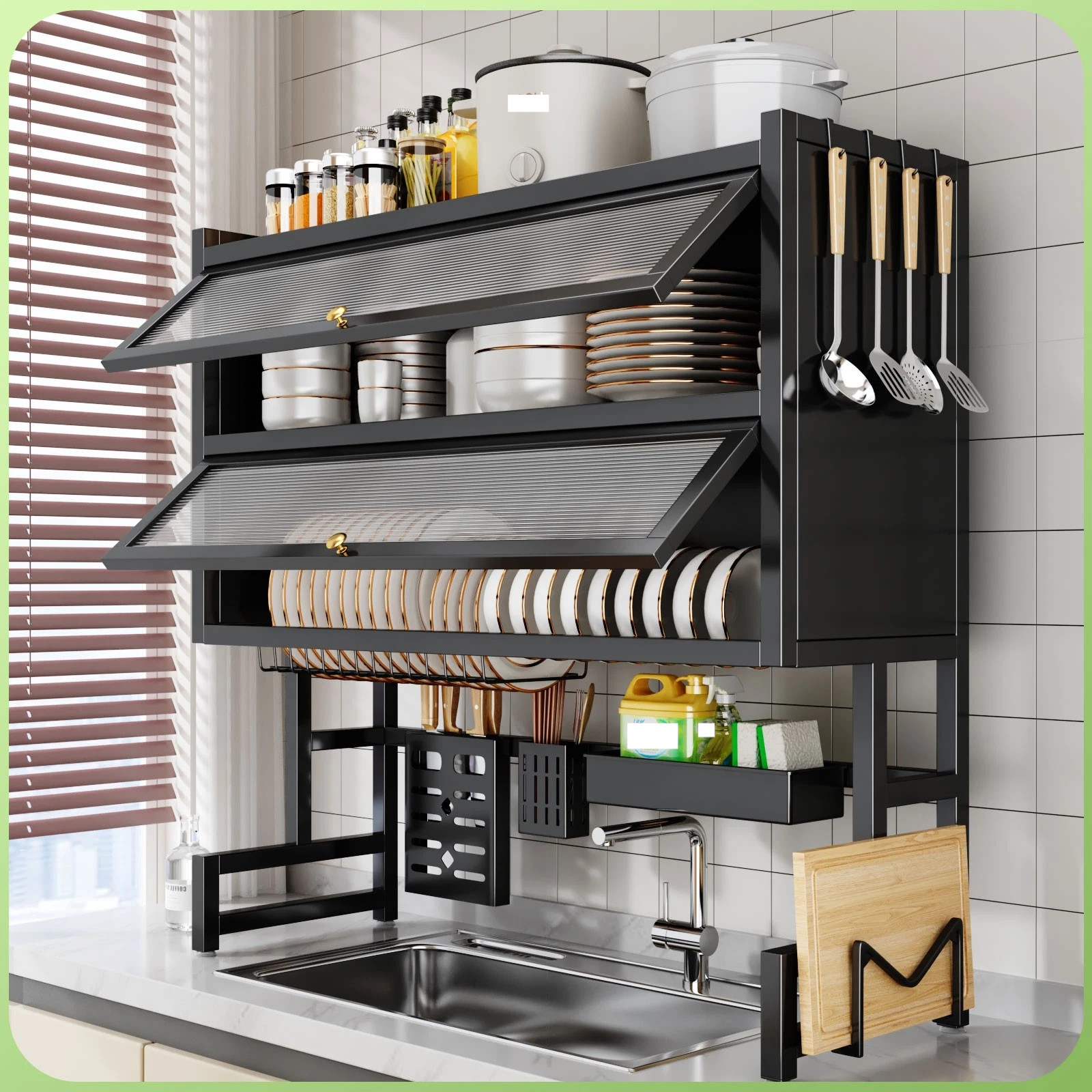
An over-the-sink dish rack spans the sink to free counter space, trading a fixed footprint for drainboard capacity. The core trade-off is between slim roll-up mats that store flat and multi-tier expandable racks that add drying height but impose clearance and load limits. Choose a roll-up mat for occasional dishware and tight drawers; choose a telescopic two-tier rack only when your sink span, backsplash clearance, and faucet swing all clear its frame.

Buying guide image
Toasters & Ovens

Breville Oven

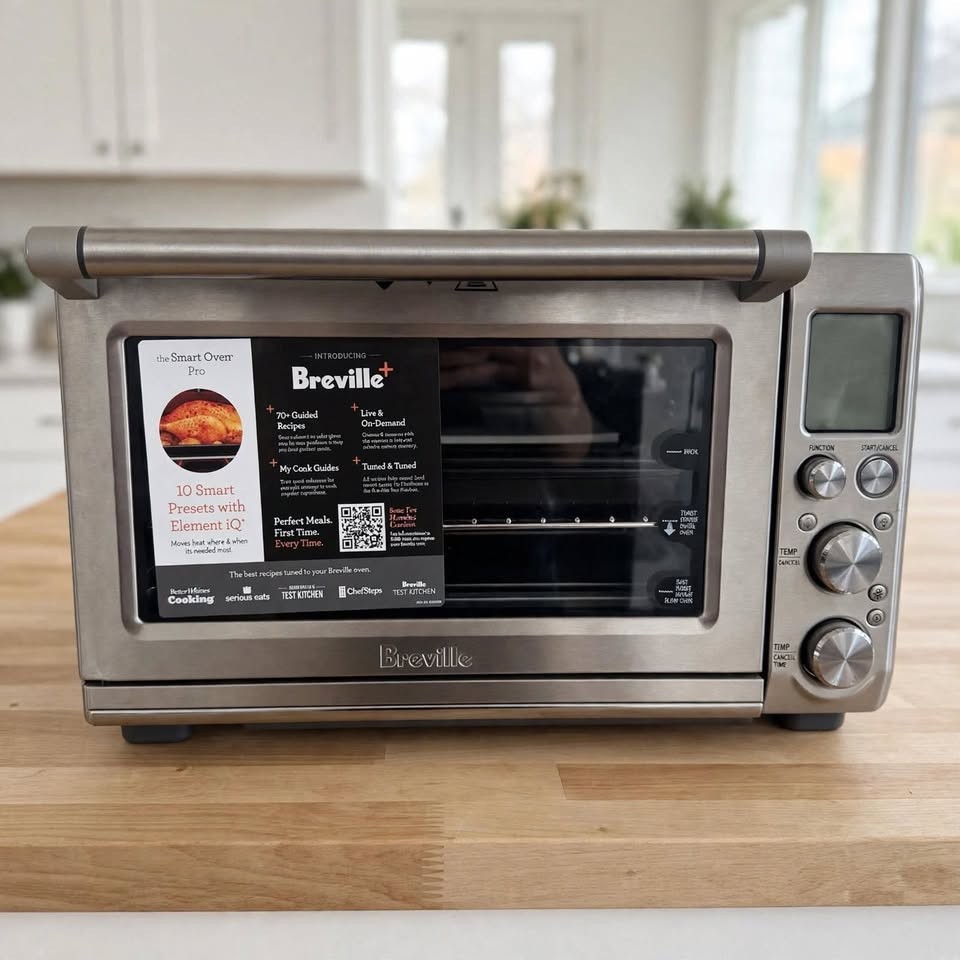
Breville toaster ovens are countertop convection ovens built around quartz-element heating, PID-style temperature control, and Element IQ power distribution across multiple zones. The core trade-off is between the 10-function Smart Oven tiers (BOV845/BOV860) and the larger Air Fryer Pro tiers (BOV900/BOV950), where capacity, element count, and air-fry wattage rise with price and counter footprint. Buy the tier whose interior dimensions and element architecture match your actual cooking load; anything smaller than your typical sheet-pan or roasting task becomes a compromise.

Buying guide image
Bread Ovens & Dutch Ovens

Bread Baking Oven

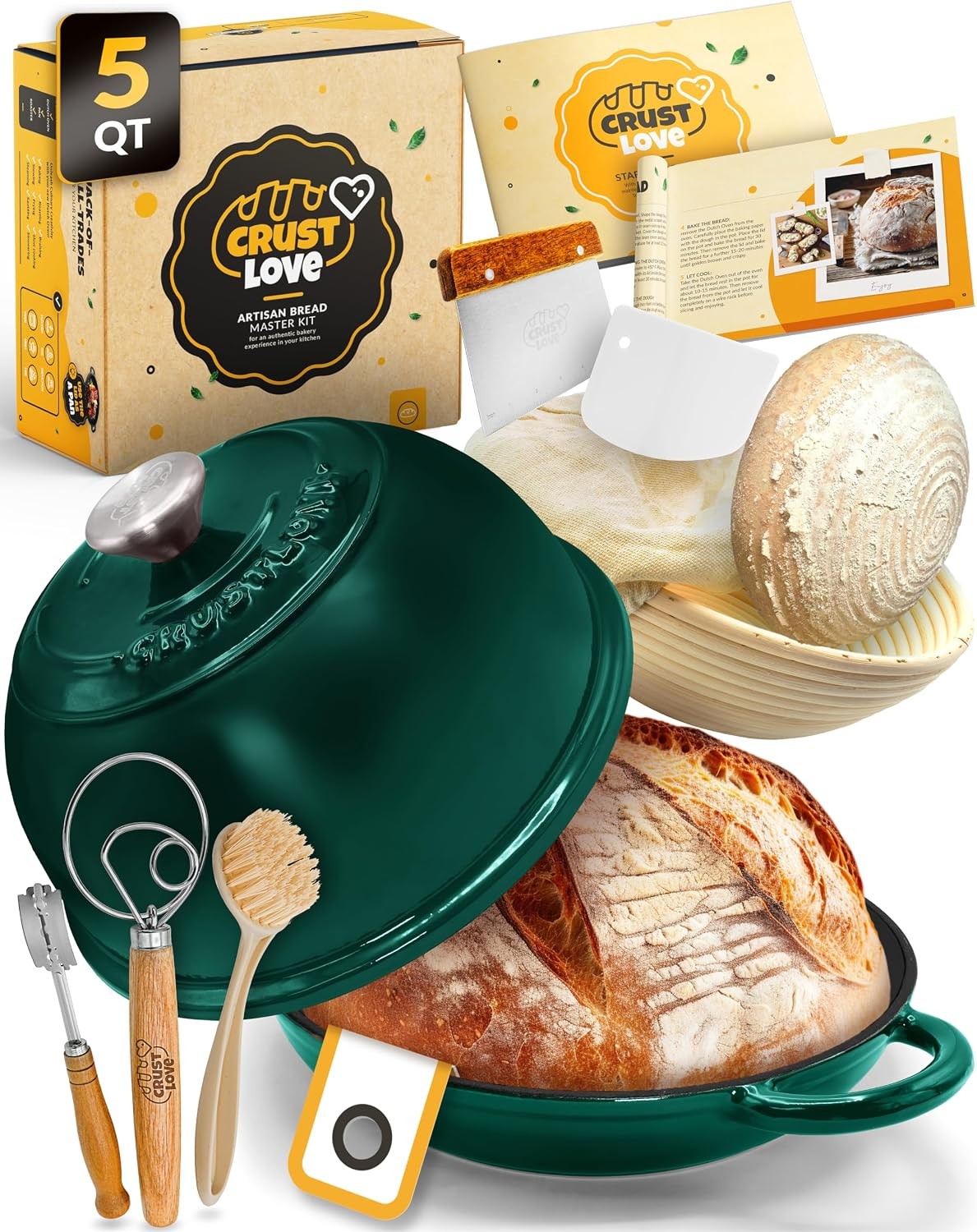
A bread baking oven is an enclosed cast-iron or enameled-cast-iron vessel (Dutch oven, cloche, or oblong baker) that traps steam to produce professional crust and oven spring at home. The core trade-off is between raw cast iron (max heat retention, needs seasoning) and enameled cast iron (easy release, no seasoning, but can chip if thermally shocked). The decision rule: choose enameled for low-maintenance sourdough and acidic doughs, raw cast iron for high-heat rustic loaves and durability, and match the vessel shape to your loaf style—round for boules, oval for batards.

Buying guide image
Sourdough Starters & Fermentation

Sourdough Starter Jar Kit

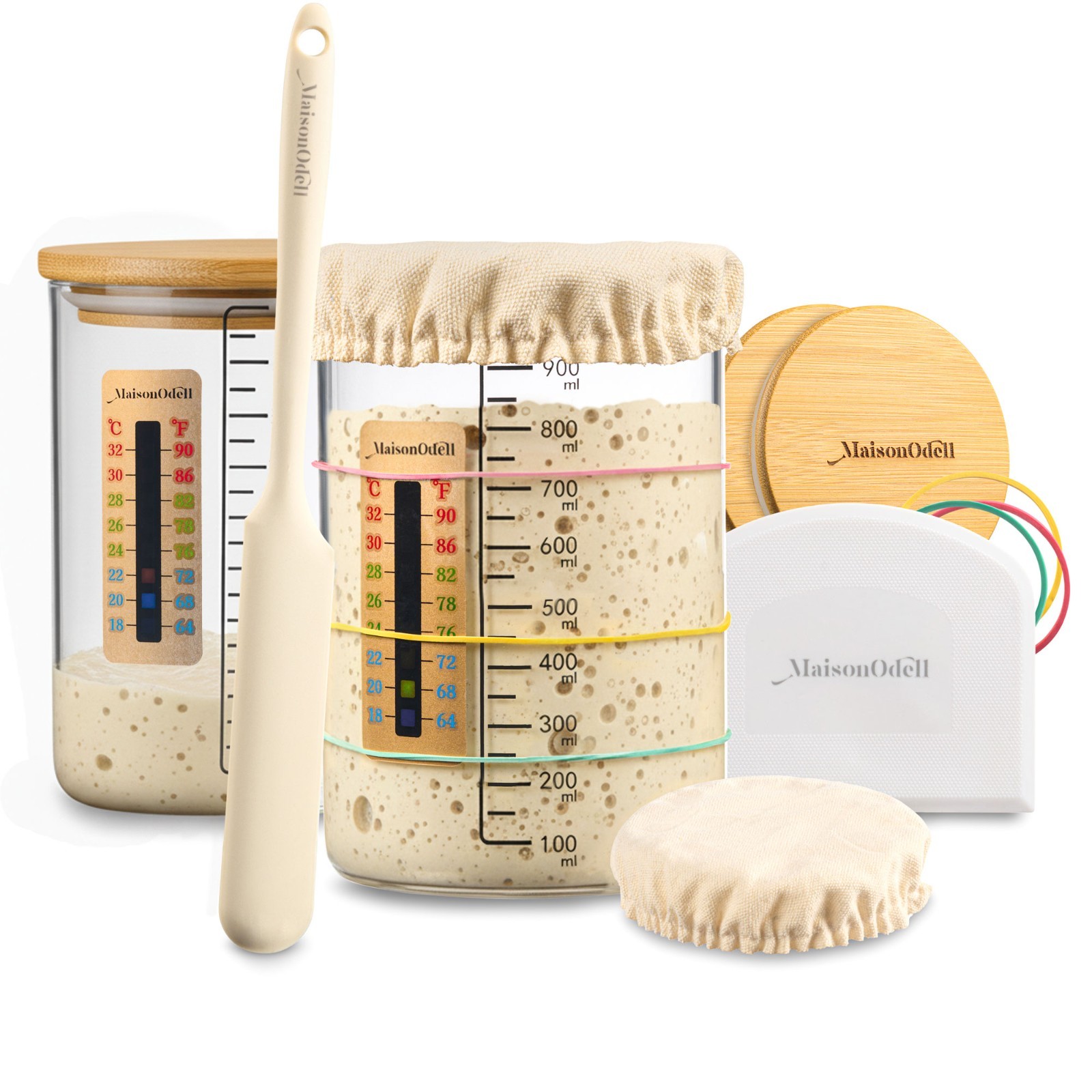
A sourdough starter jar kit is a glass fermentation vessel paired with a lid, scale, and often tools for maintaining a healthy starter culture. The core trade-off is between thin, decorative glass with loose lids and thicker borosilicate or soda-lime glass with a breathable or airtight sealing mechanism that controls moisture and gas exchange. Prioritize a kit with a wide-mouth 1000 ml jar, a marked volume scale, and a lid that allows CO2 escape; skip kits that bundle a jar with unmarked glass or a solid clamp lid that risks pressure buildup.

Buying guide image
Sourdough Starters & Fermentation

Sourdough Container

A sourdough container is the vessel that holds your starter through daily feeding and bulk fermentation, and the core trade-off is between airtight, easy-to-clean glass and lightweight, shatter-resistant plastic. The decision rule: choose a straight-sided clear glass jar with a loose-fit or vented lid and measured volume markings for reliable rise tracking, and skip decorative or narrow-mouth jars that trap dough and hide the doubling line.

Buying guide image
Food Dehydrators

Fruit Dehydrate

A fruit dehydrator is a low-temperature convection appliance that removes 80-95% of moisture from fruit to inhibit microbial growth and concentrate flavor. The decisive trade-off is between budget tray-stack units with weak horizontal airflow and horizontal-airflow cabinet models with adjustable thermostats, which determine drying uniformity and whether you get leathery or case-hardened fruit. The clear rule: buy a unit with at least 600W, horizontal rear-mounted airflow, and digital temperature control down to 35°C for fruit; skip any dehydrator that only offers on/off heat without a thermostat.

Buying guide image
Sourdough Starters & Fermentation

Sourdough Starter Jar With Lid

A sourdough starter jar is a dedicated fermentation vessel whose lid, volume markings, and glass grade determine whether you can reliably track rise and avoid mold. The key trade-off is between a simple screw-top jar that traps gas and a breathable or vented lid that lets CO2 escape while keeping contaminants out. Choose borosilicate or thick soda-lime glass with a vented or silicone-gasketed lid for daily feeding; skip thin decorative jars with airtight seals for active starter maintenance.

Buying guide image
Proofing Baskets & Bread Lames

Dough Proofing Basket

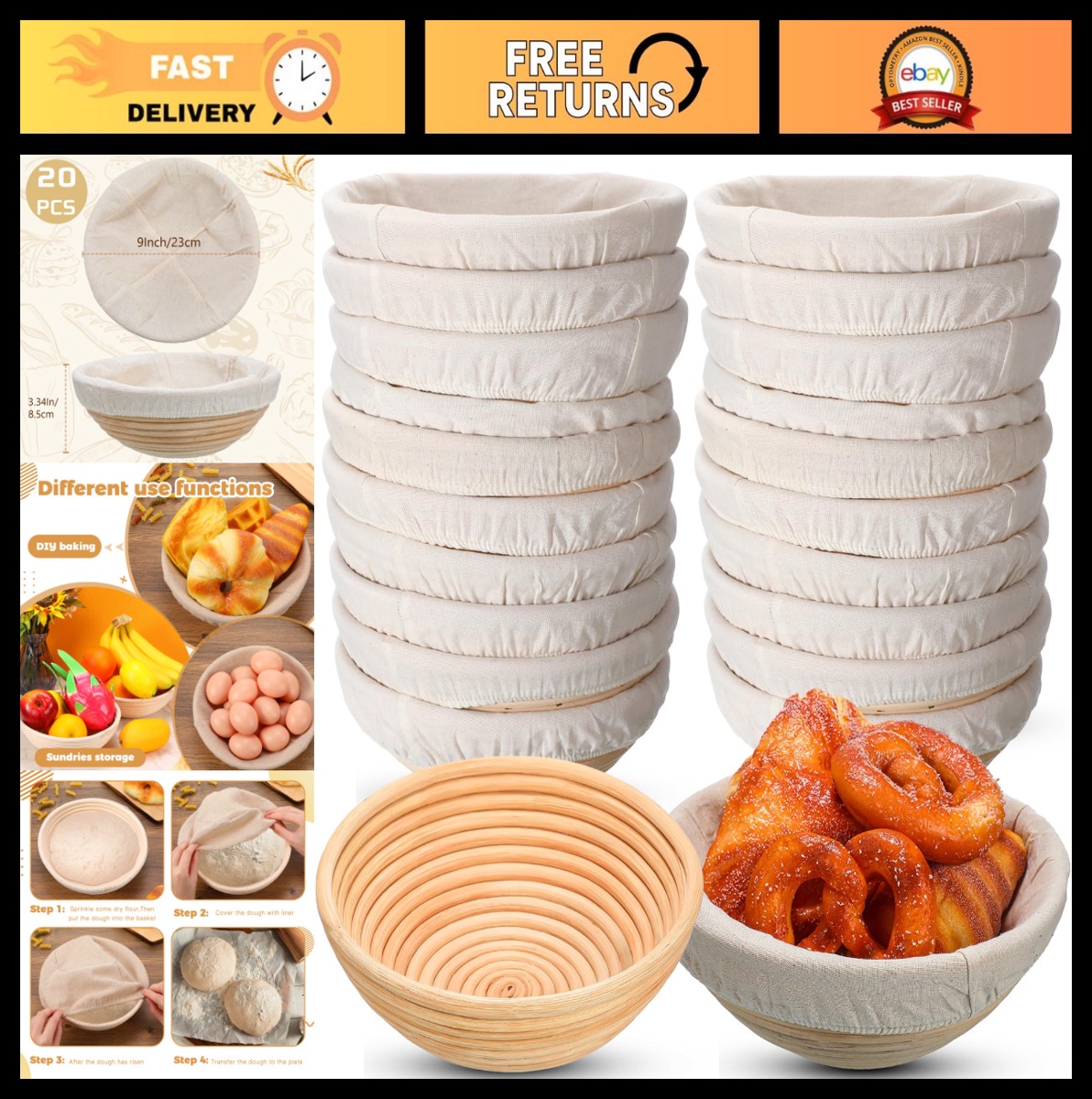
A dough proofing basket (banneton) supports shaped dough during its final fermentation, drawing surface moisture so the crust sets into a defined pattern. The core trade-off is natural rattan/cane versus synthetic or lined baskets: natural cane wicks moisture for a crackly crust but needs thorough flouring and drying, while lined or plastic baskets release cleanly with less flour but yield a softer surface. Choose natural cane only if you will maintain a dry, floured, well-ventilated proofing routine; otherwise a lined basket is the durable, low-friction compromise.

You may also like

Finding more guides for you…